

How to Restore and Fix Old Double-Hung Windows
Double Hung Wood Window Repair Near Me in Oakwood, OH
Why Restore Your Old Wood Windows?
Double hung wood window repair in Oakwood, OH is a smart, cost-effective way to preserve your home’s character and improve energy efficiency. Here’s what you need to know:
Common Repairs for Double-Hung Wood Windows:
- Small rot repair: Apply epoxy consolidant and filler ($50-100 in materials)
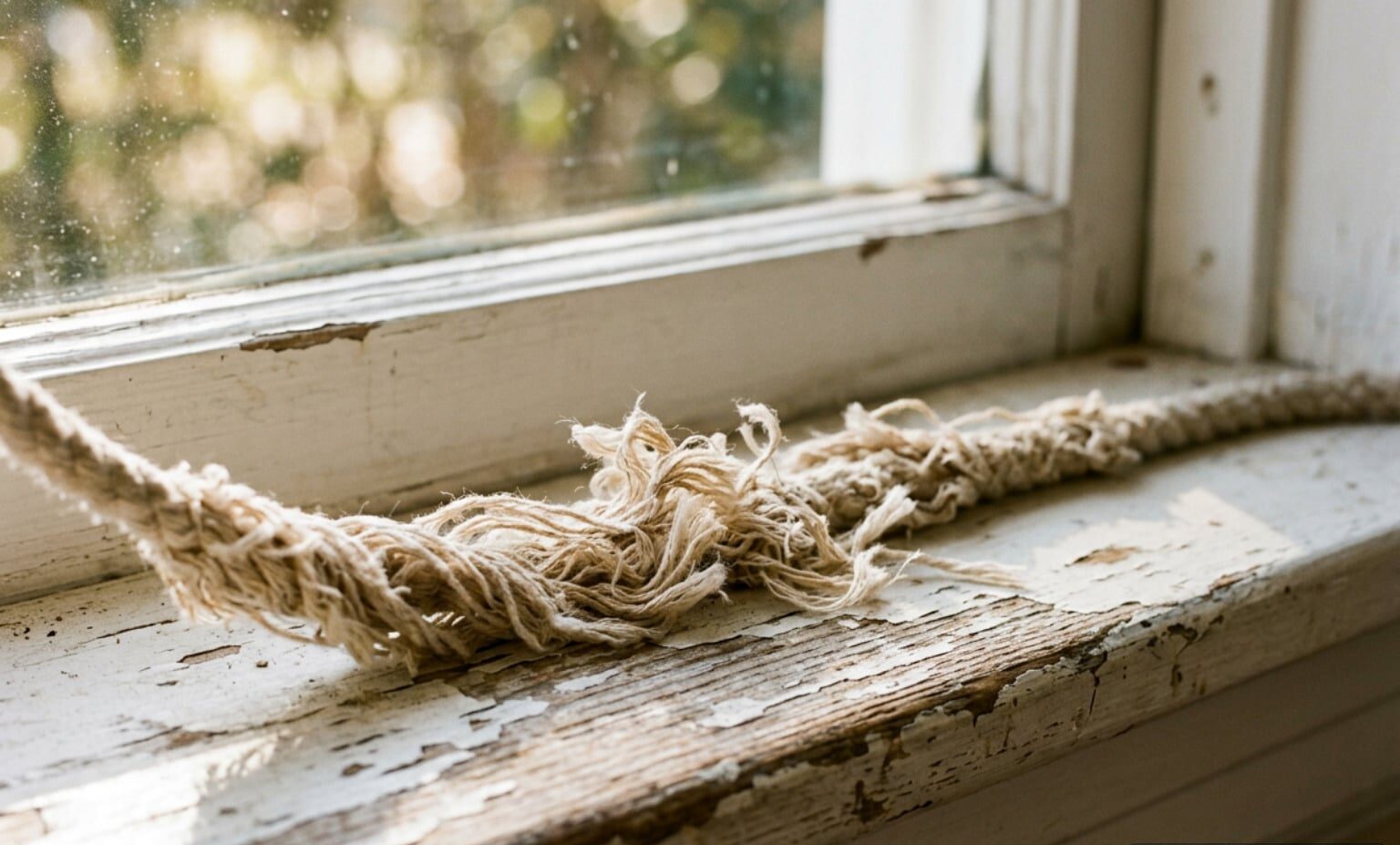
- Sash rope replacement: Install new cotton rope and adjust weights (2-3 hours per window)
- Reglazing: Remove old putty, bed glass, and apply new glazing compound
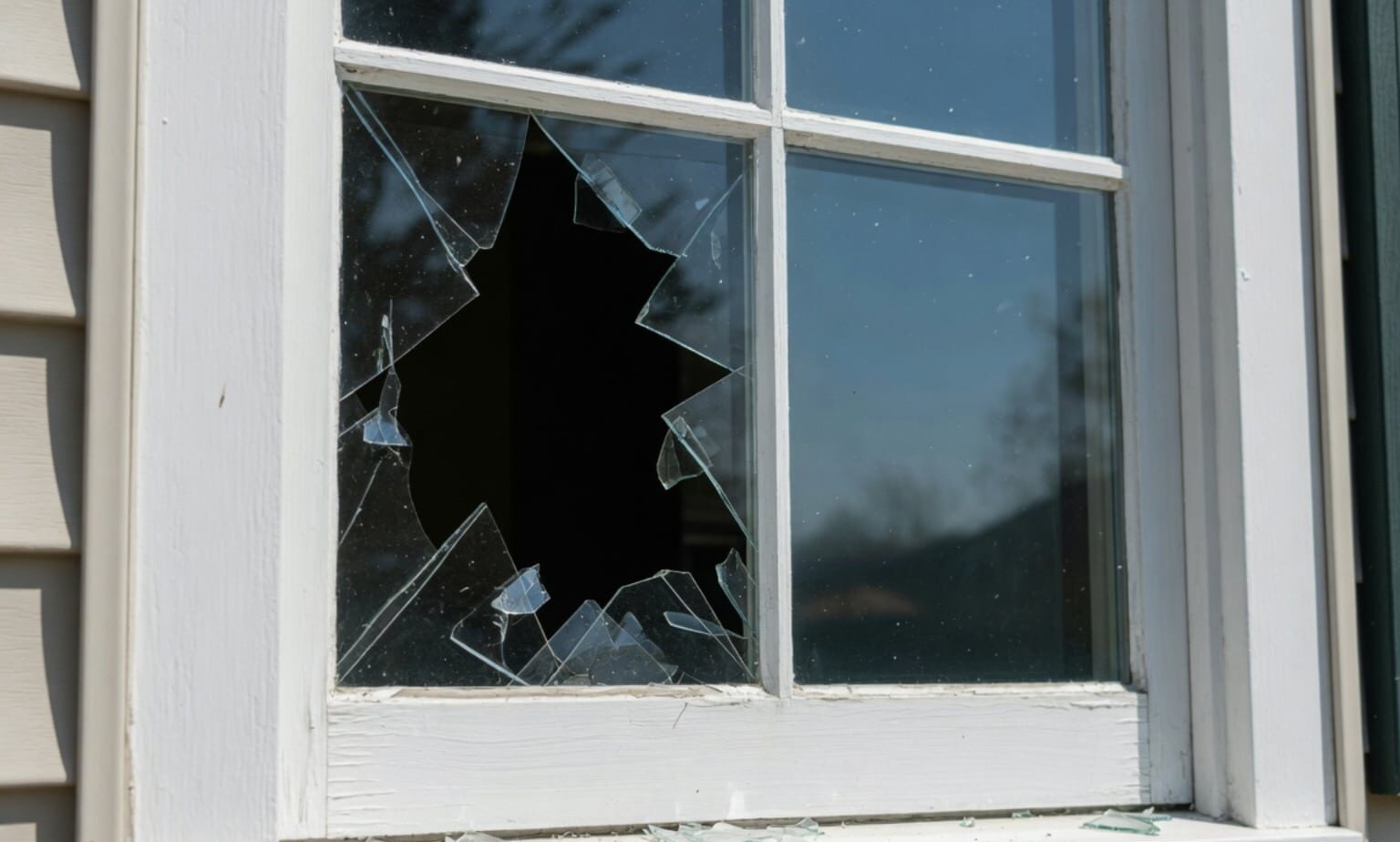
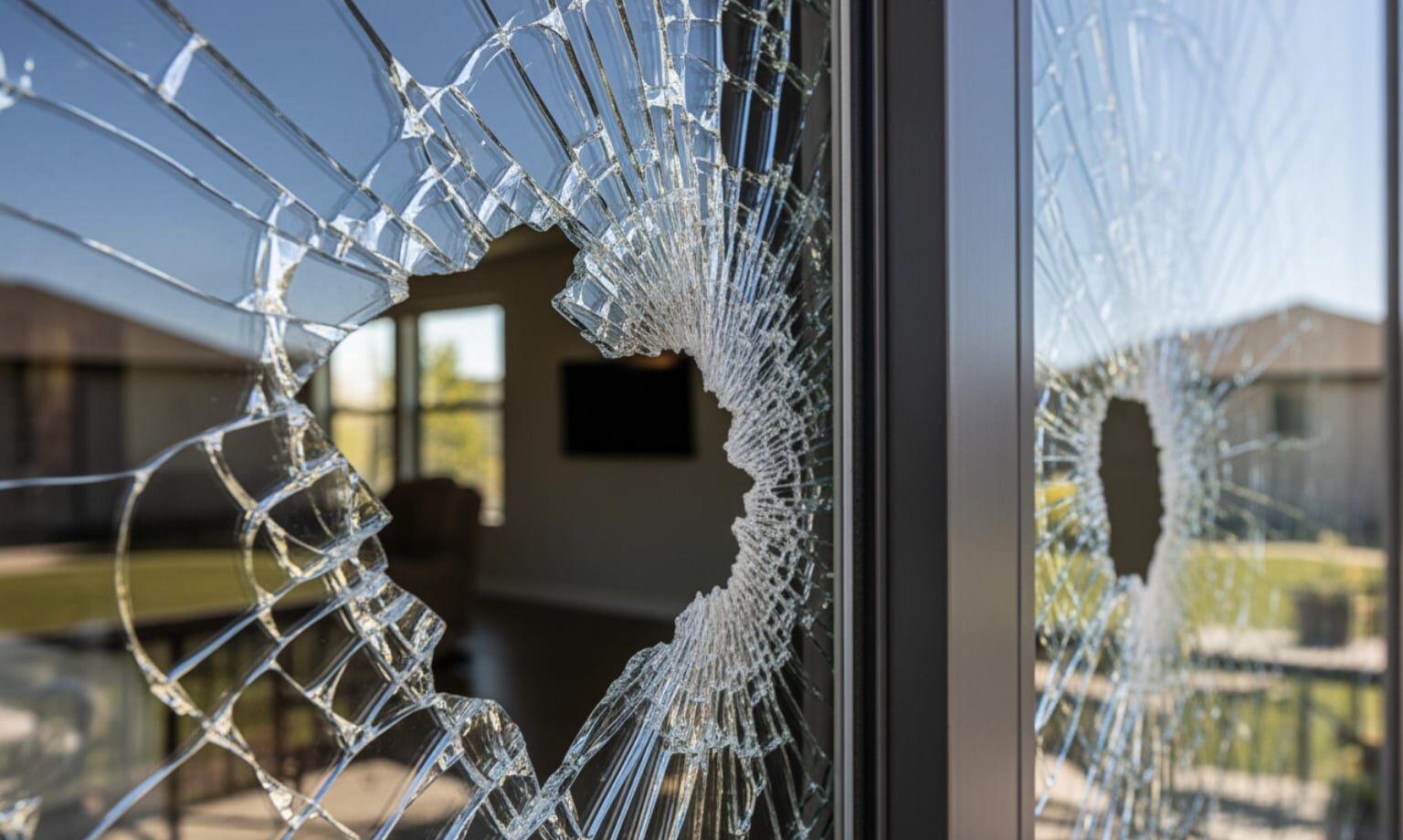
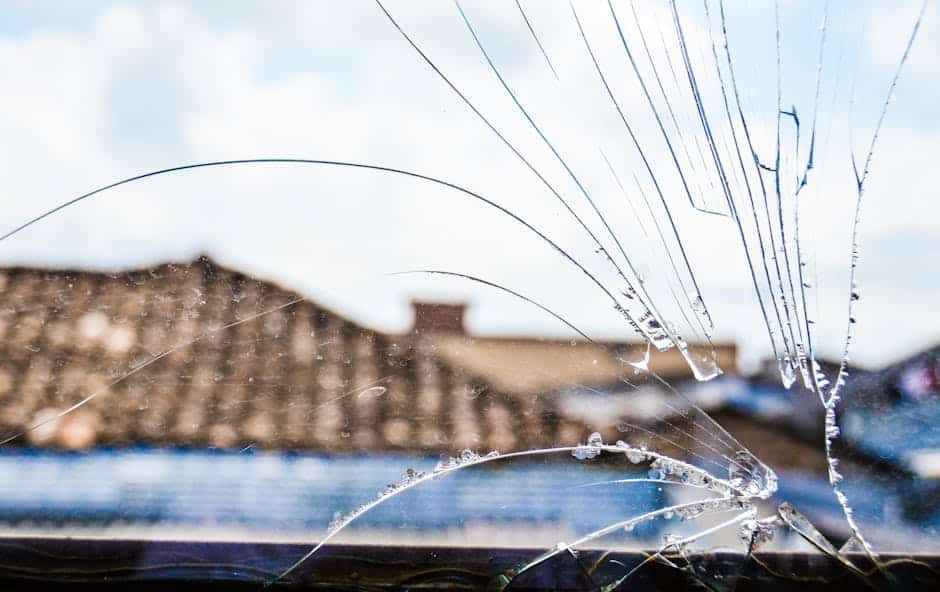
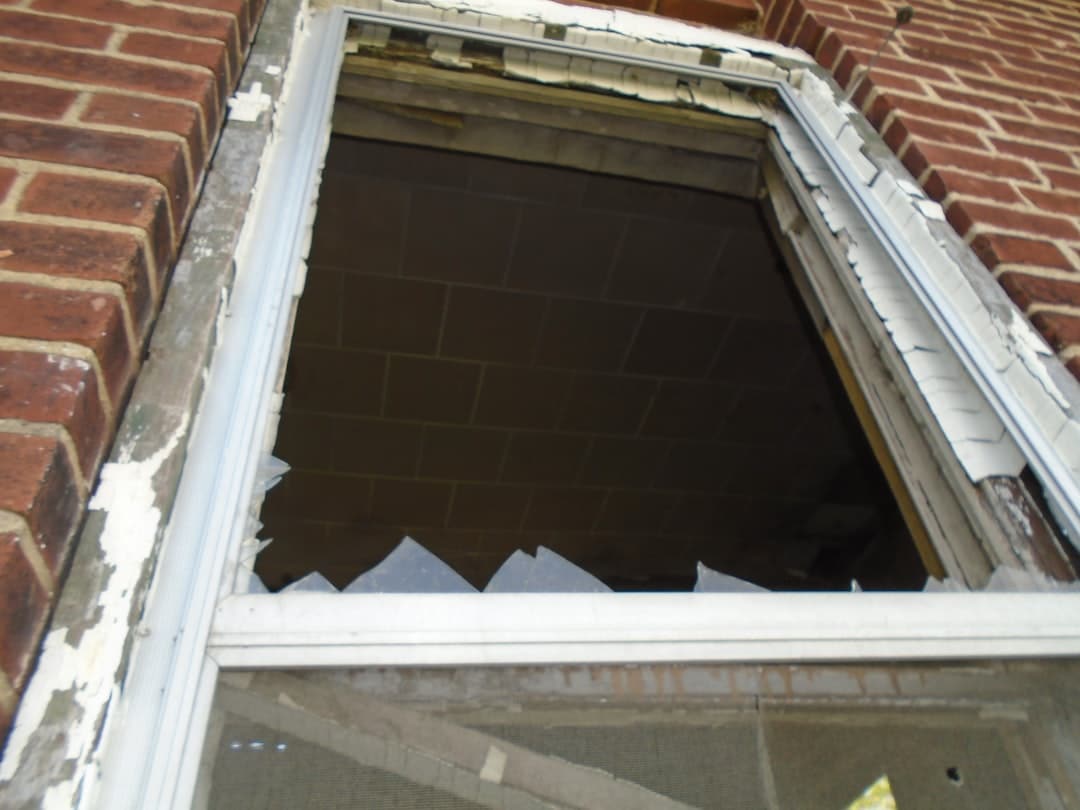
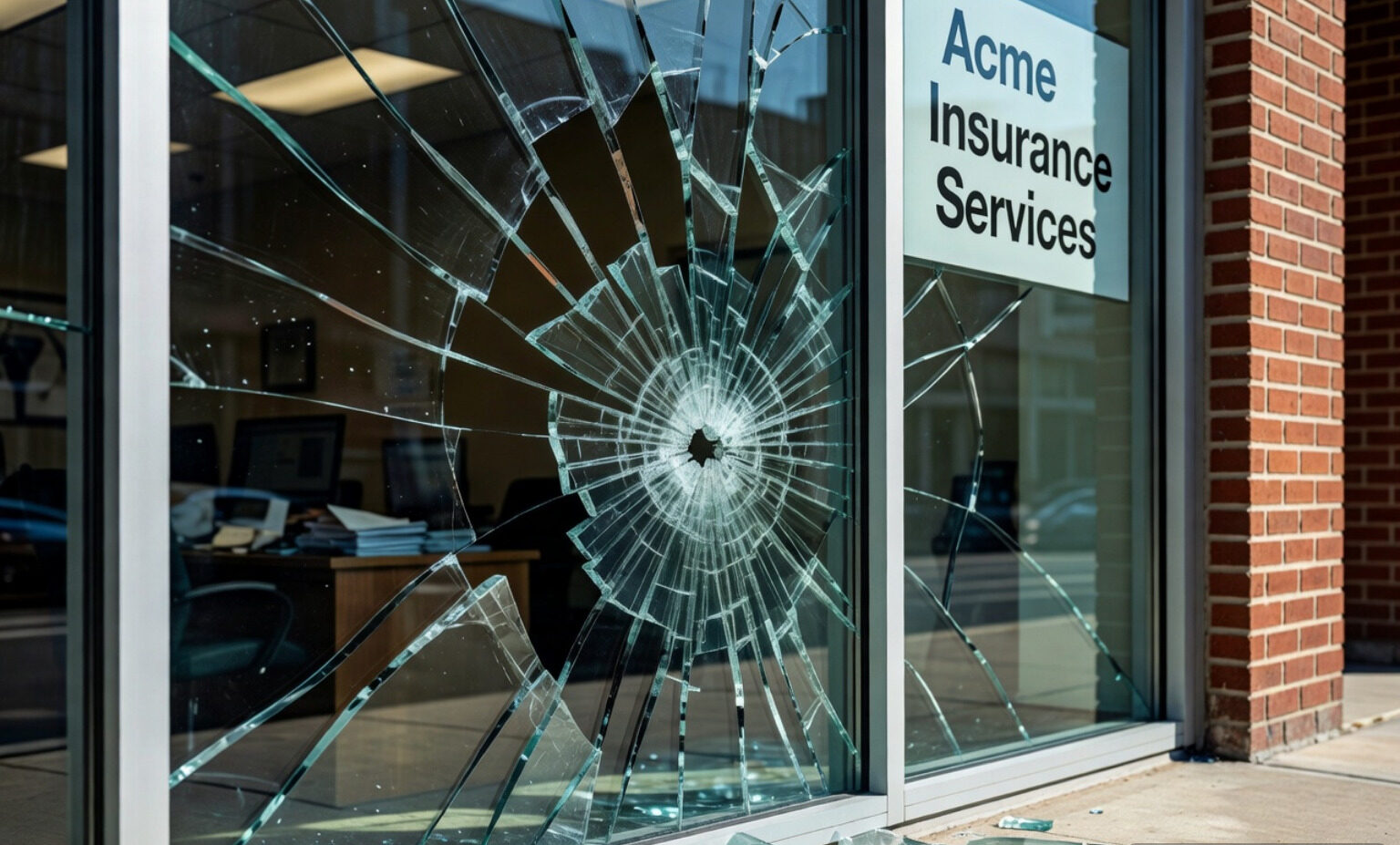
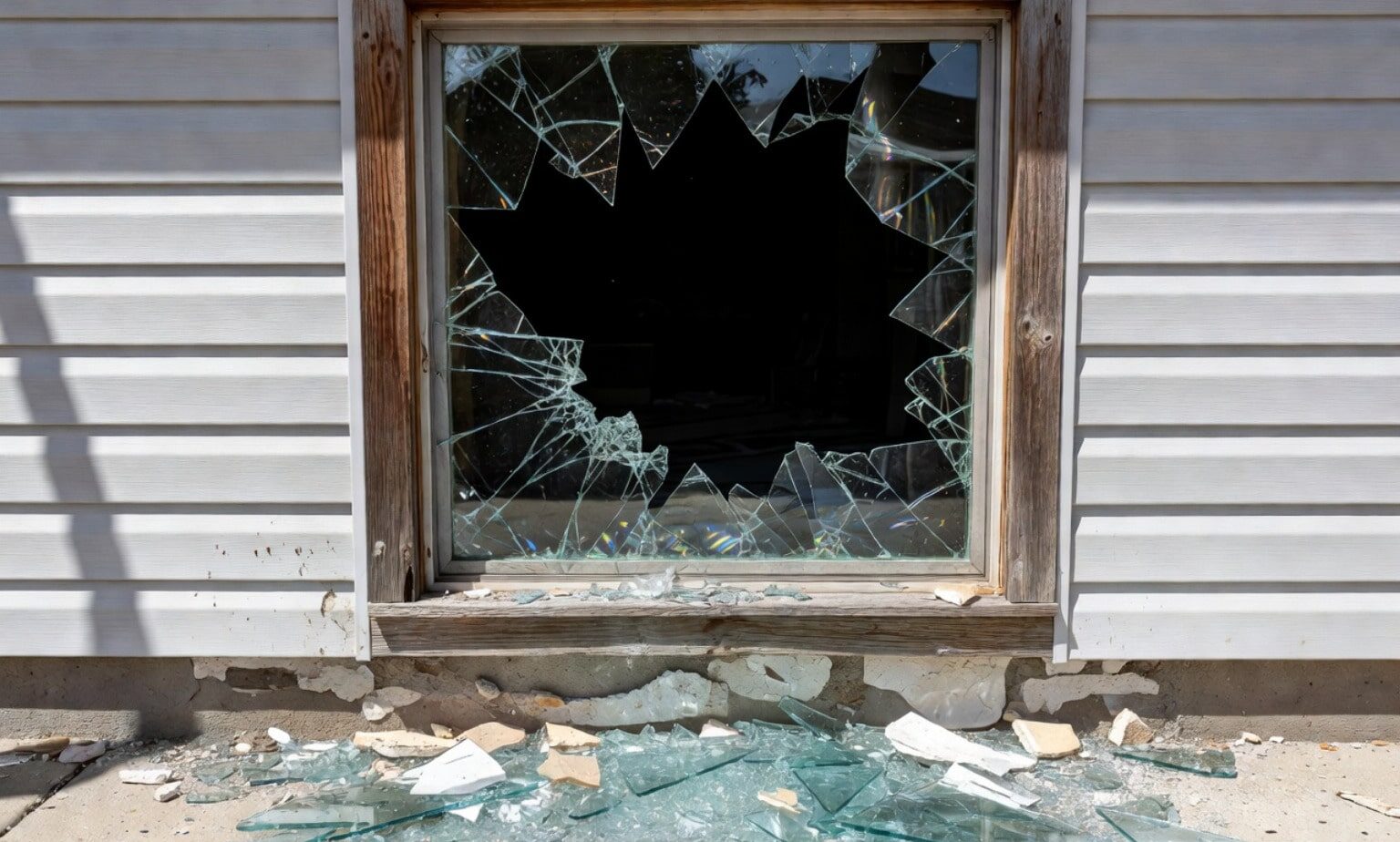
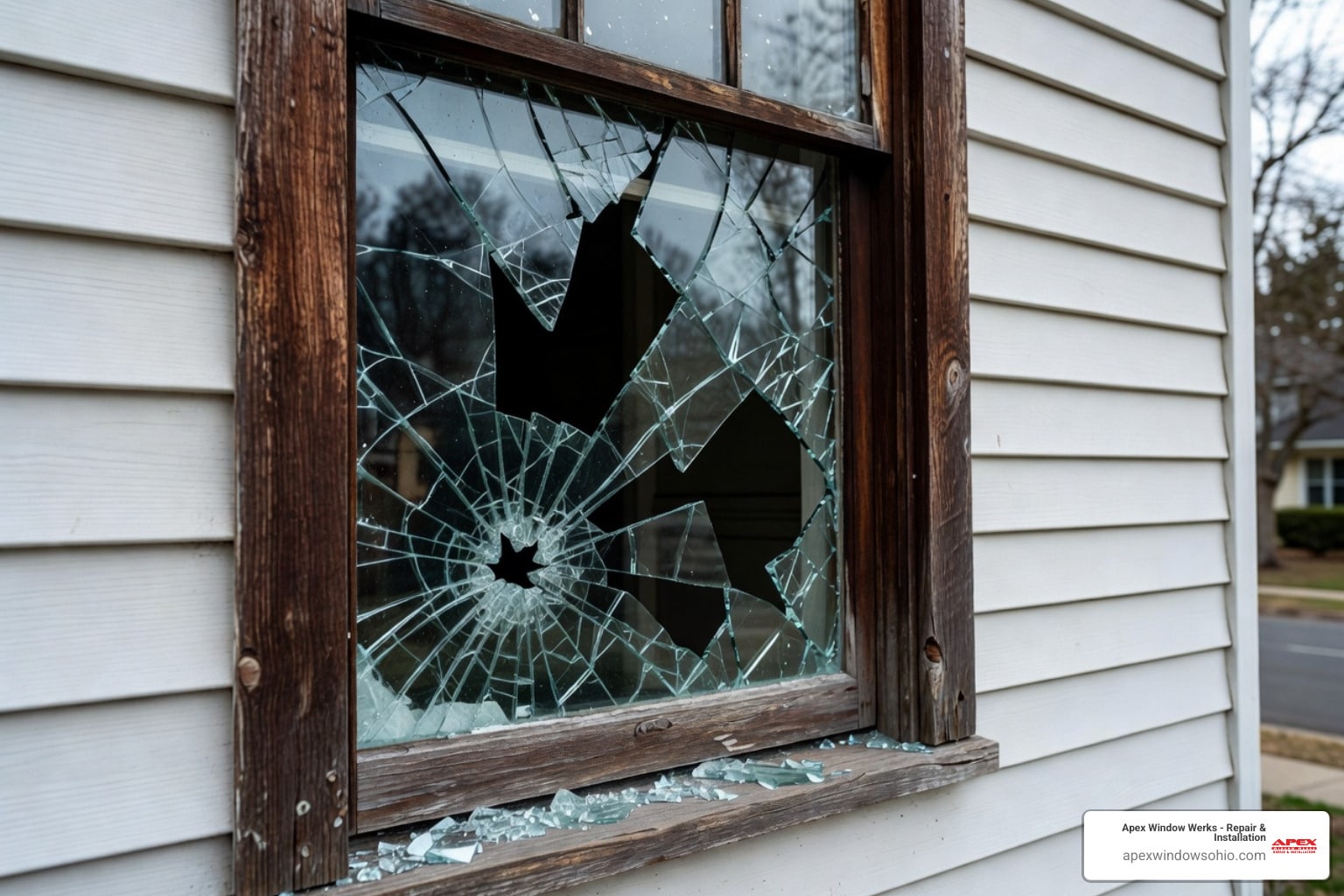
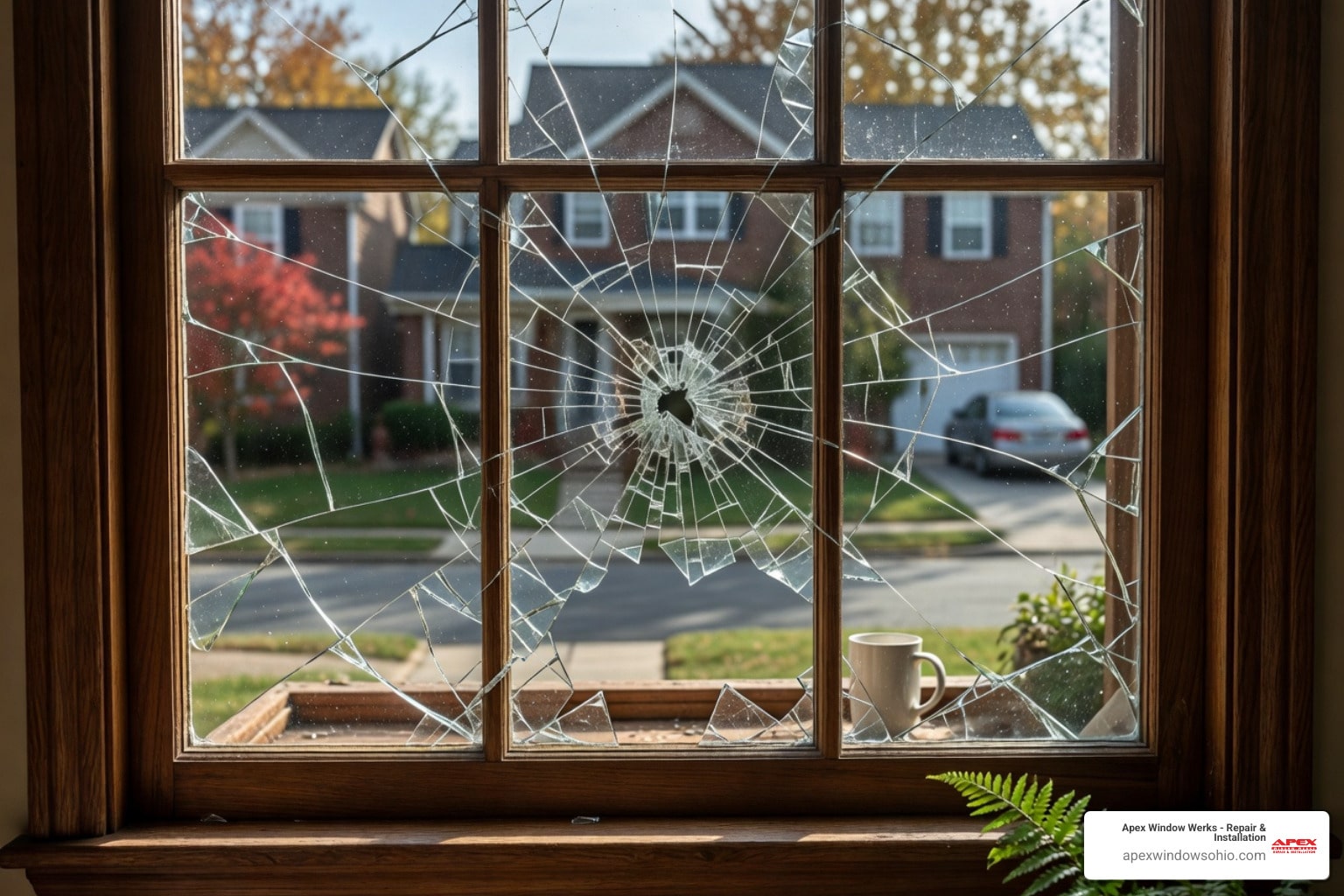
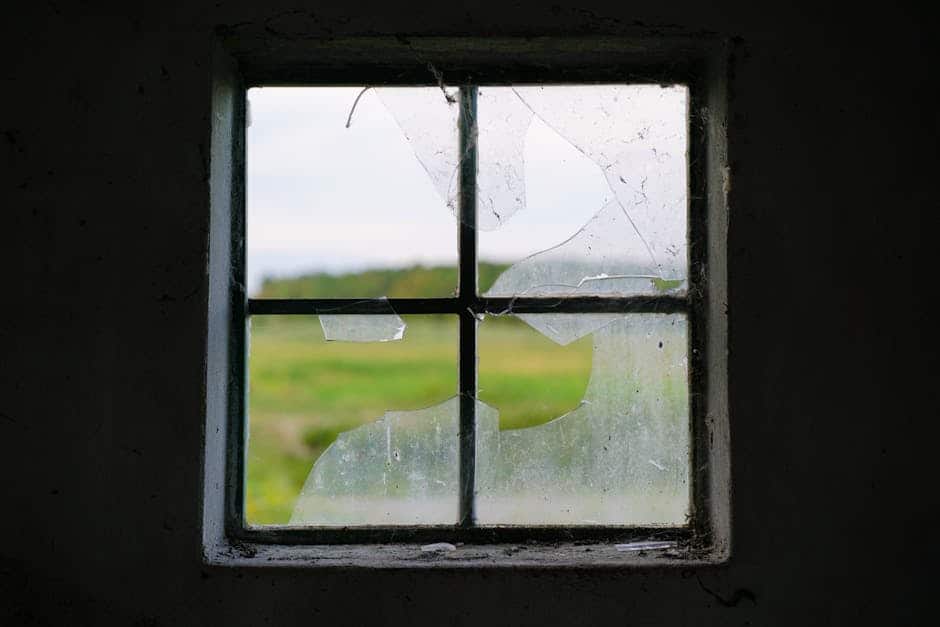
- Broken glass replacement: Carefully remove old glass and install a new pane
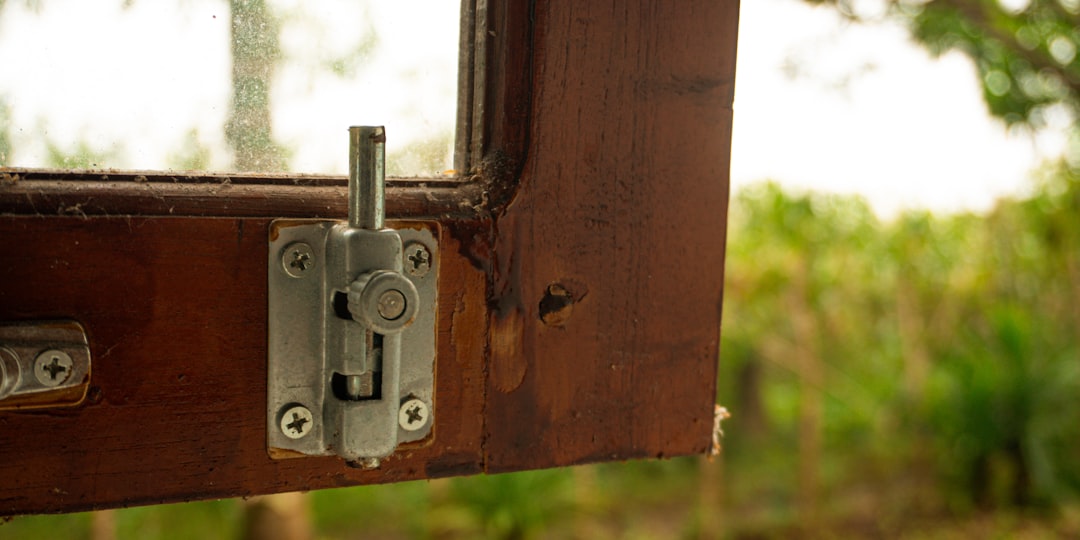
- Hardware restoration: Clean, repair, or replace locks and latches
- Weatherstripping: Add modern seals to reduce drafts (under $10 per window)
When to Repair vs. Replace:
- Repair if: Minor rot, broken glass, failed glazing, stuck sashes, worn hardware
- Replace if: Extensive frame rot, structural wall issues, or complete window failure
Restoration often costs a fraction of replacement. Historic wood windows were built with old-growth timber designed to last 150+ years, while modern replacements often fail within 10-20 years. A DIY restoration can cost under $50 in materials, versus $1,000+ for professional work or a new replacement unit.
Beyond cost savings, restoration preserves your home’s historical integrity and avoids sending salvageable materials to the landfill. Weatherstripped historic windows paired with storm windows can exceed modern energy code requirements, making them both beautiful and efficient.
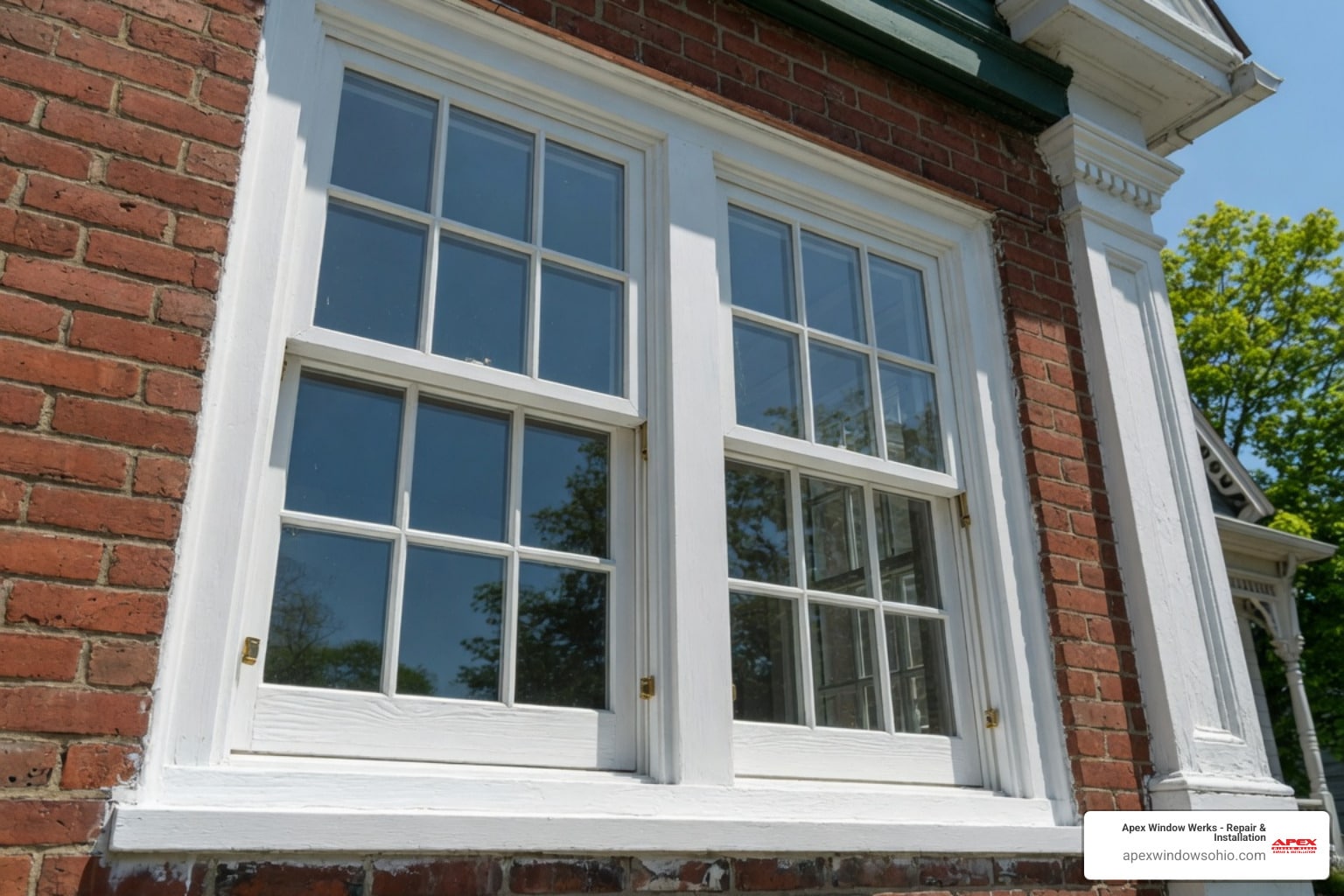
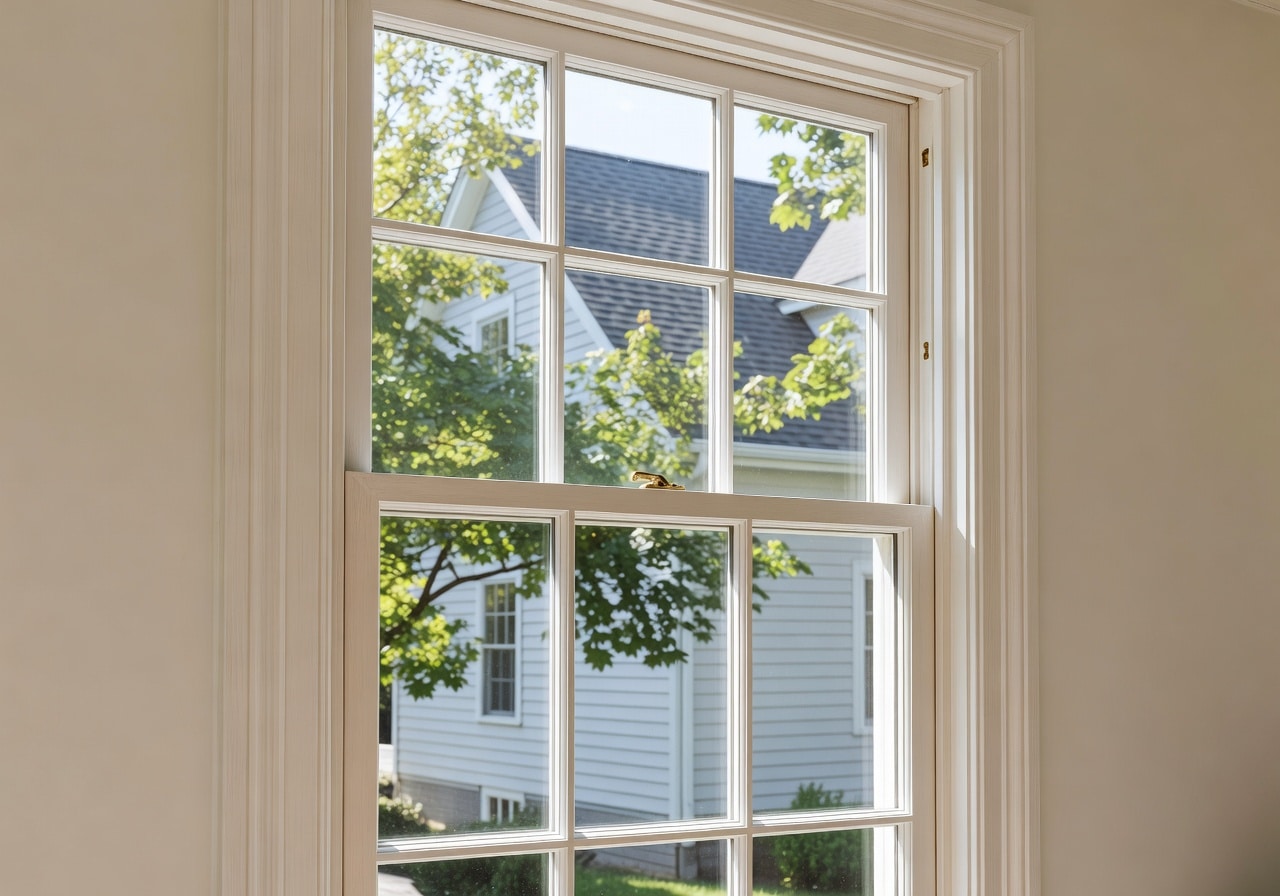
The beauty of old wood windows lies in their simple, durable design, featuring repairable solid wood construction and craftsmanship that’s nearly impossible to replicate today.
I’m Nataly Godes, General Manager at Apex Window Werks, where I lead a team specializing in double hung wood window repair and restoration for homes across Northeast Ohio. We’ve brought countless historic windows back to life, saving homeowners thousands while preserving irreplaceable craftsmanship.
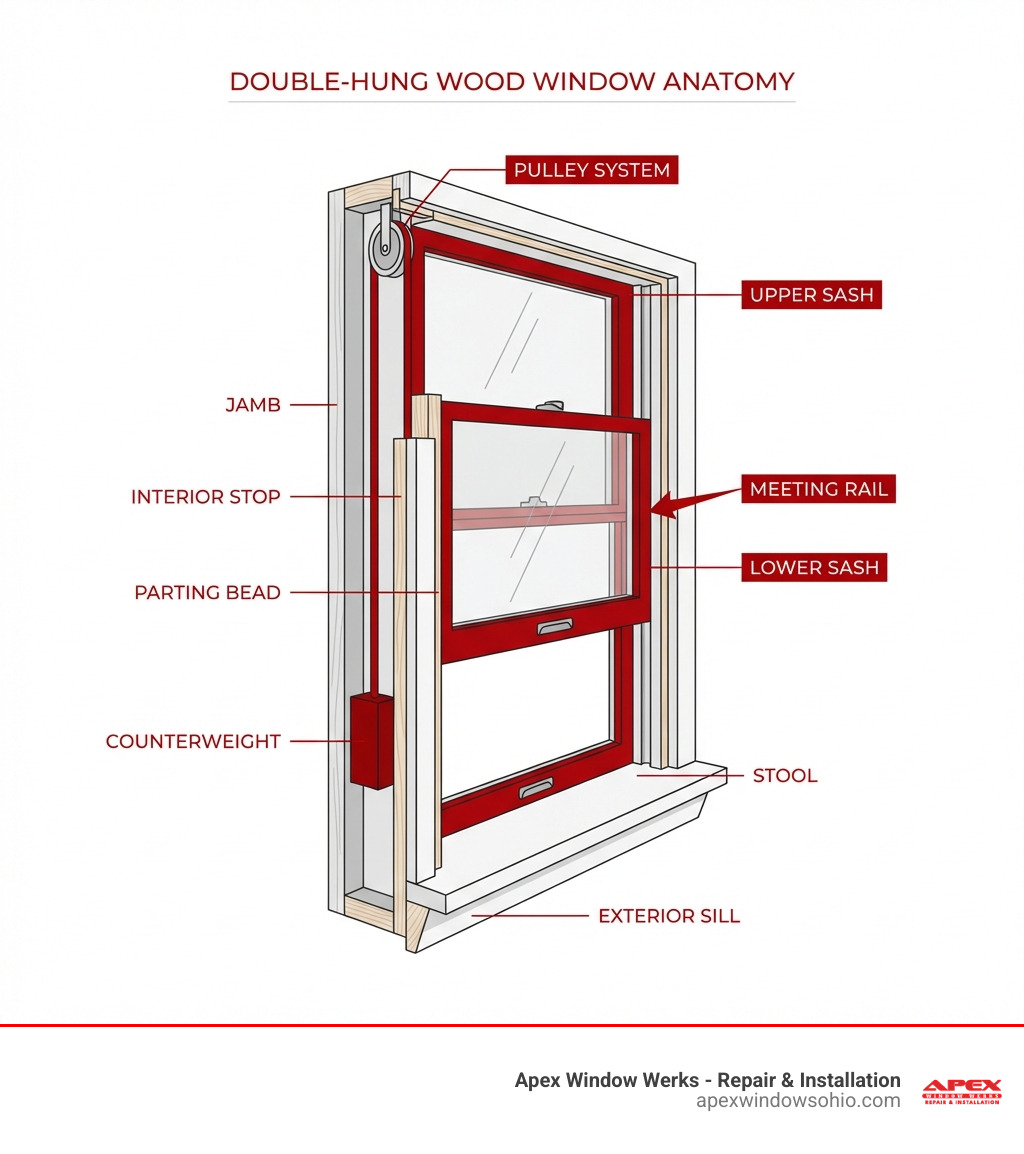
Getting Started: Assessment, Tools, and Safety
Before starting any double hung wood window fix in Oakwood, OH, a thorough assessment and preparation are key to understanding the scope of work, gathering the right equipment, and ensuring safety.
How to Assess Window Damage
First, assess the damage to determine if it’s a DIY fix or requires a professional.
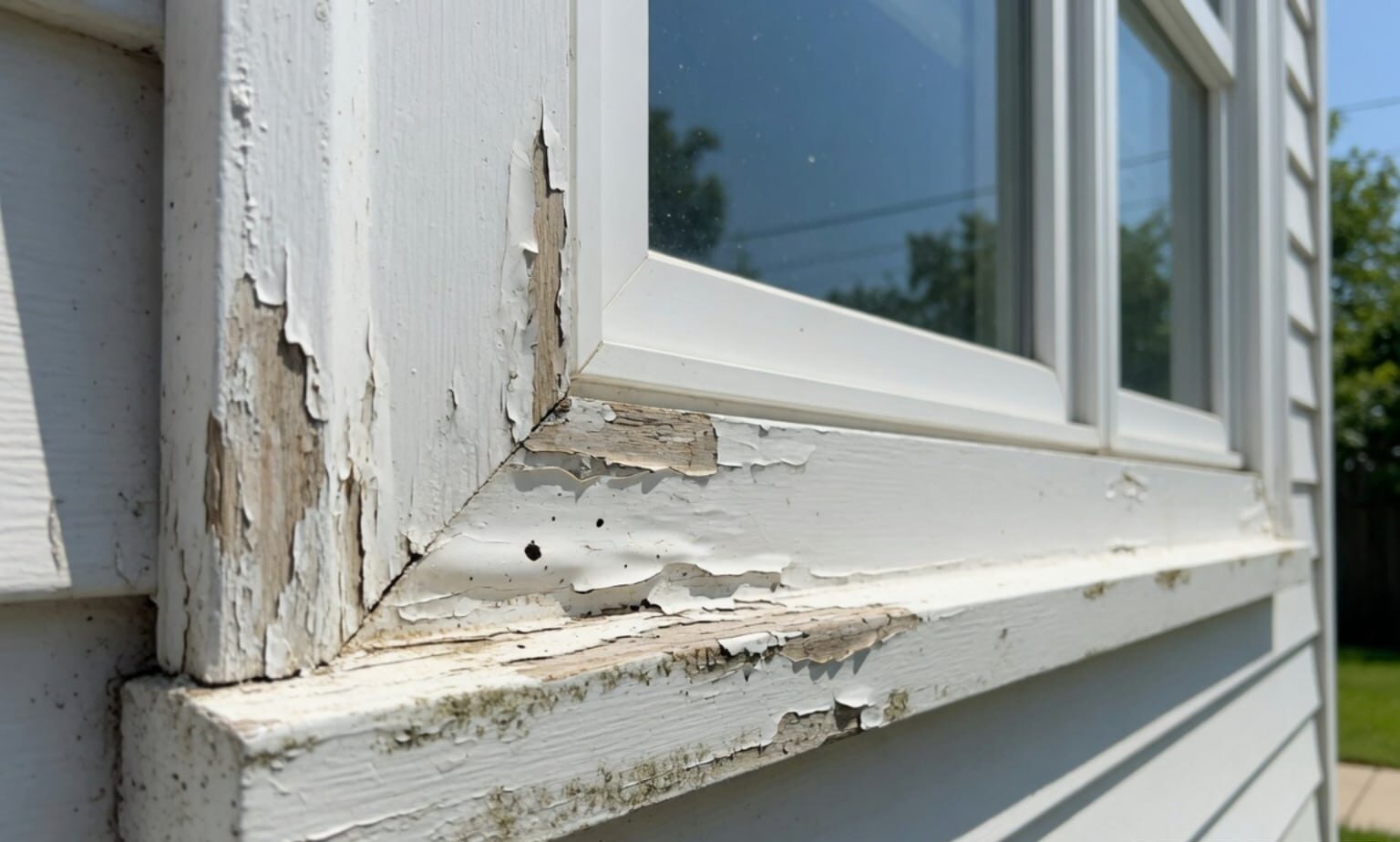
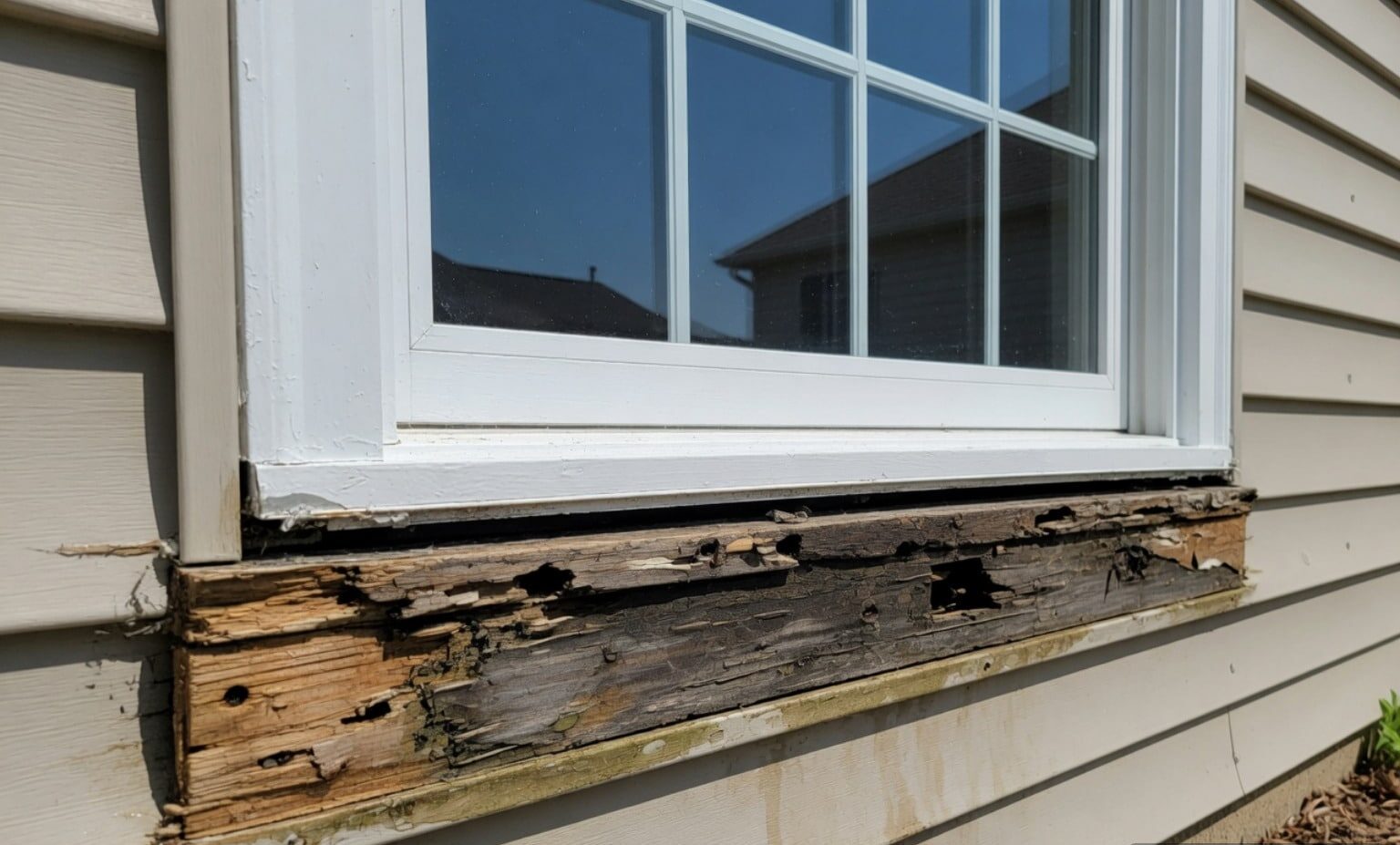
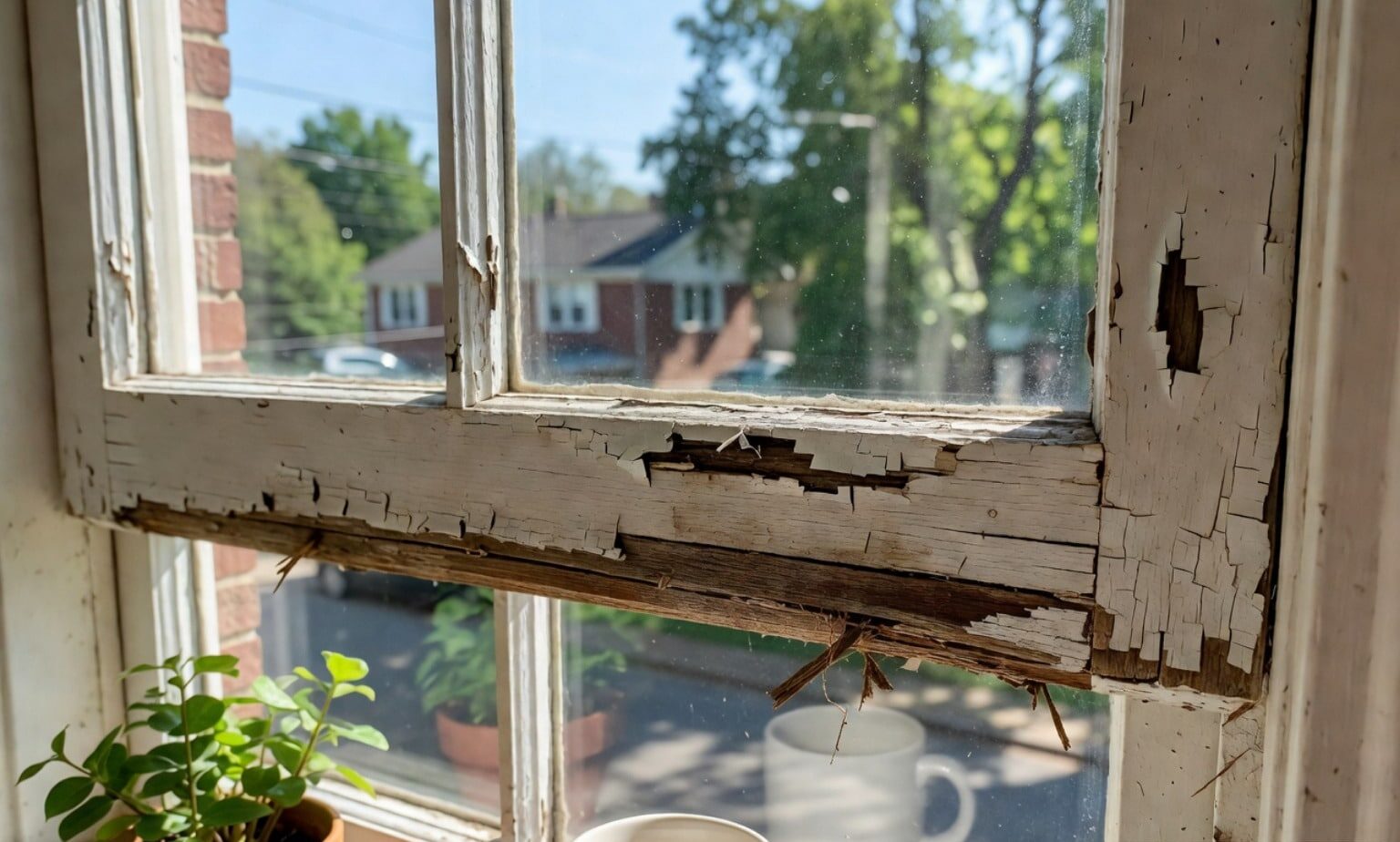
- Visual Inspection: Look for bubbled or peeling paint, which can indicate moisture and rot. Check for warped wood.
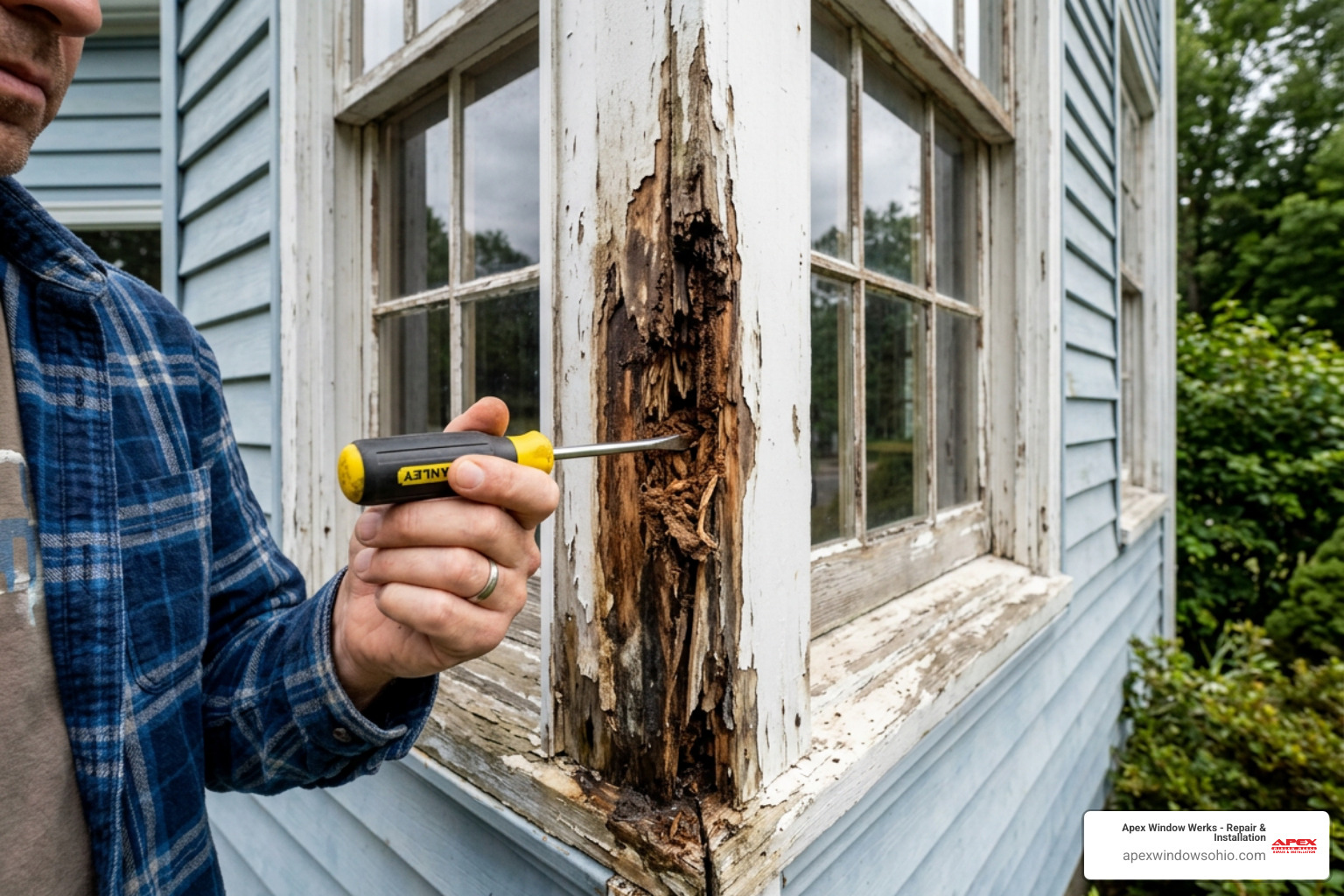
- Testing for Rot: Gently probe the wood with a screwdriver or awl. If it feels spongy or crumbles, it’s likely rotten. Pay close attention to bottom rails, the sill, and lower jambs.
- Sash Operation: Try opening and closing both sashes. Sticking can be due to paint buildup, warped wood, or balance issues.
- Sash Ropes and Pulleys: Check if sash ropes are frayed or broken. Ensure pulleys turn freely.
- Glazing Compound: Inspect the putty around the glass. If it’s cracked, loose, or missing, it can cause drafts and moisture infiltration.
- Hardware: Check if locks, latches, and lifts are functional.
A thorough assessment helps prioritize repairs and gather necessary materials.
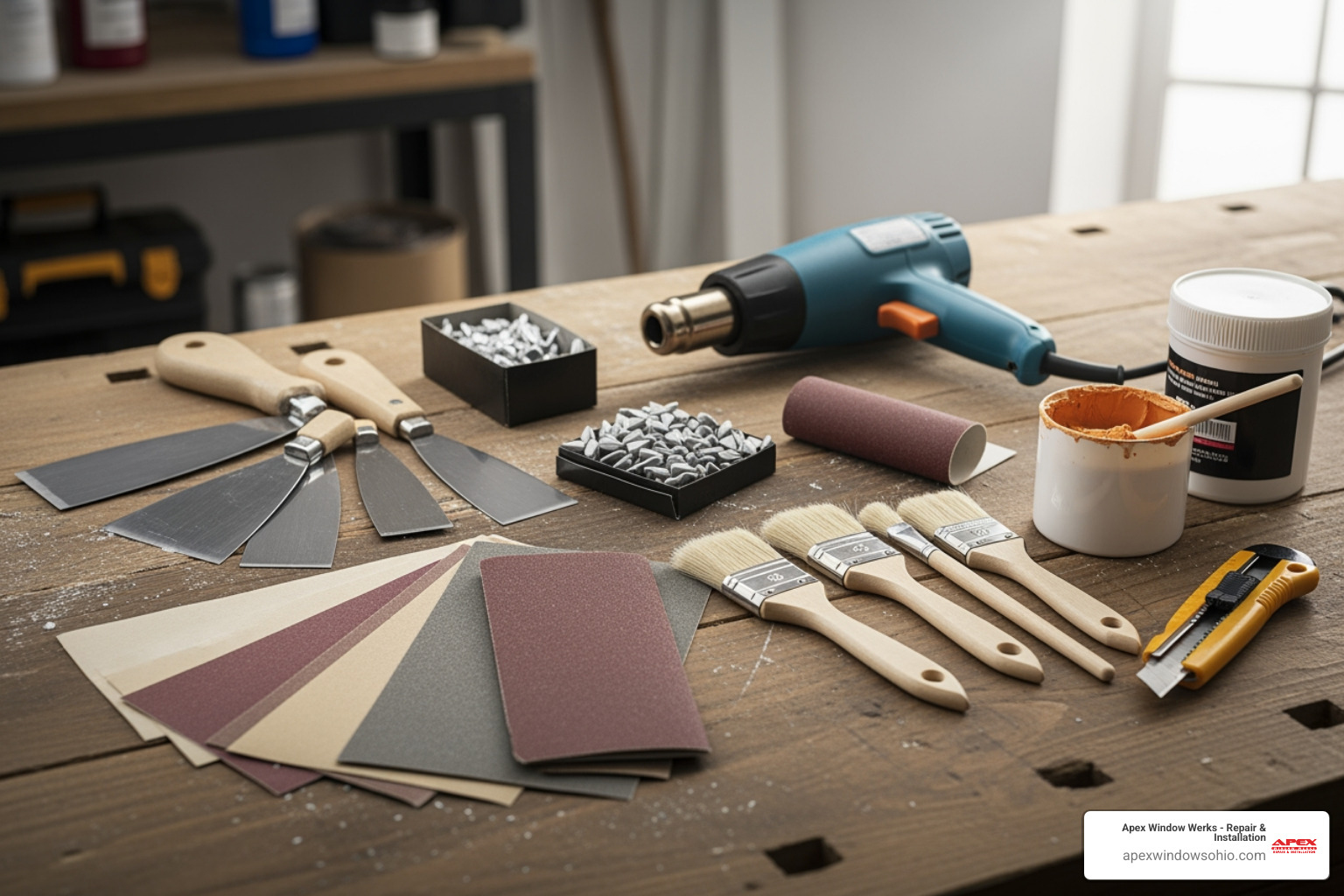
Essential Tools and Materials
Having the right tools and materials is crucial. Here is a list of essentials:
Essential Tools:
- Pry bar, putty knife (stiff and flexible), wood chisel set
- Orbital sander and sanding blocks
- Heat gun (use with caution), utility knife, wire brush, caulk gun
- Tape measure, drill/driver
- Sash saw: For cutting paint seals.
- ProScraper vacuum scraper: For containing dust during paint removal.
- Respirator (P100 or N100), safety glasses, gloves, hearing protection, HEPA vacuum
Essential Materials:
- Wood epoxy system (Abatron wood restoration kit)
- Includes epoxy consolidant and epoxy filler
- Glazing putty (e.g., Austin’s Glazier’s Putty)
- New sash rope (high-quality cotton)
- New glass panes (if needed)
- Glazing points
- Exterior-grade wood primer and enamel paint
- Wood filler, weatherstripping, caulk
- Mineral spirits, painter’s tape, 6 mil plastic sheeting, TSP cleaner
Critical Safety Precautions for Window Repair
Safety is paramount, especially regarding lead paint in homes built before 1978. Follow these lead-safe practices during your double hung wood window repair.
Lead Paint Safety:
- Assume Lead: In homes built before 1978, assume lead paint is present and use lead-safe work practices.
- Containment: Use 6 mil plastic sheeting to catch debris. Indoors, seal the room with plastic, using a zip wall system, and cover HVAC vents. Mist surfaces with water to suppress dust. Clean up with a HEPA vac.
- Personal Protective Equipment (PPE): Wear a P100 respirator, goggles, gloves, and disposable coveralls. Shower immediately after working.
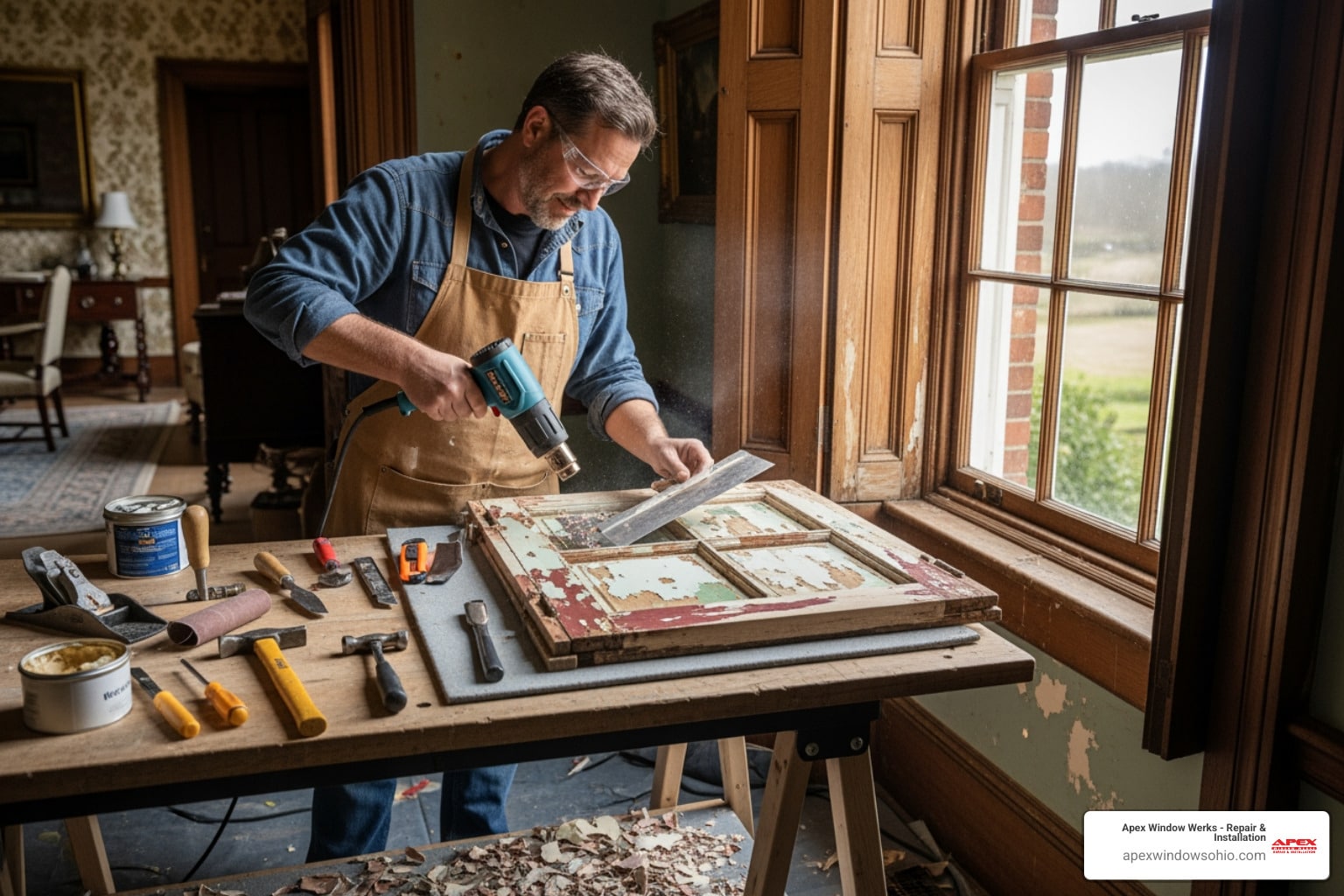
- Low-Dust Techniques: Use power tools with HEPA vac attachments. Opt for low-heat infrared paint removers, chemical strippers, or steam heat instead of high-heat guns, which can vaporize lead. Wet surfaces before scraping.
Step-by-Step Disassembly and Jamb Repair
With the assessment complete and tools gathered, it’s time to carefully disassemble the window to access all components for a thorough wood window repair.
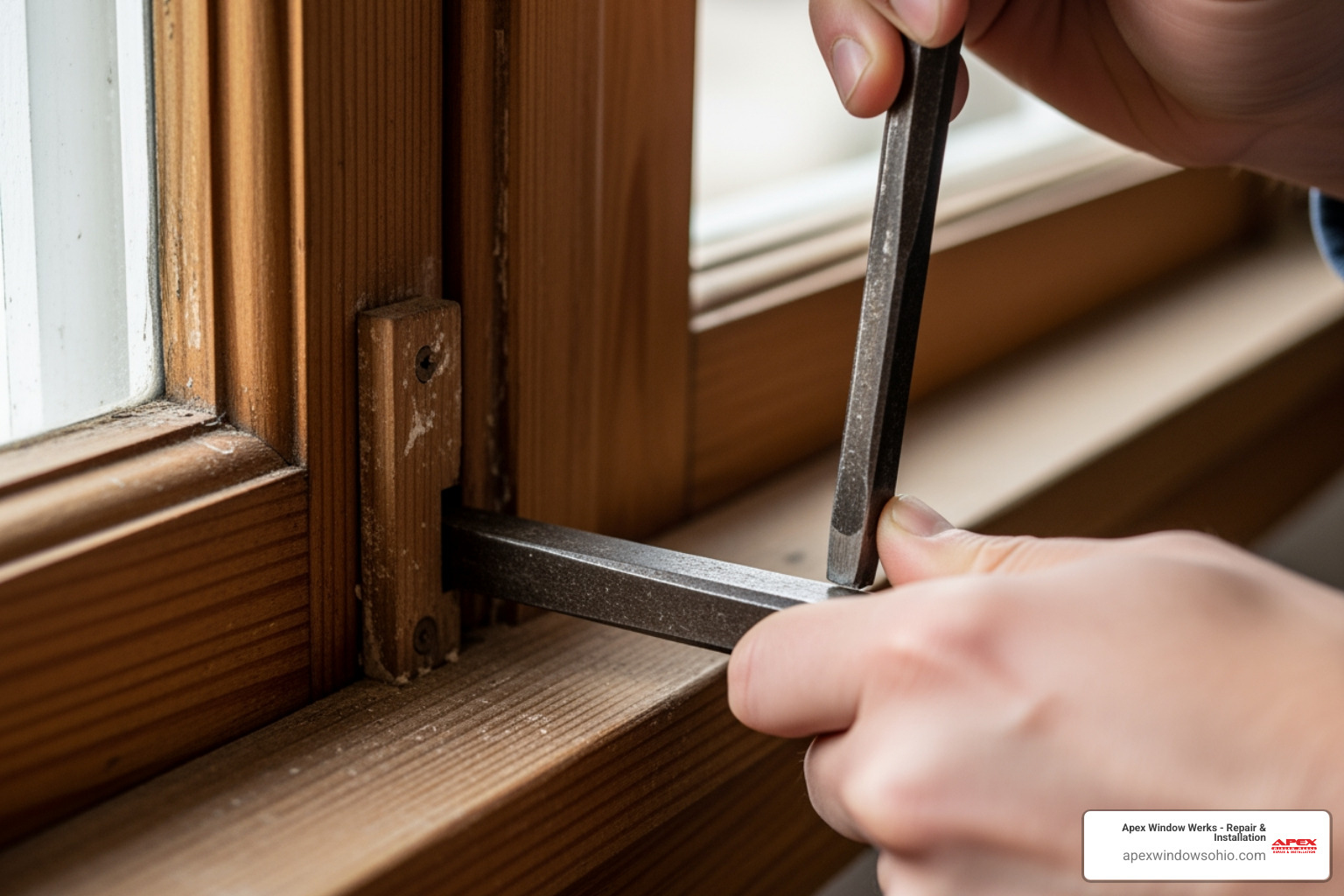
Removing the Window Sashes
Removing sashes is manageable with a systematic approach.
- Prepare the Area: Clear your workspace and set up containment if needed.
- Score Paint Seals: Use a utility knife or a sash saw to score paint seals around the interior stop, sashes, and parting bead to prevent wood damage.
- Remove the Interior Stop: Gently pry off the thin wood strip holding the lower sash. Work slowly to avoid damage. Label the stop with its location for reinstallation.
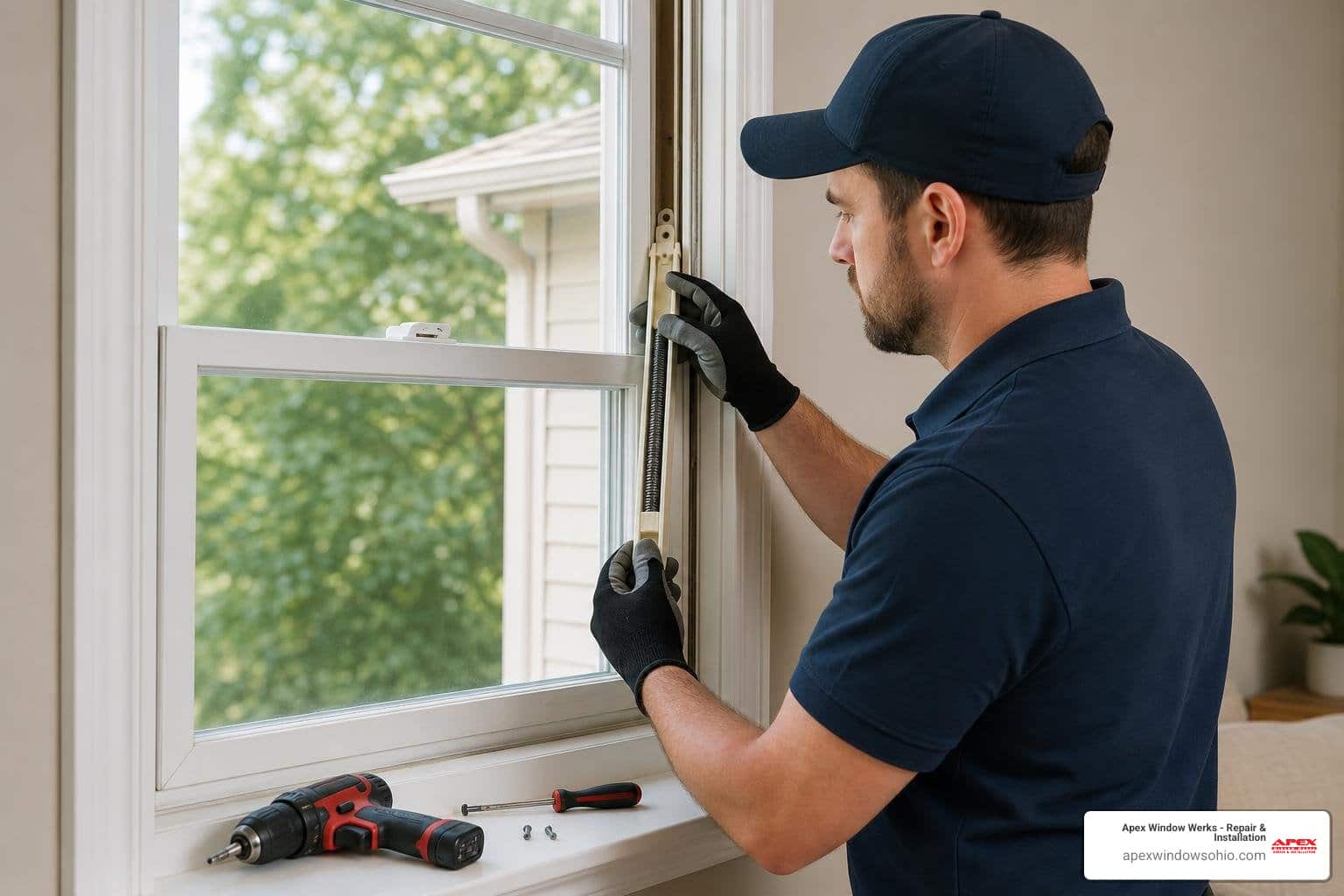
- Remove the Bottom Sash: Lift the bottom sash out of the frame. Detach the sash ropes, knot them, and let them retract into the weight pocket so they don’t get lost.
- Remove the Parting Bead: Carefully pry out the thin wood strip separating the sashes. It sits in a groove in the side jamb. Label its location.
- Remove the Top Sash: Swing the top sash inward and remove it, detaching its ropes as you did with the bottom sash.
Important: Clearly label all components (stops, sashes, parting beads) to ensure they go back in their original positions for a proper fit.
Restoring the Jamb and Replacing Sash Ropes
With sashes removed, you have clear access to the jamb and weight pockets for essential double hung wood window repair.
- Restore the Jamb:
- Scrape and Clean: Remove loose paint and debris from the jambs with a scraper and wire brush for a smooth gliding surface.
- Sand: Lightly sand the jambs to remove rough spots.
- Repair: Fill small cracks with wood filler. For larger damage, use epoxy or a dutchman repair (splicing in new wood).
- Prime and Paint: Prime bare wood with an exterior-grade primer, then apply two coats of high-quality exterior enamel for a durable, low-friction finish.
- Replacing Sash Ropes: This is a perfect time for this crucial double hung wood window repair.
- Access Weight Pockets: Open the access panels located in the lower section of the side jambs.
- Remove Old Ropes and Weights: Retrieve the old sash weights and detach any remaining rope.
- Measure New Rope: To find the length, double the window opening’s height and add 12-18 inches for knots. Use high-quality cotton sash rope; avoid synthetics that can stretch and degrade.
- Feed and Install: Feed the new rope over the pulley and down into the weight pocket. Tie a secure knot to the sash weight.
- Counterbalance: The sash weight should be about half the weight of the sash. Adjust as needed with replacement or helper weights.
- Secure to Sash: Pull the rope taut, ensuring the weight hangs freely. Cut the rope to length and secure it into the groove on the side of the sash.
The Complete Guide to Double Hung Wood Window Repair
With the sashes removed and the jamb prepped, we can now focus on the core double hung wood window repair tasks: addressing paint, wood rot, glazing, and finishing.
How to Handle Paint Removal and Wood Repair
This stage is critical for the longevity of your restored windows.
-
Paint Stripping Methods:
- Infrared Paint Removers: A low-heat infrared paint remover is a safe and efficient method for lead paint, as it softens paint without creating harmful fumes.
- Chemical Strippers: Effective for intricate profiles. Use a low-VOC stripper and follow instructions.
- Wet Scraping: Keep the surface wet to control dust. A ProScraper vacuum scraper helps contain debris.
- Avoid High Heat Guns: These can vaporize lead paint and damage wood.
-
Repairing Small Areas of Rot:
- Remove Rotted Wood: Use a chisel or rotary tool to remove all soft, decayed wood until you reach sound wood.
- Clean and Dry: Clean the cavity and ensure the wood is completely dry.
- Apply Epoxy Consolidant: Apply a penetrating epoxy consolidant to the cleaned-out area. It will harden the wood fibers and create a stable base for filler.
- Apply Epoxy Filler: Once the consolidant is tacky, apply an epoxy filler, shaping it to match the original profile.
- Shape and Sand: Shape the epoxy before it fully hardens, then sand it smooth once cured.
-
Repairing Large Areas of Rot:
- Dutchman Repair: This involves cutting out the damaged section and splicing in a new piece of matching wood. Secure the new piece with exterior-grade glue and stainless steel fasteners. Use epoxy to blend the patch seamlessly, then sand, prime, and paint.
Glazing and Glass Replacement in Oakwood, OH for your double hung wood window repair
Proper glazing is essential for structural integrity and energy efficiency.
-
Deglazing the Sash: Carefully remove old putty and metal glazing points with a putty knife or chisel. If the glass is broken, wear thick gloves and eye protection to remove all shards.
-
Replacing Broken Glass: Measure the opening and subtract 1/16 inch from the length and width for expansion. Have a glass shop cut the new pane.
-
Bedding the New Glass:
- Apply Bedding Putty: Apply a thin bead of fresh glazing putty into the rabbet (the groove for the glass) to create an airtight seal.
- Set the Glass: Gently press the new glass into the putty.
- Insert Glazing Points: Secure the glass with glazing points every 6-12 inches. Use a point driver to push them firmly into the wood.
-
Applying and Tooling Finish Putty:
- Apply Putty: Apply ropes of glazing putty over the points, pressing firmly against the glass and sash.
- Tool the Putty: Use a putty knife to tool the putty to a clean 45-degree angle to shed water.
- Clean and Cure: Remove excess putty from the glass. Dust with whiting to absorb excess oil. Allow the putty to skin over (7-14 days) before painting.
Best Practices for Painting and Window Hardware Restoration in Oakwood, OH
Final touches ensure protection and aesthetic appeal.
- Priming and Painting: After the putty has skinned over, prime all bare wood and epoxy. Apply two coats of high-quality exterior enamel paint, overlapping the paint onto the glass by 1/16 inch to seal out moisture.
- Areas to Avoid Painting: To prevent sticking, do not paint:
- The sides of the sashes that slide in the jambs.
- The top of the upper sash and bottom of the lower sash.
- The meeting rails where sashes meet (avoid excess paint buildup).
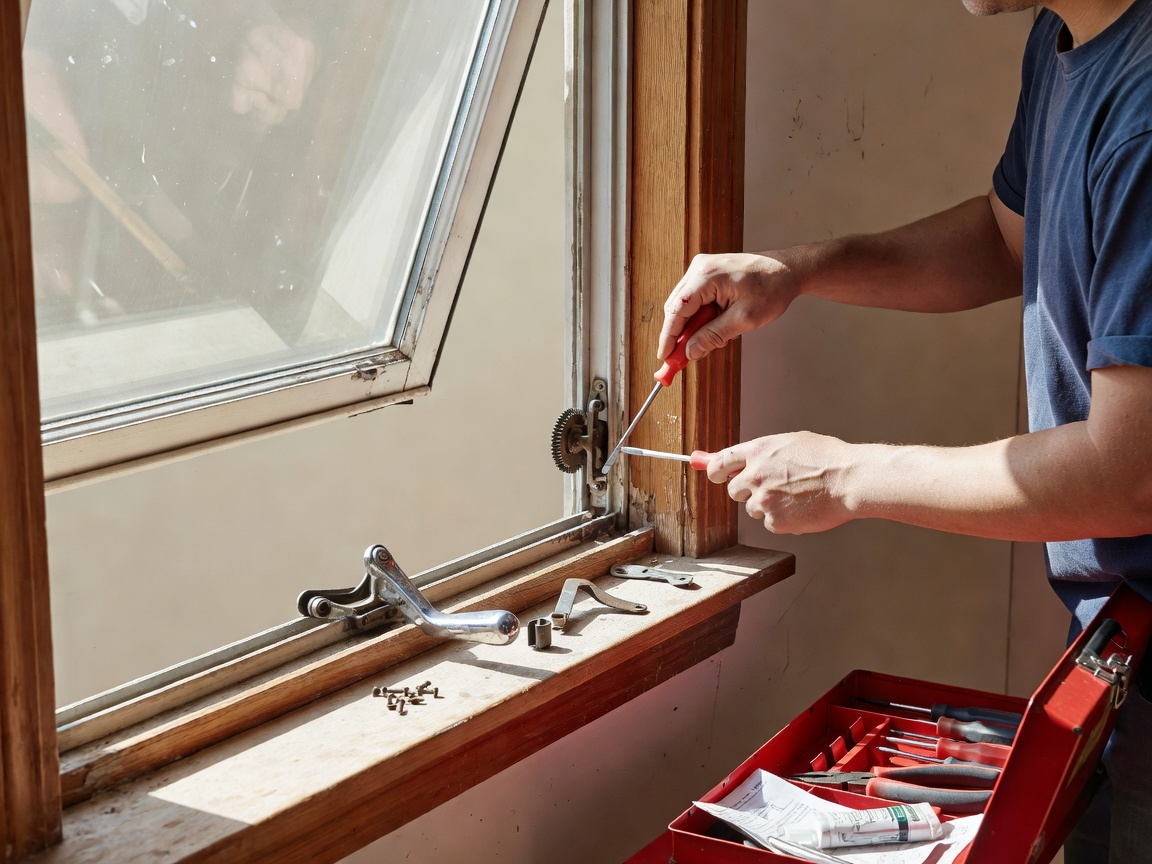
- Restoring Hardware: To remove old paint from hardware, boil it in a crockpot with water and dish soap. Brush off the softened paint, then clean and polish the hardware. Replace any pieces that are broken beyond repair.
Reassembly, Efficiency, and When to Call a Pro
With all components restored, it’s time to reassemble your window, maximize its performance, and know when it’s best to call a professional.
Reassembly and Improving Energy Efficiency
Reassembly is the reverse of disassembly, with added steps for energy efficiency.
- Install the Top Sash: Place the top sash in its tracks, attach the new sash ropes, and check that it moves freely.
- Set the Parting Bead: Tap the parting bead back into its groove between the sashes.
- Install the Bottom Sash: Place the bottom sash in its tracks, attach its ropes, and ensure it glides smoothly.
- Reattach Stops: Reinstall the interior stop moldings with finish nails, ensuring sashes move freely without being too loose.
- Add Weatherstripping: To significantly reduce drafts, install modern weatherstripping. Options like leaf seals or kerf-in weatherstripping can be installed in grooves routed into the sashes or jambs. This is a low-cost, high-impact improvement.
- Use Storm Windows: For optimal efficiency, especially in Northeast Ohio winters, pair restored windows with high-quality storm windows. A weatherstripped historic window with a storm can exceed modern energy code requirements.
When is it time for a professional double hung wood window repair in Oakwood, OH?
While many repairs are DIY-friendly, some scenarios require a professional.
- Extensive Frame Rot: If rot is deep in the main frame (jambs, sill, head) or affects the house’s framing, it’s a complex structural repair.
- Structural Wall Issues: Problems with the window opening itself, like settling or water damage, require a structural expert.
- Lack of Tools or Time: A full restoration can take 18-30 hours per window. If you lack specialized tools or time, a professional is more efficient.
- Project Feels Overwhelming: If the project’s complexity is daunting or you’re uncomfortable with heights, it’s safer to hire a pro.
- Damaged Tracks or Balances: Complex mechanisms like coil or spiral balances are often best left to professionals who have the specific parts and knowledge.
At Apex Window Werks, we specialize in double hung wood window repair in Bedford, OH, Oakwood, OH and across the Cleveland-Akron area. Our team has the expertise and tools to deliver lasting results.
Frequently Asked Questions about Wood Window Repair
Here are answers to common questions about double hung wood window repair.
What’s the difference between repairing single-hung and double-hung windows?
The main difference is sash operation.
- Single-Hung Windows: Only the bottom sash moves. The balance mechanism is simpler, often using springs. Repairs focus on the lower sash.
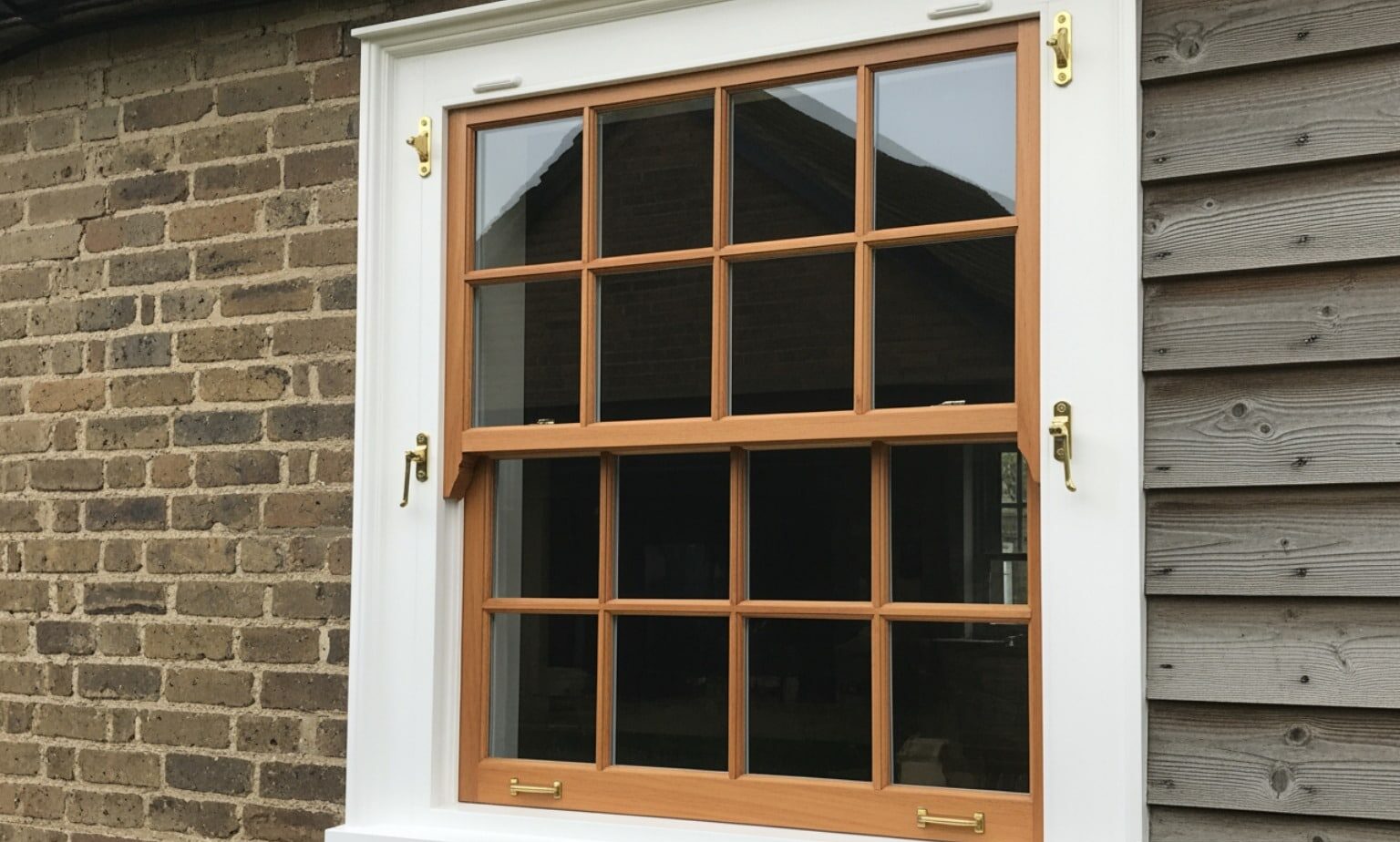
- Double-Hung Windows: Both sashes move, traditionally balanced with a rope-and-pulley system. Disassembly for double hung wood window repair is more involved but allows for a more complete restoration.
When is it more cost-effective to replace a wood window than to repair it?
Repair is usually more cost-effective for localized issues like minor rot, broken glass, or failed glazing, especially if the main frame is sound. DIY material costs are low (under $50), and repair preserves historical value.
Replacement may be better for:
- Widespread structural rot that affects the wall.
- A window that is damaged beyond repair.
- A desire to change the window style.
While DIY repair takes time (18-30 hours per window), it’s often a better long-term investment than less-durable replacements.
How can I improve the energy efficiency of my old wood windows?
Restored old windows can be highly energy-efficient. Here’s how:
- Proper Glazing: Ensure glass is well-bedded in fresh glazing putty to create an airtight seal.
- Adding Weatherstripping: Installing modern weatherstripping in the sashes and jambs significantly reduces air leakage. Material costs are low (under $10 per window), and it’s a high-impact upgrade.
- Using Storm Windows: An exterior storm window creates an insulating air pocket, dramatically improving thermal performance. A weatherstripped historic window with a storm can exceed modern energy code requirements.
- Insulating Weight Pockets: If accessible, fill sash weight pockets with insulation to block drafts.
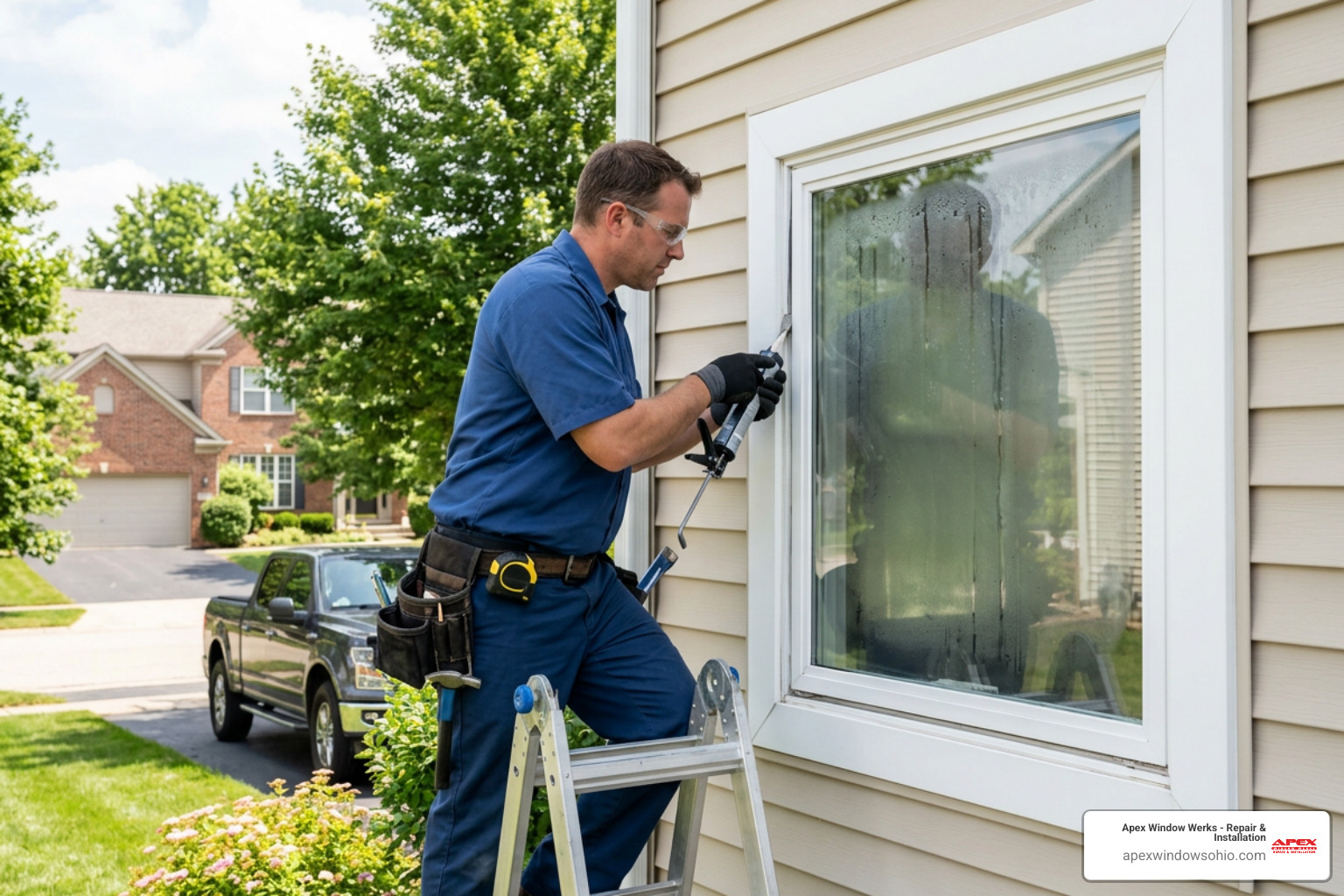
- Sealing Gaps: Use caulk to seal gaps between the window frame and exterior siding.
Conclusion: Breathe New Life into Your Home’s Windows
Restoring your old double-hung wood windows is an investment in your home’s history and comfort. Double hung wood window repair preserves architectural character, saves money, and is environmentally sustainable. These windows were built to last for over a century.
While DIY restoration is rewarding, it’s a significant time commitment, often taking 18-30 labor hours per window. If you’re in Northeast Ohio and lack the time or tools, our experts at Apex Window Werks are here to help.
We provide professional double hung wood window repair and restoration services across the Cleveland and Akron areas, handling jobs of all sizes to honor your home’s heritage.
Learn more about our professional wood window repair services