Google reviews that we have
✕


3 days ago
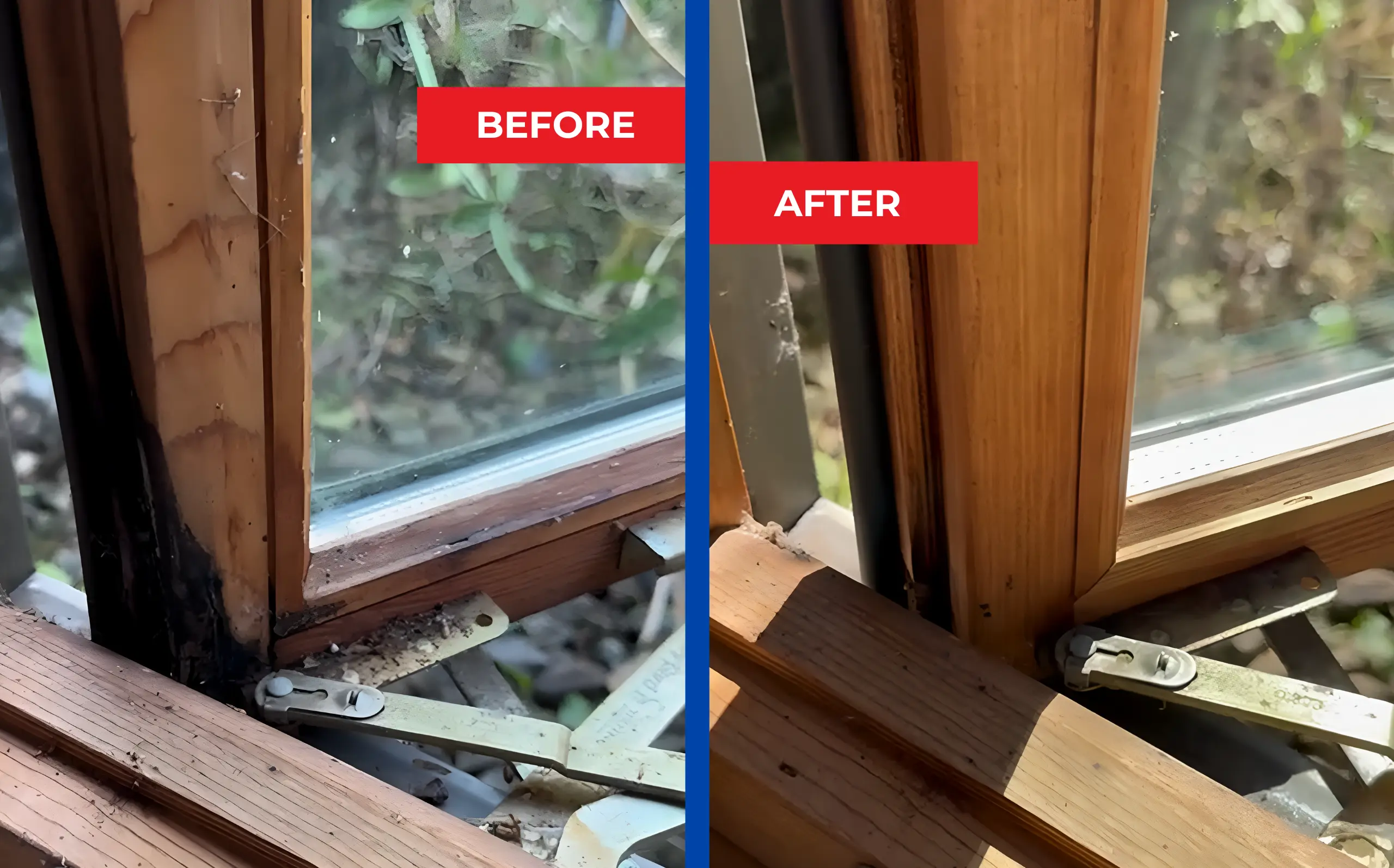
Apex replaced worn out casters on patio door and screen and recaulked several windows. Repairs were ...
Apex replaced worn out casters on patio door and screen and recaulked several windows. Repairs were done in a workman like manner.
Read more
Hide

Posted on
Google

1 week ago
I was very pleased with the repair that was made to my front door. The two men were excellent and my...
I was very pleased with the repair that was made to my front door. The two men were excellent and my door is now like new.
Read more
Hide
Posted on
Google

1 week ago
Very polite and knowledgeable workers. They had all four windows repaired and new insulated glass i...
Very polite and knowledgeable workers. They had all four windows repaired and new insulated glass installed in couple hours. The windows looked great. Only problem was the ragged edges on one window.
Read more
Hide
Posted on
Google


1 week ago
First time home owner and the first time we have had to manage a project like this! The process for ...
First time home owner and the first time we have had to manage a project like this! The process for fixing three of our windows was so fast and straightforward. I appreciate that the person who came out to measure the windows to provide the free quote was not a salesperson. He just did the measurements, took photos and gave us the quote. We then received an emailed copy to review. Any time I contacted the office with a question, they were prompt and very helpful. Once our custom window replacements were on-hand, they scheduled the install which took all of 40 minutes. It is so nice to have all our windows looking great again. Thank you!!!
Read more
Hide
Posted on
Google

1 week ago
Casement window crank replacement now operates like new. Took a while to get parts but repair was qu...
Casement window crank replacement now operates like new. Took a while to get parts but repair was quick and efficent.
Read more
Hide
Posted on
Google

2 weeks ago
I had called and spoke with Dan. Guy were very professional and courteous.
Posted on
Google

Load more