

Swap It Out: How to Replace Any Glass Panel with Confidence
Why Glass Panel Replacement Matters for Your Home
Glass panel replacement is one of those home repairs that can sneak up on you—a baseball through the patio door, a stress crack in your storm door, or foggy condensation between panes that just won’t go away. The good news? Most glass panel replacements are more straightforward than you think, whether you tackle them yourself or call in a professional.
Quick Answer: What You Need to Know About Glass Panel Replacement
- Assess the damage first – Small chips can often be repaired, but cracks longer than a few inches usually require full replacement
- Measure carefully – Order glass 1/8 inch smaller than the opening to allow for expansion
- Choose the right glass type – Tempered glass is required by code for doors and certain locations
- Gather your tools – Safety gloves, putty knife, glazing compound, heat gun, and glazing points
- Decide DIY vs. professional – Single-pane replacements are manageable for handy homeowners; double-pane IGUs and tempered glass are best left to pros
A cracked or broken glass panel isn’t just an eyesore—it’s a security risk, an energy drain, and potentially a safety hazard. Whether it’s a single pane in an old wooden window, a decorative lite in your front door, or a full glass panel on your deck railing, replacing damaged glass quickly protects your home and restores its curb appeal.
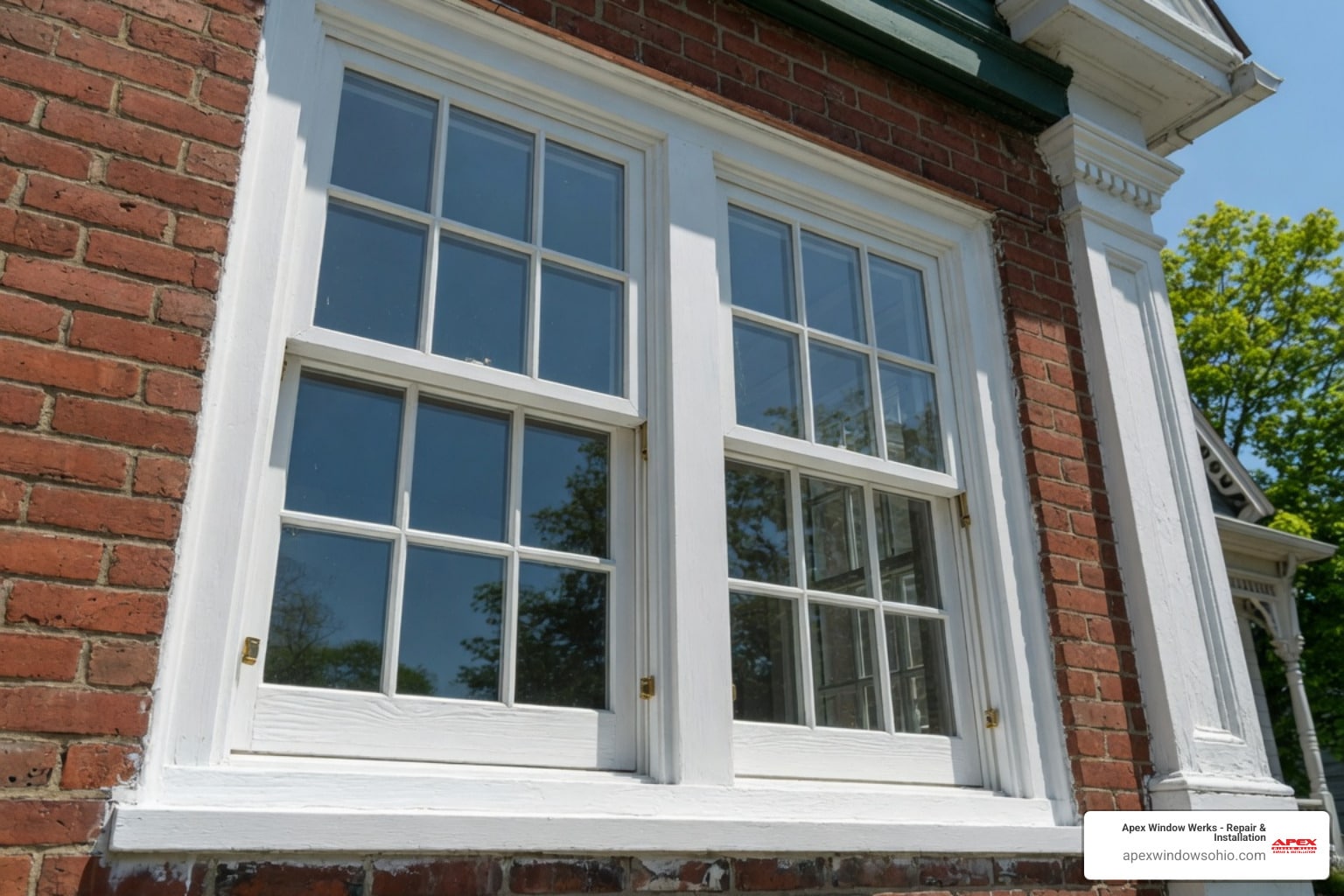
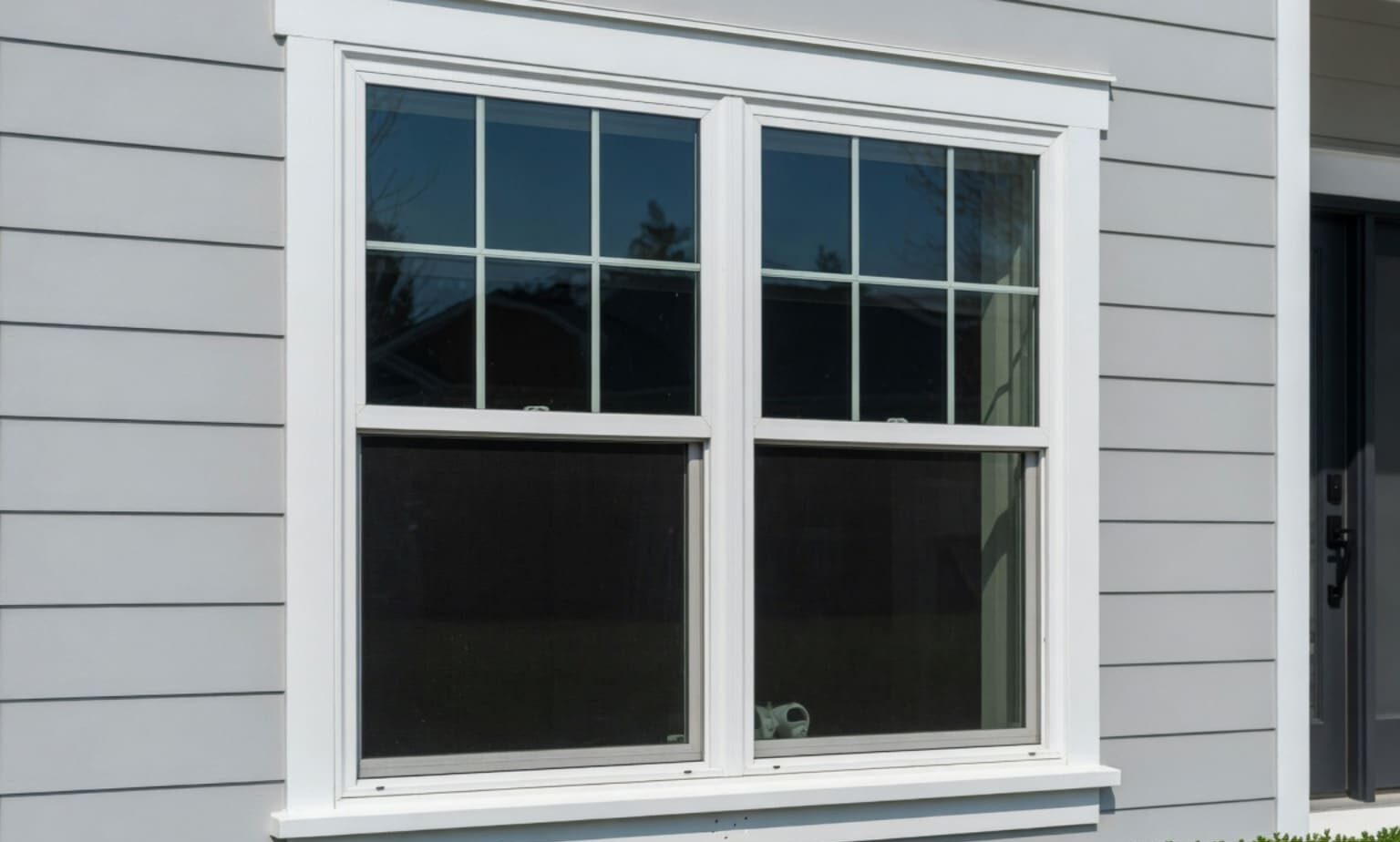
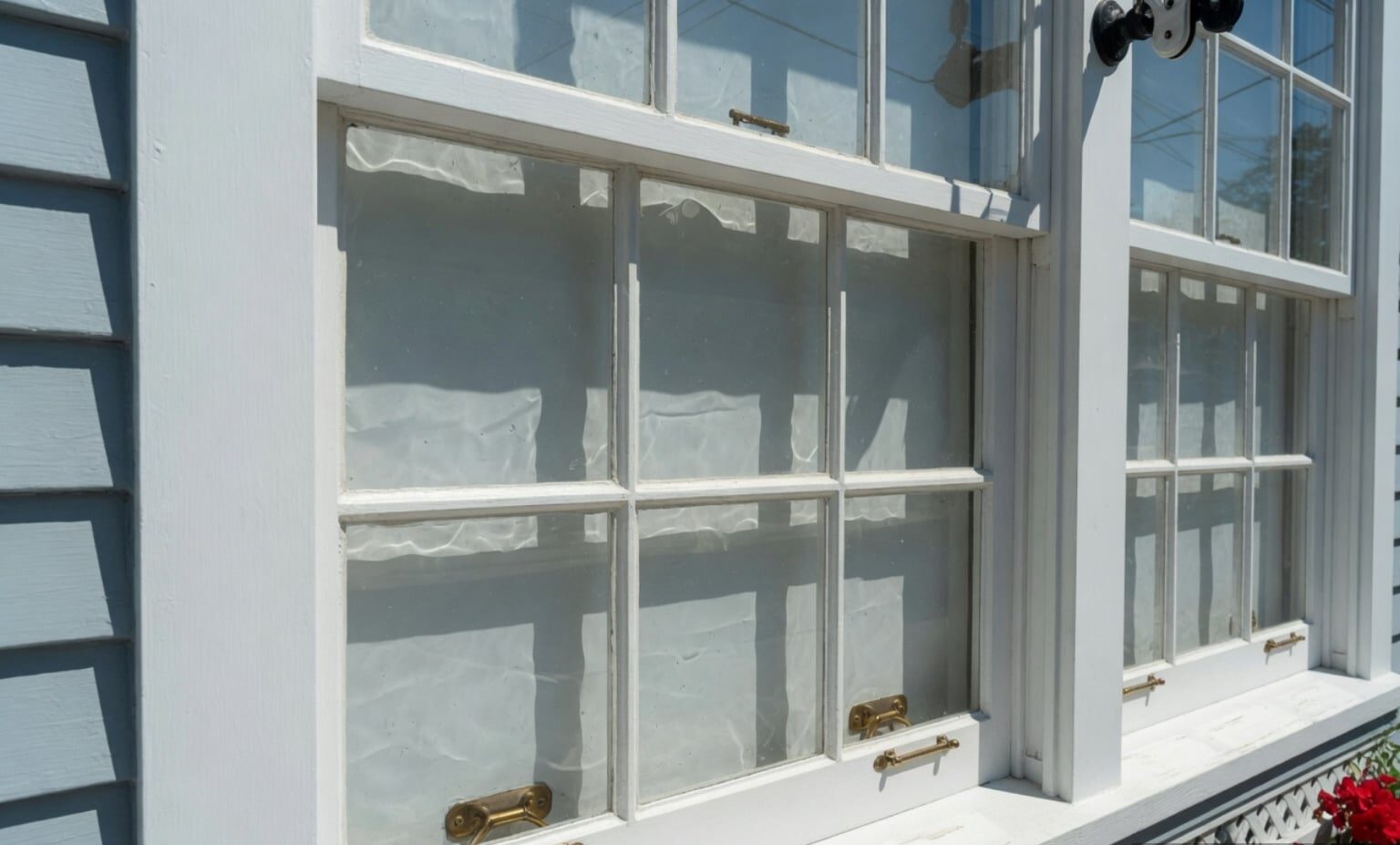
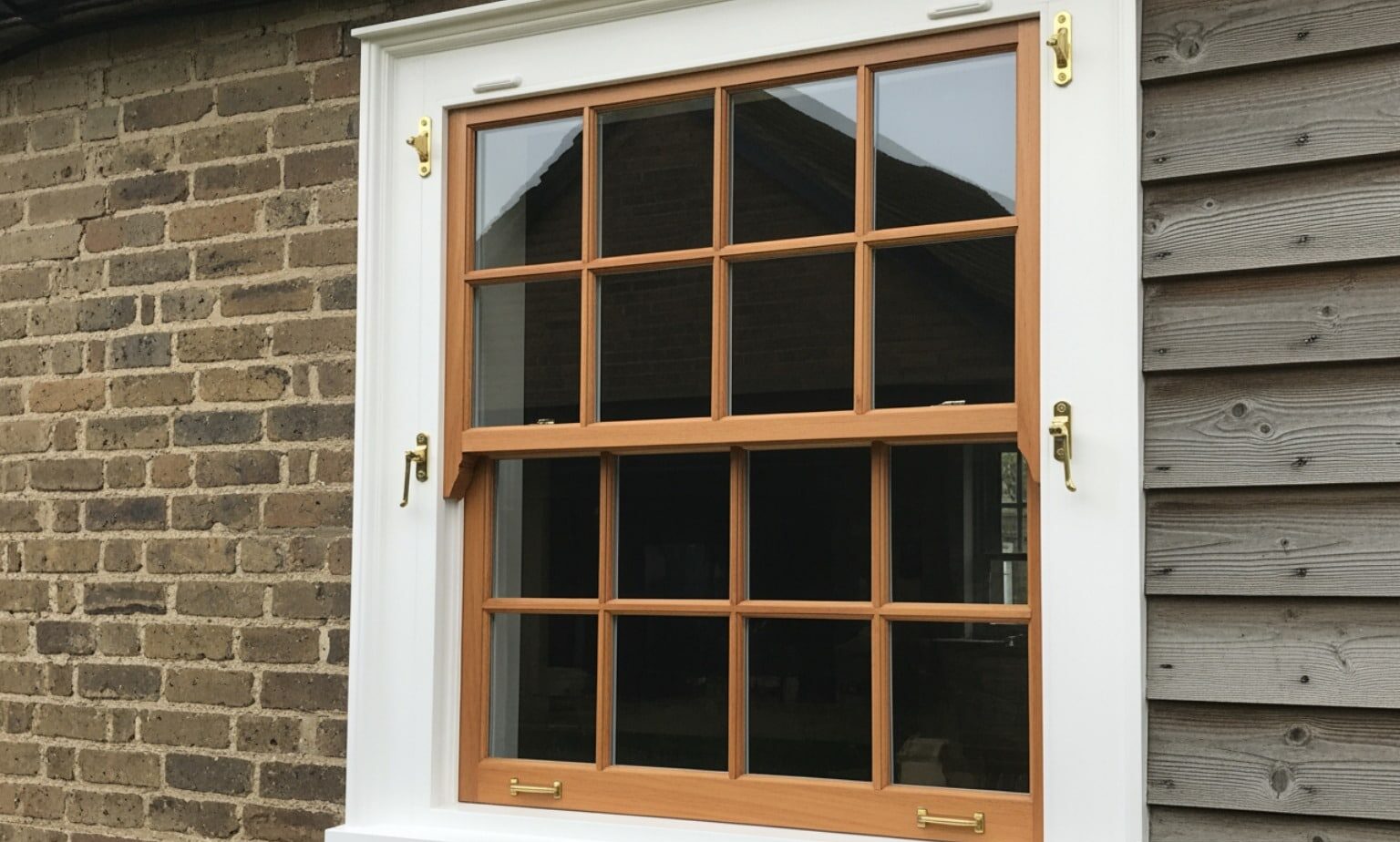
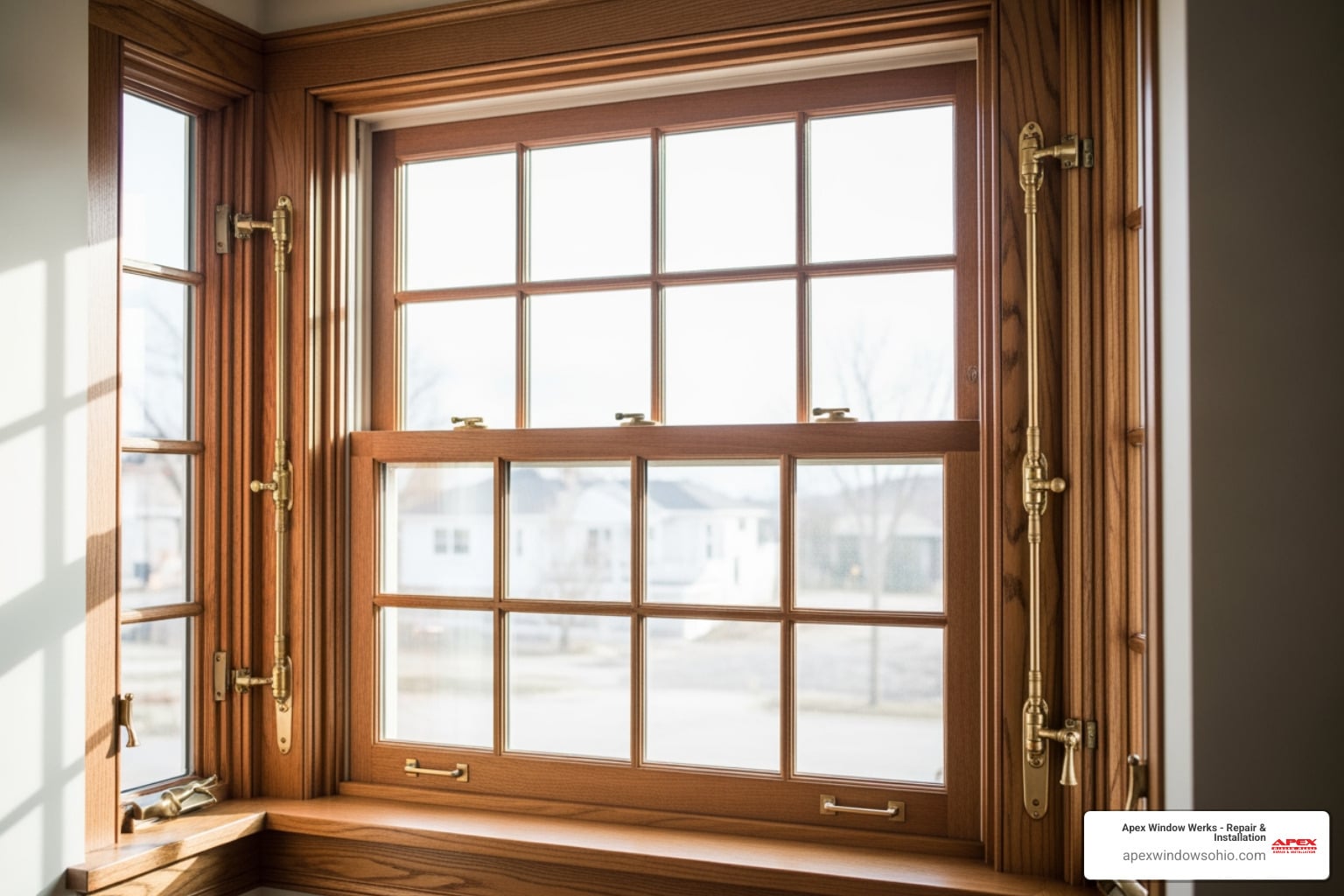
The replacement process varies based on what you’re working with. Single-pane windows secured with glazing compound are the most DIY-friendly, while tempered glass panels in doors and insulated glass units (IGUs) with fogged interiors typically require professional fabrication and installation. Historic windows add another layer of complexity, as preserving original frames while upgrading the glass takes both skill and patience.
I’m Nataly Godes, General Manager at Apex Window Werks, where I’ve spent years leading our team through hundreds of glass panel replacement projects across Northeast Ohio—from simple storm door lites to complex historic window restorations. Whether you’re dealing with a foggy IGU or a shattered tempered panel, I’ll walk you through everything you need to know to make an informed decision about your glass panel replacement.
Understanding Your Options for Glass Panel Replacement
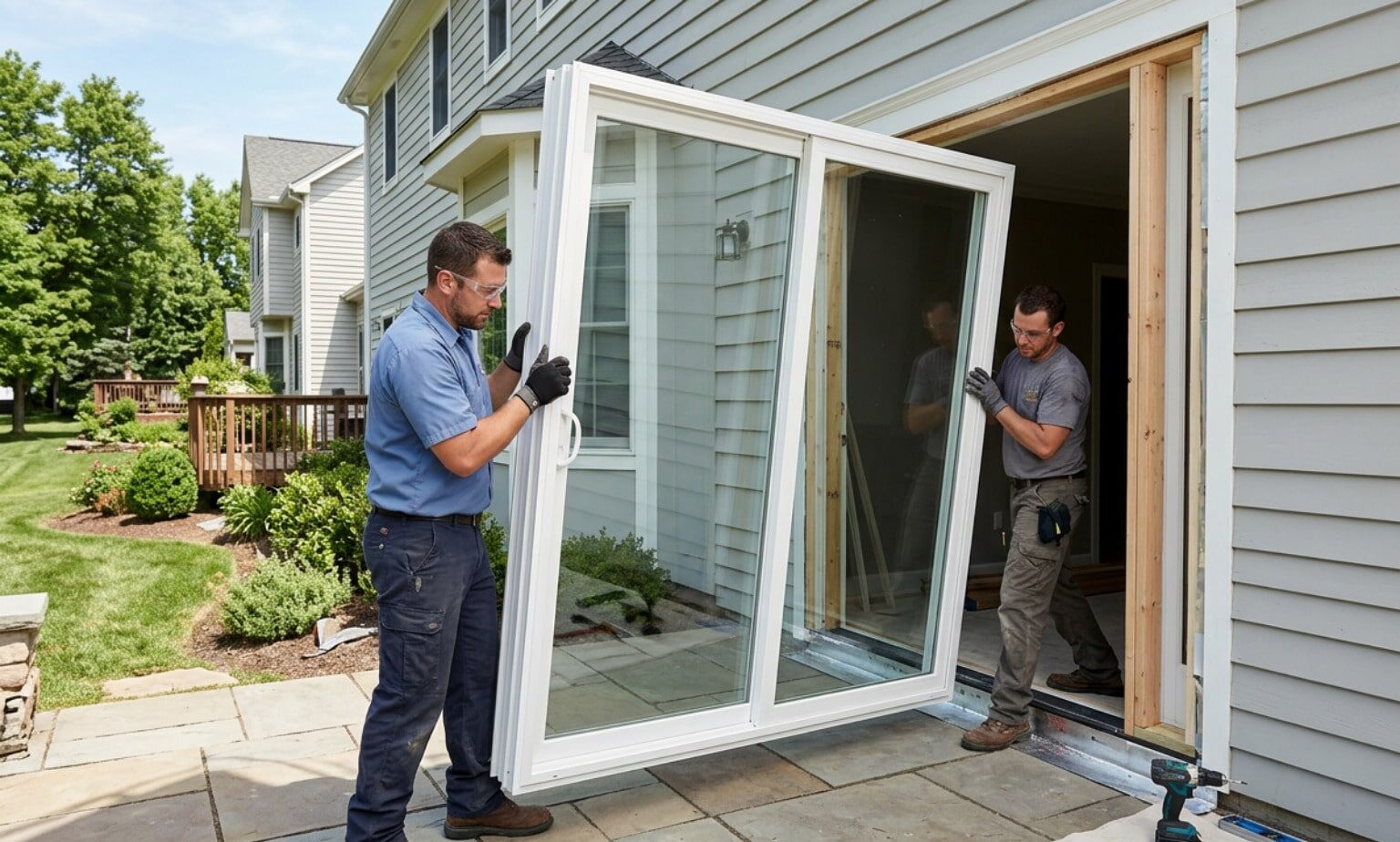
When we talk about a “glass panel,” we aren’t just talking about a standard window. In modern homes, glass panels are everywhere. They are the large sheets of glass in your sliding patio doors, the decorative lites in your French doors, and even the safety barriers on your deck railings. Because they serve so many different purposes, the type of glass used—and how we replace it—varies significantly.
In our experience serving homeowners from Cleveland to Akron, we see glass panels in several common residential applications:
- Entry and Storm Doors: These require high-strength safety glass.
- Deck Railings: Often large, thick tempered panels designed for wind resistance and safety.
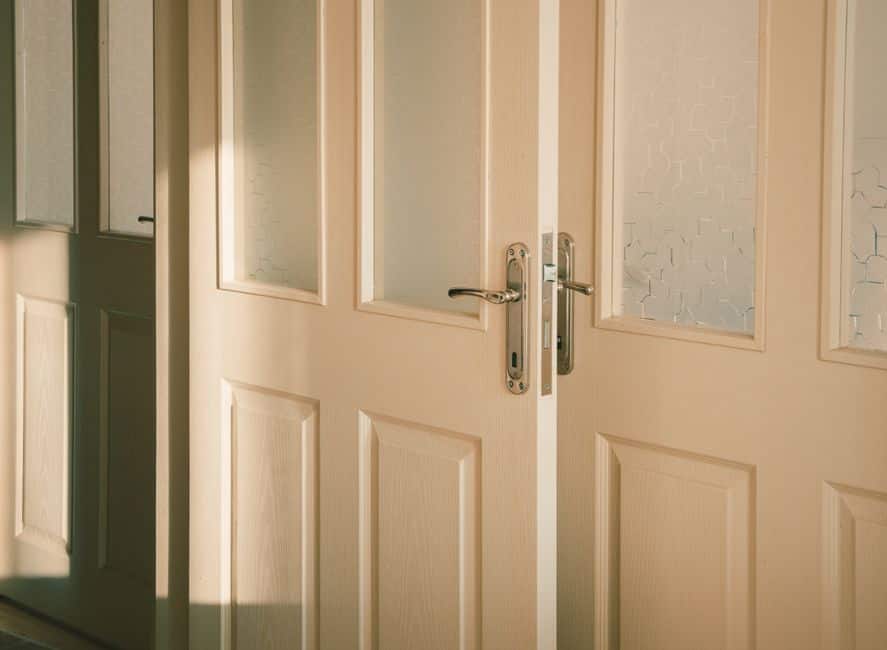
- French Doors: Interior or exterior doors with multiple small panes (lites) or one large panel.
- Tub and Shower Enclosures: Specialized tempered glass meant to withstand heat and moisture.
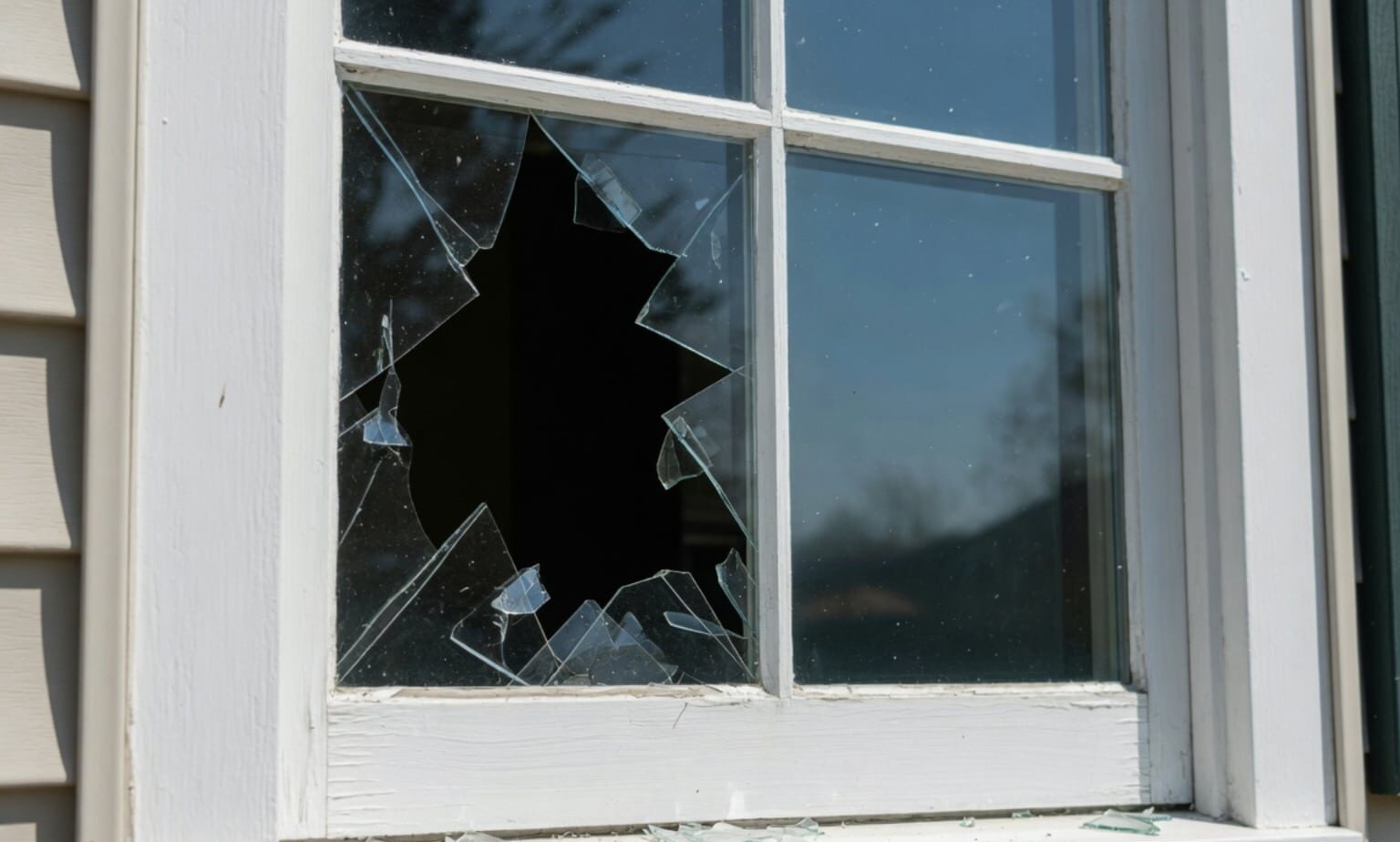
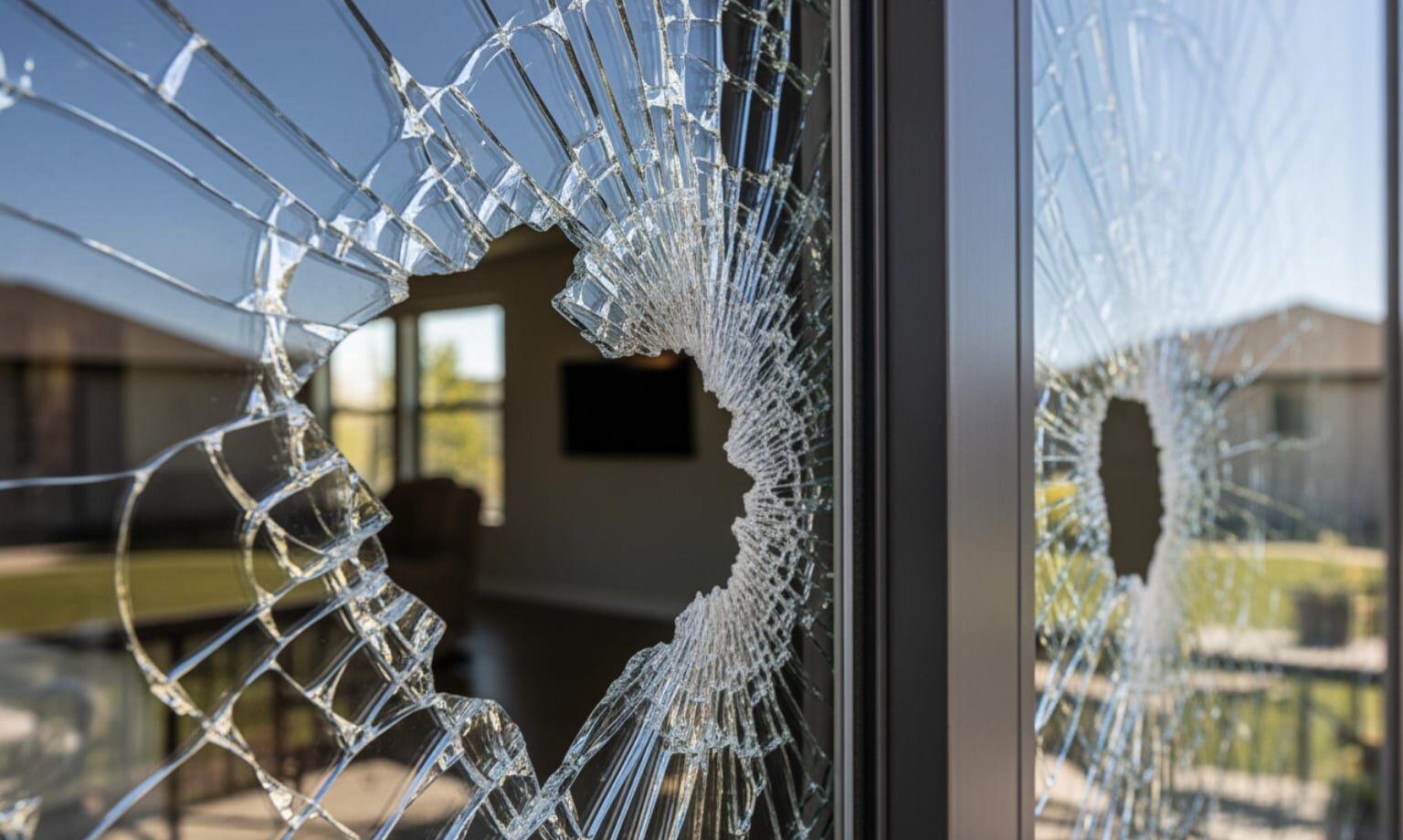
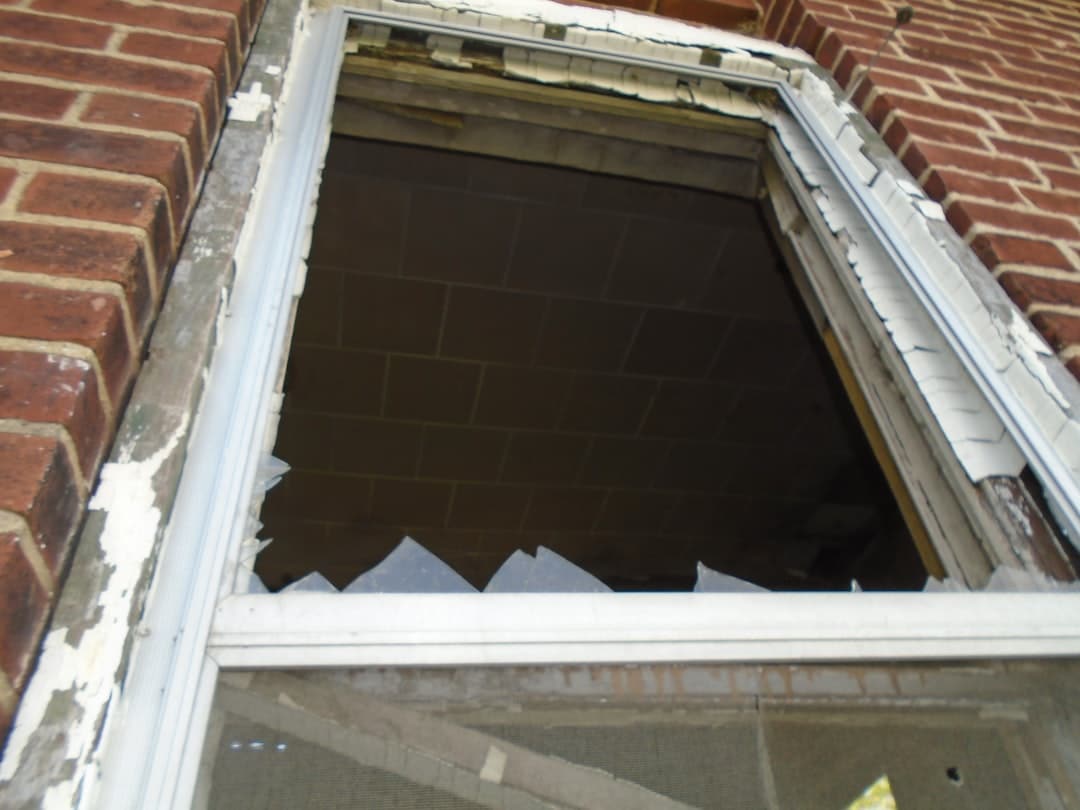
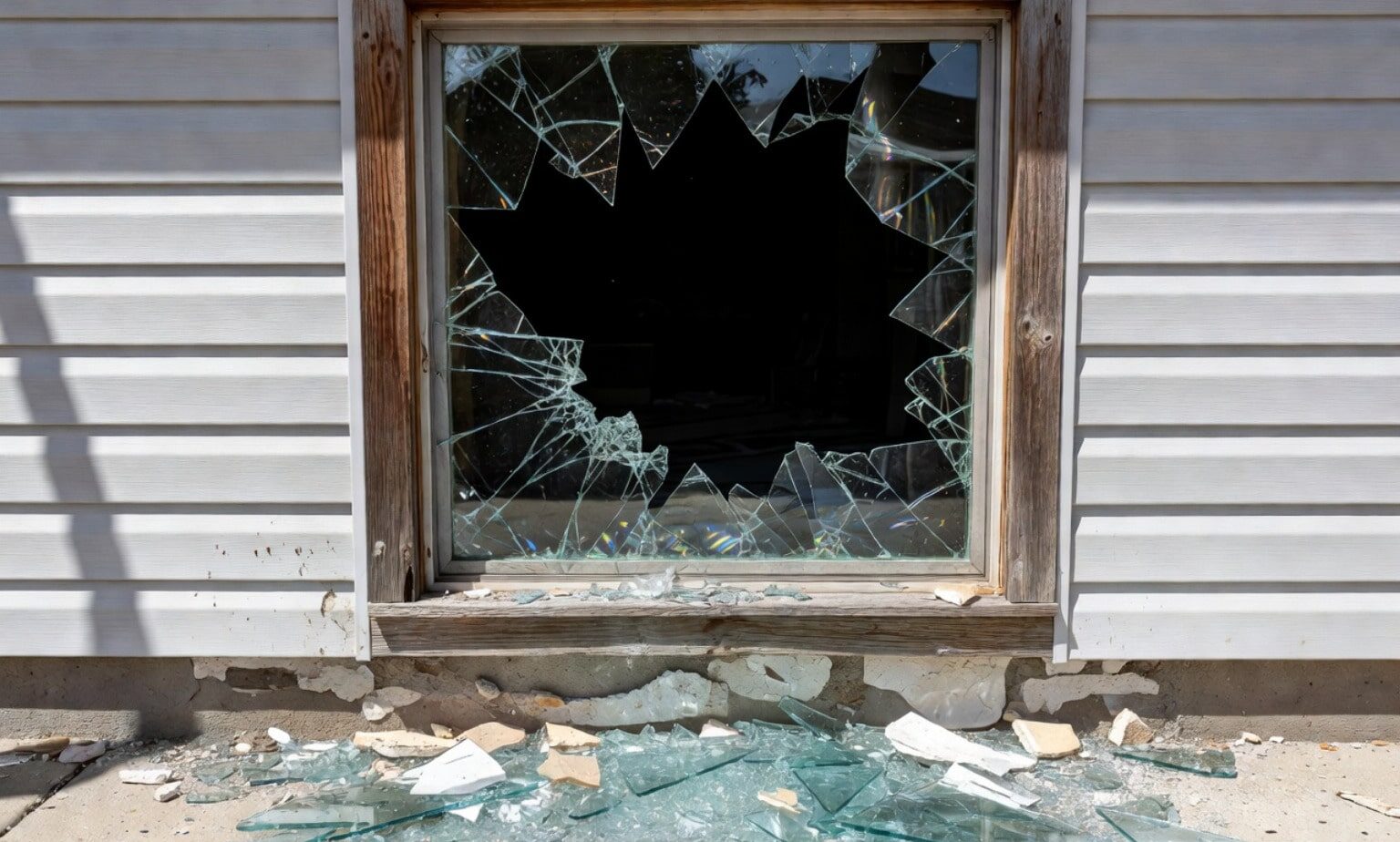
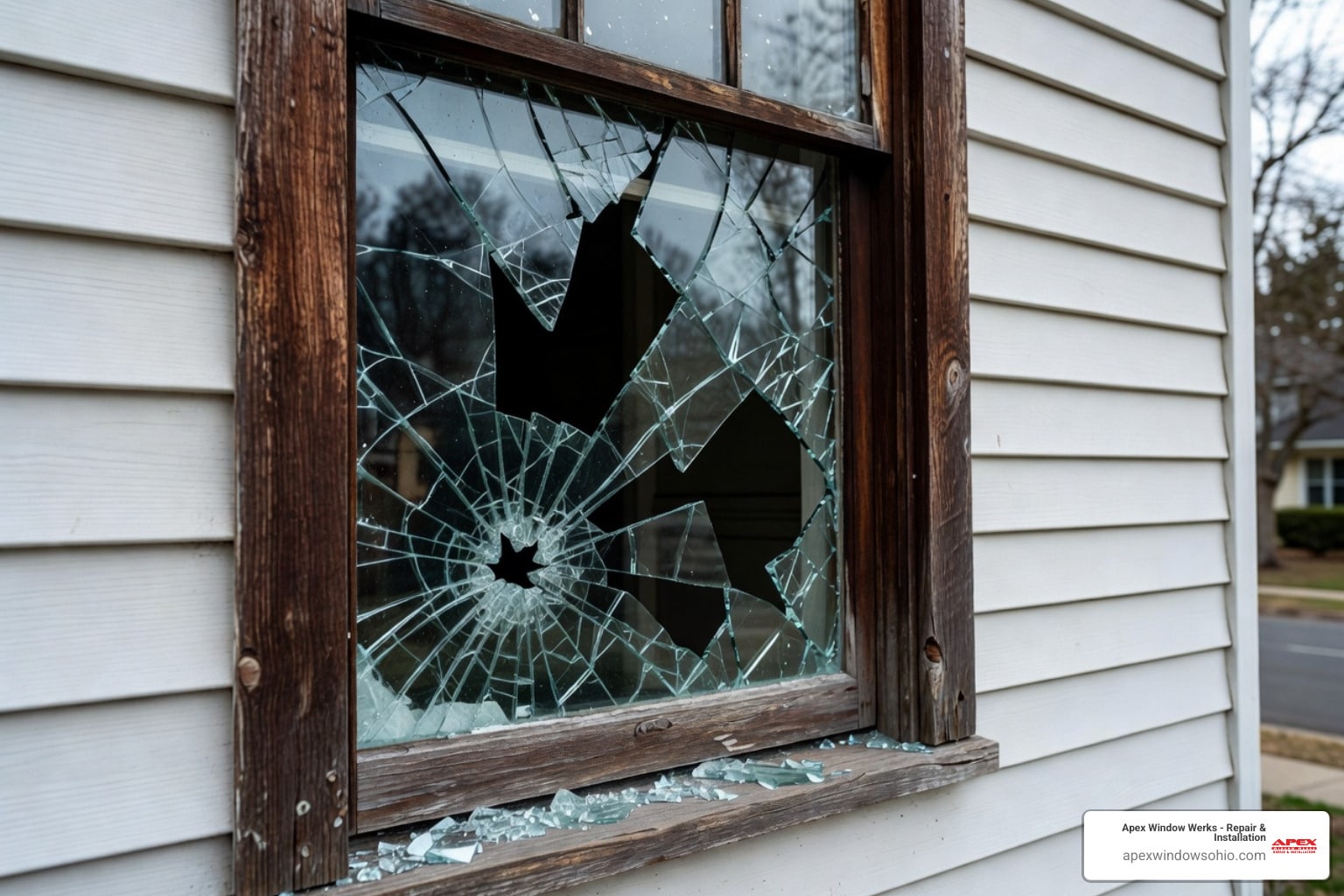
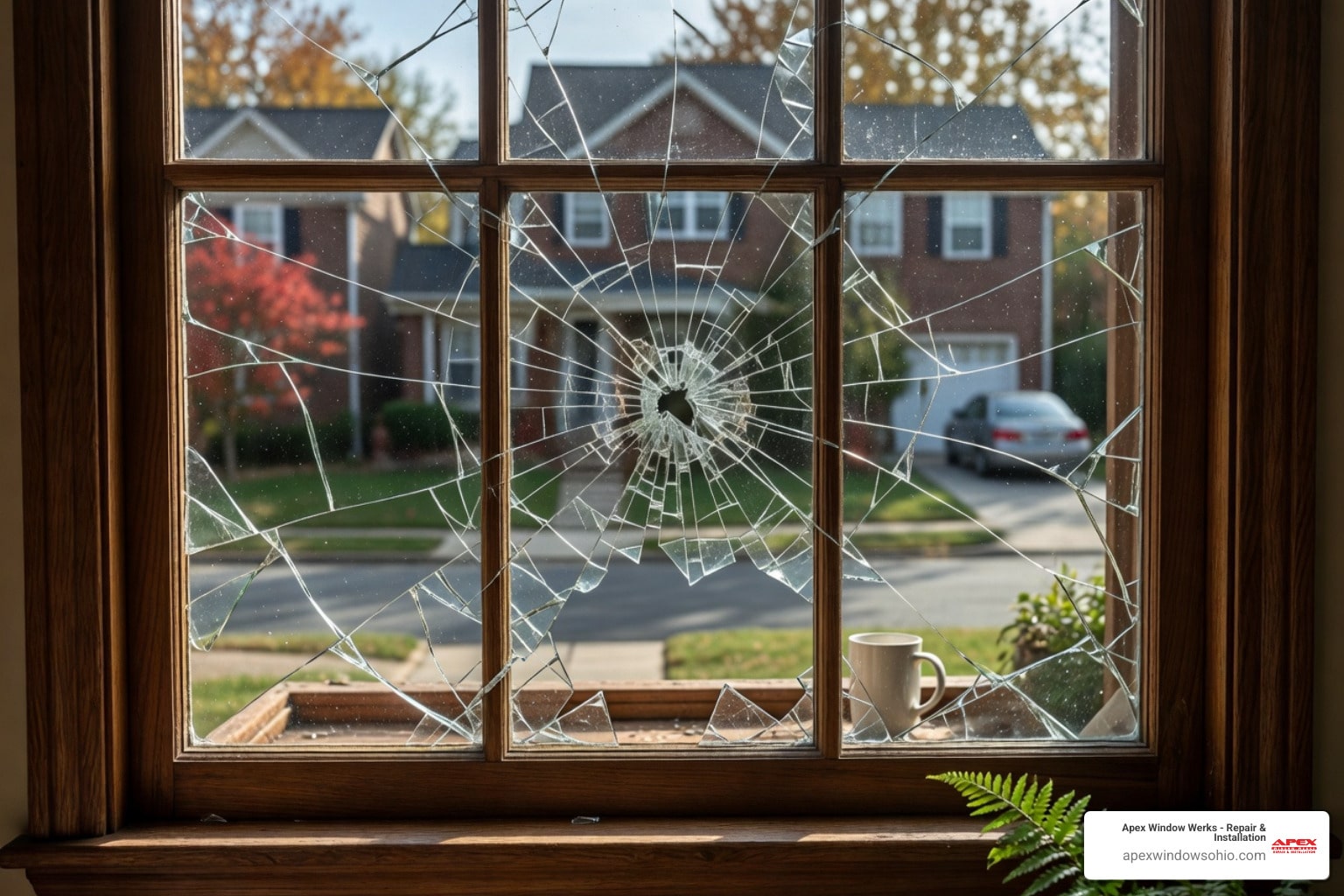
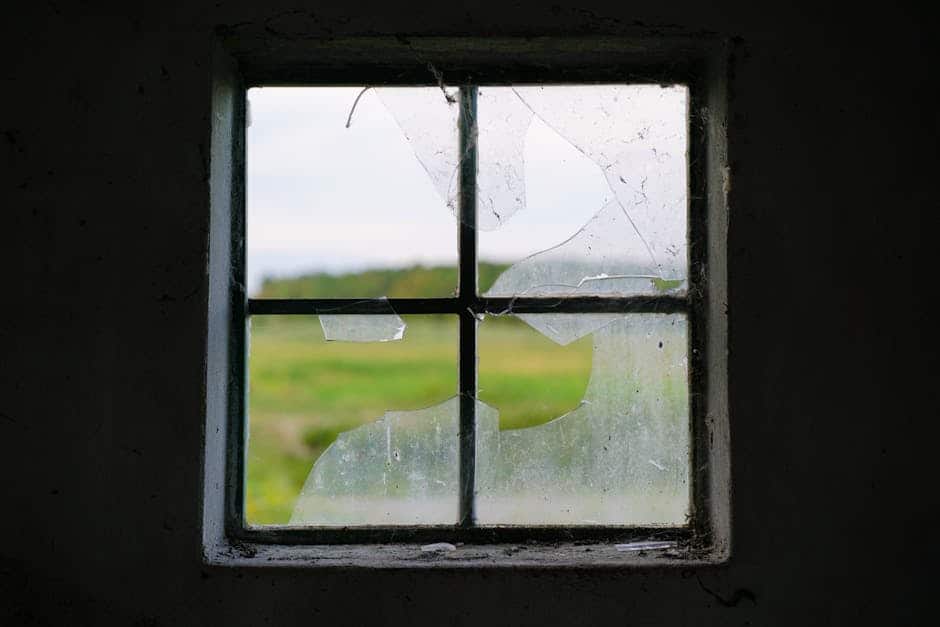
Before jumping into a full Glass panel replacement, we always recommend an assessment. Can the glass be saved? If you have a tiny chip or a “bullseye” crack in a non-tempered pane, a specialized resin repair might work. However, if you see extensive cracks, “spider-webbing,” or if the glass is shattered, replacement is the only safe path. For those dealing with Broken Window Glass Replacement, the priority is securing the home and restoring the thermal seal.
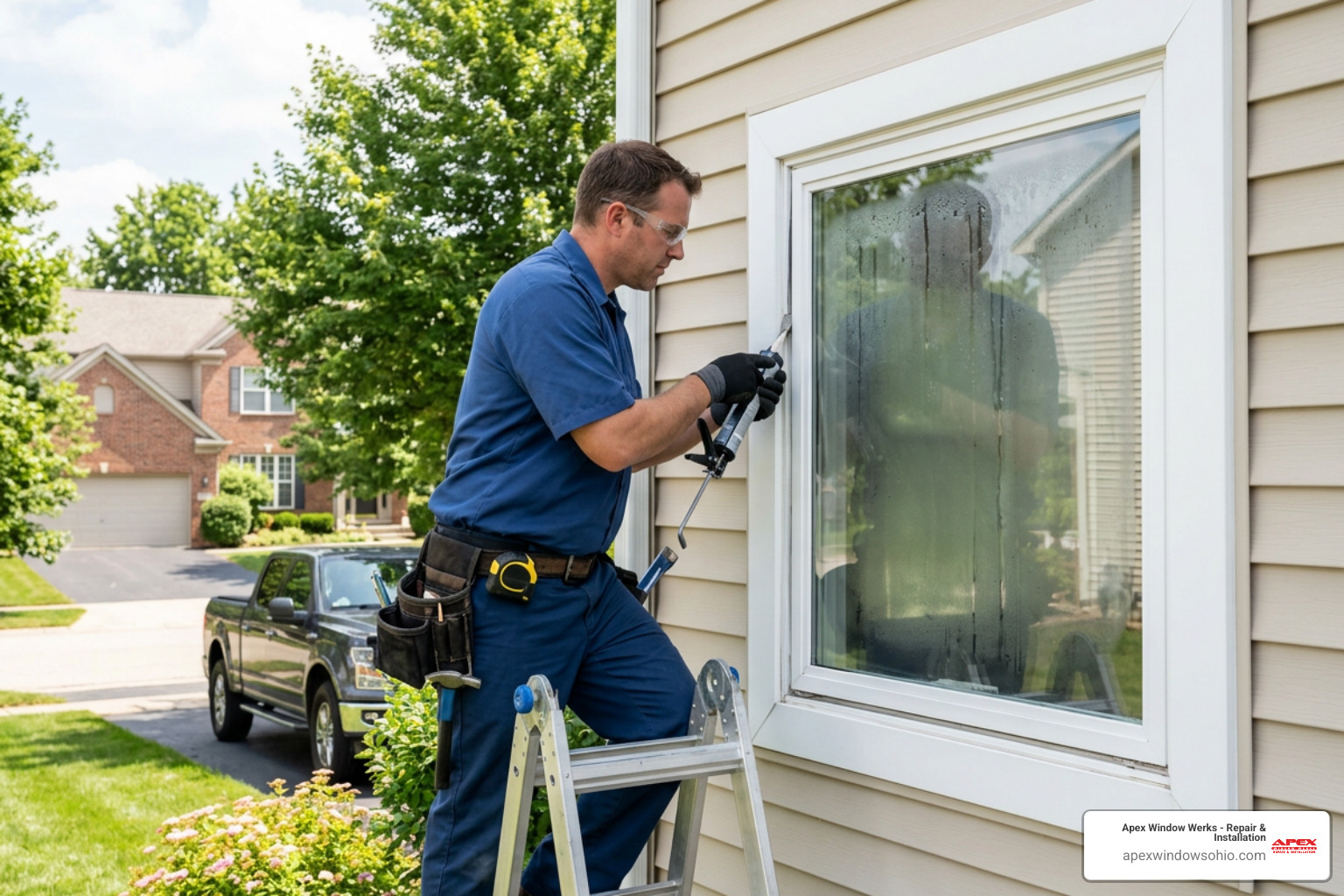
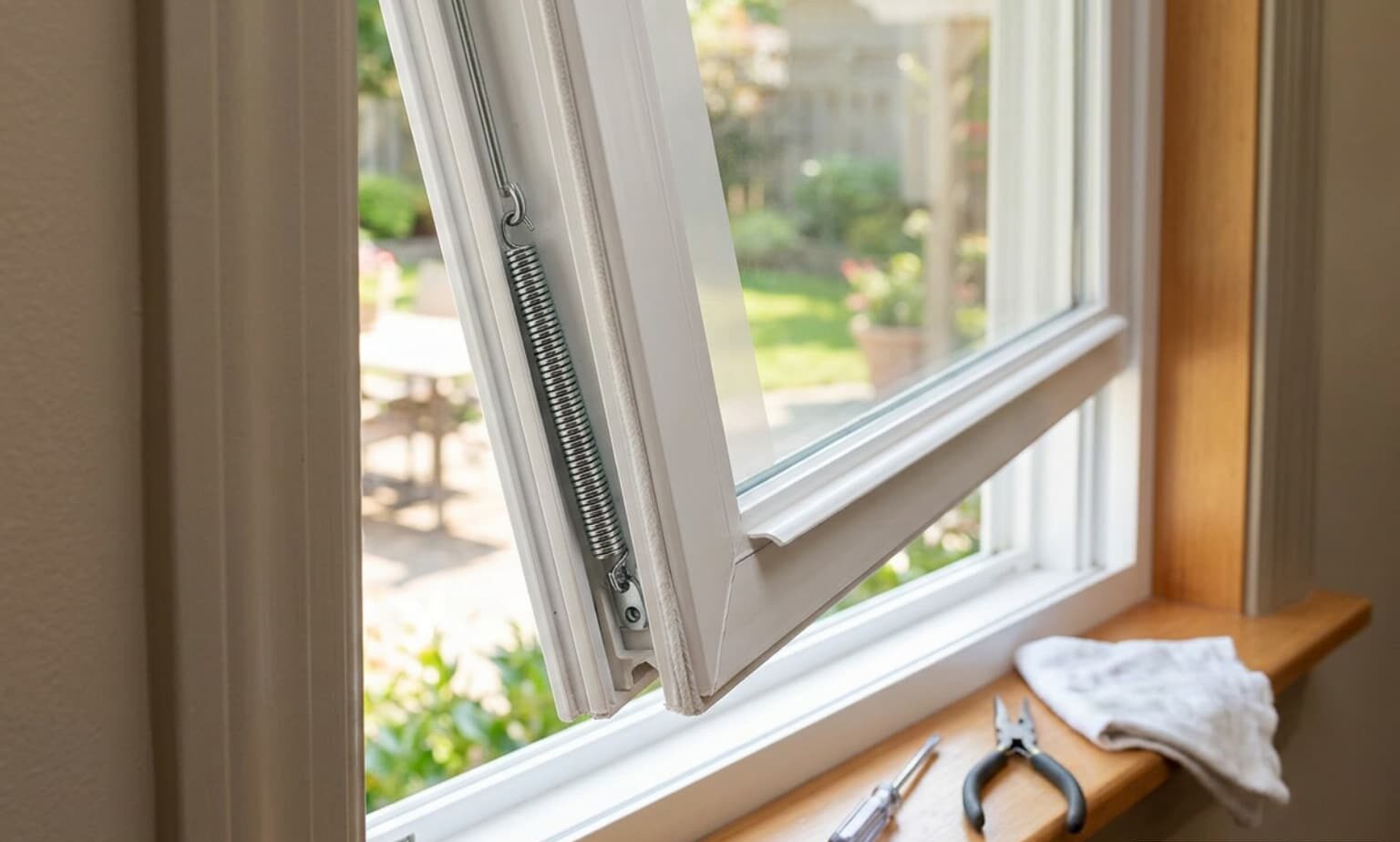
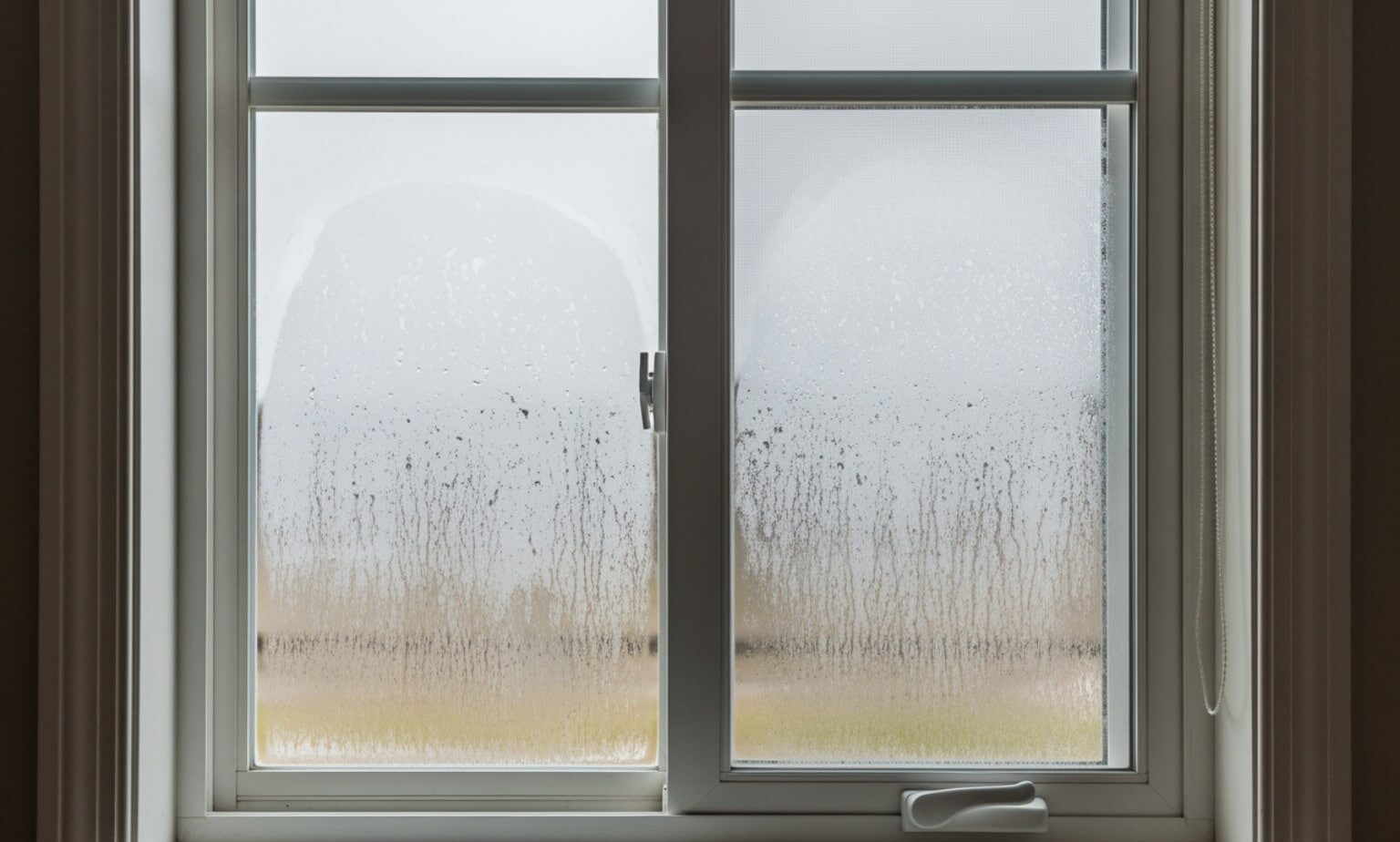
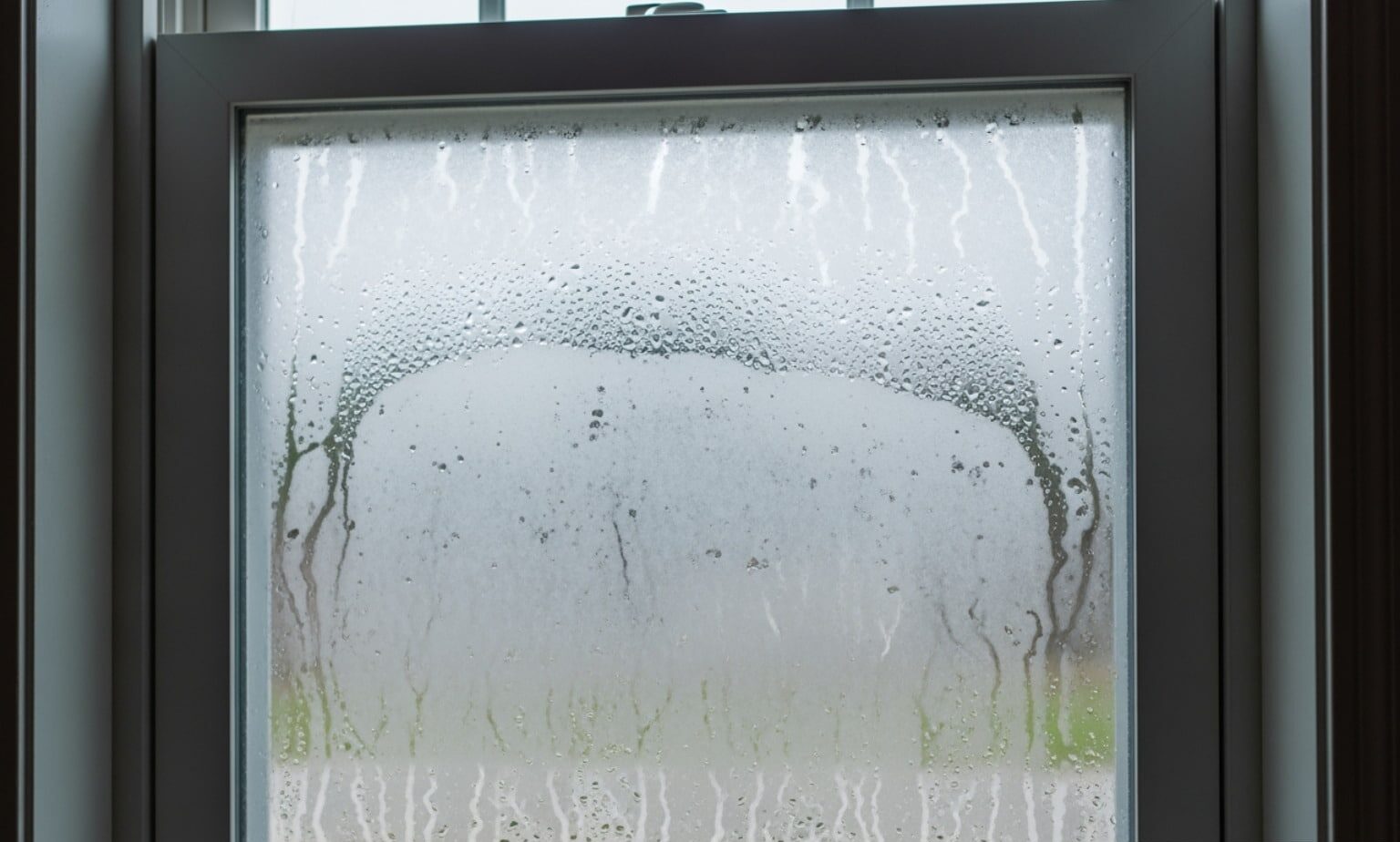
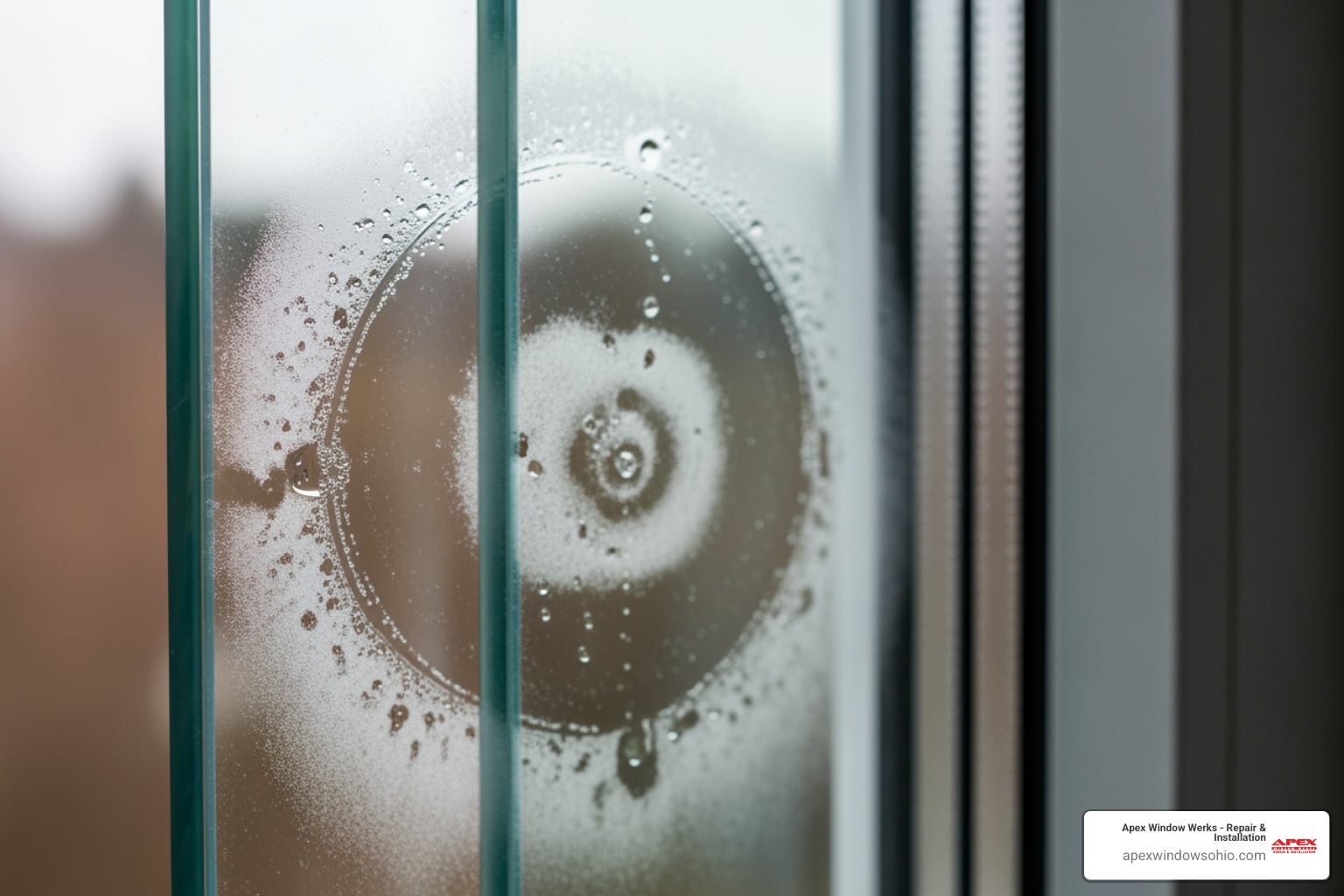
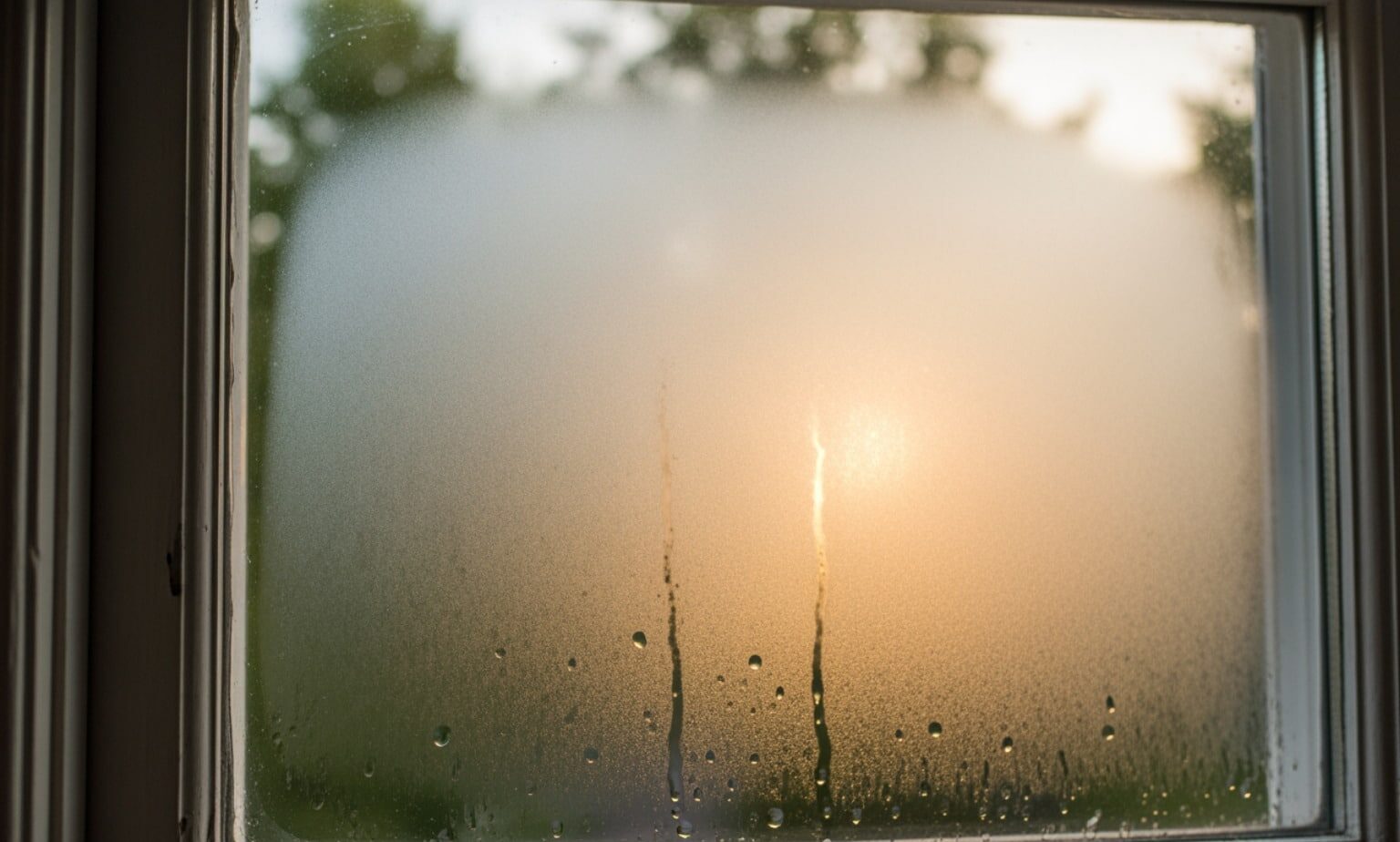
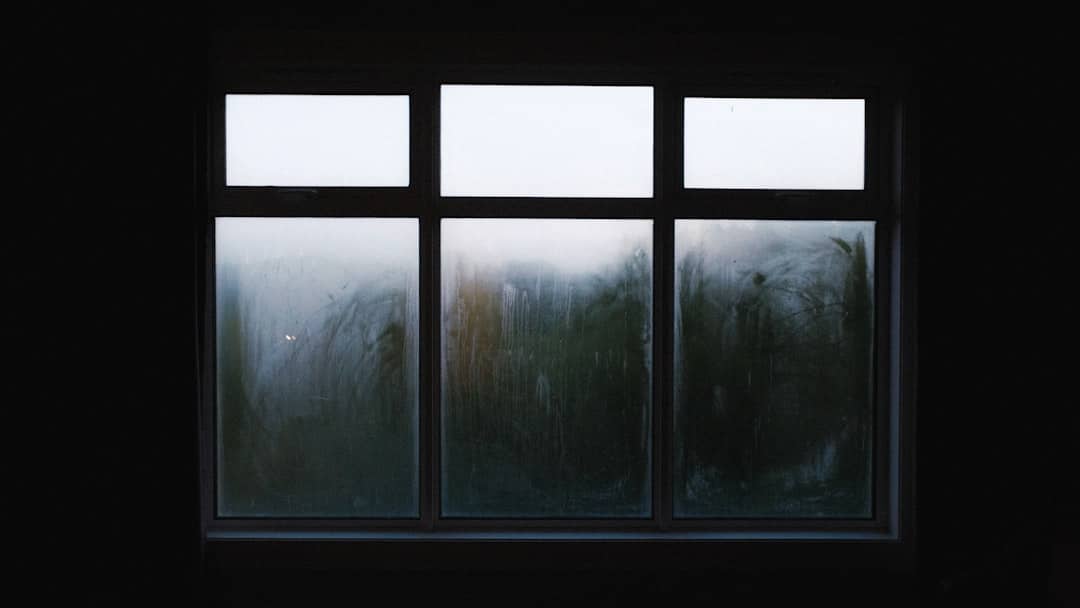
One of the most common reasons we get called for a replacement isn’t a break at all—it’s “fogging.” If your double-pane windows look like they have a permanent cloud inside them, the seal has failed. This requires Foggy Window Glass Replacement to restore your view and your home’s insulation.
Safety Standards for Glass Panel Replacement
Not all glass is created equal. In Glass panel replacement, choosing the wrong type of glass isn’t just a mistake; it can be a violation of local building codes in Ohio.
- Annealed Glass: This is your standard glass. It’s common in small, older window panes. When it breaks, it shards into long, sharp pieces. It is generally not allowed in doors or low-to-the-ground windows.
- Tempered Glass: This is “safety glass.” During fabrication, it is heated and cooled rapidly to create internal tension. According to industry statistics, a tempered glass panel is four times less likely to break than standard annealed glass. If it does break, it shatters into small, relatively harmless “pebbles” rather than sharp daggers.
Local building codes in cities like Aurora, Hudson, and Mayfield Heights strictly require tempered glass in “hazardous locations.” This includes any glass in doors, glass adjacent to doors, and glass in bathrooms.
High-Performance Glass Upgrades
If you’re already going through the trouble of a Glass panel replacement, it’s the perfect time to think about an upgrade. Modern glass technology has come a long way since many of our Northeast Ohio homes were built.
- Low-E (Low-Emissivity) Coatings: This is a microscopic layer of metallic oxide that reflects heat. In the summer, it keeps the Cleveland humidity out; in the winter, it keeps your furnace’s warmth inside.
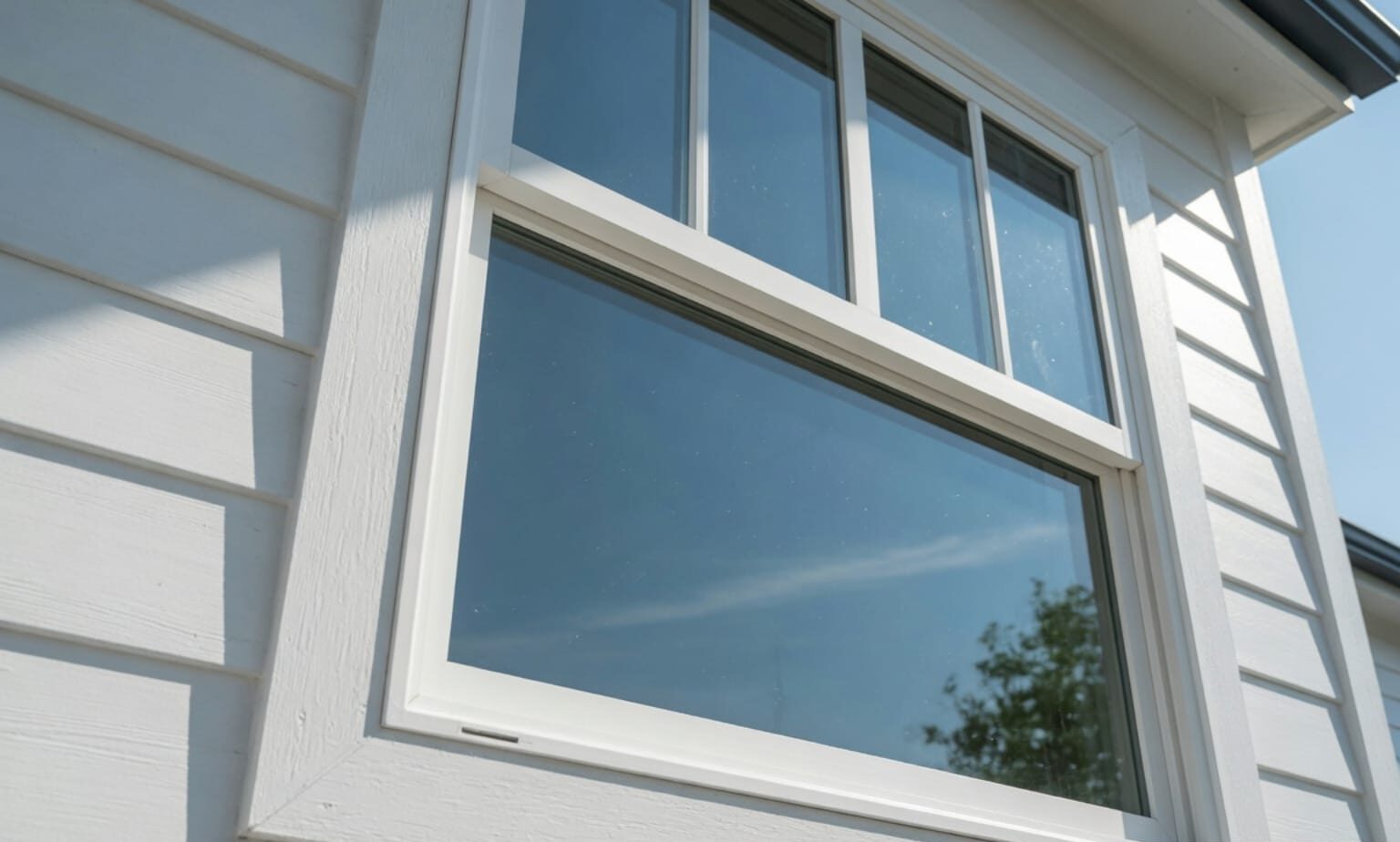
- Insulated Glass Units (IGUs): These are the “double-pane” or “triple-pane” units. They consist of two or more sheets of glass separated by a spacer and sealed. The gap is often filled with Argon gas to act as a thermal barrier.
- UV Filtering: High-end panels can filter out up to 99% of UV rays, preventing your furniture and flooring from fading in the sun.
If your home currently has single-pane windows, moving to Insulated Glass Replacement is one of the best ROIs you can get for your energy bills.
Measuring and Preparing for a Perfect Fit
Measurement is the stage where most DIY projects go off the rails. With glass, there is no “shaving a bit off” once the piece is cut—especially if it’s tempered. Tempered glass cannot be cut or ground after the tempering process, or it will shatter instantly.
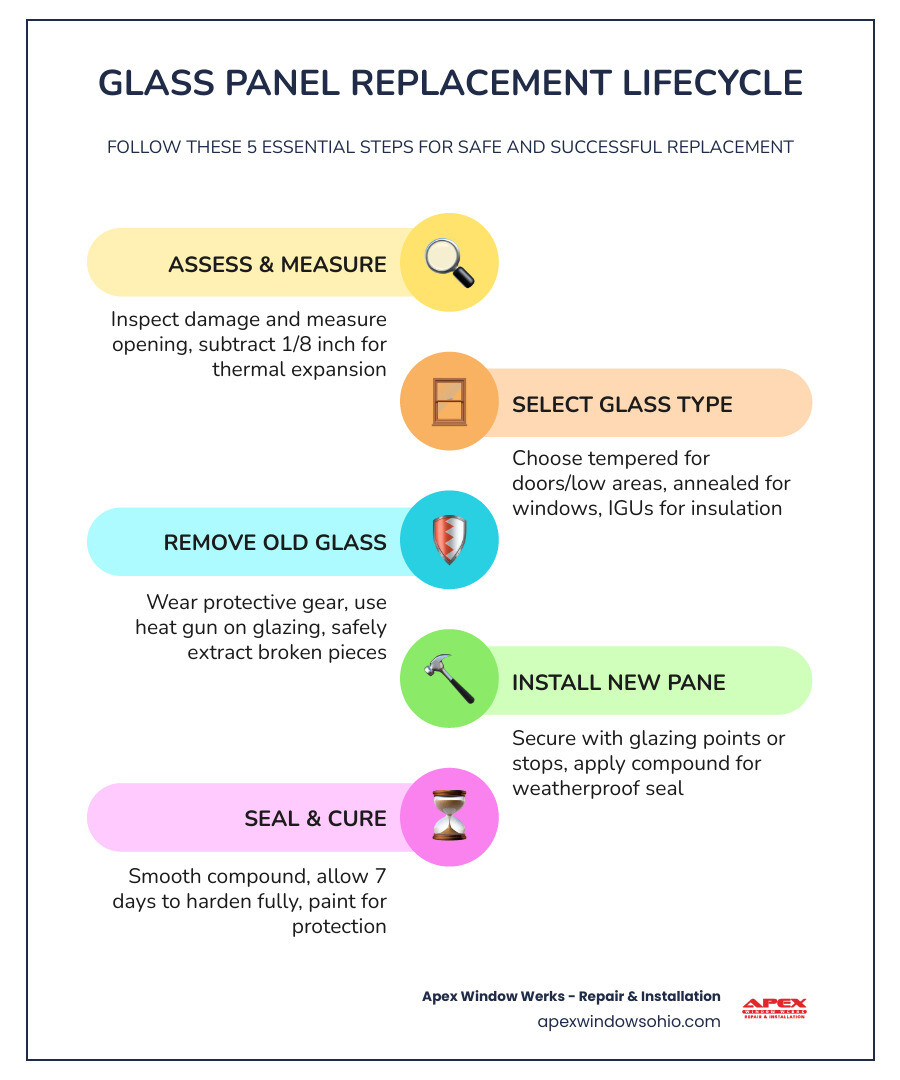
When we measure for a replacement pane, we follow the “1/8-inch rule.” You should measure the tight opening (where the glass sits inside the frame or molding stops) and then subtract 1/8 inch from both the width and the height. Why? Glass expands when it gets hot. If the glass fits too tightly in the frame, the pressure from expansion during a hot Ohio July could cause the new panel to crack.
Before you even touch the glass, you need the right safety gear. We cannot stress this enough:
- Leather Gloves: Standard garden gloves won’t stop a glass shard. Use heavy-duty leather or cut-resistant gloves.
- ANSI Z87 Safety Glasses: Regular glasses aren’t enough to protect your eyes from microscopic glass slivers.
- Long Sleeves and Pants: Protect your skin from accidental contact with sharp edges.
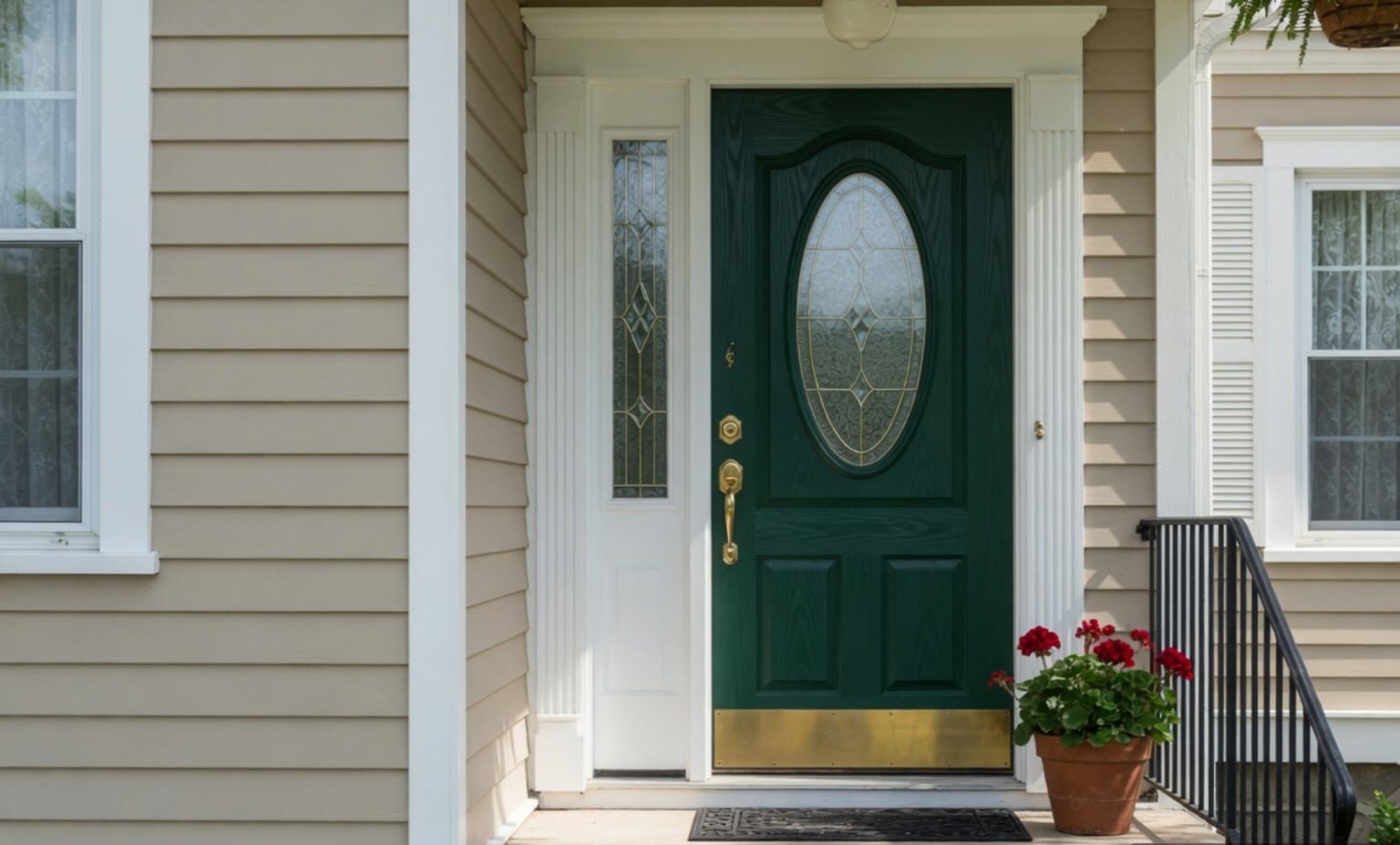
If you’re working on a door, the process involves removing the molding stops that hold the glass in place. For more complex entries, you might need a professional Door Glass Replacement service to ensure the door remains balanced and secure.
Sourcing Your Replacement Pane
Once you have your measurements, where do you get the glass? While some big-box hardware stores cut standard annealed glass, they cannot produce tempered or Insulated Glass Units on-site.
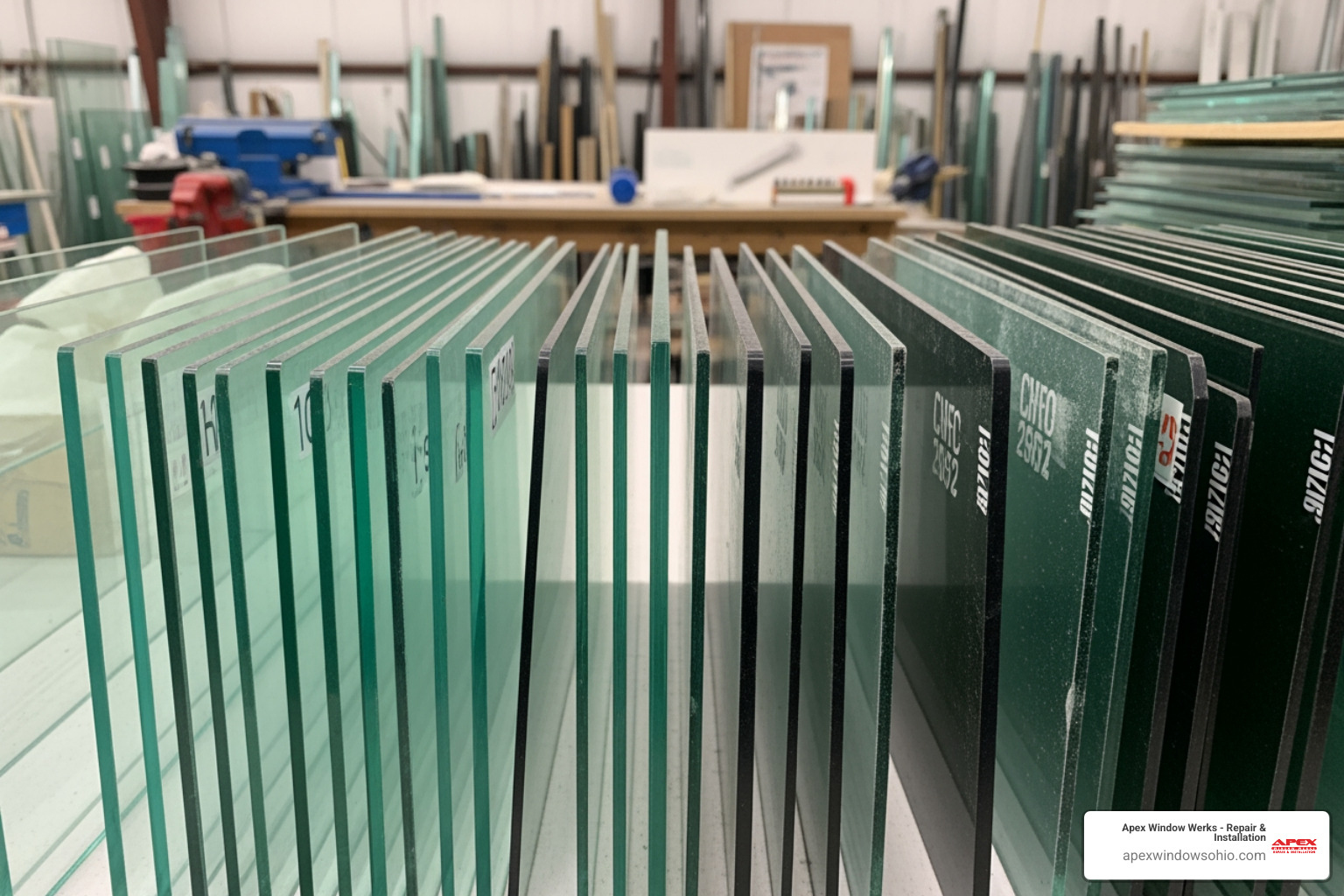
The glass fabrication process is quite fascinating. Raw glass is cut using optimizing software to reduce waste. Then, the edges go through an edging station. This is where the sharp, raw edges are ground down into a “flat polish” or “pencil edge” to make them safe to handle. The glass is often cut 1/8 inch larger initially to accommodate this polishing grind, with a final tolerance of plus or minus 1/8 inch.
For residents in areas like Ravenna, getting a Window Glass Replacement in Ravenna means working with a fabricator who understands the local climate needs and can provide custom-cut glass that fits perfectly the first time.
Step-by-Step Guide to DIY Glass Installation
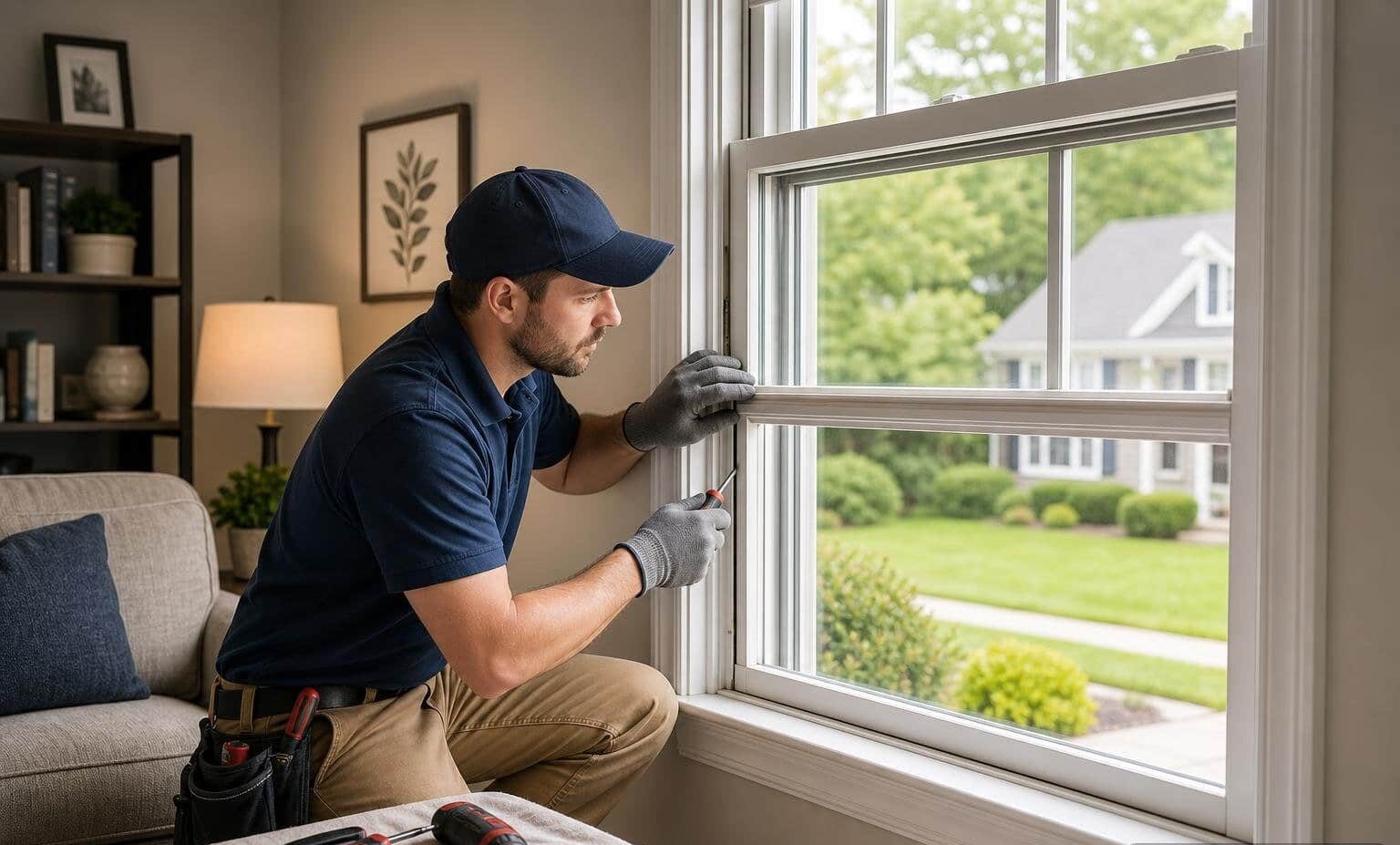
If you’ve decided to tackle a single-pane Glass panel replacement on your own, here is our professional checklist to get the job done right.
The Tool Checklist:
- Putty knife or scraper
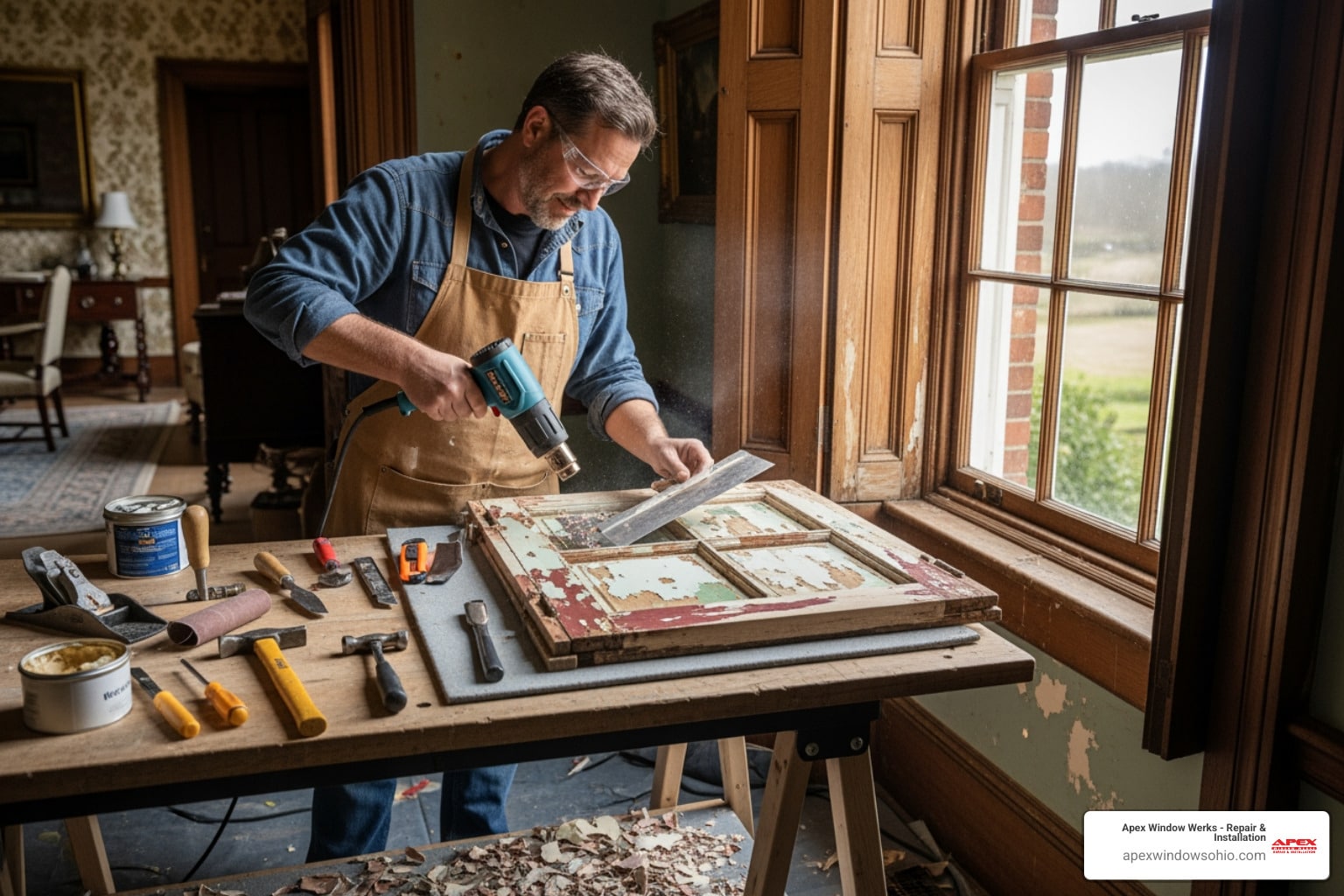
- Heat gun (to soften old, rock-hard glazing)
- New glazing compound (linseed oil-based or latex)
- Glazing points (small metal triangles that hold the glass in)
- Pliers
- Small pry bar (for wooden stops)
- Razor knife
- Remove the Old Glass: If the glass is still in the frame, use painter’s tape to create an “X” over the cracks. This keeps the shards together as you remove them.
- Clear the Frame: Use your heat gun to soften the old glazing compound. Be careful not to scorch the wood! Scrape it away until the “L-shaped” groove (the rabbet) is clean.
- Pry the Stops: If your door or window uses wooden stops instead of putty, score the paint line with a razor knife first. This prevents the wood from splintering as you gently pry the stops away.
- Dry Fit: Place your new pane in the frame. It should have that 1/8-inch wiggle room we talked about.
- Set the Glass: Apply a thin bead of caulk or a “bed” of glazing compound in the groove. Press the glass firmly into it.
- Install Glazing Points: Use a putty knife to push glazing points into the frame every 4-6 inches. These are what actually hold the glass in place while the compound dries.
For a visual walkthrough on the trickiest part—the putty—we recommend checking out this guide on How to Glaze Window Pane.
Finishing Your Glass Panel Replacement Project
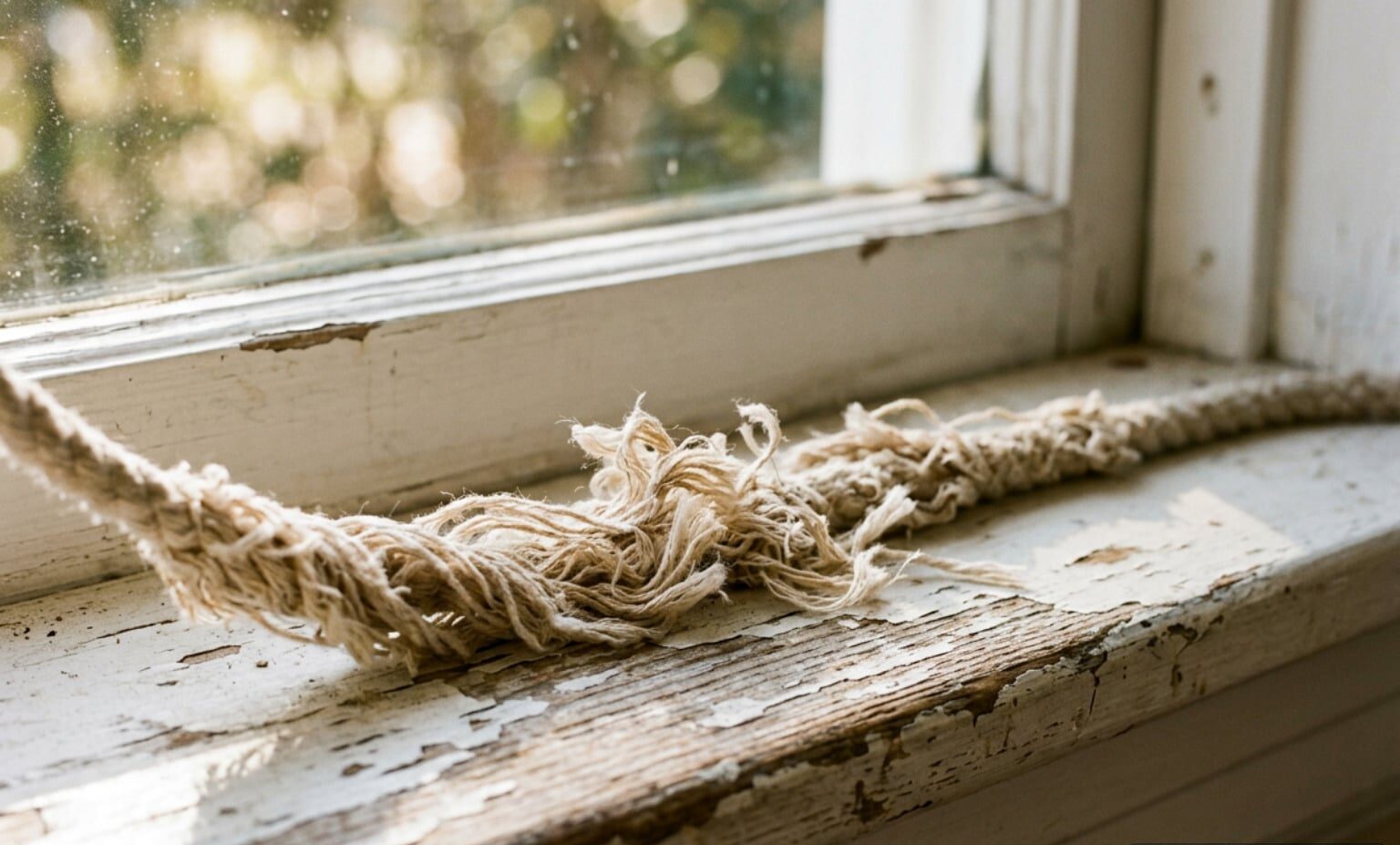
The “glazing” part of Glass panel replacement is an art form. You want to take a ball of glazing compound, roll it into a “rope,” and press it into the edge of the glass. Using your putty knife at an angle, smooth the compound into a neat, beveled edge.
Crucial Tip: Don’t paint it yet! Oil-based glazing compound needs time to “skin over.” This can take anywhere from 7 to 14 days depending on the humidity in places like Cuyahoga Falls or Mentor. If you paint too early, the oil will seep through, and the paint will peel. Once it’s firm to the touch, apply a high-quality exterior paint, overlapping the glass by about 1/16th of an inch to create a weather-tight seal.
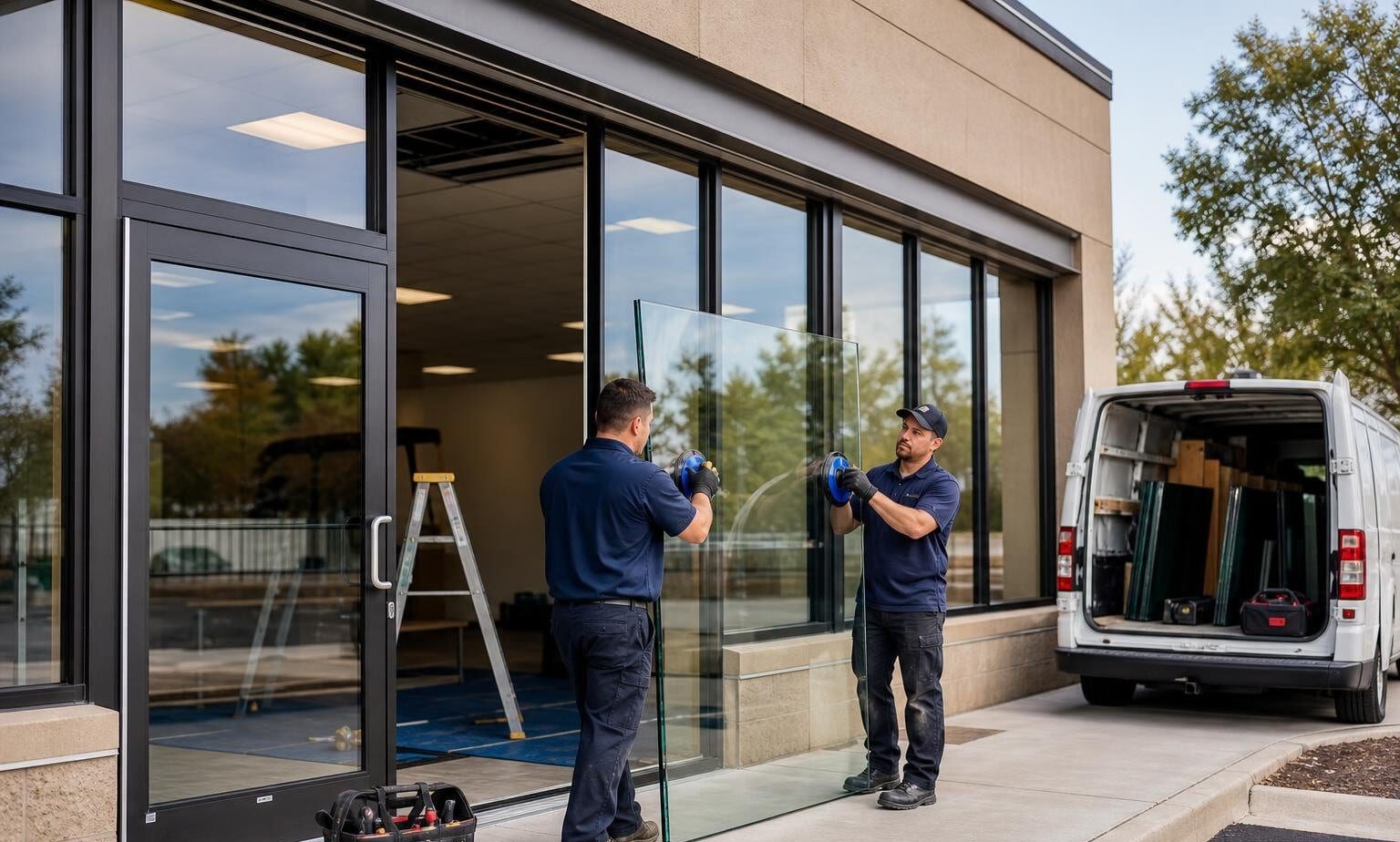
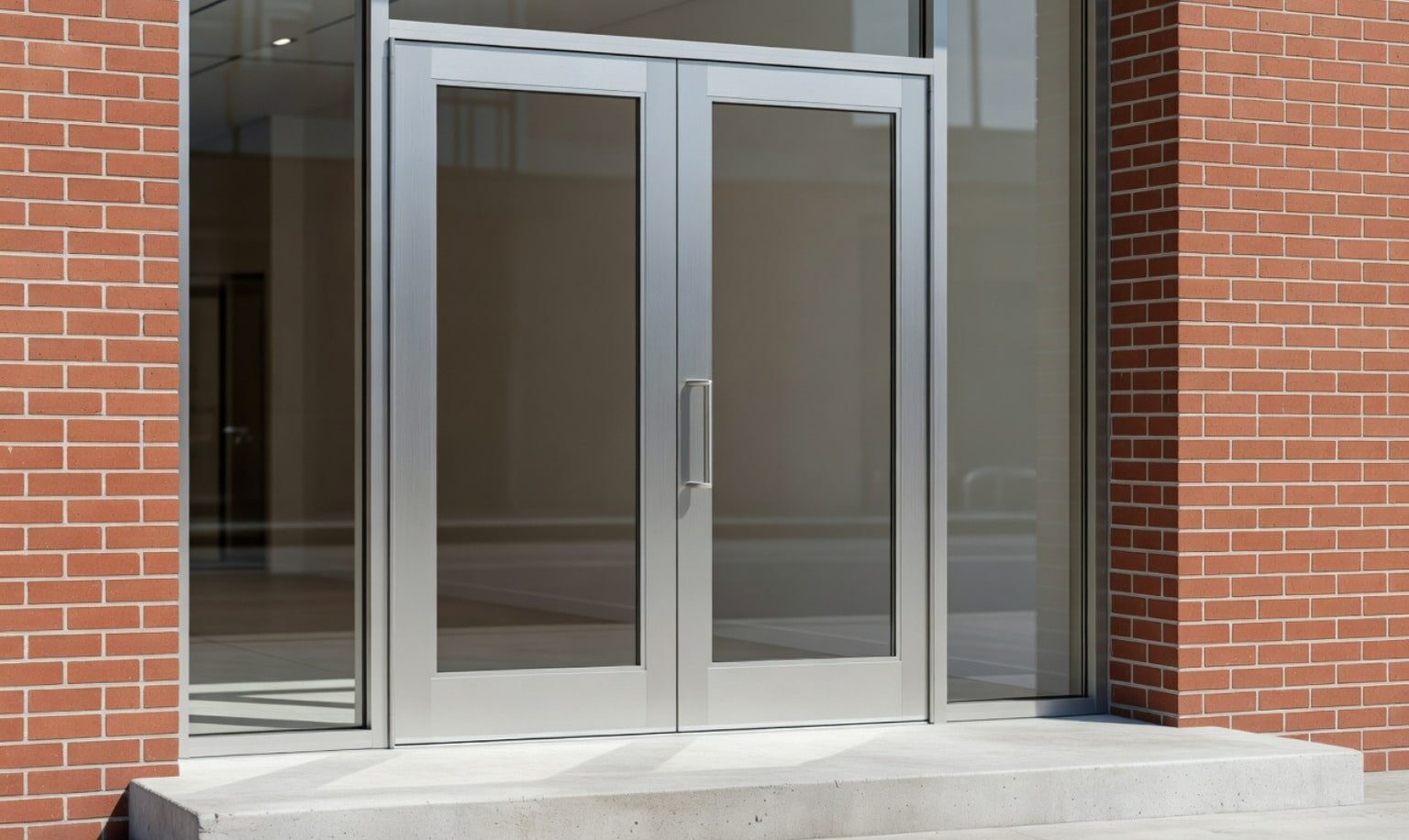
For business owners, the process is similar but often involves metal frames and gaskets. If you’re managing a storefront, Commercial Glass Repair usually requires specialized heavy-duty glass and faster turnaround times to keep the business secure.
Professional vs. DIY: Costs and Considerations
Is DIY always cheaper? Not necessarily. When you factor in the cost of specialized tools (heat gun, glass cutter, high-end glazing), the risk of breaking the new pane during installation, and the time spent, many homeowners find that calling in the pros is actually more cost-effective.
| Factor | DIY Replacement | Professional Replacement (Apex) |
|---|---|---|
| Material Cost | Retail prices for glass & tools | Wholesale glass pricing |
| Time Investment | 4-8 hours (including sourcing) | 1-2 hours |
| Warranty | None (if it breaks, you pay again) | Multi-year warranty on glass & labor |
| Safety Risk | High (cuts, glass handling) | Minimal (handled by trained techs) |
| Energy Efficiency | Dependent on seal quality | Guaranteed airtight seal |
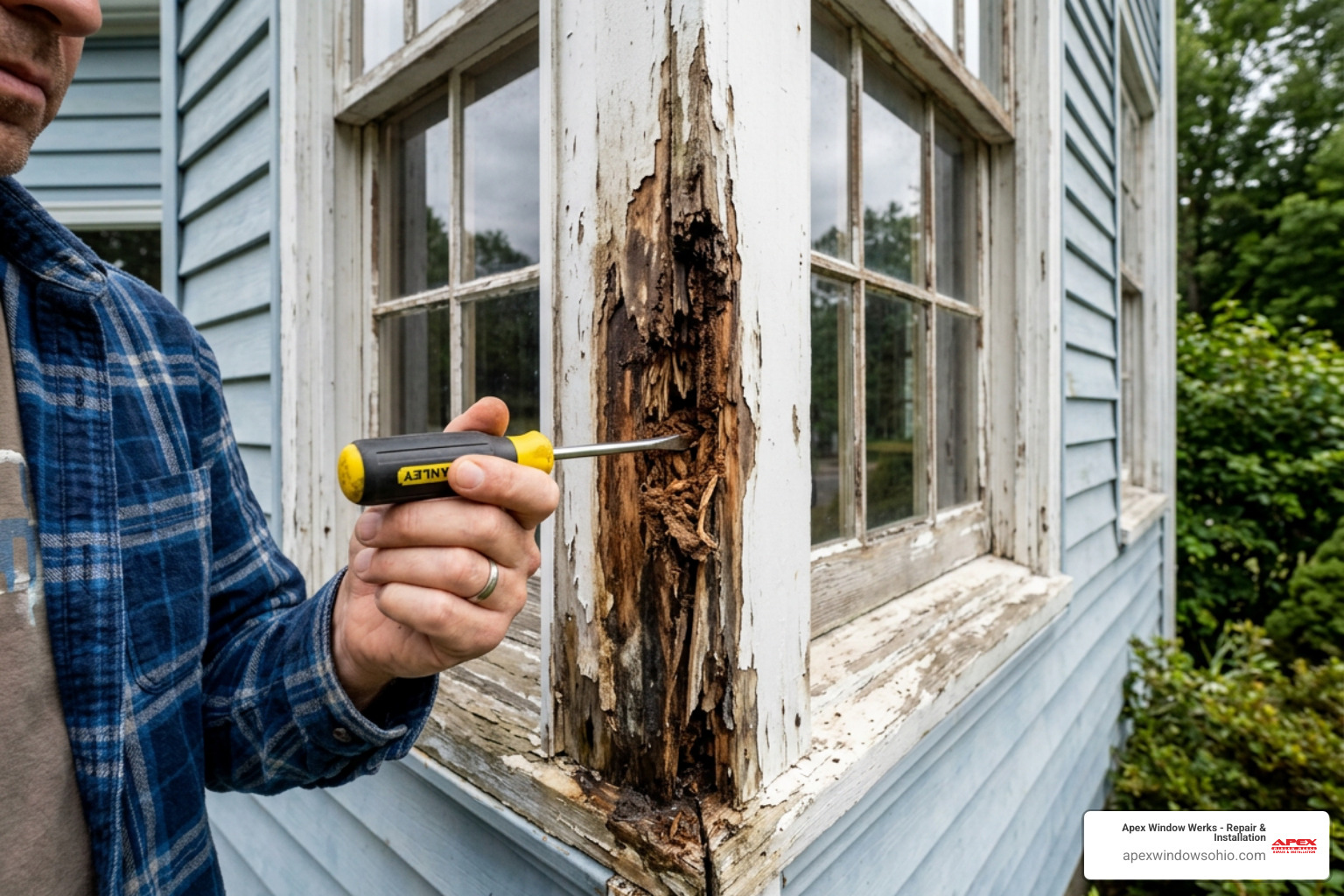
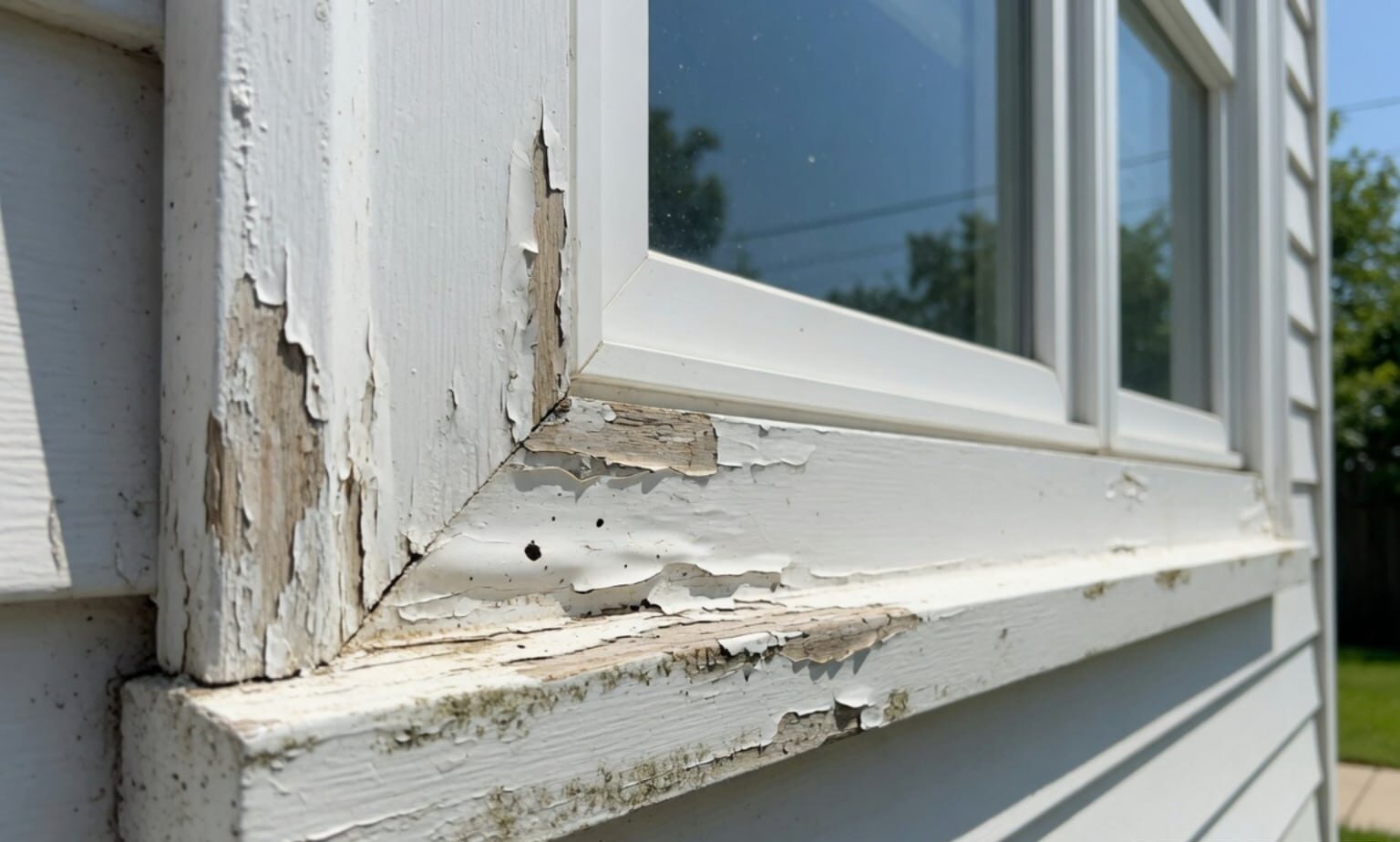
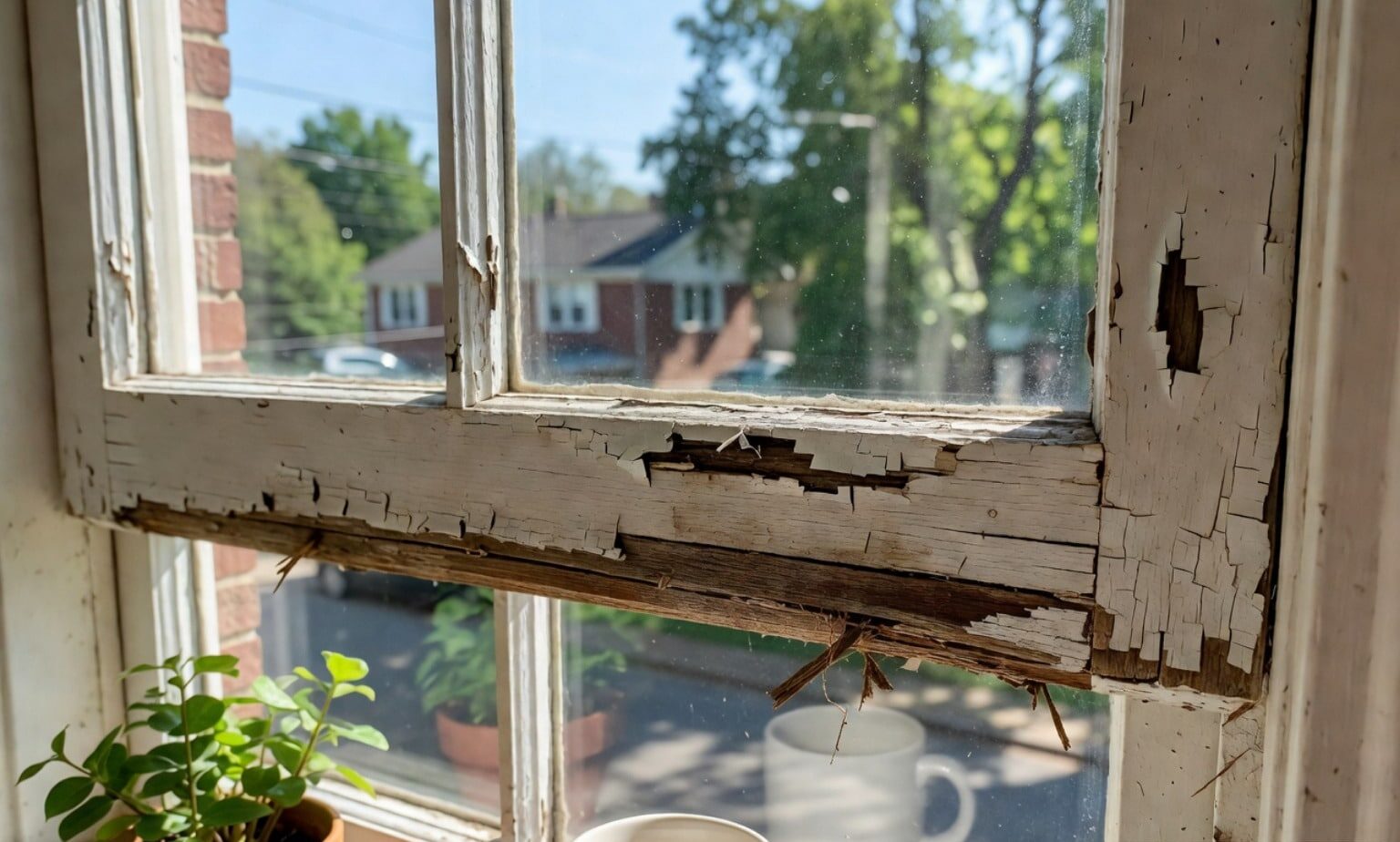
Historic windows present a unique challenge. In older homes in Shaker Heights or Lakewood, the wooden stops are often fragile and brittle. If you break a stop that hasn’t been manufactured in 80 years, you’re looking at a much larger repair. Professionals have the experience to handle these delicate materials without causing further damage.
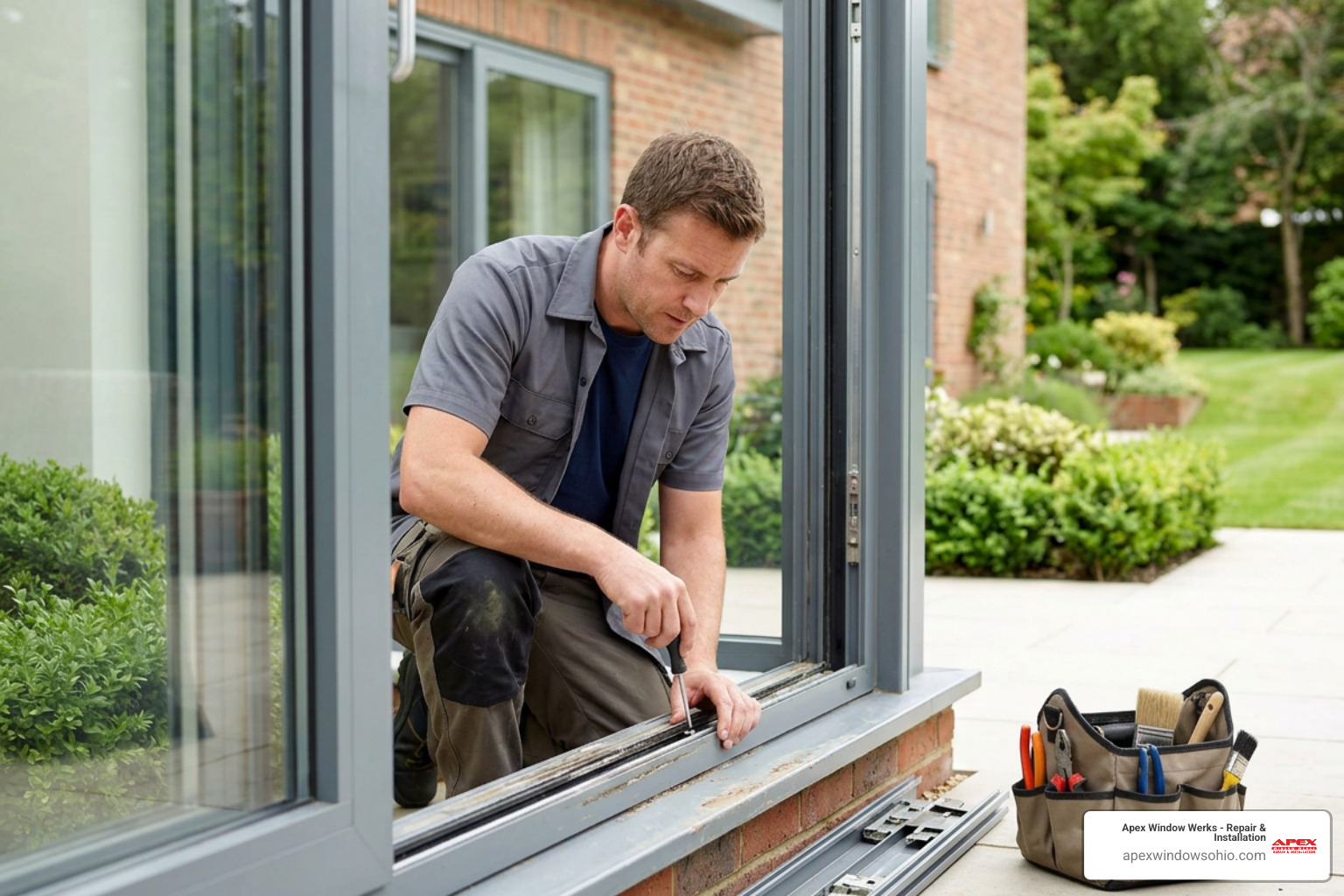
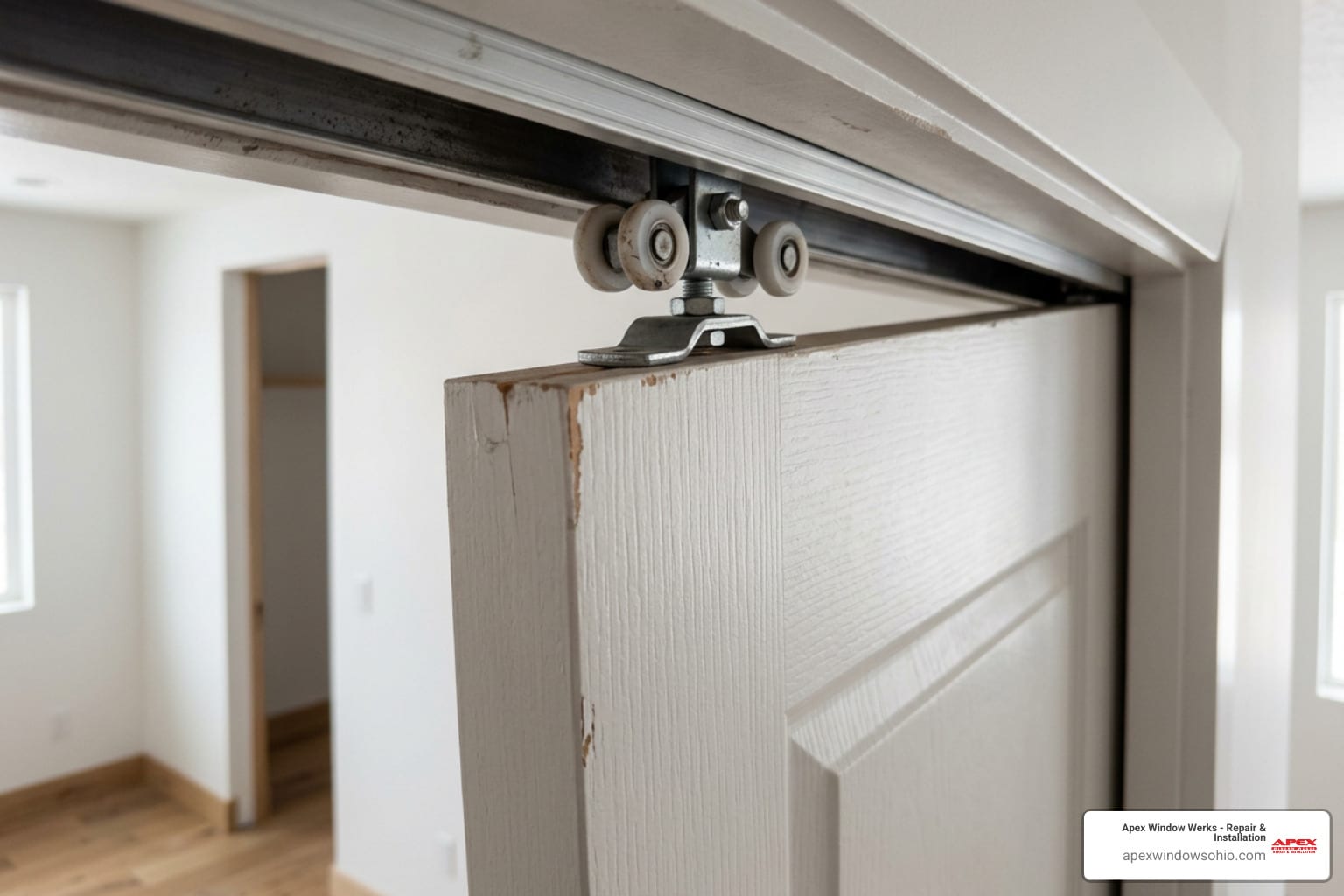
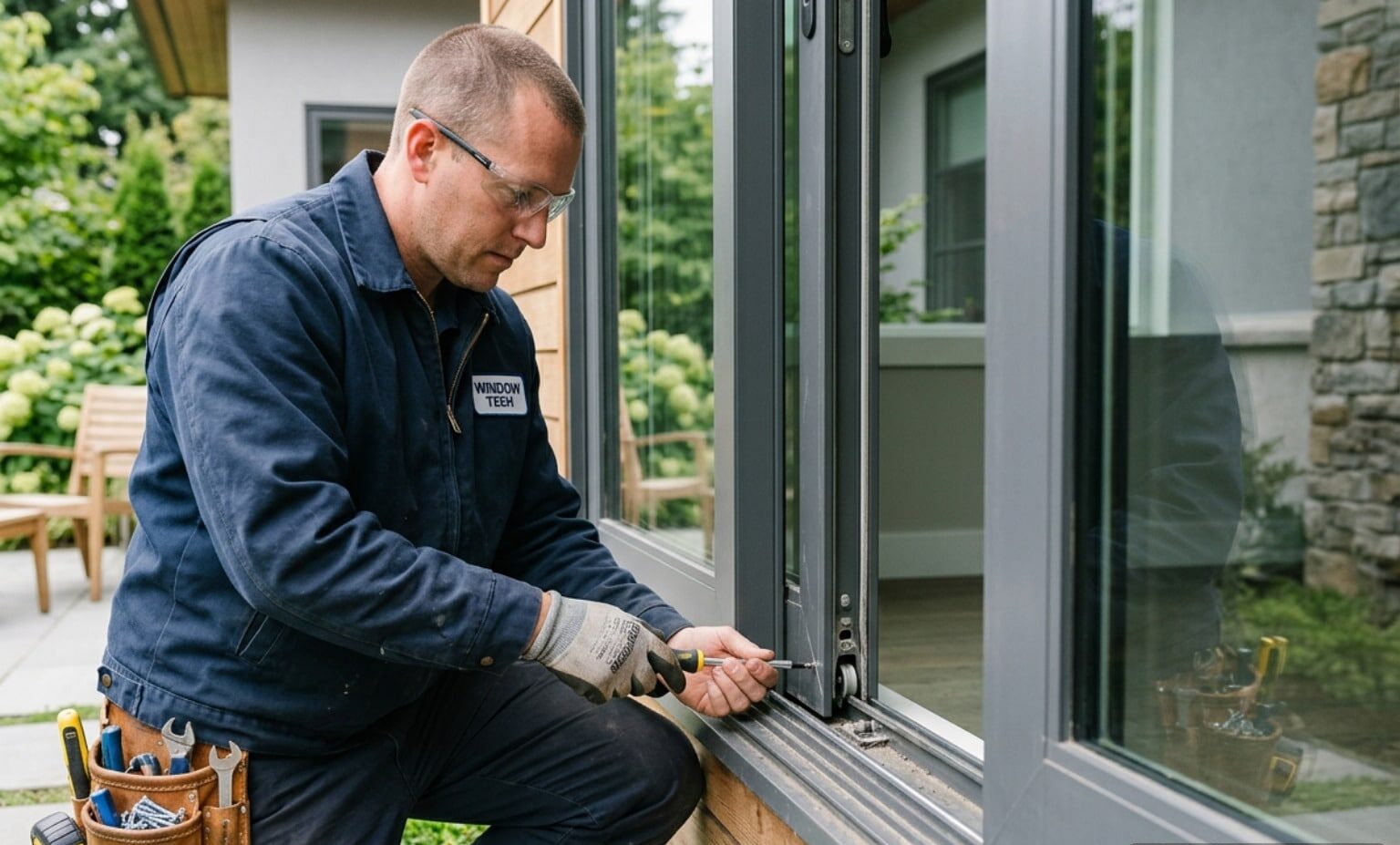
Additionally, modern high-security features like multi-point locks on sliding doors are difficult to realign if you remove the entire panel yourself. We often see DIY attempts that result in a door that is “replaced” but no longer locks correctly.
Frequently Asked Questions about Glass Panels
When is tempered glass required by law?
In Northeast Ohio, building codes follow the International Residential Code (IRC). Tempered glass is required in any “hazardous location.” This includes:
- Any glass in a door.
- Any glass within 24 inches of a door.
- Any glass in a bathroom (shower doors, or windows near a tub).
- Large windows (over 9 sq. ft.) that are close to the floor (less than 18 inches).
How much smaller should I cut the glass than the frame?
Always aim for 1/8 inch smaller than the tightest measurement of the frame. This provides a 1/16-inch gap on all sides. This “expansion gap” is vital for preventing stress cracks during temperature swings—something we get plenty of in the Cleveland-Akron area!
Can I replace a single pane in a double-pane window?
Technically, no. An Insulated Glass Unit (IGU) is a factory-sealed unit. If one pane breaks, the seal is gone, and the insulating gas has escaped. You must replace the entire double-pane “sandwich” as one unit. Trying to “glue” a new piece of glass onto a broken IGU will result in immediate fogging and zero insulation.
Conclusion
Glass panel replacement doesn’t have to be a source of stress. Whether you’re restoring the historic charm of a century home or upgrading the energy efficiency of a modern sliding door, understanding your glass options is the first step toward a successful project.
At Apex Window Werks, we’ve built our reputation on being the “fastest fix in the Northland.” We provide expert installation and repair services throughout the Cleveland-Akron area, from Avon to Willoughby and everywhere in between. We specialize in everything from foggy IGU replacement to custom-cut tempered panels for doors and railings.
Our USP is simple: speed, quality, and affordability. We offer same-day service for many repairs and 2-hour turnarounds for walk-in glass needs. Why spend your entire weekend struggling with glazing putty and broken shards when our team can have it handled before lunch?
Don’t let a cracked panel compromise your home’s security or your energy bills. Schedule your professional glass panel replacement in Ravenna today and see why your neighbors in Northeast Ohio trust us with their glass.