

Condensation Between Window Panes: Your Seals Are Broken, Here’s How to Fix Them
Why Moisture Between Window Panes Means Your Seals Have Failed
Moisture between window panes indicates a broken seal in your insulated glass unit (IGU). Here’s what you need to know:
Quick Answer:
- Cause: Failed seal allows humid air to enter the sealed space between panes
- Fix Options: Glass replacement (best), defogging (temporary), or full window replacement (rarely needed)
- Cost: Glass replacement typically less than installing new windows
- Timeline: Most repairs completed same-day to next-day
- Prevention: Annual inspections and maintaining 30-50% indoor humidity
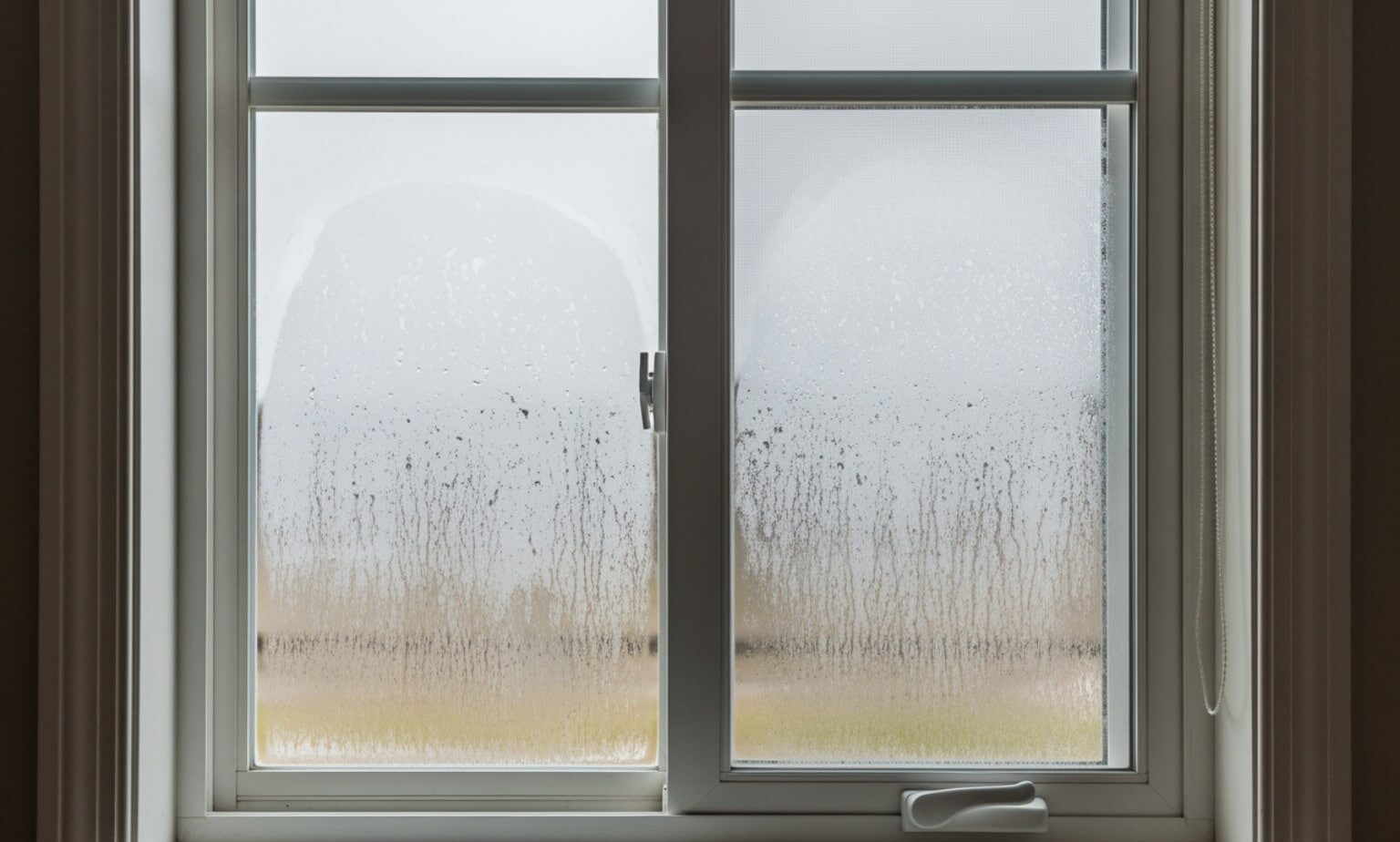
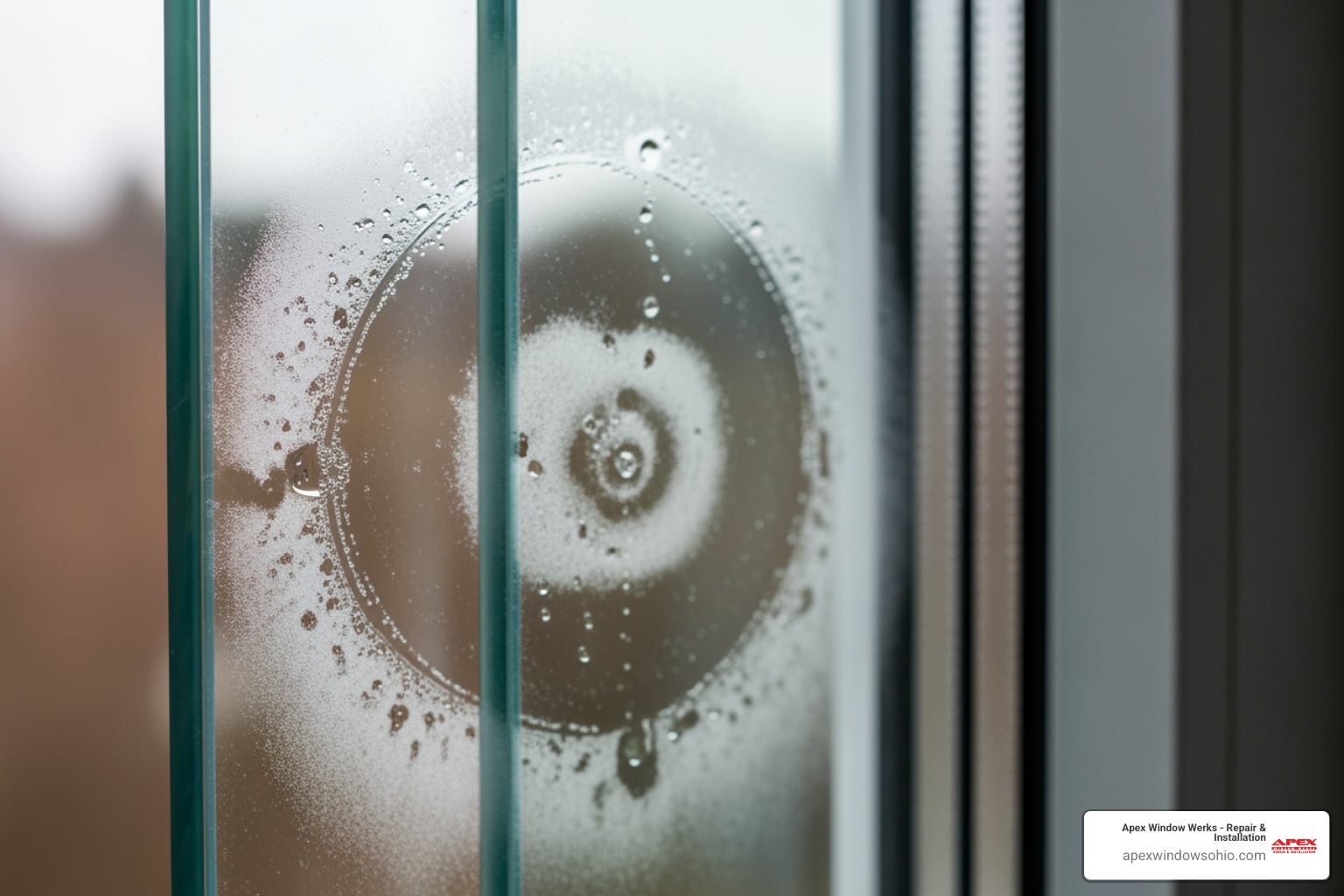
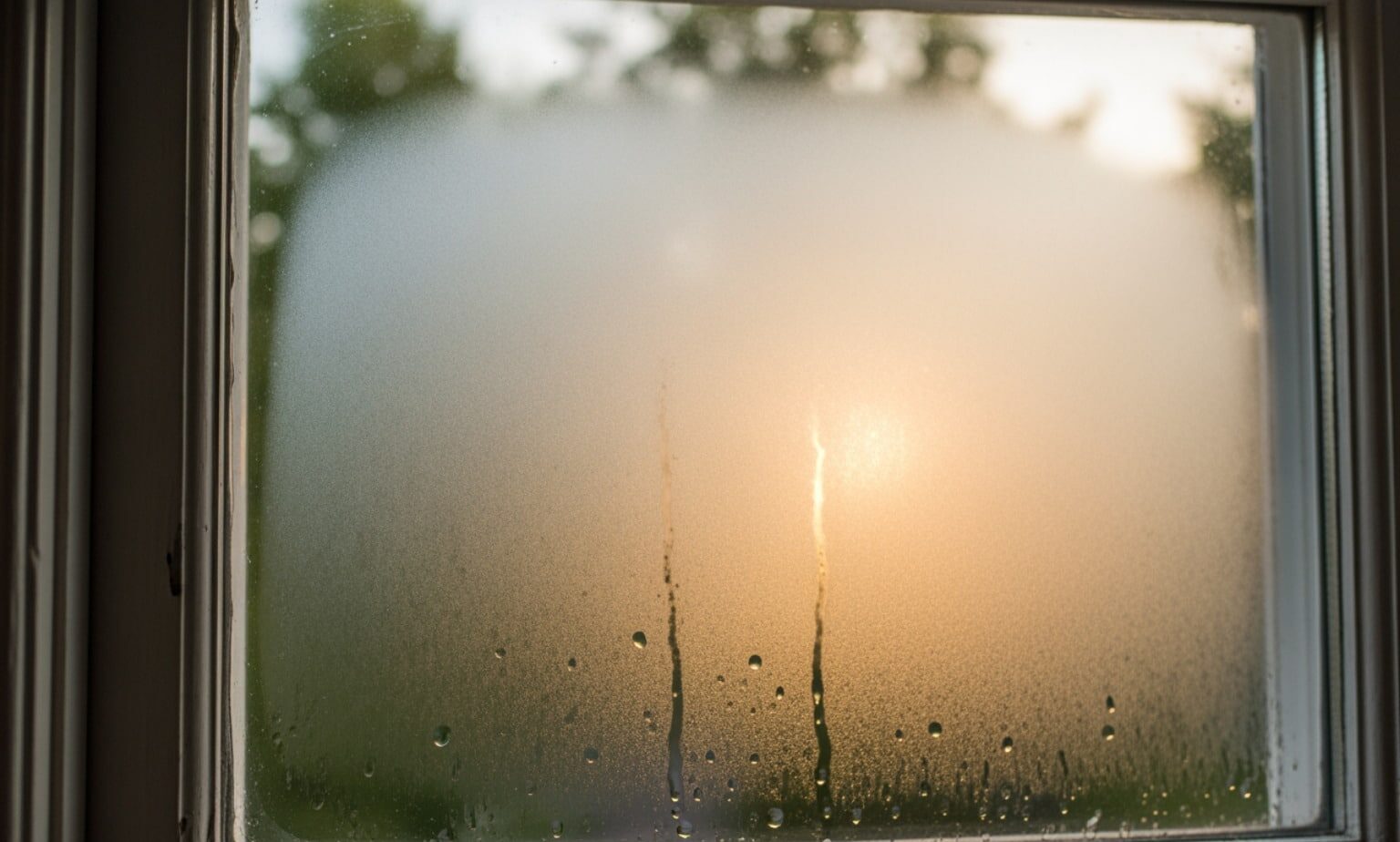
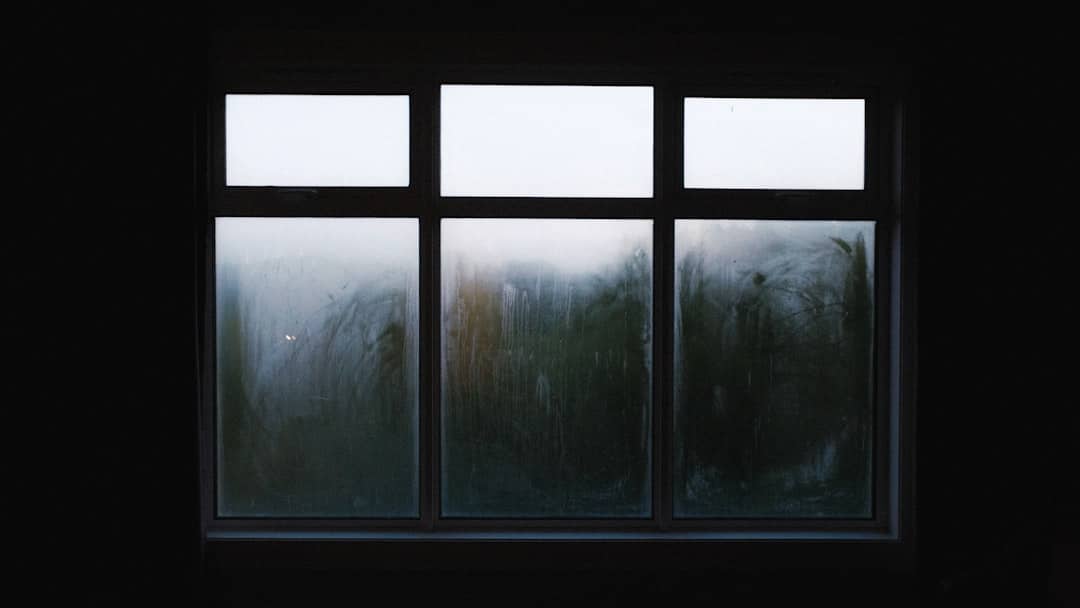
You wake up to look out your kitchen window, but your view is obscured by a film of fog that won’t wipe away. That’s because the moisture isn’t on the surface—it’s trapped between the glass panes where you can’t reach it.
This condensation appears when the factory seal around your double-pane window breaks down. The seal’s job is to keep the space between the panes airtight and moisture-free. When it fails, humid air seeps in. As temperatures drop, that moisture condenses into the foggy buildup you see.
The fogging often comes and goes based on outdoor temperature and humidity. On warm, dry days, the moisture evaporates and your window looks clear again. This doesn’t mean the problem fixed itself—the broken seal is permanent, and the fog will return.
Most homeowners assume they need to replace the entire window. In reality, 75% of the time you can simply replace the glass unit rather than the whole window, saving hundreds of dollars per opening.
The longer you wait, the worse it gets. Moisture between panes isn’t just cosmetic—it destroys your window’s insulation value, forces your heating and cooling system to work harder, and can etch permanent stains into the glass that won’t come out even after repair.
I’m Nataly Godes, General Manager at Apex Window Werks, where we’ve helped hundreds of Northeast Ohio homeowners solve moisture between window panes through precise glass replacement and foggy window repair services. In this guide, I’ll walk you through exactly what causes seal failure, how to distinguish it from normal condensation, and which repair option makes the most sense for your situation and budget.
What Causes Moisture Between Window Panes?
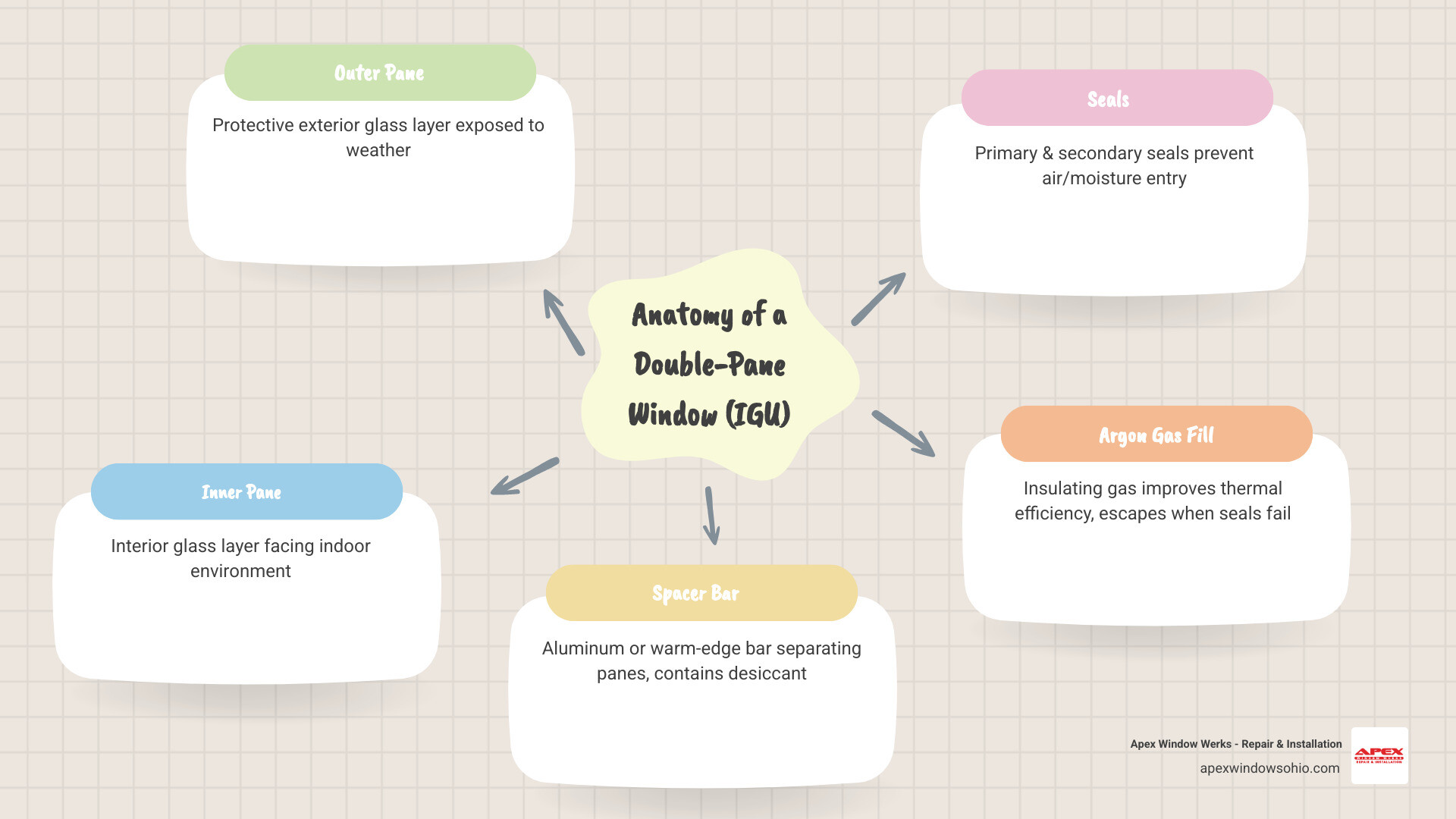
To understand why your windows look cloudy, we have to look at the science of the Insulated Glass Unit (IGU). Most modern windows in Cleveland and Akron are built with two or three panes of glass separated by a spacer bar. This spacer usually contains a desiccant—a material like silica gel designed to absorb tiny amounts of moisture that might be present during manufacturing.
The primary cause of moisture between window panes is a process called thermal pumping. Throughout the day, the sun beats down on your windows, causing the air or gas (like argon) between the panes to expand. This creates internal pressure that pushes against the seals. At night, the glass cools and the space contracts.
Over years of this “breathing” cycle, the constant pressure fluctuations stress the seal until small fractures develop. These fractures allow the insulating argon gas to leak out and moisture-laden outside air to seep in. Eventually, the desiccant inside the spacer becomes saturated—it simply can’t hold any more water. Once it reaches this “dew point,” the moisture begins to condense on the glass surfaces.
Factors that accelerate seal failure include:
- Solar Orientation: Windows on the south and west sides of your home face the most intense sun, leading to more extreme thermal pumping.
- Frame Material: Vinyl frames have a high expansion coefficient, meaning they move more than glass does during temperature swings, putting extra strain on the seals.
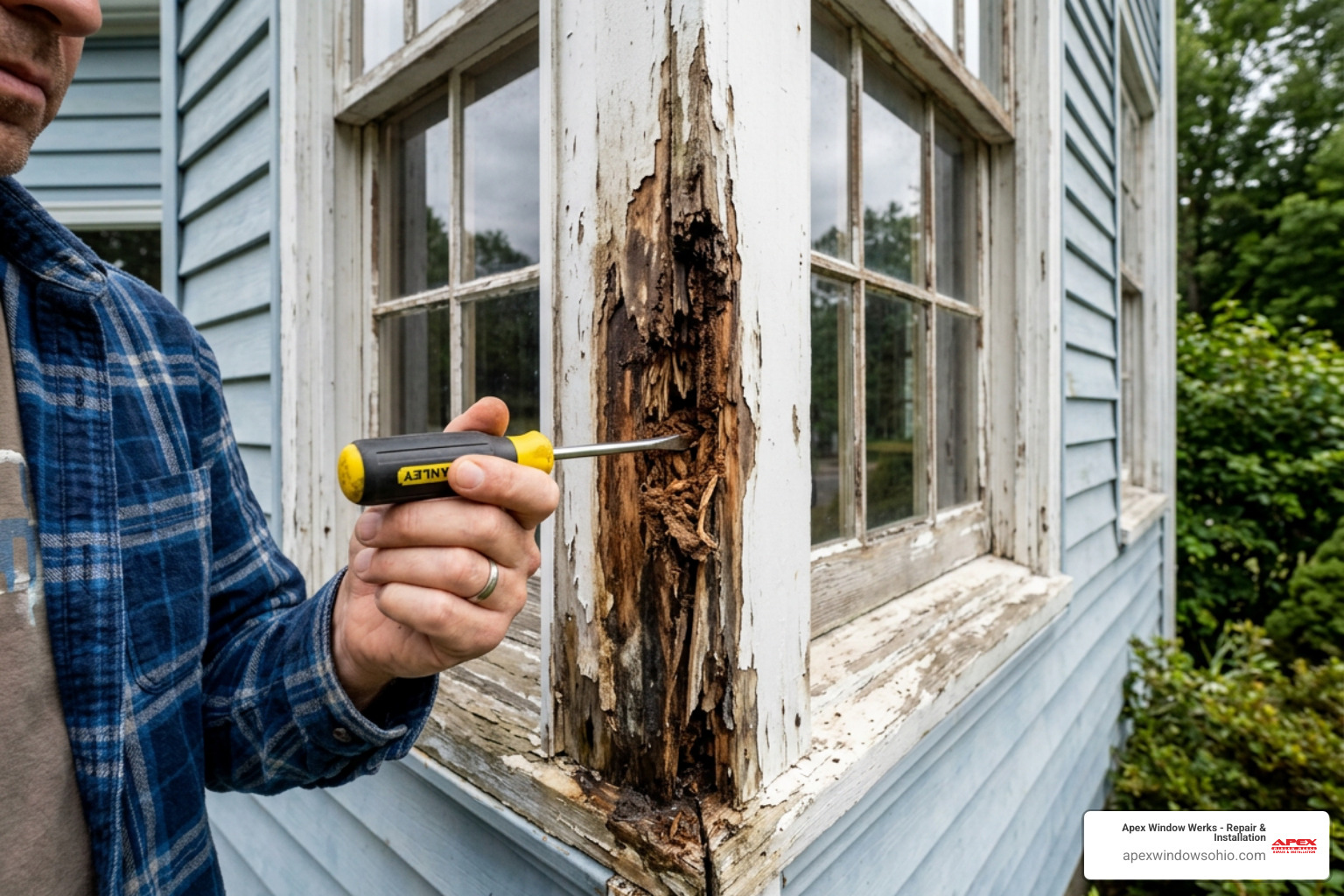
- Poor Drainage: If water pools around the bottom of the window glass due to blocked weep holes, it can eventually rot the seal.
Why Moisture Between Window Panes Disappears and Returns
It can be frustrating when you call a professional only for the window to look perfectly clear when they arrive. This intermittent fogging is completely normal.
When the sun warms the window, the liquid water between the panes evaporates into invisible vapor. As the temperature drops in the evening or during a cold Ohio rainstorm, the glass surface cools below the dew point of the air inside the unit. The vapor then turns back into liquid droplets. Even if the window looks clear today, the presence of moisture between window panes at any point is a definitive sign that the seal is compromised.
Identifying Seal Failure vs. Surface Condensation
Before you assume you need a repair, it’s important to determine where the moisture is located. Not all window fog is a sign of a broken seal.
| Type of Condensation | Location | Meaning | What to do |
|---|---|---|---|
| Interior Surface | Inside the home | High indoor humidity; warm air hitting cold glass. | Use a dehumidifier or exhaust fan. |
| Exterior Surface | Outside the home | High outdoor humidity; indicates the window is insulating well! | Wait for the sun to burn it off. |
| Inter-pane | Between the glass | Seal failure. | Professional repair or replacement. |
The easiest way to check is the Wipe Test. If you can’t wipe the moisture away from either the inside or the outside, it is trapped in the middle.
If left untreated, moisture between window panes can lead to permanent damage. You might notice “riverbedding”—small tracks where water has repeatedly run down the glass, carving microscopic grooves. You might also see “silica haze,” which looks like white snowflakes or a milky film. This is actually the desiccant material being carried out of the spacer and deposited on the glass. Once etching or silica haze occurs, the glass cannot be cleaned; it must be replaced.

Repair vs. Replacement: How to Fix Foggy Windows
When you discover a failed seal, you generally have three paths forward. At Apex Window Werks, we specialize in helping you choose the one that balances cost and longevity.
Defogging (The “Drill and Dry” Method)
Foggy Window Repair is a process designed to remove the visible moisture without replacing the glass. A technician drills tiny holes in the glass, sprays a cleaning solution inside, vacuums out the moisture, and installs one-way valves.
- Pros: Lower cost than replacement; restores visibility.
- Cons: It does not restore the insulating argon gas, and it doesn’t actually “fix” the broken seal. It is often considered a cosmetic, temporary fix.
Regassing and Resealing
Some companies offer to “regas” the window in the field. However, research suggests that field-sealed units often only last 3 to 5 years before failing again. Factory-sealed units are created in controlled environments that are nearly impossible to replicate on a residential driveway.
When to Choose Moisture Between Window Panes Glass Replacement
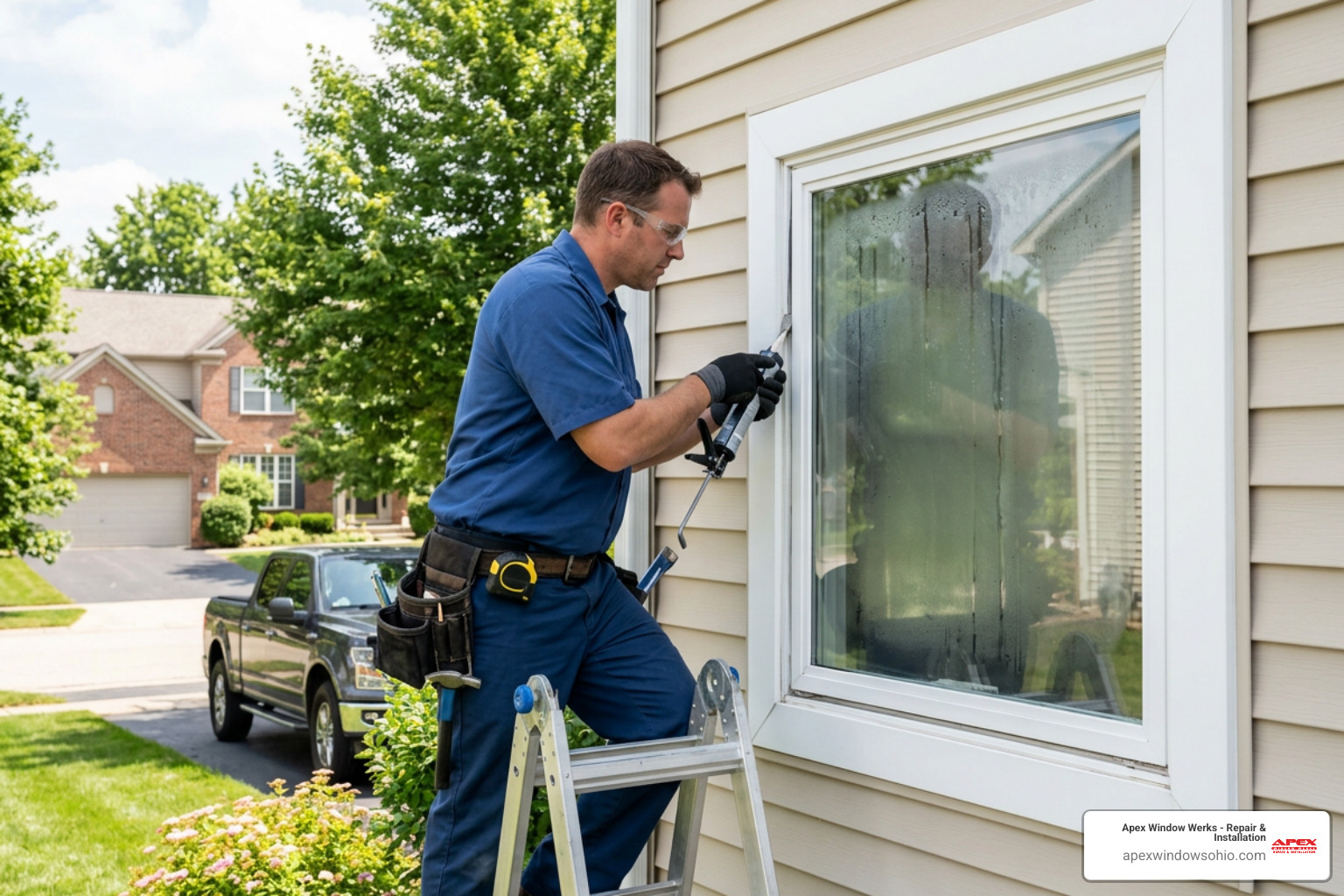
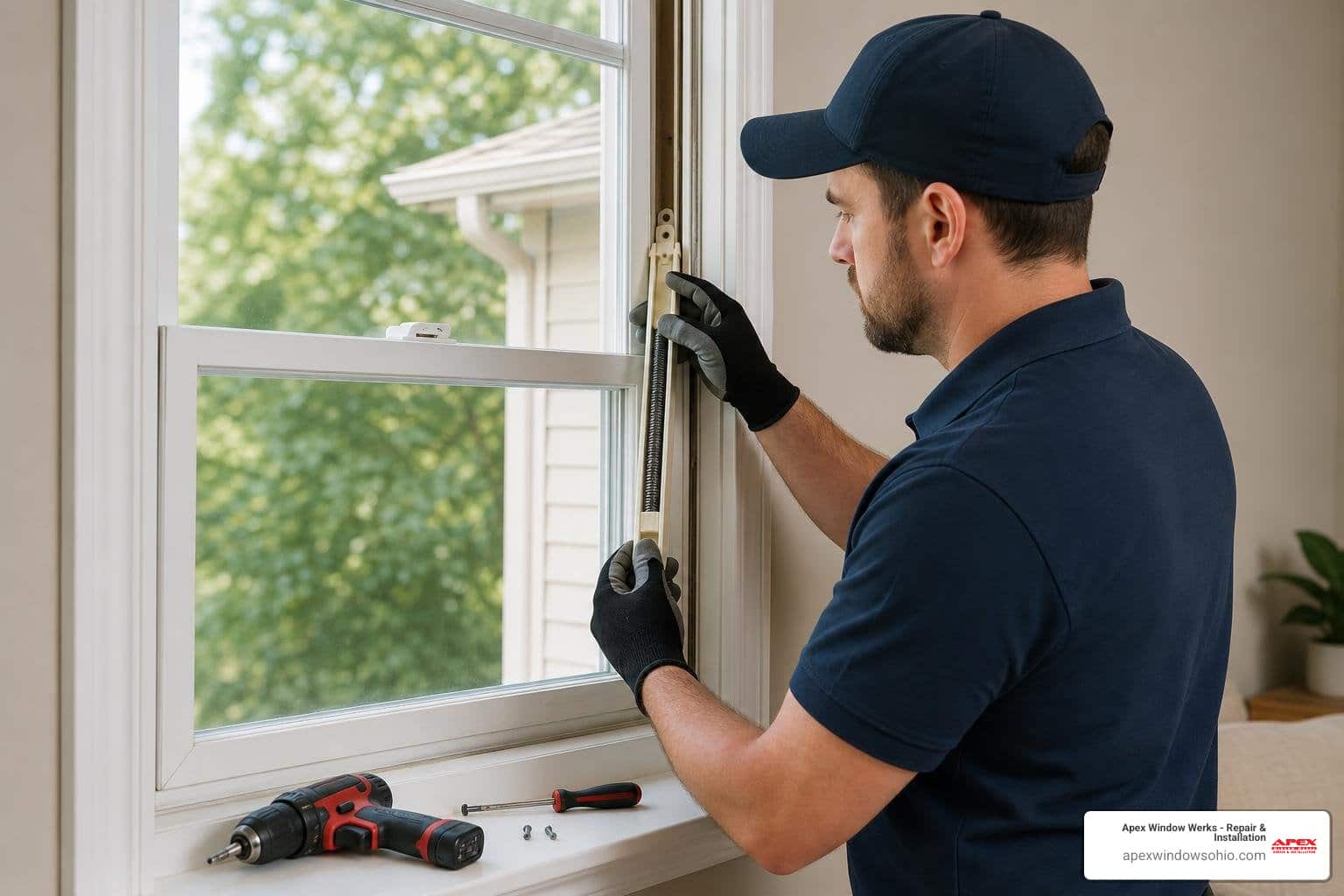
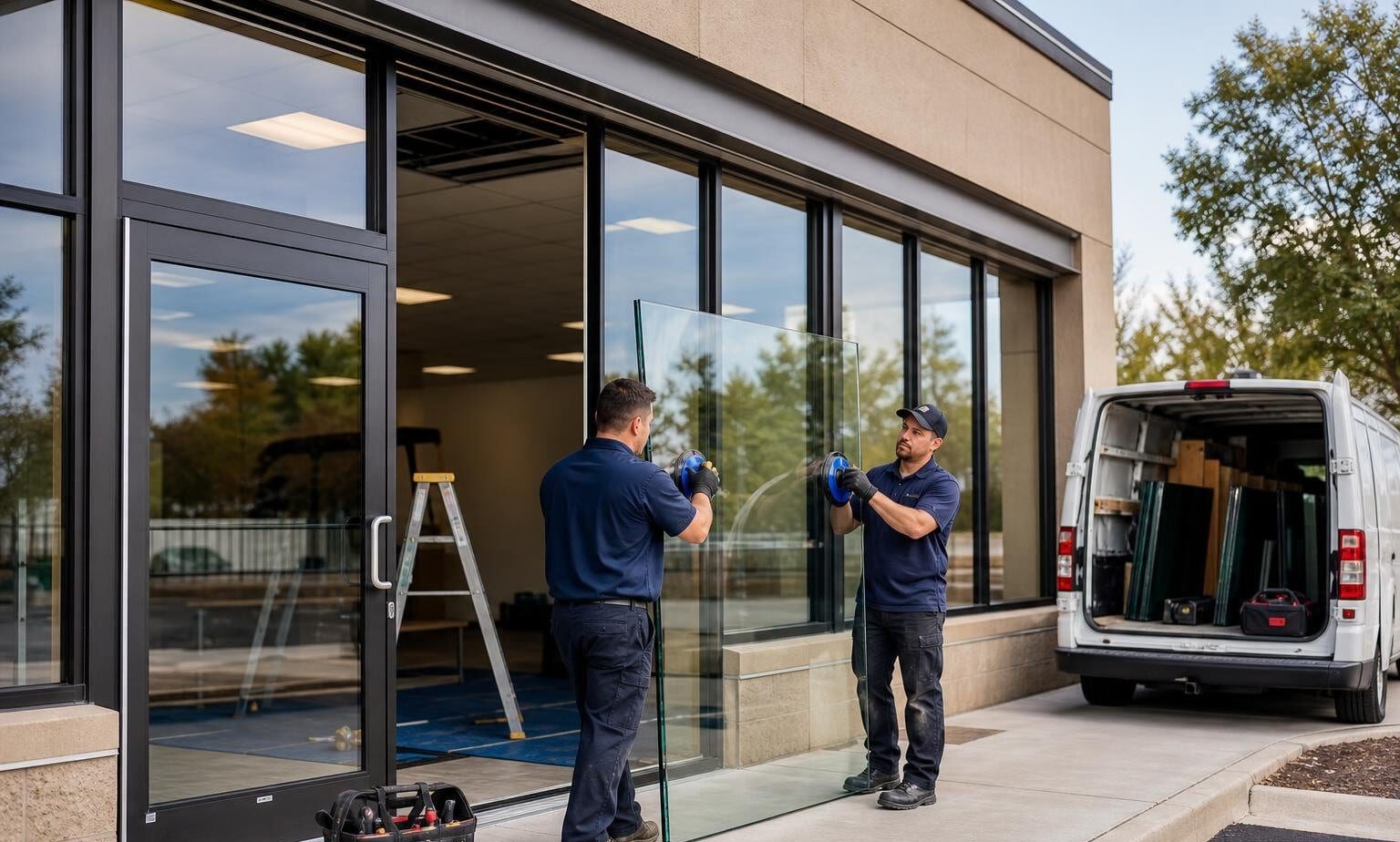
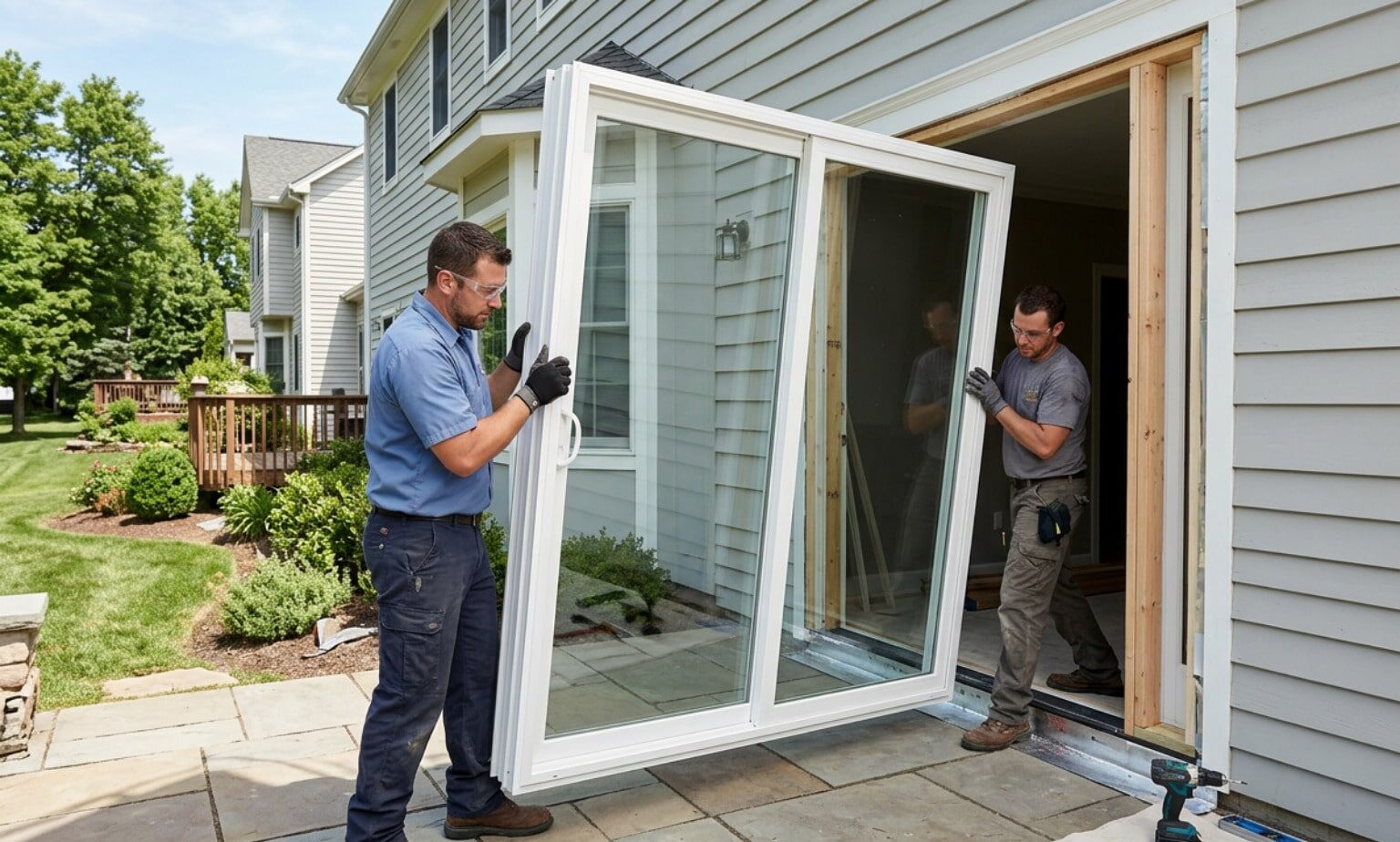
In approximately 75% of cases, the best solution is Insulated Glass Replacement. Instead of replacing the entire window frame (which is expensive and messy), we remove only the failed glass unit and install a brand-new, factory-sealed IGU into your existing sash.
This is the gold standard for Foggy Window Glass Replacement because:
- It restores the full R-value (insulation) of the window.
- It includes a fresh supply of argon gas and new desiccant.
- A new factory-sealed IGU typically lasts 15 to 20 years.
The Cost and Performance Impact of Failed Seals
Ignoring moisture between window panes isn’t just an aesthetic choice; it’s a financial one. When a seal fails, you lose the insulating gas that keeps your home comfortable. This results in:
- Higher Energy Bills: Your HVAC system has to work harder to compensate for the heat loss (winter) or heat gain (summer).
- Potential Mold Growth: Trapped moisture is a breeding ground for mold, which can eventually spread to the wooden sashes or your home’s interior.
- Reduced Property Value: Foggy windows are one of the first things home inspectors notice. They signal a lack of maintenance to potential buyers.
According to Angi, replacing glass panels generally ranges from $181 to $412 per window. Compare this to a full window replacement, which can easily exceed $750 per window plus labor. For most homeowners in Cleveland and Akron, Foggy Window Repair via glass replacement is the most cost-effective way to restore energy efficiency.
Preventing Future Moisture Between Window Panes
While you can’t stop the sun from shining, you can take steps to extend the life of your window seals.
- Control Indoor Humidity: The EPA recommends maintaining indoor humidity levels between 30% and 50%. High interior humidity puts more pressure on the seals when it tries to migrate toward the dry air between the panes.
- Ensure Proper Ventilation: Use exhaust fans in kitchens and bathrooms. In super-insulated homes, consider a mechanical ventilation system.
- Check Drainage: Ensure the “weep holes” in your window frames are clear of debris. If water can’t drain away, it will sit against the seal and cause premature failure.
- Annual Inspections: Catching a failed seal early—before silica haze or etching occurs—gives you more repair options.
- Check Your Warranty: Many IGUs come with a 10 to 20-year warranty. If your home is relatively new, the manufacturer may cover the cost of the replacement glass.
For those in the Akron area, our team provides expert Foggy Window Repair in Akron to help identify these issues before they become costly replacements.
Frequently Asked Questions about Window Moisture
Can I fix moisture between window panes myself?
We generally advise against DIY fixes for inter-pane moisture. Using a hair dryer to evaporate the fog is a temporary trick that doesn’t address the broken seal. Drilling your own holes risks shattering the tempered glass, and most “DIY kits” lack the professional-grade desiccants and valves needed to prevent the fog from returning within days. Furthermore, attempting a DIY repair will almost certainly void any existing manufacturer warranty.
How long do double-pane windows typically last?
Double-pane windows typically last between 10 and 20 years. In climates like Northeast Ohio, where we experience rapid temperature drops and lake-effect weather, the lifespan may be on the shorter end of that spectrum due to the intense expansion and contraction cycles. High-quality fiberglass windows often last longer (25–40 years) because they expand at a similar rate to the glass they hold.
Does moisture between panes mean I need to replace the whole window?
Absolutely not. Only about 5% of cases require the entire window (frame and all) to be replaced. If your frames are made of sturdy vinyl, fiberglass, or well-maintained wood, we can simply perform an Insulated Glass Replacement. This is faster, cheaper, and prevents the need for interior painting or exterior siding repairs that come with full-frame replacement.
Conclusion
Moisture between window panes is more than just a nuisance; it’s a sign that your window is no longer doing its job. Whether it’s caused by the relentless Ohio sun or the natural aging of the seals, the result is the same: lost energy, obscured views, and potential damage to your home.
At Apex Window Werks, we specialize in solving these problems for homeowners across Cleveland, Akron, and the surrounding suburbs—from Lakewood to Cuyahoga Falls. We pride ourselves on our speed and transparency, often offering same-day service and 2-hour repairs for walk-ins at our local shops.
Don’t let foggy windows dim your home’s potential. If you’re ready to see clearly again, Request a quote for foggy window repair today. We’ll provide a professional diagnosis and a solution that fits your needs and your budget.