

Can I Replace Old Glass in Wood Windows? Yes, Here’s How
Why Fixing Glass in Wooden Windows Saves Money and Preserves Character
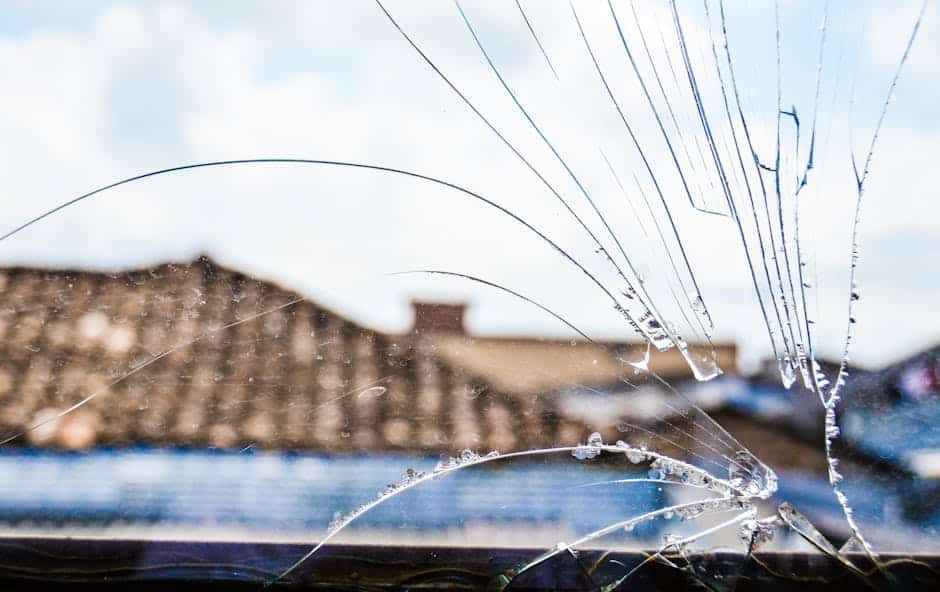
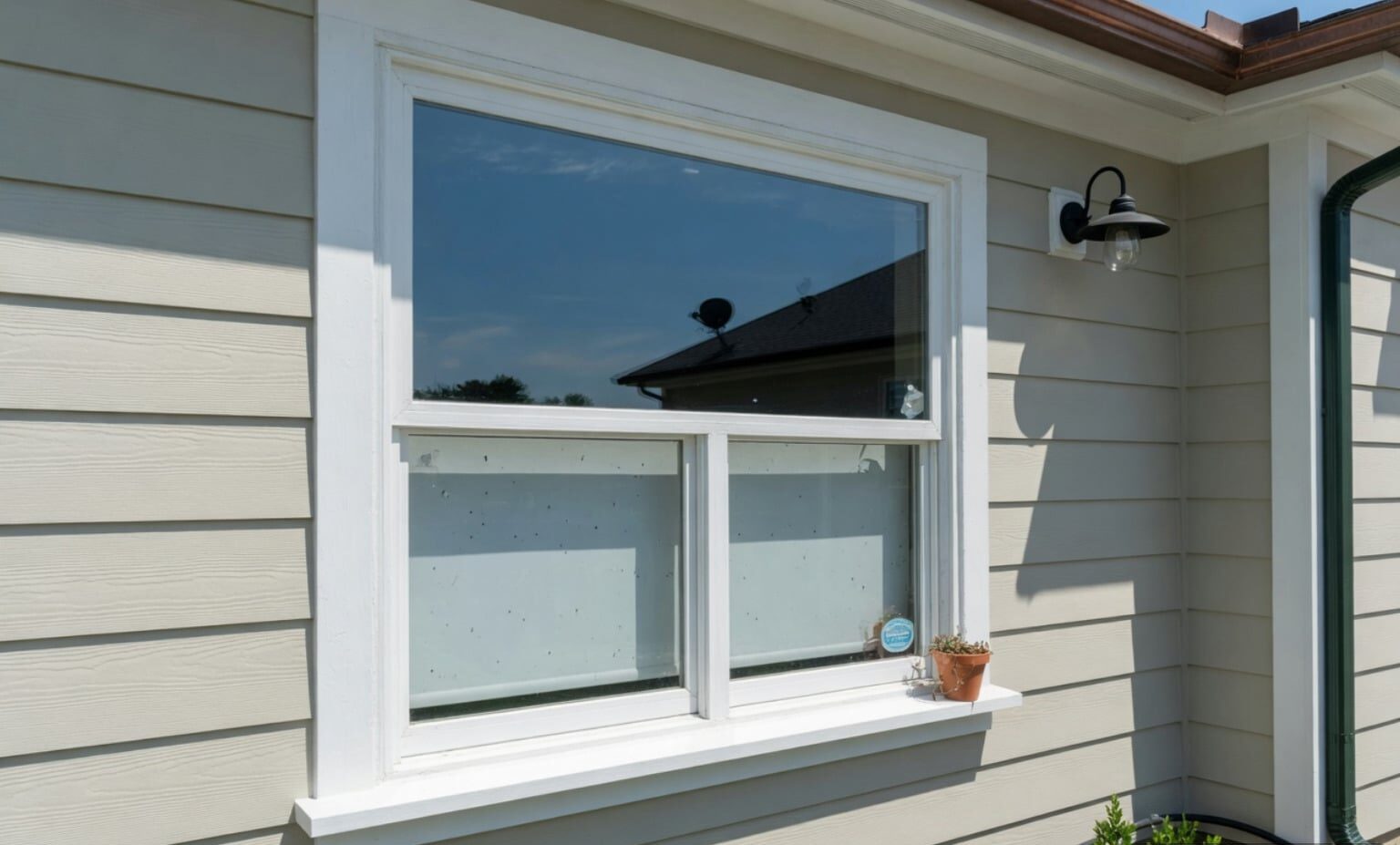
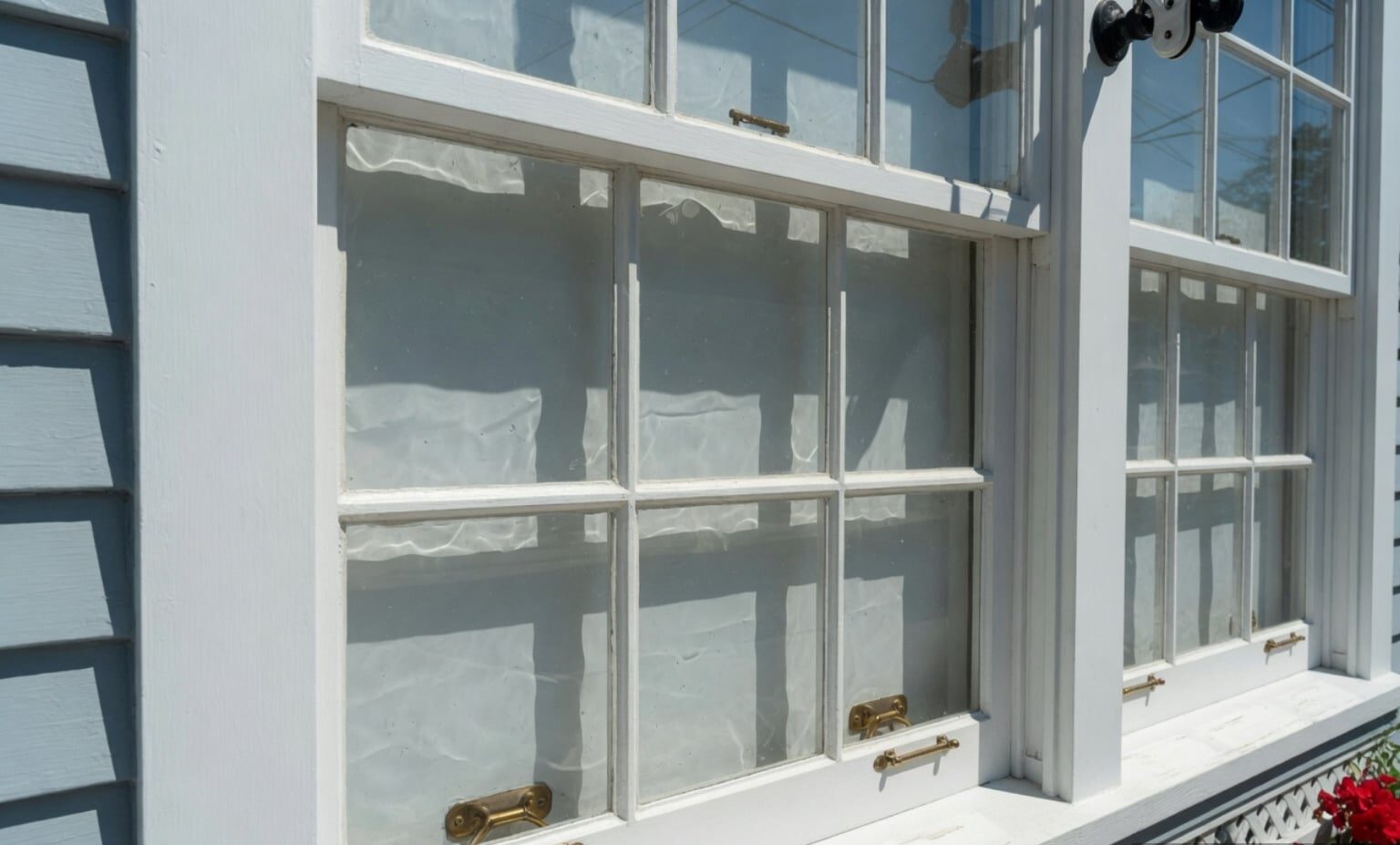
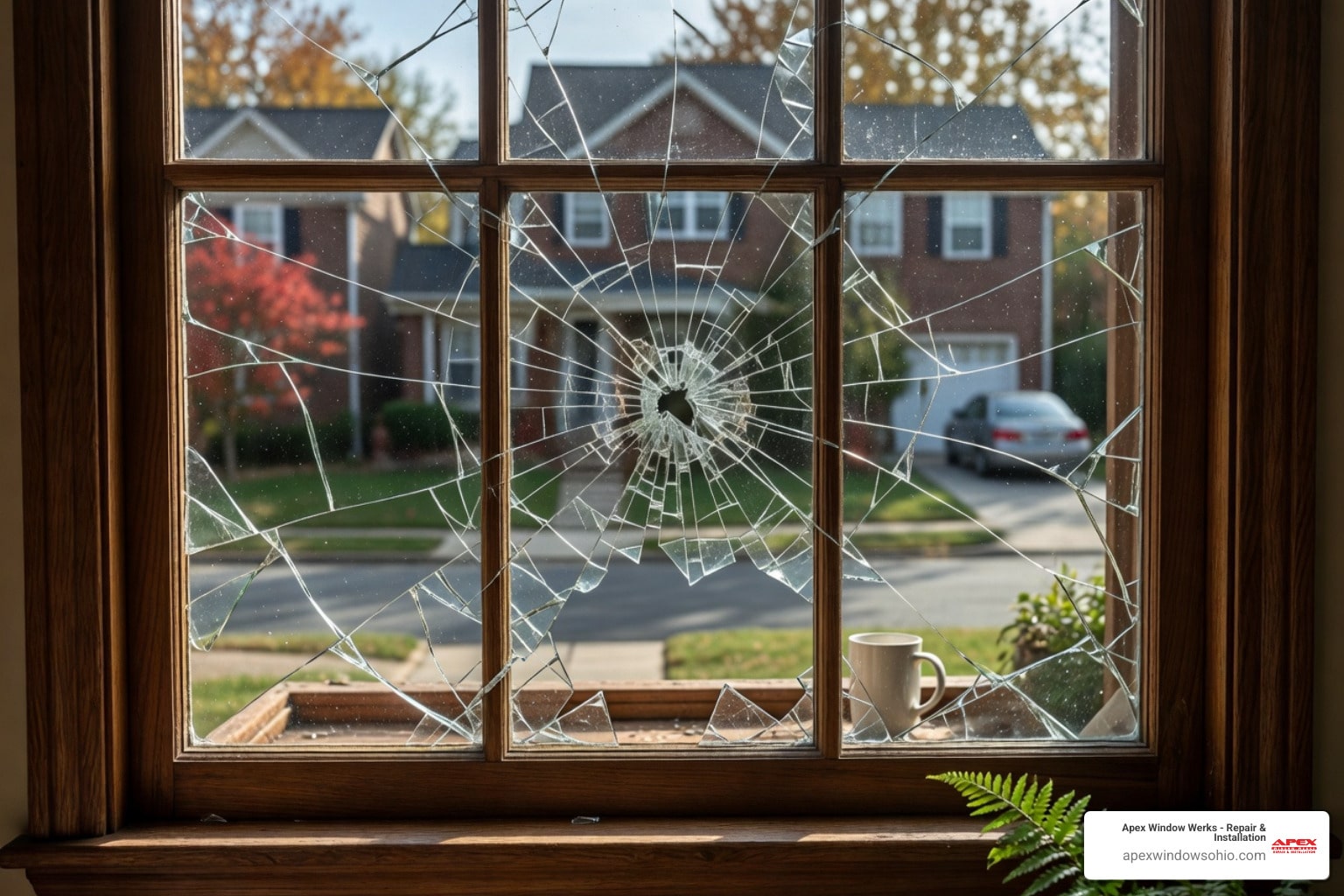
Fixing glass in wooden windows is a straightforward repair that restores function, improves energy efficiency, and preserves the character of your home—often for a fraction of the cost of full window replacement. Whether you’re dealing with a cracked pane, foggy glass, or deteriorated glazing, most wooden window glass can be replaced without removing the entire sash.
Quick Answer: How to Fix Glass in Wooden Windows
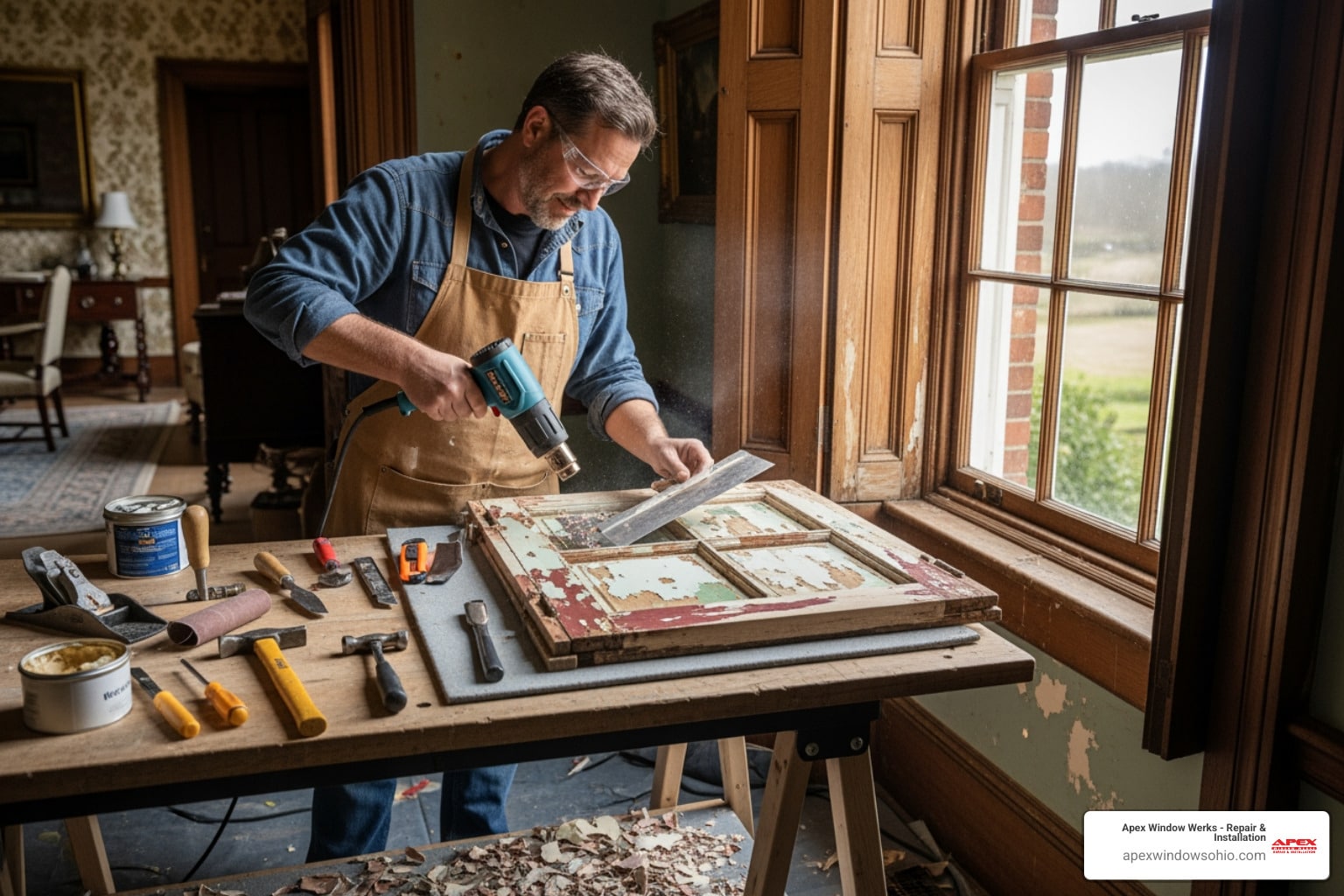
- Remove broken glass and old putty using a heat gun and putty knife
- Measure the opening and order glass cut 1/8 inch smaller in both directions
- Prime bare wood with linseed oil or sealer to prevent rot
- Set the new pane on a thin bed of glazing putty
- Secure with glazier’s points every 6 inches around the frame
- Apply and smooth glazing compound at a 45-degree angle
- Let dry 3 days, then paint to seal
For standard single-pane glass replacement, expect to spend $100–$250 per pane for materials and professional labor, compared to $300–$1,000+ for full window replacement. Double-glazed heritage units for period homes range from $150–$350 per pane.
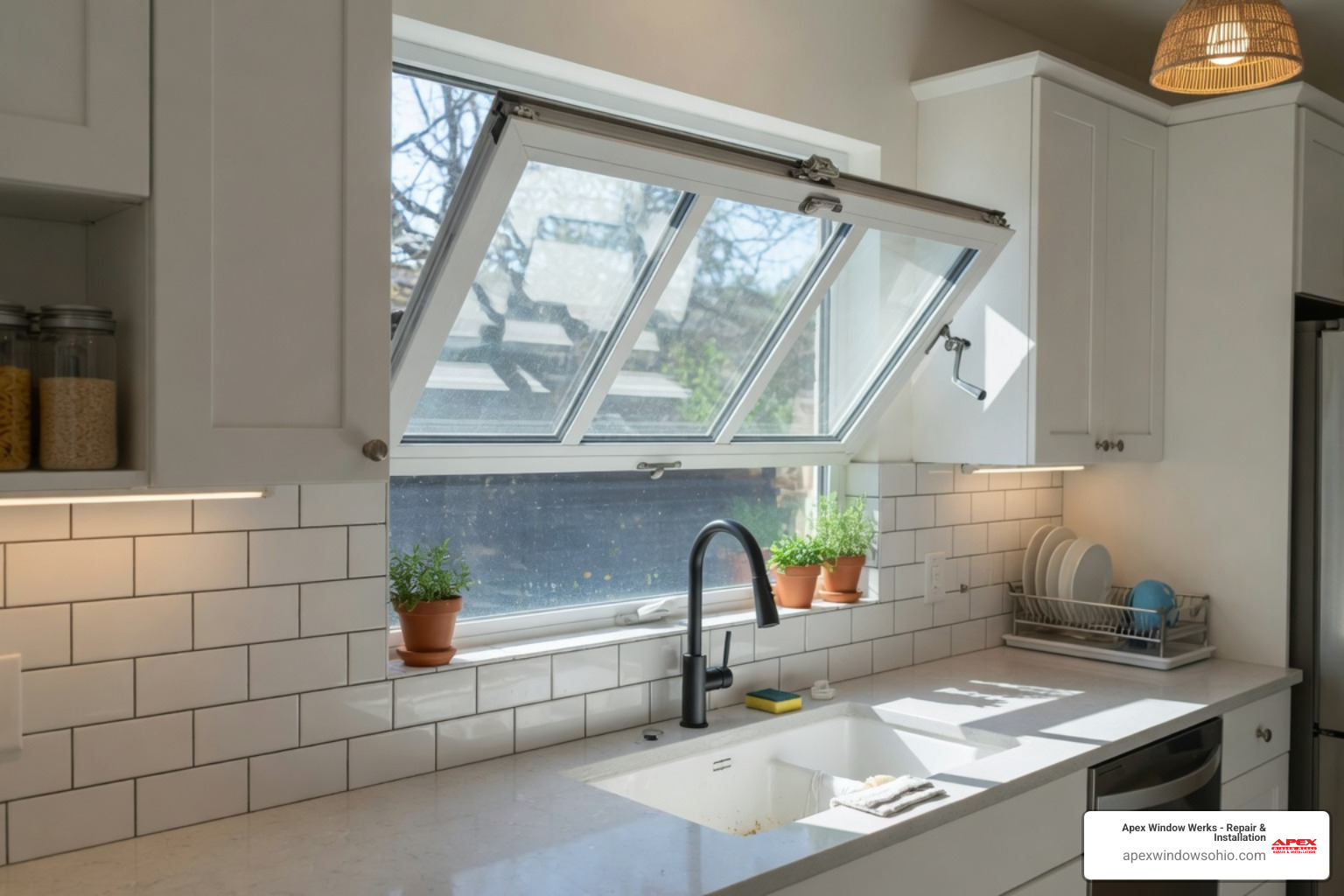
The process works for most wood-frame windows—double-hung, casement, and awning styles—and can be completed in 1–2 hours per pane once you have the right tools and materials.
I’m Nataly Godes, General Manager at Apex Window Werks, where I’ve led our team in restoring and repairing wood windows across Northeast Ohio for years. Our experience with fixing glass in wooden windows ranges from simple single-pane replacements to complex heritage restorations, and I’ve seen how proper technique extends window life by decades.
Essential Tools and Safety for Fixing Glass in Wooden Windows
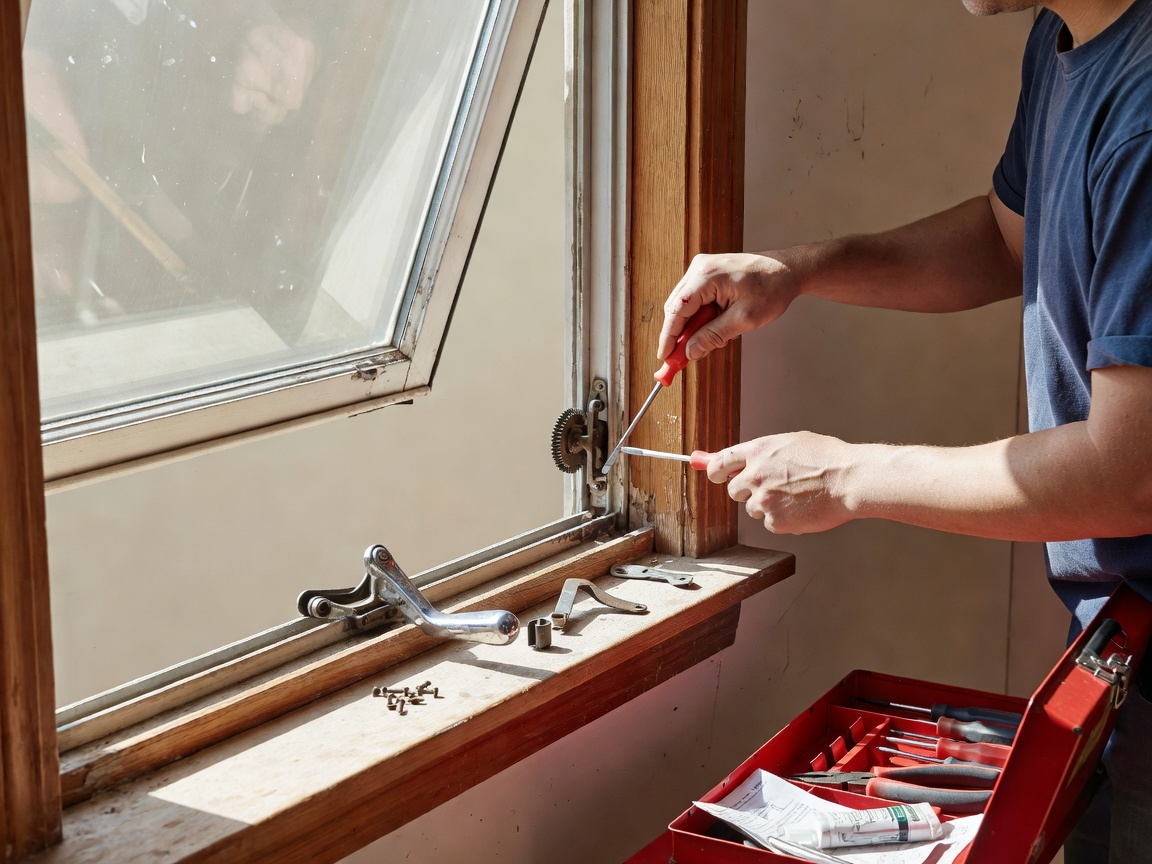
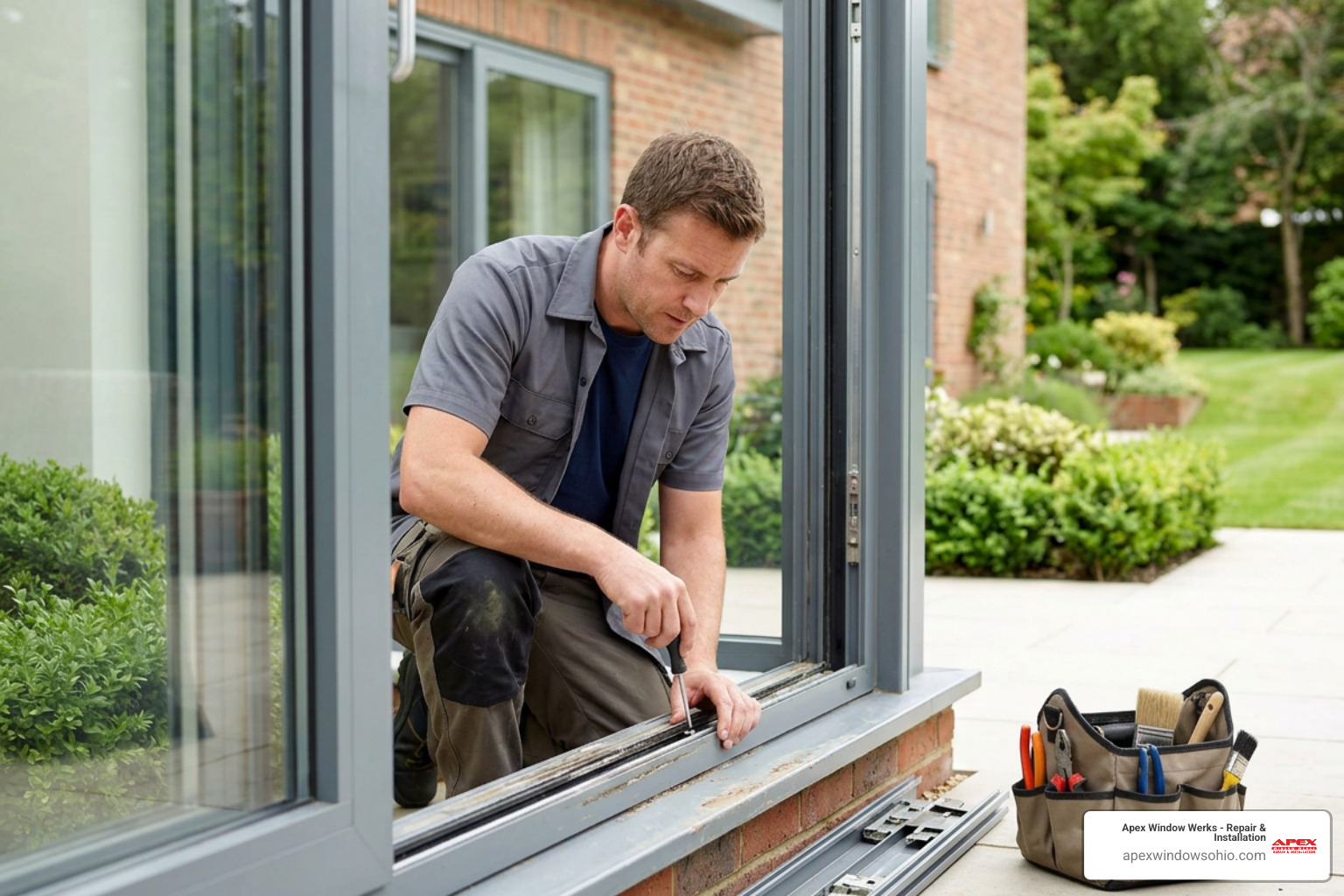
Before we dive into the “how-to,” we need to make sure you have the right gear. Fixing glass in wooden windows isn’t just about the glass itself; it’s about the specialized tools that make the job clean and professional. If you aren’t comfortable handling these tools, we always recommend professional Broken Glass Replacement to ensure a perfect seal and your personal safety.
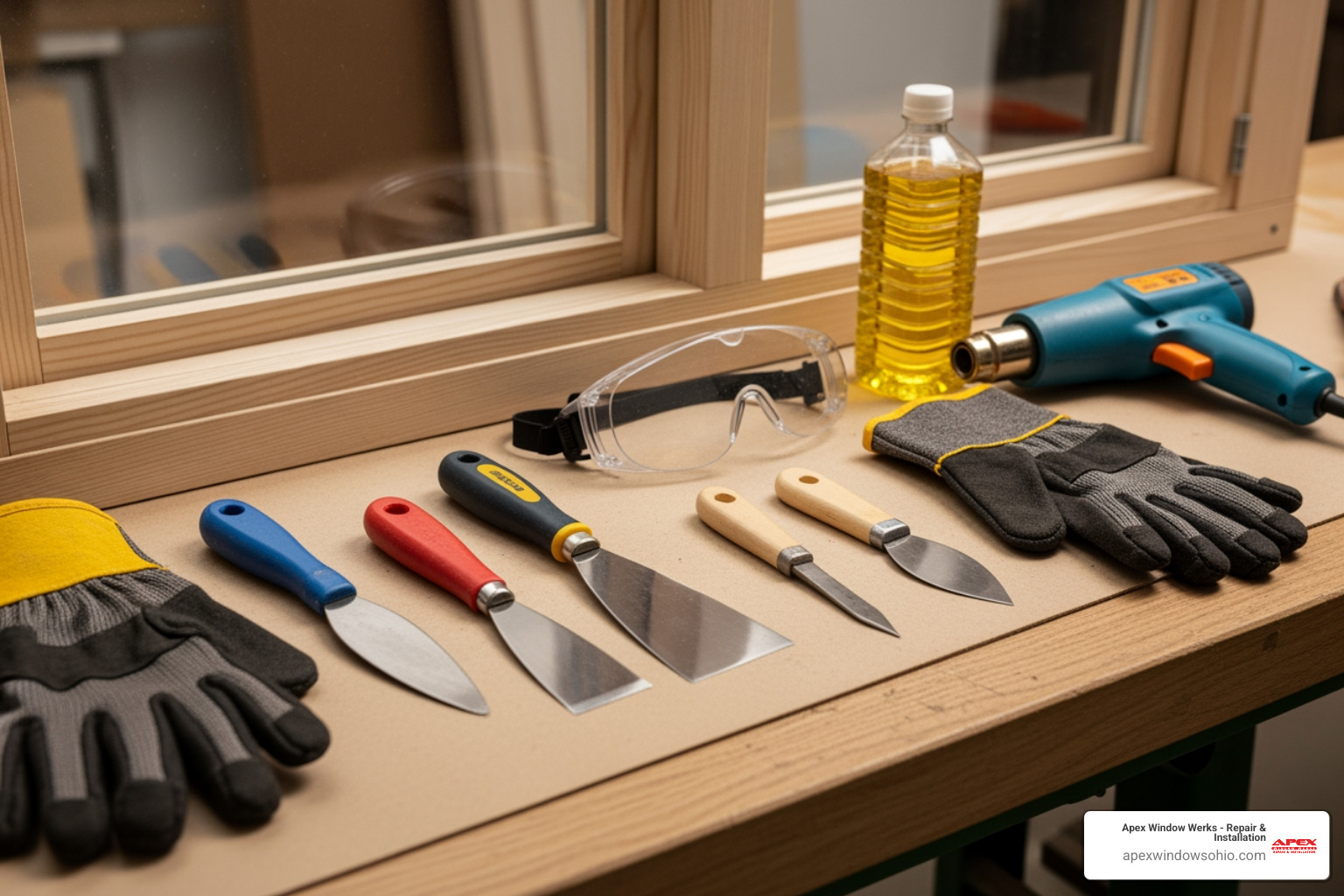
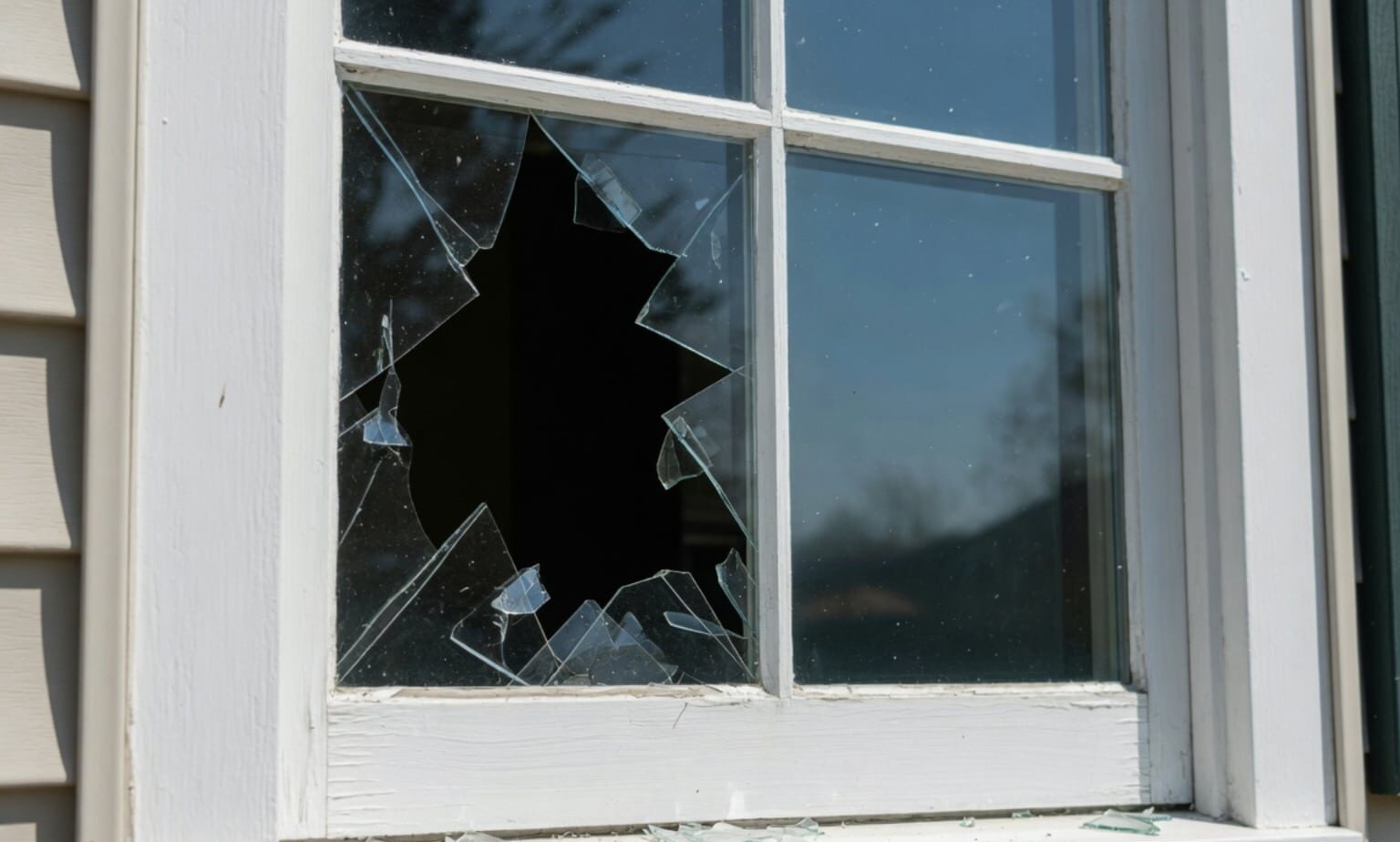
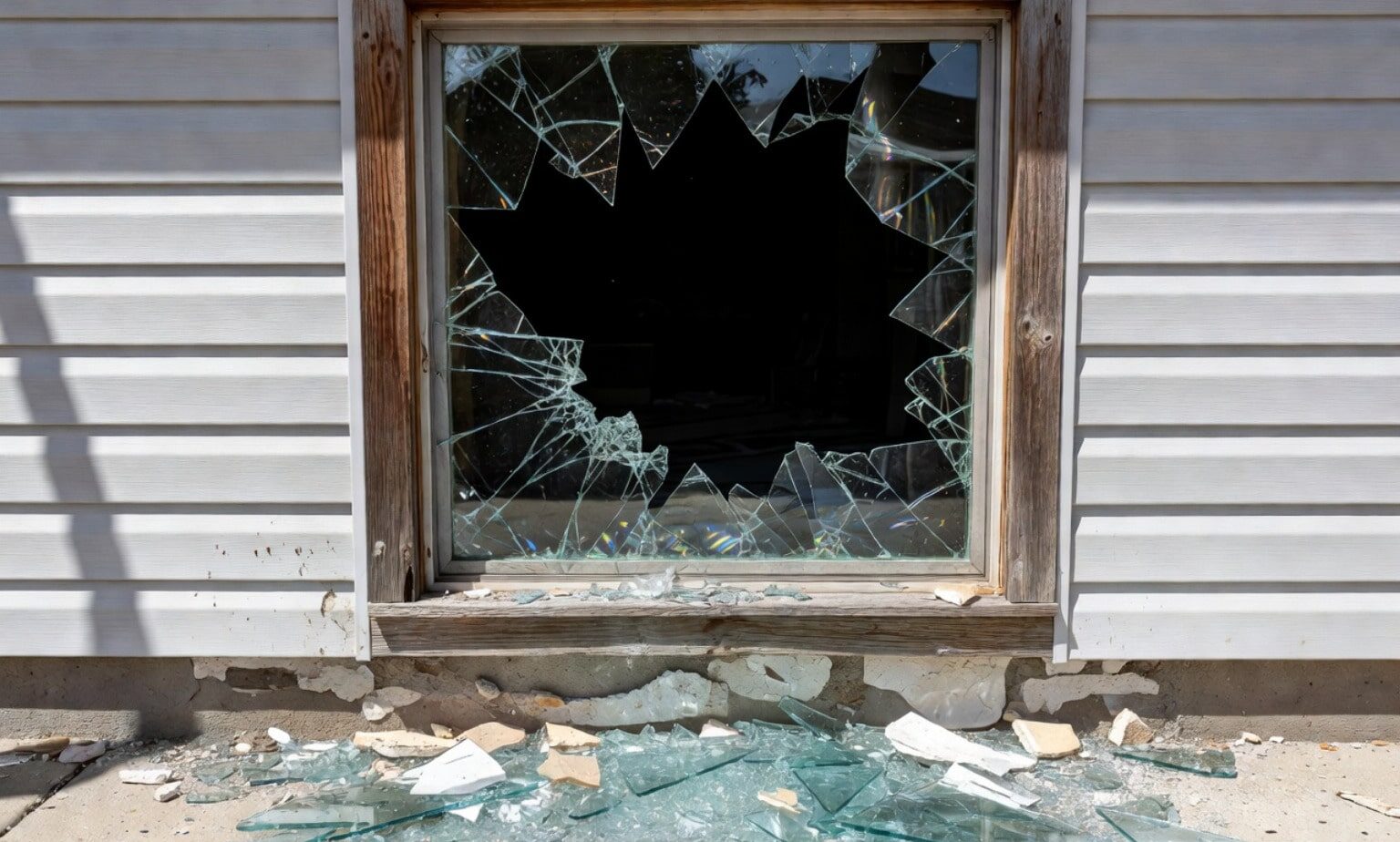
Safety Precautions for Handling Broken Panes
Working with glass is inherently risky. To minimize danger, follow these steps:
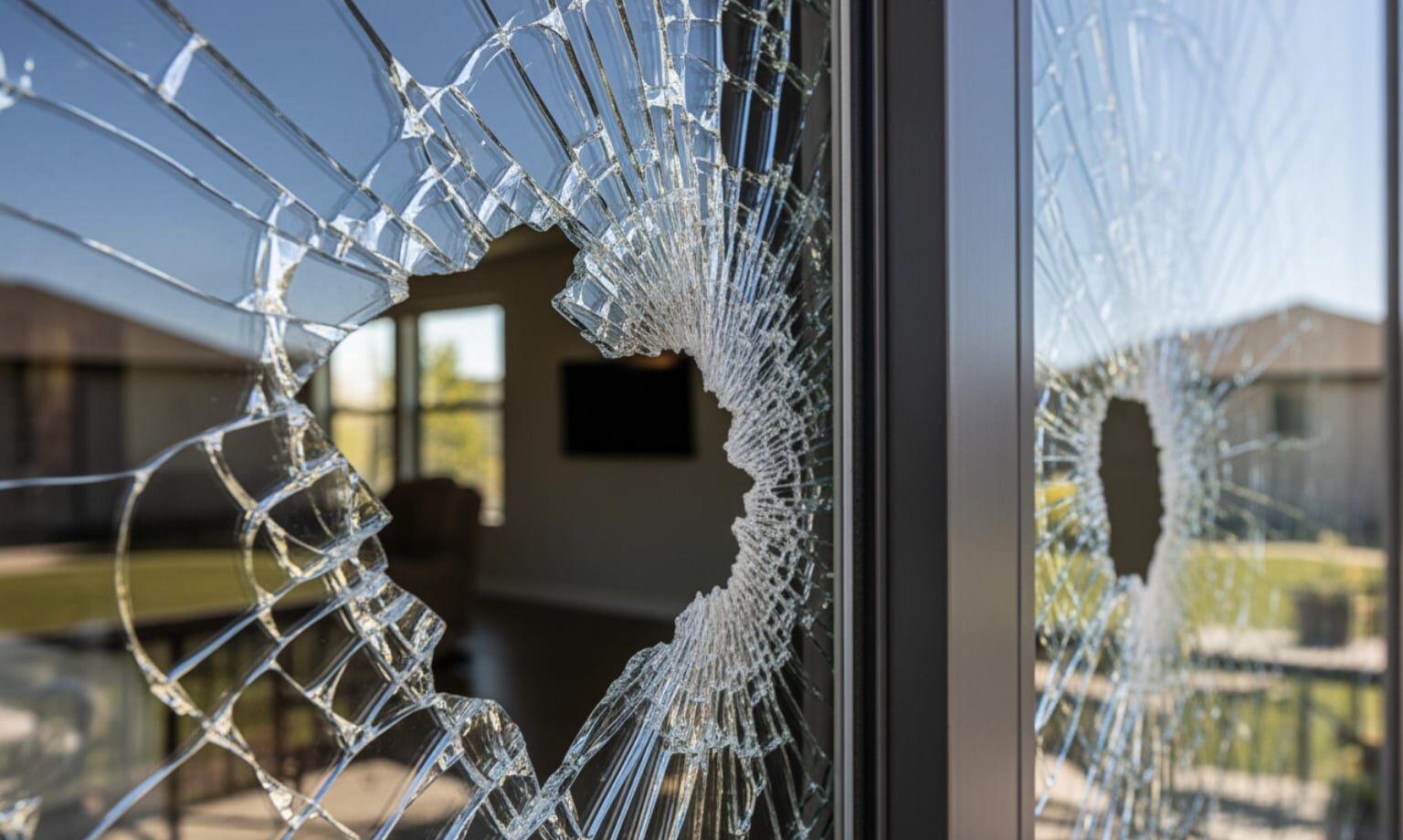
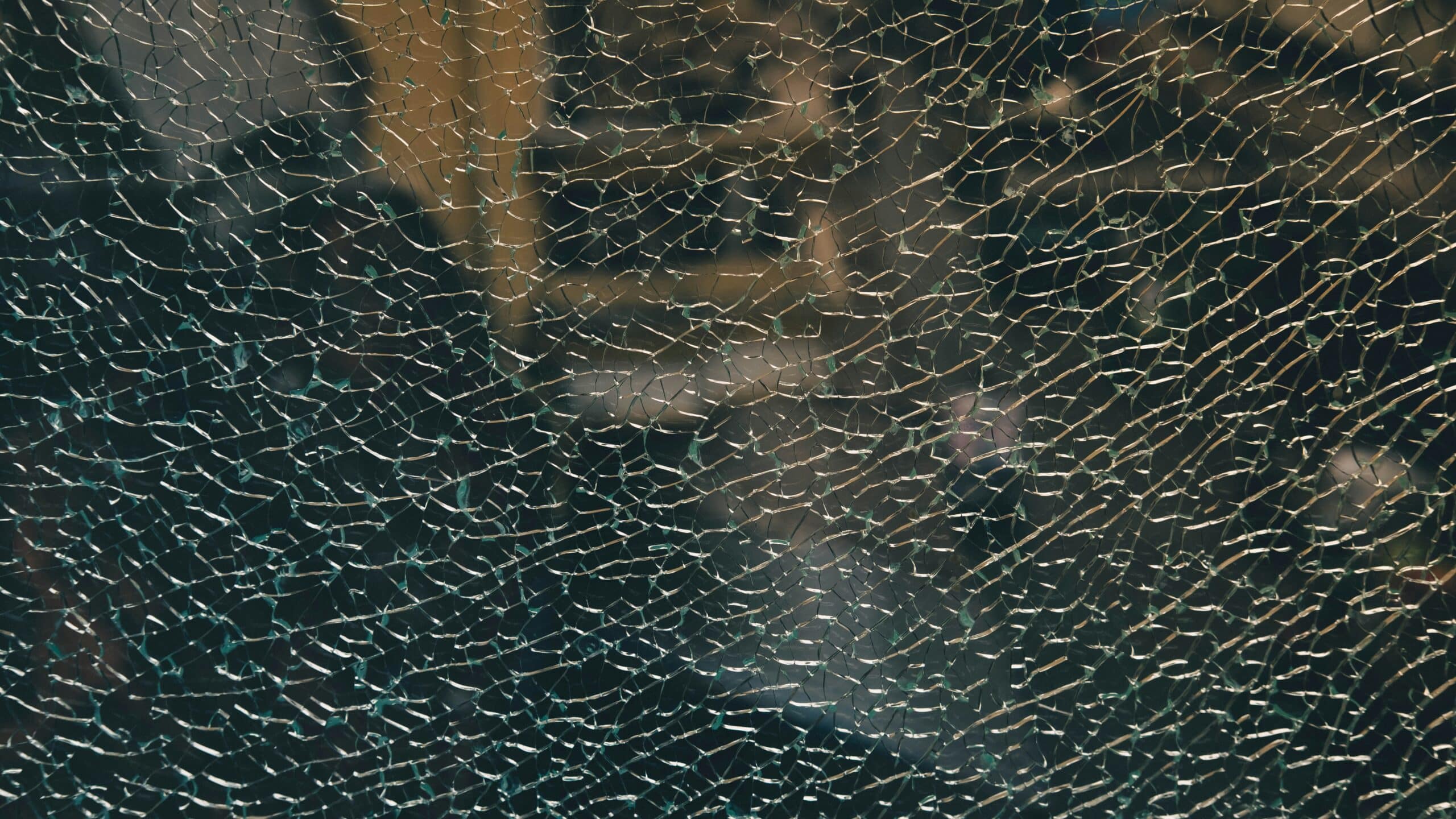
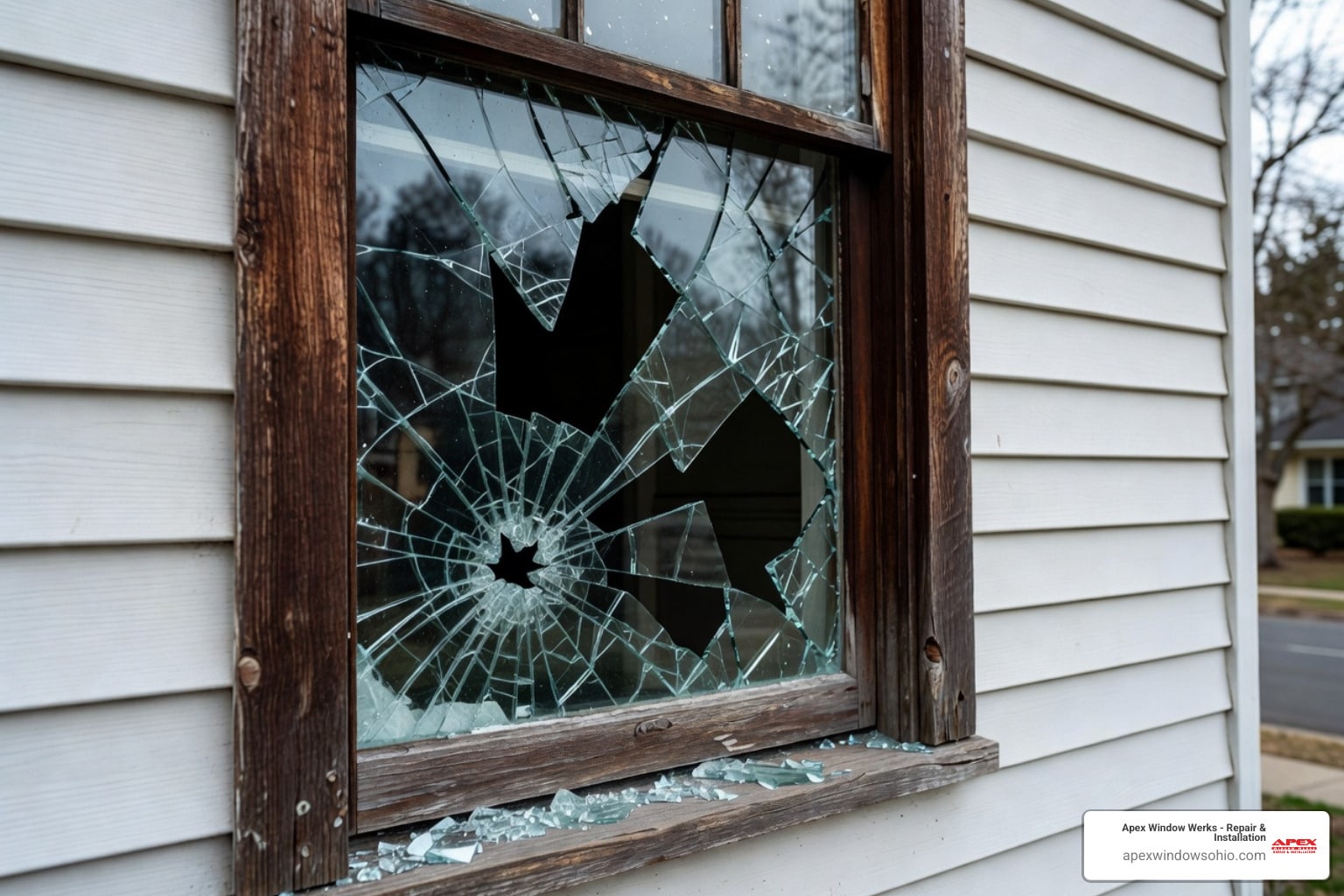
- Tape it up: Apply a duct tape “X” pattern across the cracked pane. This keeps shards from flying everywhere when you begin removal.
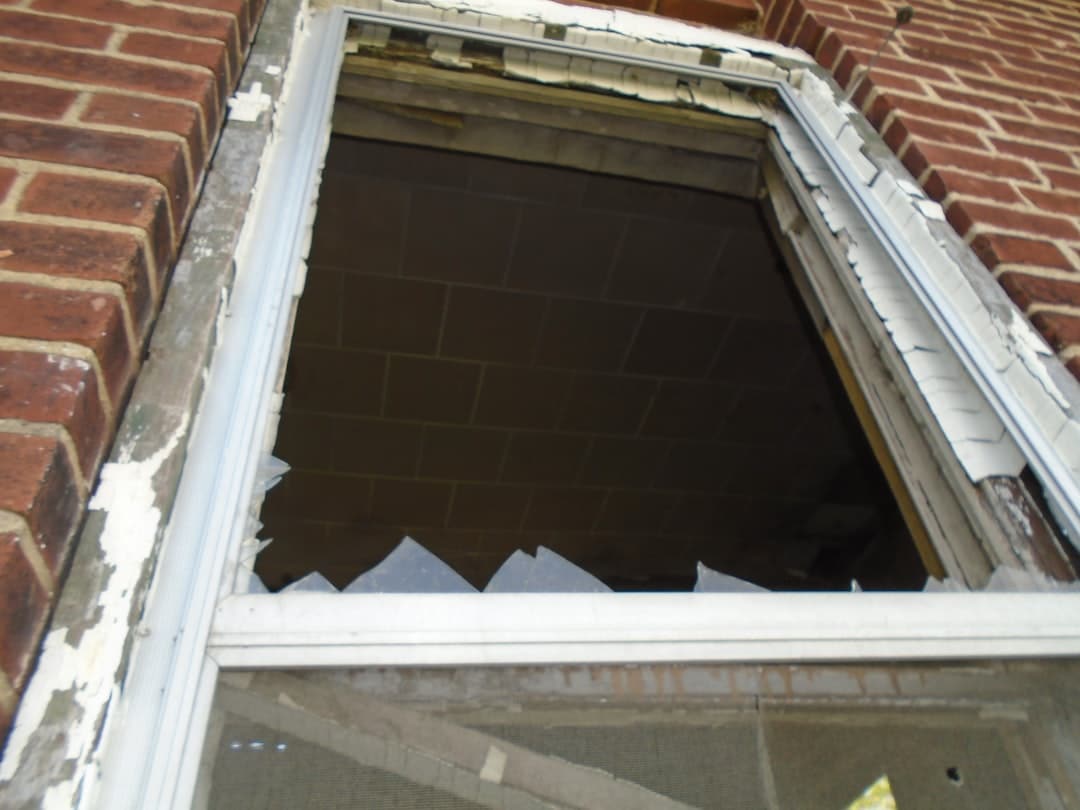
- Pliers are your friends: Use heavy-duty pliers or a gloved hand to carefully pull out remaining glass shards. Never use your bare hands, even for small pieces.
- Heat Gun Safety: When using a heat gun to soften old putty, keep it moving. Concentrating heat in one spot for too long can scorch the wood or cause the glass to shatter unexpectedly.
- Disposal: Wrap broken glass in several layers of newspaper or heavy cardboard before placing it in the trash.
Materials for a Professional Seal
To do the job right, you’ll need more than just a tube of caulk. Traditional Wood Window Repair requires specific materials:
- Glazing Compound: This is the dough-like putty that seals the glass.
- Glazier’s Points: Small metal triangles that physically hold the glass in the wood sash.
- Oil-Based Primer: Essential for bare wood.
- Linseed Oil: Used to prep old wood and keep the putty from drying out too fast.
- Toughened Glass: According to Building Regulations for Toughened Glass, safety glass is required for any glazing below 800mm (about 31 inches) from the floor level or in doors.
Preparing the Frame: Removing Old Putty and Shards
The most time-consuming part of fixing glass in wooden windows is preparation. If the frame isn’t clean, the new putty won’t stick, and your repair will fail within a year.
Challenges When Fixing Glass in Wooden Windows: Painted Stops and Rusted Nails
Old windows in Cleveland and Akron often have decades of paint layers. You might encounter:
- Painted-over Stops: Use a sharp utility knife to score the paint line between the stop (the wood strip holding the glass) and the frame. If you don’t cut this line, prying the stop will rip chunks of paint off the main frame.
- Rusted Nails: If the window uses wooden stops instead of putty, the nails are likely rusted. Use diagonal pliers or a small pry bar to pull them gently.
- Integral Frames: Some vintage windows (like those from the late 1950s) have glass routed directly into the frame. These may require careful disassembly of the mortise-and-tenon joints. If you’re dealing with this, our Wood Window Frame Repair Ravenna experts can help.
Priming and Protecting the Wood Sash
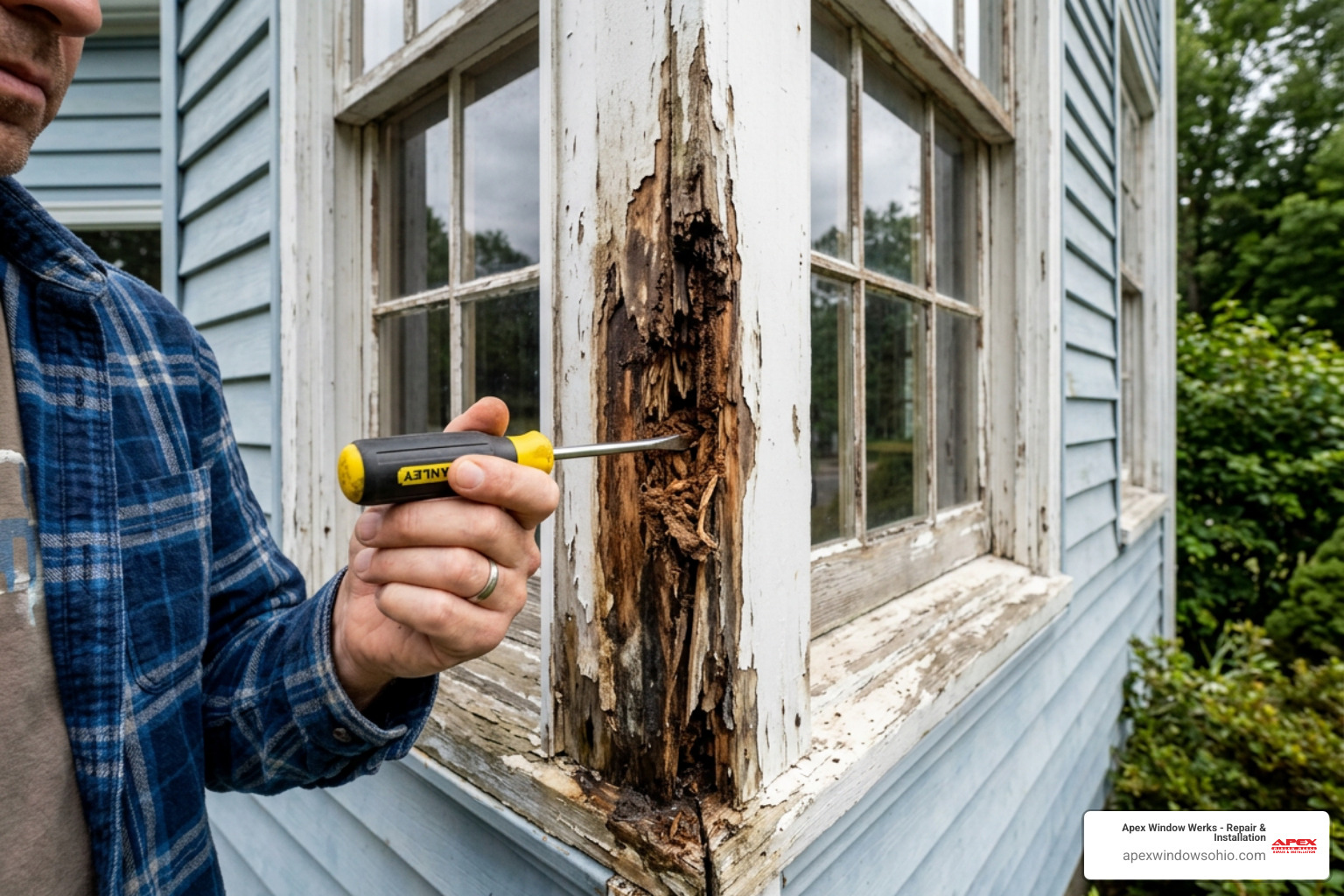
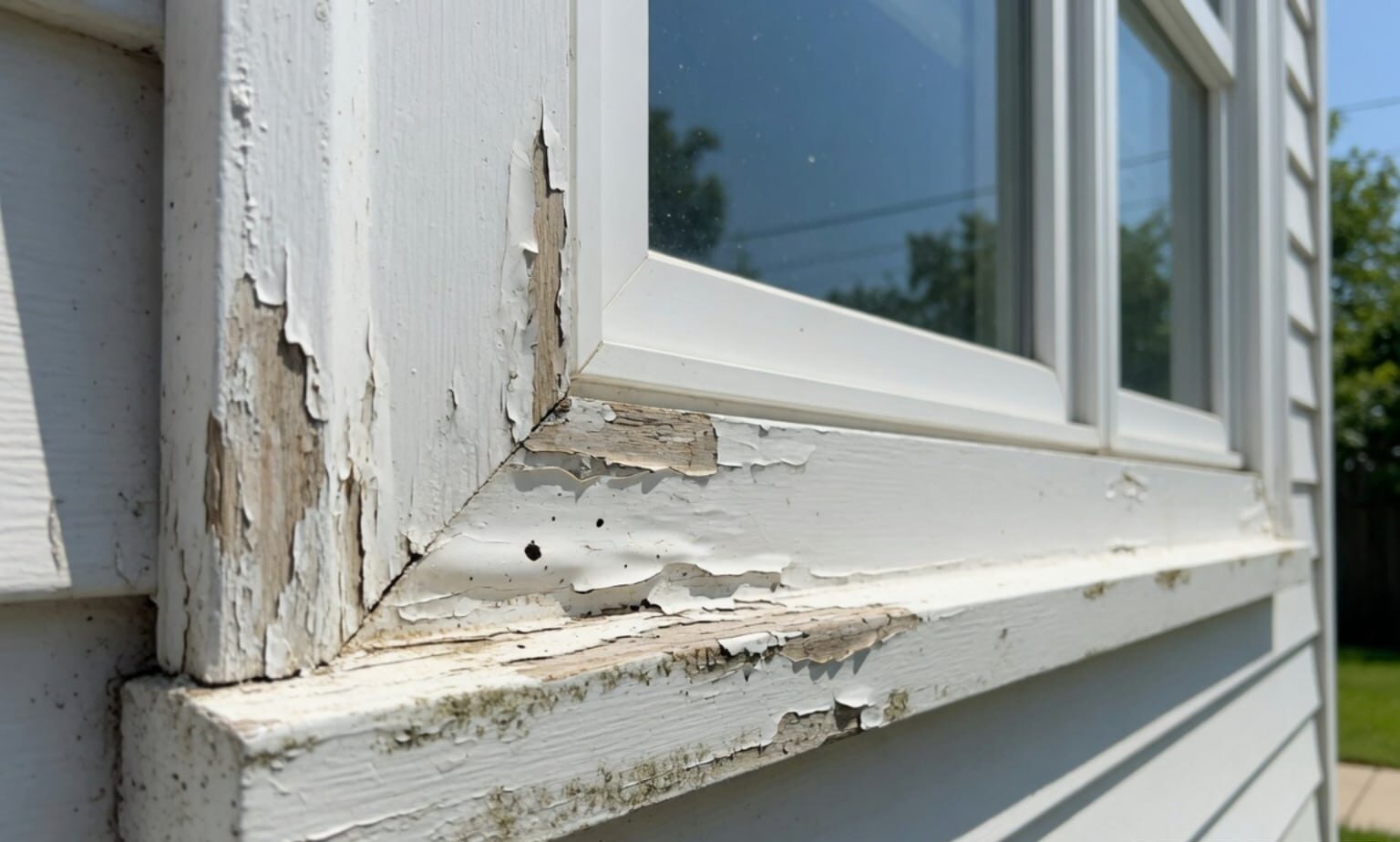
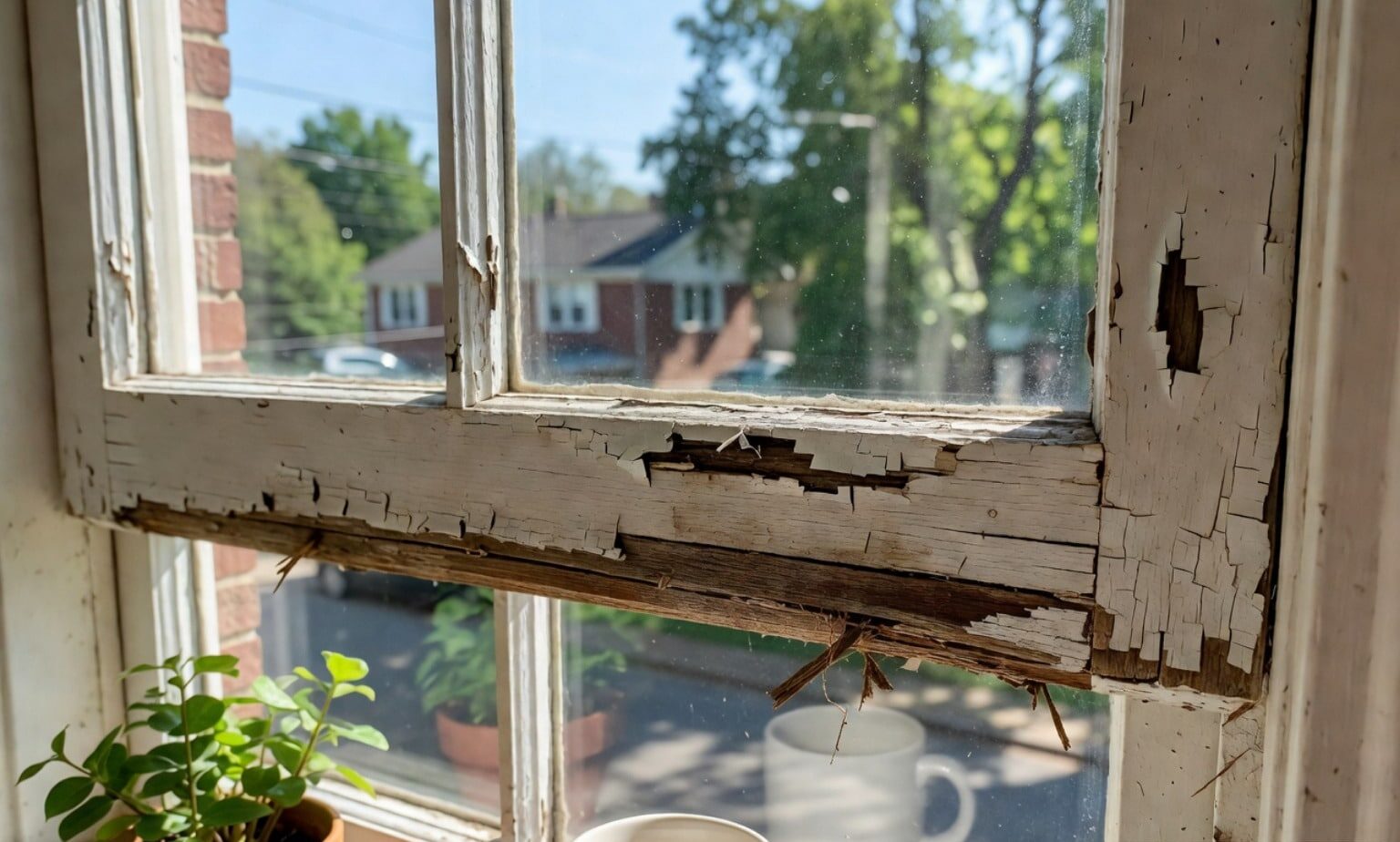
Once the old putty and glazier’s points are out, you’ll have bare wood. Do not skip the primer! Raw wood is like a sponge; it will suck the oils out of your new glazing putty, causing it to crack and fall out.
- Clean the Rabbet: Use a wire brush or sandpaper to get the groove (the rabbet) down to clean wood.
- Apply Linseed Oil: Brush raw linseed oil onto the wood. This “feeds” the wood and ensures a better bond.
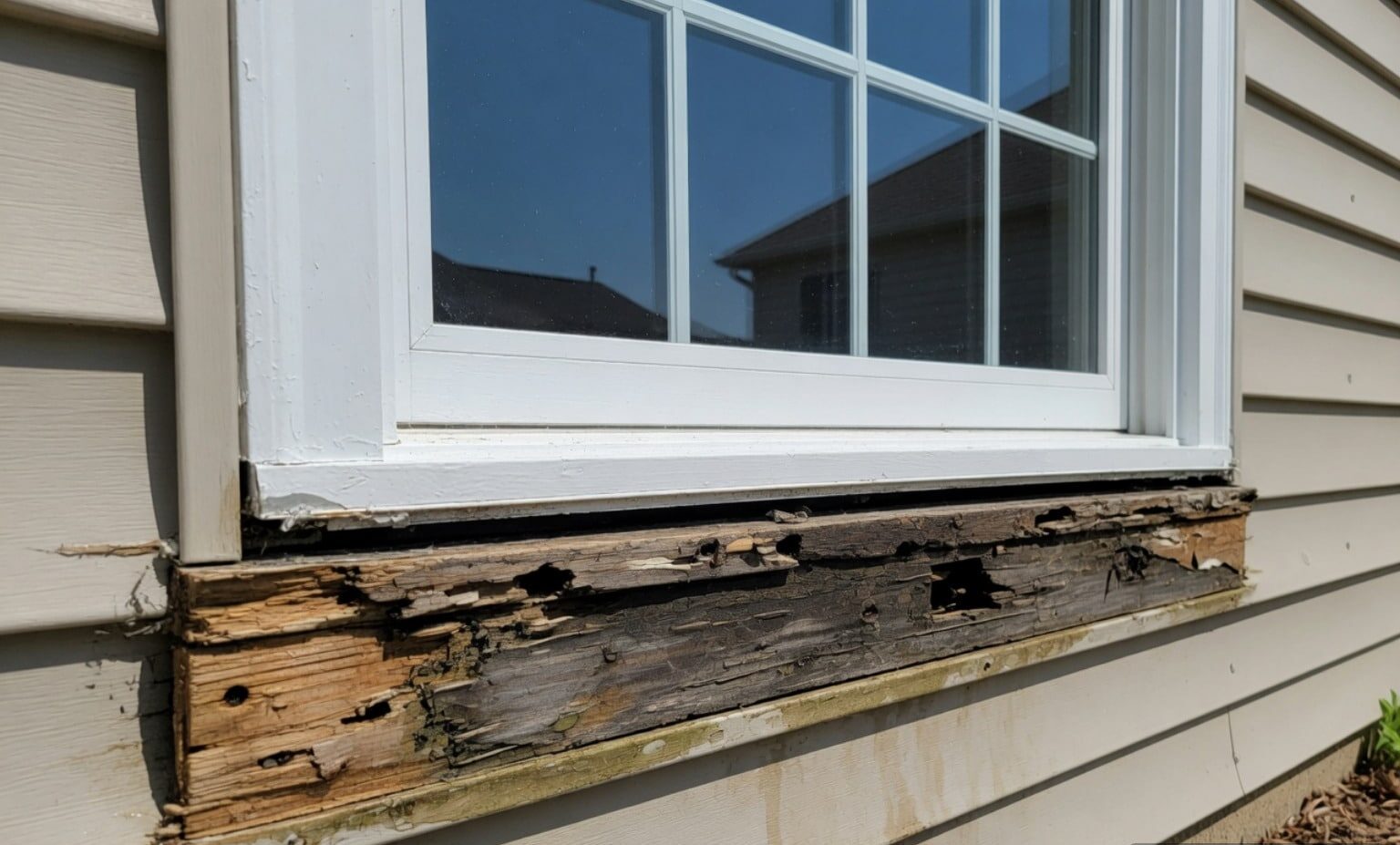
- Prime: Use an oil-based primer on the rabbet. This provides the ultimate protection against rot, especially important for Wood Window Sill Repair Parma where water tends to pool.
Measuring and Setting the New Pane
Precision is the difference between a window that lasts 50 years and one that cracks during the first Ohio freeze-thaw cycle.
Best Practices for Fixing Glass in Wooden Windows: Bedding and Points
When you measure the opening, measure from inside edge to inside edge. Then—and this is vital—subtract 1/8 inch from both the height and width. This allows for a 1/16-inch expansion gap on all sides. Wood expands and contracts; if the glass is too tight, it will crack as soon as the temperature changes.
Before the glass goes in, apply a thin “bedding” bead of putty or acrylic latex with silicone in the rabbet. This creates a cushion so the glass isn’t sitting directly against the wood. You can find more technical tips on this at How to Reglaze Window Glass.
Securing the Glass in the Rabbet
Once the glass is pressed into the bedding, it needs to be locked in.
- Glazier Points: Use a glazing tool or the flat side of a putty knife to push these triangles into the wood.
- Spacing: Place a point every 6 inches. You should have at least two points on every side, even for small panes.
- Pressure: Apply light, even pressure. If you’re doing Broken Window Glass Replacement in North Royalton, the points do the holding—the putty just does the sealing.
Applying the Final Glazing Seal and Finishing
Now for the “artistic” part of fixing glass in wooden windows: the glazing bead.
Drying Times and Painting Requirements
- Knead the Putty: Roll the glazing compound in your hands until it’s the consistency of play-dough and warm.
- Apply the Rope: Press a 1/2-inch rope of putty into the corner where the glass meets the wood.
- The 45-Degree Angle: Hold your putty knife at a 45-degree angle. In one long, smooth motion, pull the knife across the putty to create a neat, angled bead.
- Wait: Glazing putty needs time to “skin over.” In our local climate, this usually takes about 3 days, but can take up to two weeks depending on humidity.
- Paint: Use a high-quality oil-based paint. Pro Tip: Lap the paint about 1/8 inch onto the glass itself. This creates a “cap” that prevents water from getting behind the putty. If you need help with the surrounding trim, check out our Molding Replacement services.
Troubleshooting Common Glazing Issues
- Cracking Putty: Usually caused by skipping the primer or working in direct, hot sunlight.
- Oily Residue: If your putty is too wet, add a little “whiting” (powdered chalk) or let it sit on a piece of cardboard to soak up excess oil.
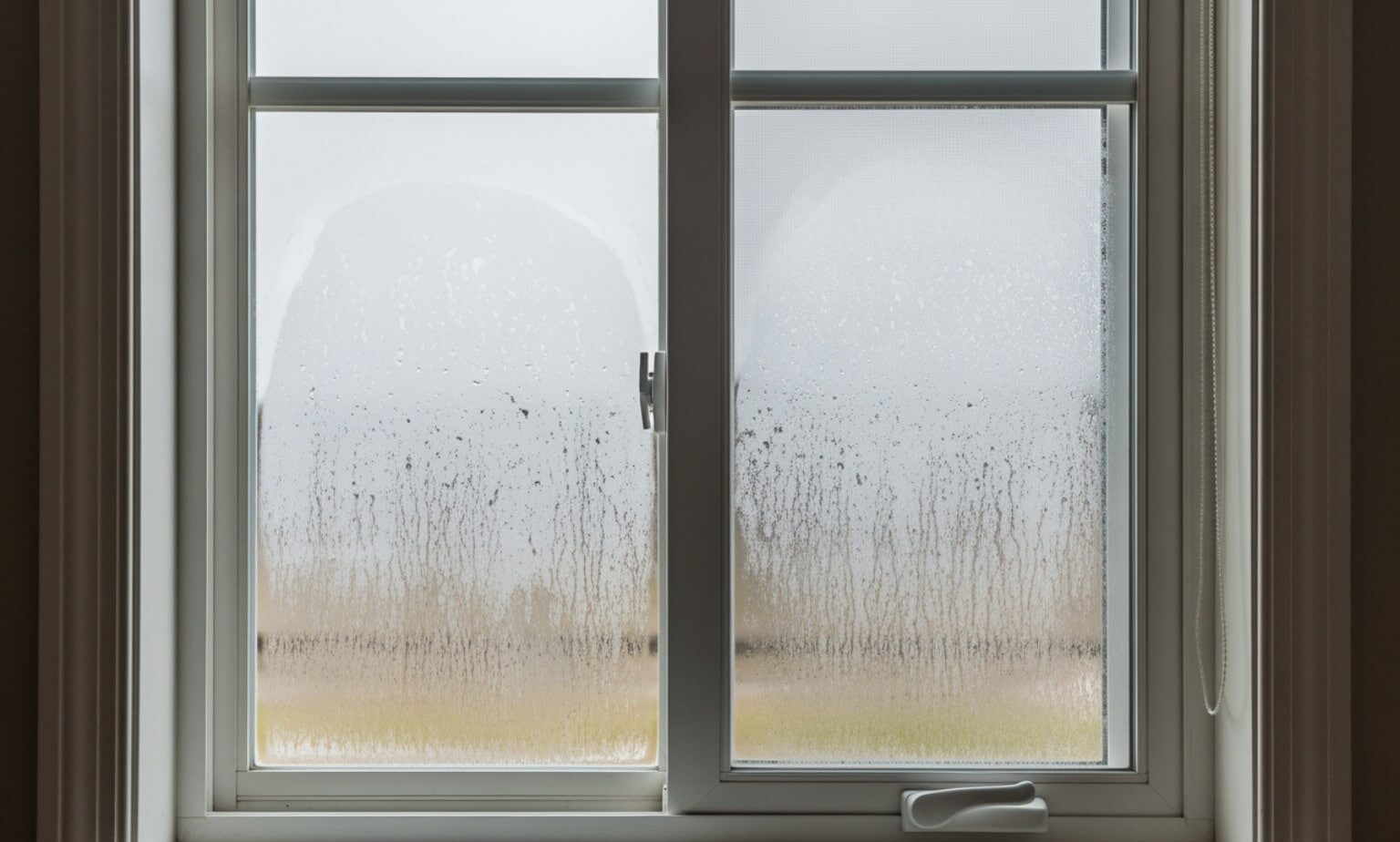
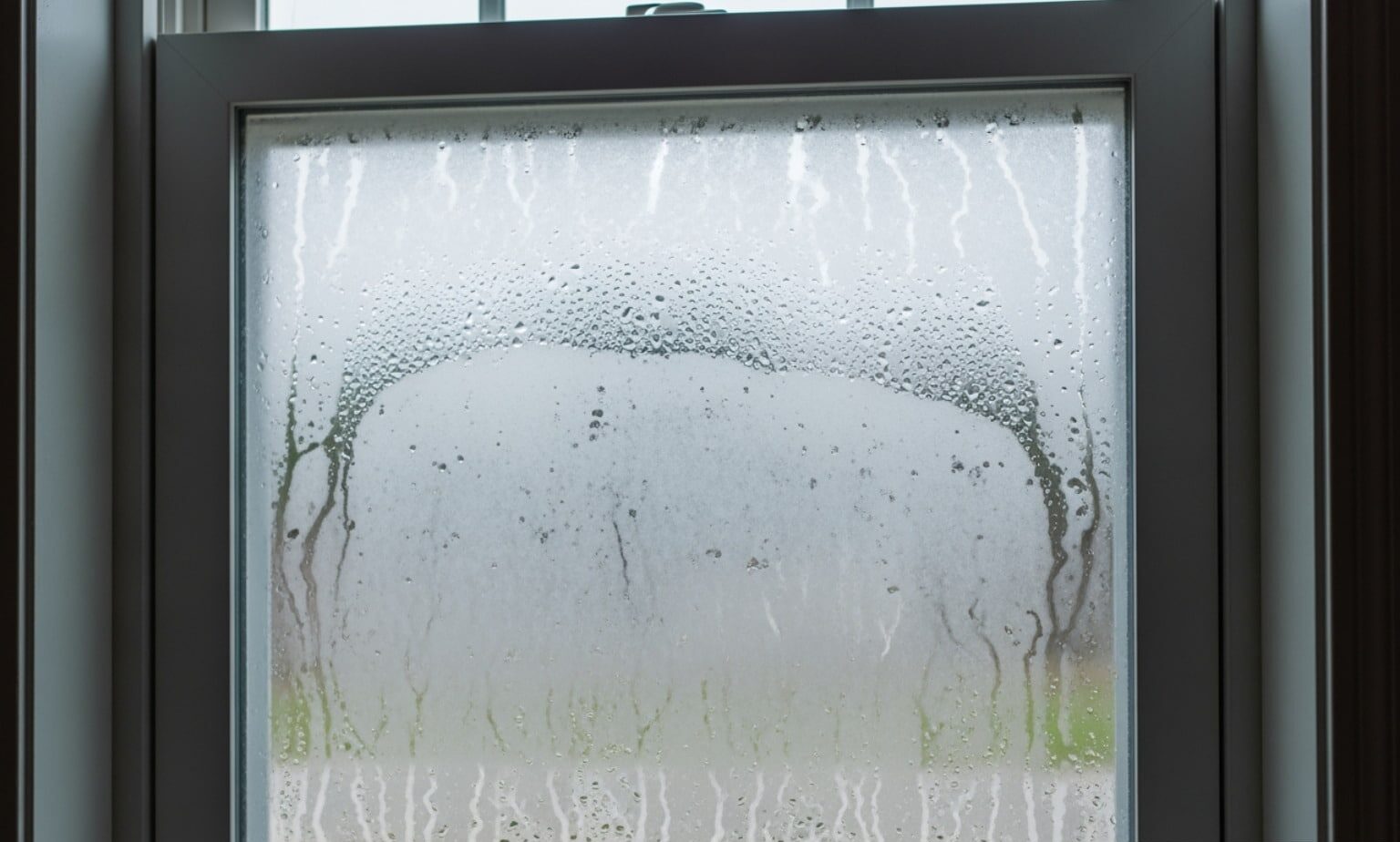
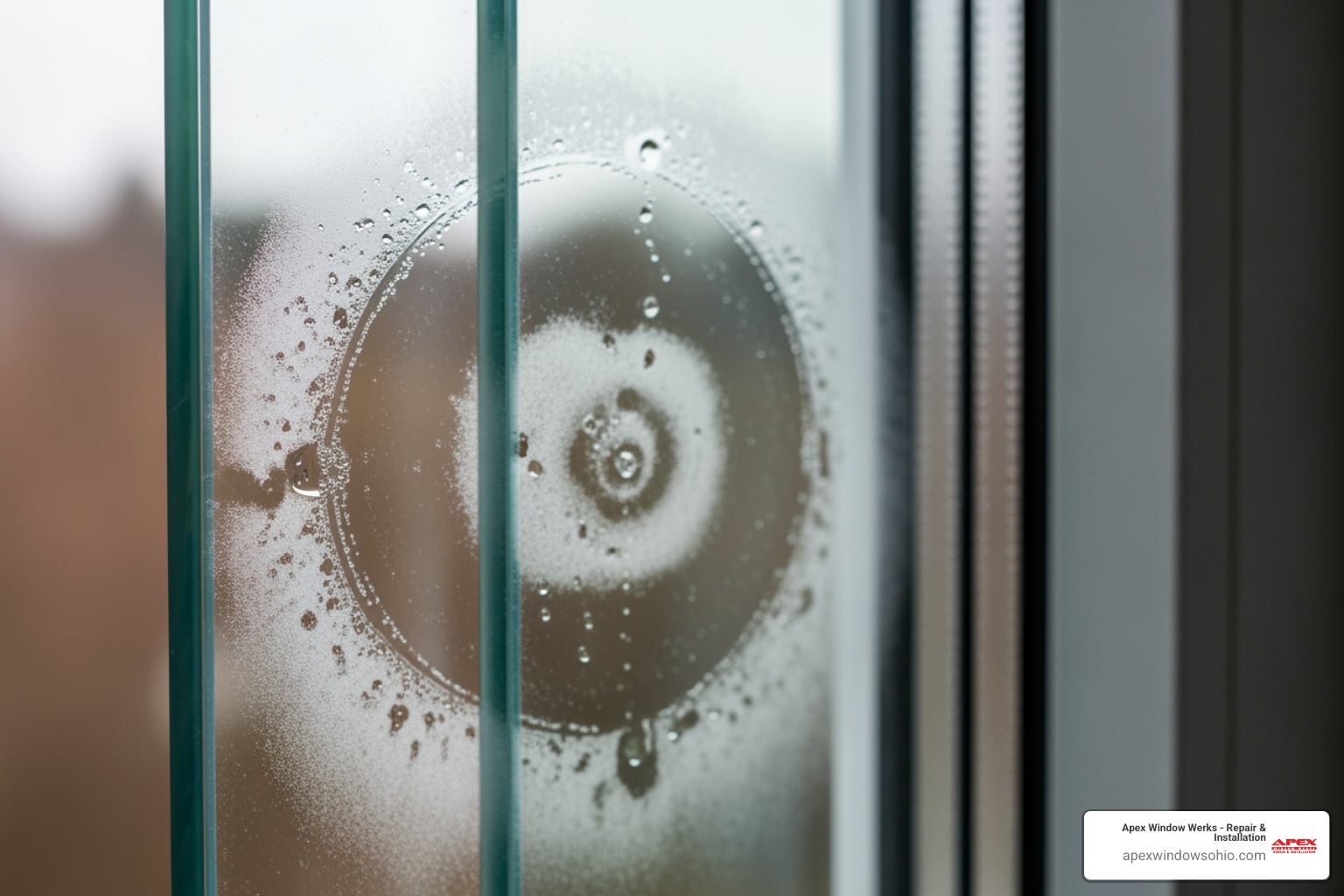
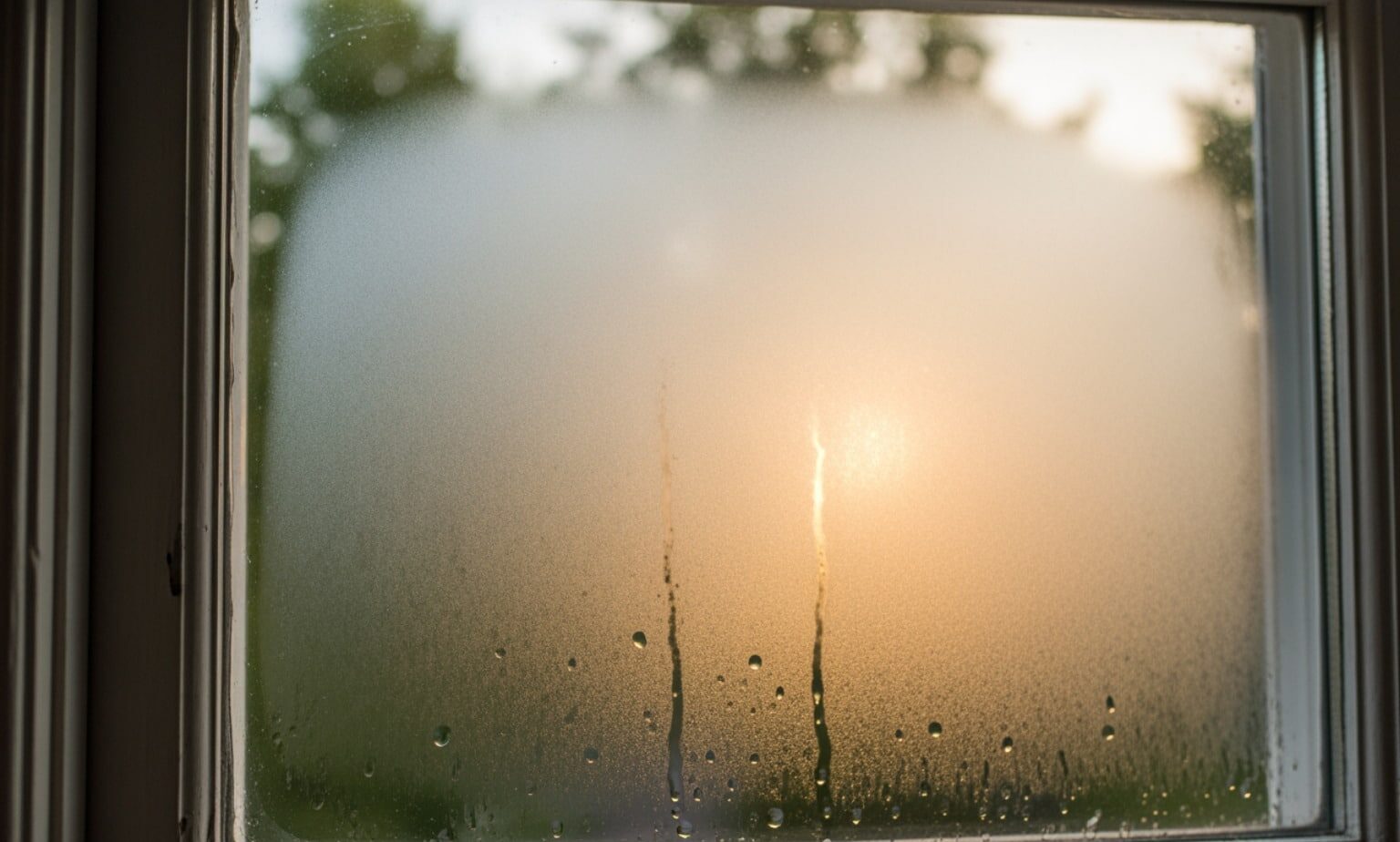
- Foggy Glass: If you have double-pane windows that are cloudy, the seal has failed. This usually requires Foggy Window Glass Replacement rather than just a simple reglazing.
Upgrading for Efficiency: Single Pane vs. IGUs
Many homeowners ask if they can improve their home’s comfort while fixing glass in wooden windows. The answer is yes, but it depends on the thickness of your wood sash.
Can You Install Double-Pane Glass in Old Sashes?
Standard modern Insulated Glass Units (IGUs) are usually 1/2″ to 1″ thick, which is often too thick for old wooden sashes designed for 1/8″ single-strength glass. However, you have options:
- Slim-Profile Units: These “heritage” units are only 12mm–16mm thick and can often fit into old frames with minor routing of the wood.
- Routing: If the wood is thick enough, a professional can route the rabbet deeper to accommodate a thicker Insulated Glass Replacement.
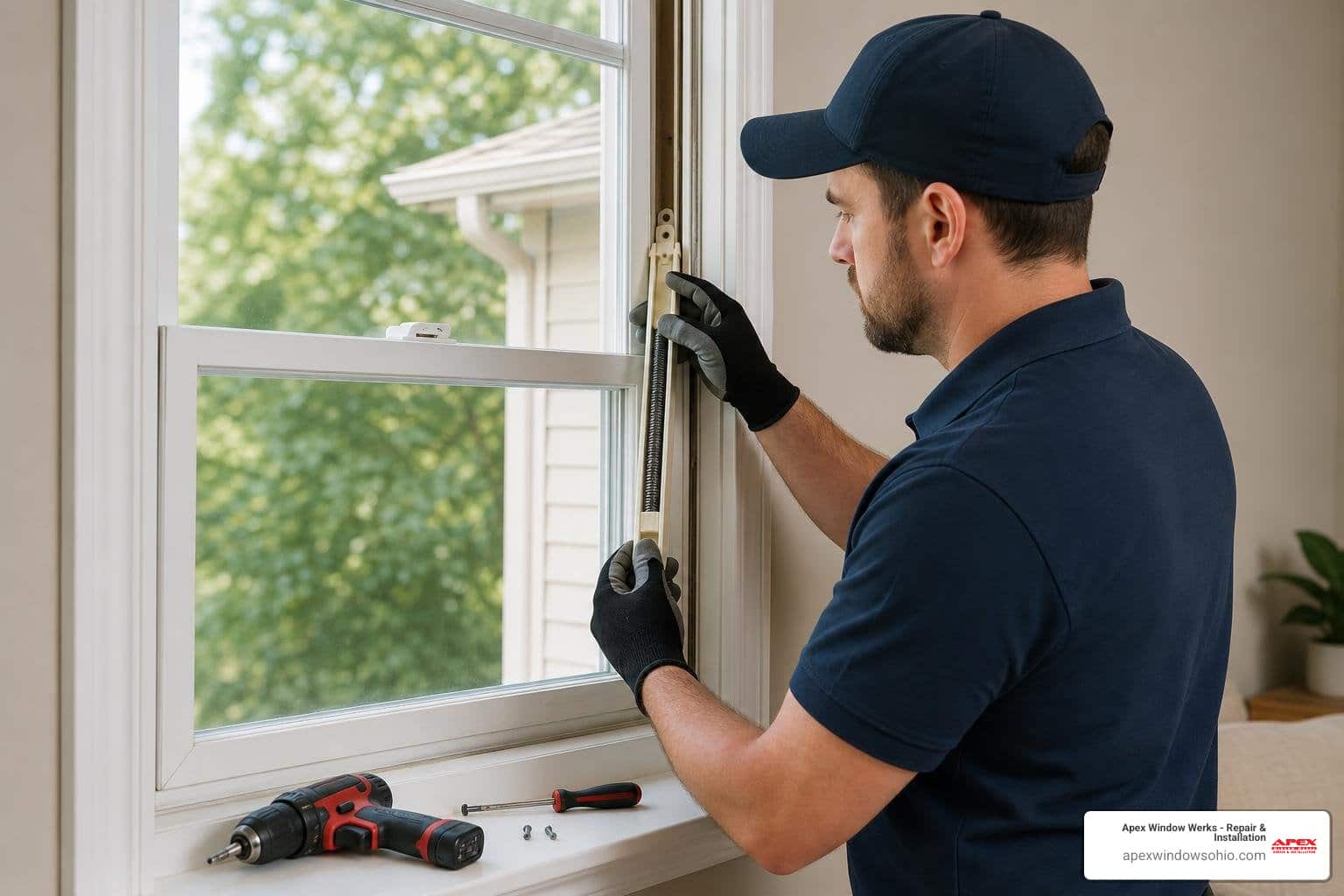
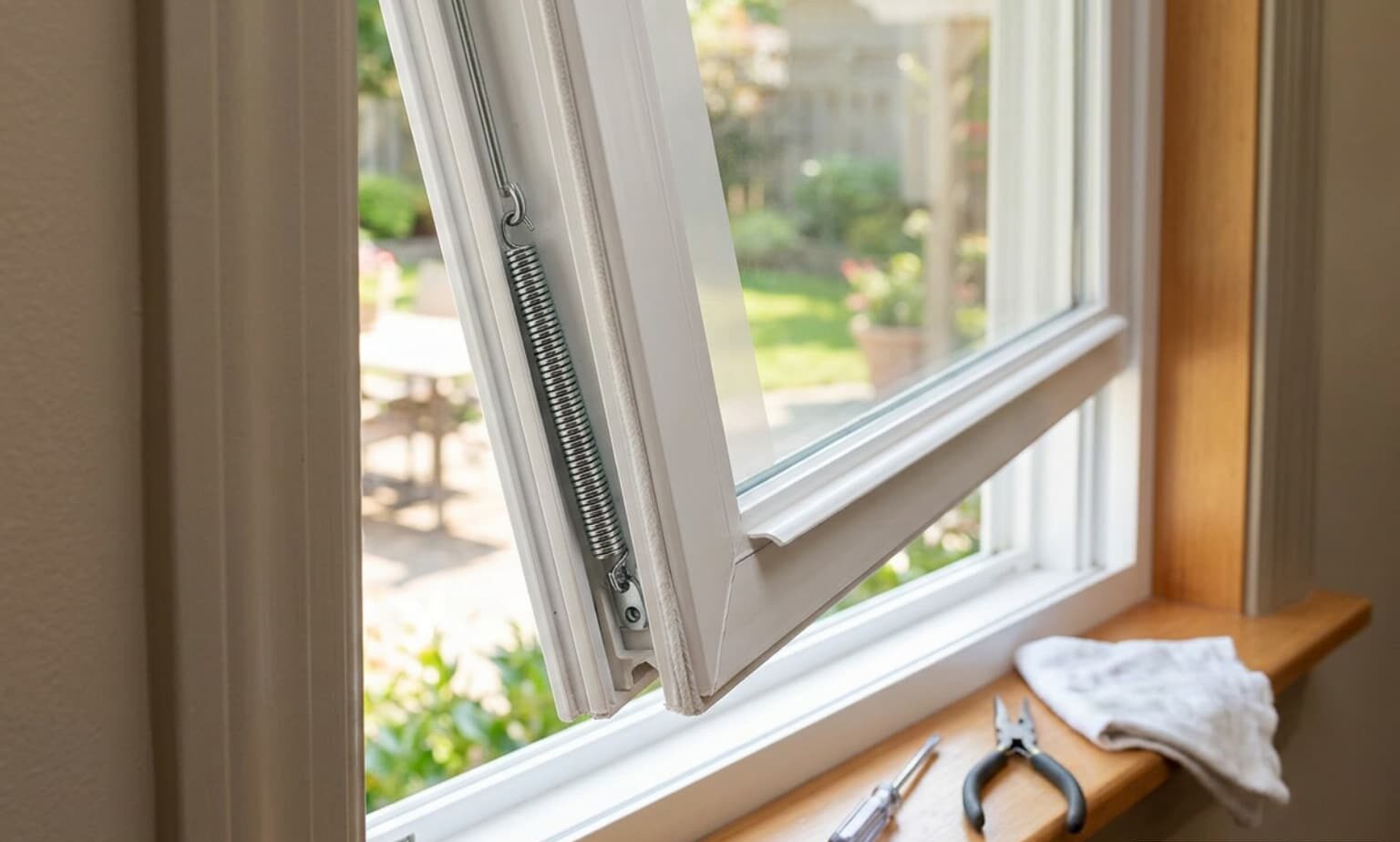
- Weight: Double-pane glass is twice as heavy. You may need to adjust the sash weights or springs in your window to ensure it still opens easily.
Benefits of High-Performance Glass
If you’re upgrading, consider these types:
- Low-E Glass: Features a microscopic coating that reflects heat back into the room in winter and out in summer. It can reduce heat loss by up to 70%.
- Laminated Glass: Two panes with a plastic interlayer. It’s great for security and noise reduction (up to 35dB).
- Acoustic Glass: Specifically designed for homes near busy roads in areas like Willoughby or Independence.
- Toughened Glass: 4-5 times stronger than standard glass; essential for safety.
Frequently Asked Questions about Wood Window Repair
How long does glazing putty take to dry before I can paint?
Standard oil-based putty takes about 3 to 7 days to form a “skin” that is firm to the touch. Do not paint it while it is still soft and greasy, or the paint will wrinkle. However, don’t wait months, or the putty will dry out and crack.
What is the correct measurement for replacement glass?
Measure the opening (the rabbet) and subtract 1/8 inch from both the width and height. This ensures the glass fits even if the window frame is slightly out of square and allows for natural wood expansion.
Is it cheaper to replace the glass or the entire window?
It is significantly cheaper to replace the glass. A single pane of glass might cost $200, while a full high-quality wood replacement window can exceed $1,000. Even with professional labor, fixing glass in wooden windows is a much more budget-friendly way to maintain your home’s value.
Conclusion
Fixing glass in wooden windows is a rewarding DIY project, but it requires patience and precision to ensure the result is weather-tight and durable. From choosing the right glass to mastering the 45-degree putty angle, every step matters for the longevity of your windows.
At Apex Window Werks, we specialize in helping Northeast Ohio homeowners preserve their beautiful wood windows. Whether you need a single pane replaced in Mentor, a foggy unit swapped in Akron, or a full restoration in Cleveland, we offer same-day service and expert quality. We can handle everything from simple glass swaps to complex Wood Window Repair that keeps your home’s historic charm intact while boosting its efficiency.
Ready to see clearly again? More info about wood window repair services is just a click away, or give us a call for a free estimate!