

How to Handle Double Hung Window Balance Replacement Like a Pro
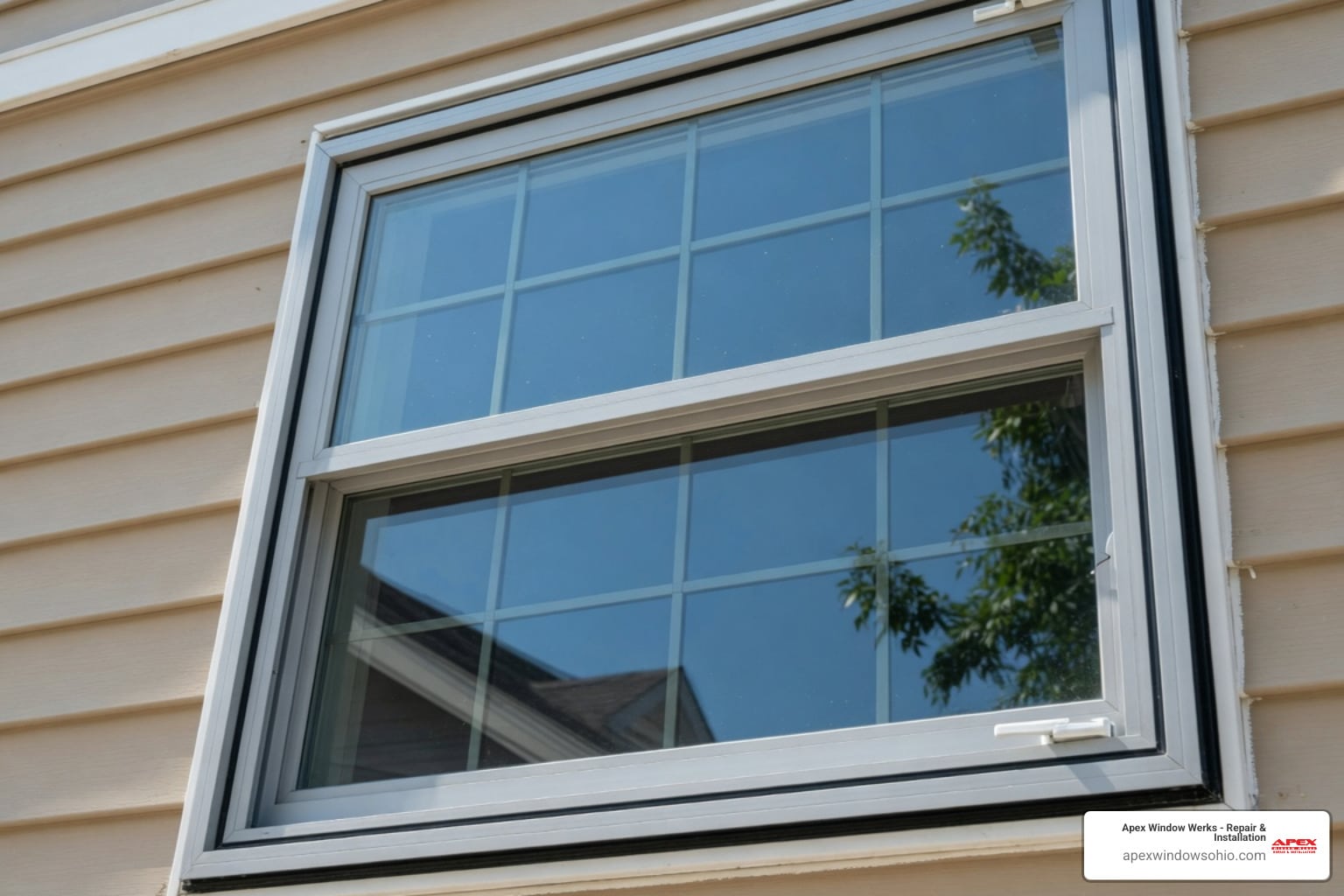
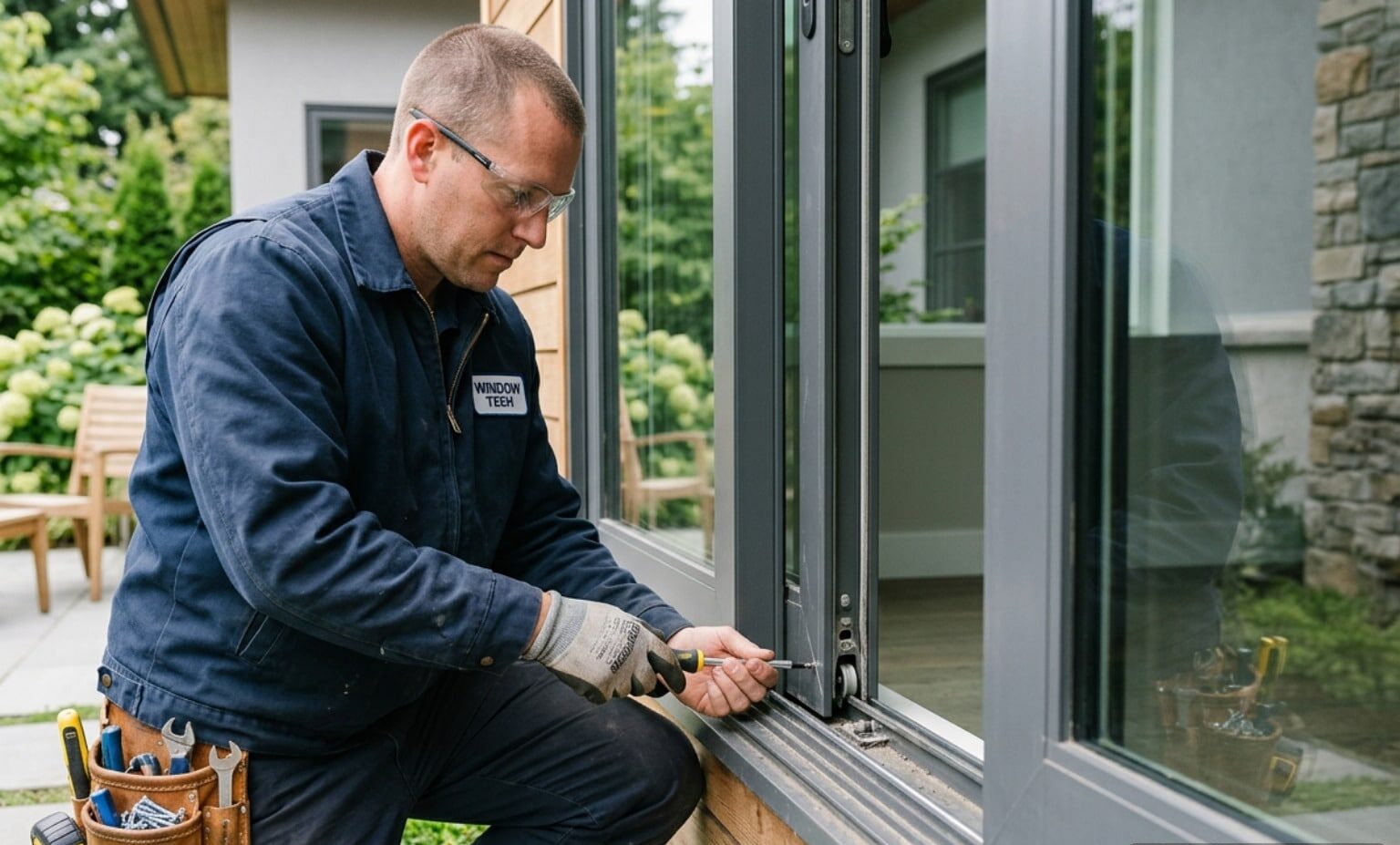
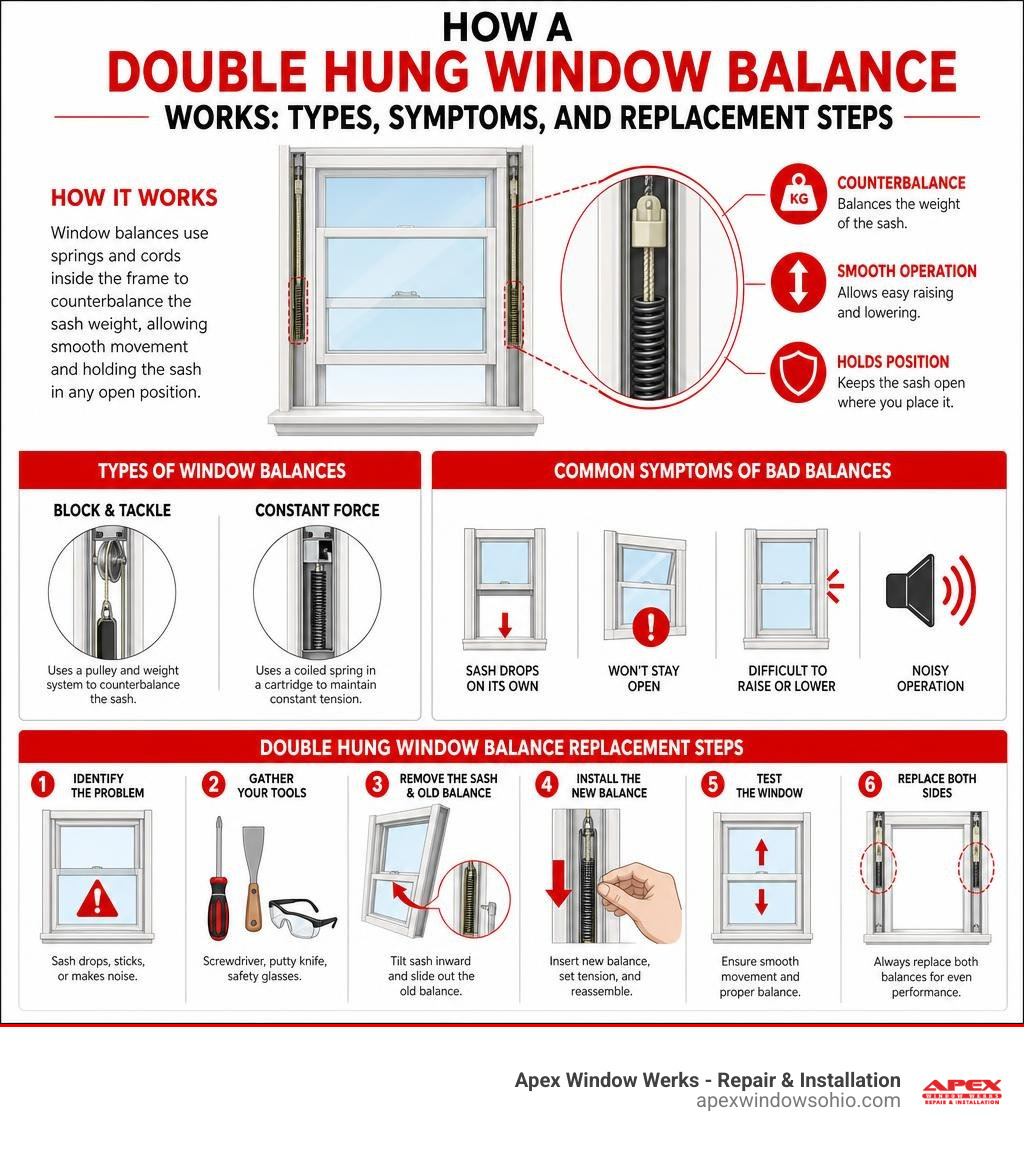
Double hung window balance replacement is the process of removing worn or broken balance mechanisms from your window and installing new ones so your sash stays open, moves smoothly, and holds its position.
Here is a quick overview of what the process involves:
- Identify the problem – The sash drops on its own, sticks, or makes noise when moving.
- Find the right balance – Match the stamp code, length, and sash weight to get the correct replacement part.
- Gather your tools – You will need a screwdriver, putty knife, and safety glasses at minimum.
- Remove the sash and old balance – Tilt the sash inward and slide out the damaged cartridge.
- Install the new balance – Insert the replacement, reset tension, and reassemble.
- Replace both sides – Always swap out both balances at the same time, not just one.
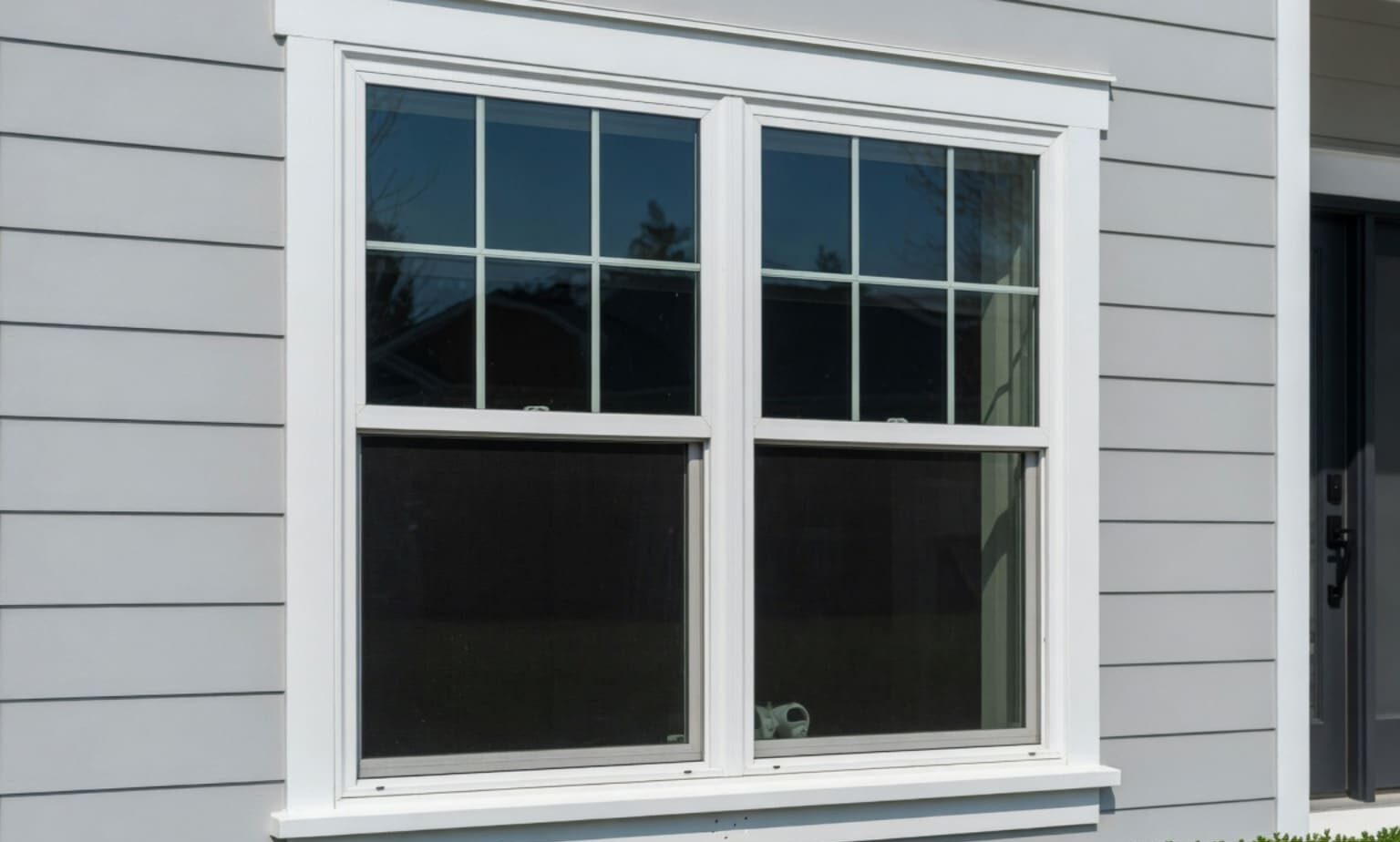
If your window sash suddenly drops or refuses to stay open, the balance mechanism is almost certainly the cause. These small but essential components sit inside the window frame on each side of the sash, and when they fail, the window becomes difficult or even unsafe to use. Homeowners across the Cleveland and Akron area deal with this problem regularly, especially in older homes with wood or vinyl double-hung windows that have seen years of use.
I’m Nataly Godes, General Manager at Apex Window Werks, and I’ve spent years helping Northeast Ohio homeowners restore their windows — including countless double hung window balance replacement projects on everything from vintage wood frames to modern vinyl units. Read on for a clear, step-by-step guide to getting the job done right.
Learn more about double hung window balance replacement:
Understanding the Types of Window Balances for Ohio Homes
Before you can order parts or grab your tools, you must understand what kind of balance mechanism is hiding inside your window frame. Window manufacturers do not use a single universal design. Over the decades, several distinct systems have emerged to do the heavy lifting of counterbalancing the heavy glass panes.
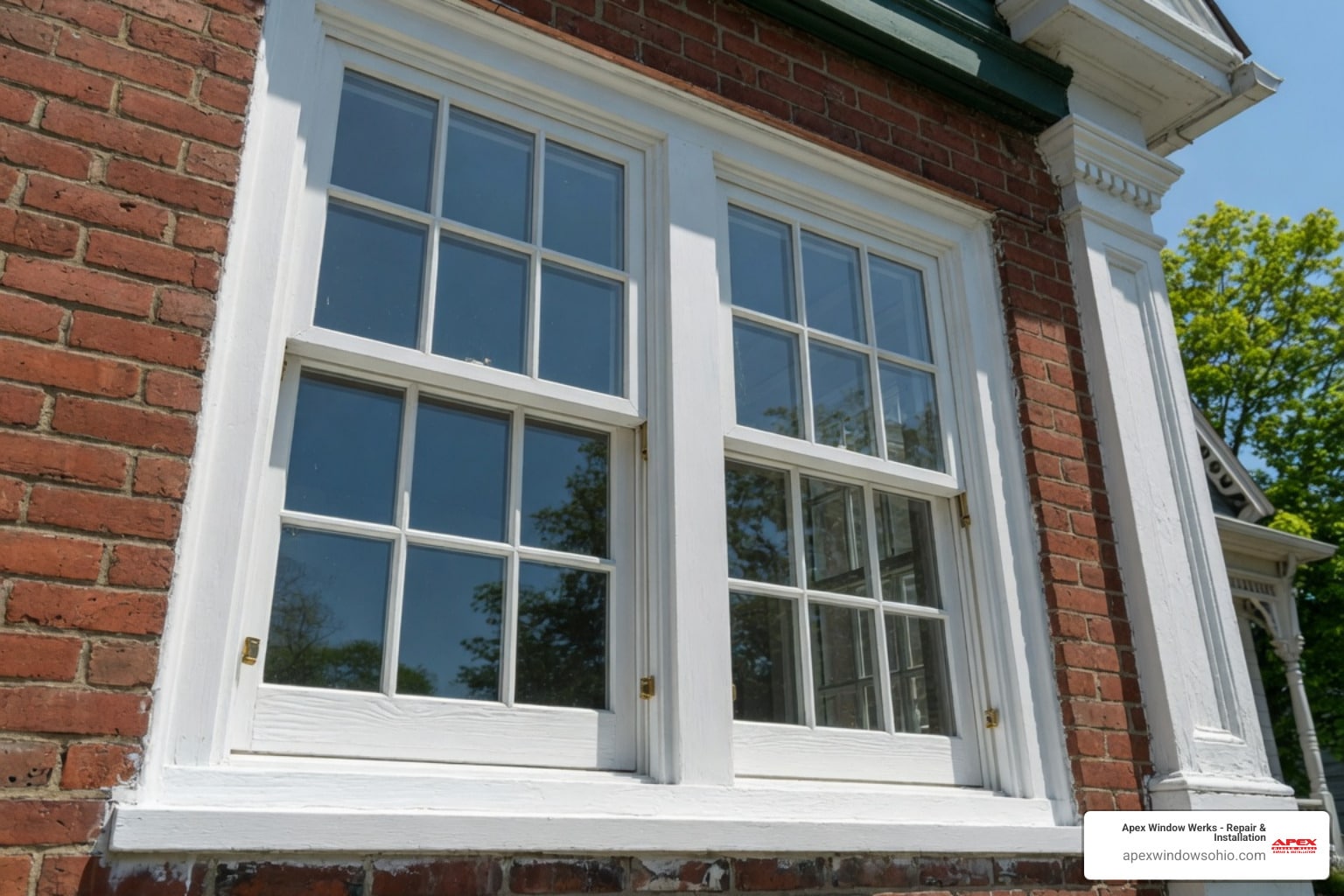
If you are working on older wood windows in Cleveland Heights or beautiful historic properties in Chagrin Falls, you might encounter older systems. Meanwhile, modern vinyl windows in Avon Lake or new builds in Bedford Heights typically feature compact, spring-powered cartridges. Here are the four primary types of balance systems you will encounter:
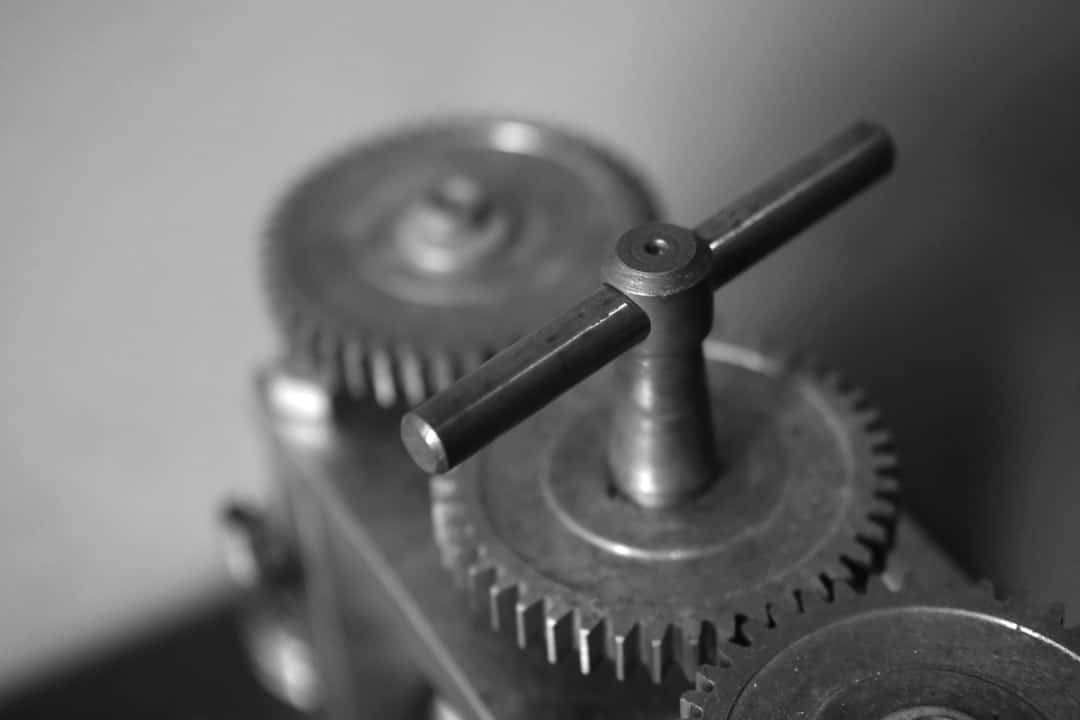
- Spiral Balances: These systems feature a metal spiral rod inside a plastic or aluminum tube. The rod connects to a spring mechanism inside the tube. As you raise or lower the window, the rod rotates, winding or unwinding the spring to adjust the tension. You can adjust the tension on these balances using a specialized tensioning tool, making them highly customizable.
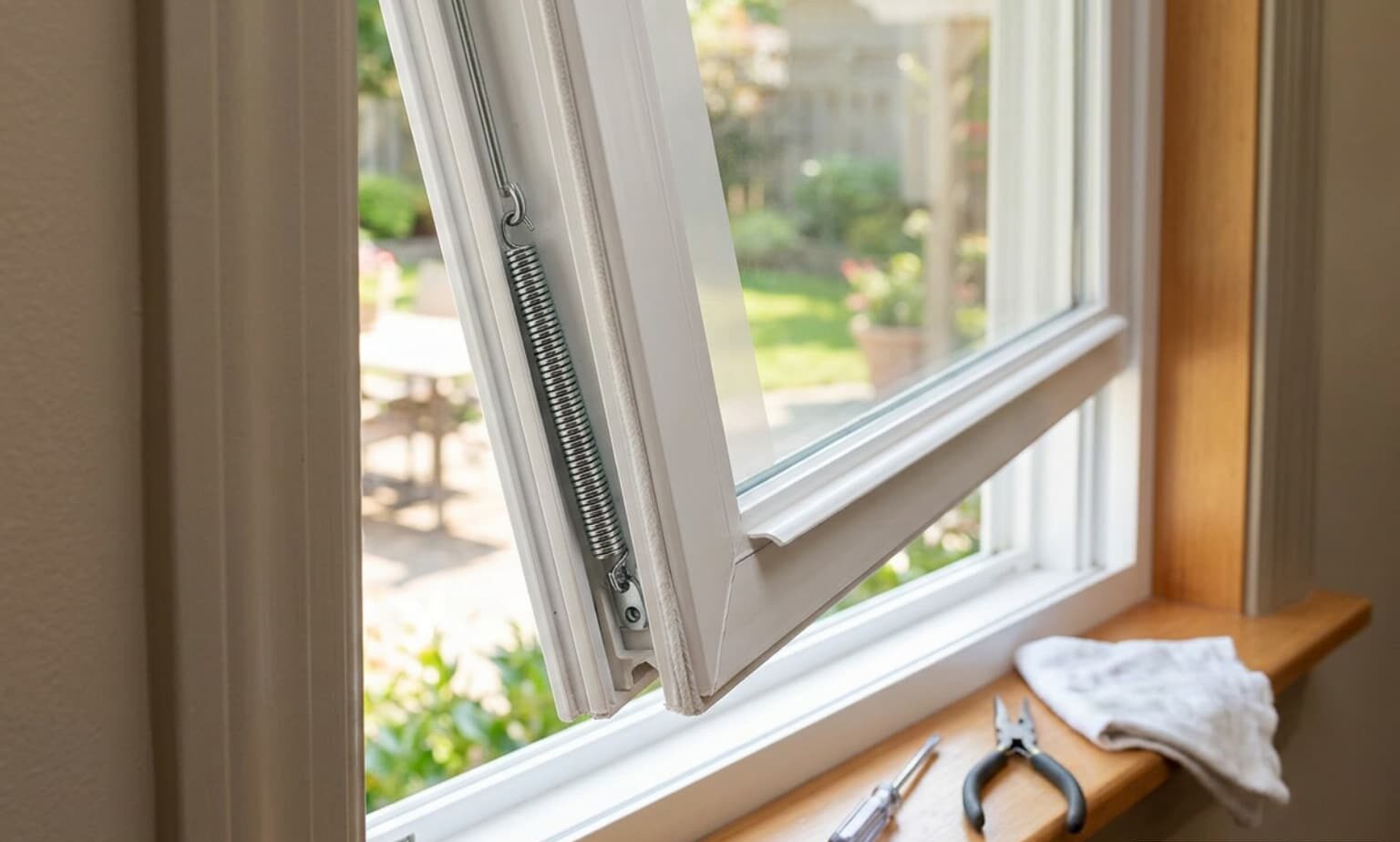
- Block and Tackle Systems: This is one of the most reliable and common systems found in modern double-hung windows. It utilizes a combination of small pulleys, a high-strength cord, and a heavy-duty extension spring. The spring stretches and contracts, while the pulleys multiply the force, allowing a small cartridge to support a surprisingly heavy window sash.
- Coil Spring Balances: Also known as constant force balances, these systems use a stainless steel spring coil that rolls and unrolls like a tape measure. The coil is housed in a plastic shoe that moves along with the window sash. These are incredibly durable and are standard in many modern vinyl replacement windows.
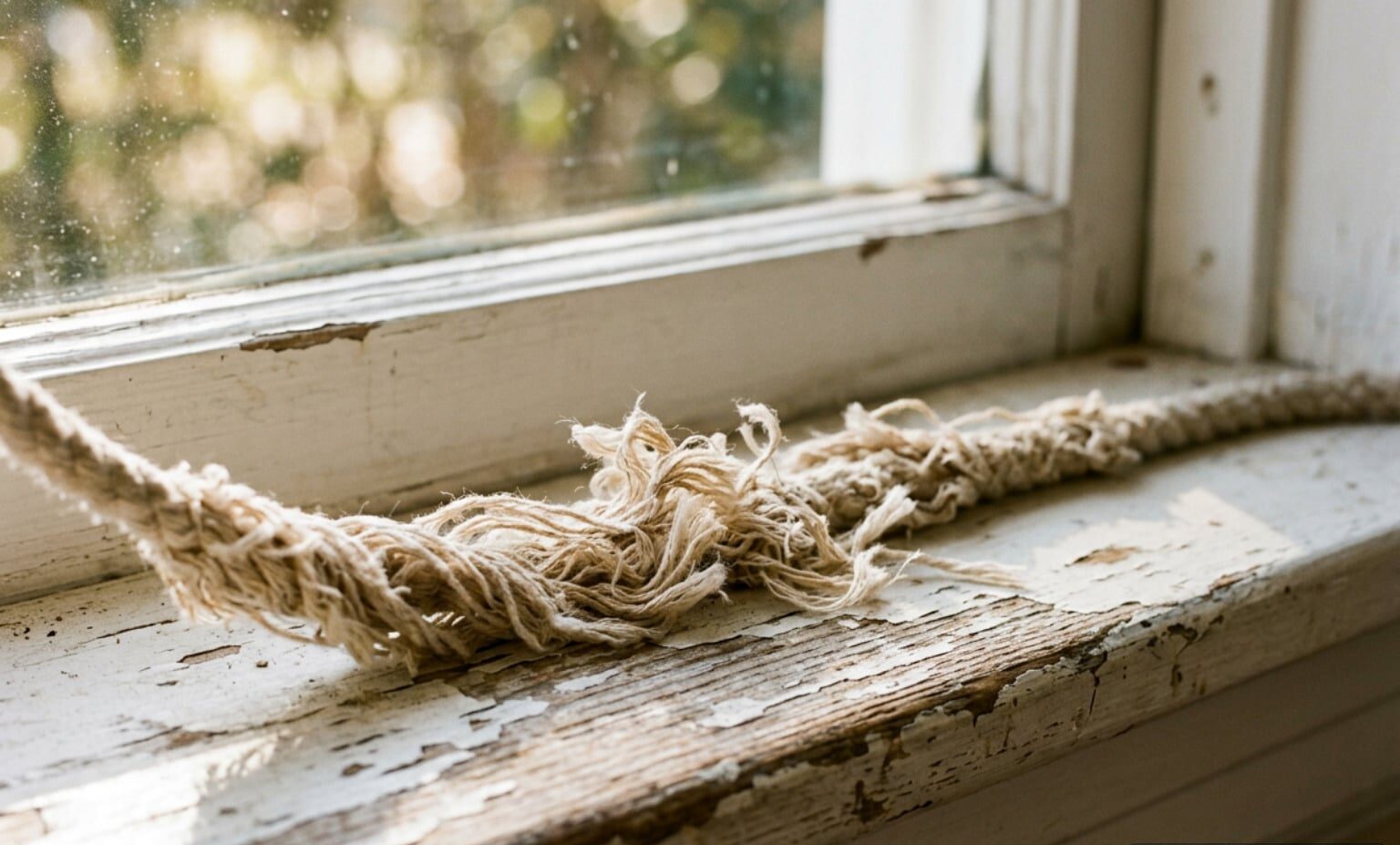
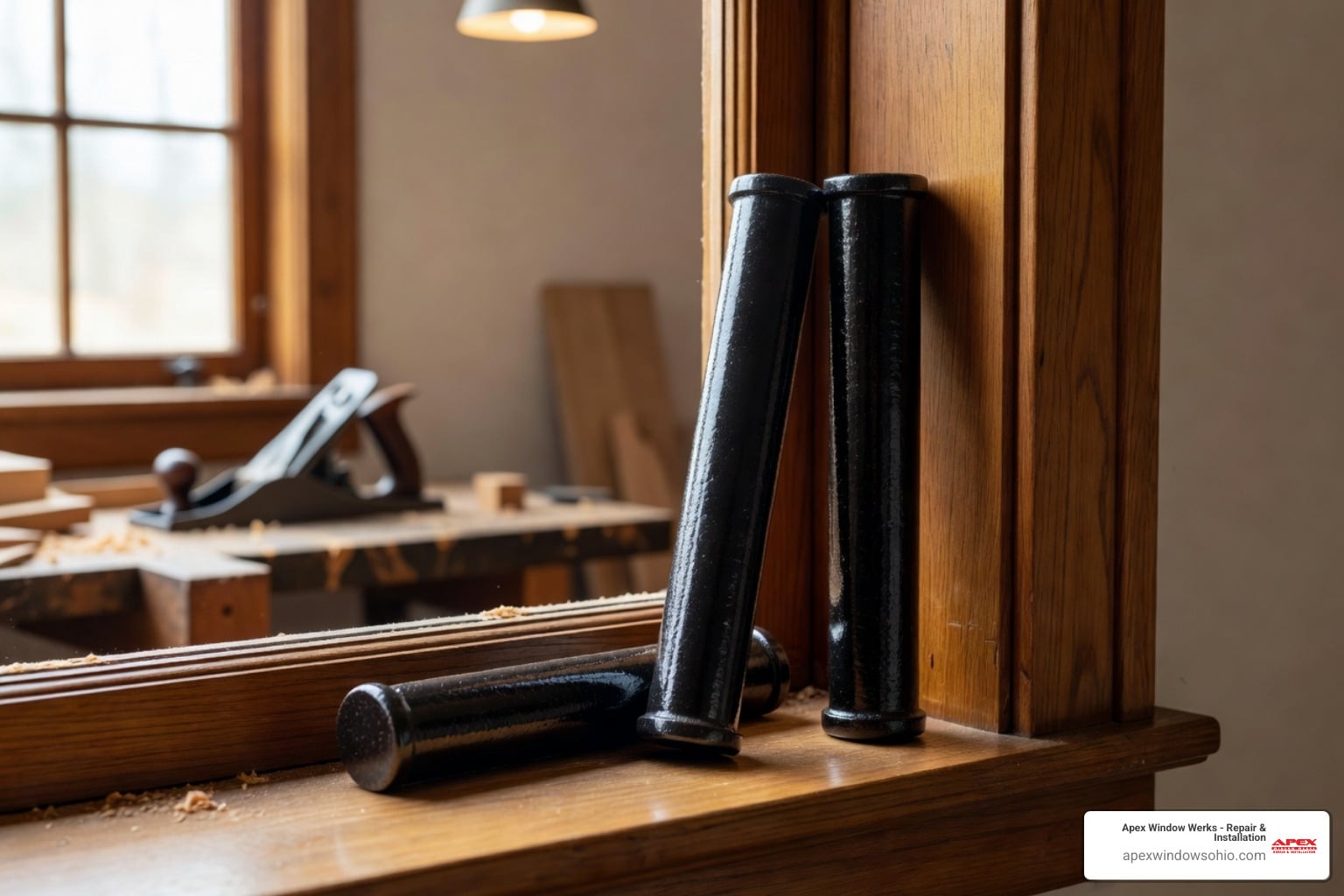
- Counterweight Pulleys: Found almost exclusively in historic wood windows built before the mid-twentieth century, this system uses cast-iron weights hidden inside pockets in the wall frame. The weights are connected to the sash via a cotton cord or metal chain running over a pulley at the top of the window.
To help you visualize how these systems compare, we have put together a quick breakdown of their typical applications and lifespans:
| Balance Type | Common Window Materials | Lifespan Expectancy | Tension Adjustable? |
|---|---|---|---|
| Spiral Balance | Wood, Vinyl, Aluminum | 10 to 15 Years | Yes |
| Block and Tackle | Wood, Vinyl | 15 to 20 Years | No |
| Coil Spring | Vinyl | 15 to 20 Years | No |
| Counterweight Pulley | Historic Wood | 50+ Years (Cords wear out) | No (Adjusted by changing weights) |
If you are dealing with historic cast-iron weights and broken ropes in an older home, you can learn the specialized restoration process in our guide on how to fix your weighted windows without breaking a sweat. For modern systems, the solution is almost always to replace the entire balance cartridge or rod assembly. You can also explore our complete resource on how to restore and fix old double hung windows to see how balance replacement fits into a larger window restoration project.
Signs You Need a Double Hung Window Balance Replacement in Cleveland
Living in Northeast Ohio means our windows have to deal with extreme temperature swings. From freezing winters off Lake Erie in Bay Village to humid summers in Medina, these rapid temperature shifts cause window frames to expand and contract. Over time, this natural movement puts extra stress on your window hardware, leading to premature wear and tear.
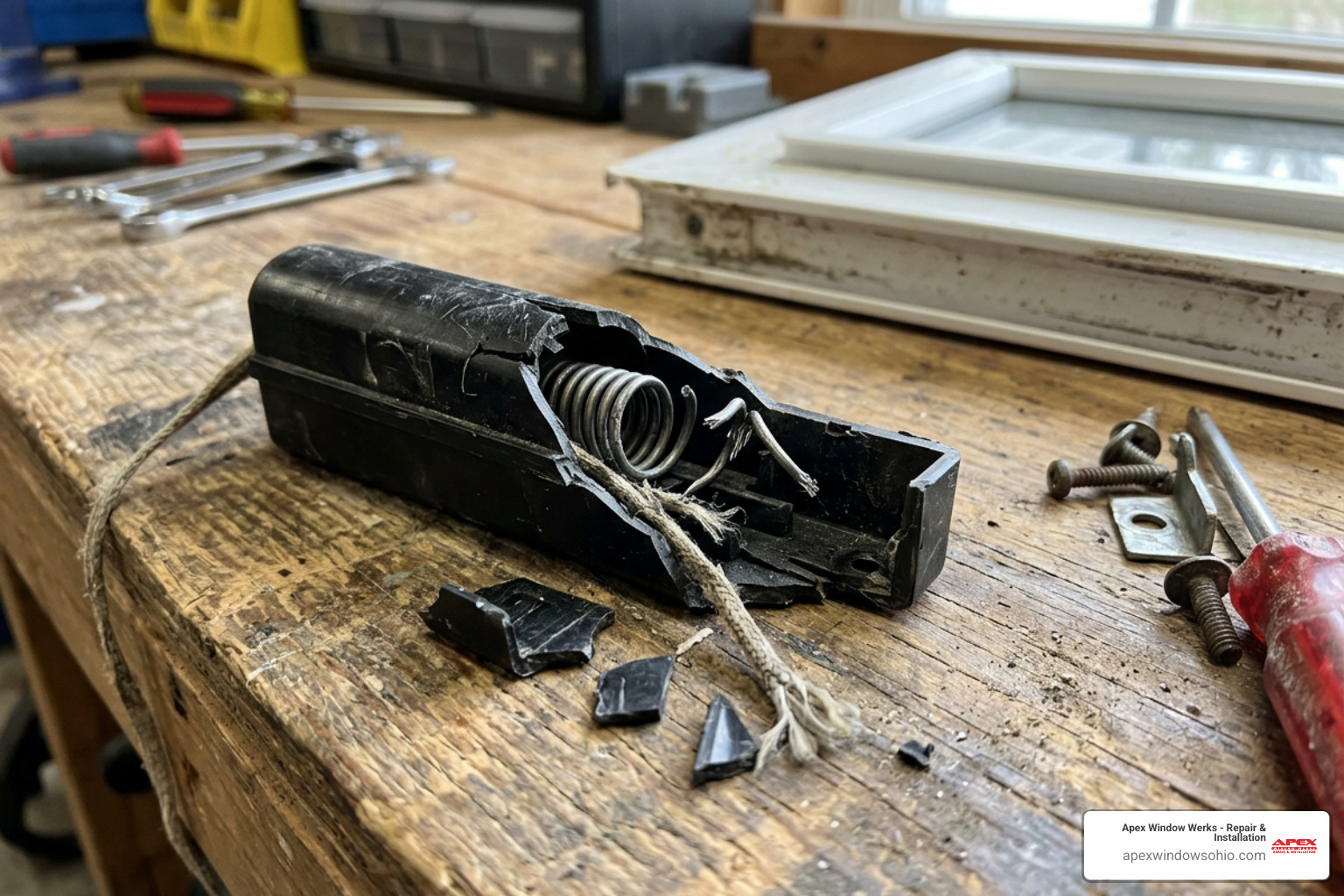
How do you know when it is time to stop struggling with your windows and perform a double hung window balance replacement? Watch out for these common warning signs in your home:
- The Sash Drops Unexpectedly: This is the most obvious and dangerous sign. If you open your window to let in a cool breeze and the top or bottom sash immediately slides back down, your balances have lost their tension or the internal springs have snapped.
- The Window Sticks or Is Hard to Open: If opening your window feels like a heavy workout, the balances are no longer assisting you. When a balance fails on just one side, the sash will tilt slightly as you lift it, causing it to bind and jam inside the side tracks.
- Squeaking, Grinding, or Popping Noises: Healthy balances operate almost silently. If you hear loud squeaks, grinding metal, or a sudden popping sound when moving the sash, the internal springs or cords are failing.
- Broken Tension Cords or Visible Springs: If you look inside the side jambs and see loose cords hanging out, or if a metal spring has snapped and is visible, the balance cartridge is completely broken and must be replaced immediately.
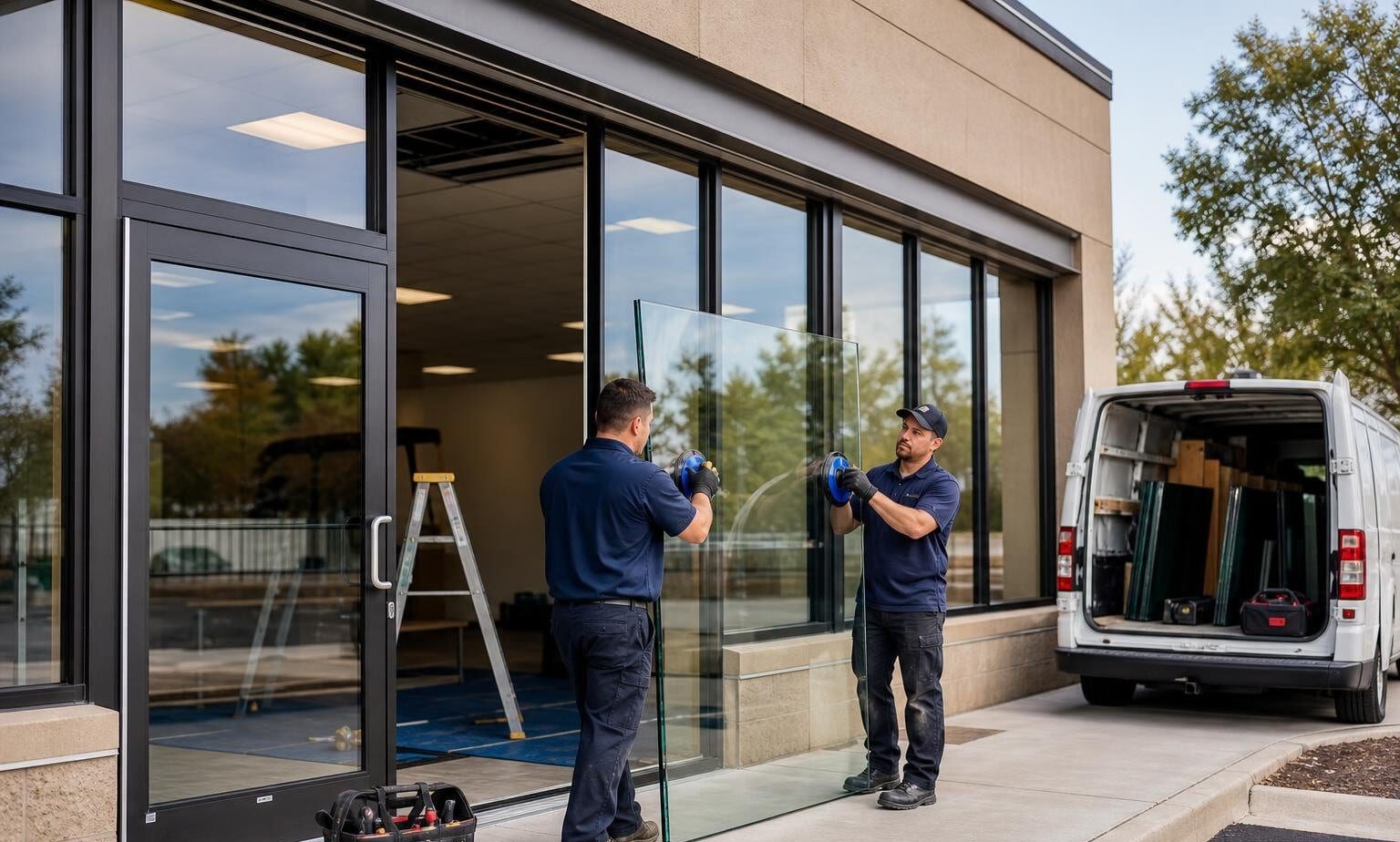
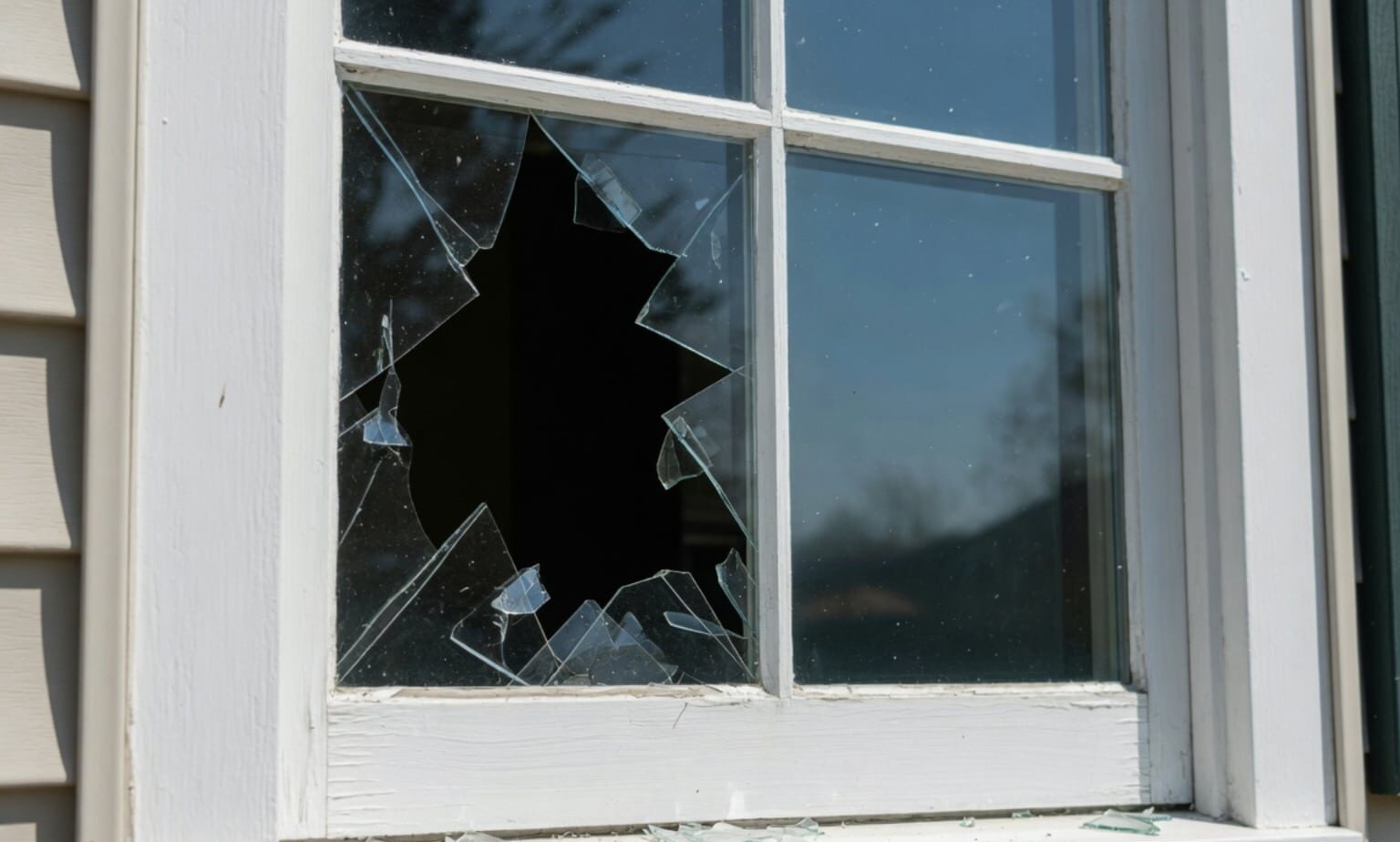
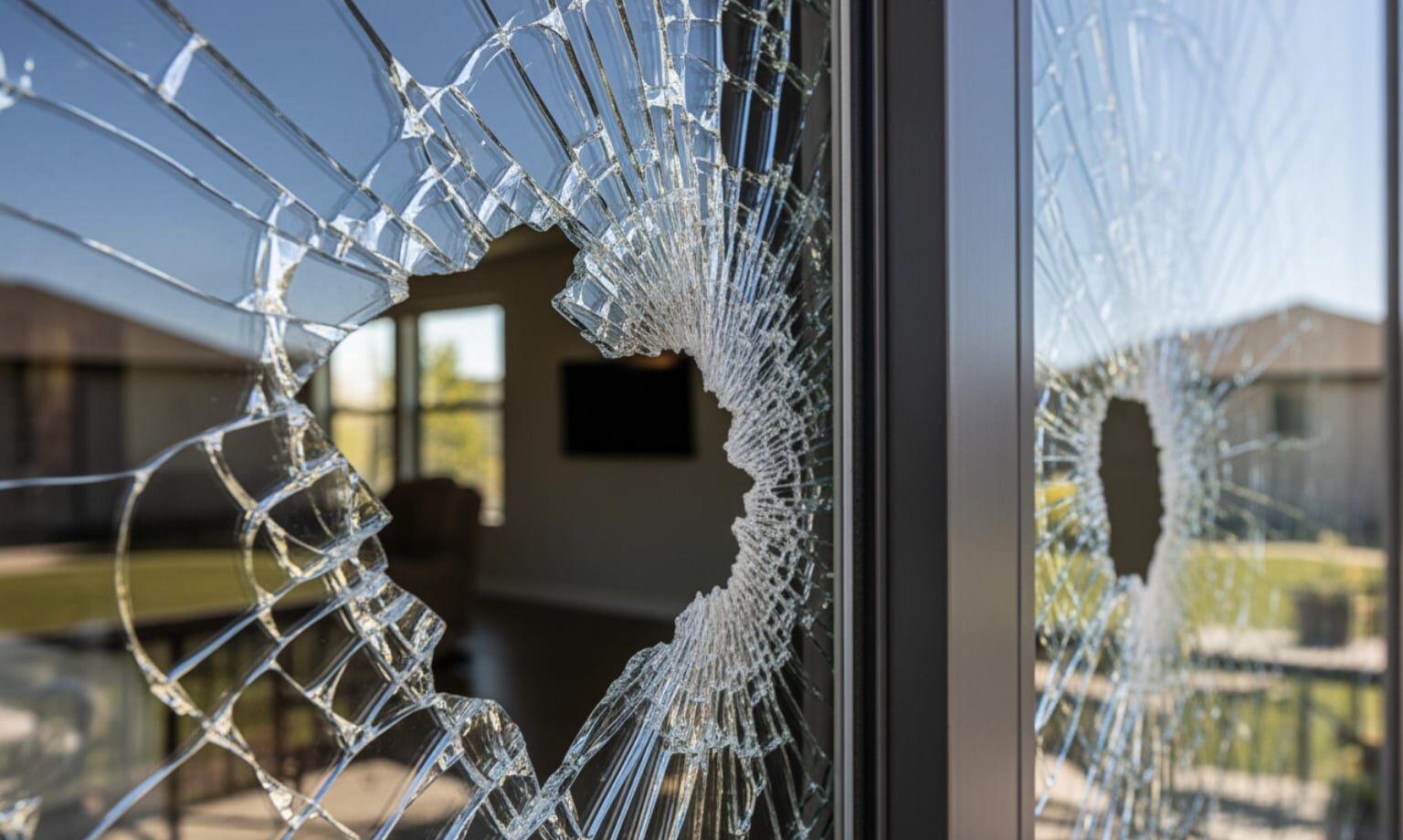
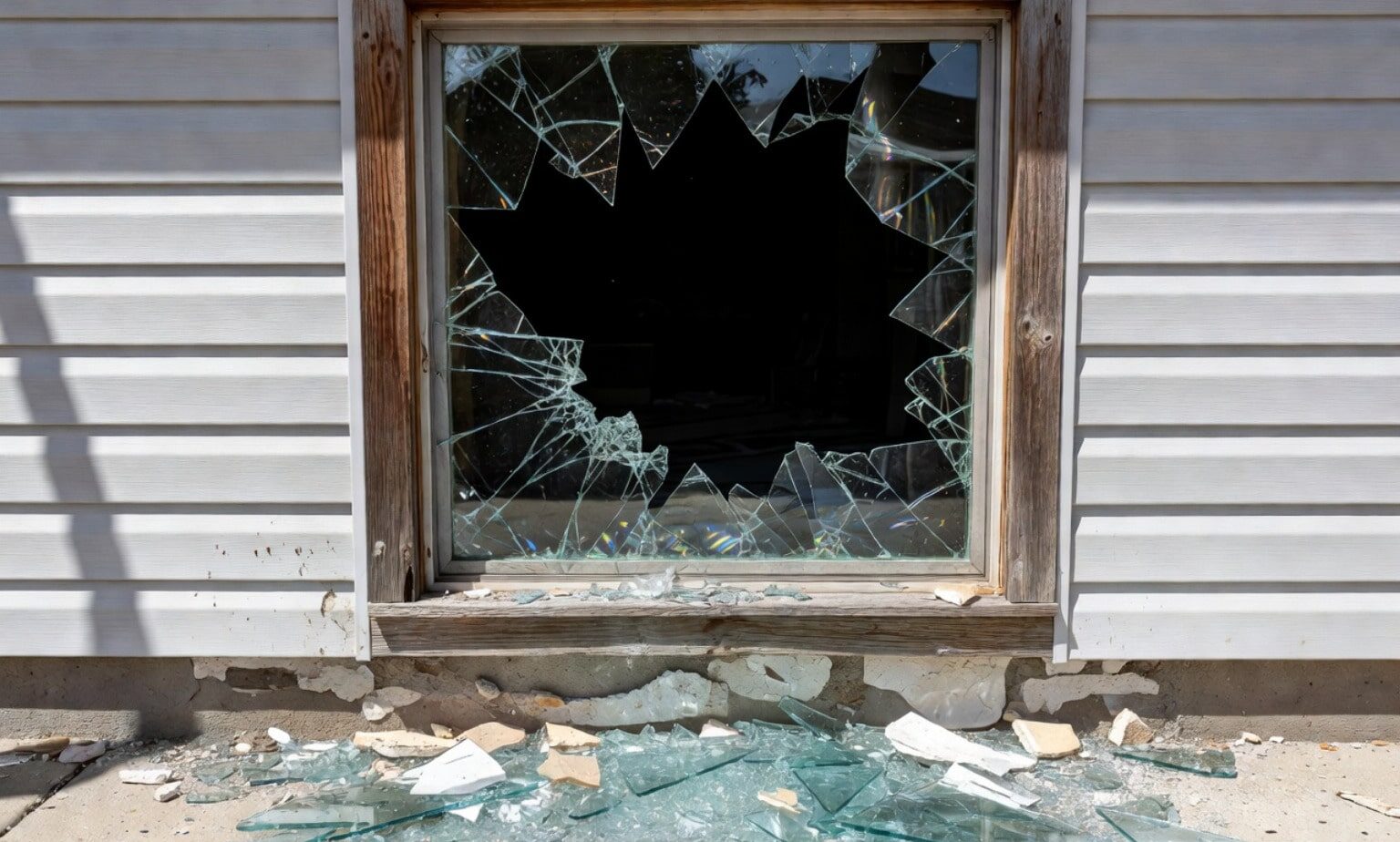
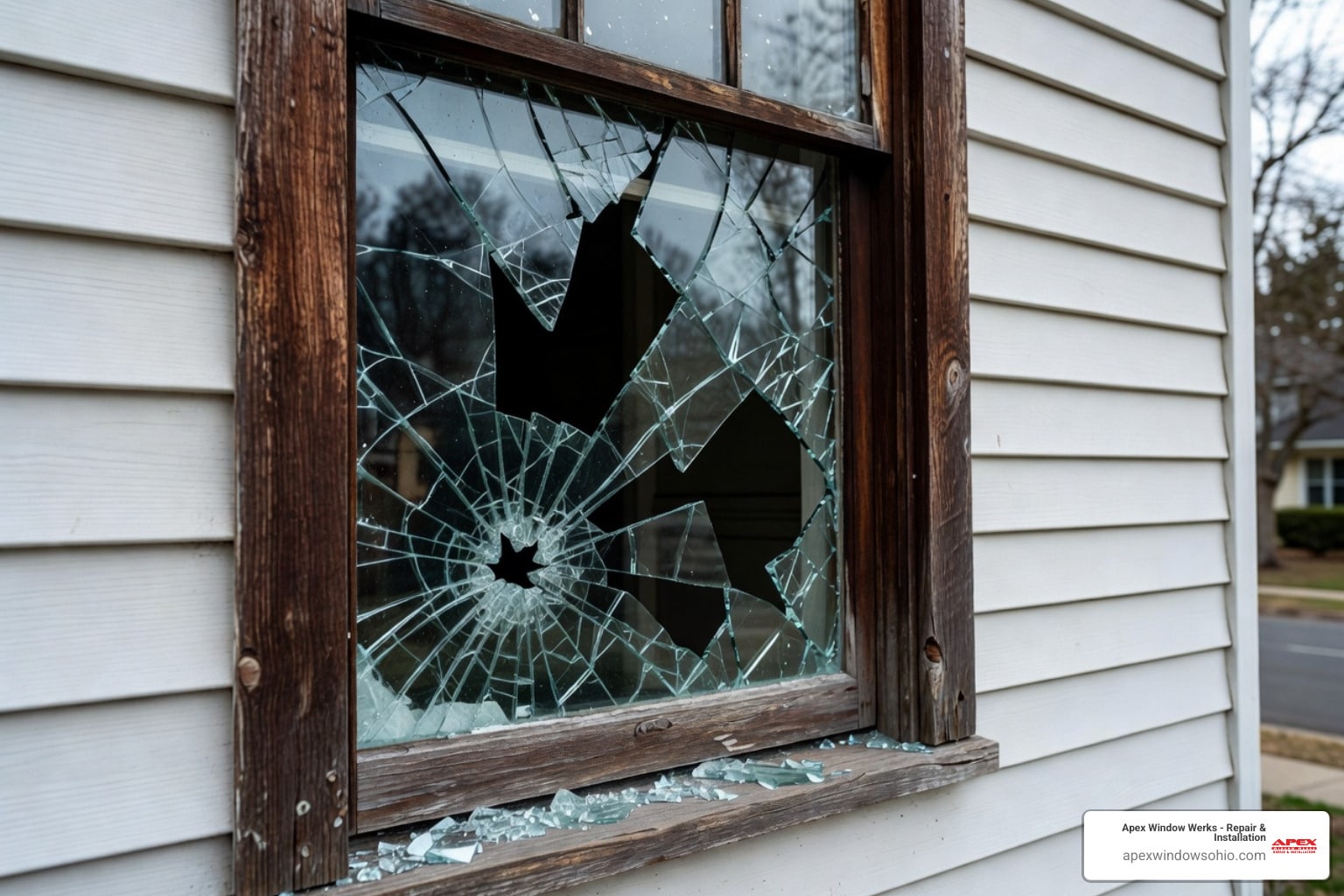
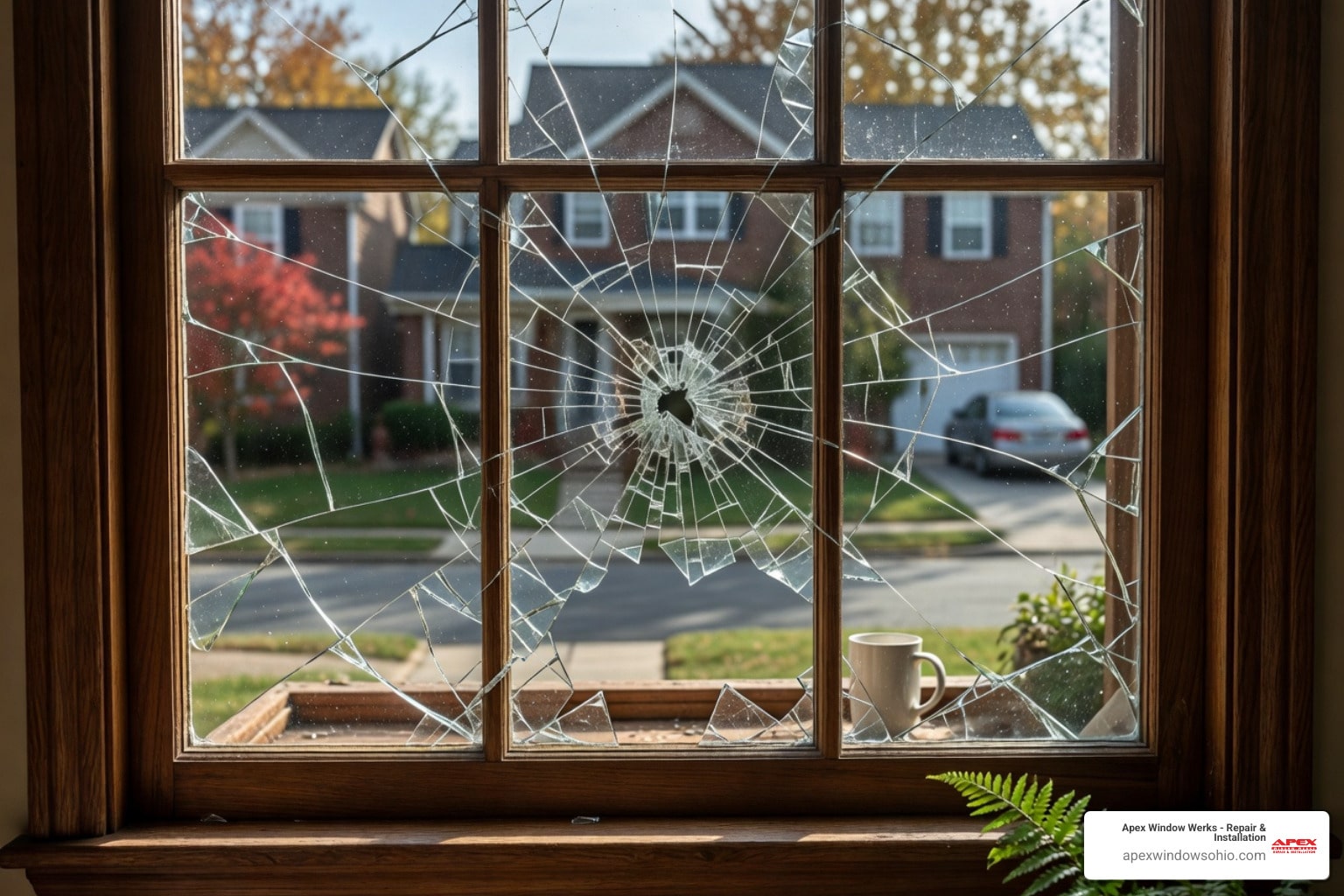
Ignoring these warning signs can lead to more than just a drafty room. A falling sash can easily crack the glass pane, pinch fingers, or damage the wood frame. If your window sash has already dropped violently and caused damage, you may need to read our guide on how to fix your weighted windows without breaking a sweat or review our advice on window glass replacement: how to do it right to address the broken glass.
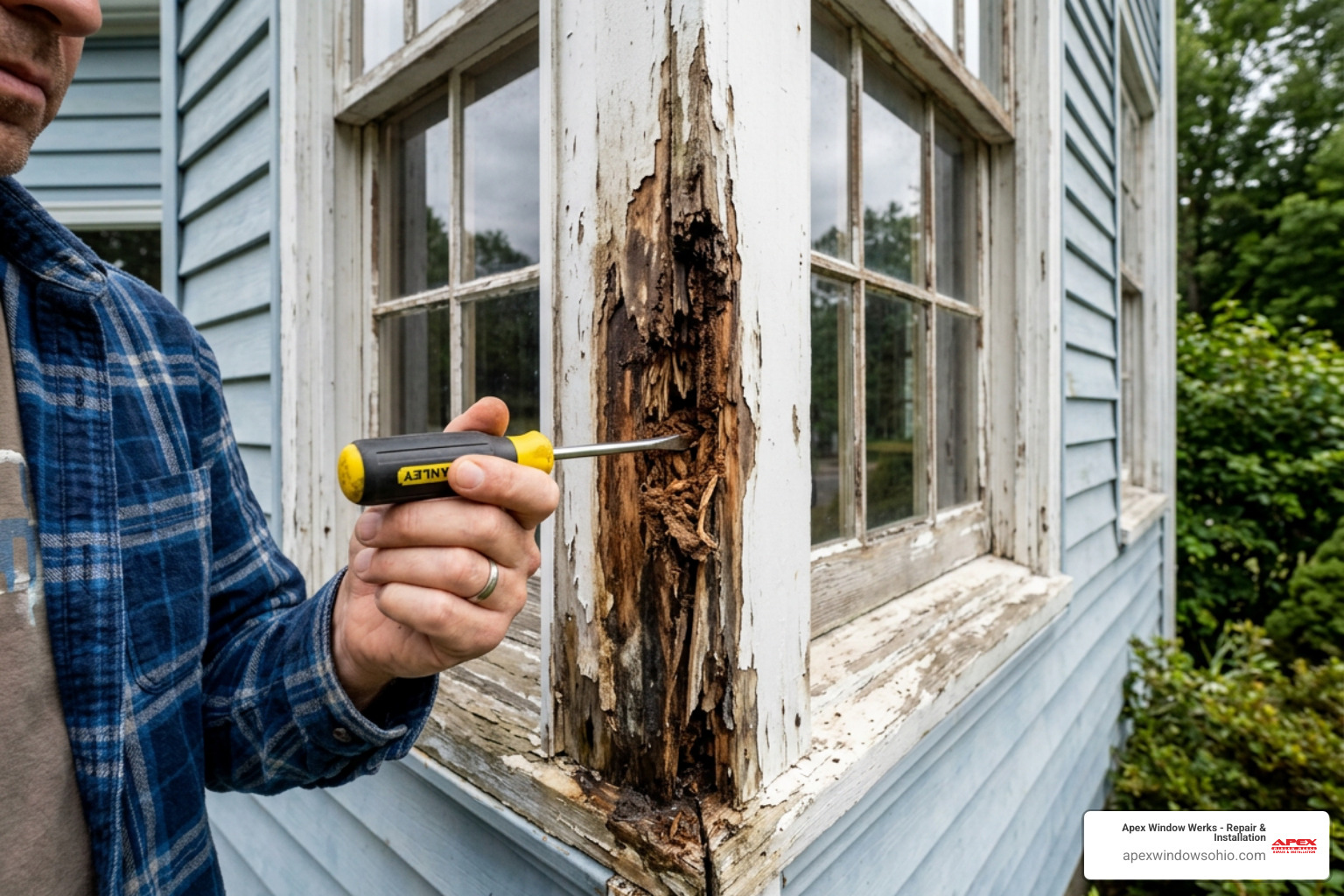
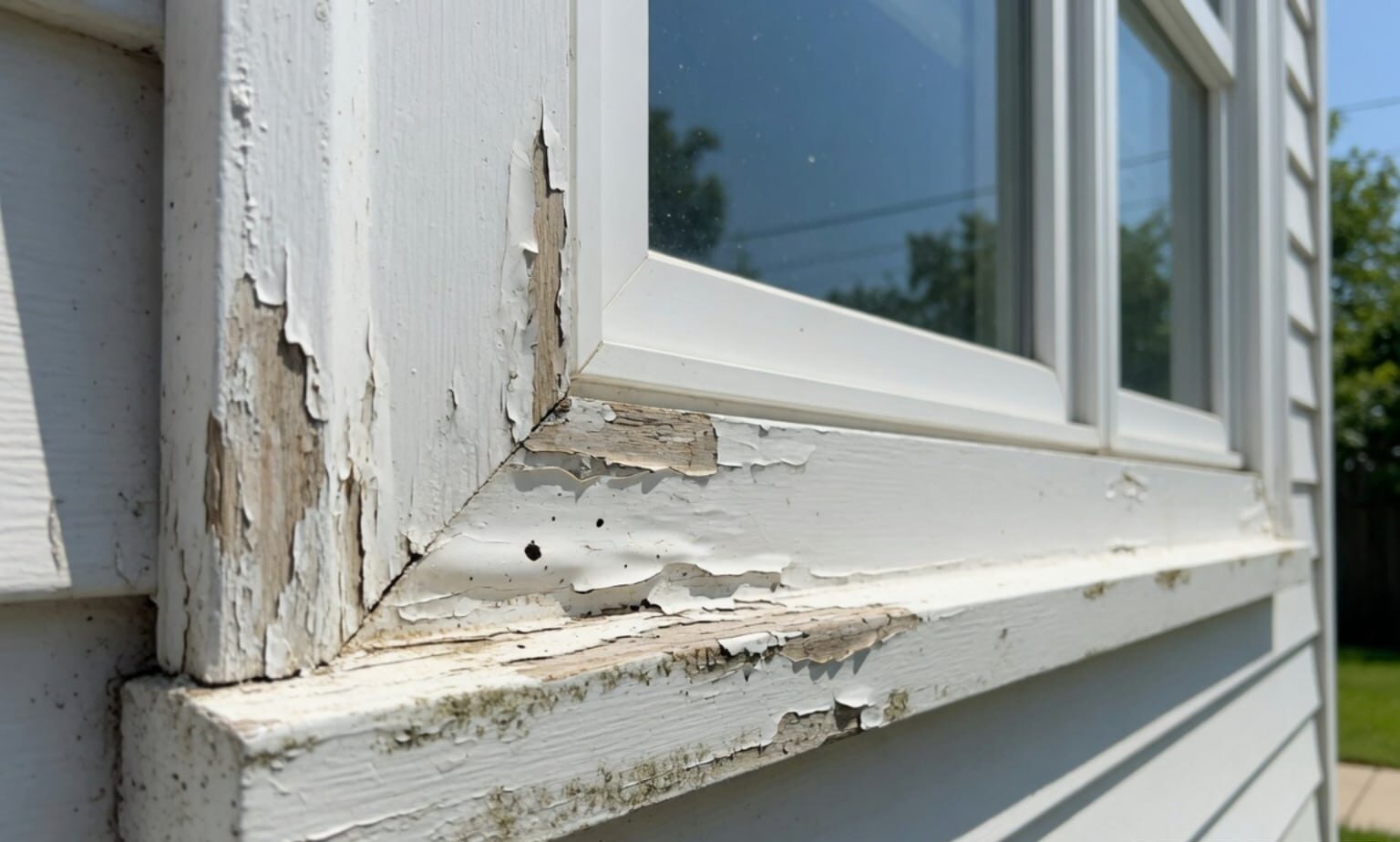
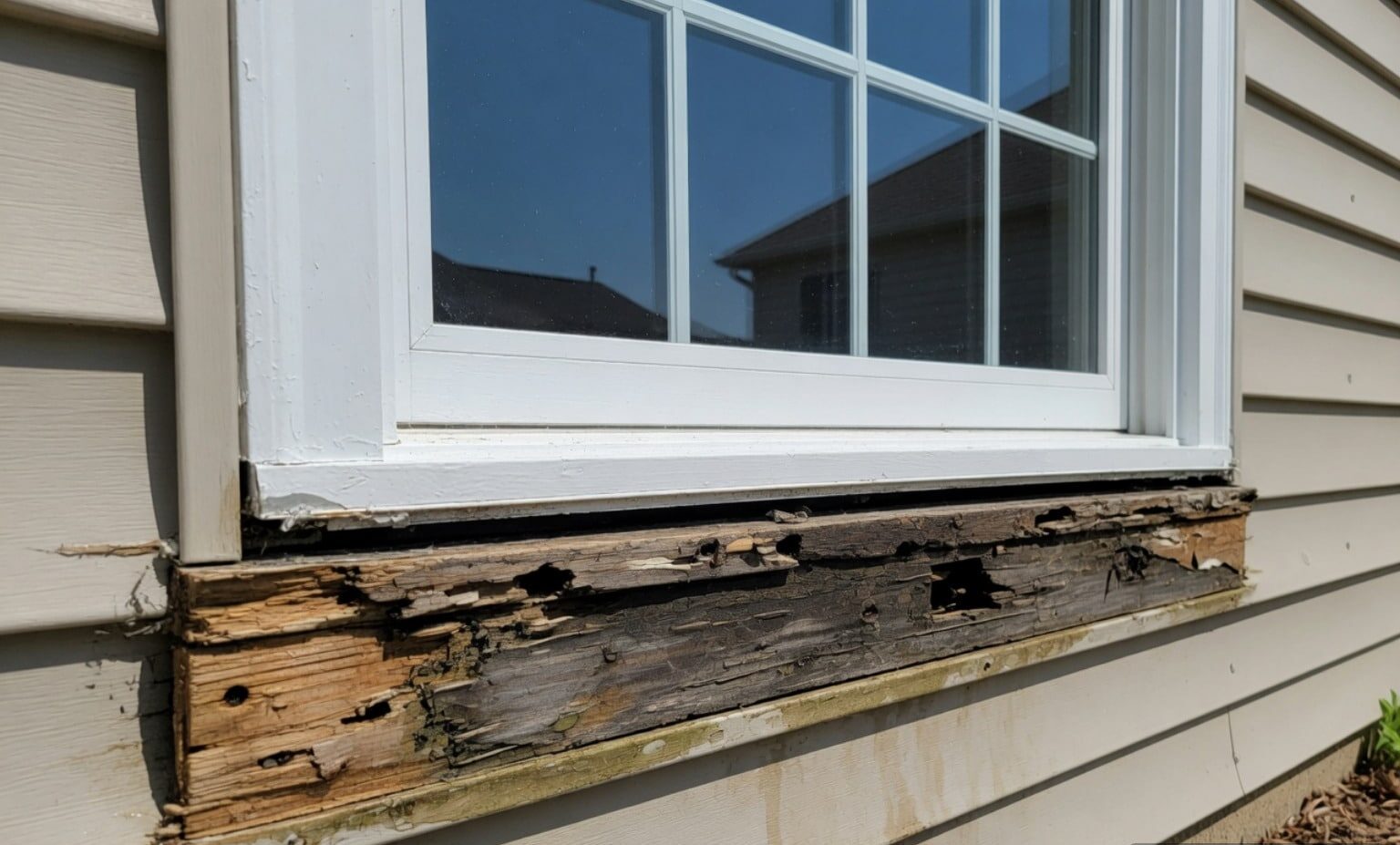
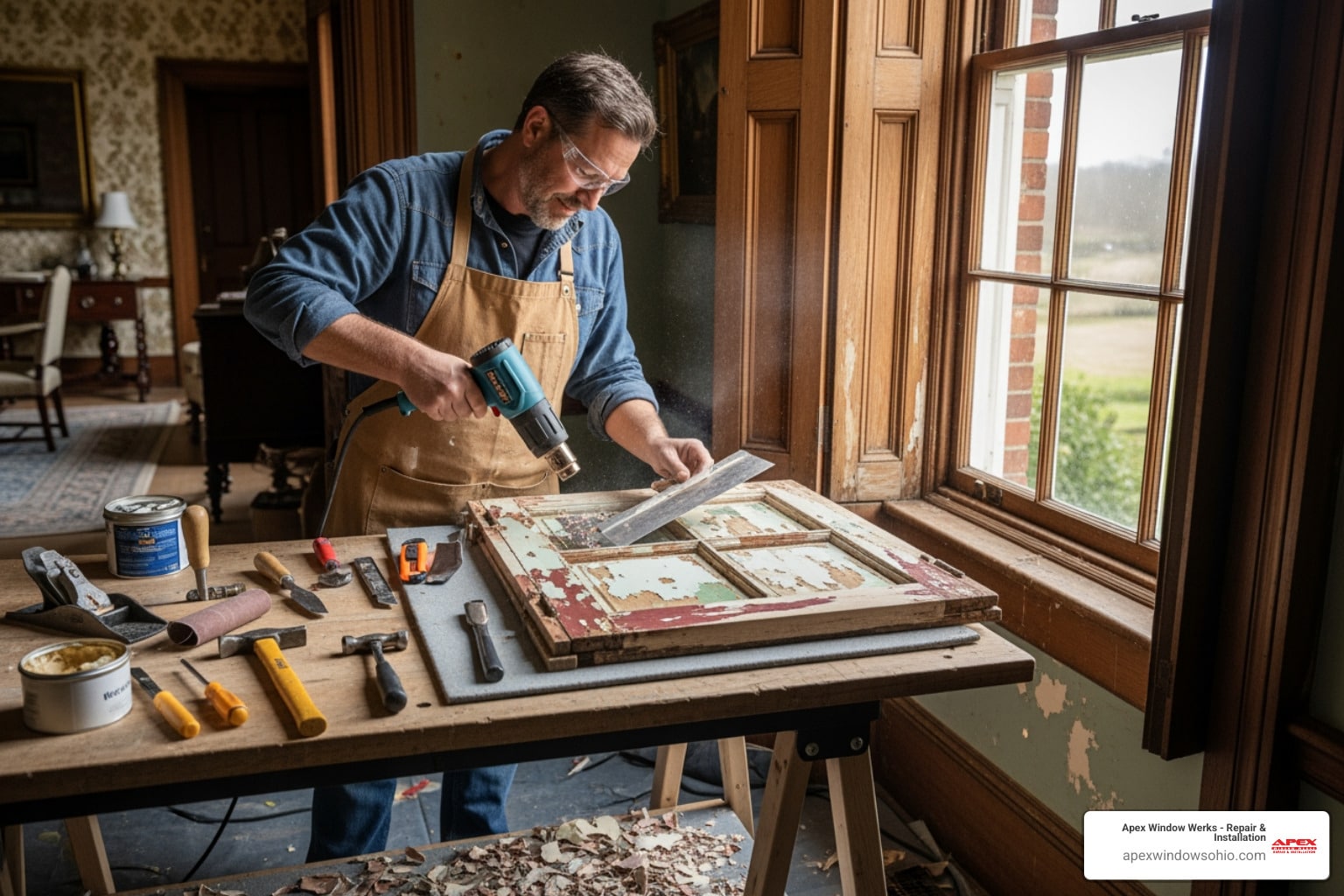
Before you decide to replace the entire window frame, preserving your original sashes is often the most cost-effective and structurally sound choice. You can read more about why keeping your original windows is beneficial in our article don’t trash the sash: your complete guide to window restoration. If the wood around your window is showing signs of rot or wear from years of operating with bad balances, we also offer specialized window sill, sash and frame repair to restore the structural integrity of your window opening.
How to Identify and Order the Correct Replacement Parts in Northeast Ohio
One of the most common mistakes homeowners make is trying to buy replacement parts based solely on the brand of their window. Window manufacturers use dozens of different balance designs, lengths, and weight ratings, and they often change these specifications from year to year. To get the correct replacement part, you must remove the old balance and inspect it physically.
When ordering replacement parts, you should always replace your balances in pairs. Even if only one side is broken, the remaining balance has been subjected to uneven load and is likely near the end of its lifespan. Installing a brand-new balance alongside a worn, saggy one will cause the new part to carry a greater load, leading to rapid wear and premature failure.
For those working on classic wood windows, you can find high-quality manufacturer-specific parts like the Andersen Replacement Sash Balancer L1331/45 – 9014768 Andersen Perma-Shield Narroline Double-Hung Balancers or the Andersen Replacement Sash Balancer R1233/31 – 9014007 Andersen Perma-Shield Narroline Double-Hung Balancers to ensure a perfect OEM fit.
If you are planning a larger upgrade or need to swap out more than just the balances, check out our guide on one simple way to replace window sashes to streamline the process.
Decoding Stamp Codes for Double Hung Window Balance Replacement
The easiest way to identify your replacement balance is by locating the stamp code printed or engraved directly onto the metal channel or plastic cartridge. This code contains critical information about the length of the balance and its weight carrying capacity.
- Length Measurements: The first two digits of a standard stamp code usually represent the length of the metal channel in inches. For example, a stamp starting with 28 typically indicates a 28-inch channel.
- Weight Ratings: The letters or numbers following the length code indicate the weight capacity. For instance, codes like HD (Heavy Duty), TG, or specific numbers like 30 or 40 tell the manufacturer how strong the internal spring needs to be to support your specific sash.
- Manufacturer Markings: You may also see small logos or letters indicating the original hardware supplier, such as Caldwell, BSI, or Pullman.
Always write down the exact code and take a clear photo of the stamping before ordering. If the stamp has worn off over the years, you will need to measure the physical length of the metal channel and weigh the window sash manually.
Weighing Your Sash for Double Hung Window Balance Replacement
If your original balance lacks a legible stamp code, you must calculate the exact weight of your window sash to select the correct spring tension. Using a balance that is too strong will make the window incredibly difficult to close, or it may even cause the sash to raise on its own. Conversely, a balance that is too weak will fail to hold the window open, leaving you right back where you started.
To weigh your sash accurately, follow these simple steps:
- Remove the sash – Carefully take the window sash out of the frame (we will cover how to do this safely in the next section).
- Use a household scale – Place a standard digital bathroom scale on a flat surface.
- Weigh the sash – Stand the sash vertically on the scale and record the weight in pounds.
- Do not guess – If your sash weight falls right on the boundary between two weight ranges, stick to the original manufacturer guidelines or consult a professional to avoid purchasing the wrong tension.
Step-by-Step Guide to Replacing Window Balances in Akron Homes
Now that you have your replacement parts in hand, it is time to perform the installation. This guide covers the process for standard block and tackle or cartridge-style balances, which are common in many residential properties across Akron, Cuyahoga Falls, and Hudson.
Before you begin, ensure you have the following tools ready:
- Safety glasses – Critical for protecting your eyes, as window balances are under high spring tension.
- Flathead and Phillips screwdrivers – To remove mounting screws and adjust locking terminals.
- Stiff putty knife – Useful for gently prying jamb liners or trim without damaging the wood.
- Locking pliers – To hold tensioned cords or rods securely if needed.

Once your tools are gathered, follow these steps to complete the replacement:
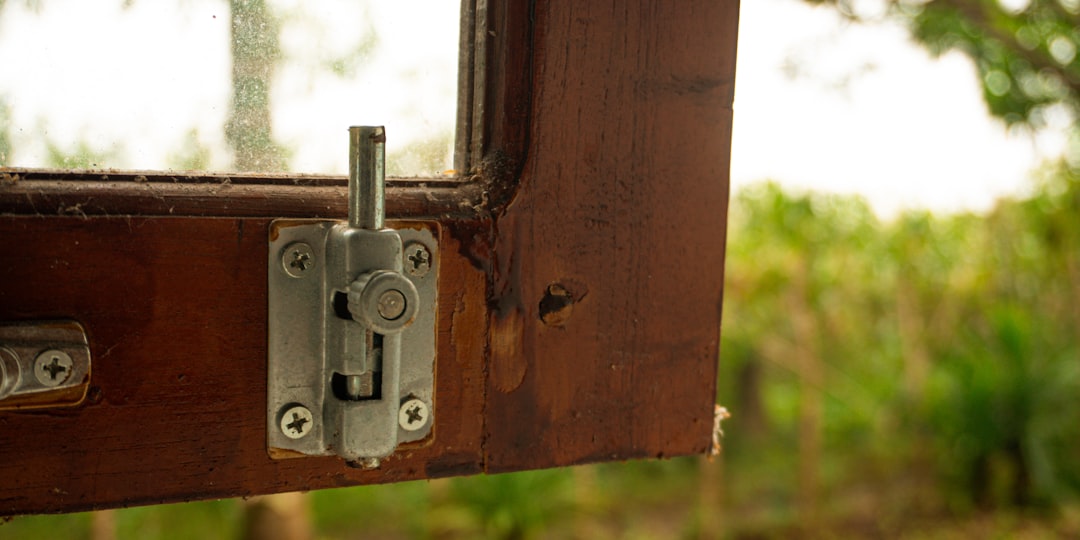
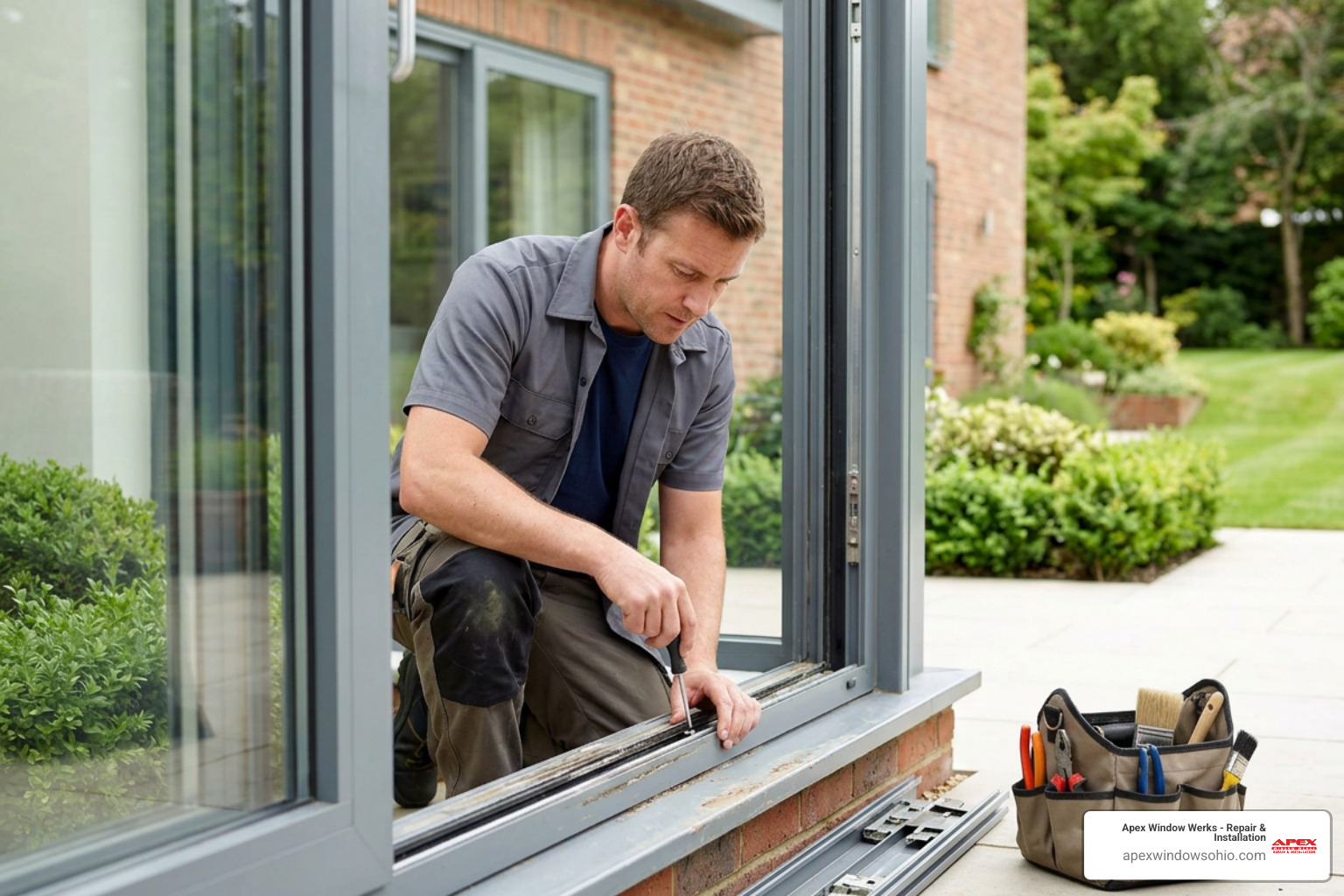
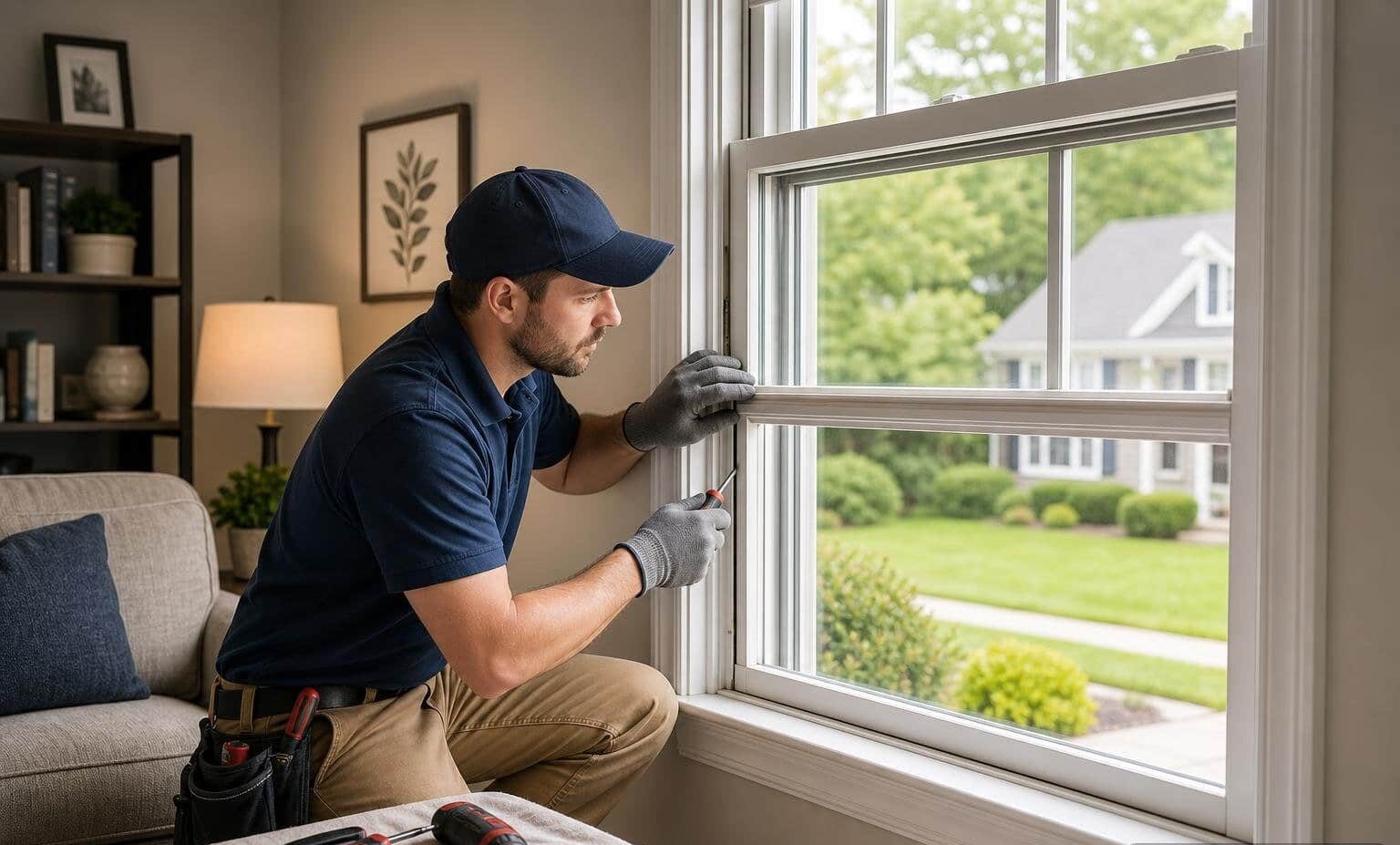
- Remove the window sash – Raise the bottom sash a few inches, release the tilt latches on the top rail, and tilt the sash inward toward the room at a 90-degree angle. Lift one side of the sash upward to release the pivot pins from the balance shoes inside the side tracks, then carefully set the sash aside on a soft surface.
- Release the tension safely – For windows with locking terminals or tensioned shoes, insert a flathead screwdriver into the terminal slot. Grip the screwdriver firmly, twist it to release the braking pawl, and slowly allow the tension to pull the terminal upward until it rests at the bottom of the balance cartridge. Always wear safety glasses during this step, as a sudden release can cause the metal terminal to snap upward violently.
- Remove the jamb liner – If your window uses a vinyl jamb liner that houses the balances, use a stiff putty knife to gently pry the liner away from the wood window frame. Work your way from the bottom to the top until the liner pops free.
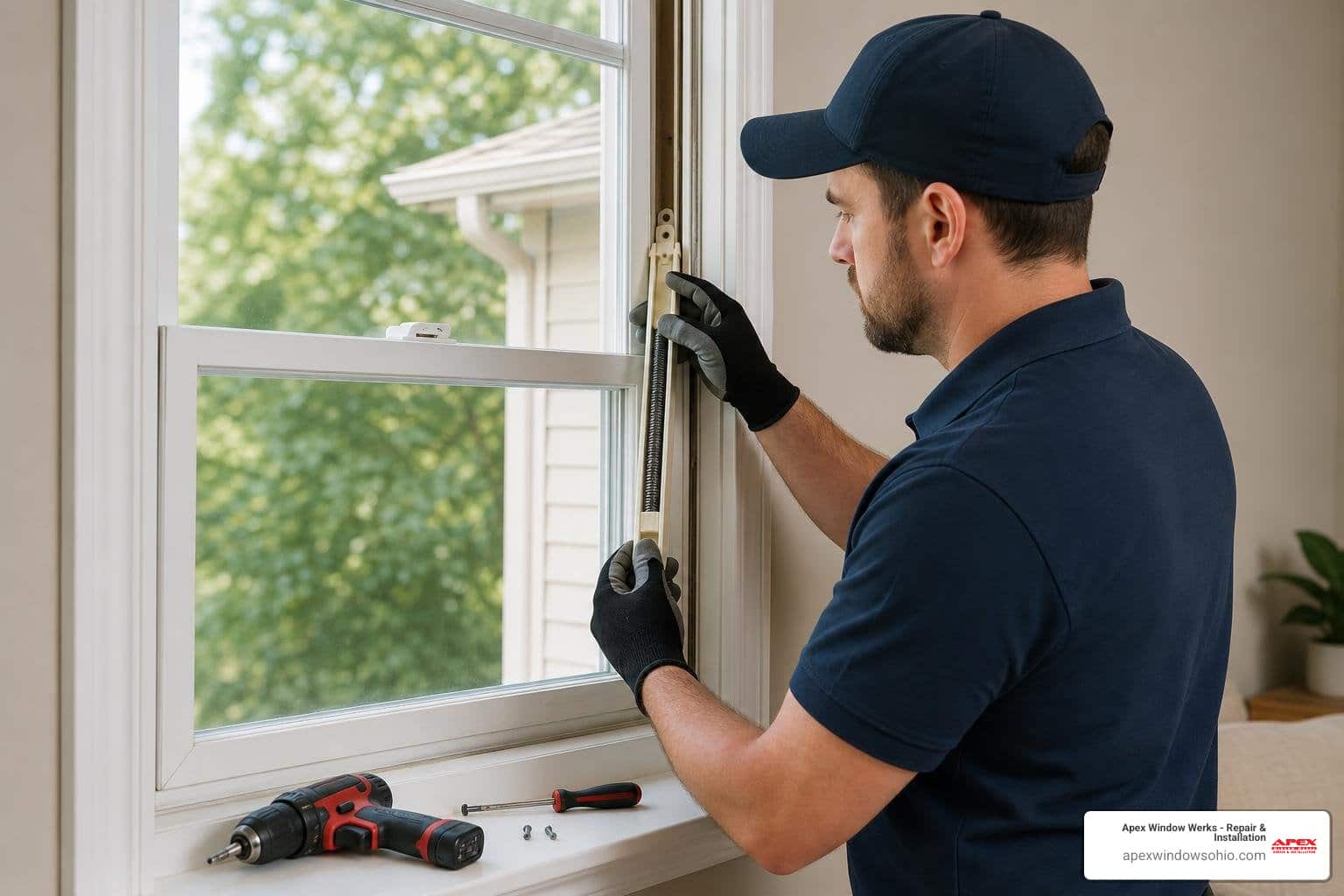
- Slide out the old cartridge – Locate the broken balance cartridge inside the jamb liner channel. Unhook the S-clip or mounting hook at the top, slide the old cartridge out of the channel, and discard it.
- Install the new balance cartridge – Slide the new replacement cartridge into the empty channel of the jamb liner. Hook the S-clip securely into the designated slot, and ensure the locking terminal is positioned correctly with the braking pawl facing toward the room side of the window.
- Reinstall the jamb liner and reset tension – Press the vinyl jamb liner back into the window frame until it snaps securely into place. Insert your screwdriver into the new locking terminal, pull it down to approximately 10 inches above the windowsill, and twist it to lock the braking pawl back into the track.
- Reinstall the sash – Realign the pivot pins on your window sash with the locked balance shoes. Tilt the sash back up into the vertical position, slide it up and down a few times to test the operation, and ensure both sides glide smoothly.
For more detailed model-specific instructions, especially if you are working on premium wood frames, you can consult the official Andersen Balancer Replacement for 400 Series Tilt-Wash Double-Hung Windows guide. If you want to brush up on your general window hardware installation skills, read our comprehensive tutorial on the art of installing windows and doors: a step-by-step tutorial.
Frequently Asked Questions about Window Repairs in Ohio
Working on window hardware can raise a lot of questions, especially when dealing with older homes in historic areas like Bainbridge, Shaker Heights, or old-town Willoughby. Here are some of the most common questions we hear from local homeowners.
Can you repair a window balance instead of replacing it?
While it is technically possible to perform advanced DIY repairs on certain types of balances — such as restringing a pulley system or replacing a broken plastic locking terminal on a cartridge — we almost always recommend complete replacement.
By the time a single component like a cord or terminal breaks, the internal metal springs have experienced years of tension and metal fatigue. Repairing one small piece of a worn-out cartridge means you will likely have to take the window apart again in a few months when the spring finally snaps. Replacing the entire balance cartridge is inexpensive, saves time, and ensures your window operates safely for another 15 to 20 years.
How much does window sash repair cost in Akron, OH?
The overall cost of a window sash or balance repair depends on several key factors:
- The type of window – Standard vinyl replacement windows are generally simpler and more affordable to service than custom historic wood windows.
- The extent of the damage – If you only need to replace a pair of modern block and tackle balances, the cost will be significantly lower than if you need to repair rotted wood frames or replace broken glass panes.
- The accessibility of the window – Ground-floor windows are faster and easier to service than second- or third-story windows that require exterior ladder work.
- Labor and materials – Utilizing high-quality OEM replacement parts ensures a longer-lasting repair, which saves you money on future service calls.
If you are noticing draftiness or suspect your window seals are failing alongside your balances, you can read community discussions on regional repair options, such as who repairs double hung window seals in East Aurora. If you are dealing with a more urgent issue like cracked glass, you can read our advice on don’t get panicked: your guide to fixing a broken window to help you navigate the repair process.
Should I replace both window balances at the same time?
Yes, absolutely. You should always replace window balances in pairs for the same sash. Because both balances work together to support the weight of the window, they wear out at almost the exact same rate.
If you only replace the broken side, the older, weaker balance on the opposite side will cause the sash to hang unevenly. This puts extra strain on your brand-new balance, causing it to wear out much faster than expected. Replacing them both at the same time guarantees even tension, smooth operation, and a maximized lifespan for your new hardware.
Conclusion: Professional Window Services in Cleveland & Akron
Handling a double hung window balance replacement is an excellent way to restore the smooth, effortless operation of your home’s windows. While a handy homeowner can tackle this project with the right tools and patience, working with high-tension springs and delicate glass sashes can sometimes be intimidating or physically demanding.
If you run into trouble, or if you simply prefer to have an experienced professional handle the job, Apex Window Werks is here to help. We proudly serve homeowners across the entire Cleveland-Akron area, including Solon, Strongsville, Westlake, and Macedonia. We specialize in fast, affordable, and high-quality window repairs, offering same-day service and rapid turnaround times to keep your home comfortable and secure.
If your wood windows are showing signs of age, rot, or mechanical failure, don’t wait for them to become a safety hazard. Contact our team today to schedule our expert wood window repair or explore our professional wood window repair services to get your double-hung windows back in perfect working order!