5 Core Parts of a Window and What Each One Does
The Five Parts of a Window Northeast Ohio Homeowner Guide
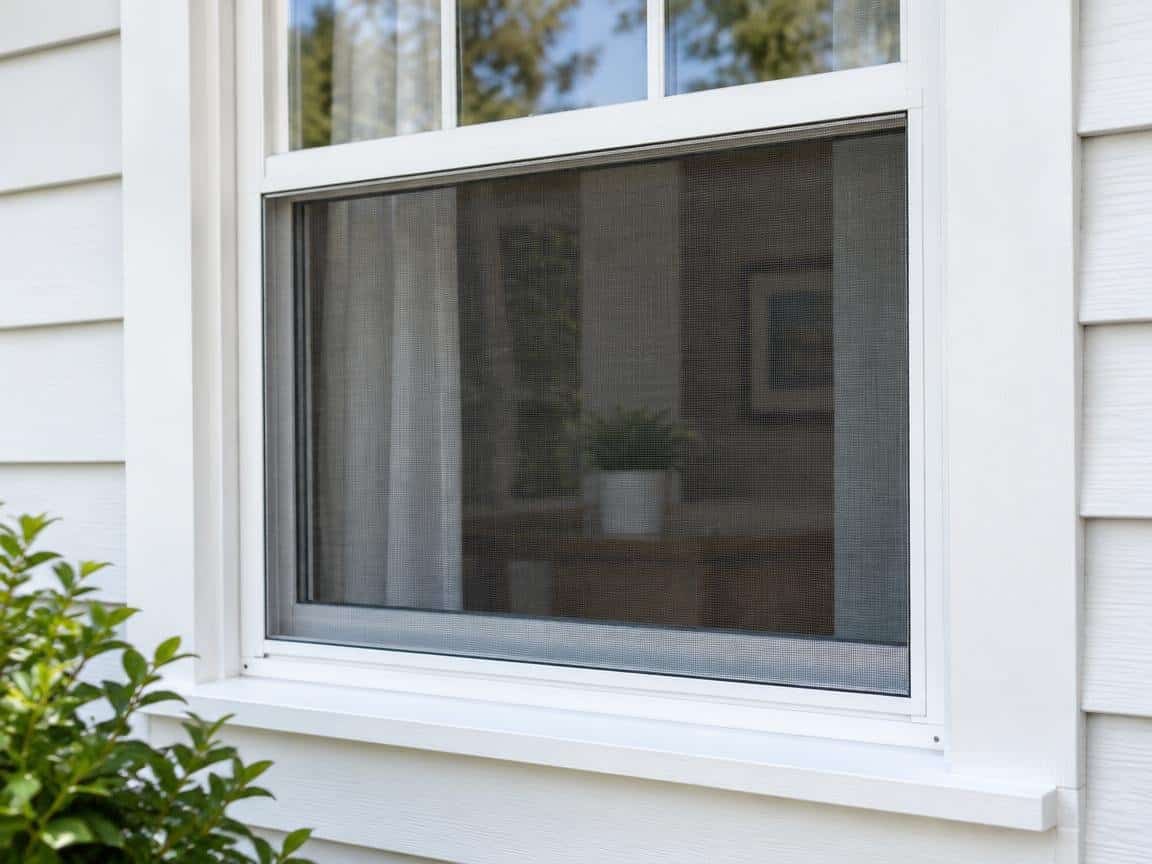
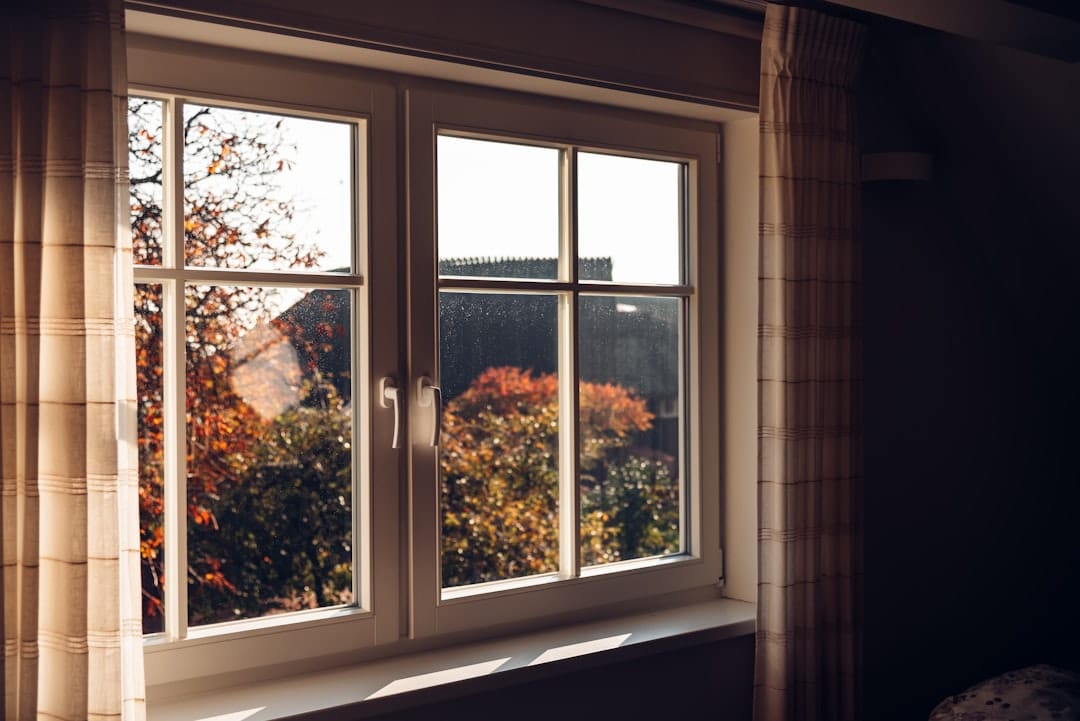
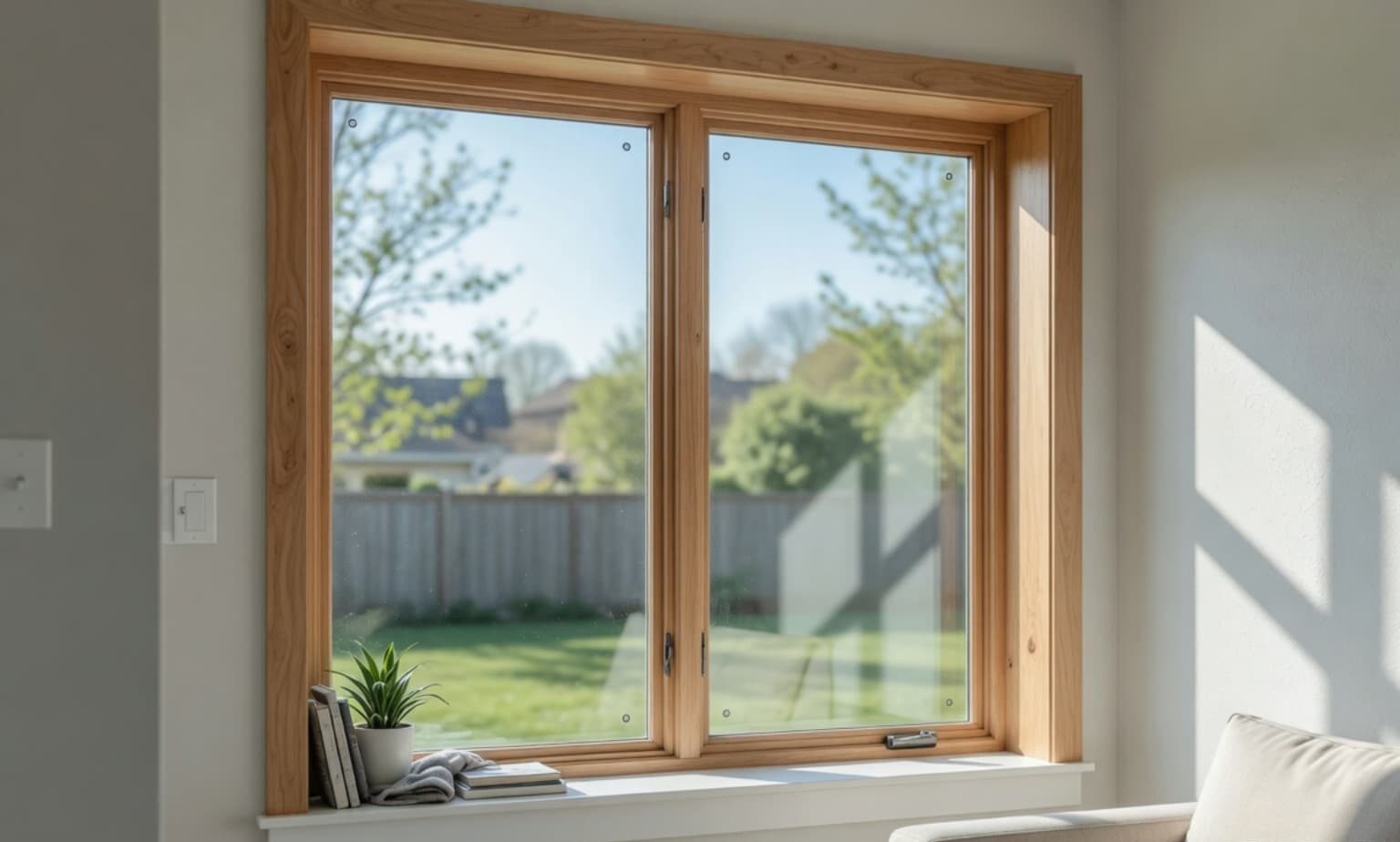
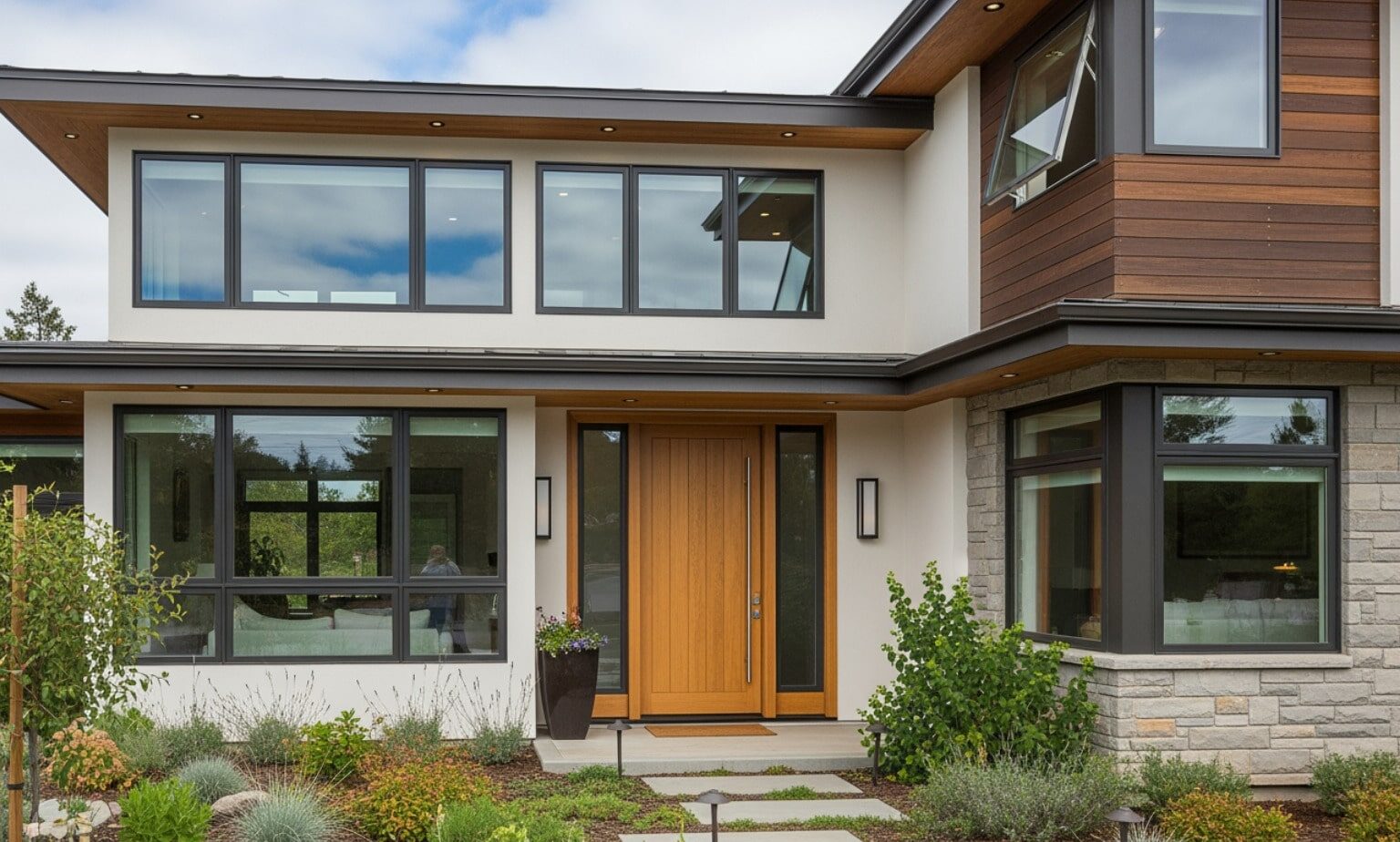
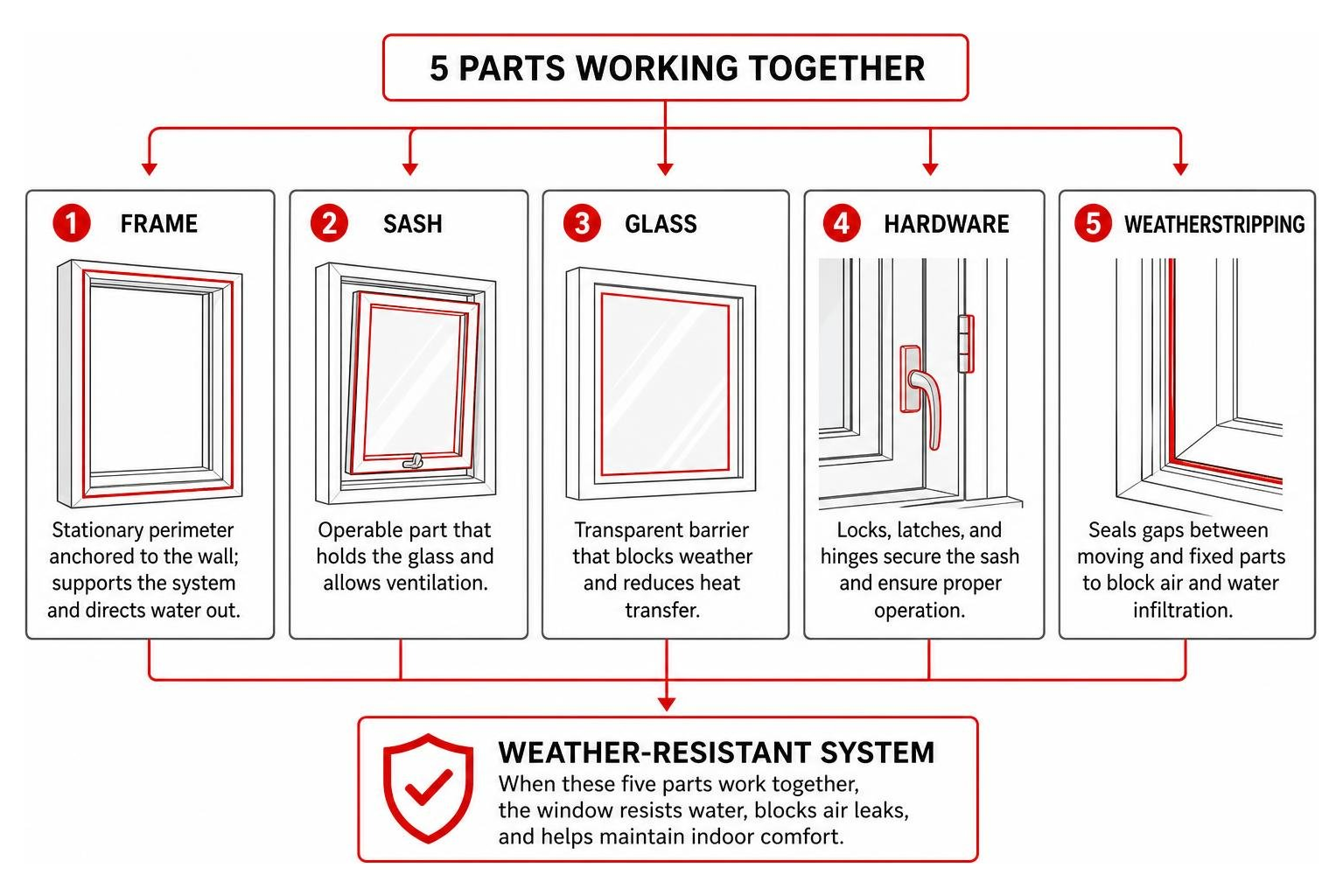
Homeowners often ask, “What are the 5 parts of a window?” The core answer comprises the frame, the sash, the glazing (glass), the hardware, and the weatherstripping. Together, these primary components function as an integrated building system engineered to provide structural support, block drafts and moisture, and allow smooth operation.
Up to 25% of a home’s heat can escape through windows in colder climates when inefficient or compromised units are installed. In regions like Northeast Ohio – where harsh winters bring frequent freeze-thaw cycles and humid summers test moisture barriers – understanding how these parts interact helps identify failures early. Addressing an isolated mechanical or thermal issue prevents minor wear from escalating into severe structural damage.
Decoding the 5 Parts of a Window in Cleveland and Akron Homes
To understand how modern windows function, we break the entire assembly down into five fundamental structural elements:
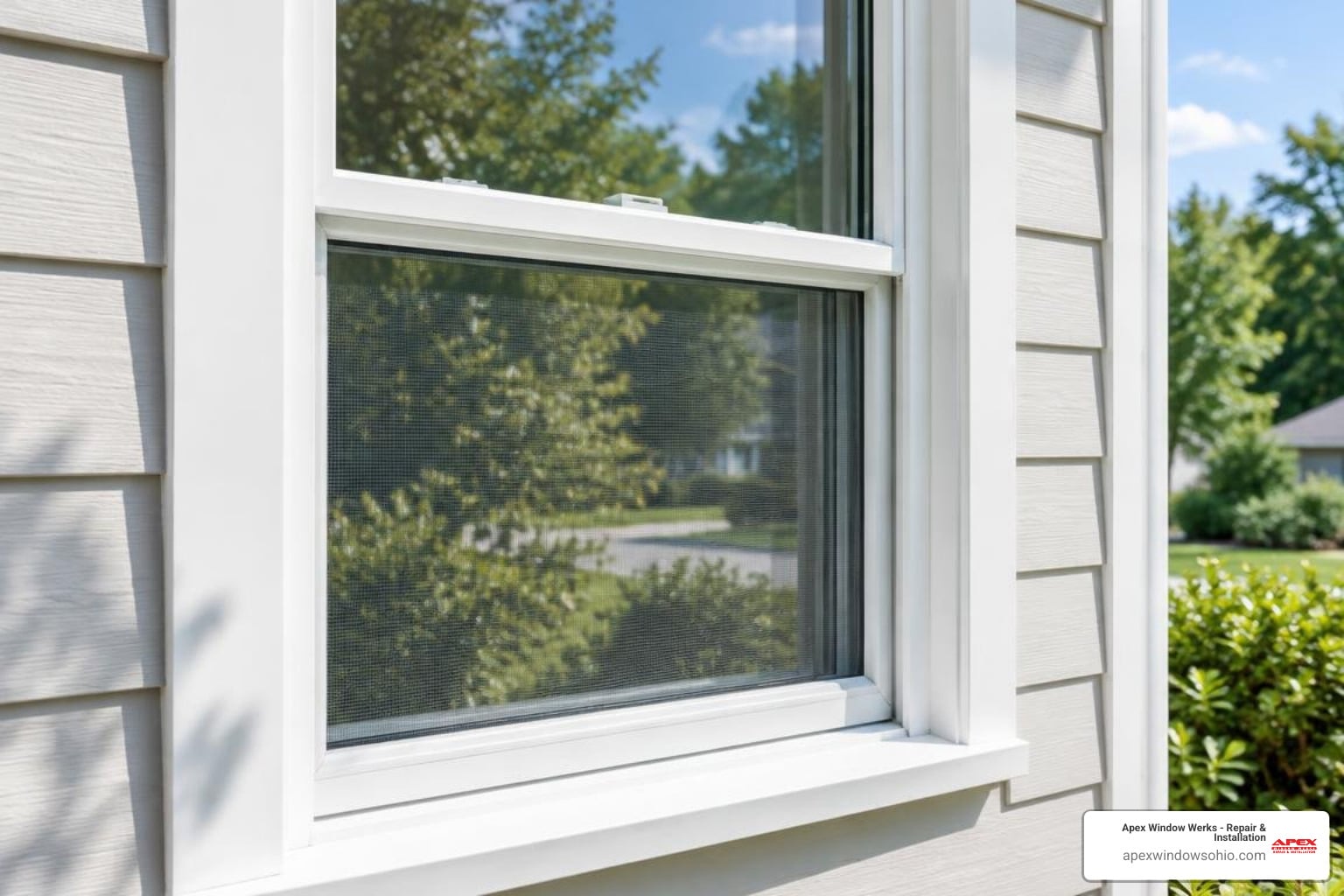
- The Frame: The stationary perimeter anchored directly into the wall rough opening, bearing the structural load and channeling water outside.
- The Sash: The inner framework – movable or fixed – that directly holds the glass pane assembly.
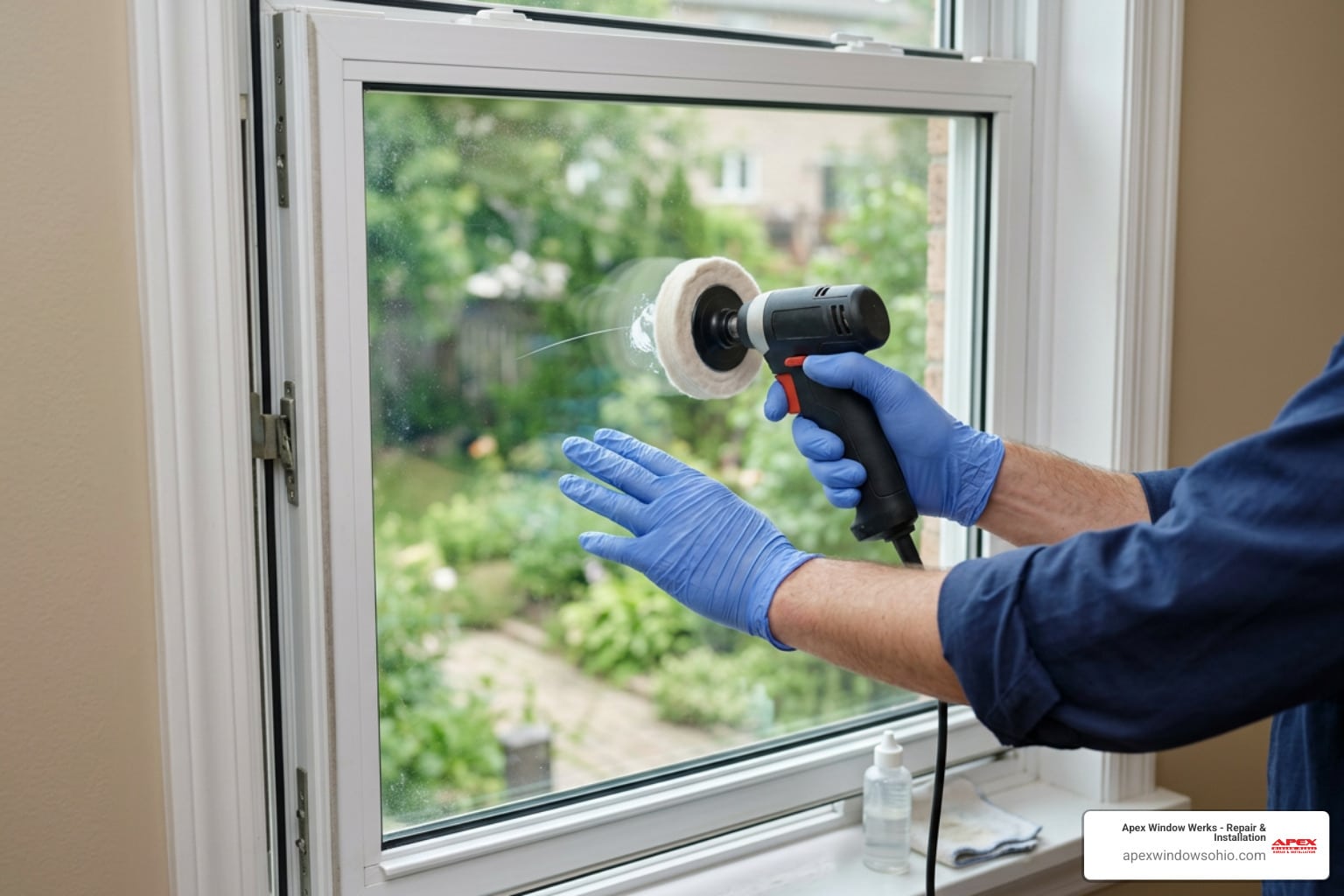
- The Glazing (Glass): The transparent or translucent pane system, typically constructed as an insulated glass unit (IGU) designed for thermal resistance and optical clarity.
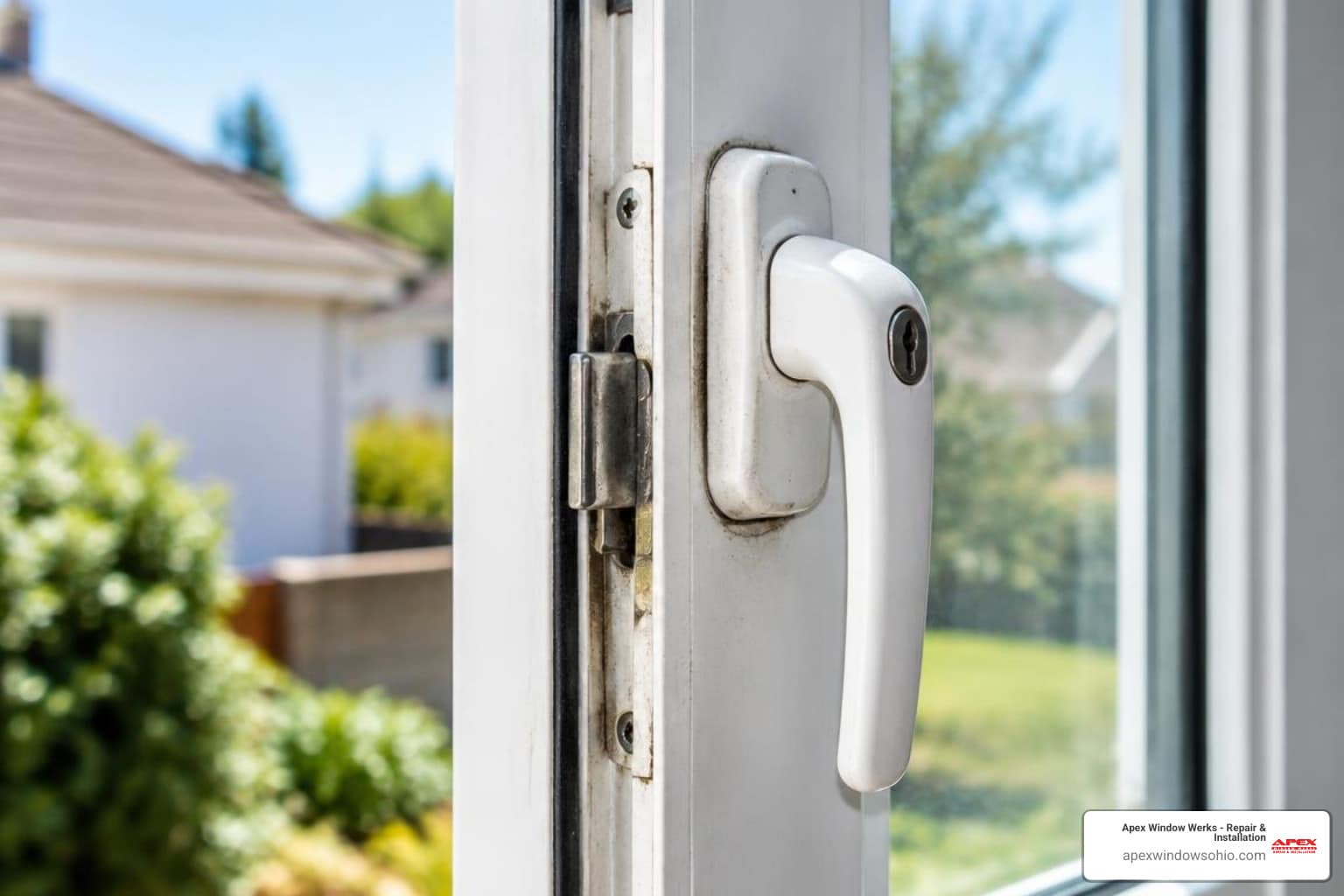
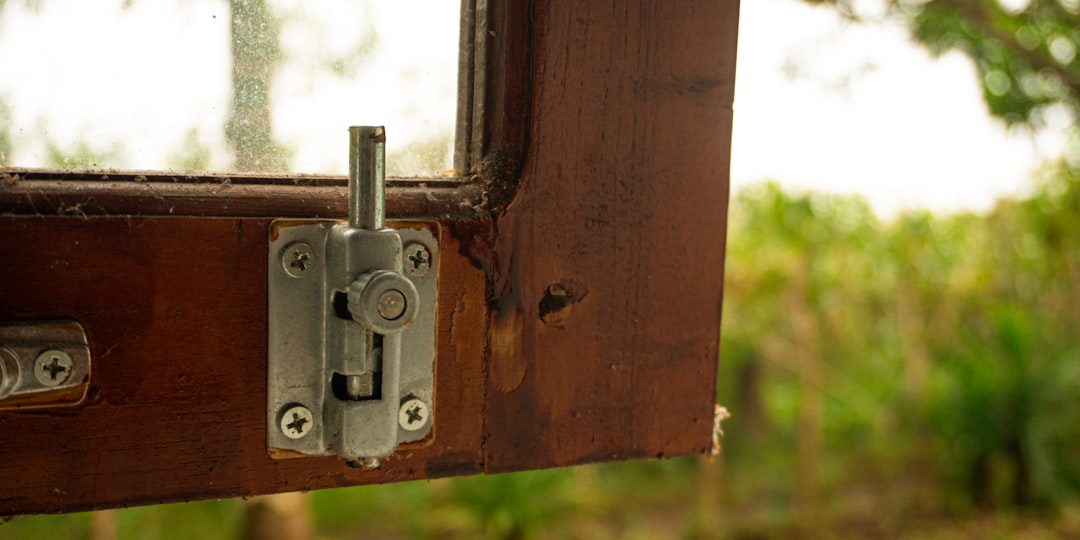
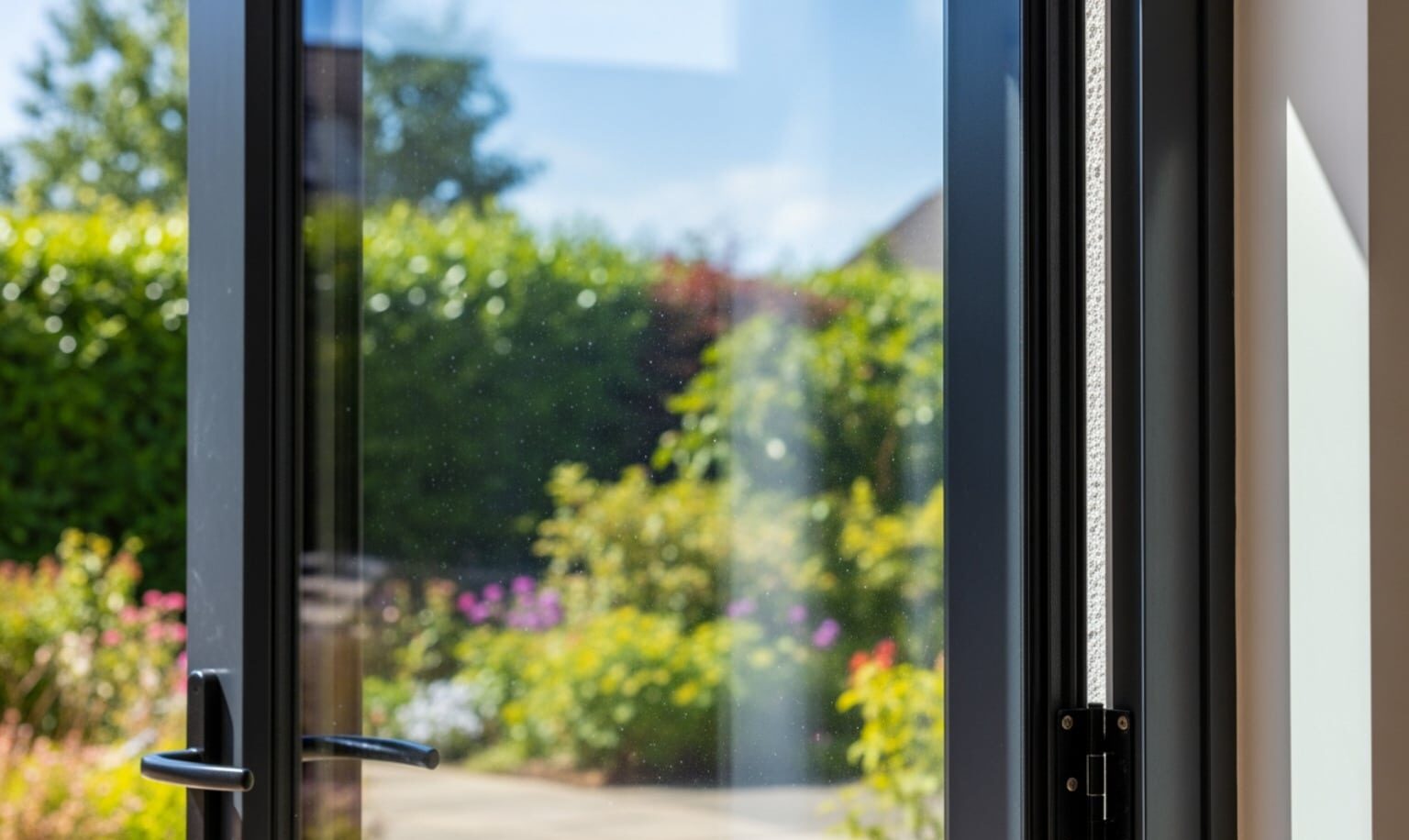
- The Hardware: The mechanical elements (locks, latches, hinges, operators, and counterbalance systems) that facilitate movement, hold positions, and ensure physical security.
- The Weatherstripping: The resilient, compressible sealing material installed along contact points to block drafts, air leakage, and driving rain.
Each element plays an essential role in energy conservation and structural stability. When learning about the five parts of a window, understanding each layer reveals how they contribute to the total performance of your home.
The Window Frame: Head, Jambs, and Sill Explained
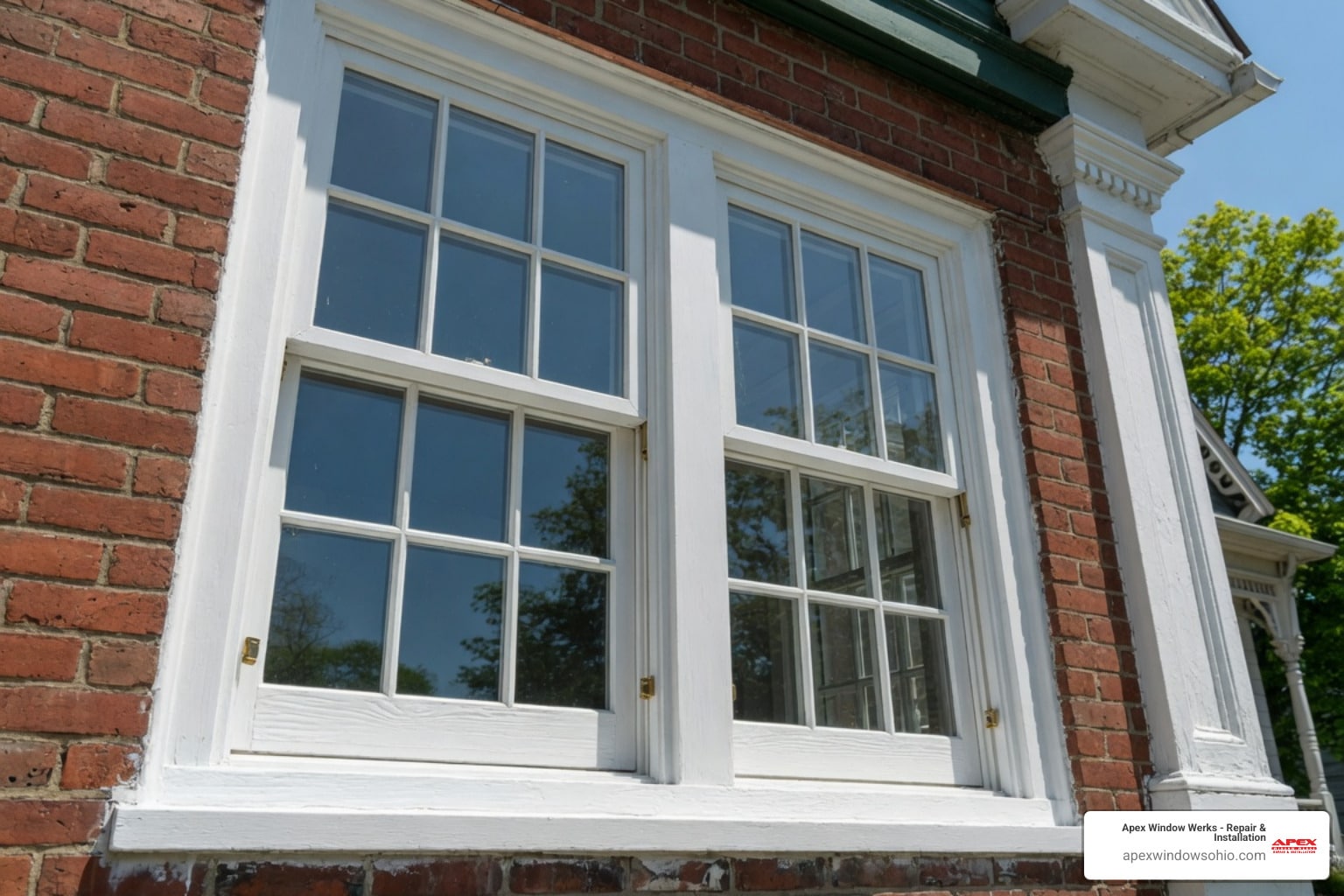
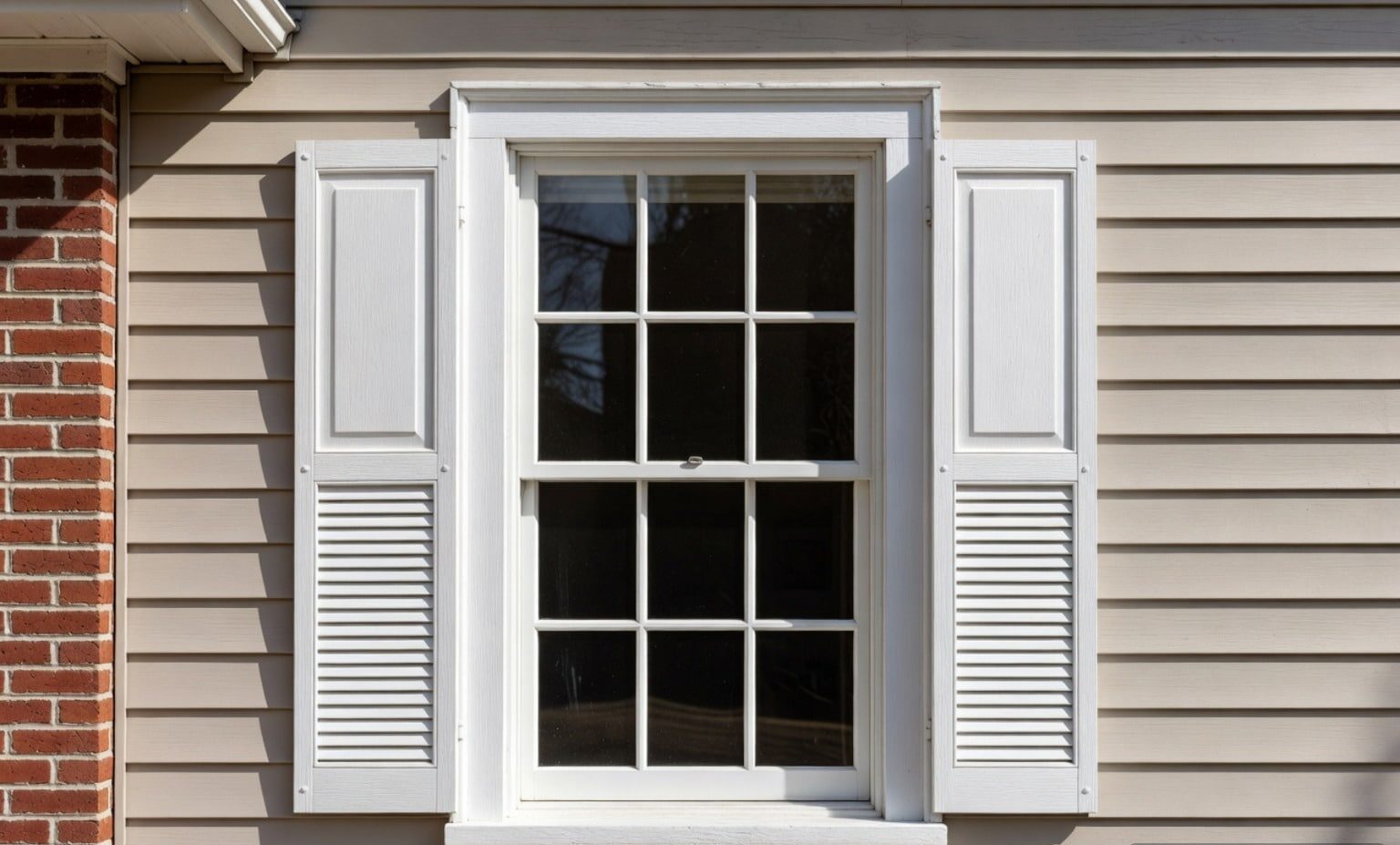
The frame is the backbone of the window assembly. Anchored to the rough opening studs, it must remain square and plumb to allow internal components to operate smoothly. Even a 1/16 inch bow in the jambs can cause binding or air leakage in a window.
The frame consists of three primary members:
- The Head (Head Jamb): The horizontal top member of the frame. It carries the weight of the upper wall cladding transition, sheds water cascading down the exterior siding, and houses upper tracks or weather seals.
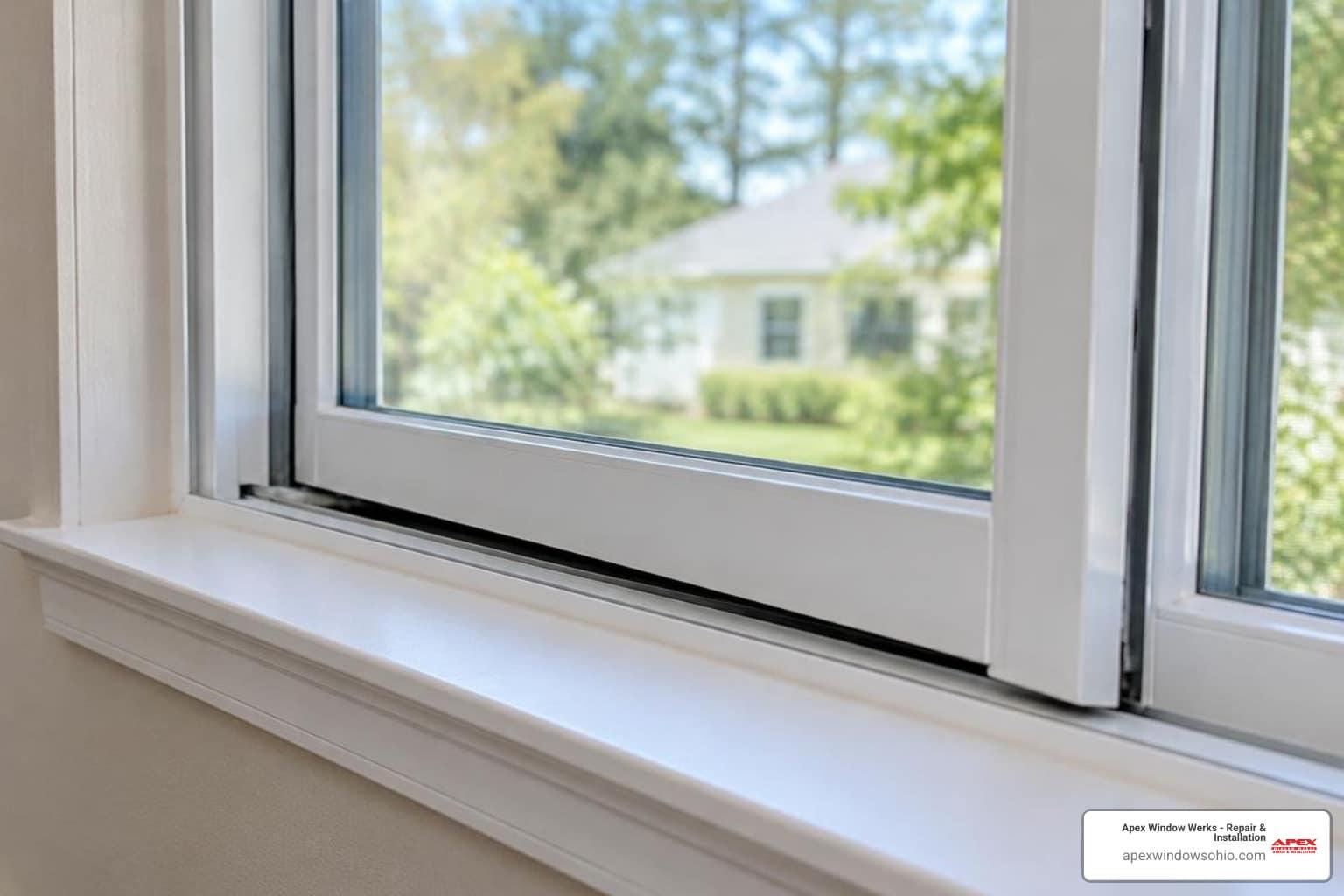
- The Side Jambs: The vertical structural members on either side of the frame. Jambs guide the sash during vertical or horizontal movement, house counterbalance mechanisms or hinges, and provide the primary locking surfaces for hardware keepers.
- The Sill: The bottom horizontal exterior member. A properly designed sill features an 8 to 15-degree outward slope to drain rainwater away from the interior wall framing. Sills also incorporate weep channels to allow moisture that enters the frame tracks to escape freely.
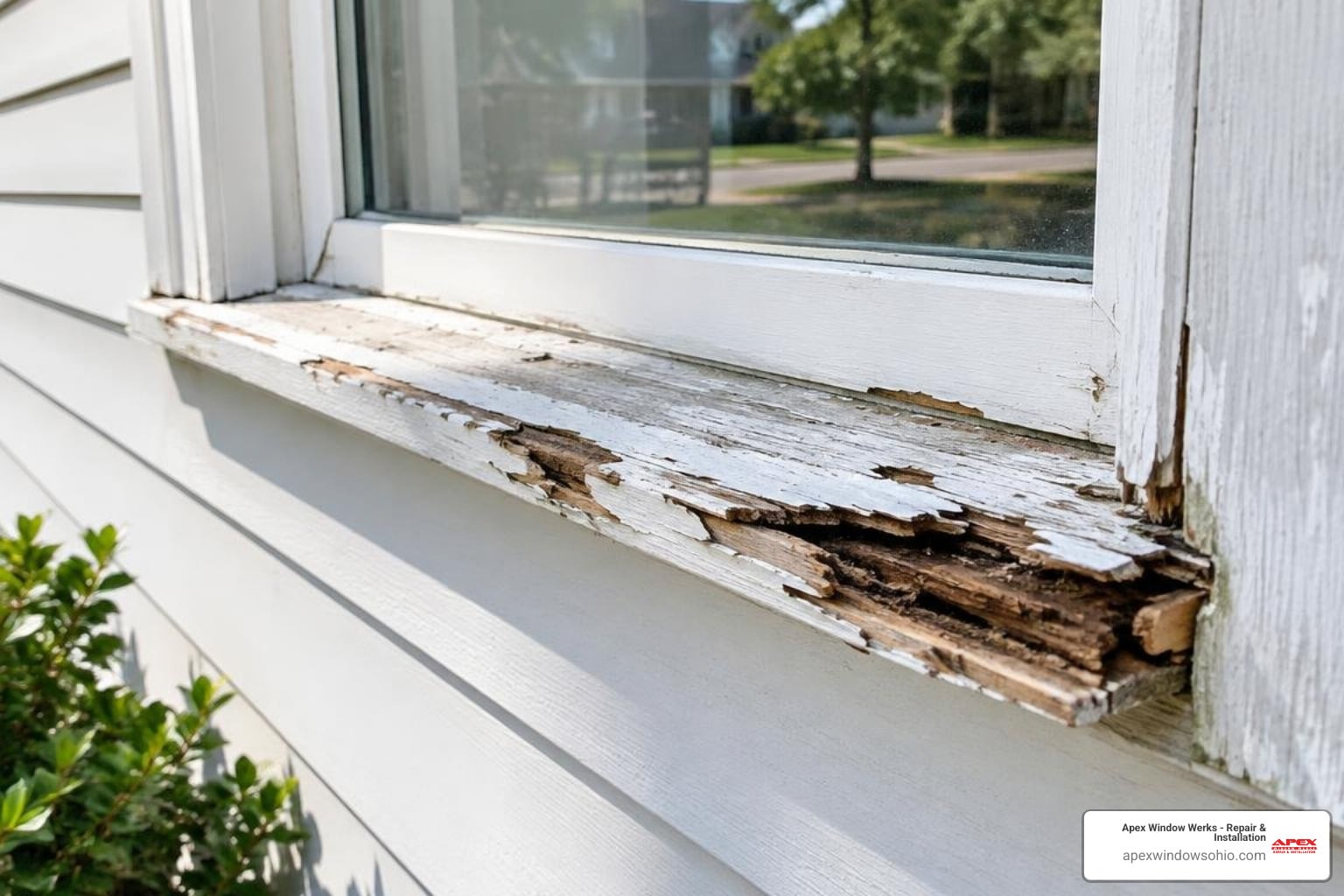
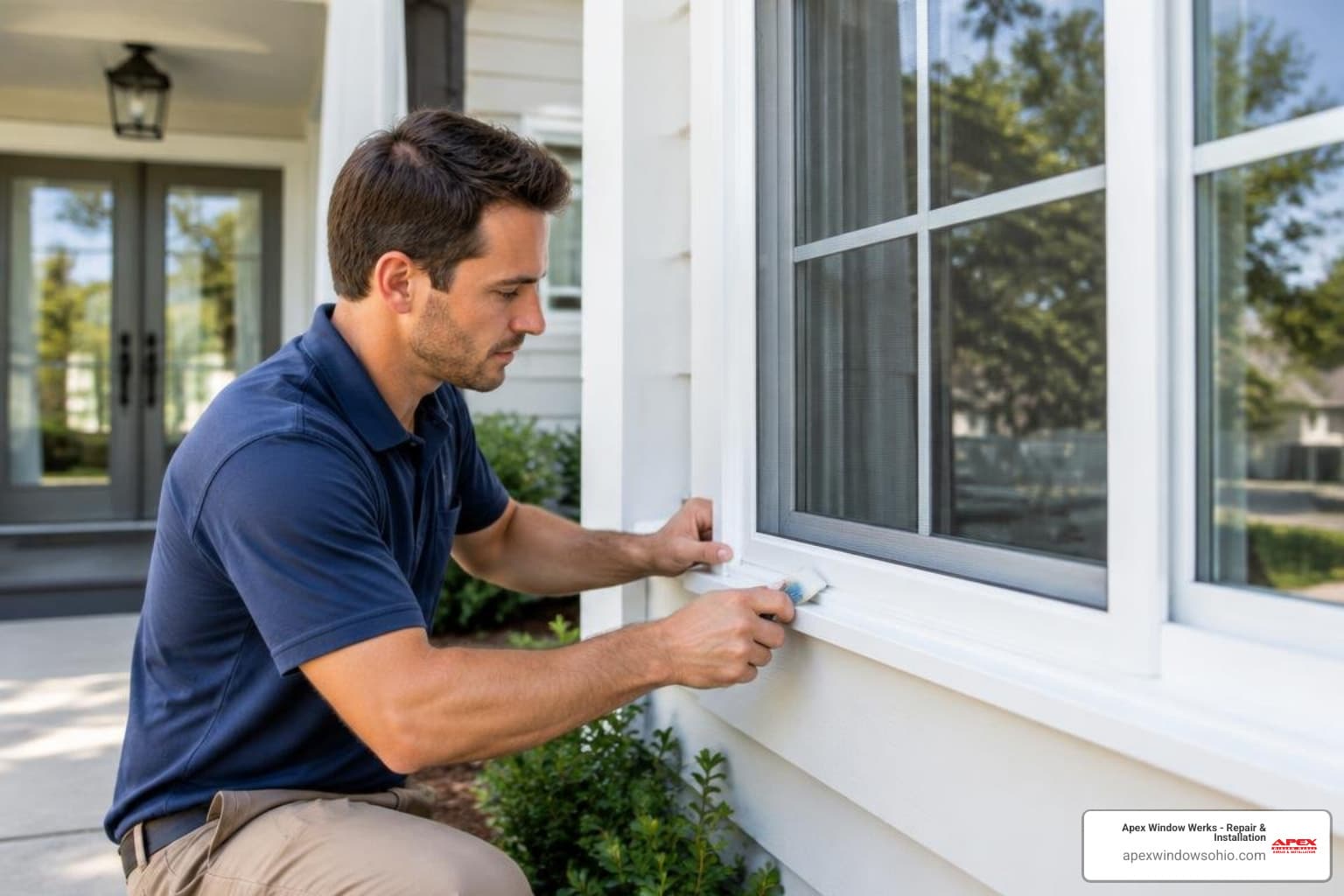
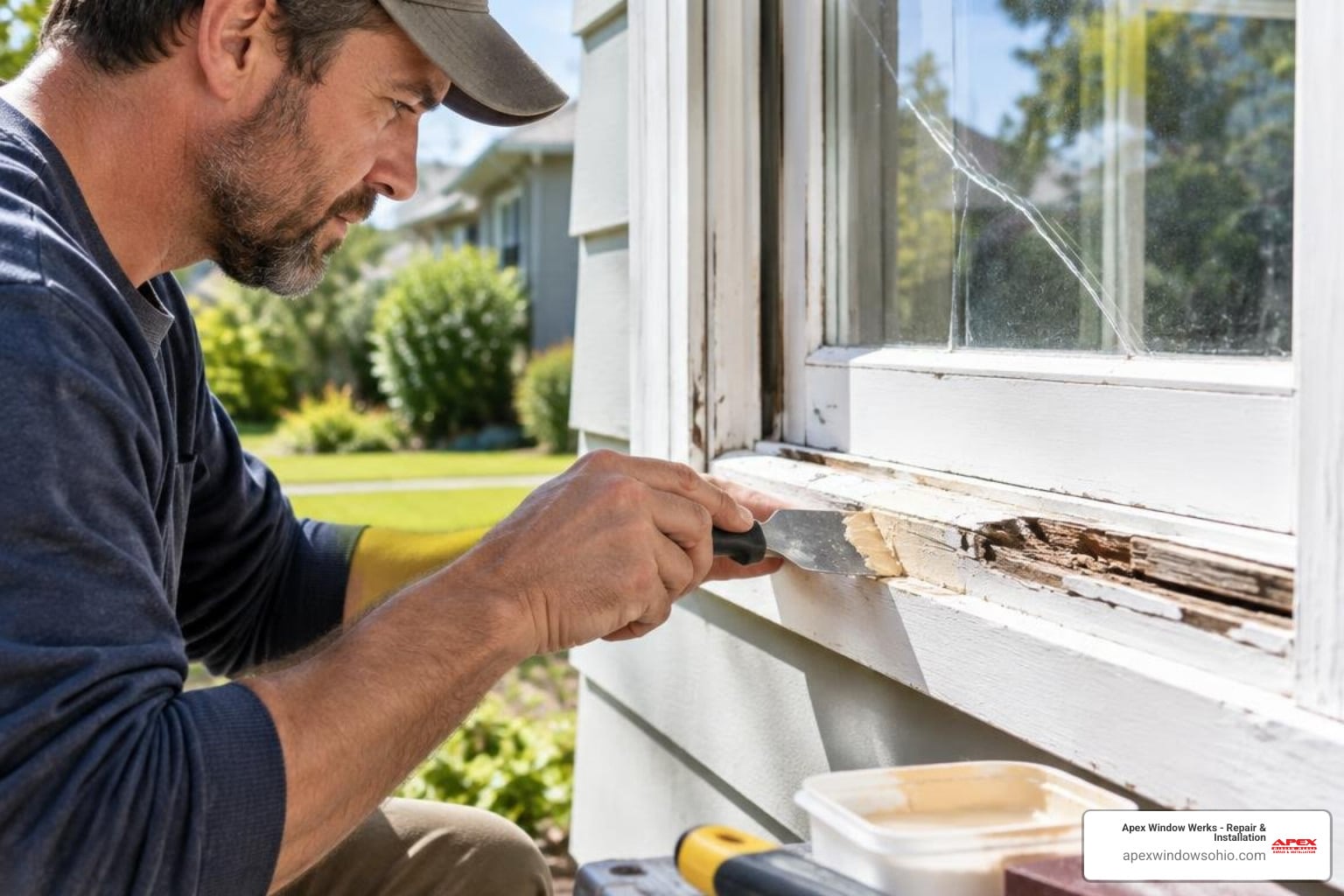
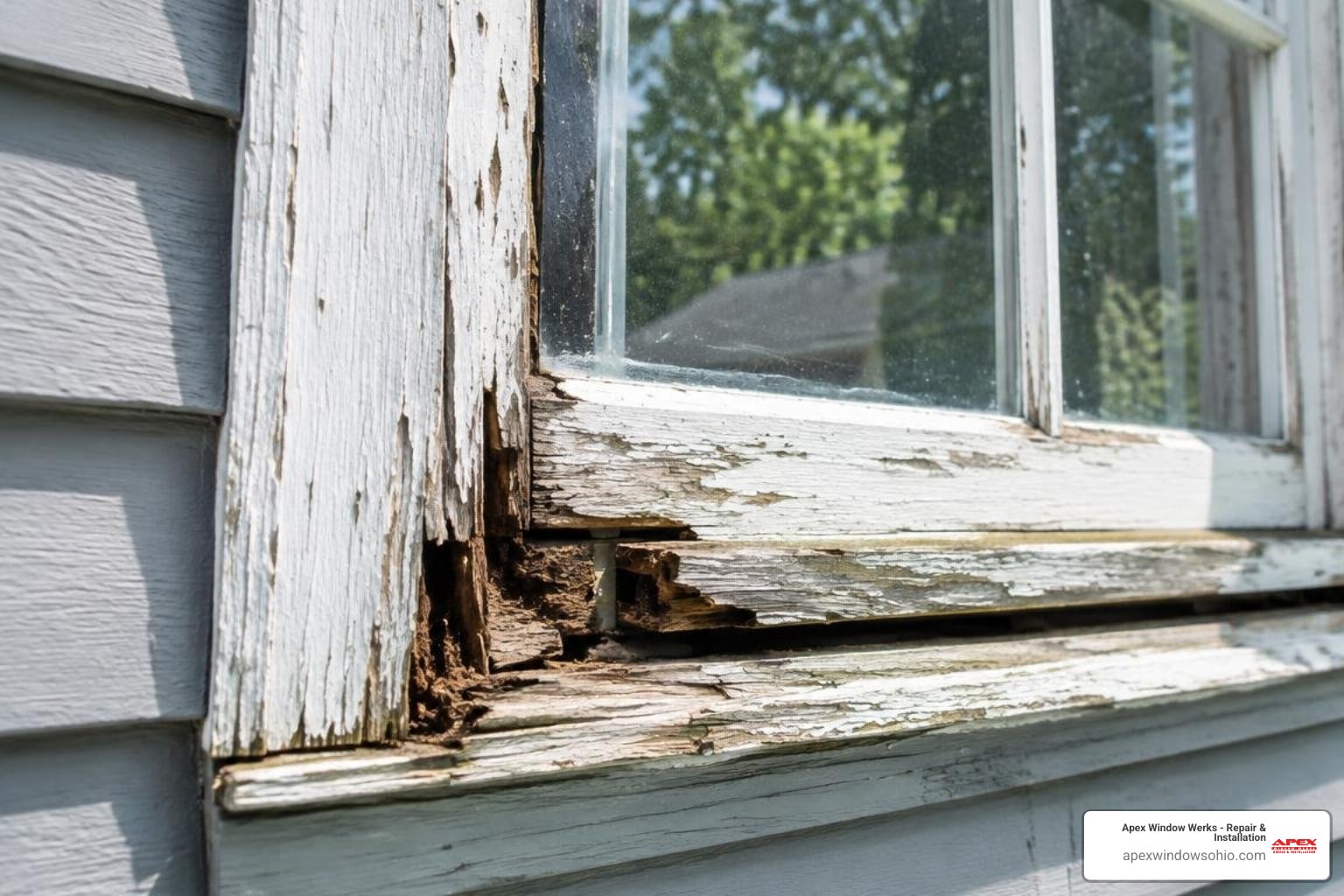
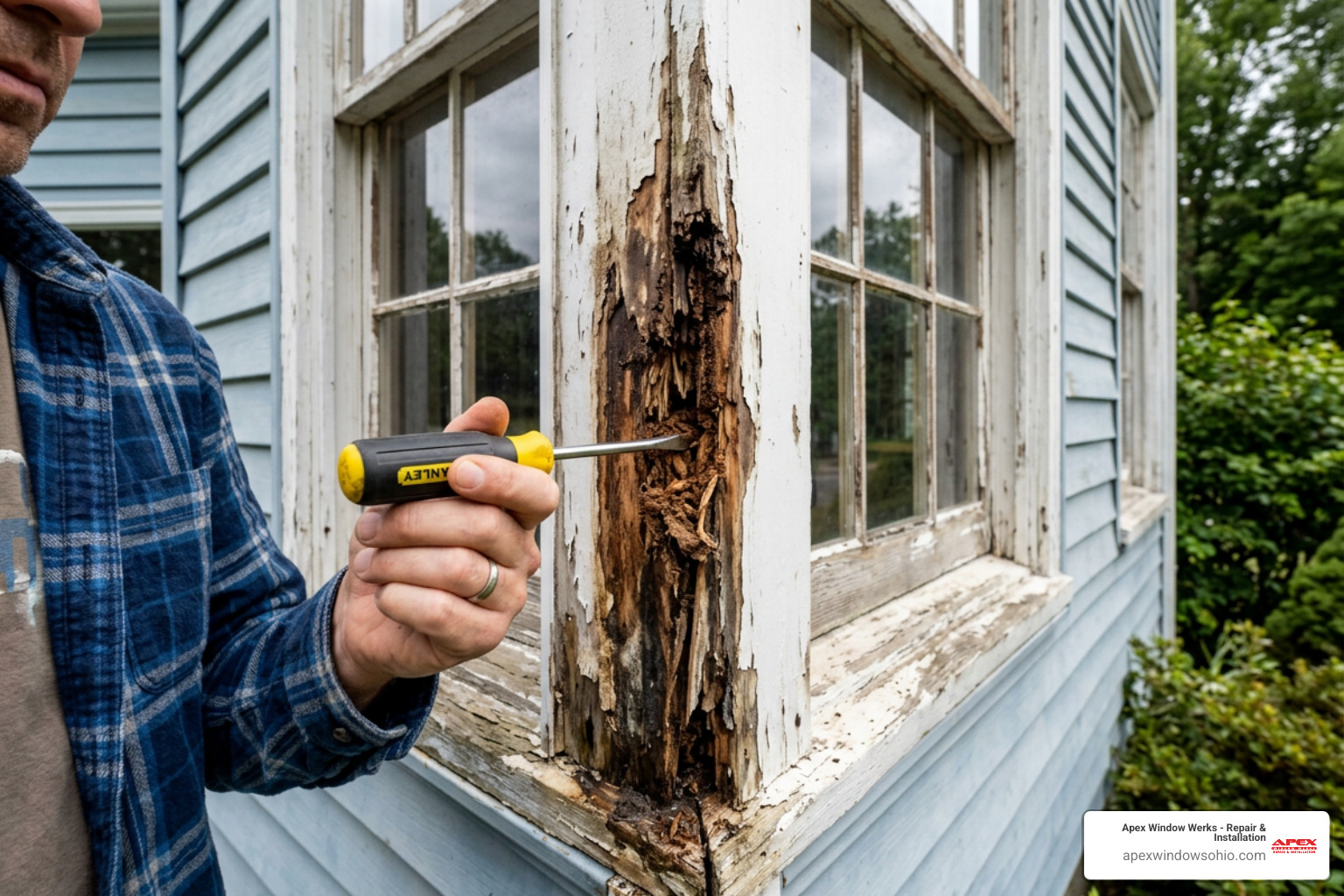
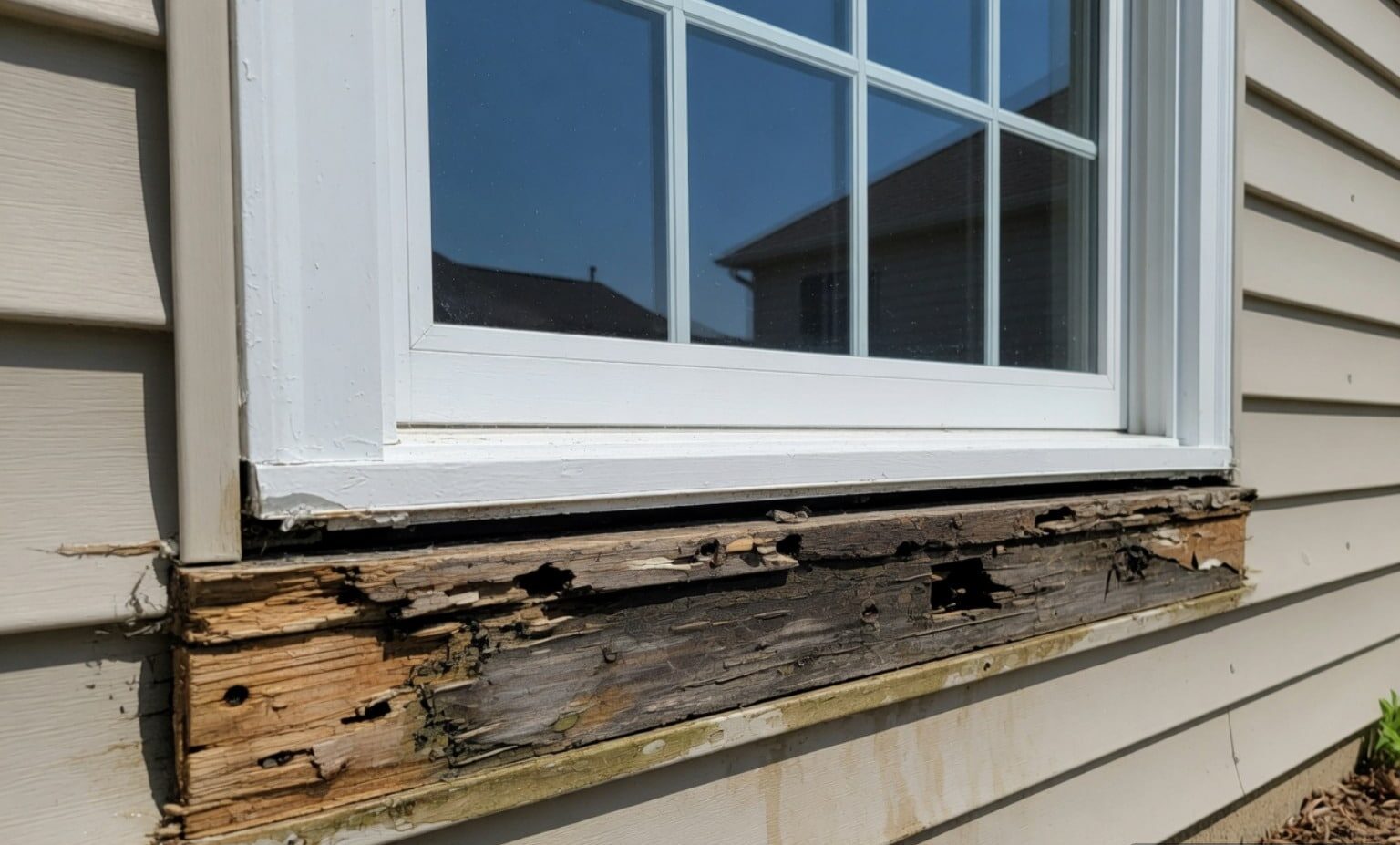
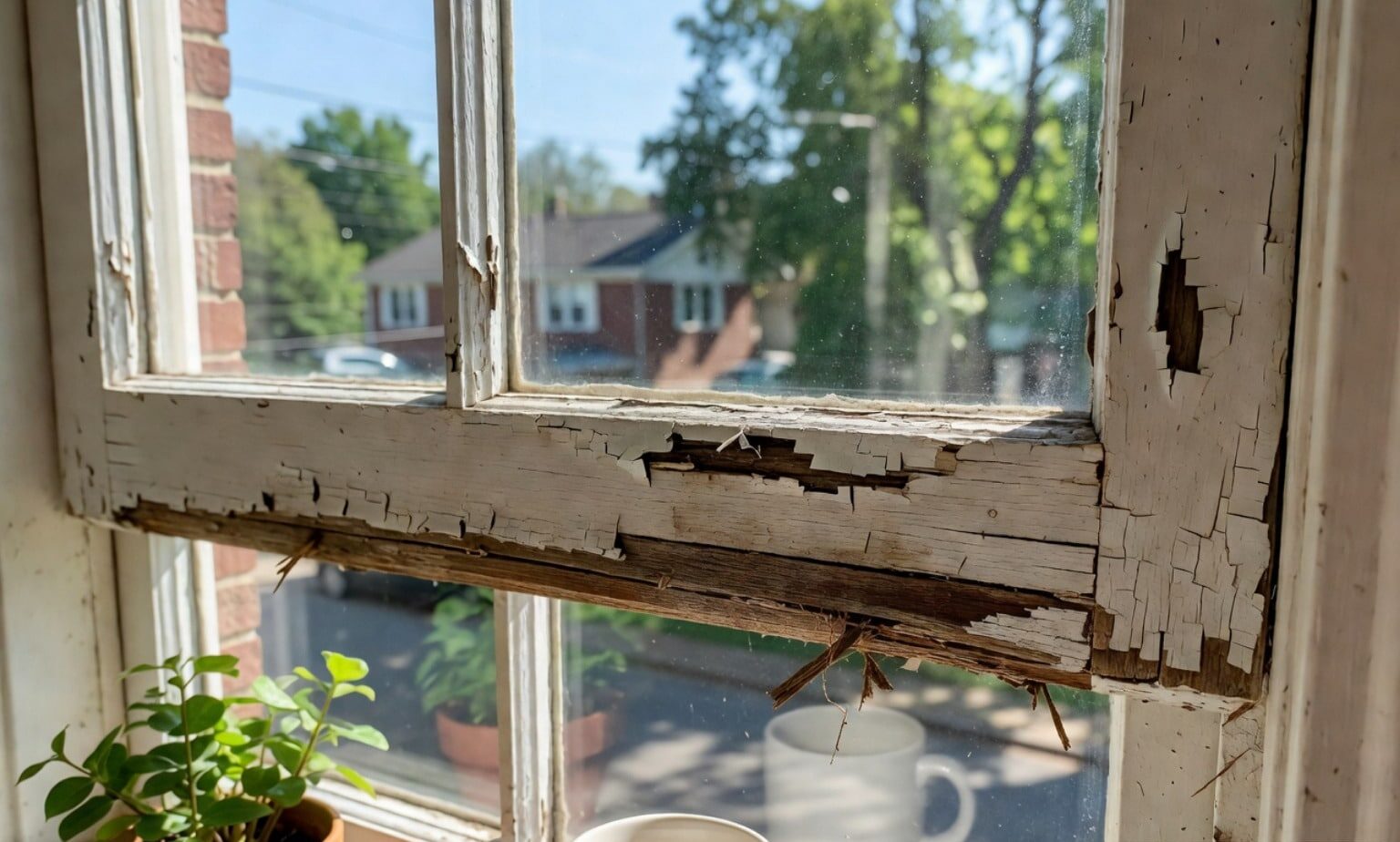
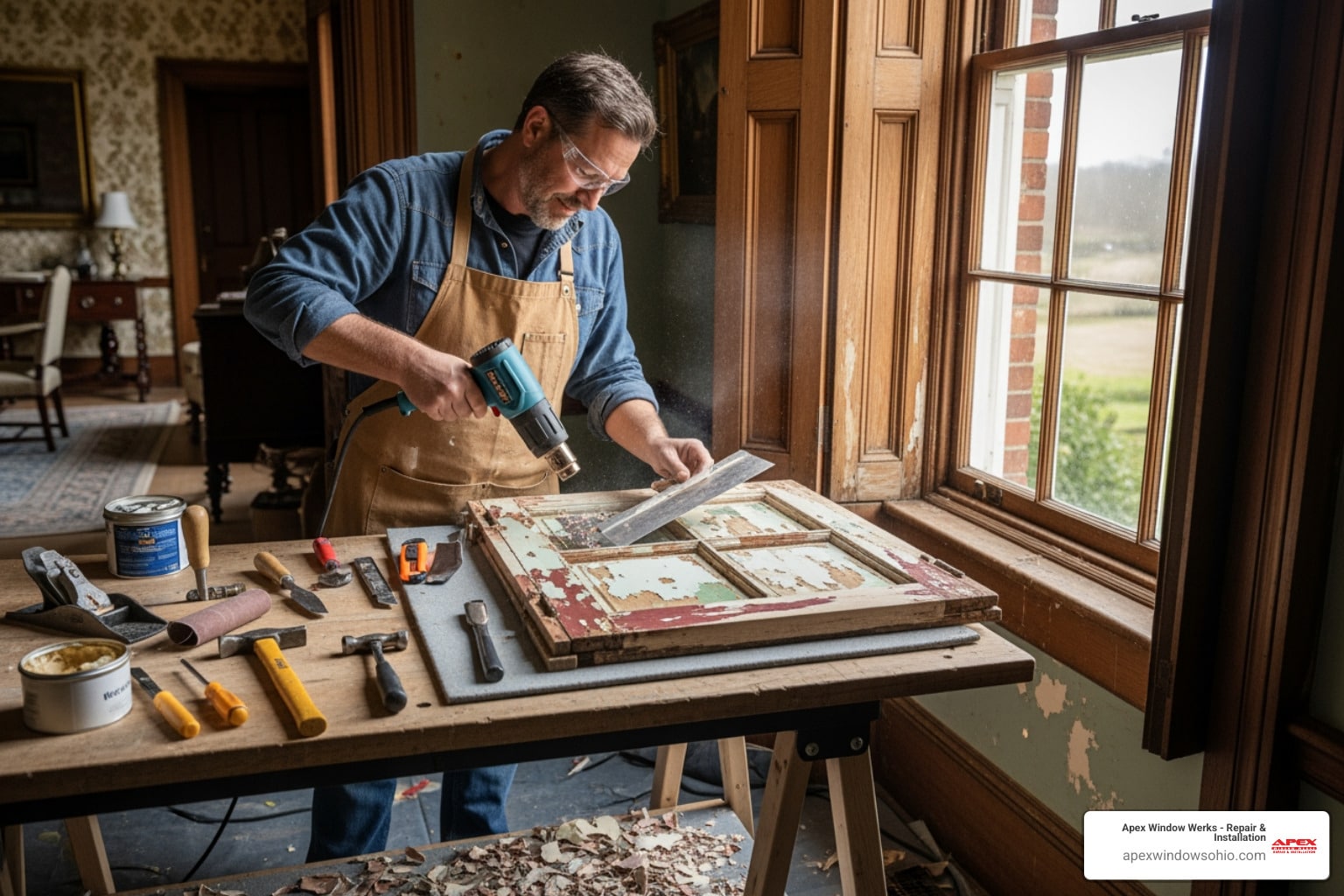
When exterior exposure causes rot or structural cracking at the base, choosing targeted window sill, sash, and frame repair allows you to reinforce the perimeter without tearing out the entire rough opening framework.
The Window Sash: Rails, Stiles, and Movable Units
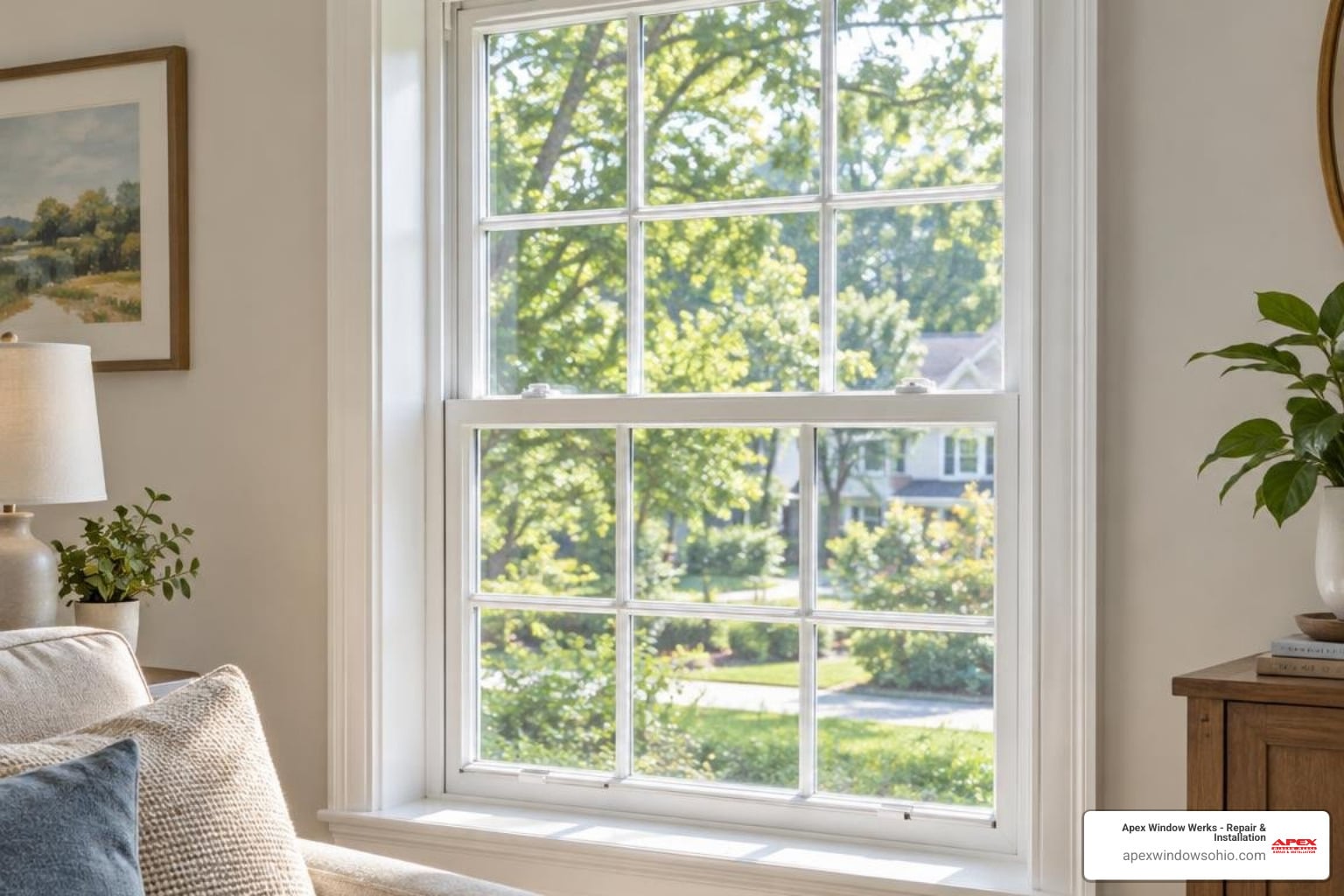
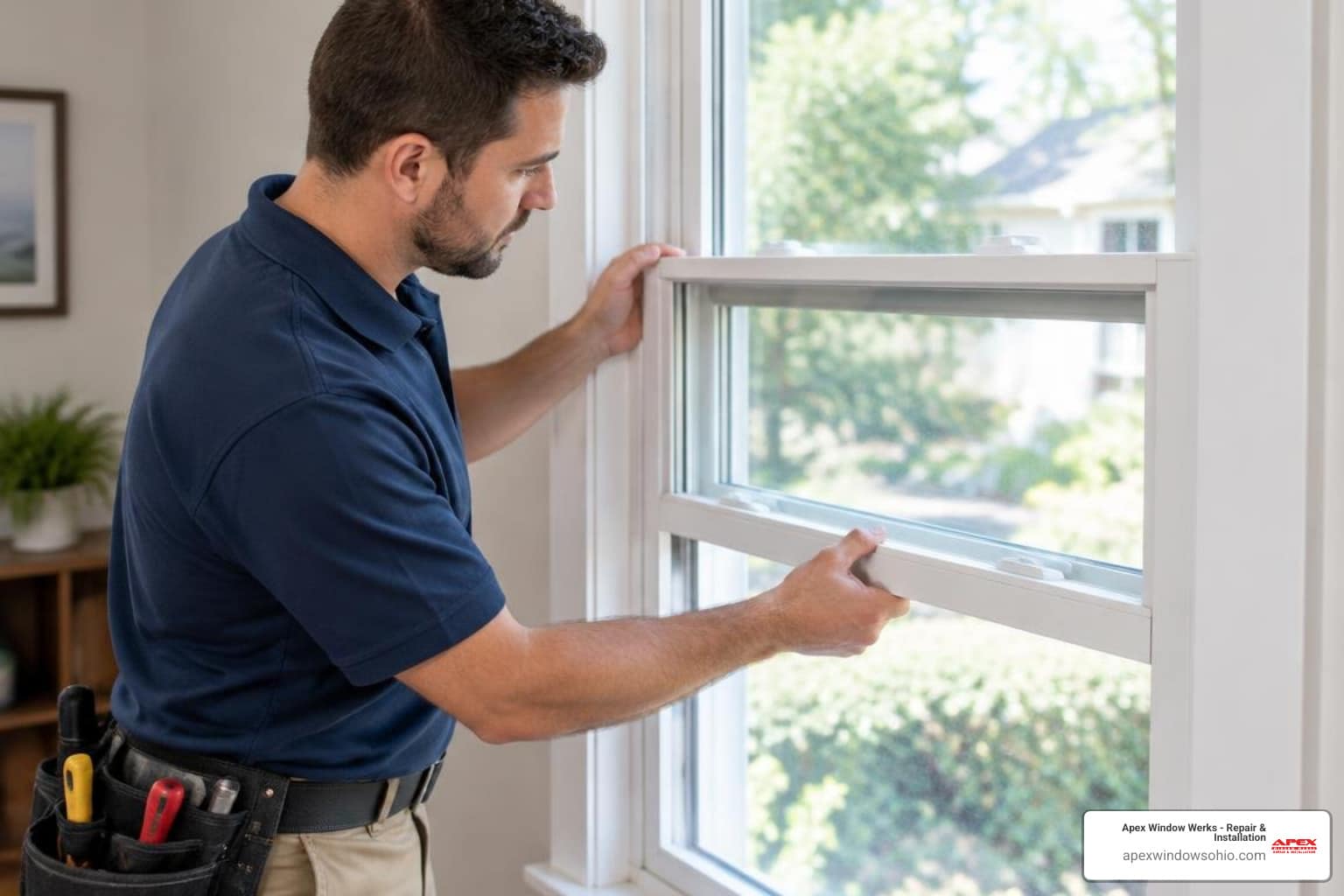
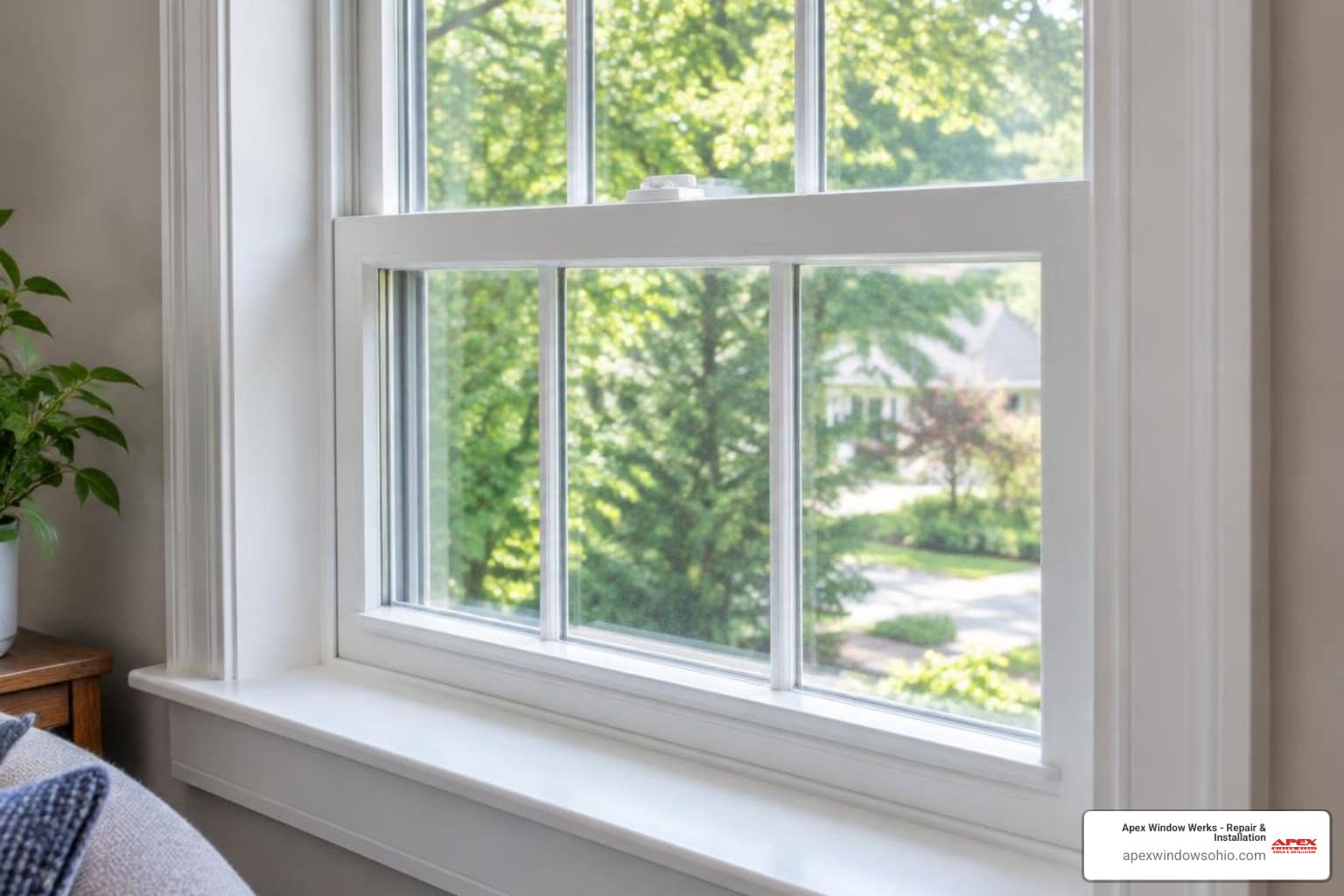
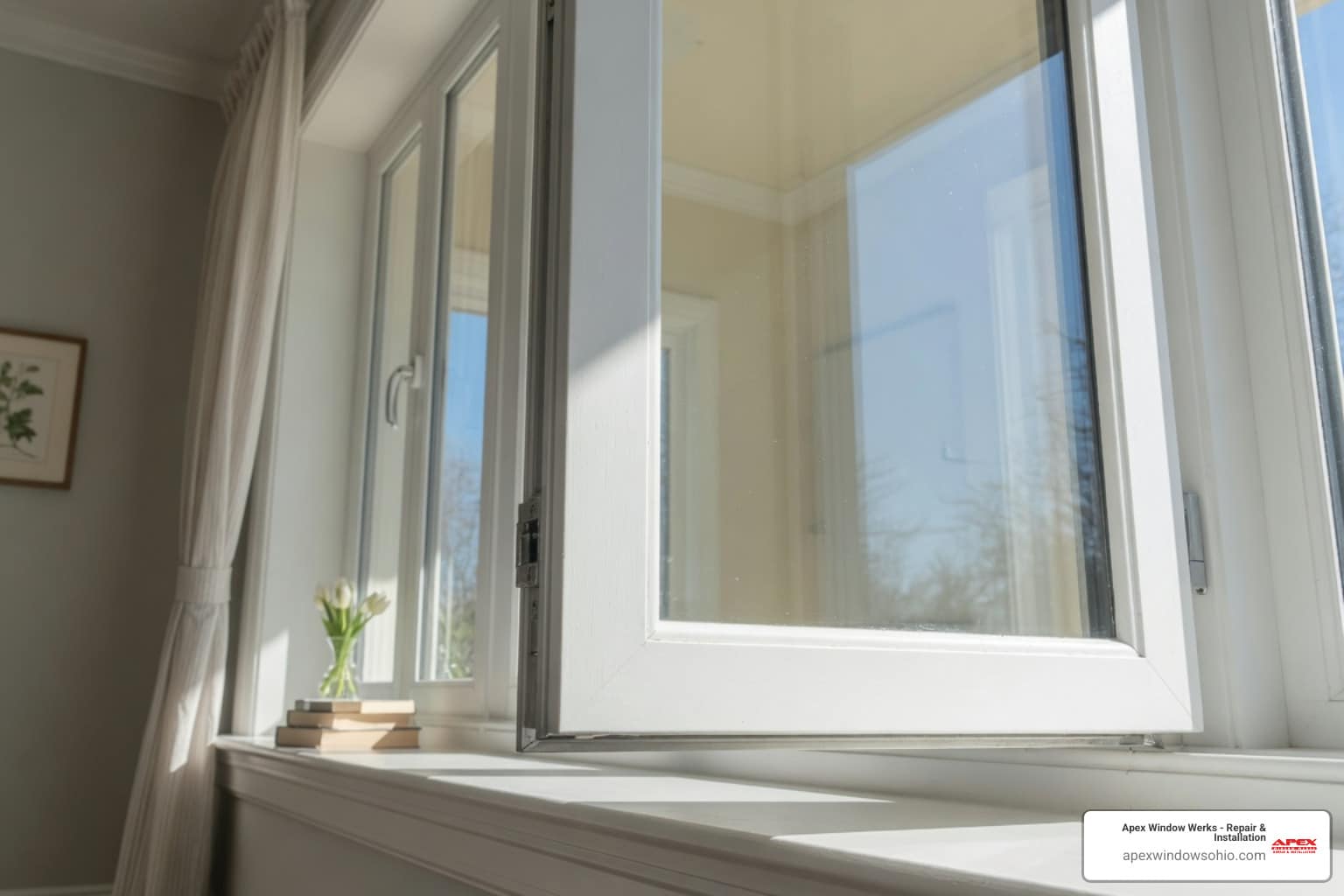
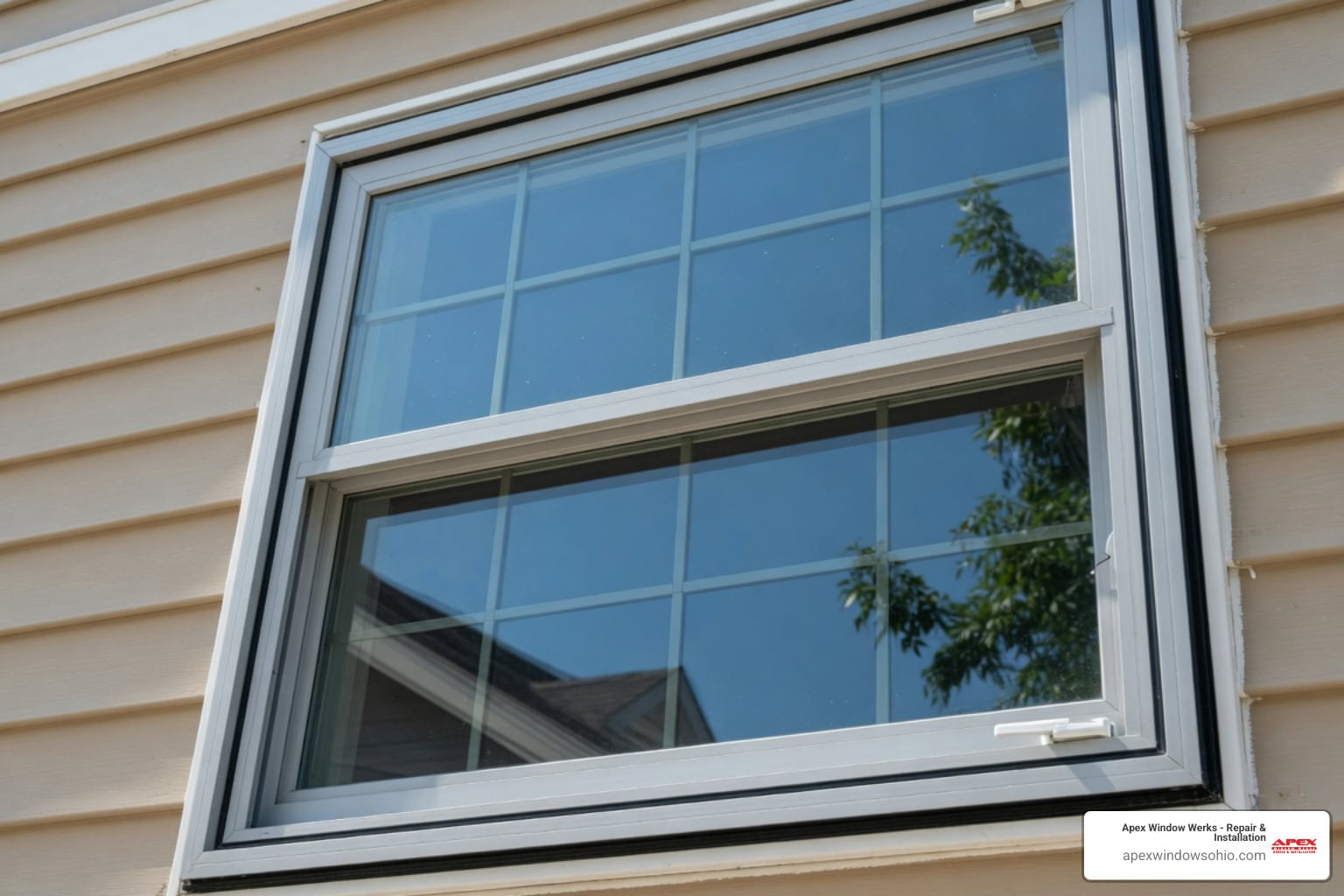
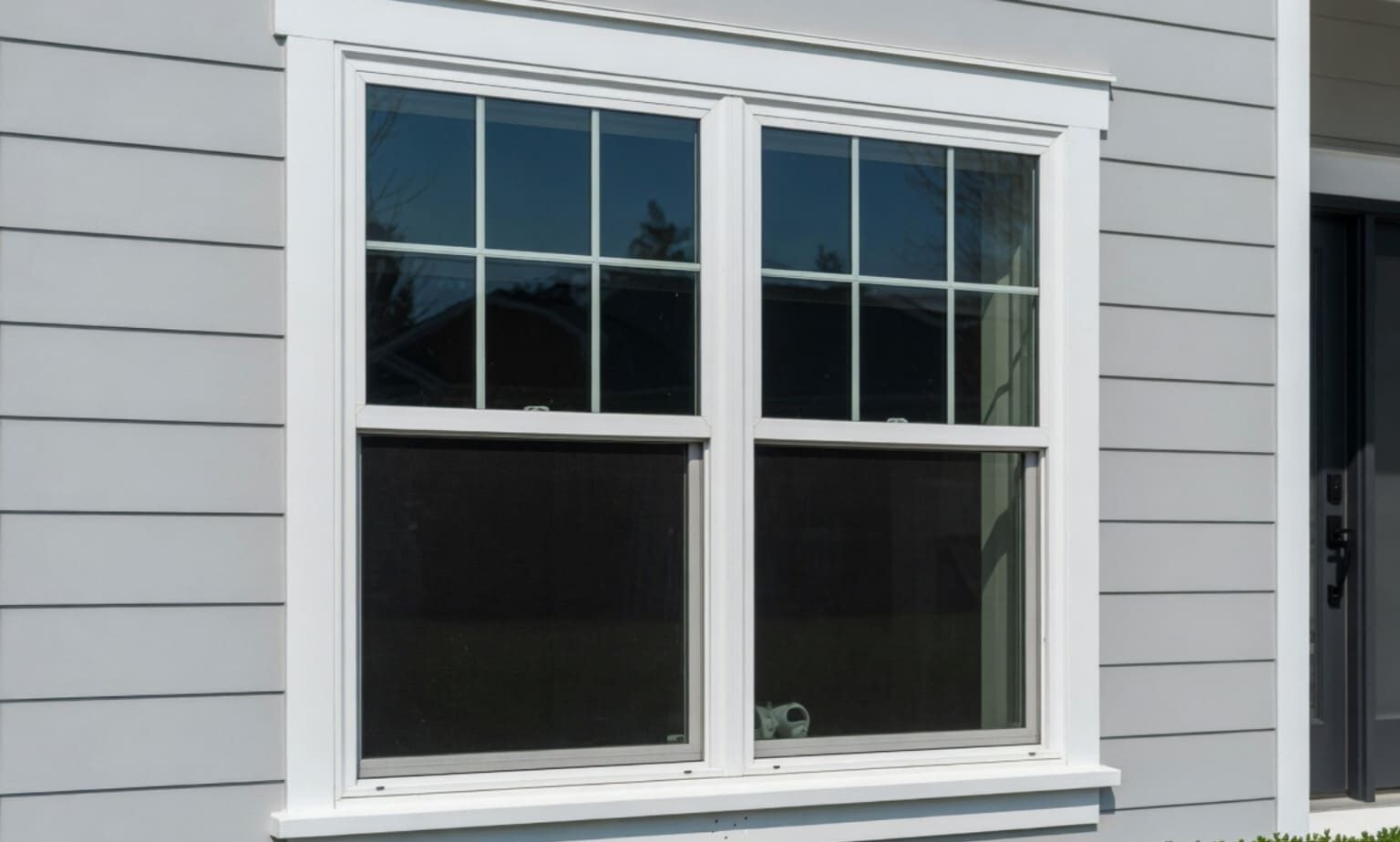
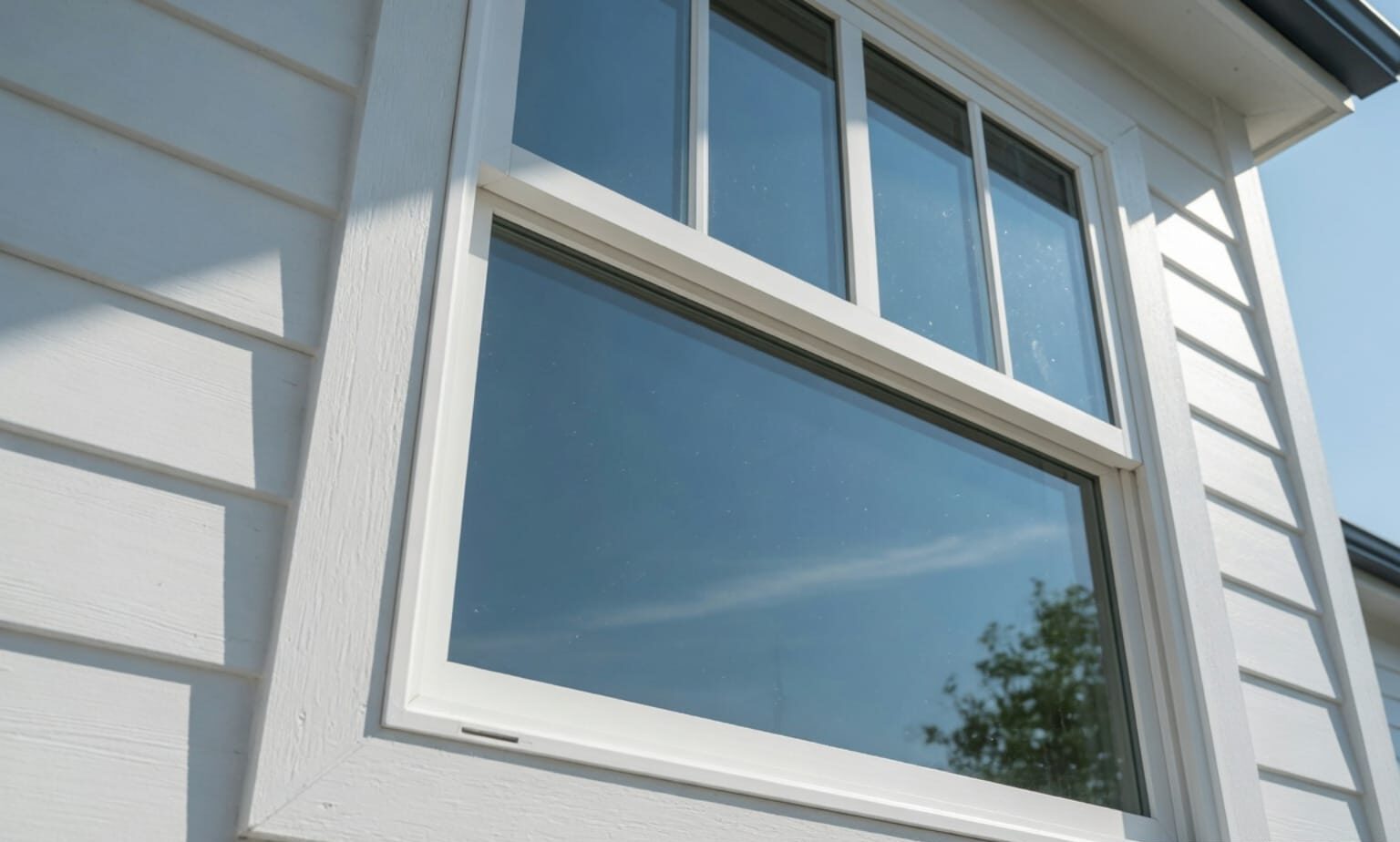
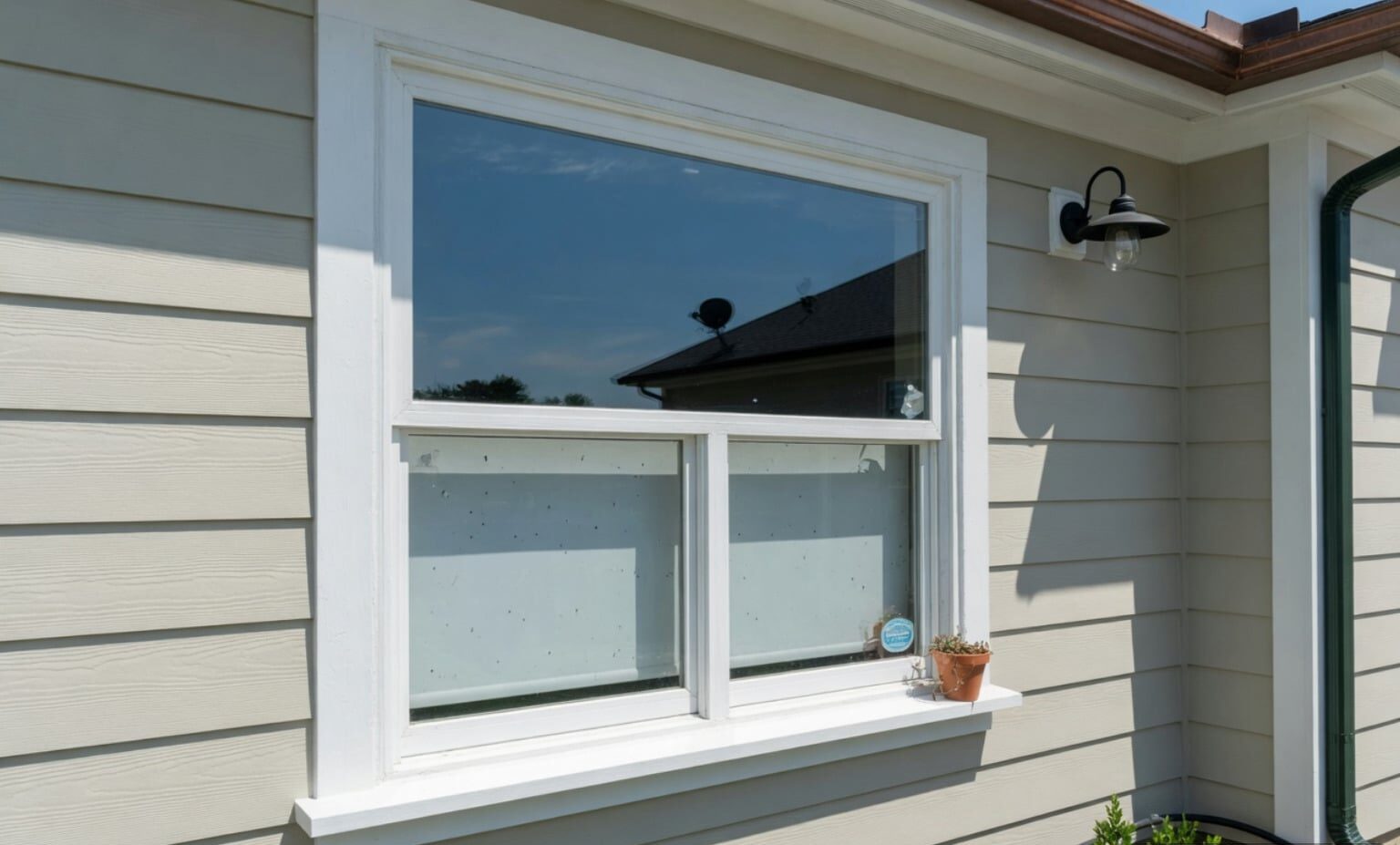
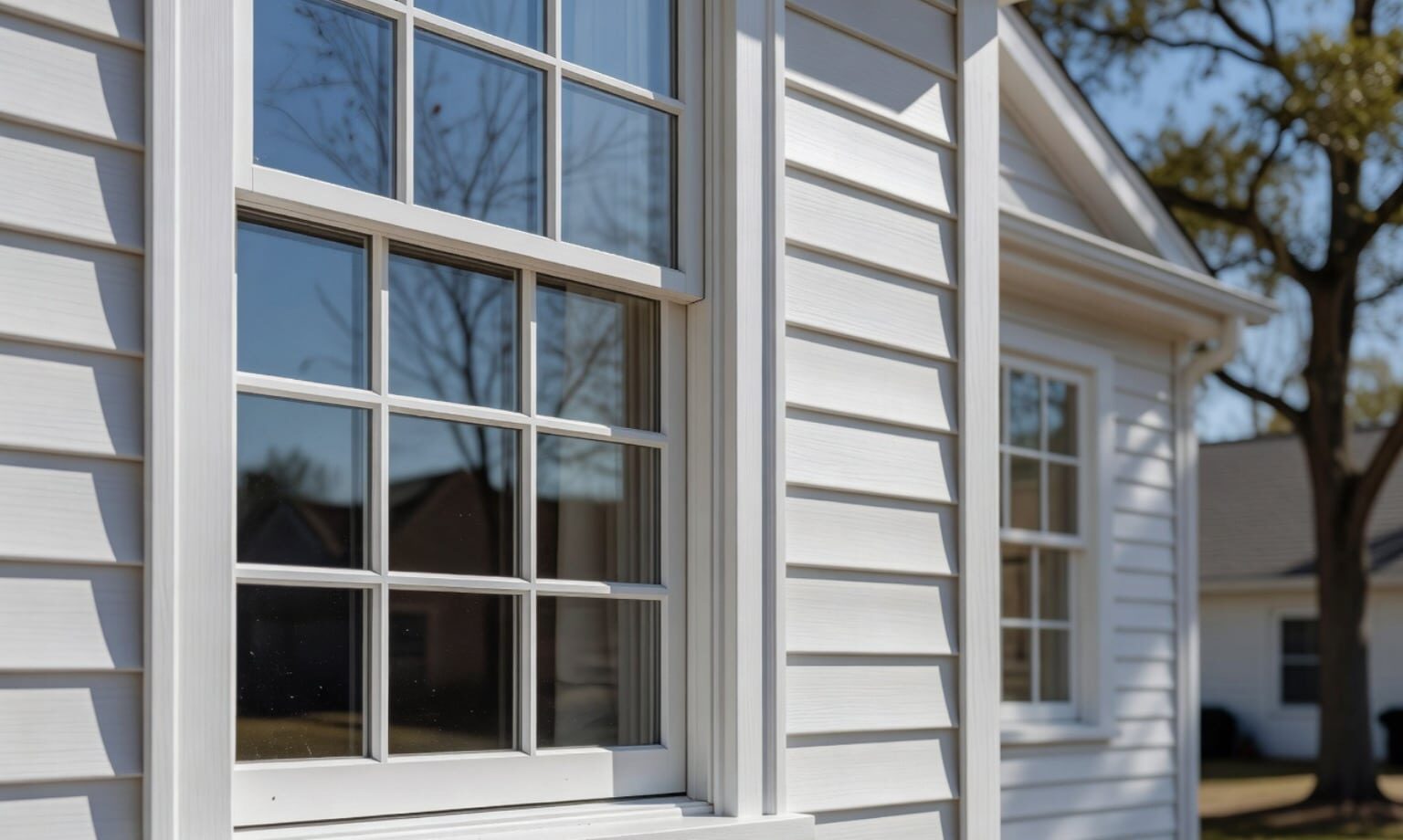
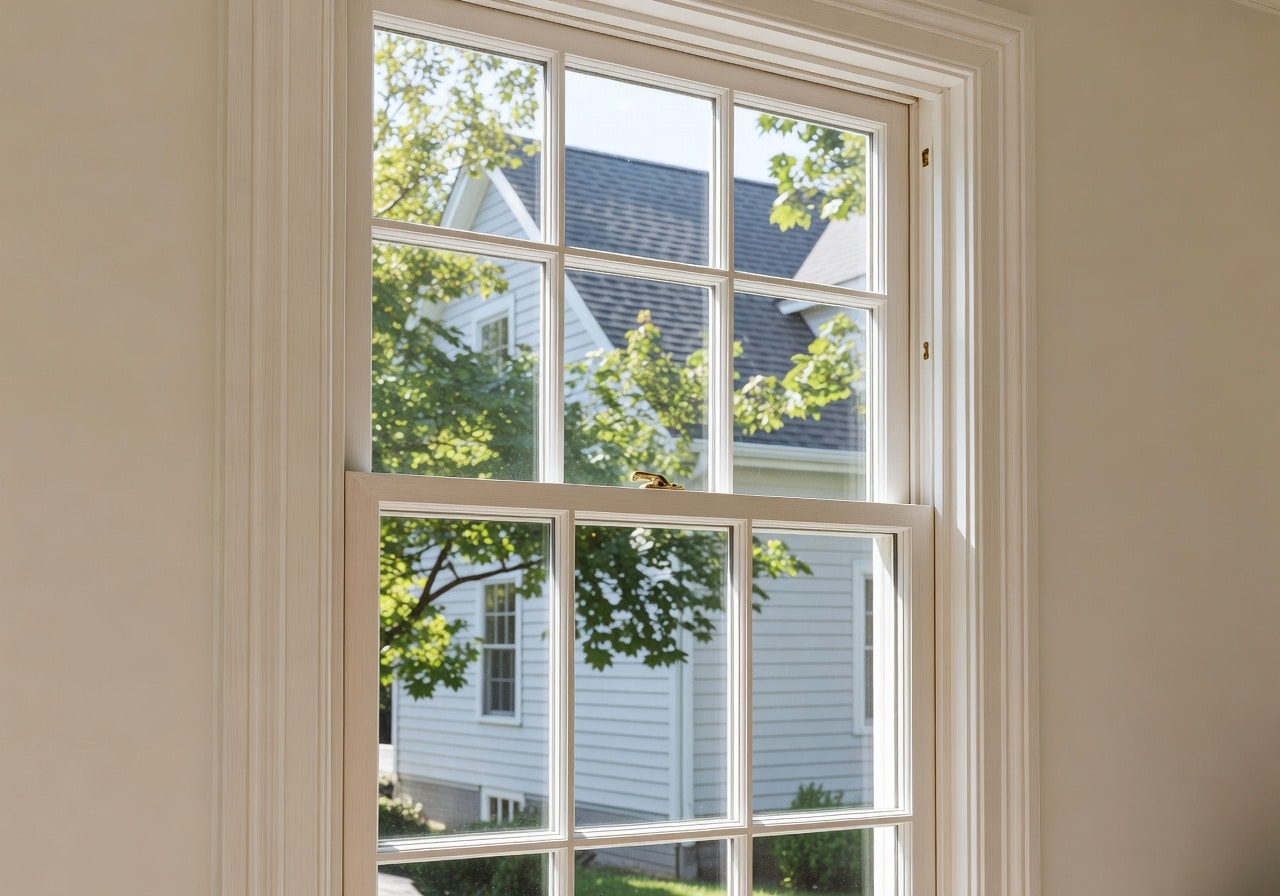
The window sash is the dedicated frame that holds the glass assembly in place. While the outer frame remains stationary against the home’s structure, the sash moves in operating windows (such as double-hung, slider, or casement styles) or remains stationary in fixed picture units.
The anatomy of a sash comprises:
- Stiles: The vertical framing members forming the left and right sides of the sash.
- Rails: The horizontal framing members forming the top and bottom of the sash.
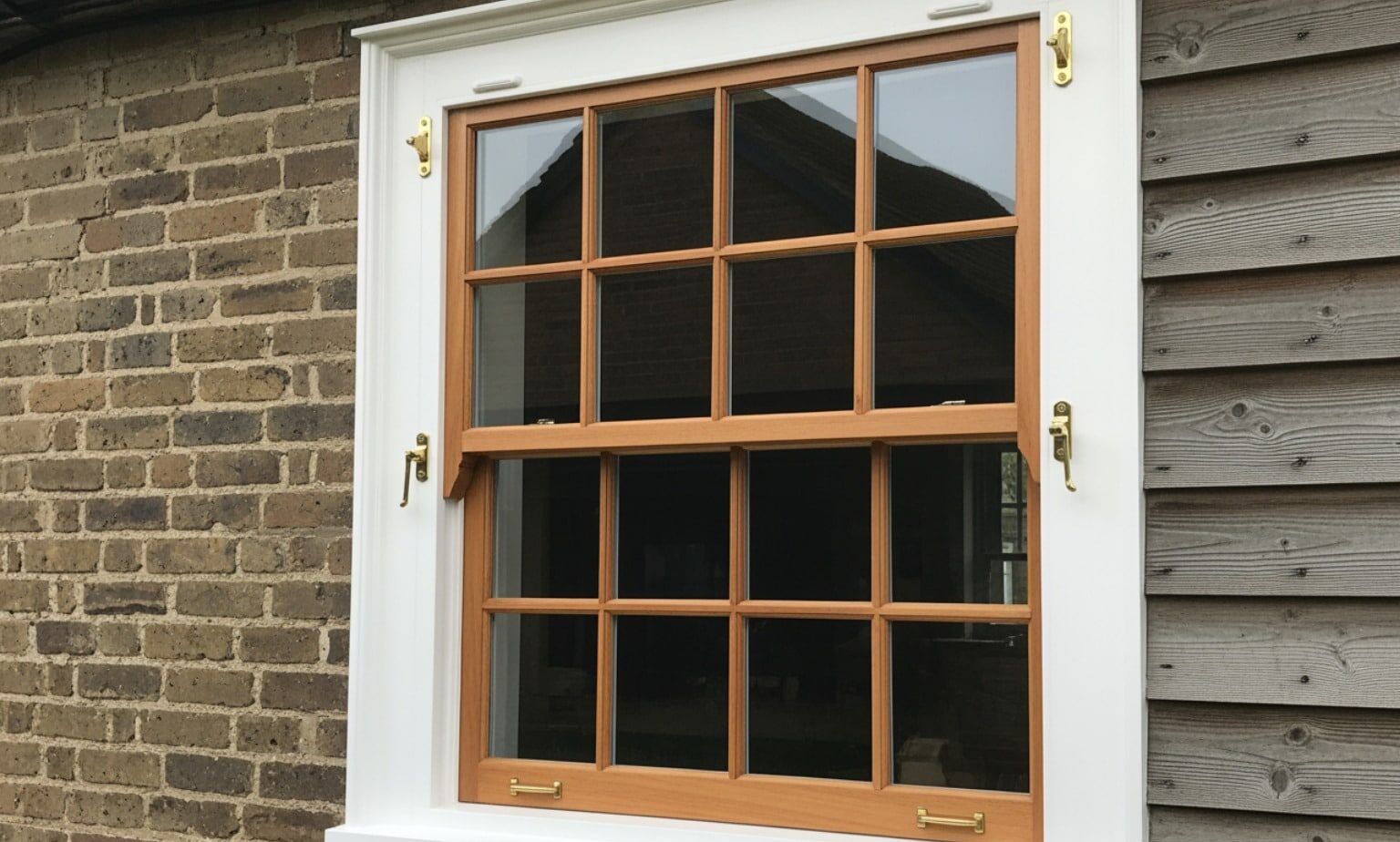
- Check Rail (Meeting Rail): In single-hung and double-hung configurations, this is the center horizontal rail where the upper and lower sashes meet and interlock when closed, creating a barrier against drafts.
Maintaining sash joint integrity is critical. When wood joints dry out or absorb moisture, they loosen, resulting in out-of-square operation and broken air seals. Preserving the original architectural character through wood window frame repair or investing in precision window sash replacements resolves air leaks while preserving serviceable perimeter frames.
Glazing, Hardware, and Weatherstripping in Northeast Ohio Windows
Beyond the outer skeleton of frames and sashes, the remaining three parts – glazing, hardware, and weatherstripping – control everyday thermal performance, security, and operation.
Glazing and Insulated Glass Units (IGUs)
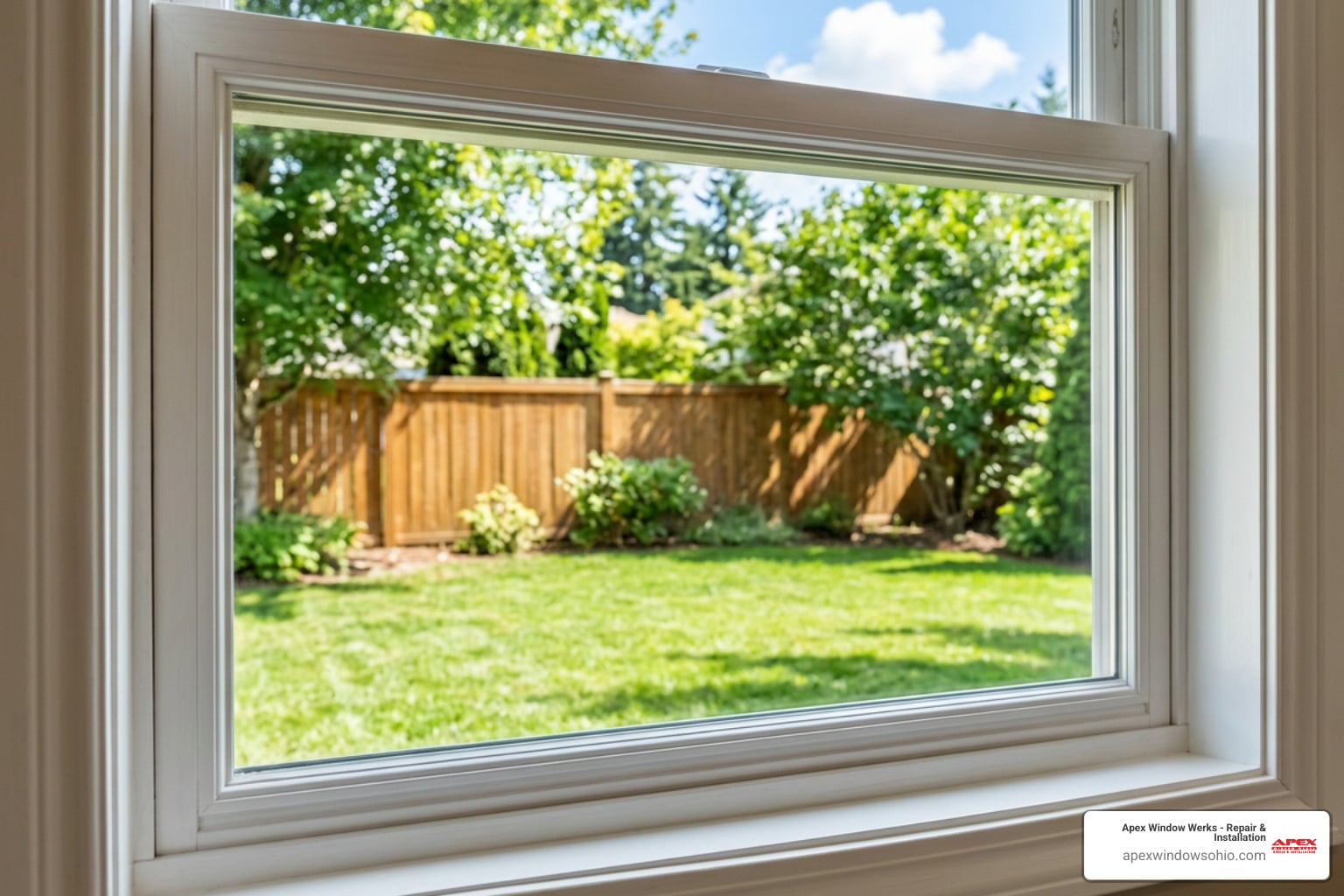
Glazing refers to the glass installed within the sash. In modern construction, single-pane glass has largely been replaced by Insulated Glass Units (IGUs). An IGU combines multiple panes separated by a spacer system and hermetically sealed to create a dead-air insulating barrier.
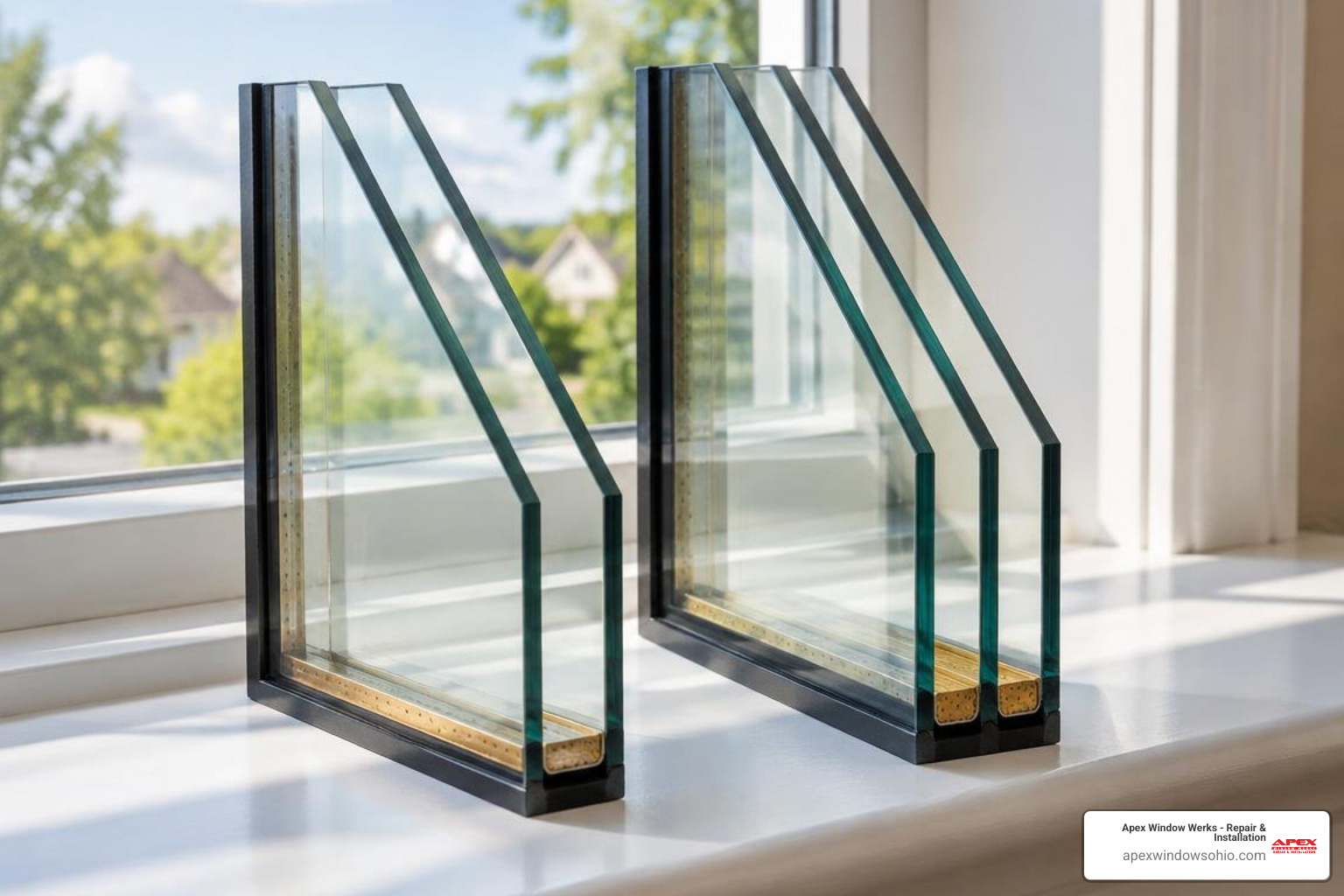
Key components of modern glazing include:
- Multi-Pane Assemblies: Double-pane units feature two layers of glass with an insulating airspace, while triple-pane designs incorporate three panes and two chambers for enhanced thermal and acoustic control.
- Low-E (Low-Emissivity) Coatings: Microscopic metallic oxide coatings applied to interior glass surfaces. Low-E coatings reflect radiant infrared heat back to its source – keeping furnace heat indoors during winter and rejecting outdoor solar heat during summer – without significantly reducing visible daylight.
- Inert Gas Fills: Argon or krypton gas injected between panes. Because argon is denser than atmospheric air, it slows conductive heat movement through the unit. Standard double-pane windows with Low-E and argon achieve a U-Factor roughly between 0.28 and 0.35, while triple-pane windows can achieve an exceptional U-Factor of approximately 0.16 to 0.22, meeting efficiency guidelines outlined by Energy.gov.
- Warm-Edge Spacers: Stainless steel, structural foam, or composite spacer bars placed along the perimeter of the panes. These materials reduce edge-of-glass thermal conductivity and help mitigate condensation risk.
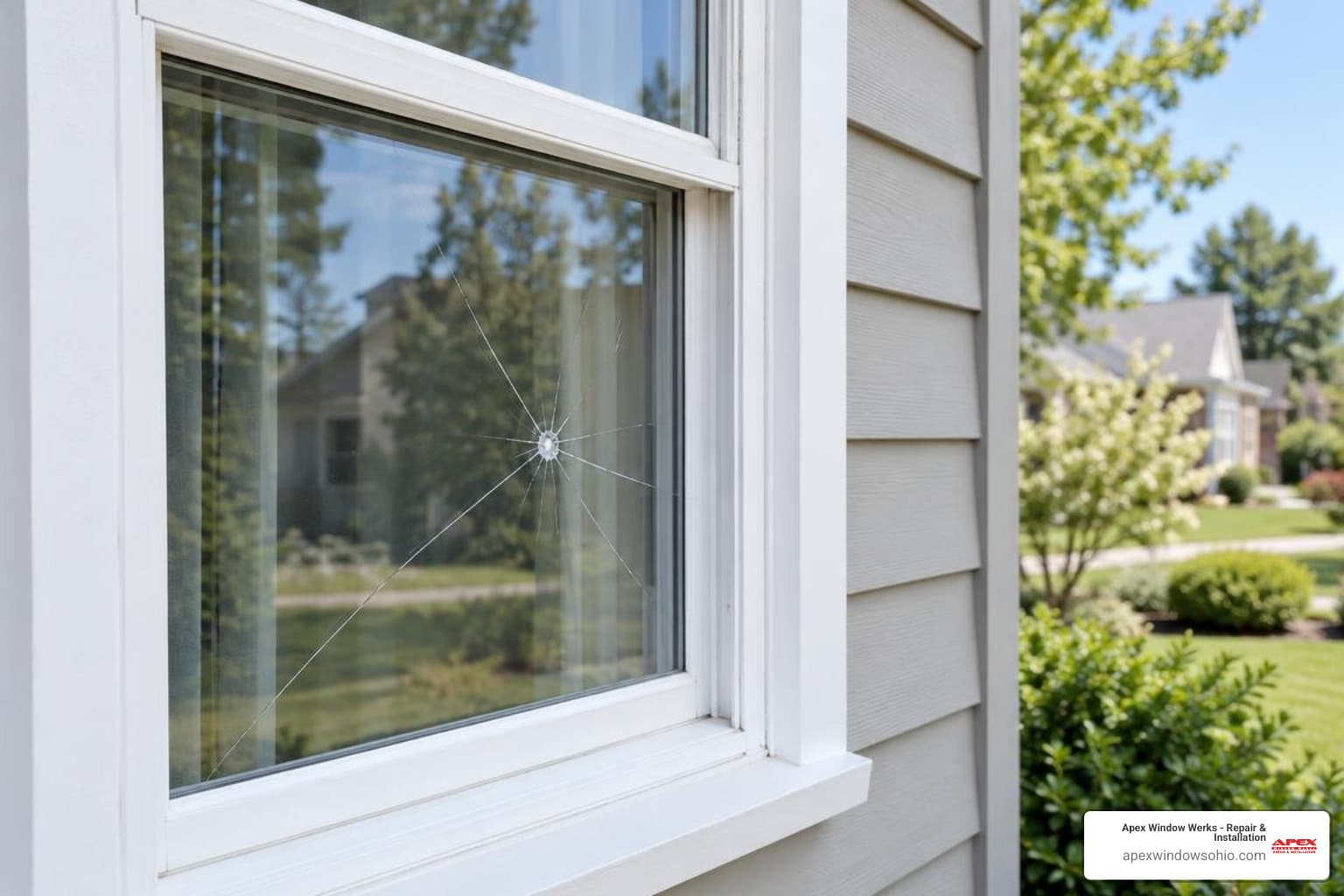
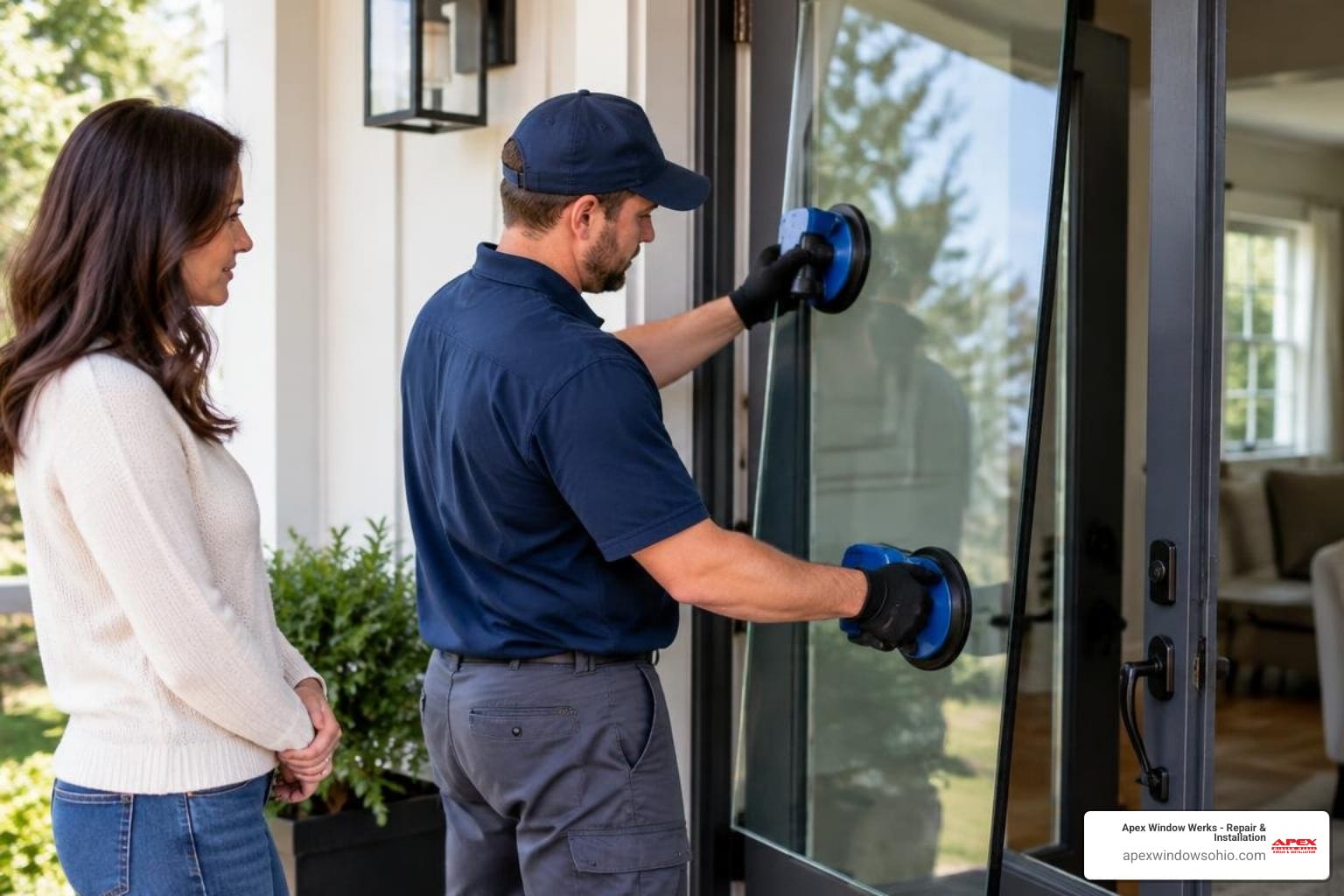
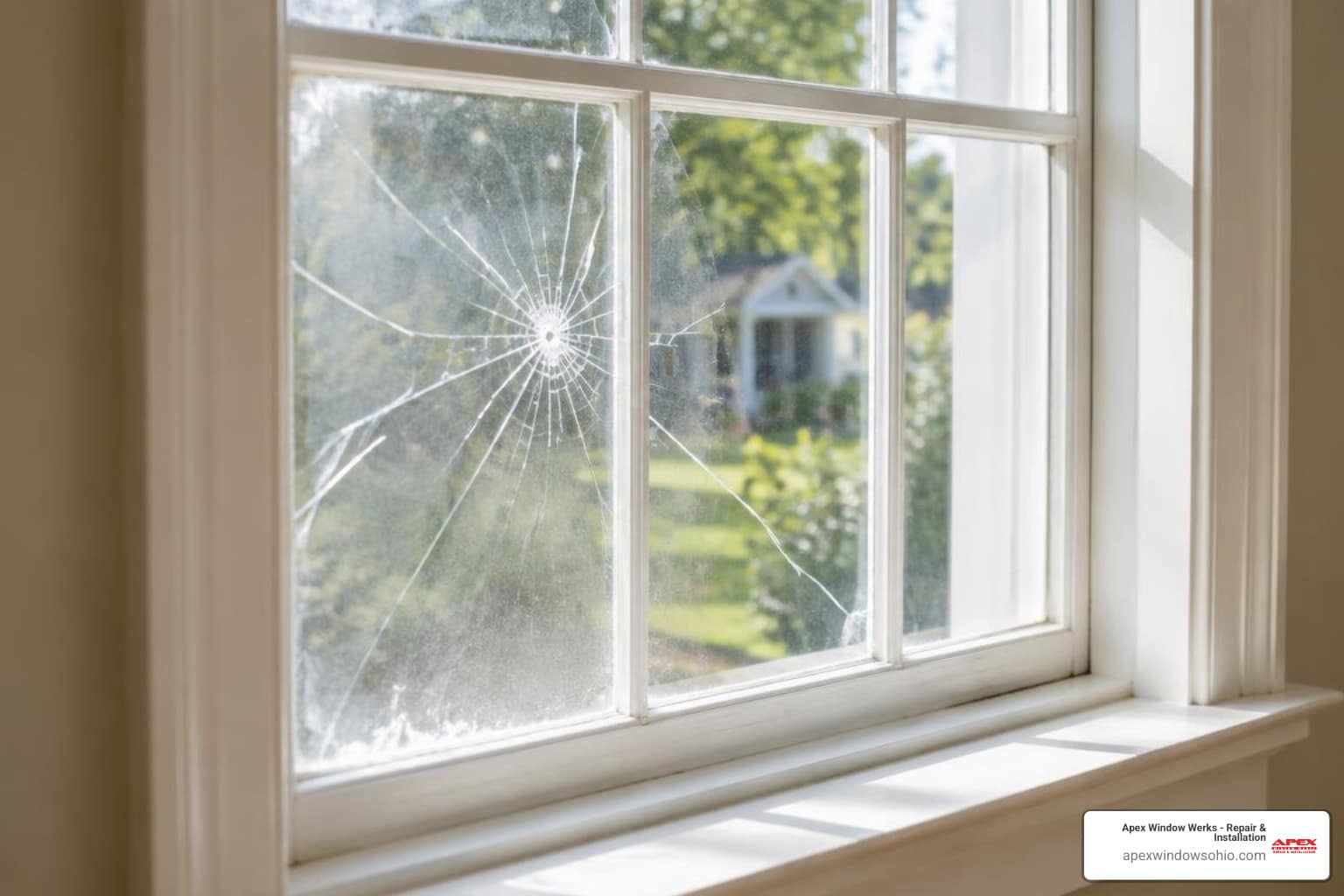
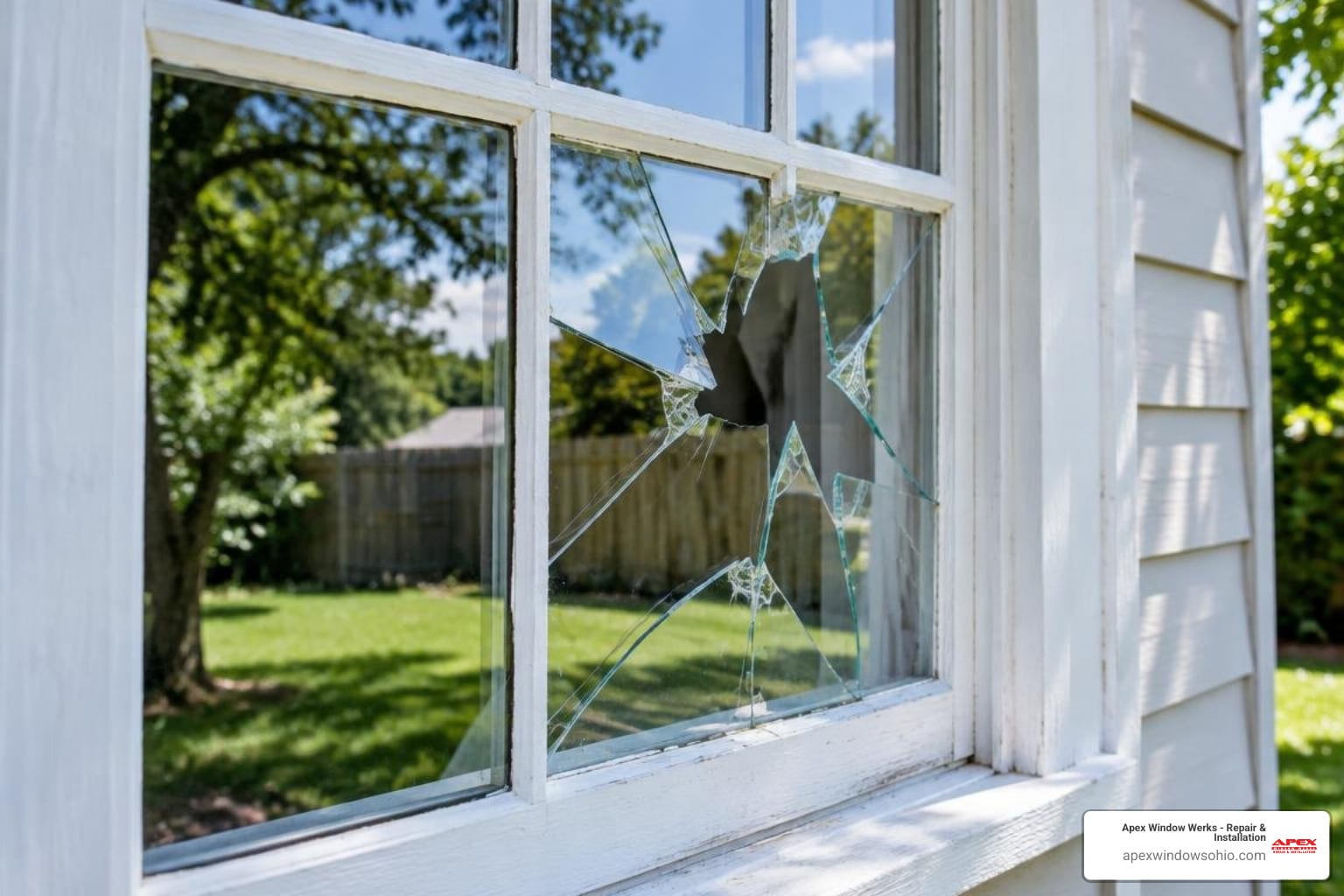
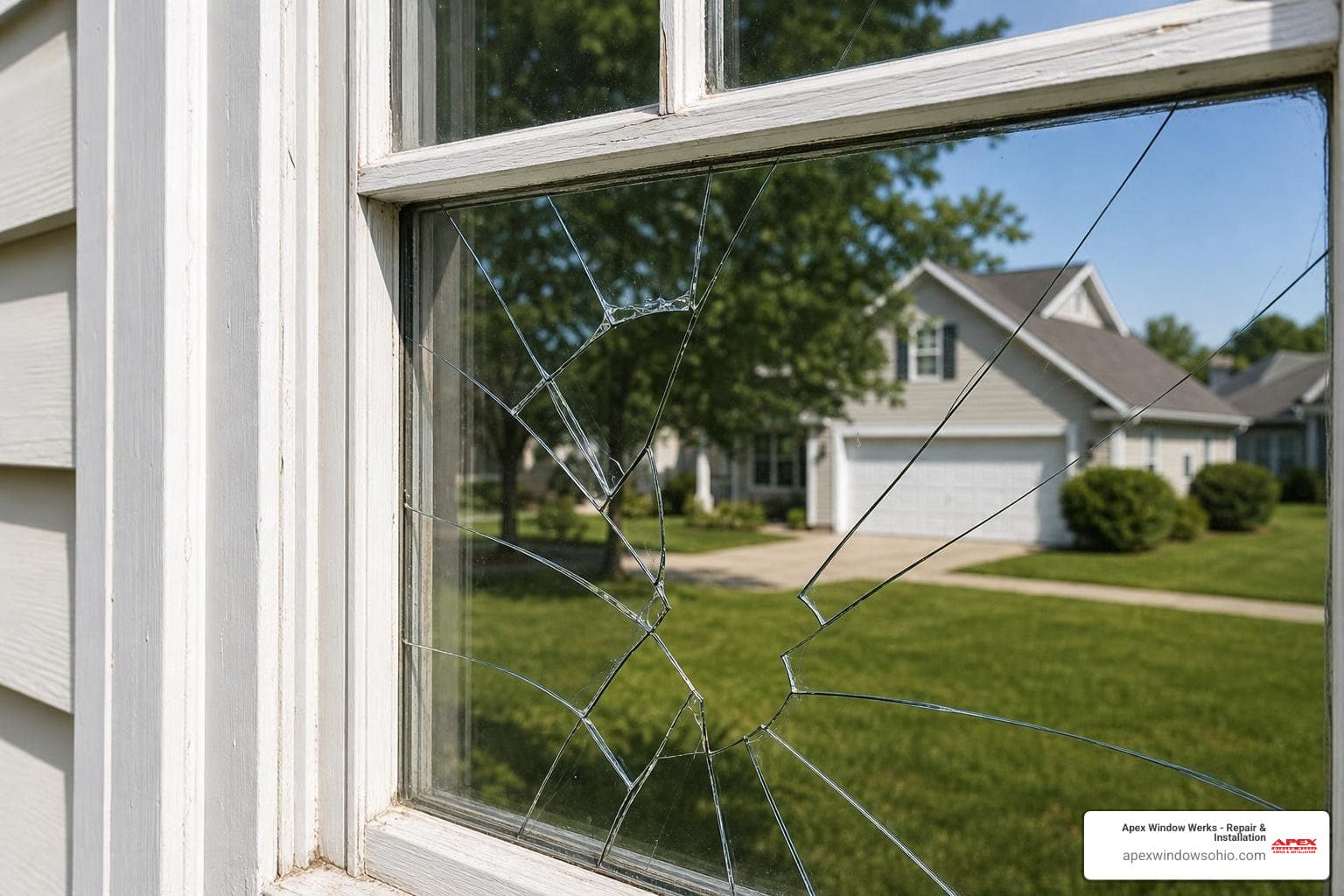
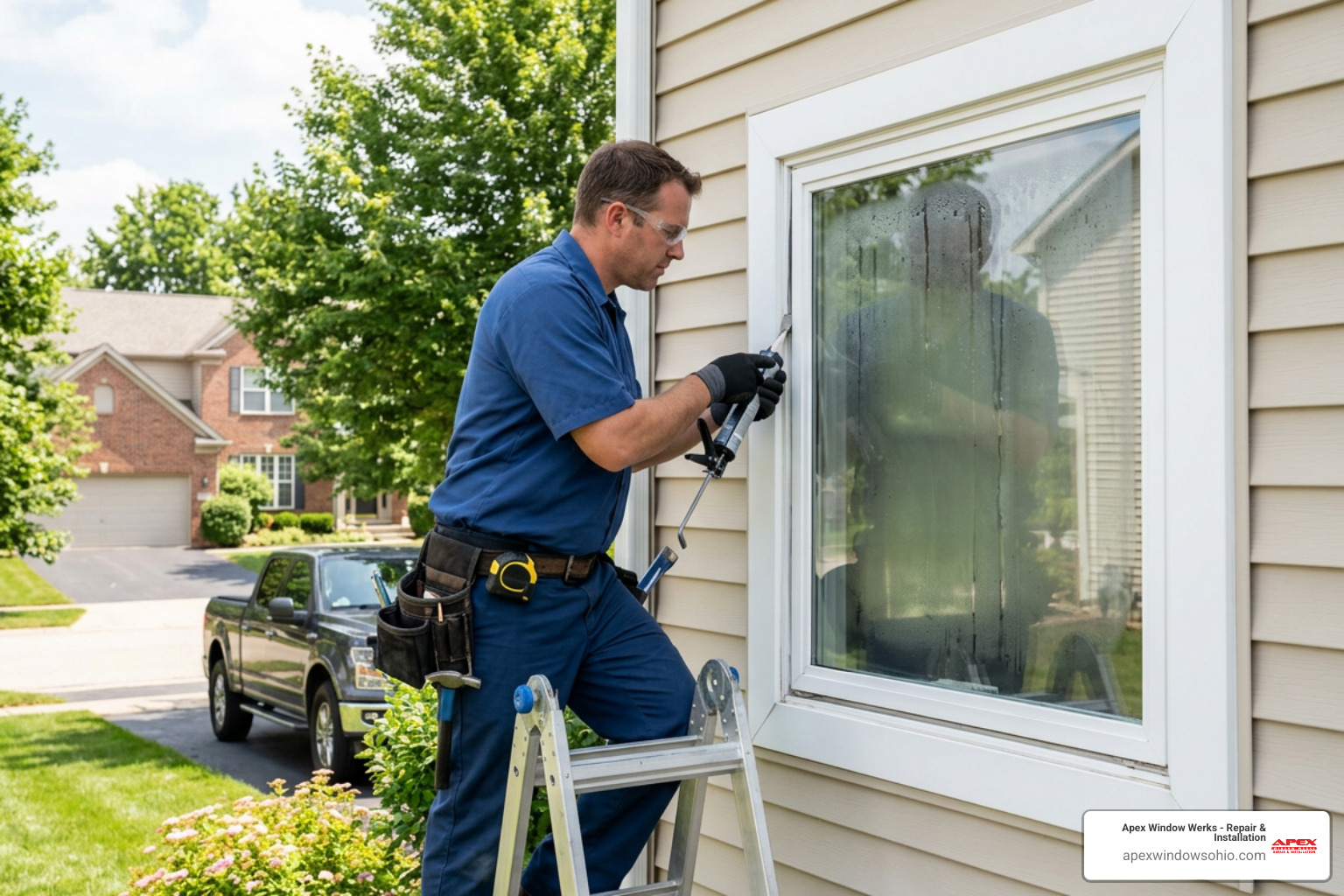
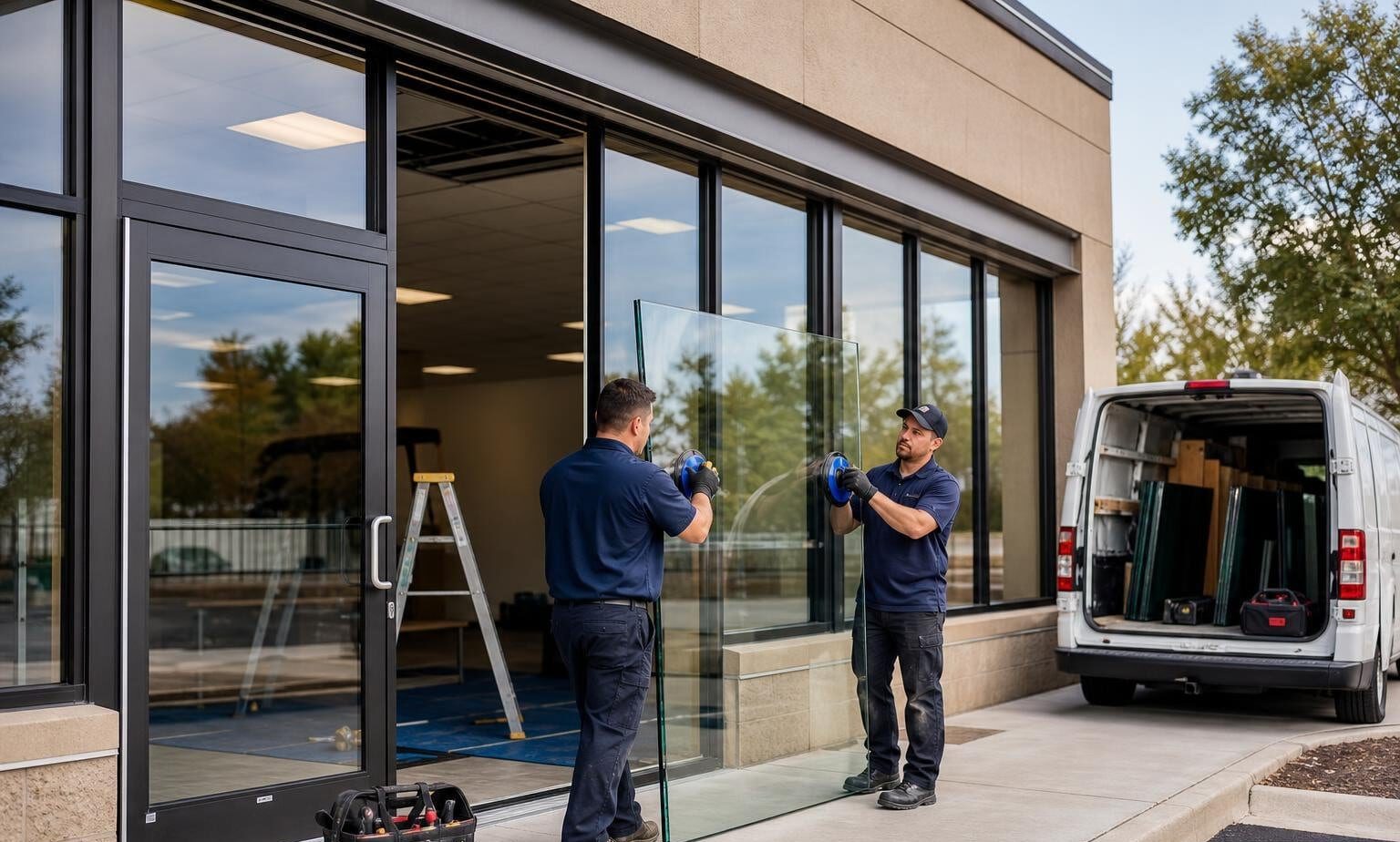
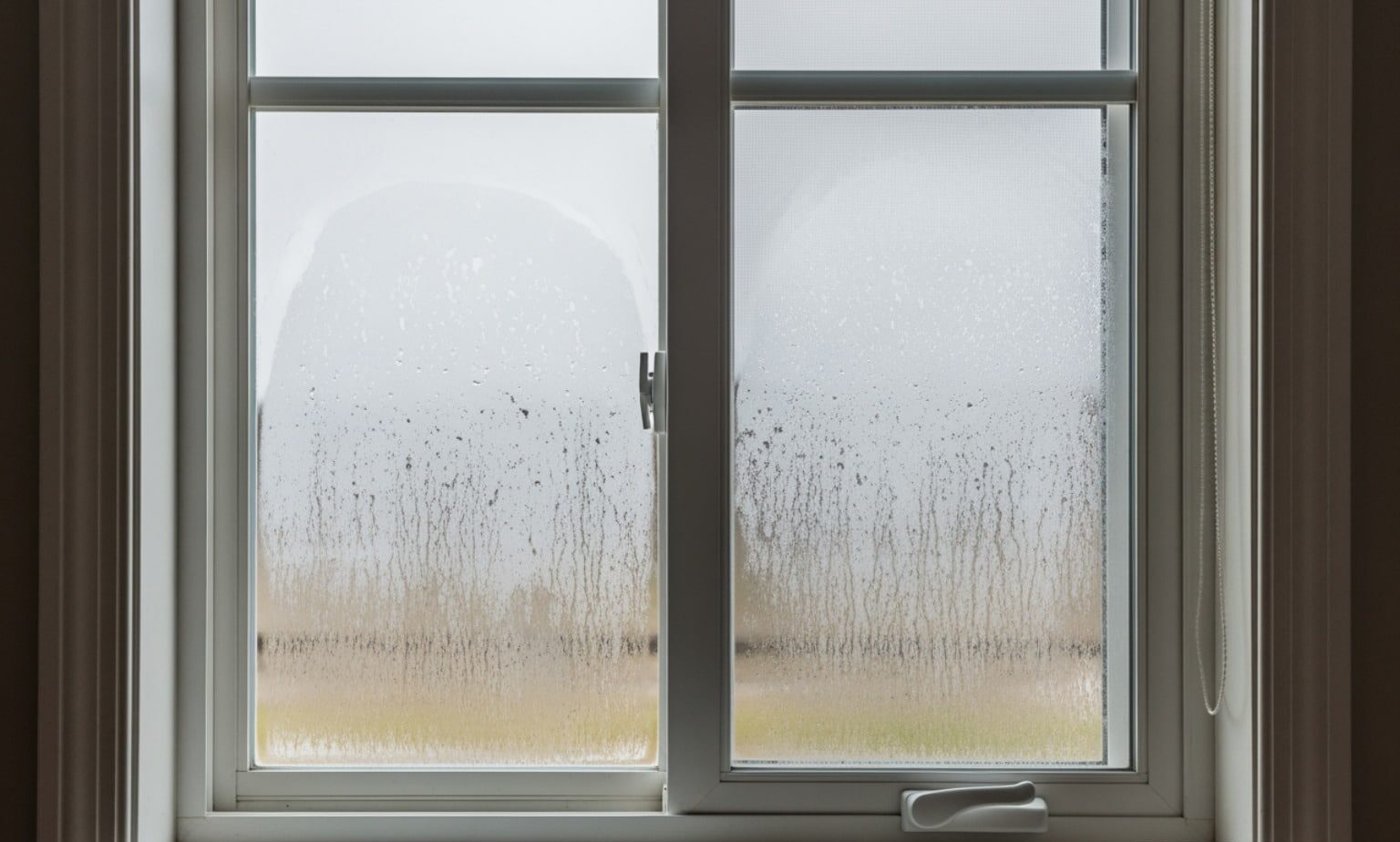
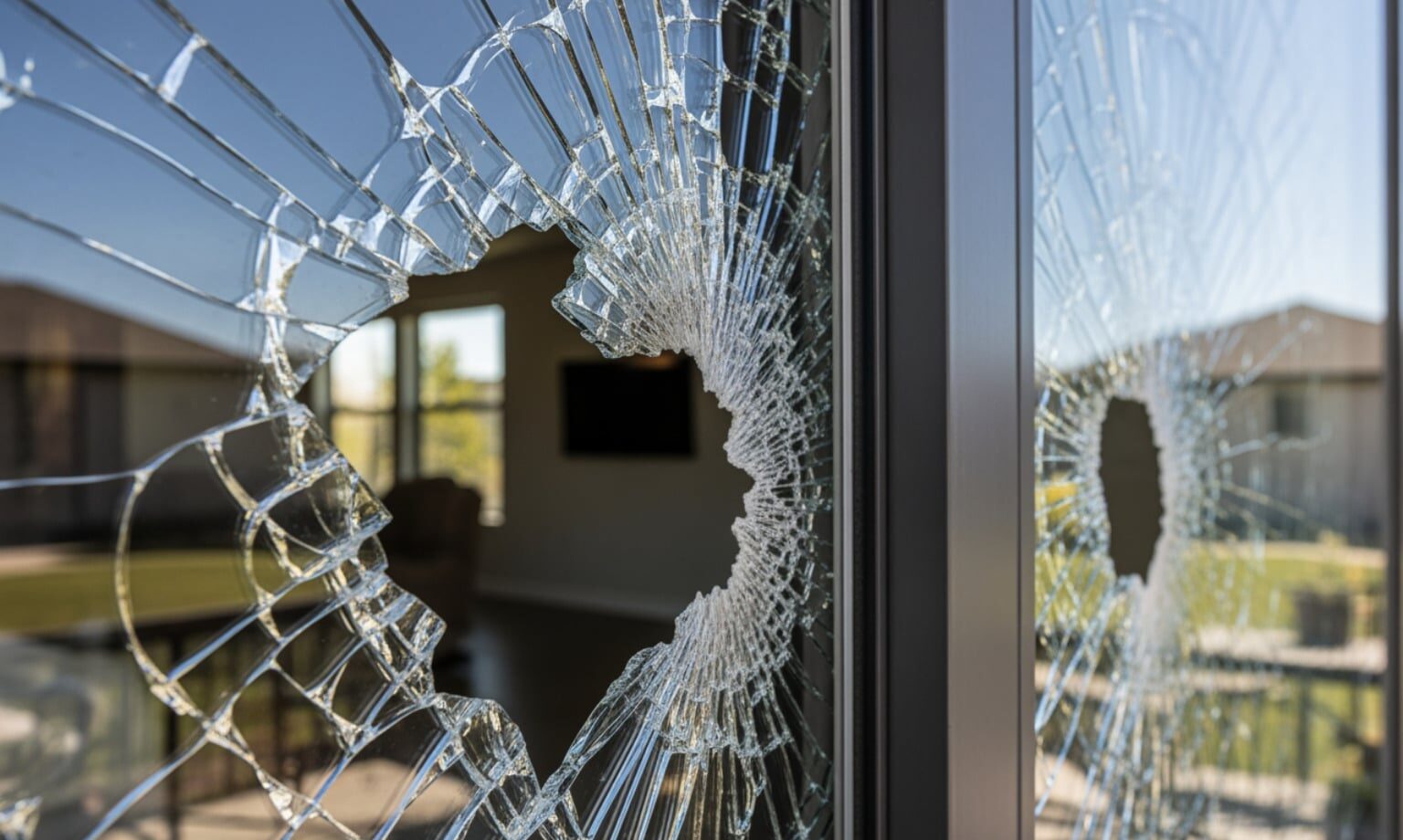
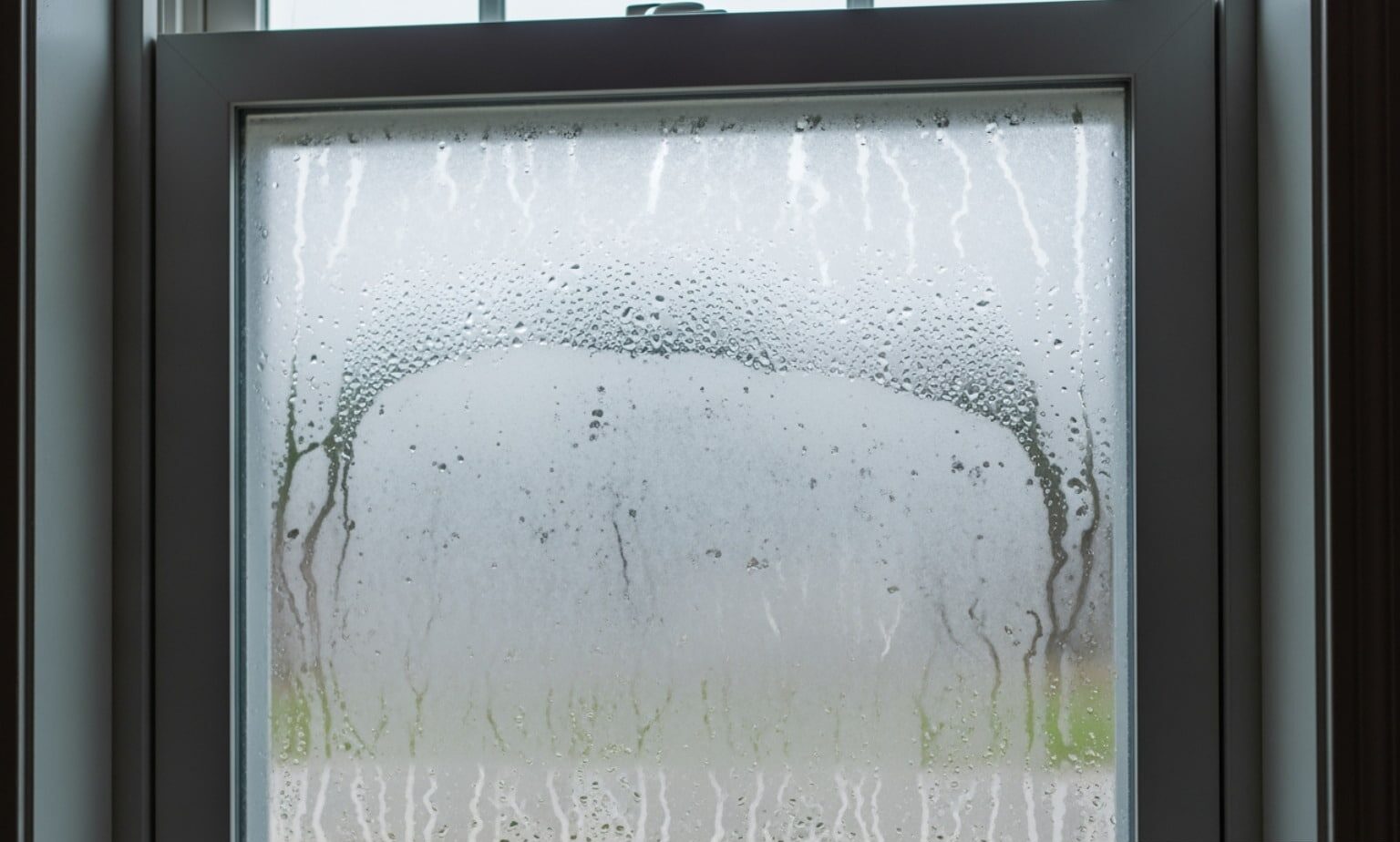
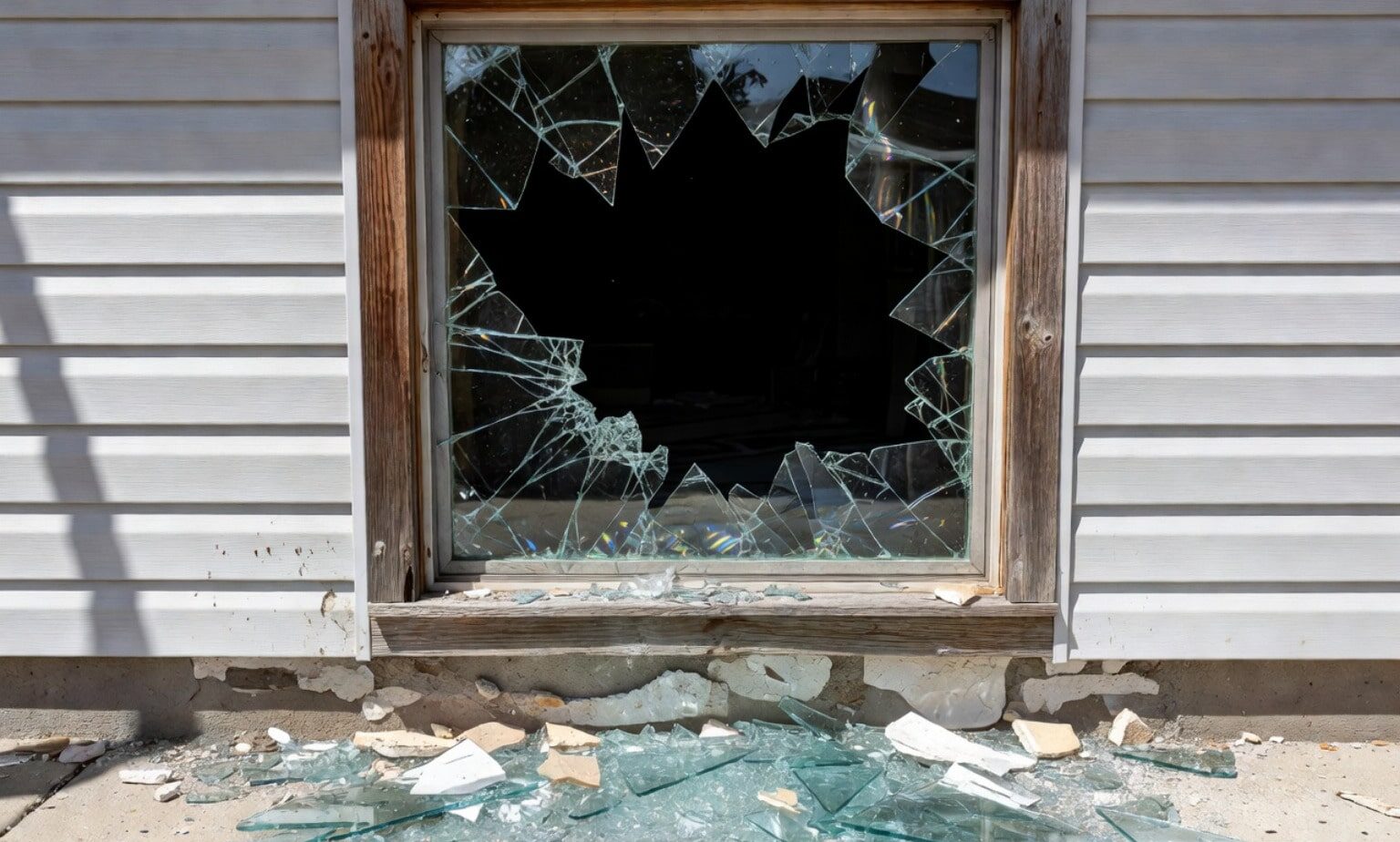
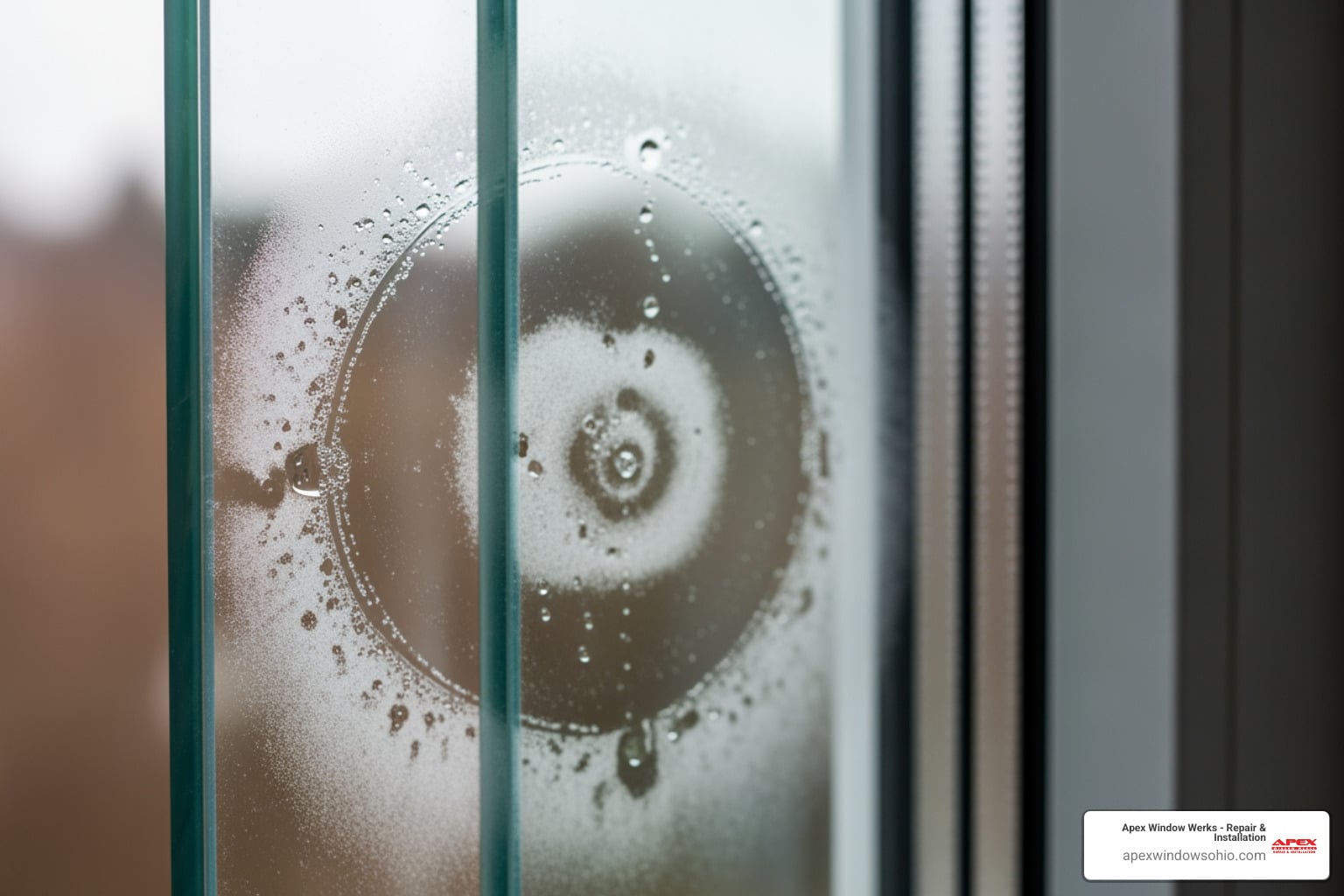
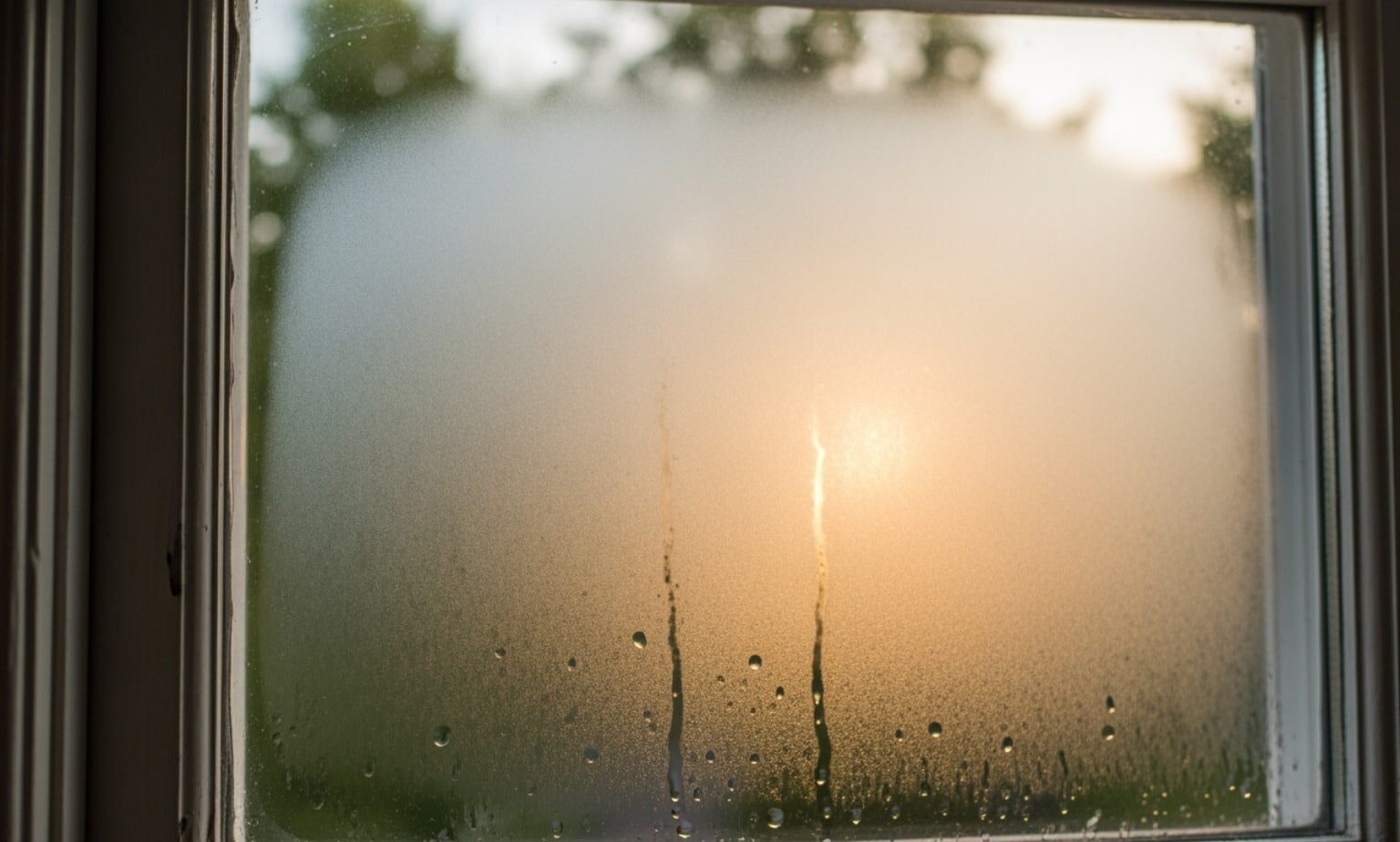
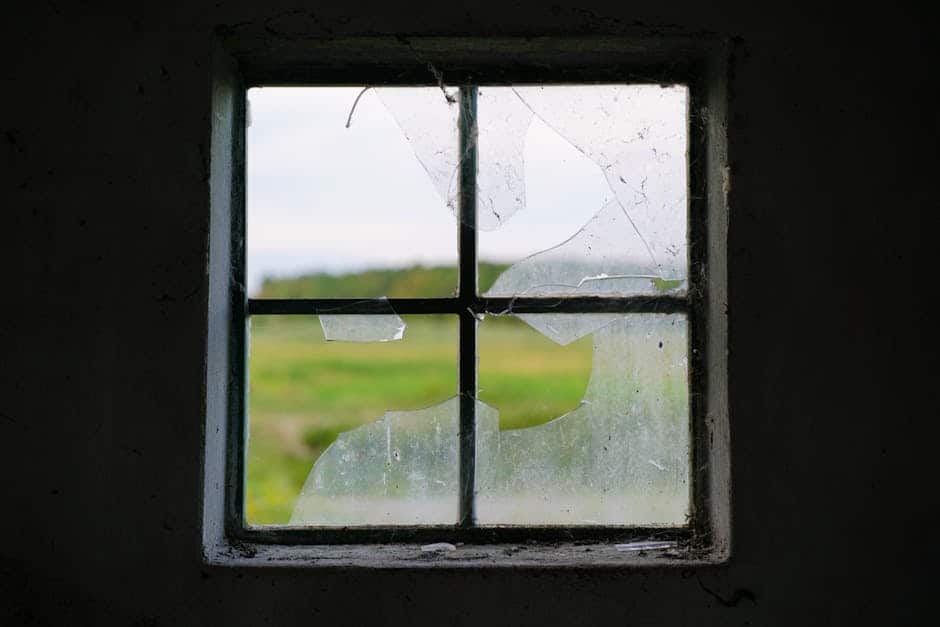
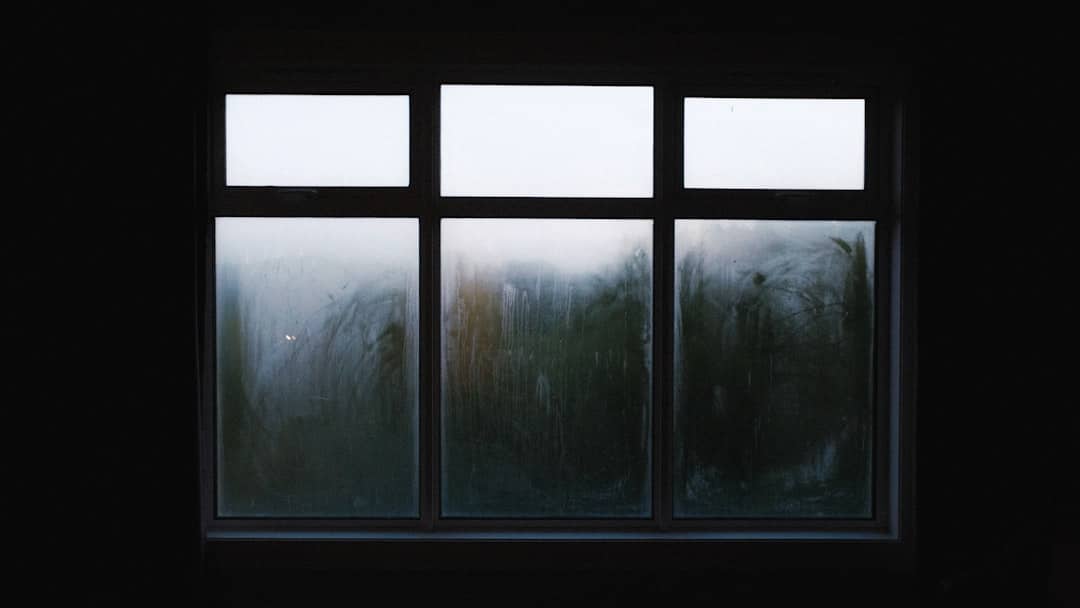
When the perimeter seal of an IGU fails, moist air penetrates the airspace, resulting in hazy condensation between the panes. In these scenarios, replacing the insulated glass unit restores clear views and thermal performance without requiring a complete window replacement.
Hardware and Counterbalance Mechanisms
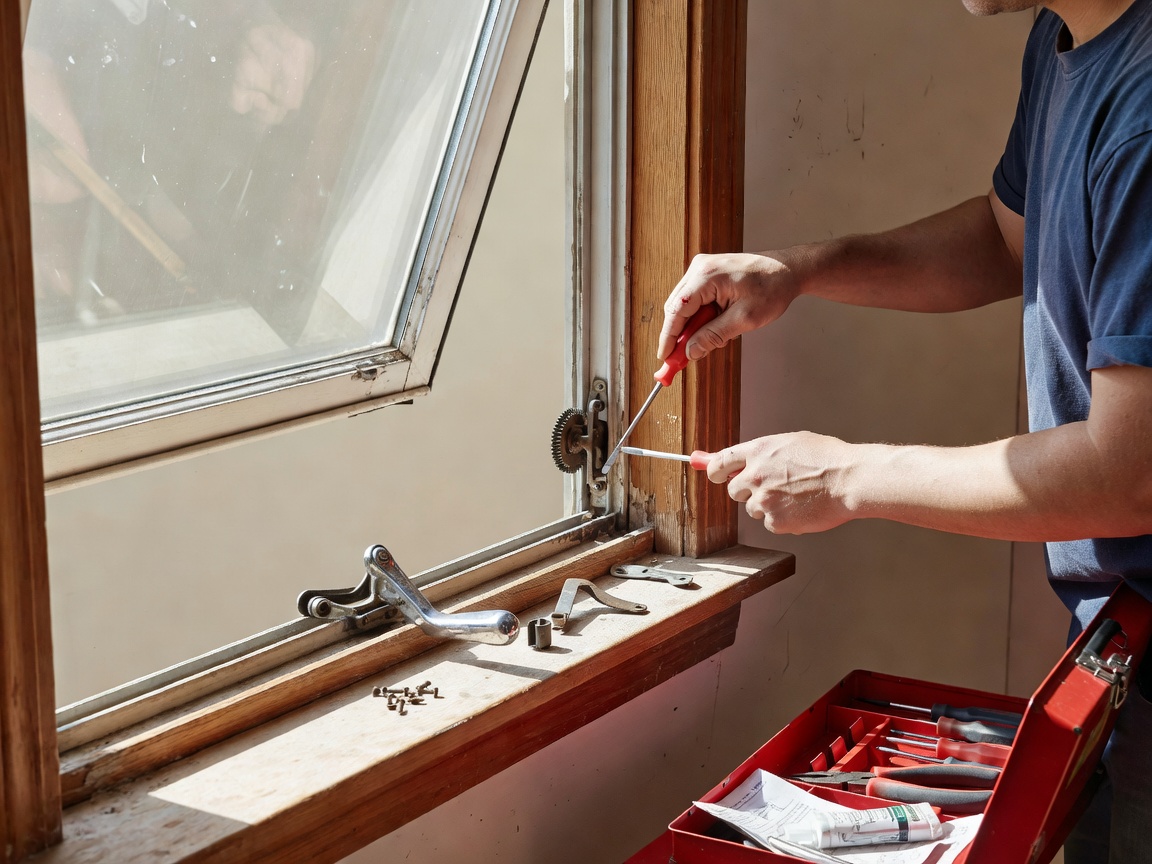
Hardware encompasses all functional metal and composite components that enable secure opening, closing, and locking.
Critical hardware components include:
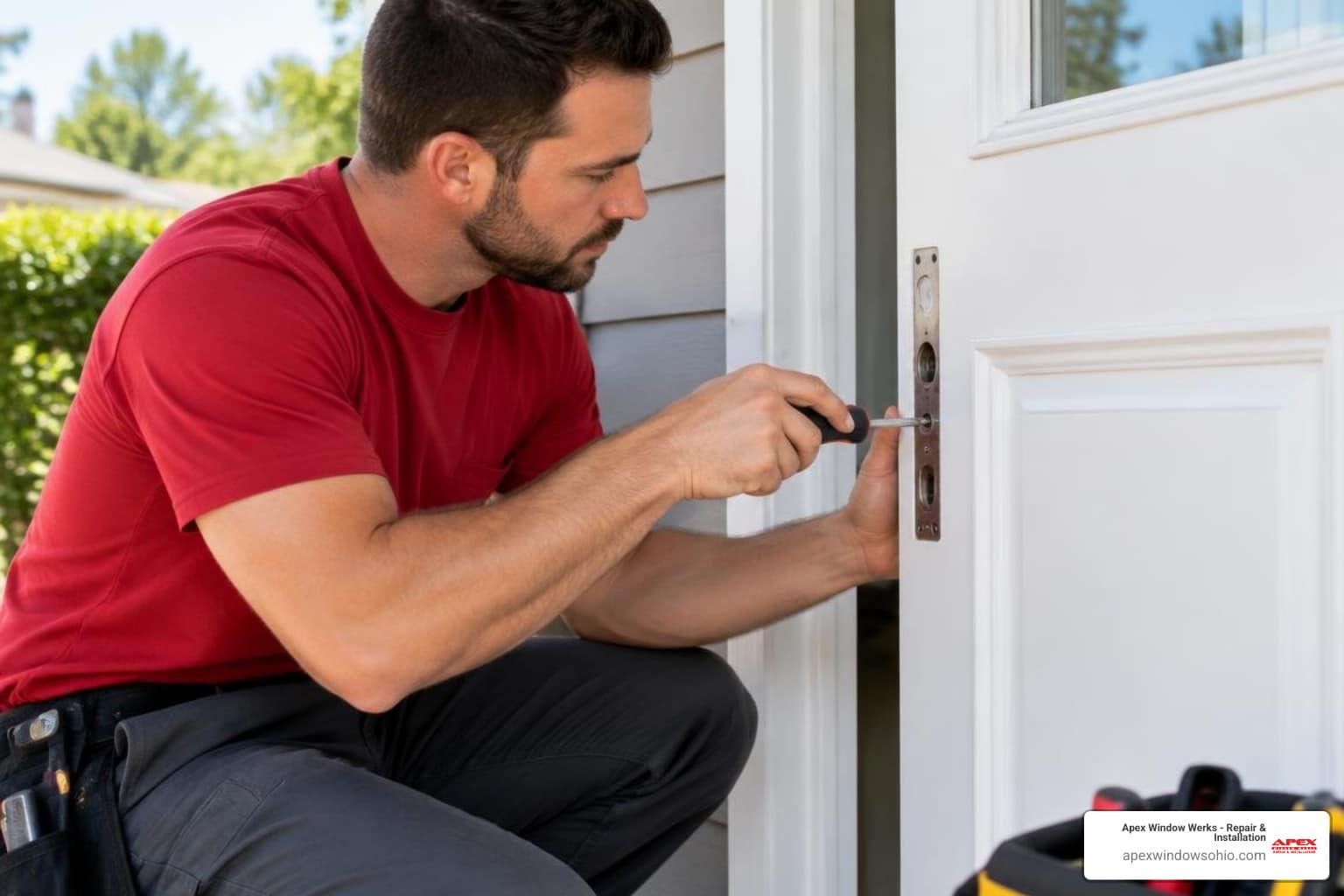
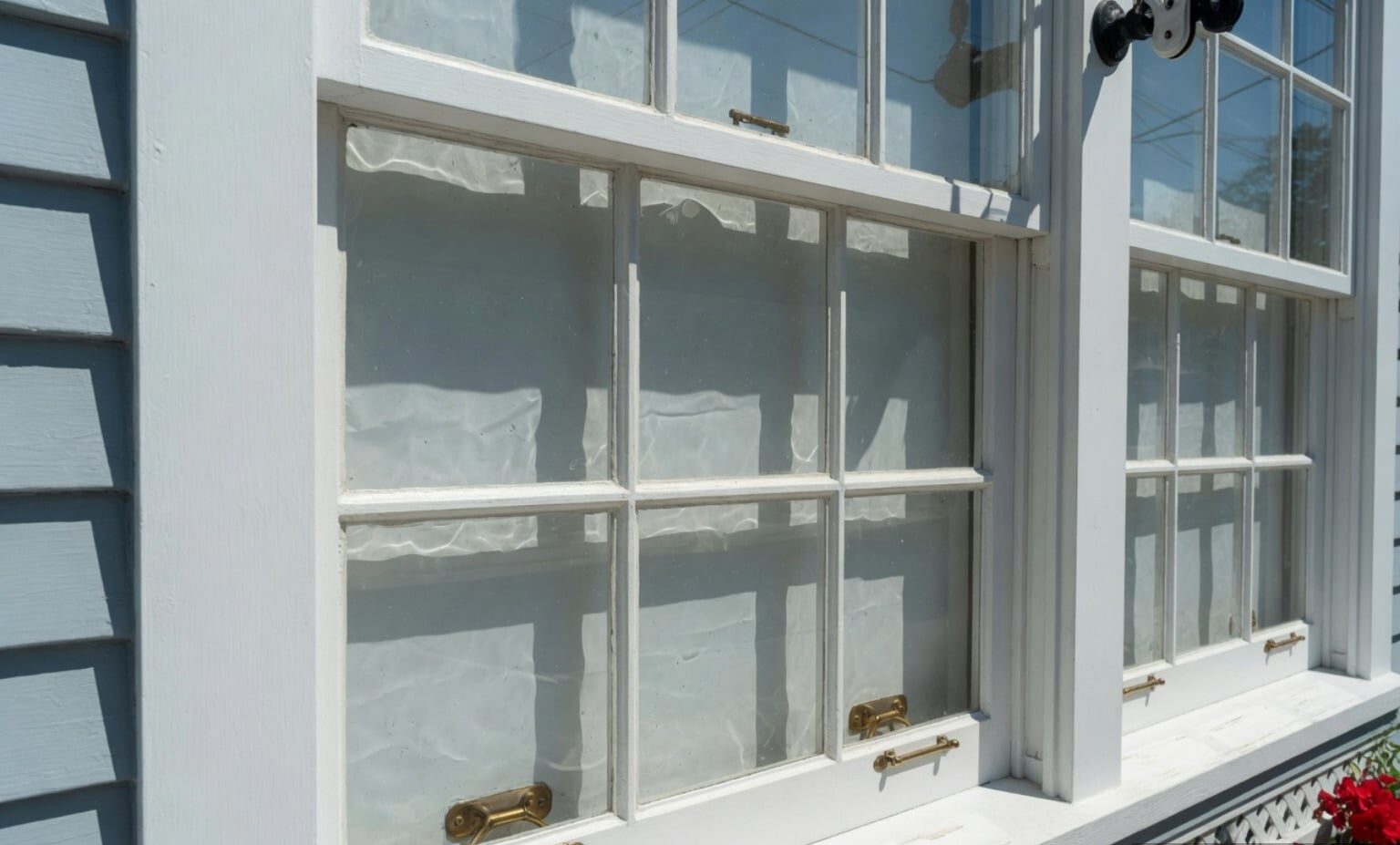
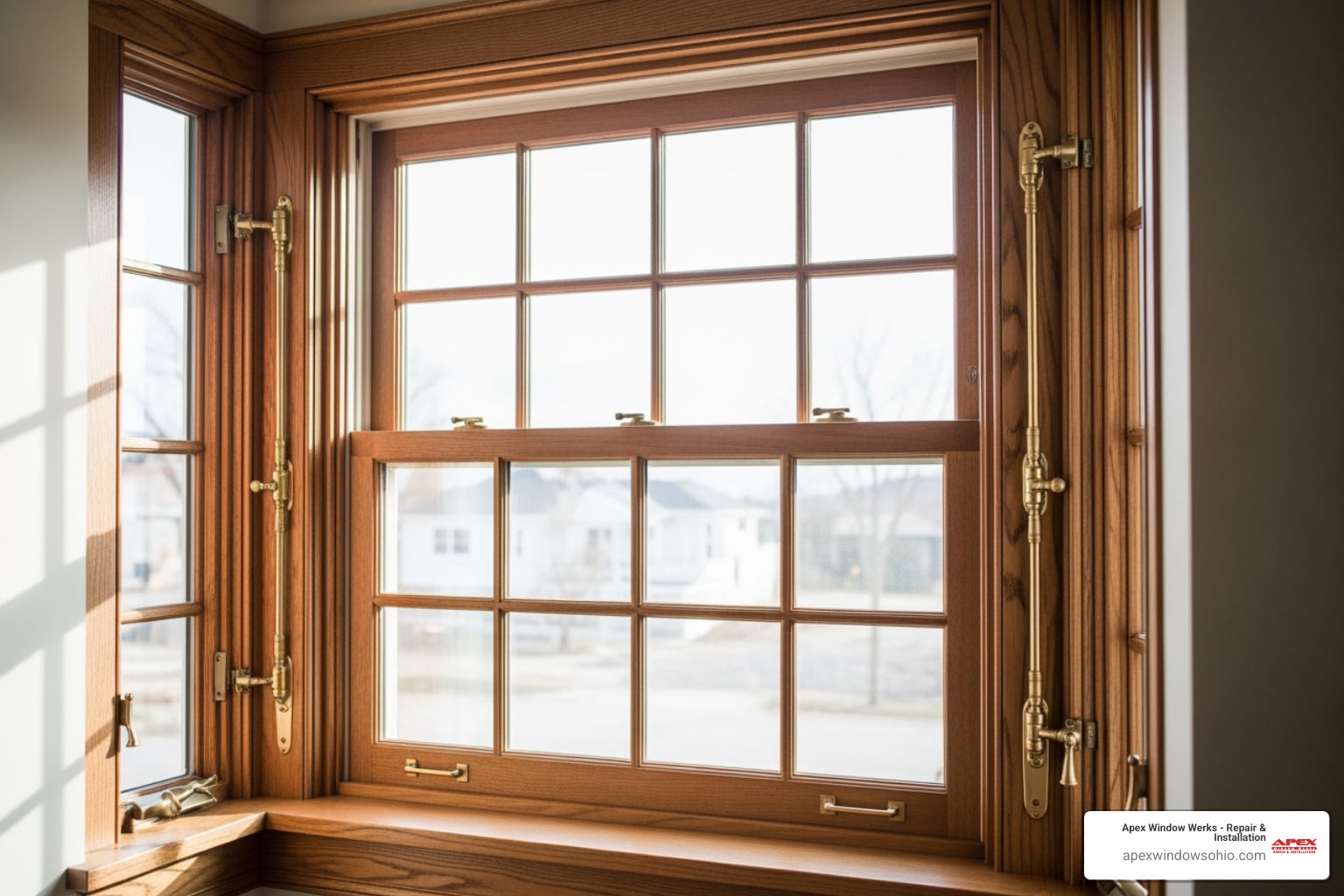
- Cam Locks and Keepers: Mounted on the check rail of hung windows or the side jambs of casements. Engaging the cam draws the sash tightly against the weatherstripping, forming an airtight, weathertight seal while locking the window.
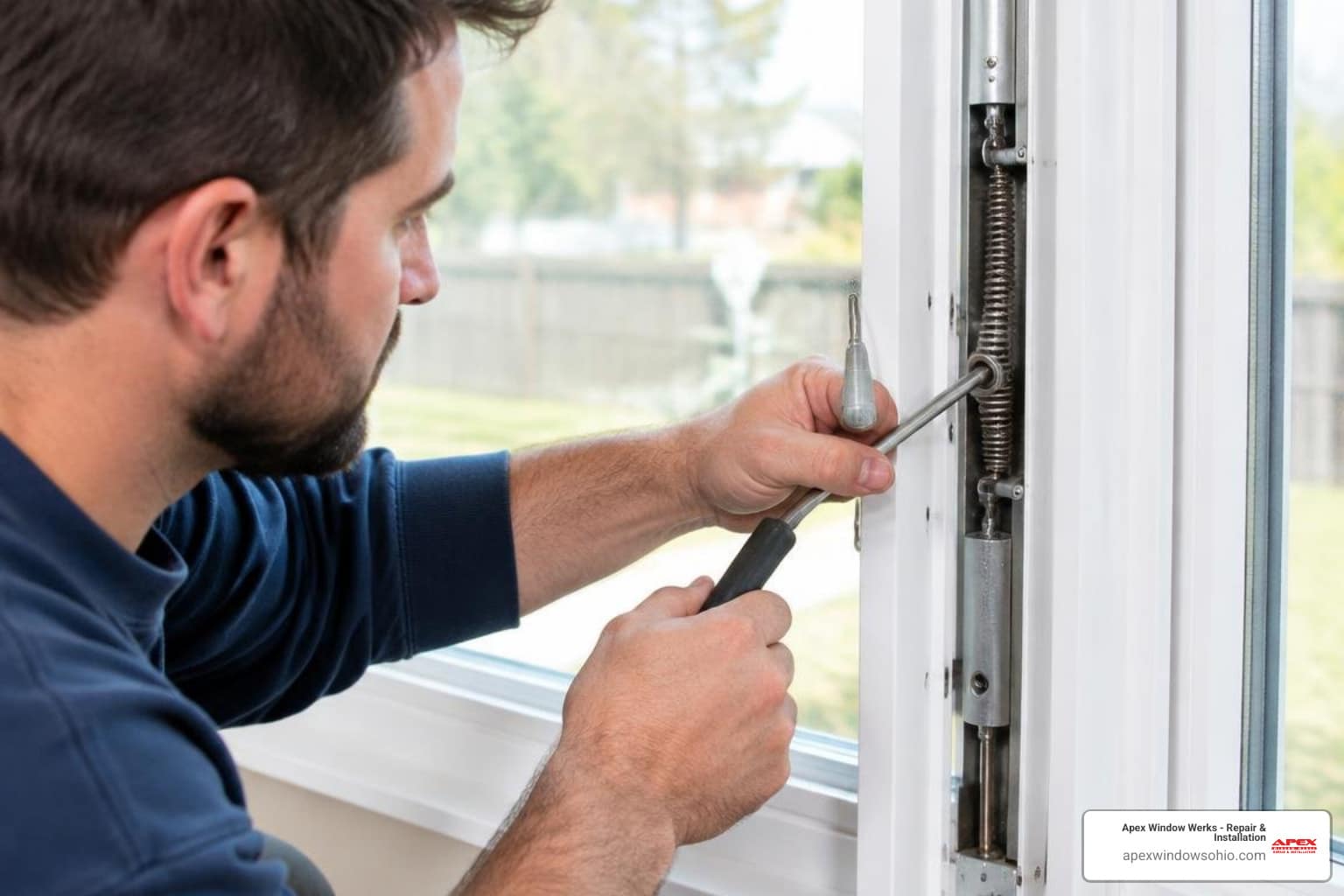
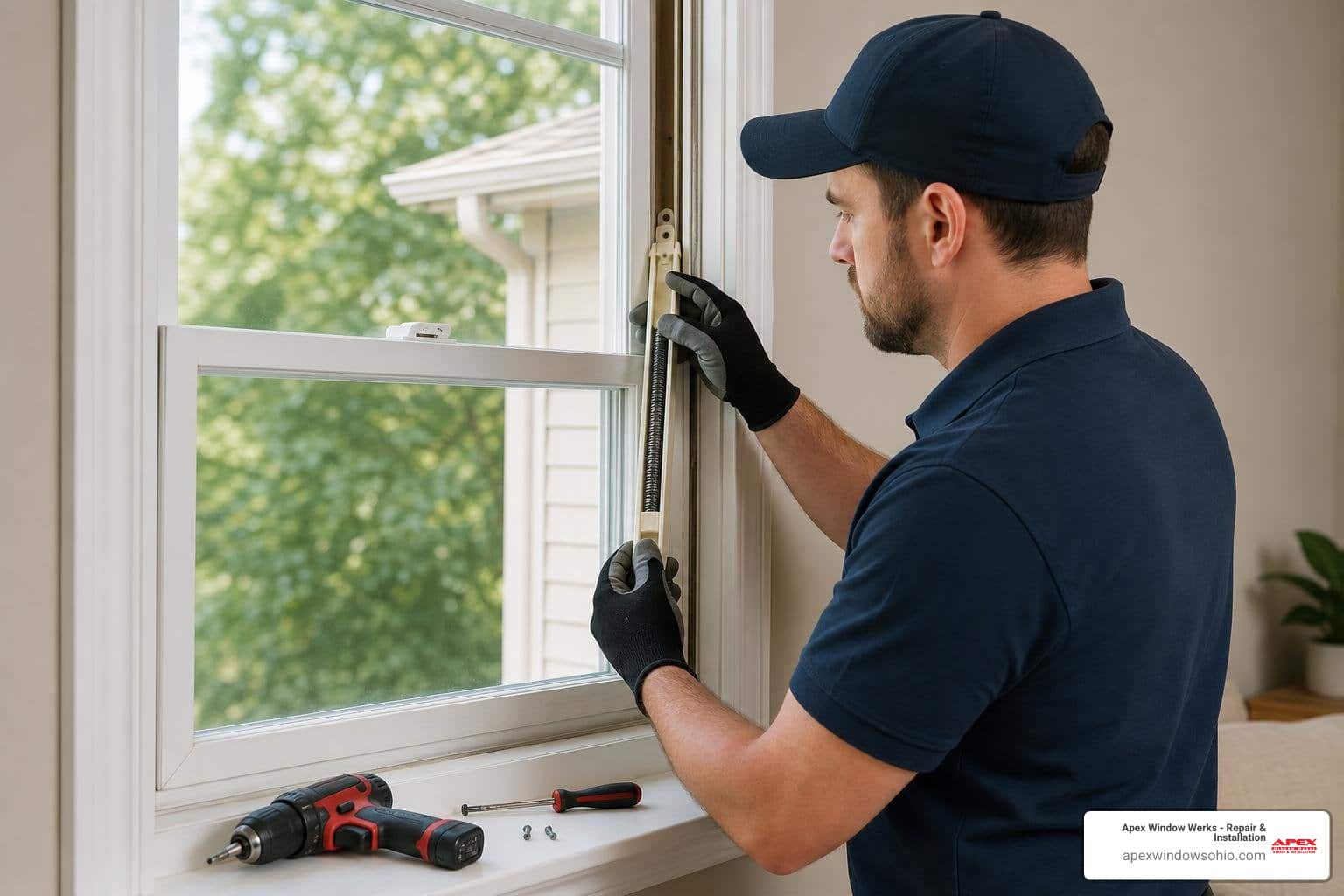
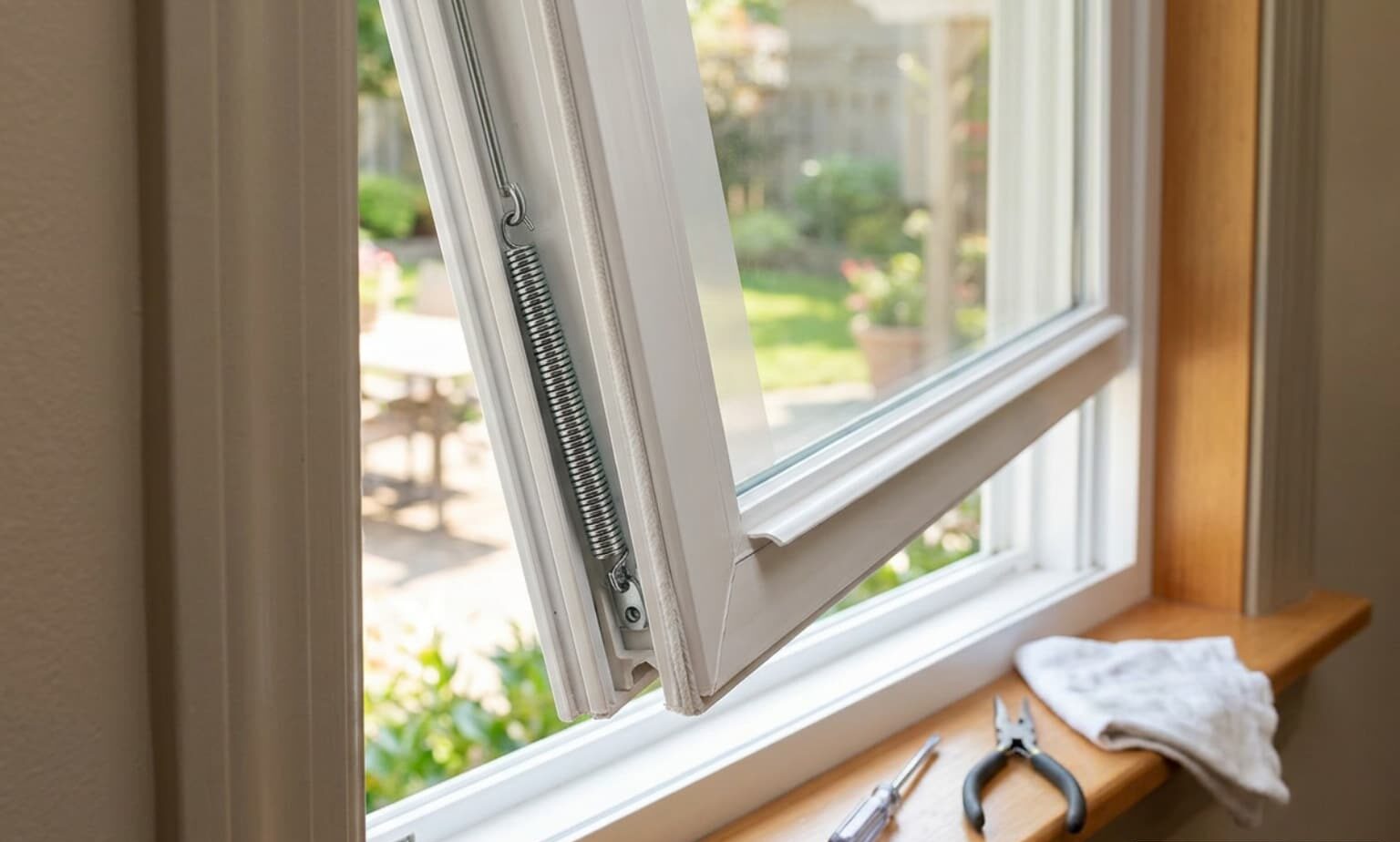
- Window Balances: Counterbalance mechanisms concealed inside the side jambs of hung windows to offset sash weight. Common designs include spiral balances, block-and-tackle systems, and constant-force coil springs.
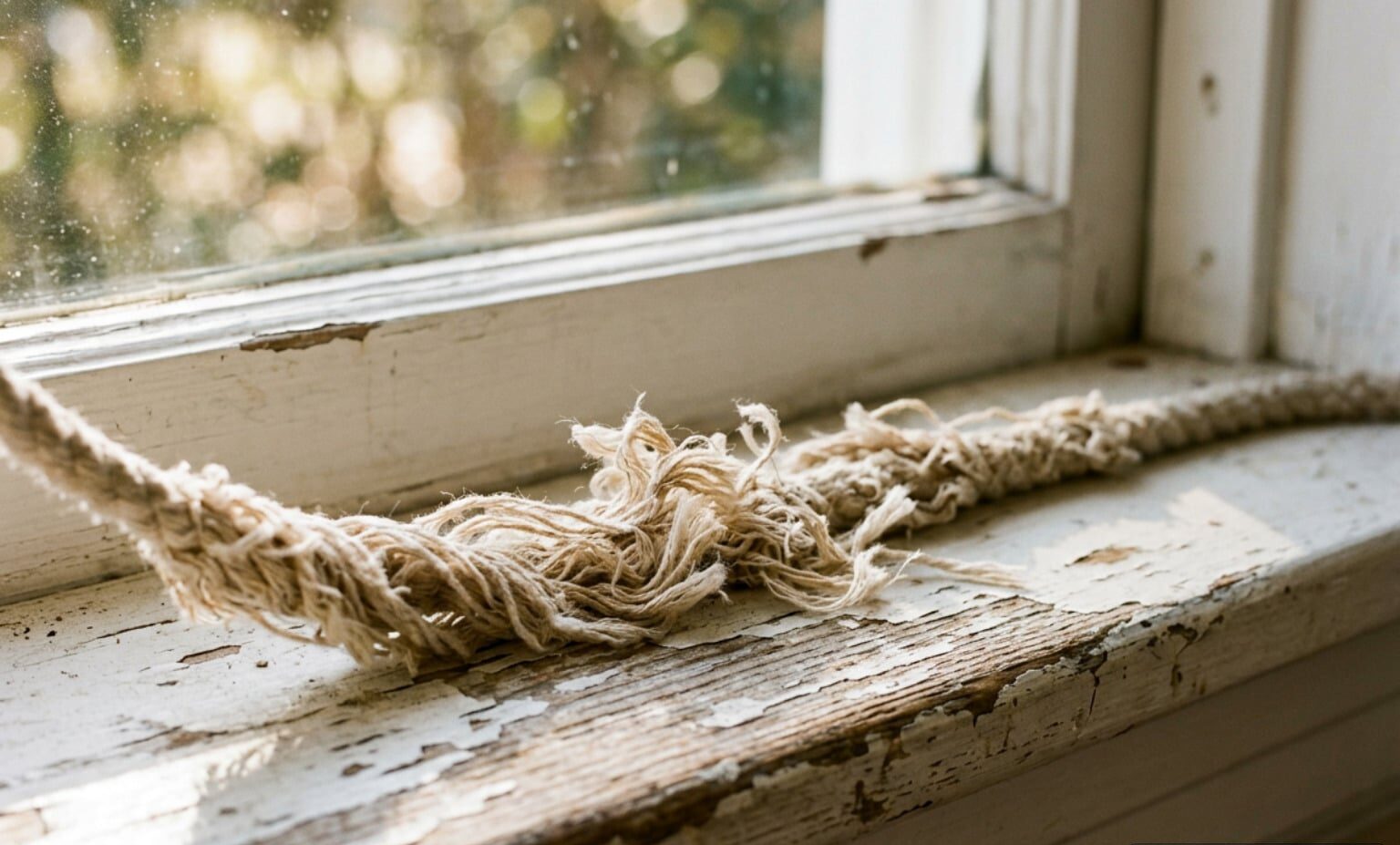
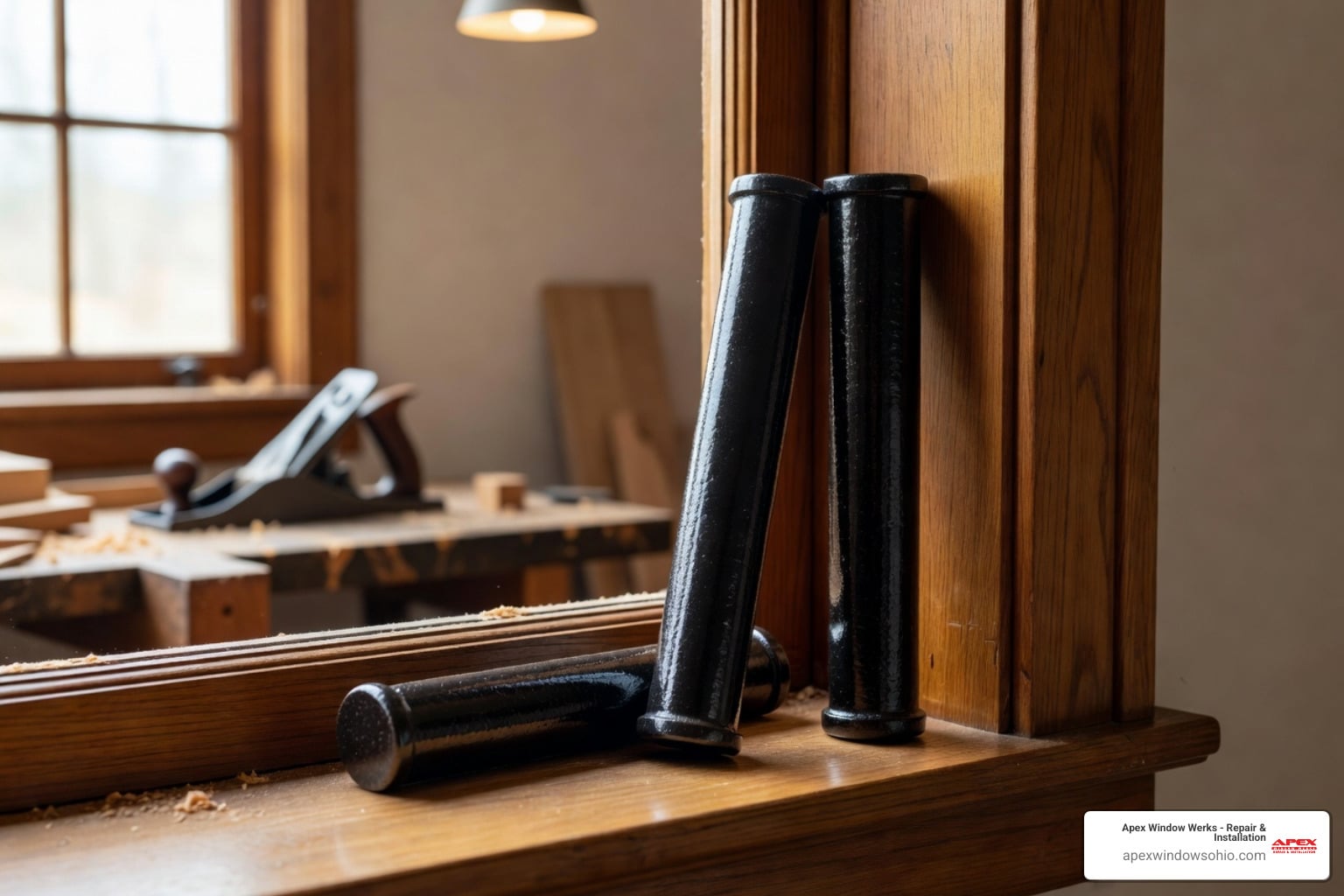
- Ropes and Pulleys: Found in traditional historic windows, utilizing cast-iron sash weights suspended within wall pockets. Restoring smooth travel through replacing window ropes and pulleys preserves historic charm while restoring balanced, safe operation.
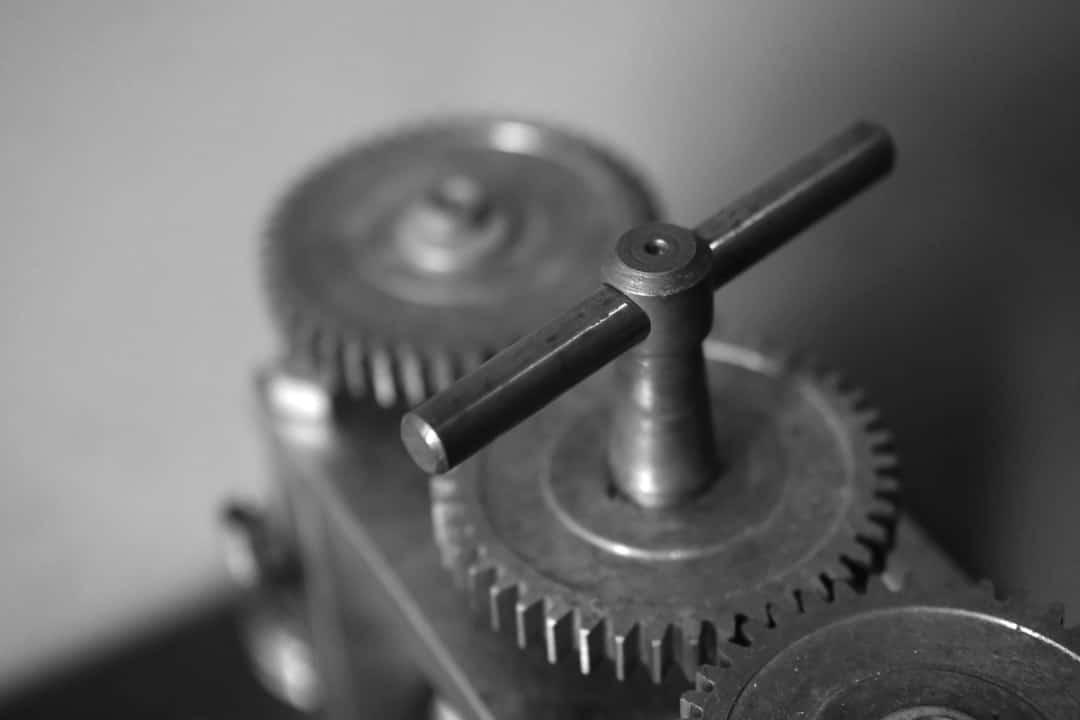
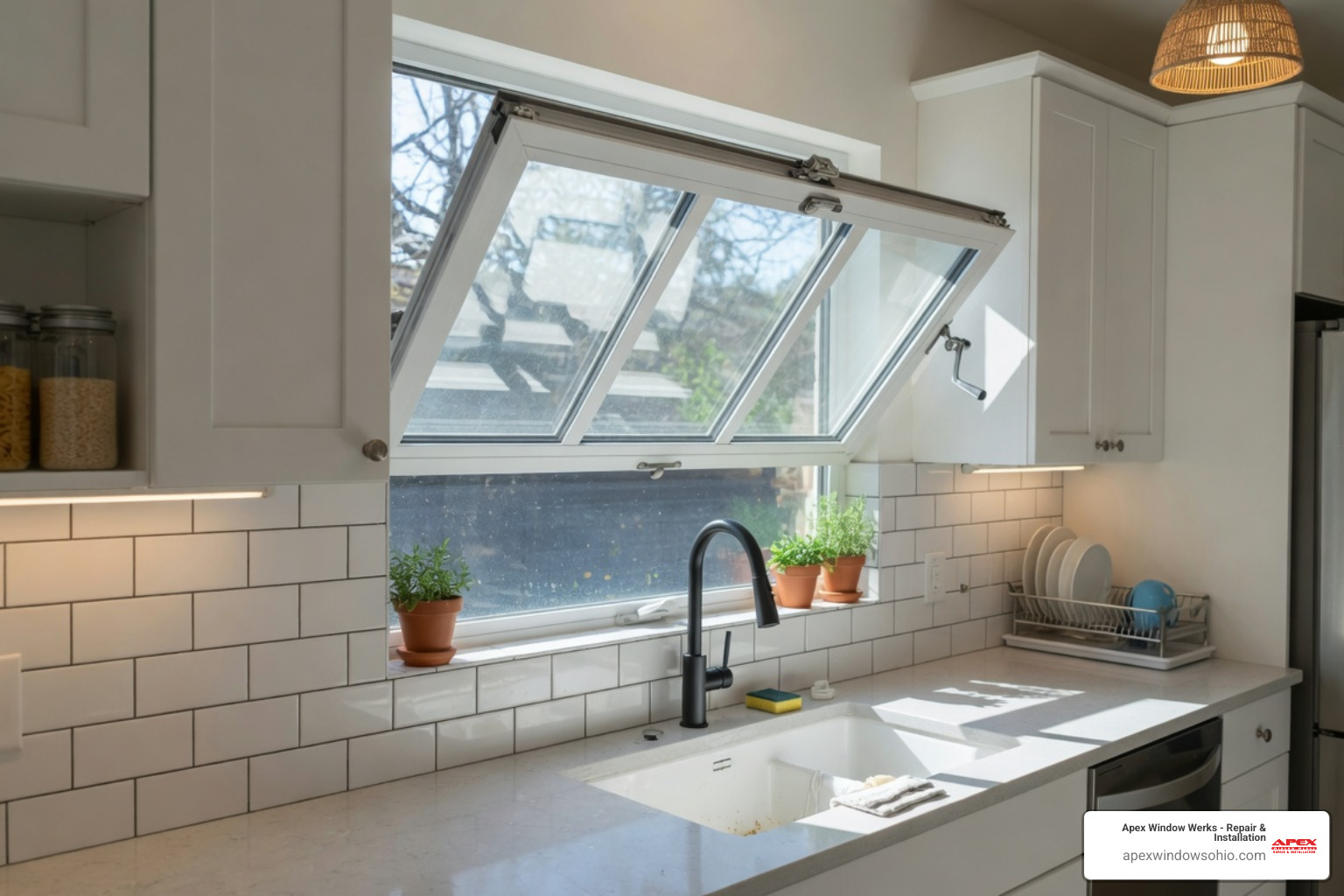
- Rotary Operators and Hinges: Mechanical scissor gears and hand cranks that smoothly push outward and retrieve casement and awning sashes.
Weatherstripping and Air Infiltration Seals
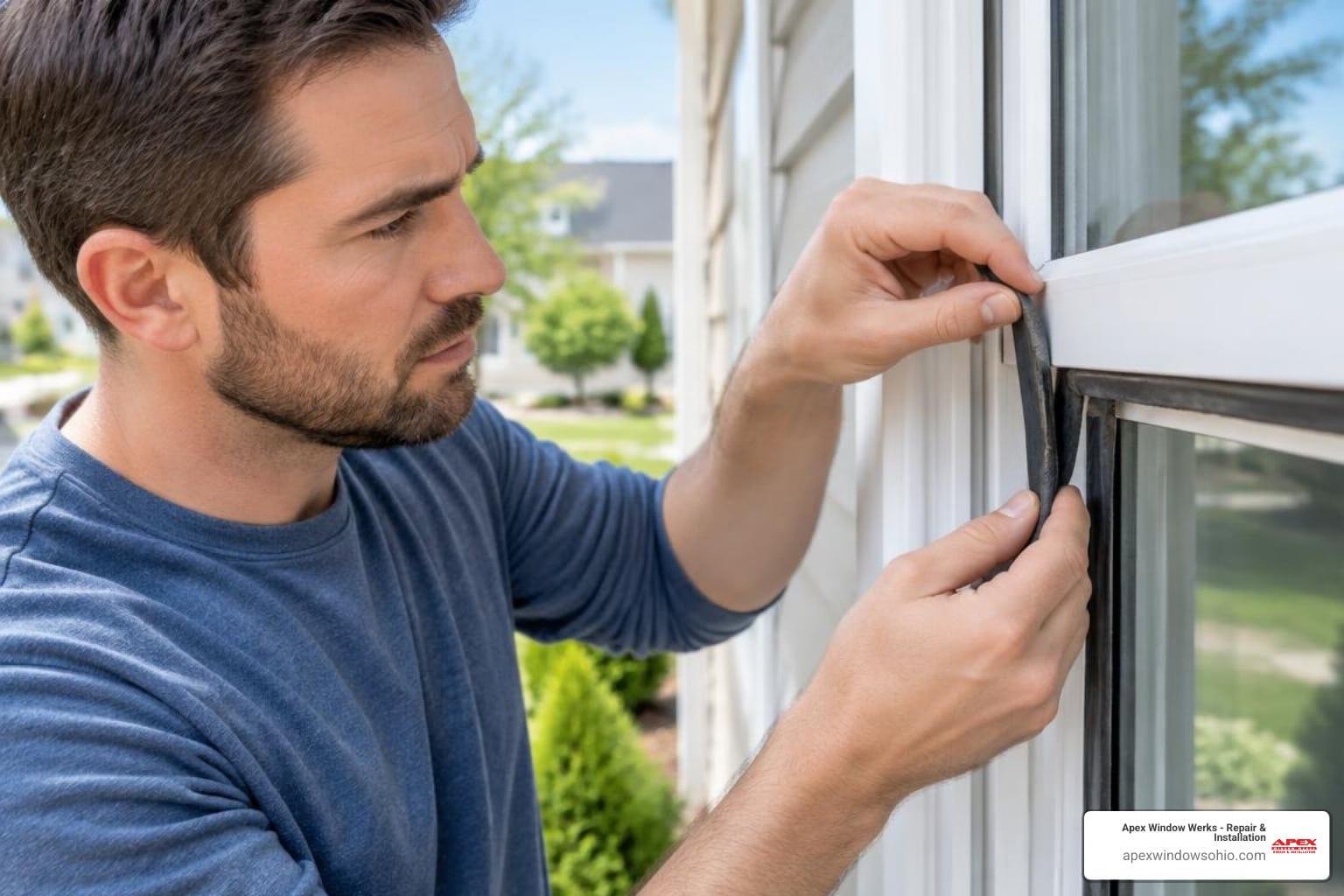
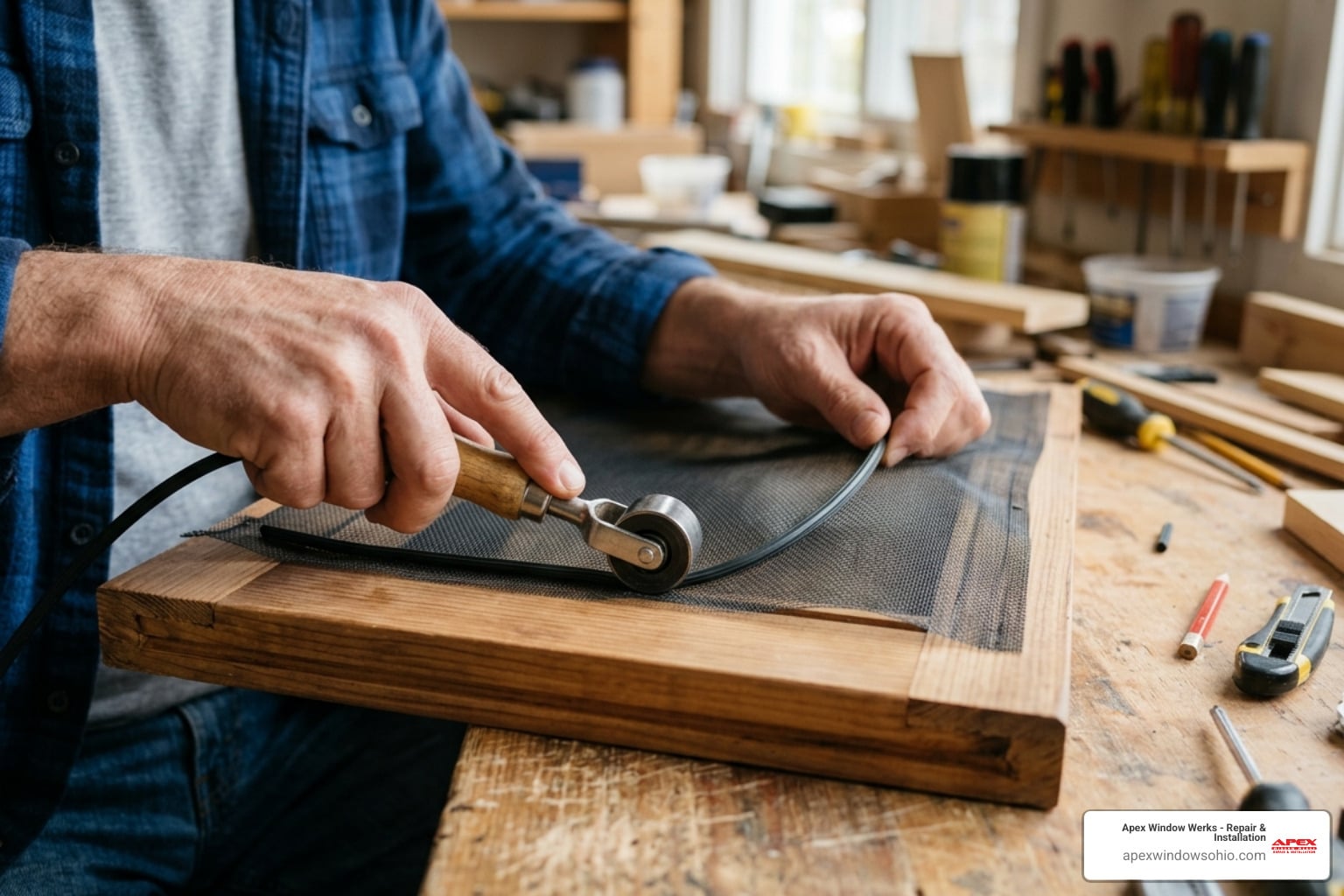
Weatherstripping is the flexible barrier installed along the perimeter of the frame and sash to seal small gaps against outside air and water.
Common weatherstripping profiles include:
- Compression Bulb Seals: Hollow rubber or silicone tubes that compress tightly when a casement or awning sash closes, providing strong protection against wind-driven precipitation.
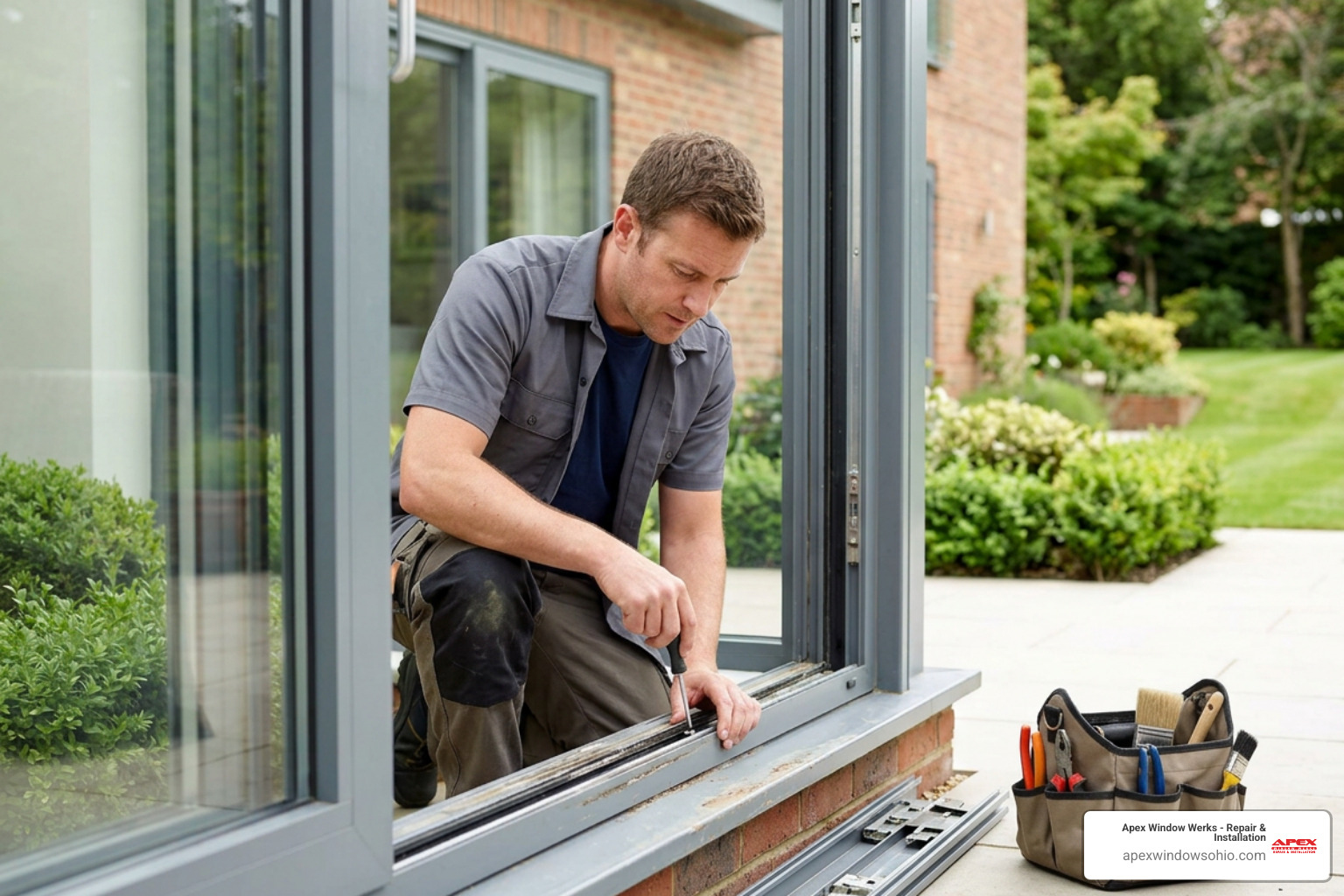
- Pile/Fin Weatherstripping: Dense synthetic brush fibers incorporating a solid center plastic fin, commonly installed in sliding and hung sash tracks to reduce friction while blocking drafts.
- Foam Gaskets: High-density foam strips placed along bottom rails and meeting rails to seal against variations in framing.
Replacing brittle, flattened, or torn weatherstripping can reduce drafts by 10–25%, significantly lowering heating and cooling demands across older residential properties.
Distinguishing Architectural Elements: Mullions, Muntins, and Trim in Northeast Ohio Homes
In addition to the five primary structural parts, windows often feature decorative and architectural components that homeowners encounter during remodeling and repairs.

Mullions vs. Muntins
The terms mullion and muntin are frequently confused:
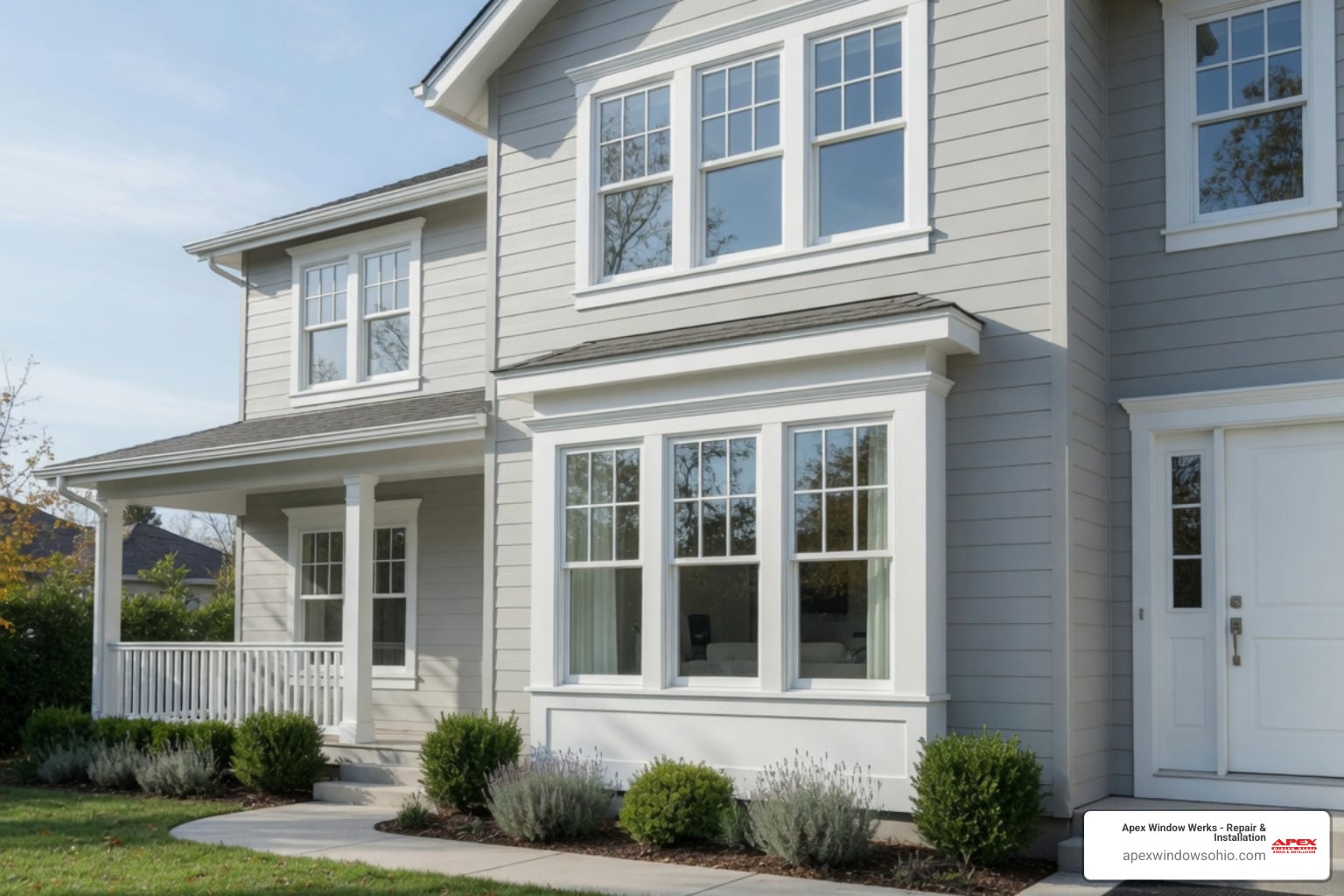
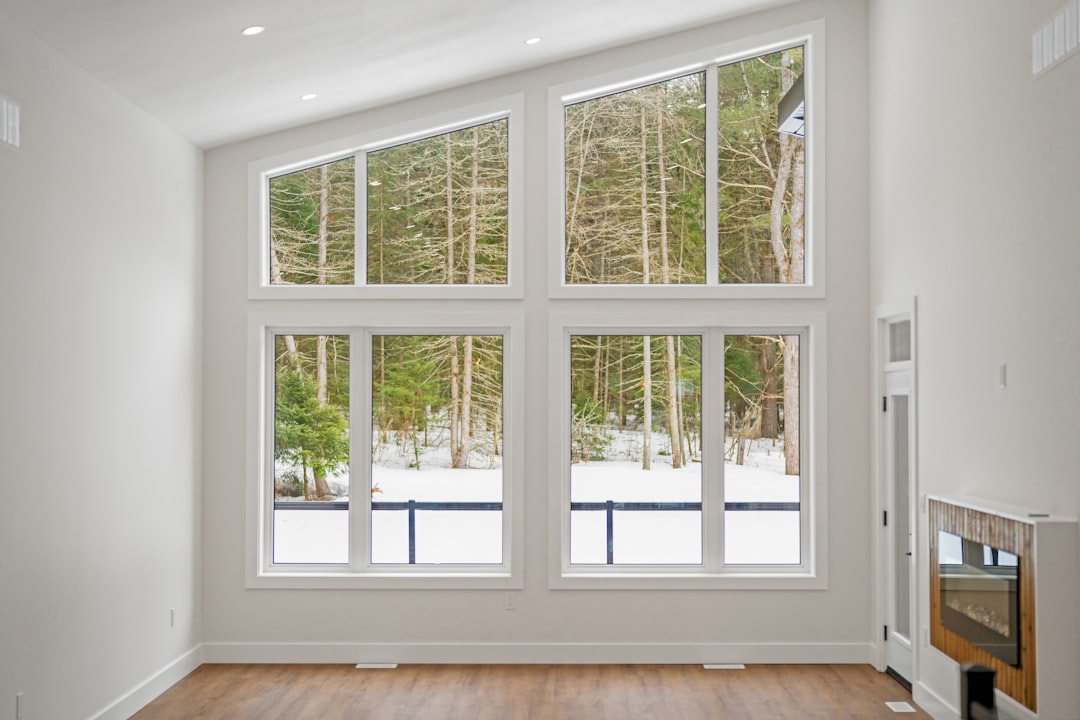
- Mullion: A heavy, load-bearing structural member that joins two or more separate window units together within a single rough opening (such as pairing two double-hung units with a center picture window).
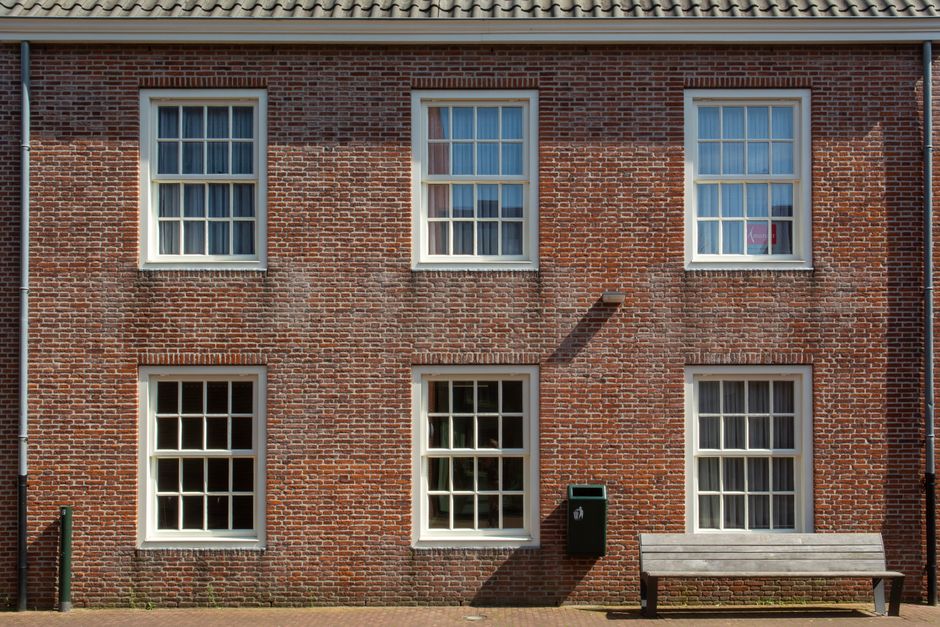
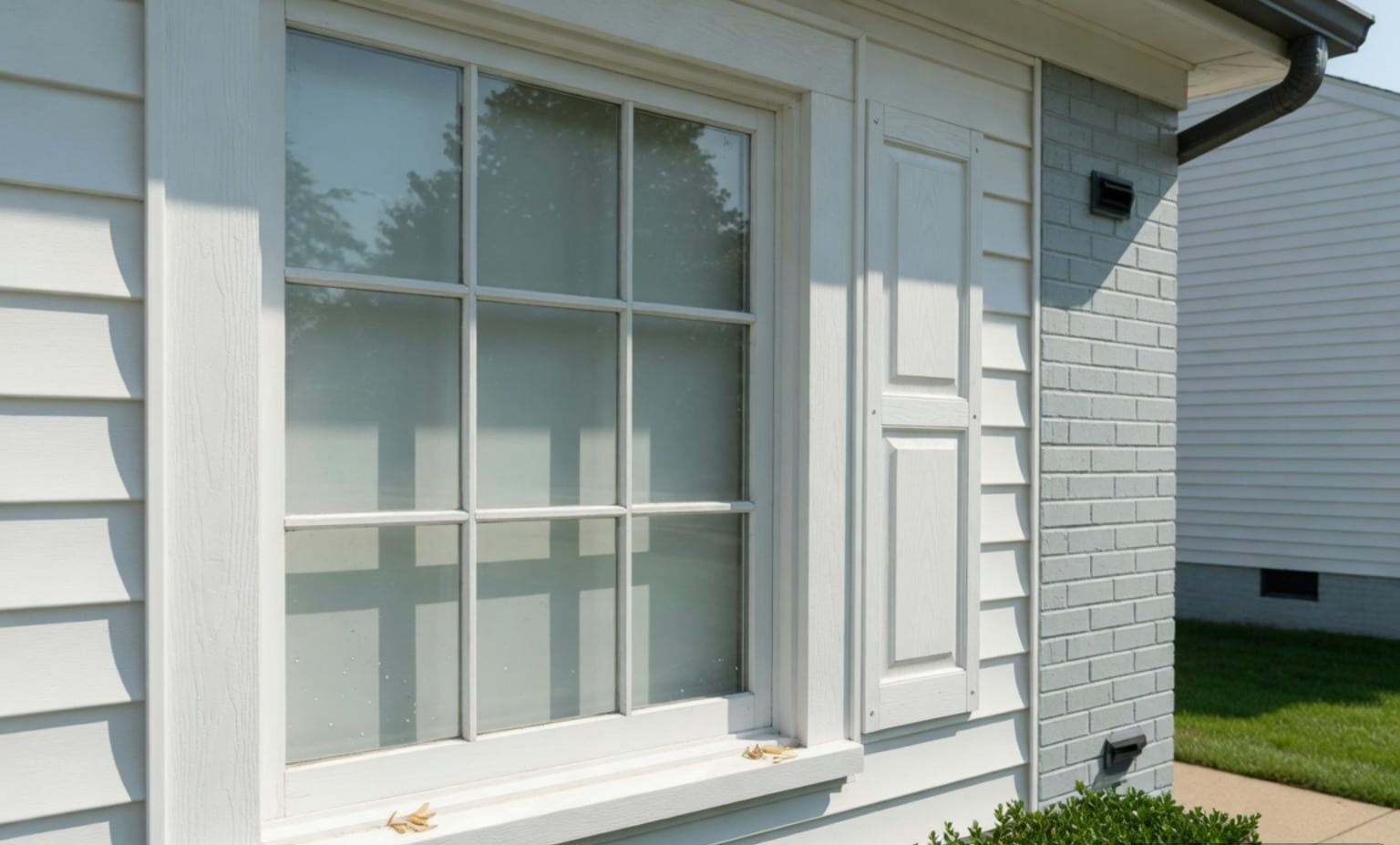
- Muntin (Grille or Lite Bar): A narrow strip of wood, composite, or aluminum that divides individual panes of glass within a single sash. Modern windows often use Simulated Divided Lite (SDL) bars adhered to the exterior and interior glass surfaces over internal shadow spacers to mimic classic divided lites without compromising IGU thermal efficiency.
| Feature | Structural Mullion | Decorative Muntin (Grille) |
|---|---|---|
| Primary Function | Joins distinct window units structurally | Divides glass panes visually for aesthetics |
| Load-Bearing | Yes – supports wind load and unit weight | No – purely decorative or glass-retention |
| Placement | Between separate window frames | Across the surface of an individual sash |
| Impact on Thermal Rating | Integral to frame structural performance | Minimal impact when using modern SDLs |
Interior and Exterior Trim Elements
Trim components cover the expansion space between the window frame and the adjacent wall framing:
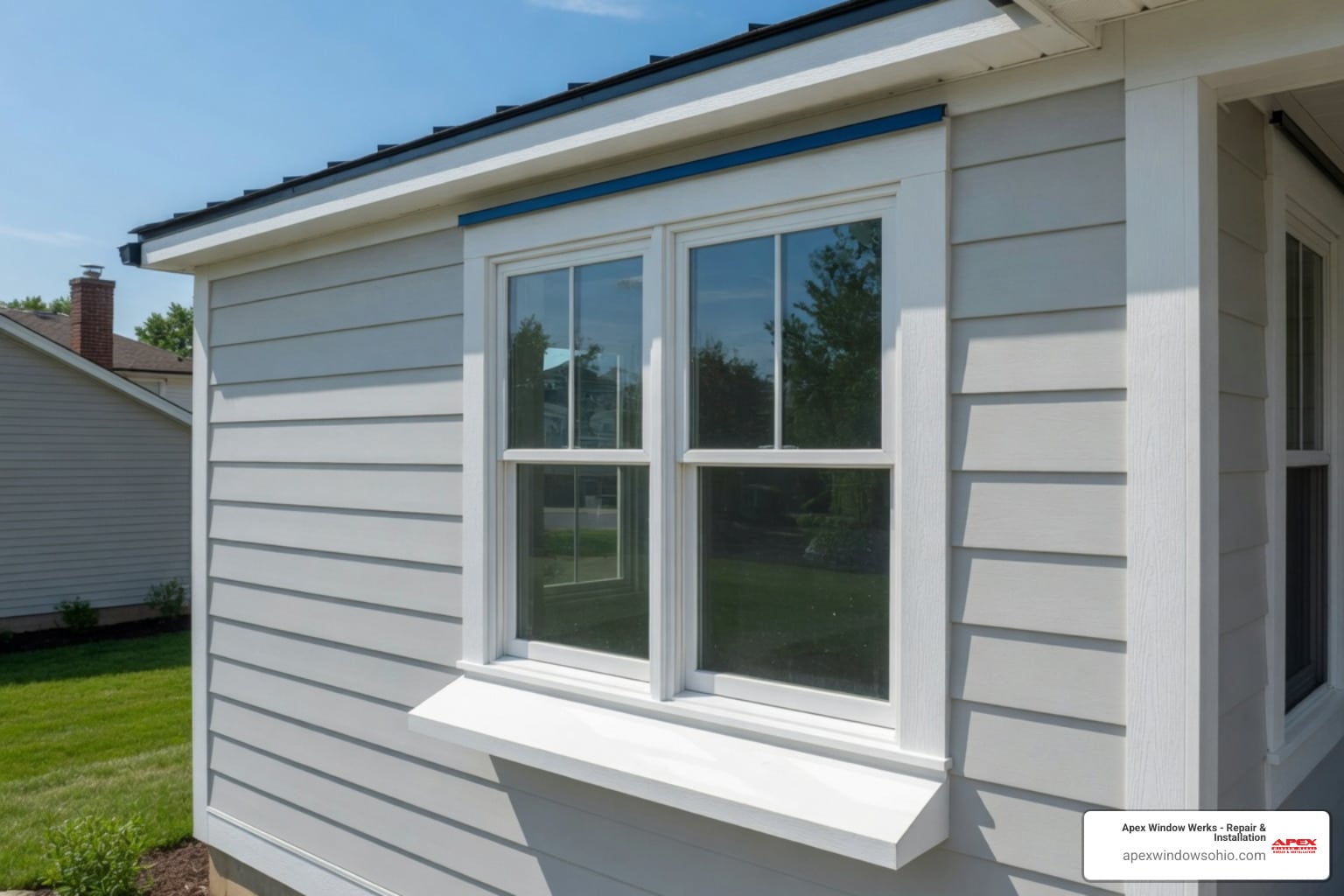
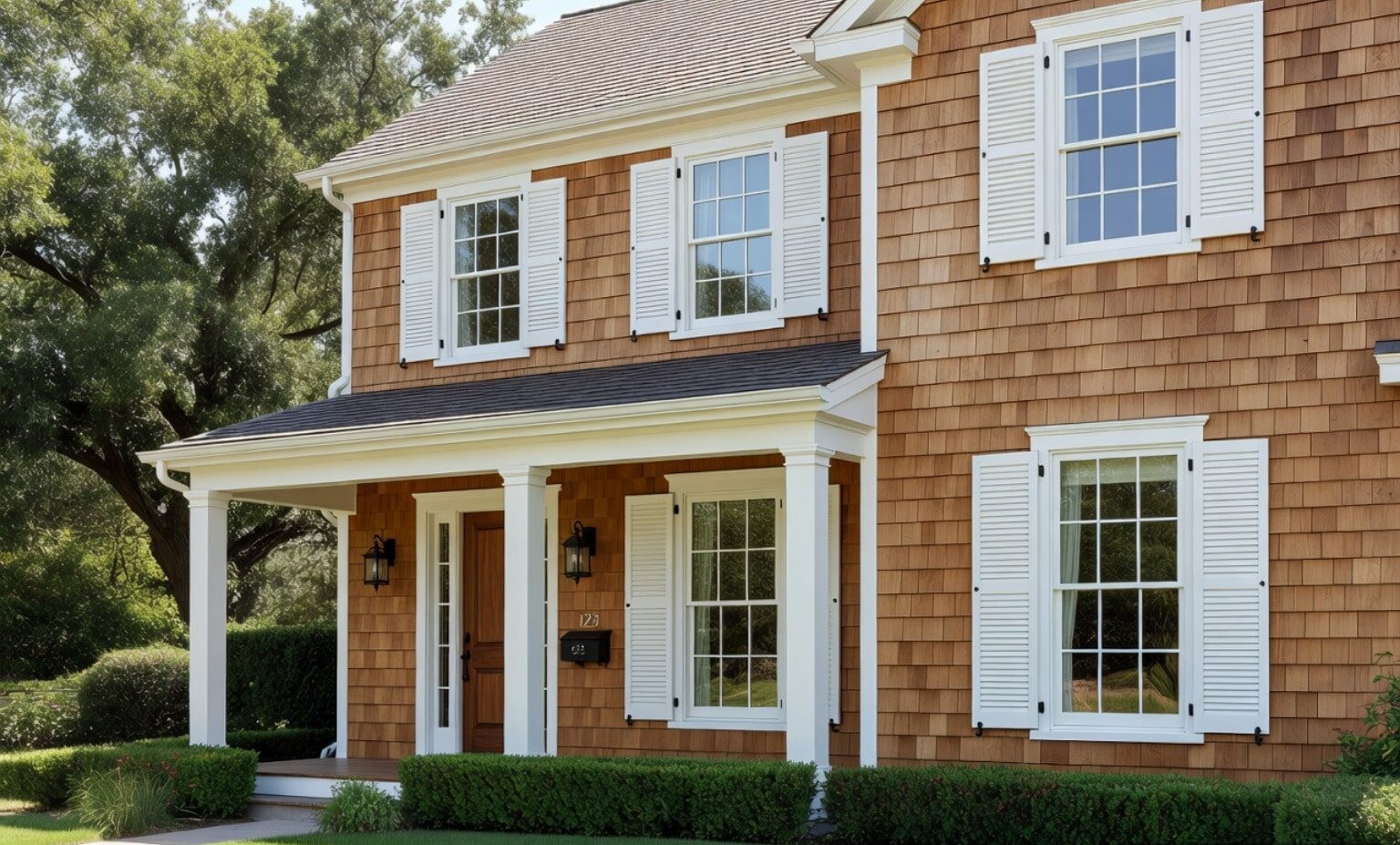
- Exterior Casing & Brickmould: Decorative exterior mouldings that conceal the rough opening gap, direct water runoff, and create a clean transition to siding or masonry.
- Drip Cap: A metal flashing profile mounted above the exterior head casing to divert rainwater away from the top of the frame.
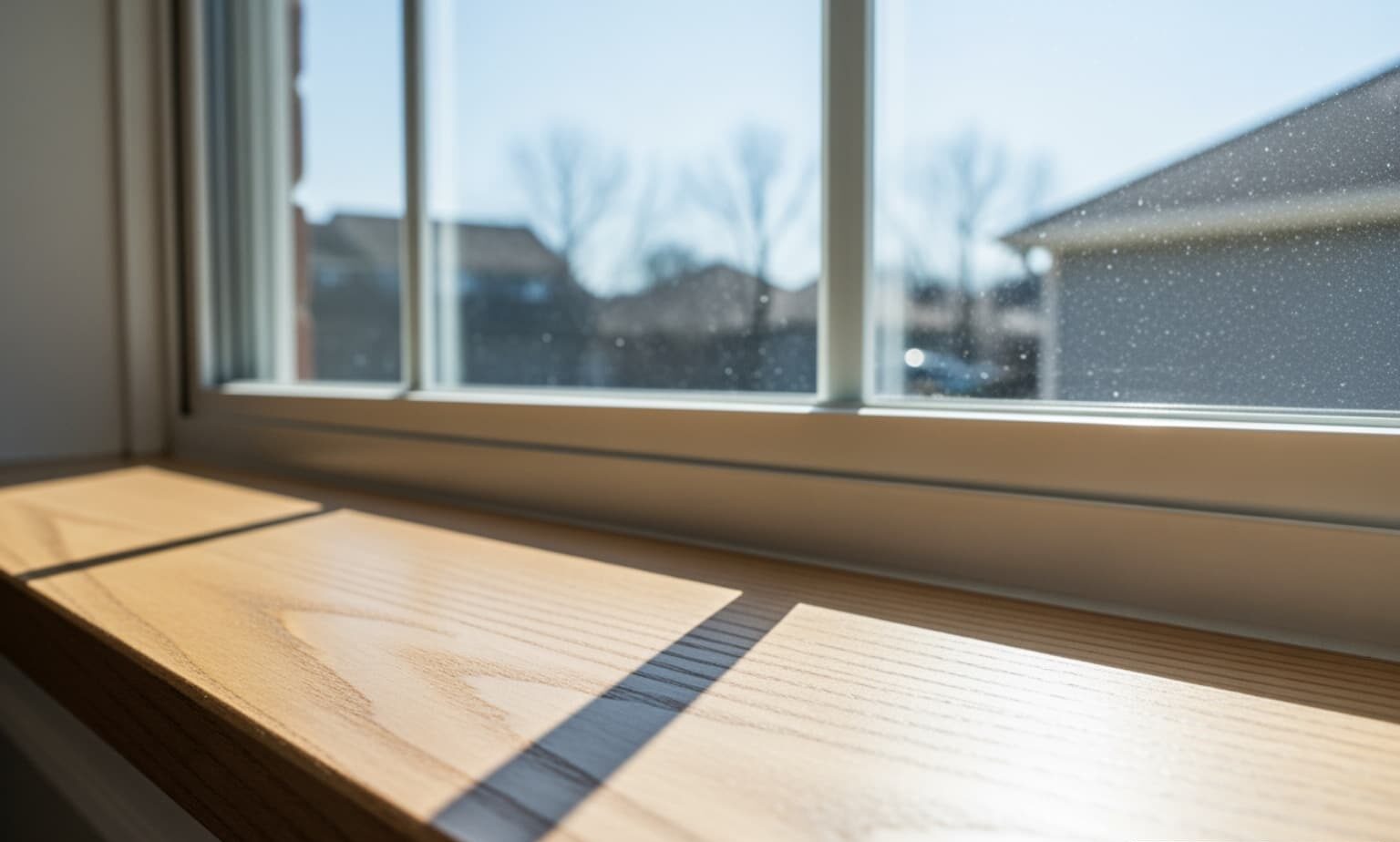
- Interior Stool: The horizontal, shelf-like interior trim piece sitting flat at the base of the frame, resting over the wall sill.
- Interior Apron: A decorative horizontal moulding installed directly beneath the stool, covering the drywall transition.
When planning changes to structural openings or replacing multi-unit assemblies, reviewing window replacement guidelines ensures your installation remains compliant with municipal codes.
Troubleshooting Component Failures in Cleveland and Akron: Repair vs. Replacement
Windows are complex assemblies, and a failure in one part does not necessarily require discarding the entire window. Diagnosing which of the five primary parts is failing allows homeowners across Northeast Ohio to choose targeted, cost-effective repairs.
Common Window Failures and Targeted Solutions
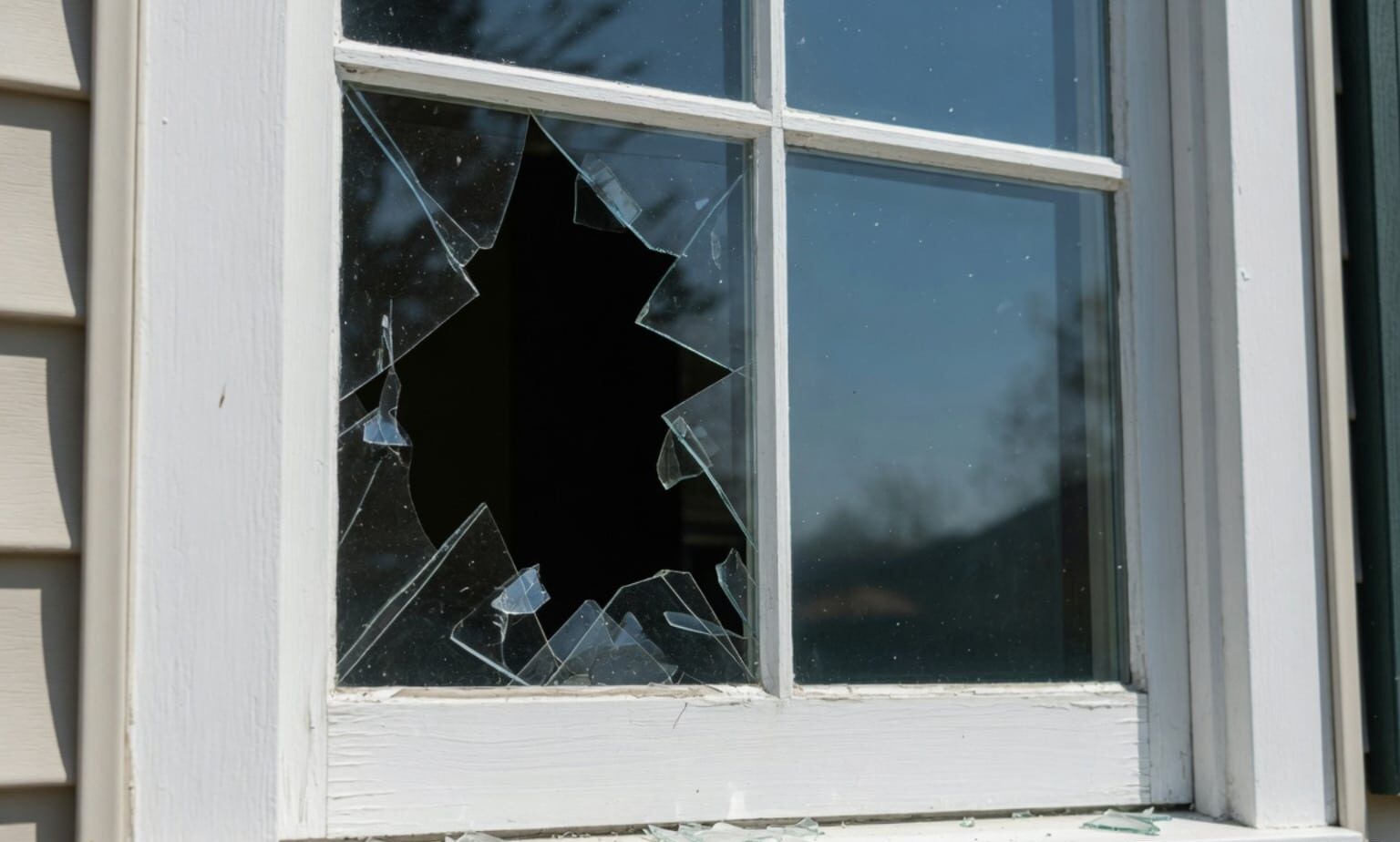
- Foggy Glass (IGU Failure): Condensation or hazing between panes indicates the perimeter sealant has degraded. The original wood, vinyl, or aluminum frame and sash remain intact. The solution is replacing only the insulated glass unit, restoring clarity and thermal efficiency without disturbing interior trim.
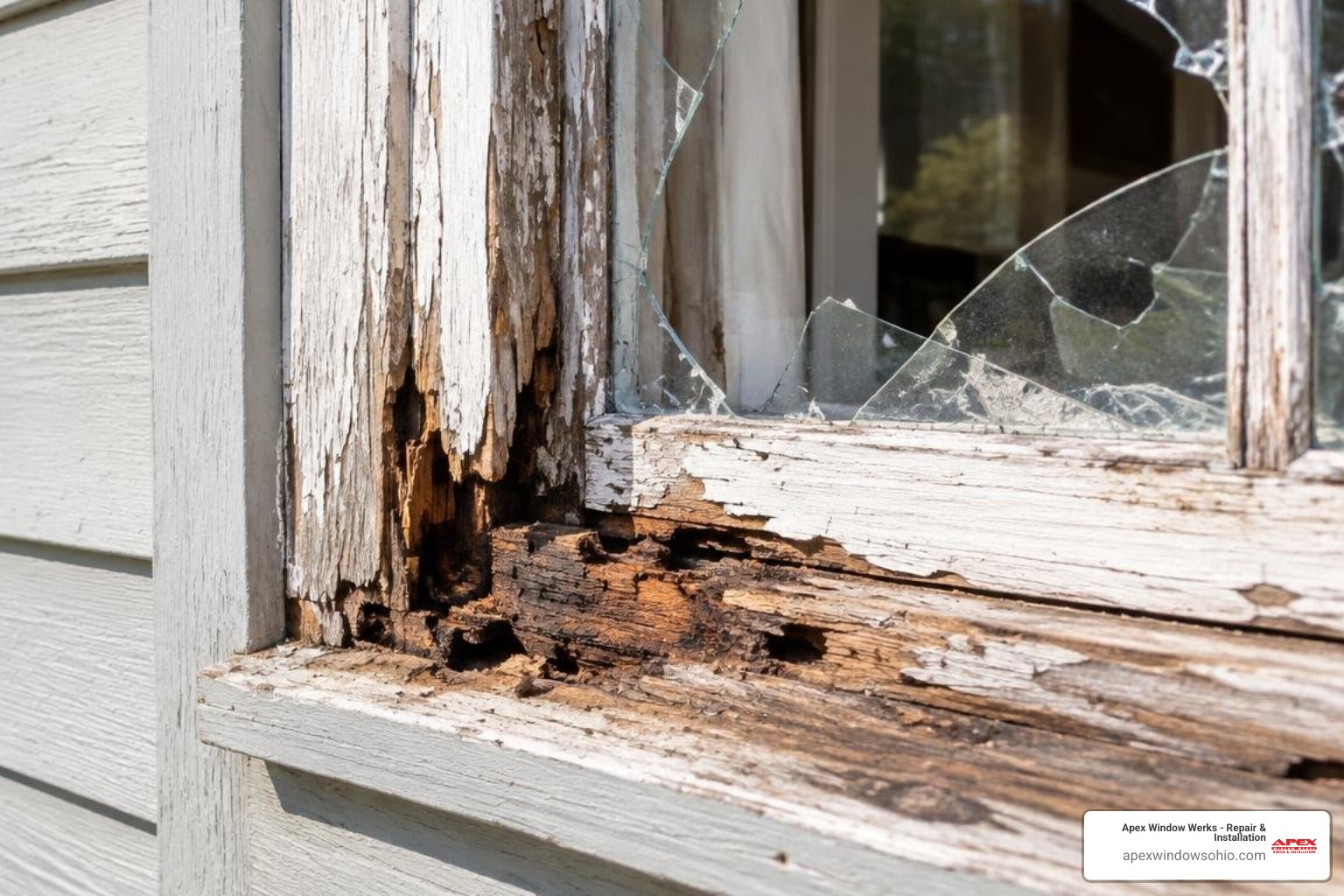
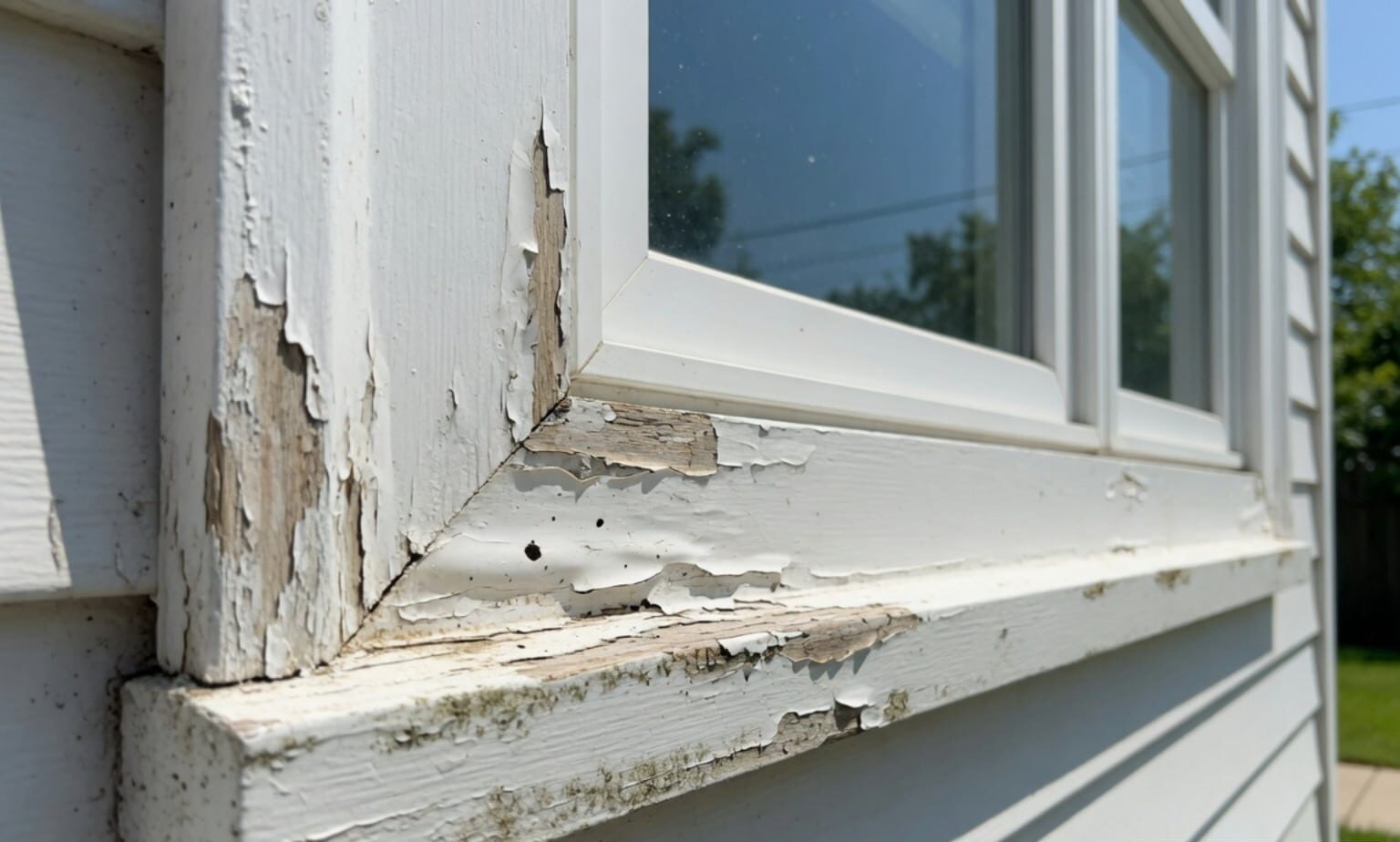
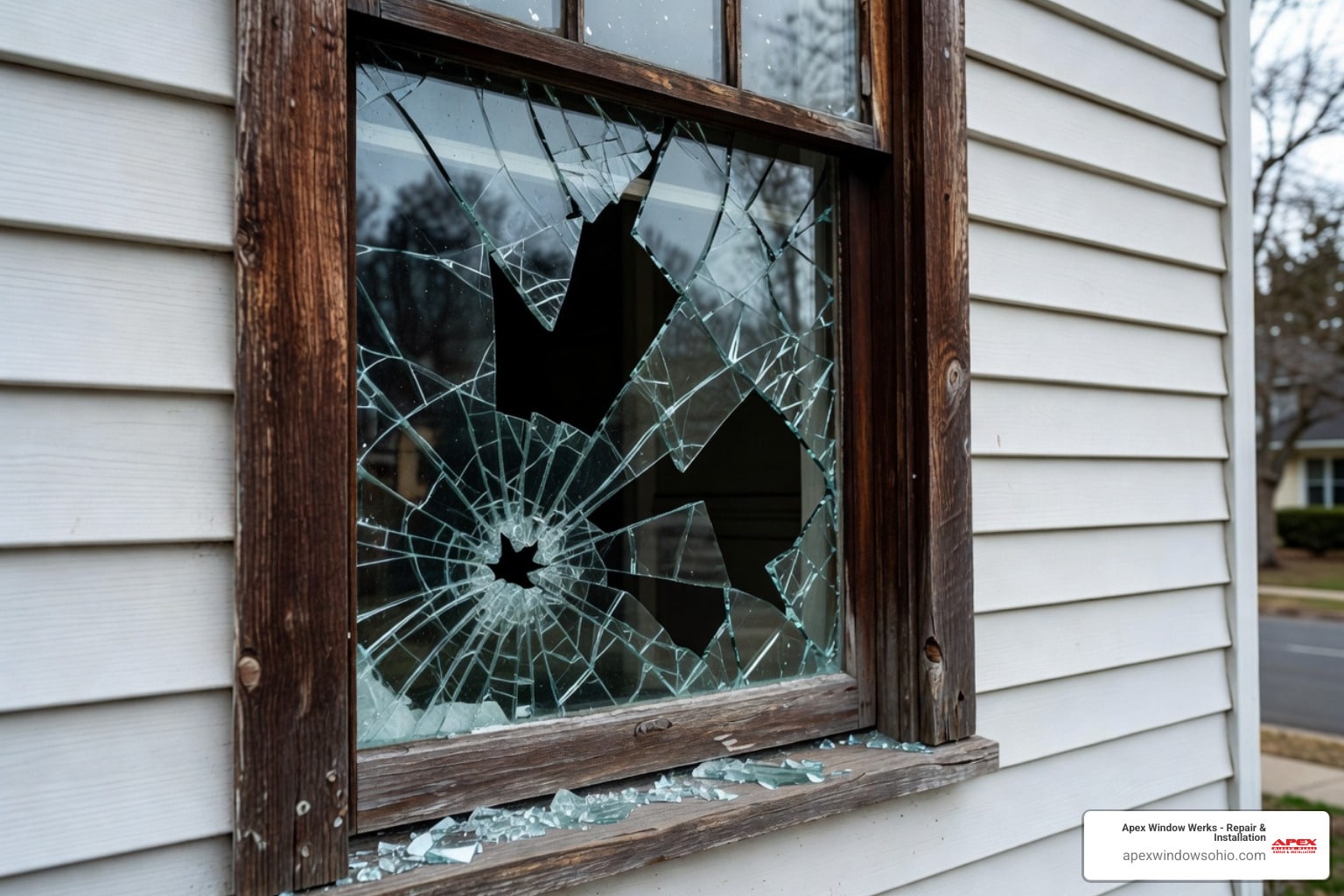
- Localized Wood Rot on Sills or Lower Rails: Water accumulation at the base of a window often leads to localized wood decay on the exterior sill or bottom sash rail. Skilled technicians can mill and splice in matching rot-resistant wood sections using structural epoxy, resolving the rot through targeted window frame repair.
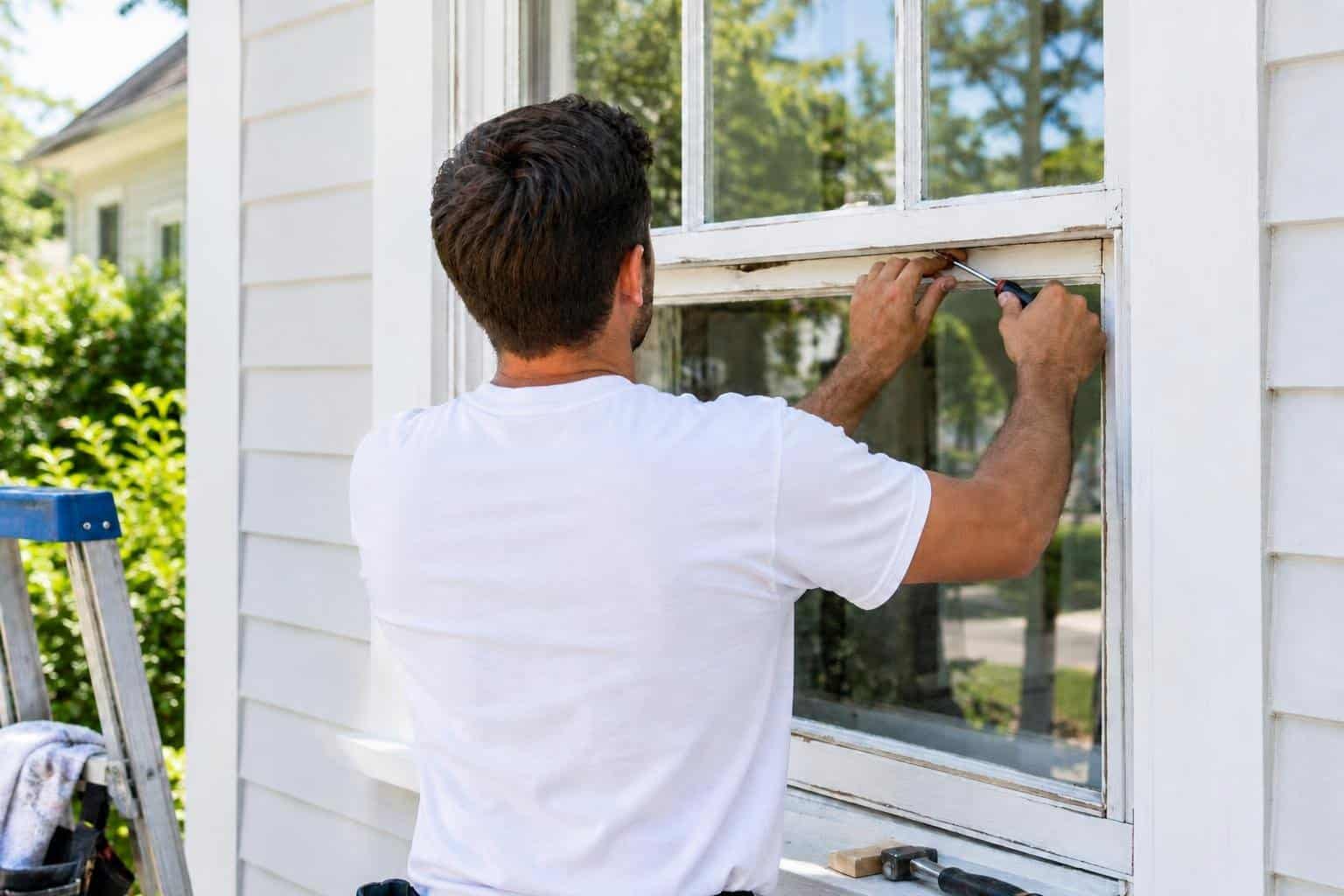
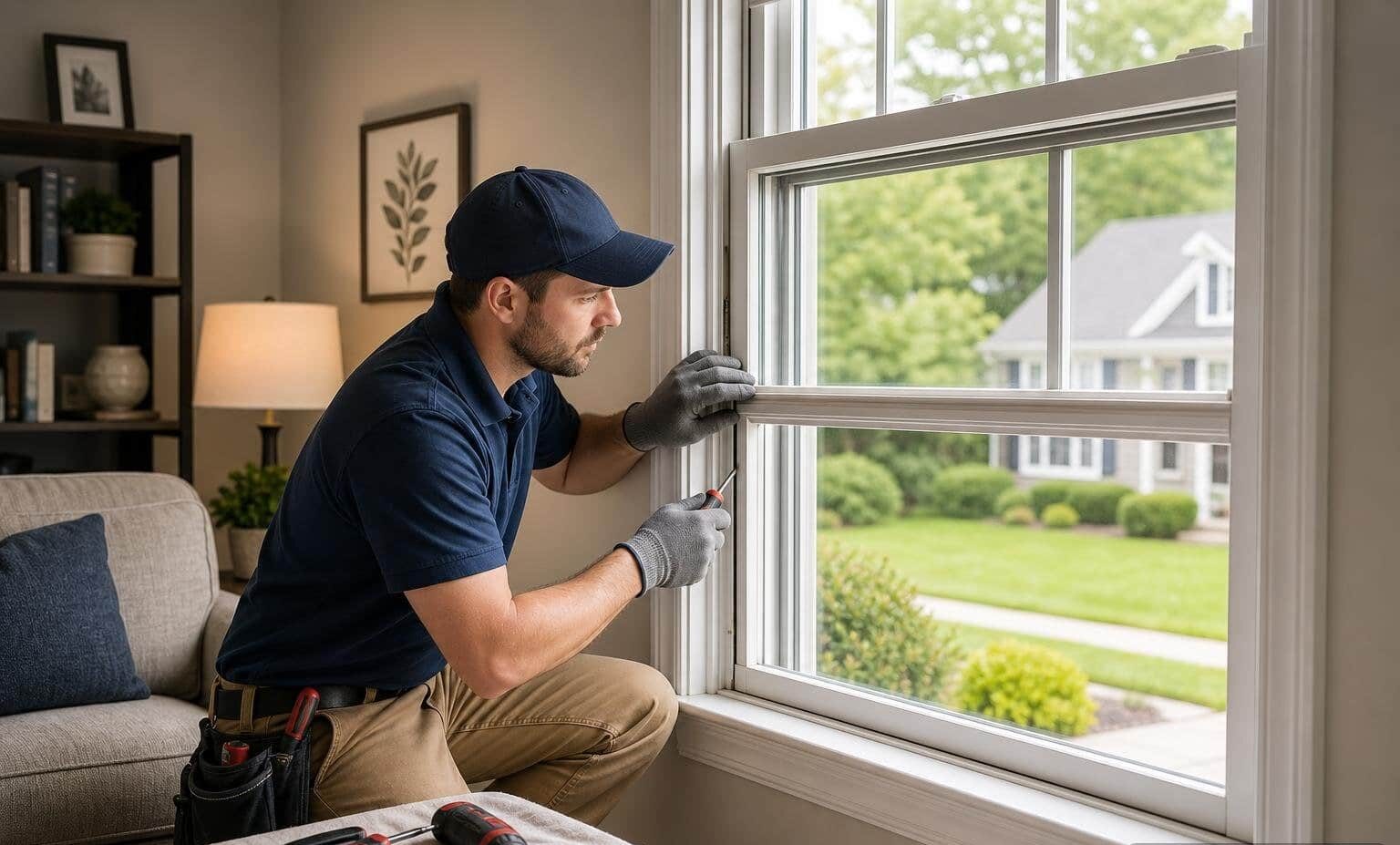
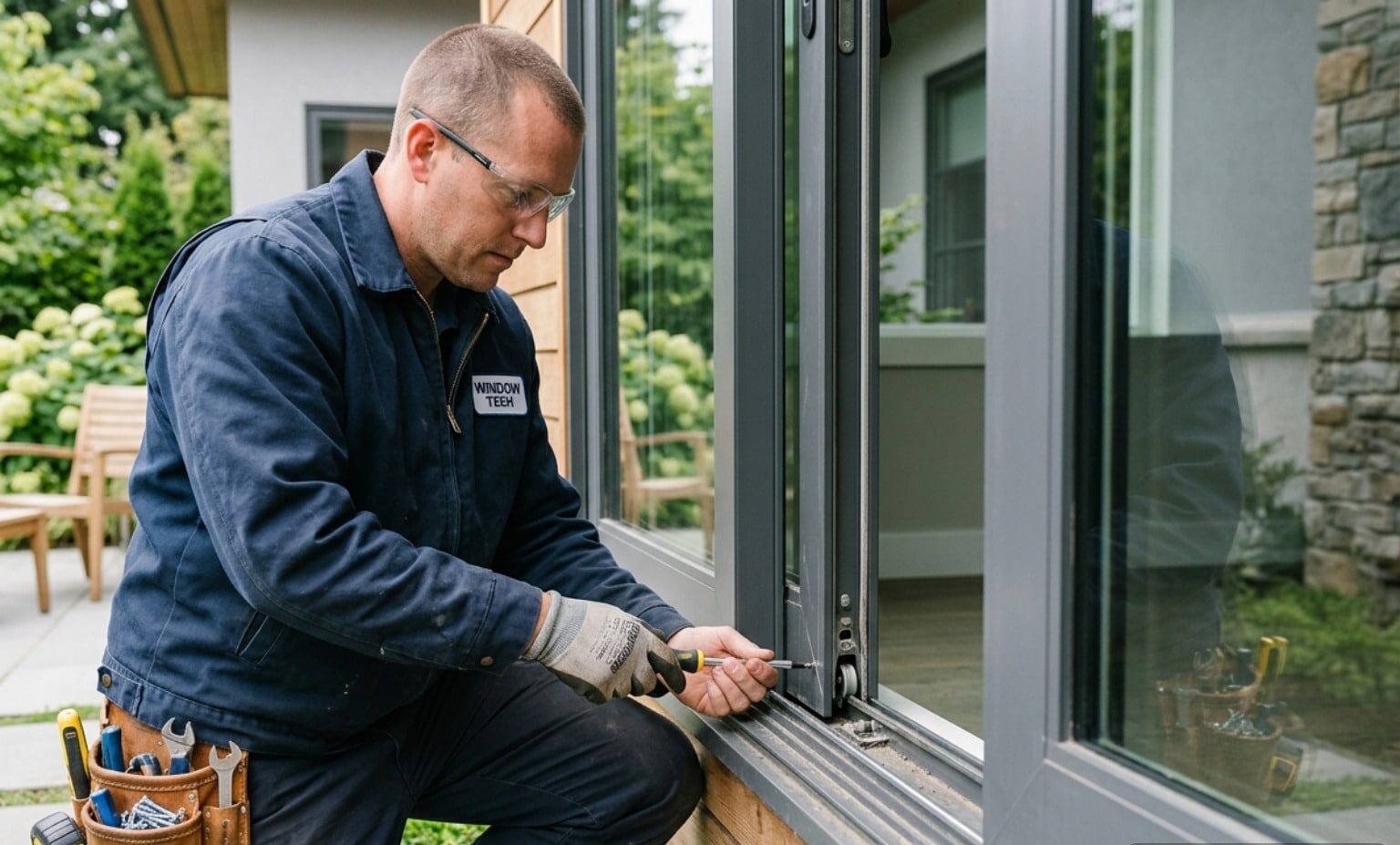
- Sashes That Drop or Stick: When a hung sash refuses to stay open or binds during operation, the issue usually stems from broken balances, stretched cords, or warped jamb liners. Replacing internal balances or adjusting jamb tension restores effortless movement.
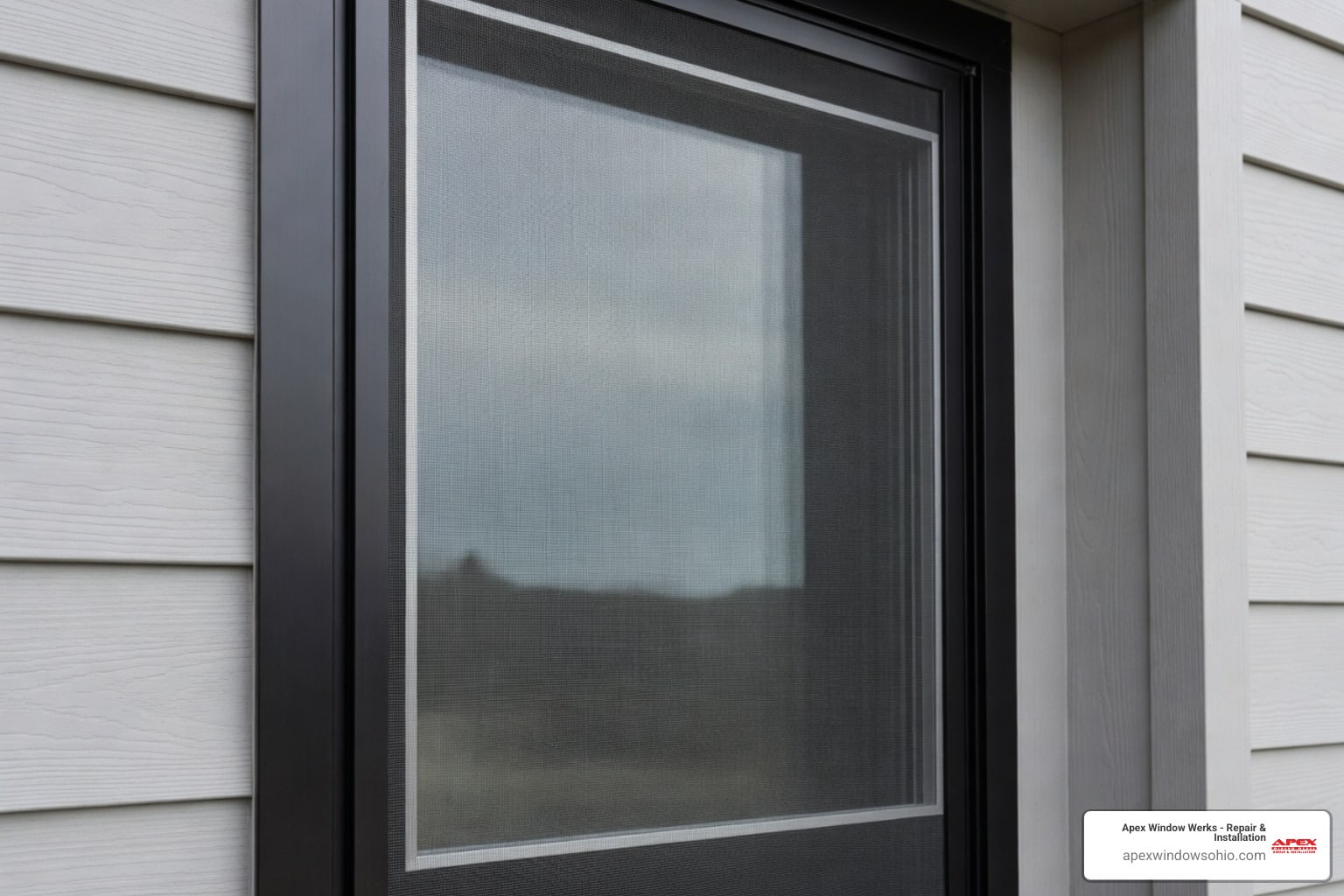
- Persistent Air Drafts: If cold air is entering around an otherwise structurally sound sash, worn or compressed weatherstripping is typically the culprit. Replacing the old seals creates a tight perimeter barrier against outside temperatures.
Repairing individual components rather than undertaking full-frame tear-outs saves money, preserves original architectural features, and keeps functional materials out of local landfills.
Frequently Asked Questions About Window Anatomy in Northeast Ohio
Why Is Knowing the Five Parts of a Window Helpful for Maintenance?
Understanding the five parts – frame, sash, glass, hardware, and weatherstripping – allows you to accurately describe issues when requesting service. It helps you distinguish between minor maintenance items (like lubricating a hinge or replacing weatherstripping) and component failures (like a broken balance or a failed glass seal), preventing unnecessary full window replacements.
What Is the Main Difference Between a Window Sash and a Window Frame?
The window frame is the stationary outer perimeter anchored directly into the home’s wall structure. The sash is the inner framework that directly holds the glass pane. In operable windows, the sash slides, cranks, or swings open within the stationary frame.
Can Individual Window Components Be Repaired Without Replacing the Entire Unit?
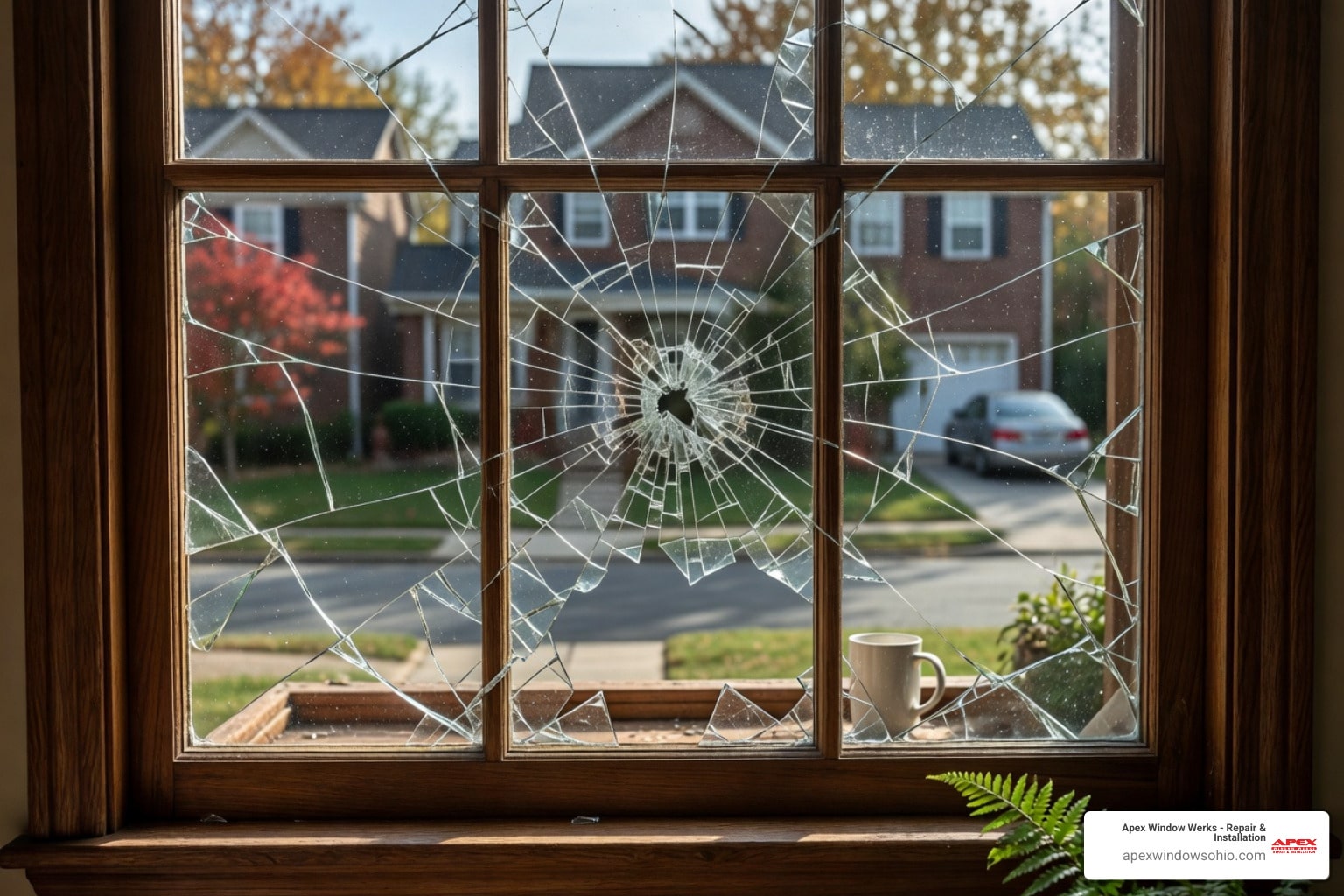
Yes. Most window components can be serviced independently. Insulated glass units can be replaced if they fog up or crack, sashes can be rebuilt or replaced if joints fail, hardware like locks and balances can be upgraded, and worn weatherstripping can be renewed – all while leaving the original window frame intact.
Restoring Performance with Apex Window Werks in Northeast Ohio
Windows play a vital role in protecting your home from the elements while maintaining energy efficiency and interior comfort. Knowing how the frame, sash, glass, hardware, and weatherstripping work together makes it easier to diagnose wear and take action before small issues lead to structural damage.
At Apex Window Werks, we take a repair-first approach. We focus on identifying failed components, preserving functional wood frames, replacing clouded insulated glass units, and restoring smooth hardware operation for residential and commercial properties throughout Cleveland, Akron, Lakewood, Strongsville, Solon, and surrounding communities.
If you are dealing with foggy panes, sticking sashes, or drafty frames, we are here to help. You can bring eligible components to our Oakwood Village workshop or request a professional window repair estimate and submit photos of your window frames, glass, or hardware for a fast evaluation.