

Window Sill Wood Repair: How to Stop the Rot
Your Wood Windows Are Worth Saving — Here’s What You Need to Know
Wood window frame repair is often the smartest, most cost-effective solution when your frames show signs of rot, cracks, or moisture damage — and in most cases, you don’t need a full replacement.
Quick answer: Should you repair or replace your wood window frames?
| Situation | Recommended Action |
|---|---|
| Less than 20% of frame is damaged | Repair |
| Soft spots, peeling paint, minor rot | Repair |
| Rot deeper than 1 inch into the wood | Consider professional repair |
| More than 50% of frame is compromised | Replace |
| Warped sashes, structural framing involved | Replace |
| Historic home preserving original windows | Repair where possible |
Wood windows are tough. Many older homes have original-growth timber frames that actually outlast modern materials when properly maintained. But Ohio’s climate — with its cold winters, humid summers, and constant freeze-thaw cycles — puts serious stress on window frames every single year. Left unchecked, a small patch of rot or a cracked paint seal can quietly spread into a much bigger (and more expensive) problem.
The good news? Most wood window frame damage is fixable. With the right materials and approach, a quality repair can last 10 years or more — often much longer under good conditions.
I’m Nataly Godes, General Manager at Apex Window Werks, and I’ve overseen hundreds of wood window frame repair projects across Northeast Ohio, from minor rot patching to full sash and sill restorations. In this guide, I’ll walk you through everything you need to make the right call for your windows.
Assessing Damage: When is Wood Window Frame Repair Worth It?
One of the most common questions we hear from homeowners in places like Akron, Parma, and Cleveland is whether they should bother fixing an old window or just tear it out. While many window sales companies will push for a total replacement the moment they see a flake of paint, we take a more surgical approach.
The 10% and 20% Rules
In the industry, we use a few benchmarks to decide if a window is a “goner.” Generally, if less than 20% of the wood frame is compromised, wood window frame repair is the smarter move. It preserves the historic character of your home and costs a fraction of a full replacement. However, if the damage exceeds 10% to 15% of the total frame area, or if the rot has reached the structural framing behind the window, the costs of labor for a complex repair might start to rival the cost of a new unit.
The Screwdriver Test
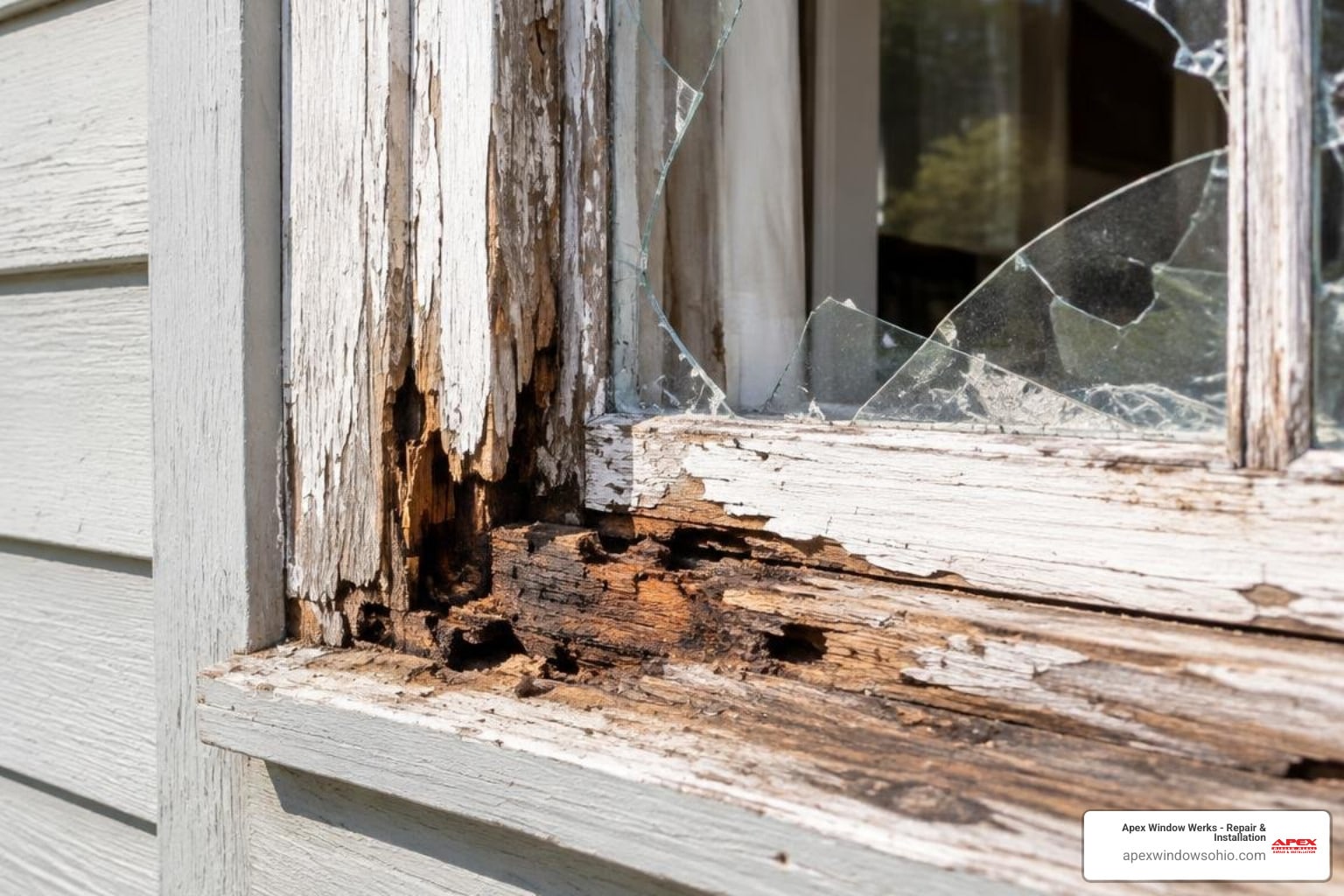
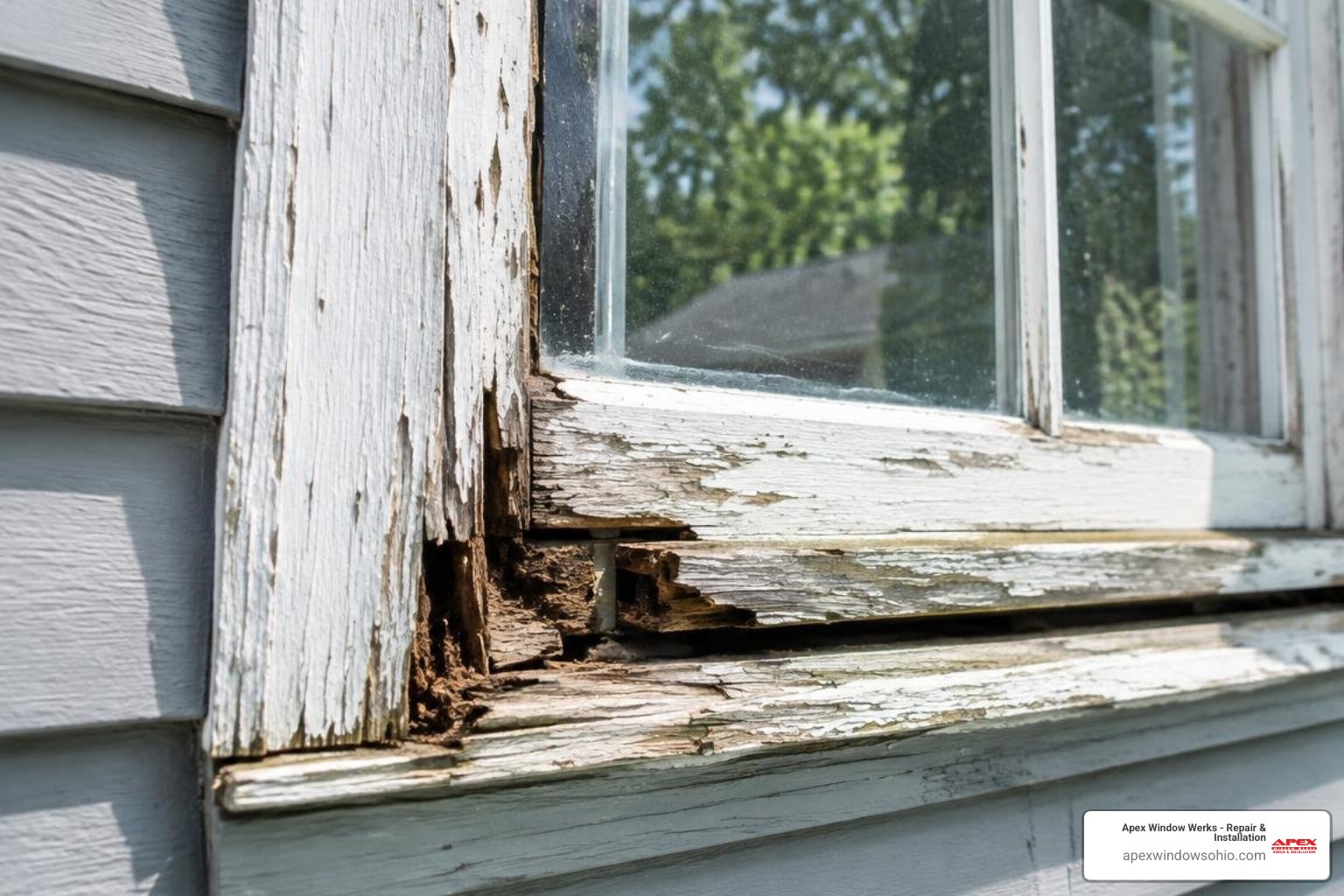
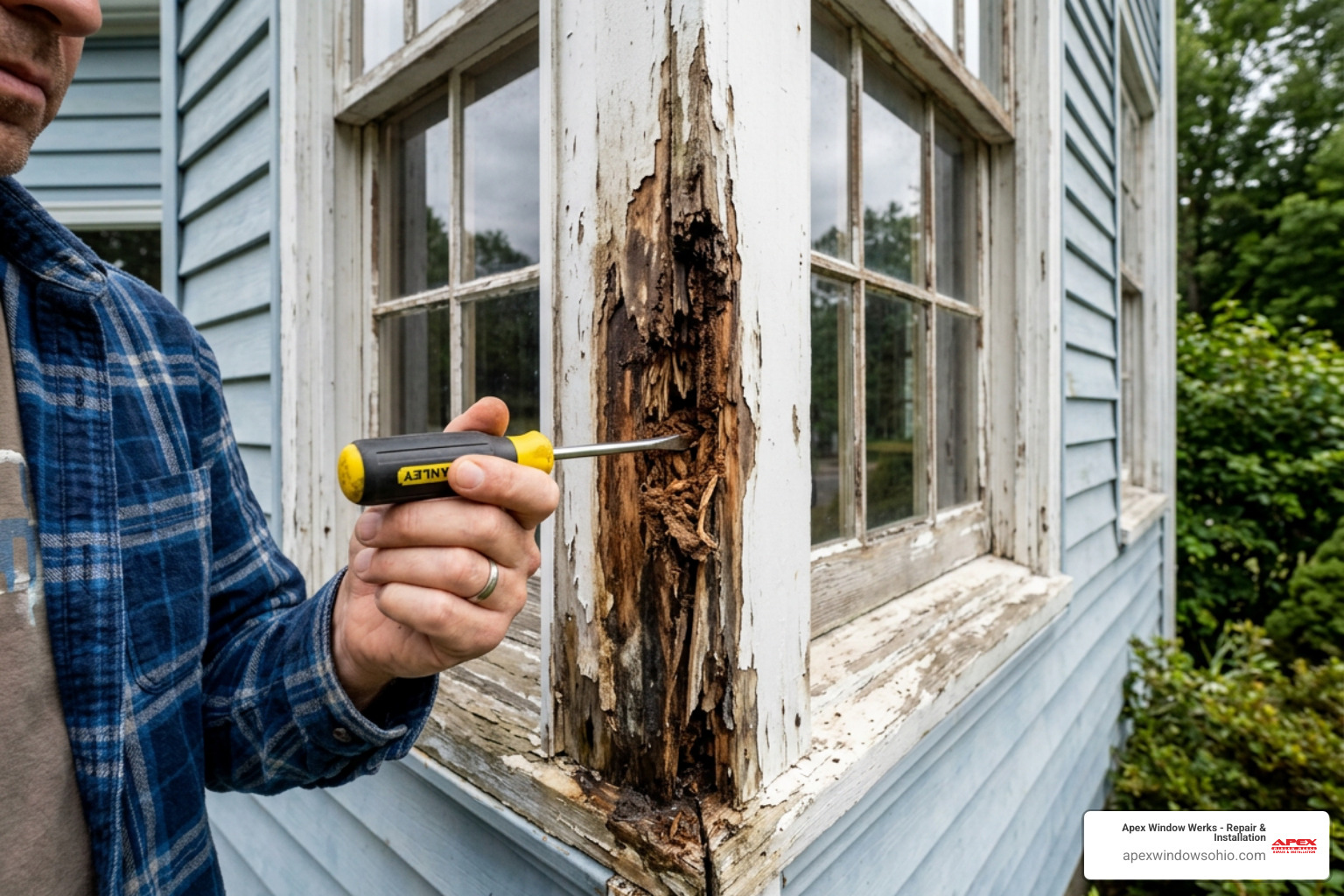
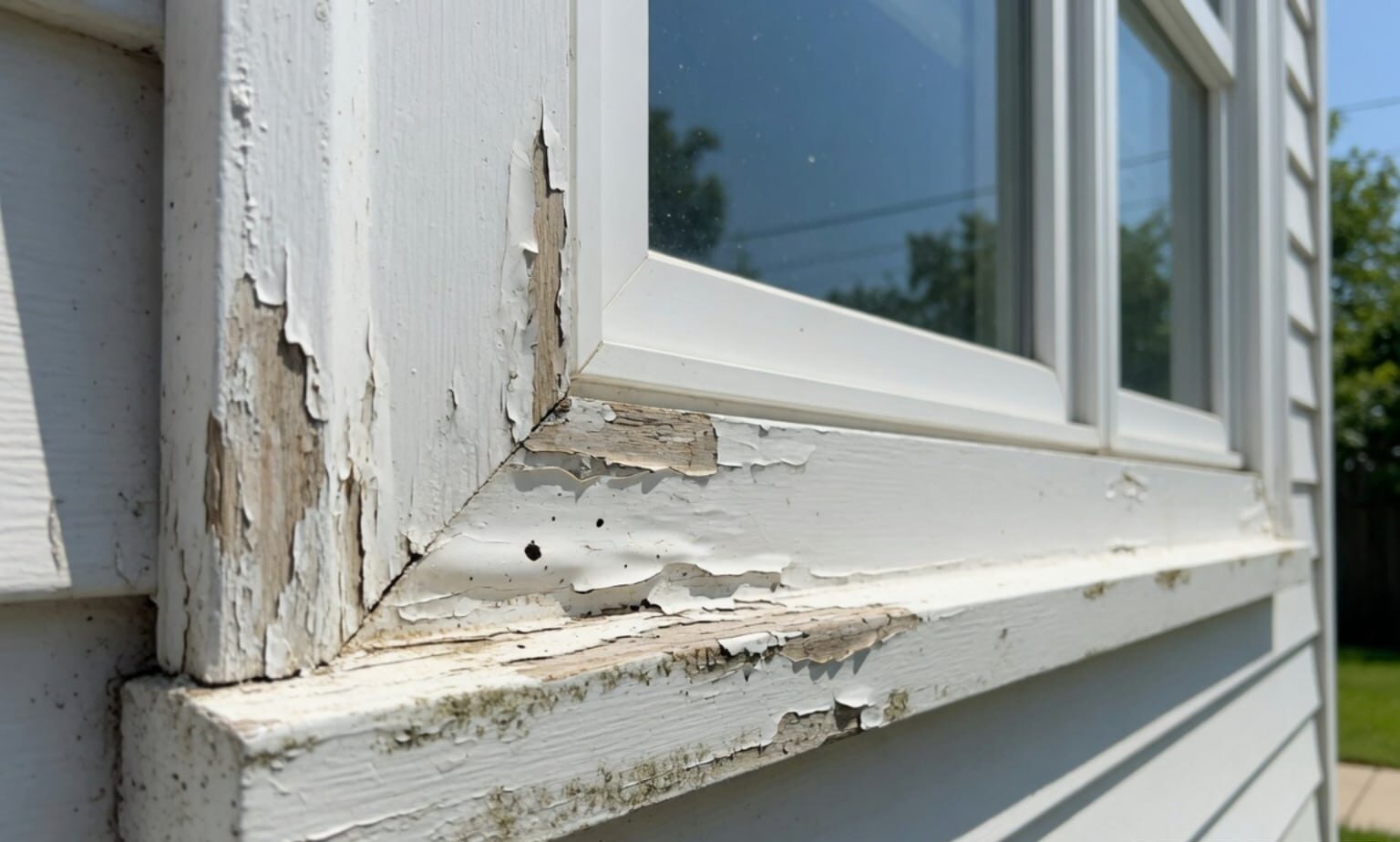
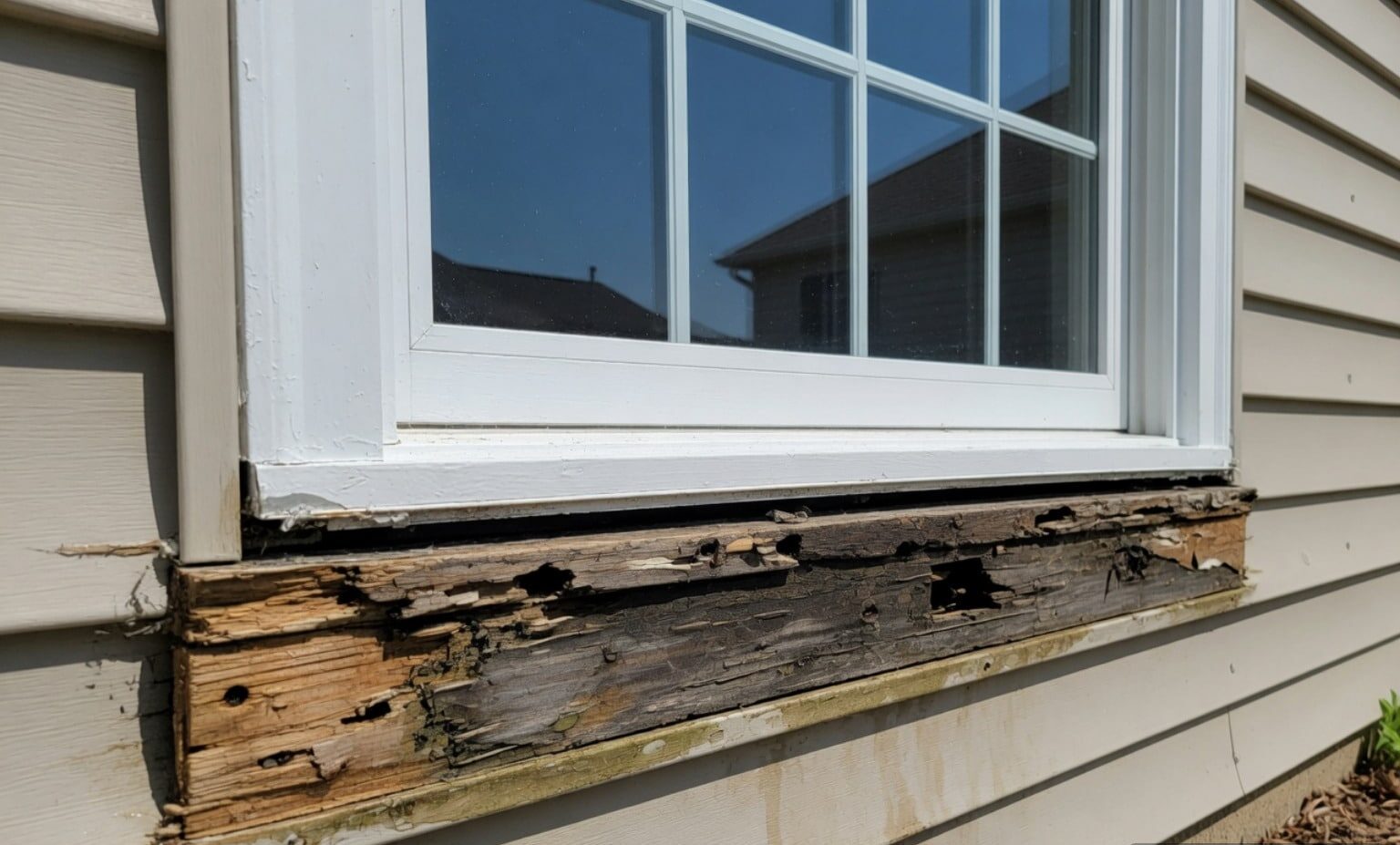
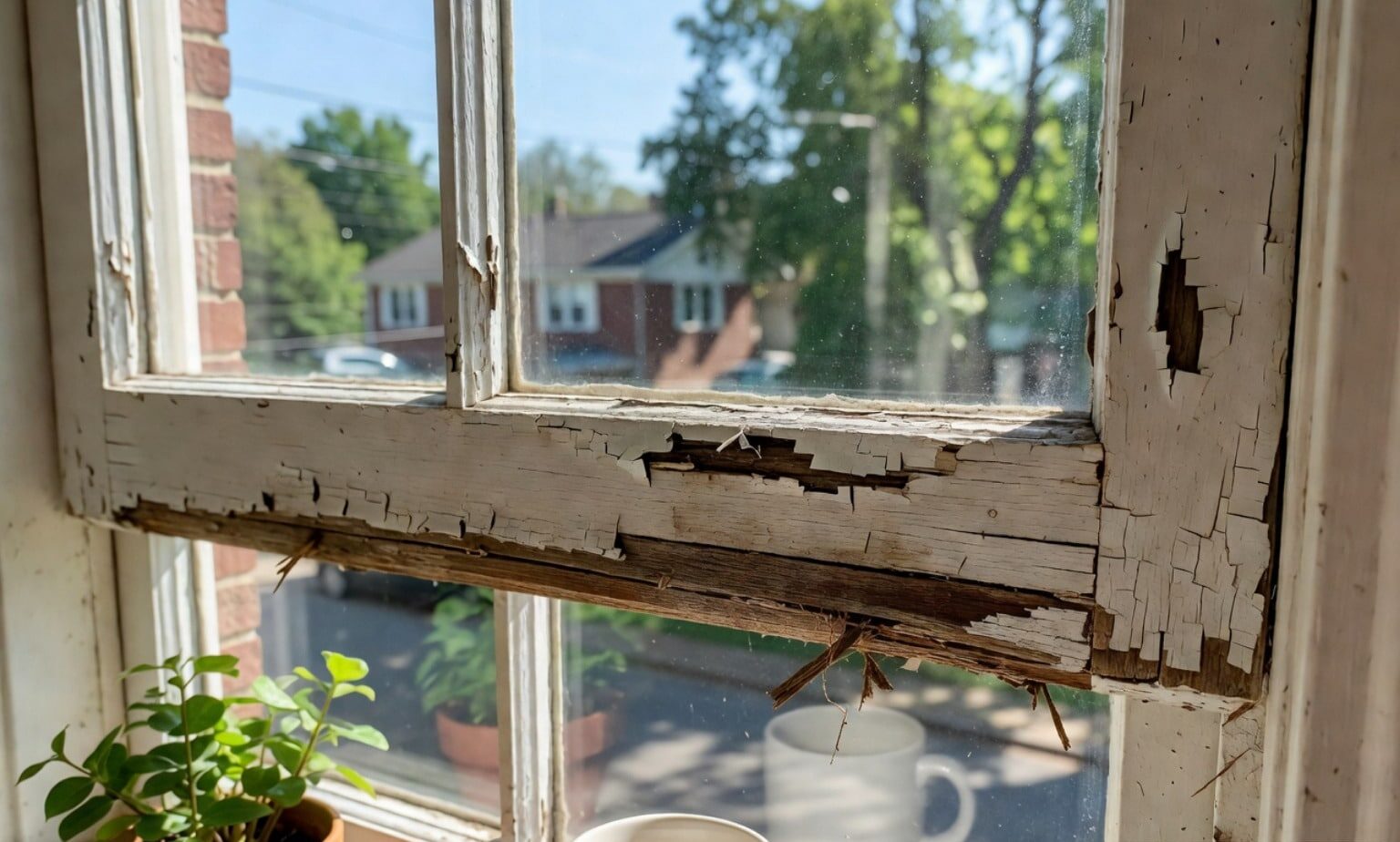
How do you know if you have rot? You don’t need fancy equipment. Take a flat-head screwdriver and gently press it into any discolored or suspicious-looking areas, especially at the corners of the sill.
- Solid Wood: The screwdriver bounces off or barely leaves a mark.
- Soft Spots: The screwdriver sinks in easily. If it sinks more than a millimeter or two, you’re looking at fungal decay.
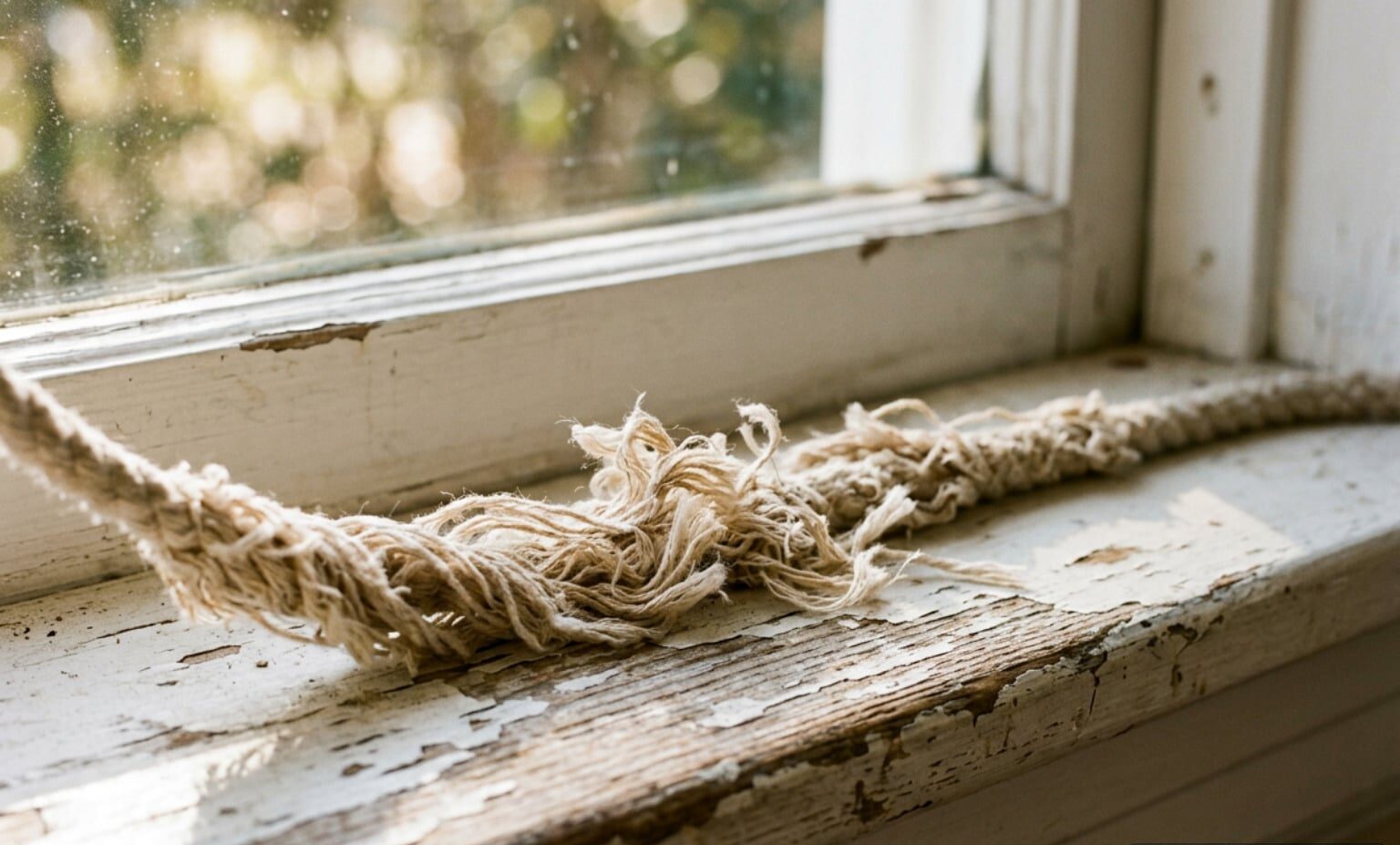
- Advanced Rot: The wood crumbles like a dry cracker or feels “spongy” and holds water like a wet rag.
When to Replace Instead
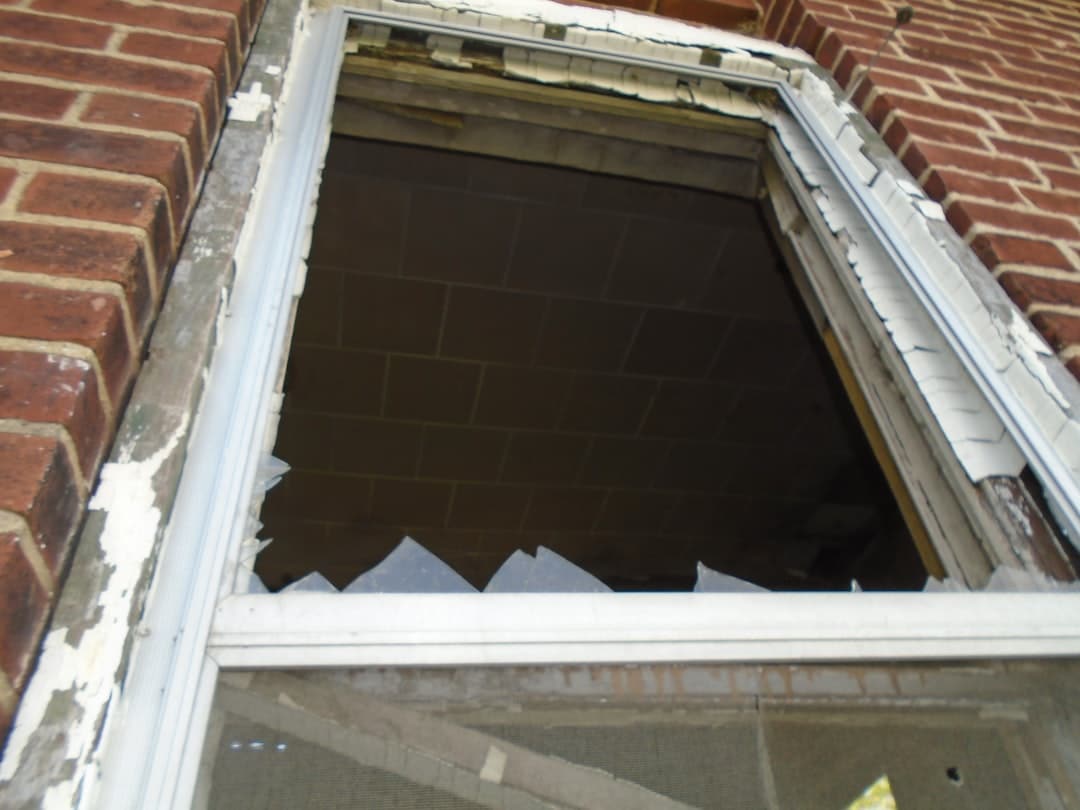
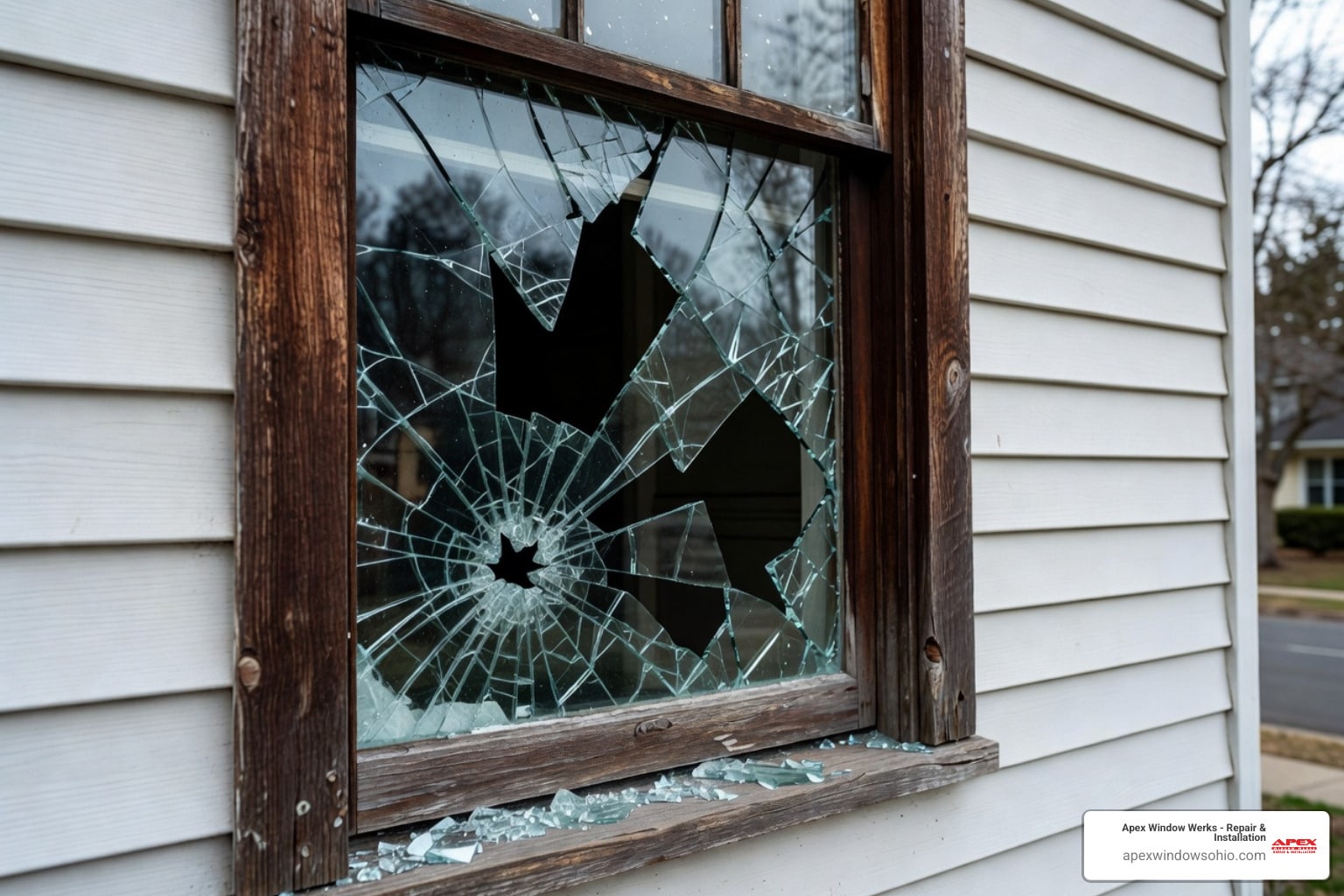
There are times when repair isn’t enough. If your sashes are severely warped, the window no longer stays open, or you see “mushrooms” growing from the wood, it’s likely time for a Window Frame Repair evaluation to see if a full replacement is safer. Structural integrity is key—if the window can no longer support its own weight or the weight of the glass, it’s a safety hazard.
How to Repair Rotted Window Frames and Make Them Look Brand New is a great resource for seeing visual examples of what is salvageable versus what needs a pro.
Essential Tools and Materials for Wood Window Frame Repair
If you’re tackling a DIY repair or just want to know what our technicians are bringing to your home in Bedford or Medina, you need to know the “Golden Trio” of wood restoration: consolidant, filler, and primer.

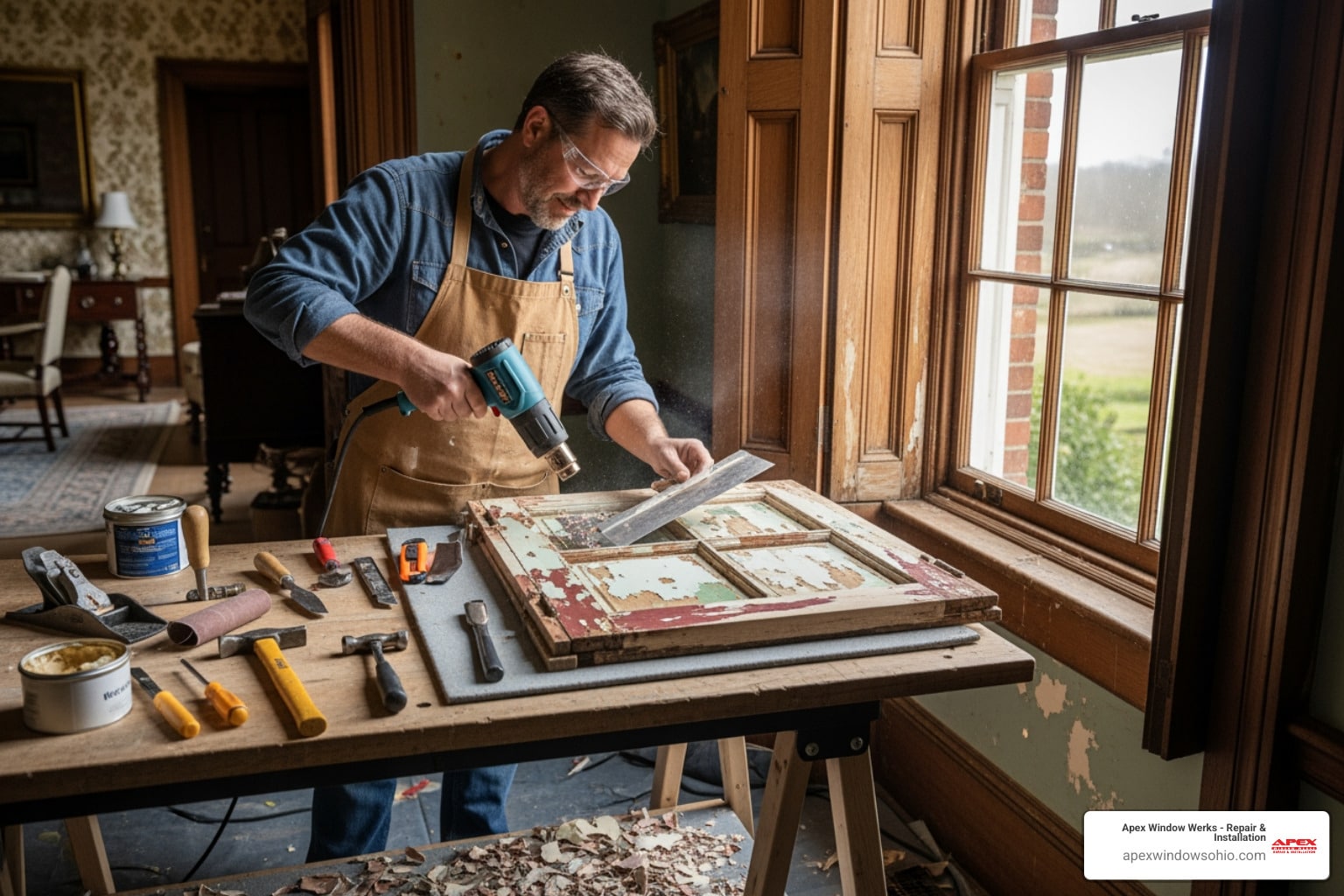
The Restoration Toolkit
- Oscillating Multi-Tool: This is a lifesaver for surgical wood removal. It allows you to cut out a rotted section without vibrating the glass panes into a million pieces.
- Wood Chisel and Hammer: For the old-school “digging out” of decayed fibers.
- Two-Part Epoxy Wood Filler: Forget the “one-part” putty from the hardware store. For a lasting repair, you need a high-quality, two-part epoxy (like Bondo Wood Filler or PC-Woody). These bond chemically to the wood and won’t shrink or pop out over time.
- Liquid Wood Consolidant (Hardener): This is a thin, resin-like liquid that soaks into soft wood fibers and hardens them into a plastic-like state. It turns “punky” wood into a solid foundation.
- Marine-Grade Filler: If you live in a high-moisture area or have a sill that takes a beating from the rain, marine-grade epoxies offer superior water resistance.
- Sandpaper Grits: You’ll need a range—from 40 or 80 grit for shaping the epoxy to 220 grit for a smooth-as-glass finish before painting.
Safety First
If your home was built before 1978, there is a very high chance the original paint contains lead. Sanding lead paint creates toxic dust. Always use a respirator, wear gloves, and consider a lead test kit before you start. For more on the technical side of these tools, check out our Wood Window Repair service page.
Step-by-Step Guide to Repairing a Rotted Wood Window Frame
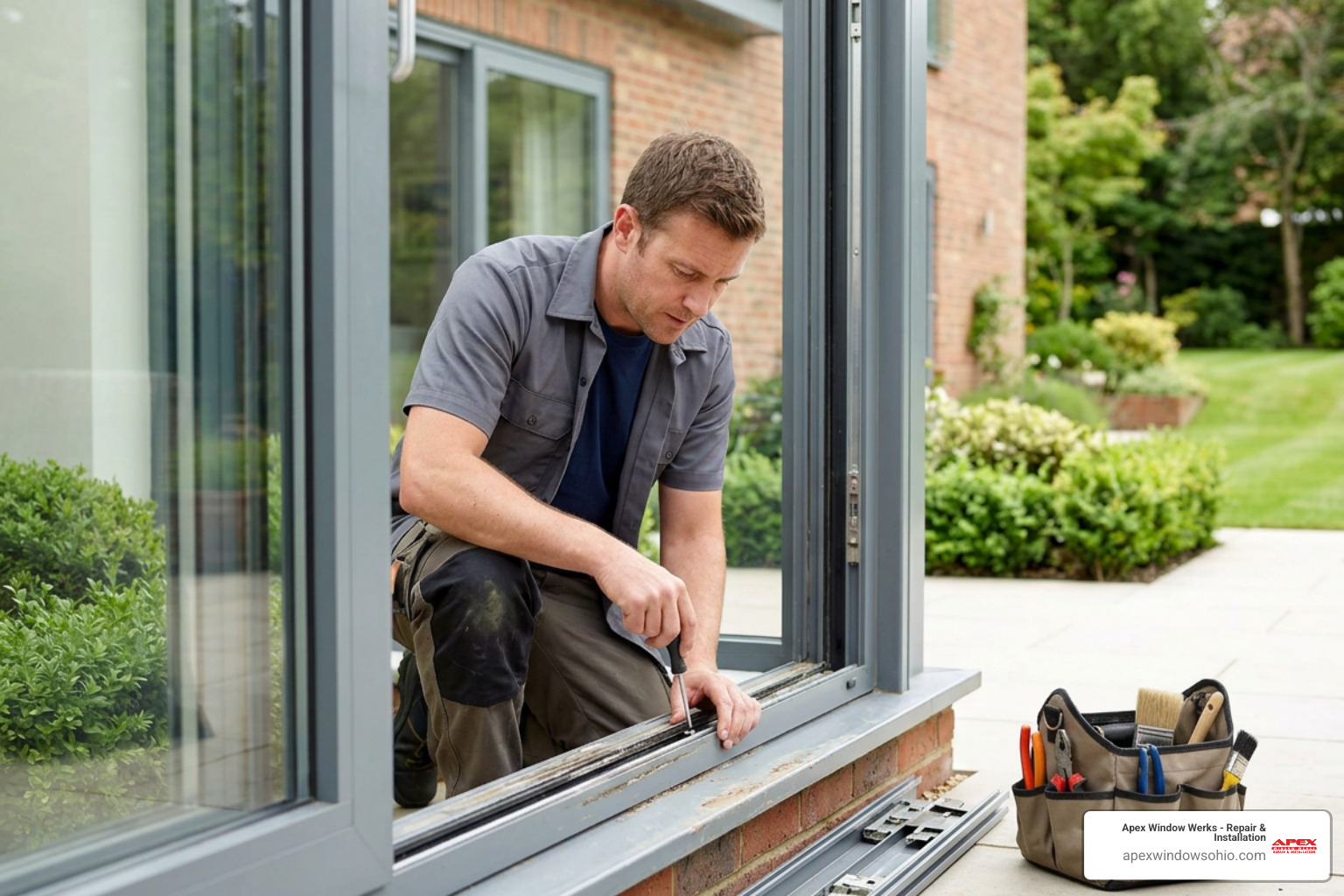
Repairing rot is a bit like being a dentist—you have to remove the decay before you can fill the cavity. Here is how we handle a professional-grade Wood Window Frame Restoration Parma or elsewhere in Northeast Ohio.
1. Excavation (Removing the Rot)
Use your chisel or oscillating tool to remove every bit of soft, crumbly wood. If you leave even a small amount of active fungus behind, the rot will continue to grow underneath your repair. You want to see “bright,” clean wood fibers before you stop.
2. Treating the Cavity
Vacuum out the dust and ensure the wood is dry. Apply a wood hardener or liquid consolidant. We recommend applying two coats, allowing the first to soak in deeply. This stabilizes the surrounding wood. You’ll know it’s working when the wood goes from feeling hollow to feeling firm.
3. Mixing and Applying Epoxy
Mix your two-part epoxy filler according to the instructions. Don’t mix too much at once—it hardens fast! Pack it tightly into the cavity using a putty knife. Pro Tip: Overfill the hole slightly. Epoxy doesn’t shrink much, but you want enough “meat” there so you can sand it down to a perfectly flush profile later.
4. Shaping and Curing
For complex shapes like a window sill’s “nose,” you can use a plastic scraper or even a piece of cardboard cut to the window’s profile to help shape the wet epoxy. Let it cure—usually 24 hours is best for deep repairs.
5. The “Dutchman” Repair
If a large chunk of the sill is missing (more than an inch deep), epoxy alone might not be enough. In these cases, we perform a “Dutchman” repair. This involves cutting out a square section of the rotted wood and gluing in a matching piece of new, rot-resistant timber (like cedar or treated pine). This provides structural reinforcement that epoxy can’t match.
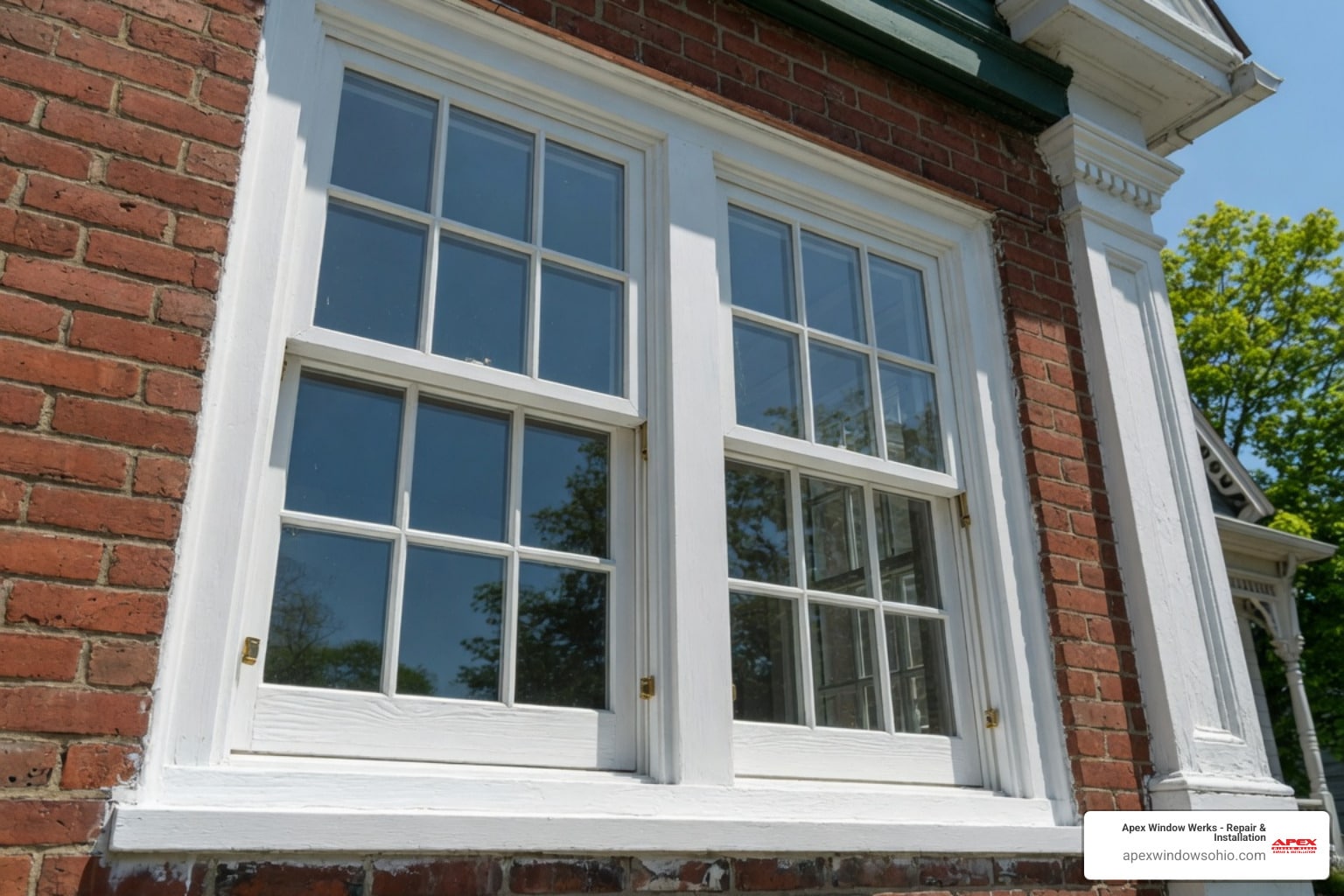
For residents in the Parma area, you can see these techniques in action through our Wood Window Sill Restoration Parma projects.
Finishing Touches: Priming, Painting, and Re-glazing
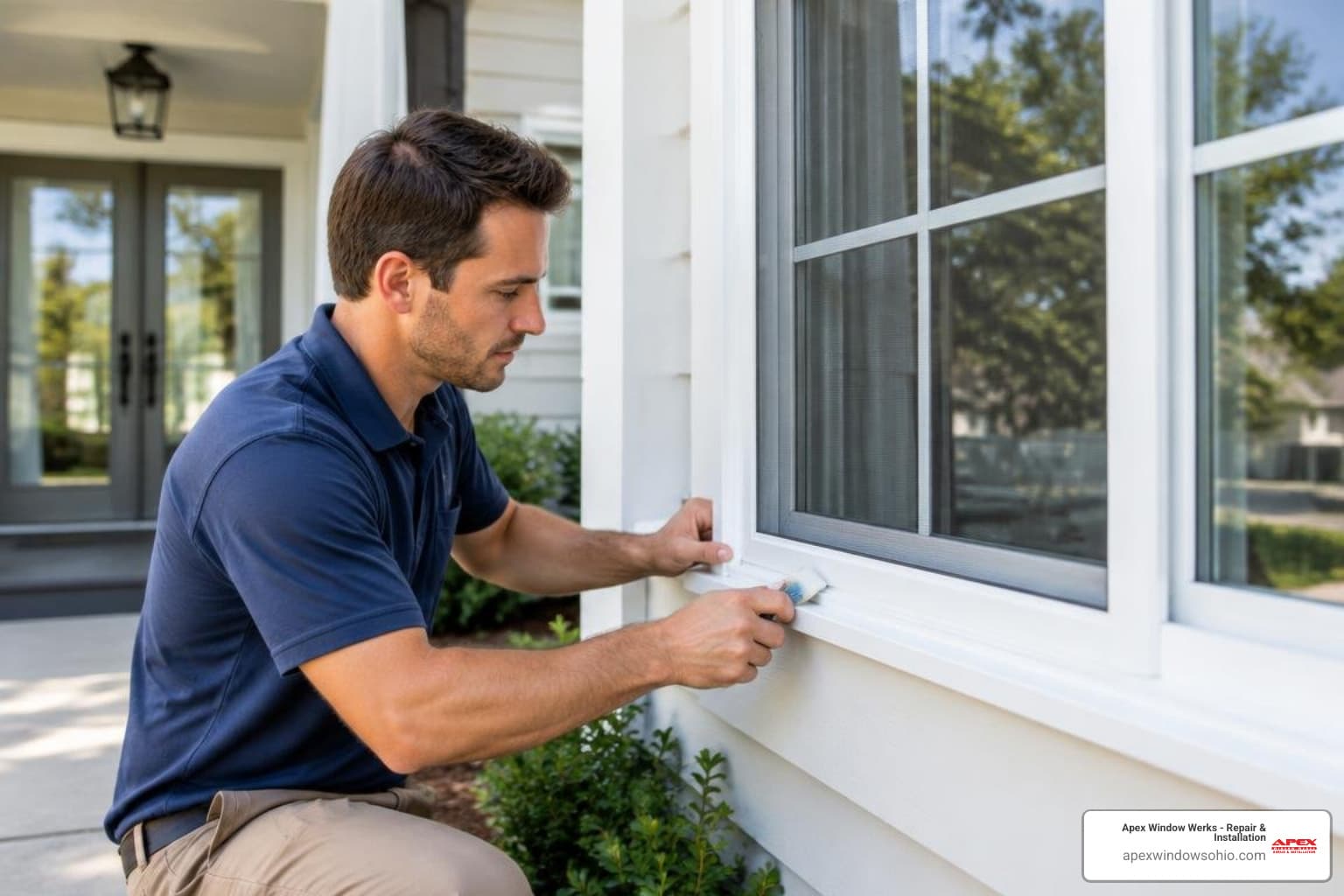
A repair is only as good as the seal that protects it. Once the epoxy is sanded smooth and blends seamlessly with the original wood, it’s time to seal the deal.
The Power of Primer
Never paint directly onto bare wood or epoxy. Use a high-quality, oil-based exterior primer. Oil-based primers are better at “biting” into old wood and blocking tannins that can cause stains. If you’re in Medina or Cleveland, our Wood Window Restoration Medina team always insists on a dedicated priming stage to ensure the paint doesn’t peel after the first winter.
Choosing the Right Paint
For wood window frame repair, we recommend an “elastic” or “moisture-regulating” exterior paint. Wood expands and contracts with Ohio’s temperature swings. You need a paint film that can stretch without cracking. Two thin coats are always better than one thick, gloppy coat.
Re-glazing and Sealing
If you had to remove the glass or if the old putty was cracked, you’ll need to re-glaze.
- Apply a thin bead of glazing compound.
- Press the glass in and secure it with glazier’s points (small metal triangles) every 6 inches.
- Apply the final “bead” of putty at an angle to shed water.
- Wait for the putty to skin over (this can take days!) before painting.
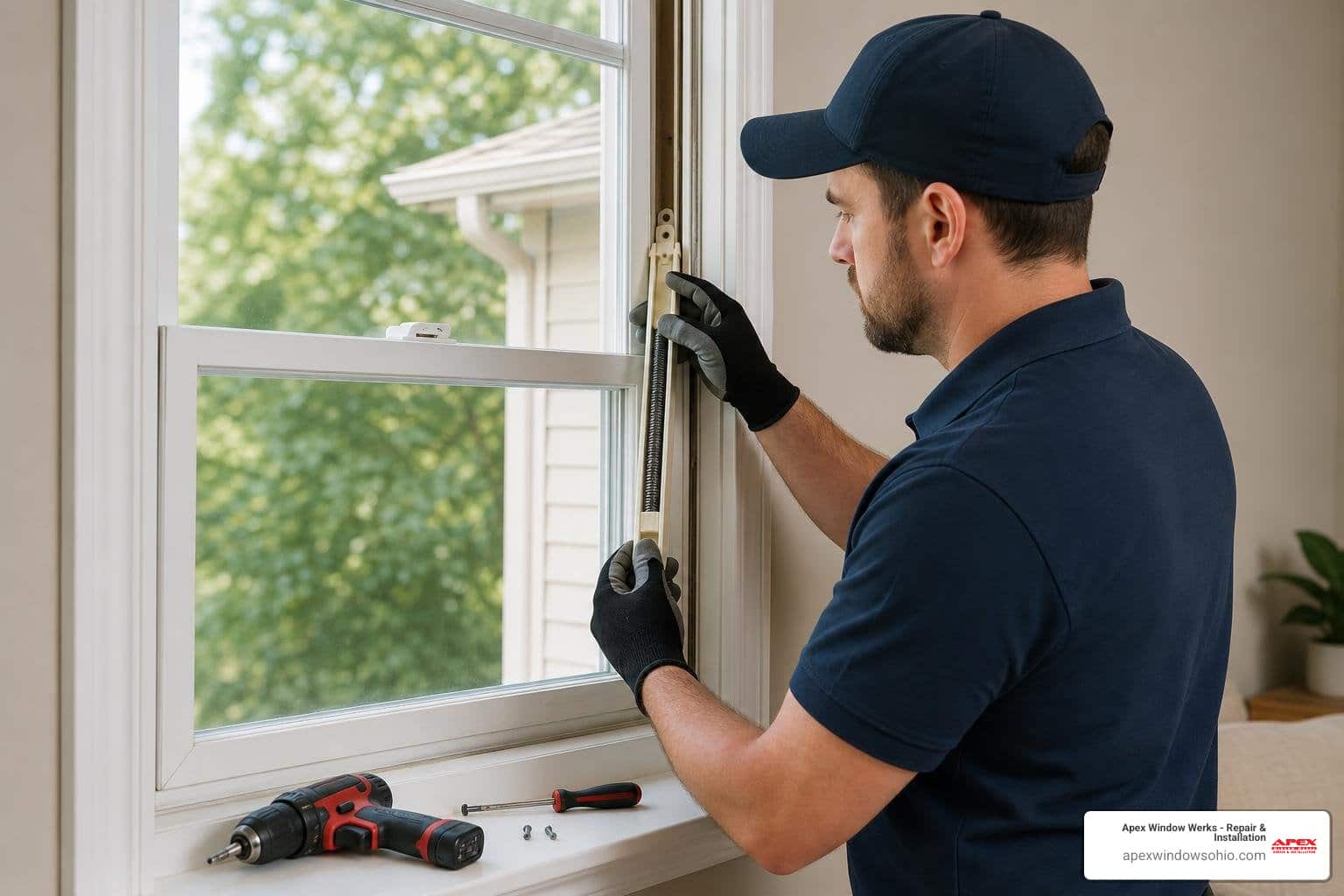
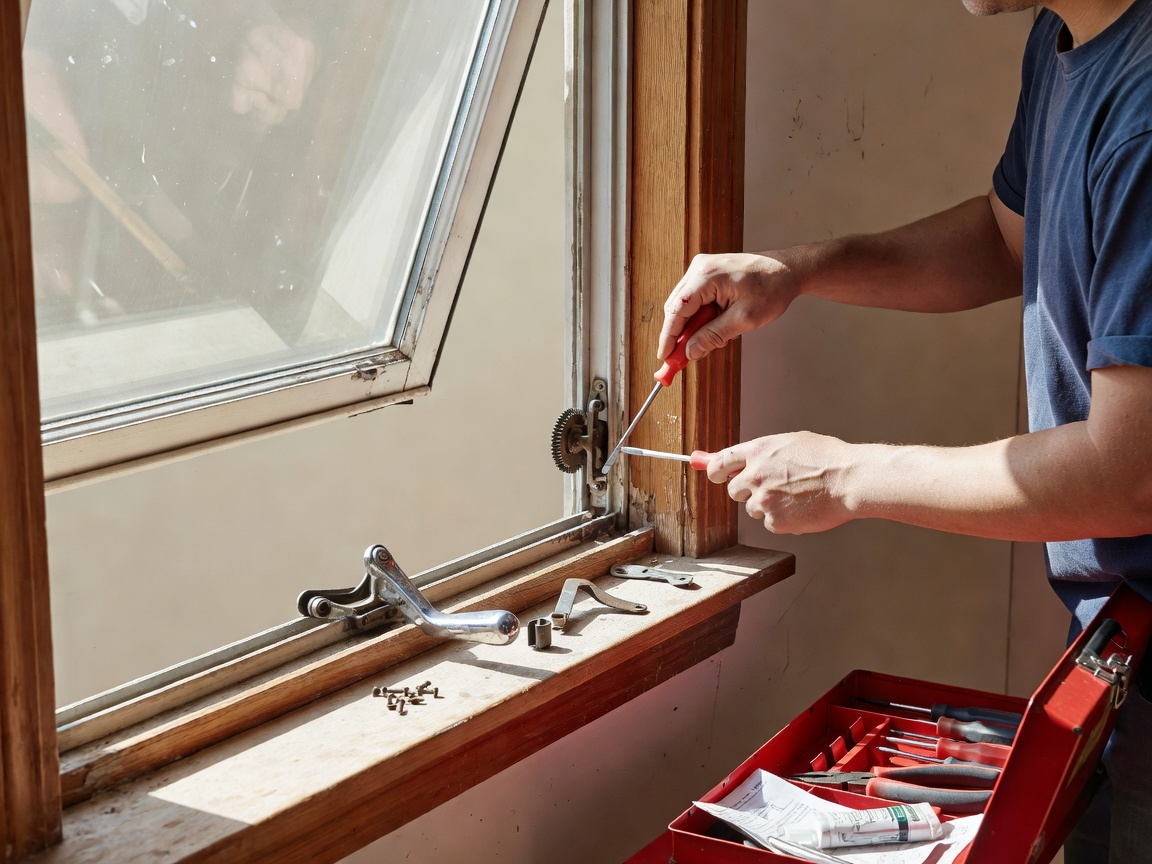
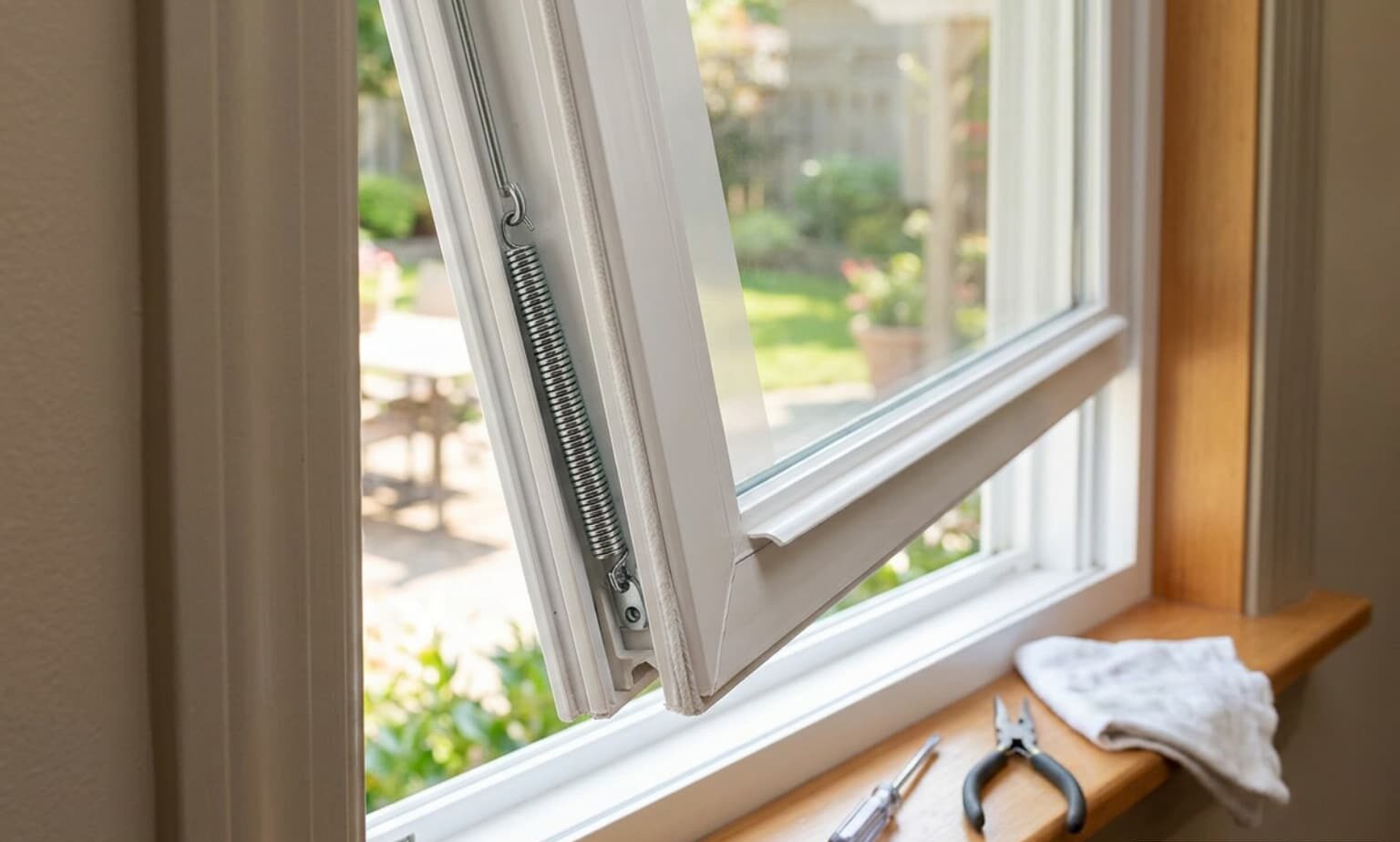
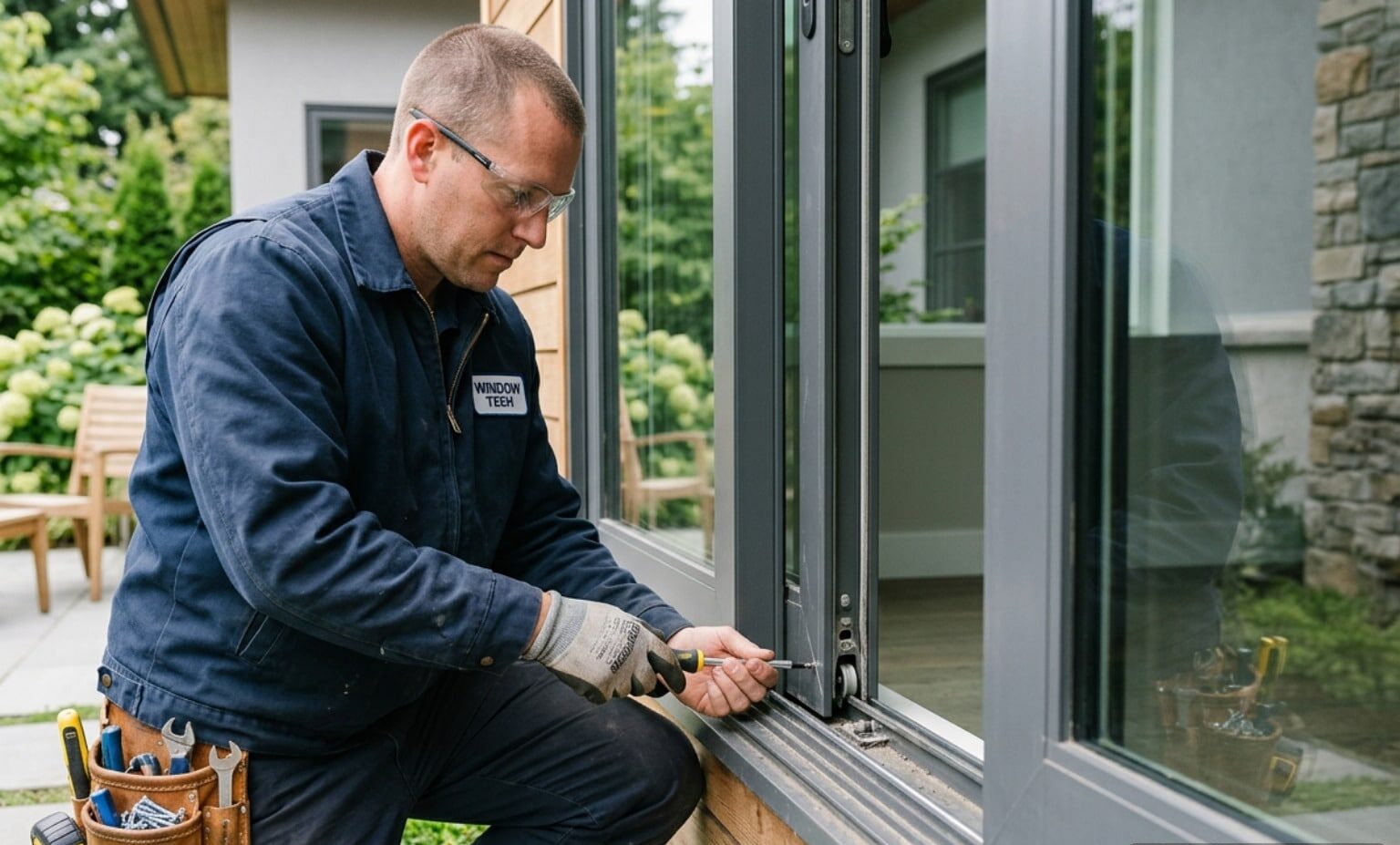
Don’t forget the hardware! While the window is being serviced, it’s the perfect time for Wood Sash Repair Cleveland and hardware lubrication. A little silicone spray on the tracks or balance coils can make a 50-year-old window slide like it’s brand new.
Long-Term Maintenance to Prevent Future Wood Rot
We want your repair to last. In the Cleveland-Akron area, maintenance isn’t a “one and done” task—it’s an annual habit.
Annual Inspections
Every spring, walk around your home and look for:
- Peeling Paint: This is the first sign of trouble. Once paint peels, water hits the bare wood.
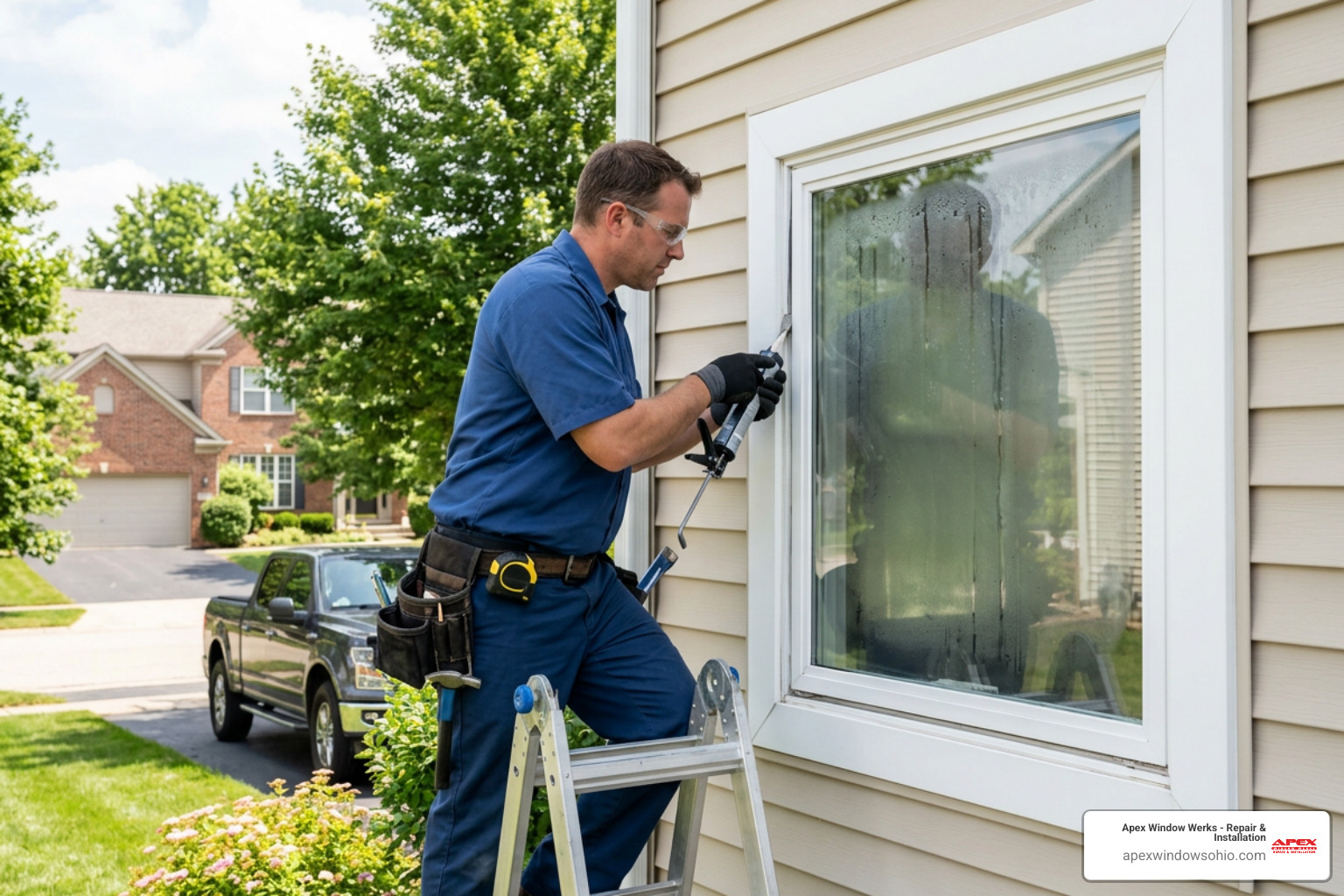
- Cracked Caulk: Look at the joints where the window meets the siding. If the caulk is pulled away, moisture is getting behind the frame.
- Clogged Weep Holes: If your windows have small holes at the bottom of the frame, make sure they aren’t clogged with dirt. These are designed to let water escape.
Moisture Control
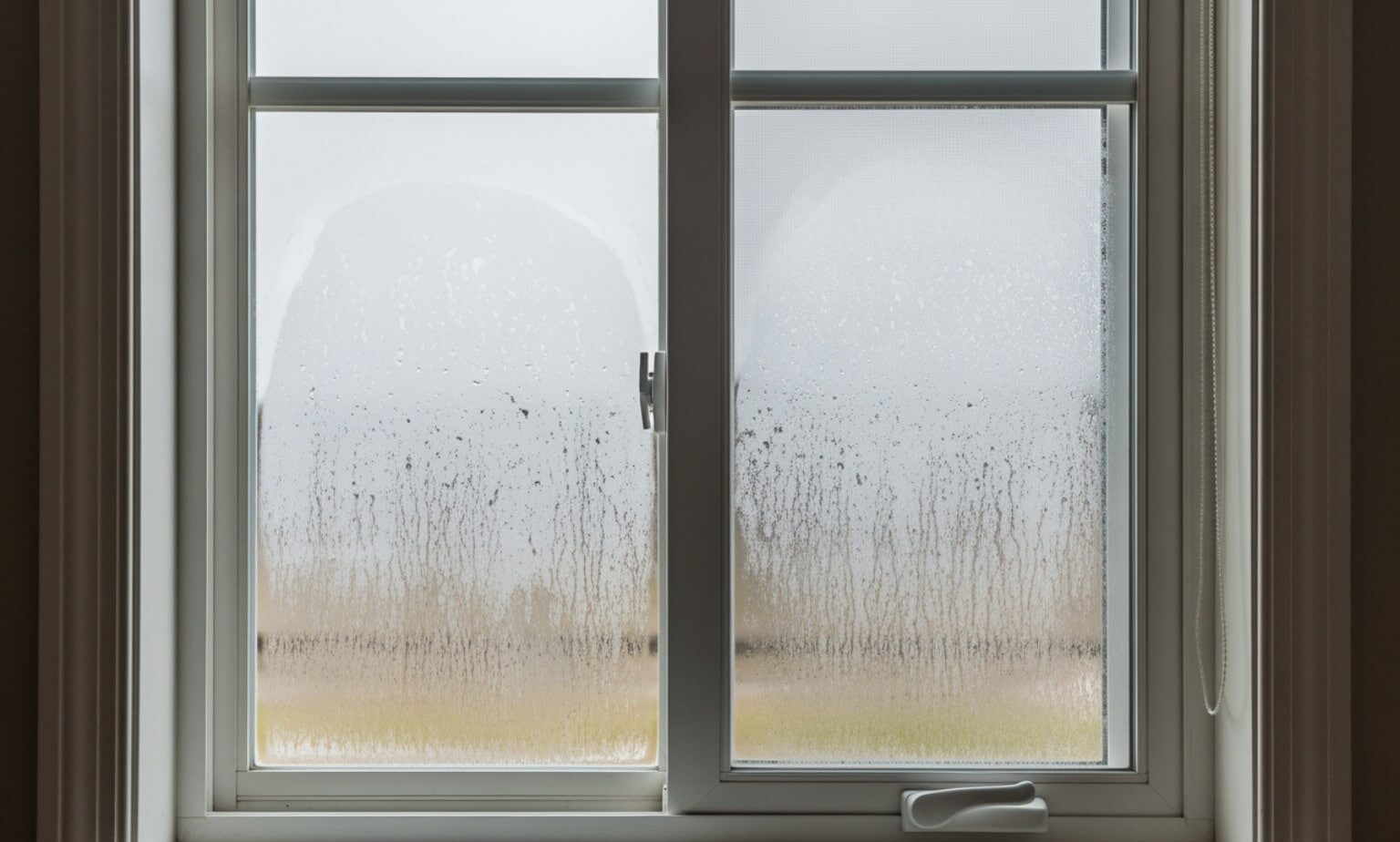
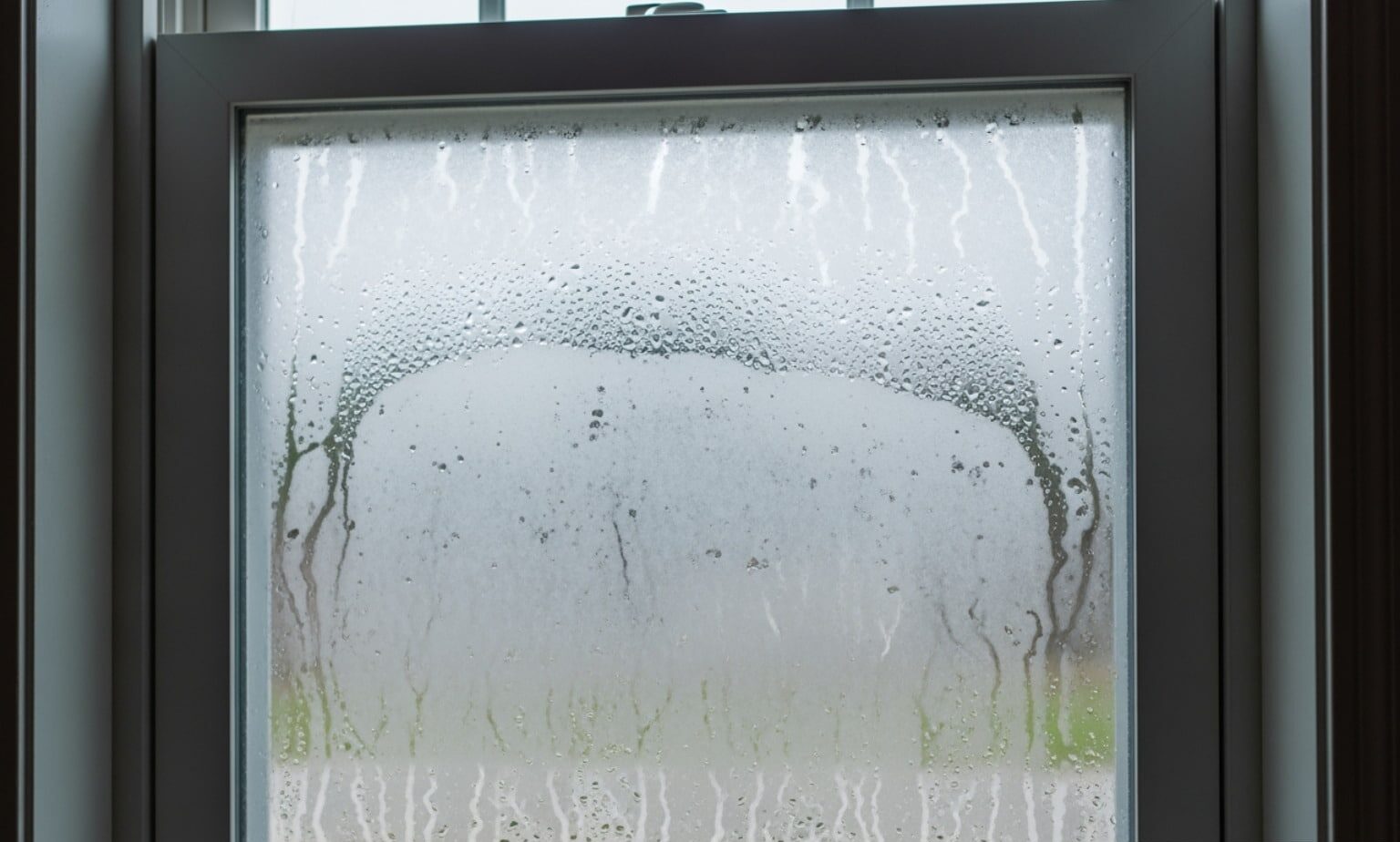
Interior humidity is a silent killer of wood frames. In the winter, if you see condensation “sweating” on the inside of your glass, that water is dripping down and soaking into the wood. Use a dehumidifier or improve ventilation in kitchens and bathrooms.
The Gutter Connection
Believe it or not, your gutters affect your windows. If gutters are clogged, water overflows and splashes directly onto your window sills. Keeping gutters clean is the easiest way to prevent Rotten Windows Repair needs.
For those in specific communities, we offer localized maintenance advice, such as Wood Window Frame Repair Strongsville and Wood Window Frame Repair North Ridgeville.
Frequently Asked Questions about Wood Window Frame Repair
Can rotted wood window frames be repaired?
Absolutely. As long as the rot hasn’t compromised the structural “bones” of the house or more than 50% of the frame, we can use epoxy consolidation and wood splicing to restore the unit. It’s a common practice for historic preservation where the goal is to keep the original architectural character.
What is the best wood filler for wood window frame repair?
For exterior use, always choose a two-part epoxy filler. Standard wood putties or “spackle” will shrink, crack, and fall out when exposed to rain and sun. Epoxies like PC-Woody or Bondo are flexible enough to expand and contract with the wood, ensuring a permanent bond.
How long does a professional wood window frame repair last?
When done correctly with high-quality epoxies and a proper paint seal, a repair can easily last 10 to 15 years. The key is maintaining the paint film. If you repaint every 3–5 years and keep the caulk fresh, the repair could theoretically last as long as the window itself.
Conclusion
Your home’s windows are its “eyes,” and keeping them in good shape is about more than just looks—it’s about protecting your biggest investment. Whether you’re dealing with a sticky sash in Hudson or a rotted sill in Willoughby, wood window frame repair is a sustainable and cost-effective way to keep your home beautiful and energy-efficient.
At Apex Window Werks, we pride ourselves on being the Cleveland-Akron experts in wood restoration. We understand that not every window needs to be replaced. Our team offers same-day service and 2-hour repairs for walk-ins at our shop, focusing on the speed and quality that Northeast Ohio homeowners deserve. From foggy glass to structural wood rebuilding, we handle it all with a focus on craftsmanship.
Ready to save your windows? Contact us today to learn more about our Home Window Replacement Services or to schedule a professional inspection. Let’s give your wood windows another decade of life!