How to Choose the Right Wooden Window Sashes
How to Choose a Replacement Wood Window Sash in Northeast Ohio
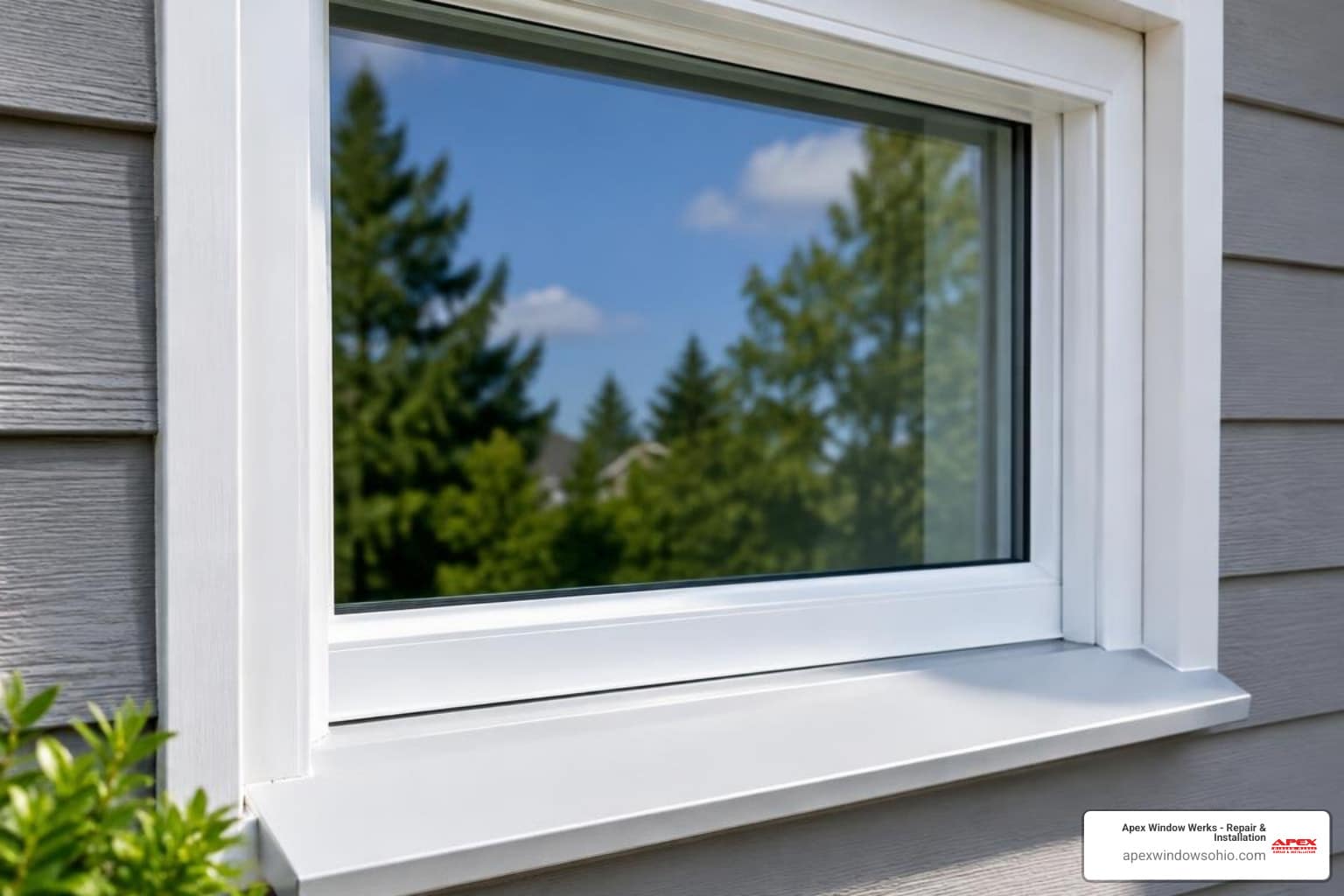
If you’re looking at wooden window sashes for sale, start with the fit, not the finish. Measure the existing sash and frame, then check the sash thickness, window style, glass, and hardware. New, custom-made, and salvaged sashes can all be options, but a good match must fit the frame and open and close properly.
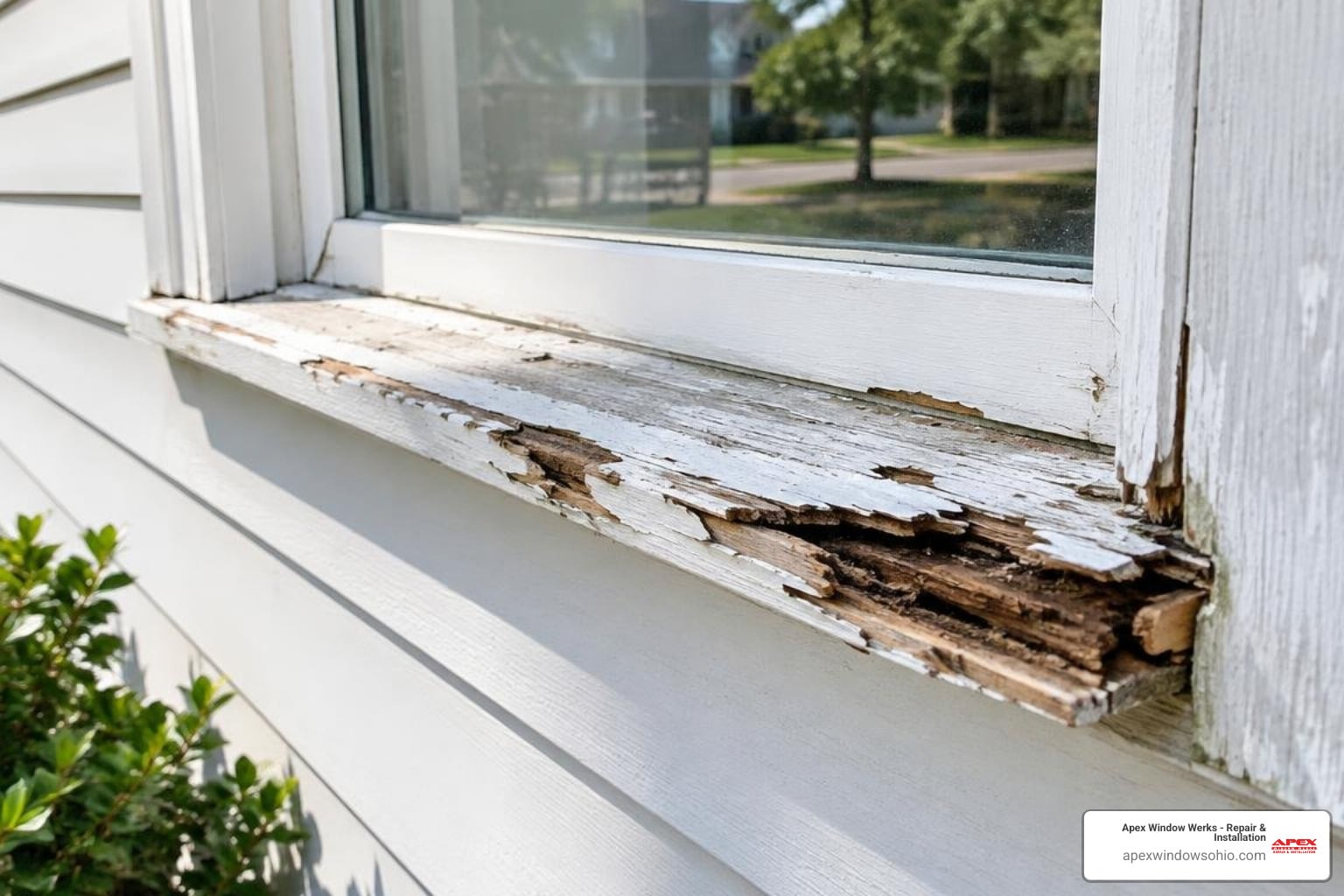
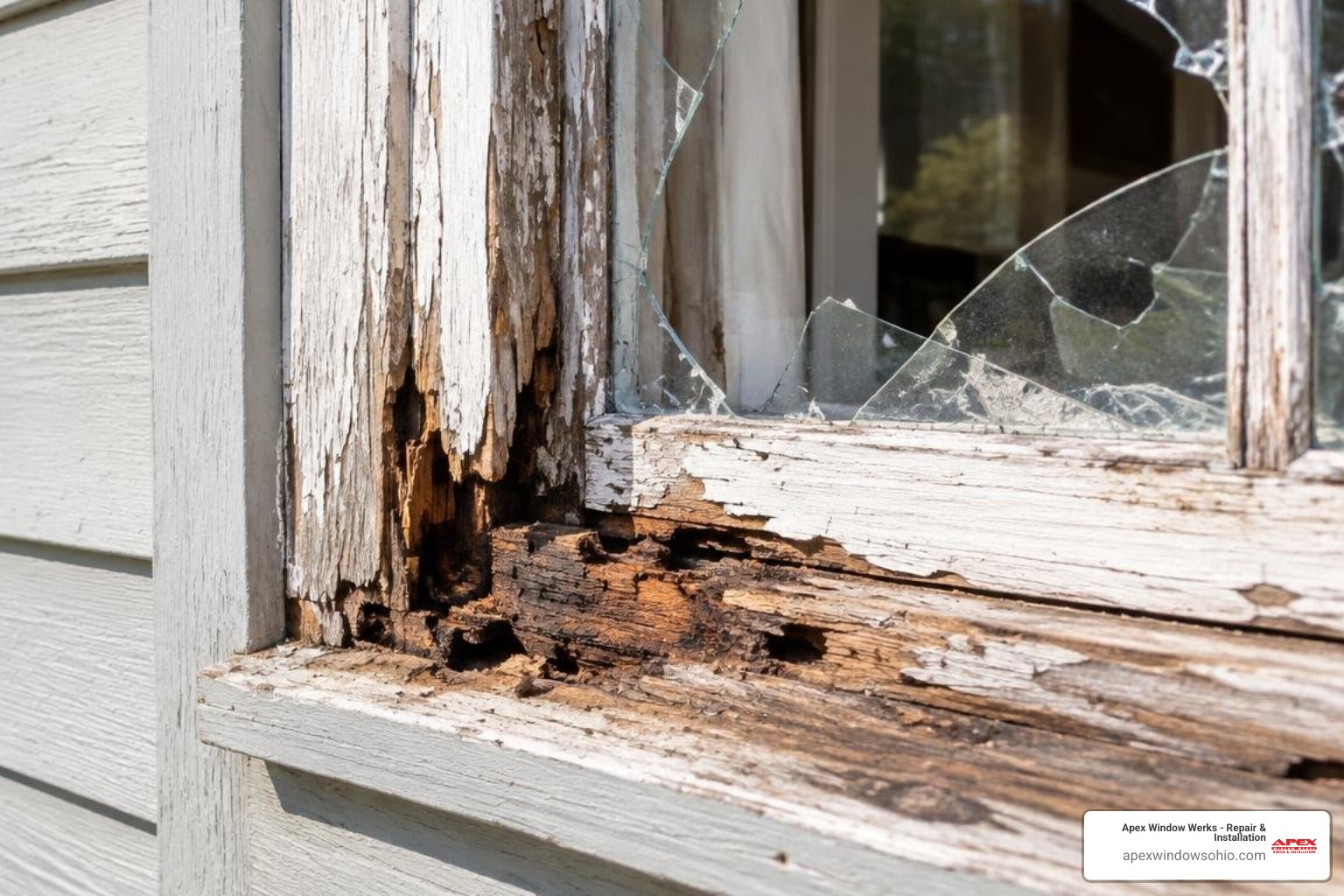
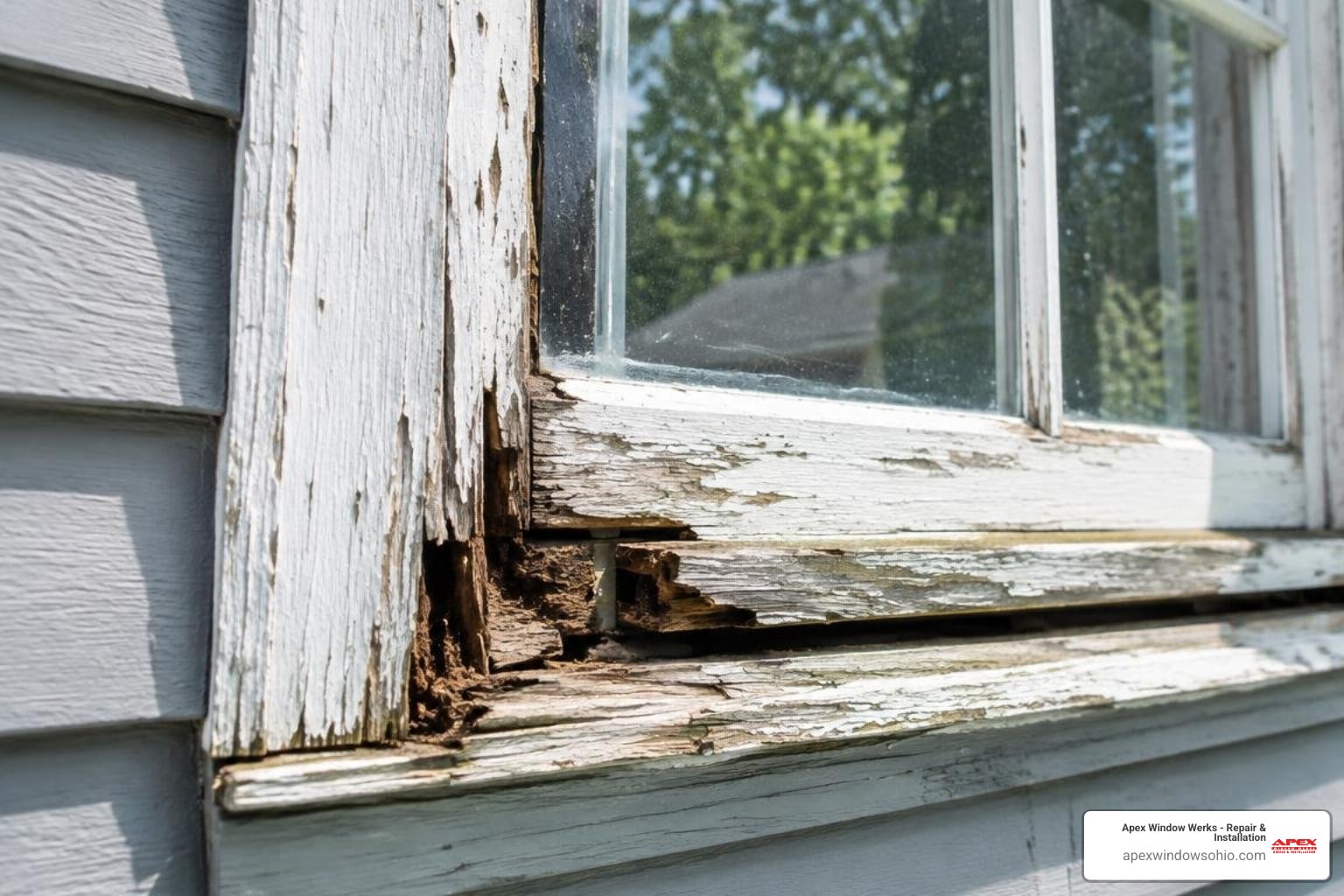
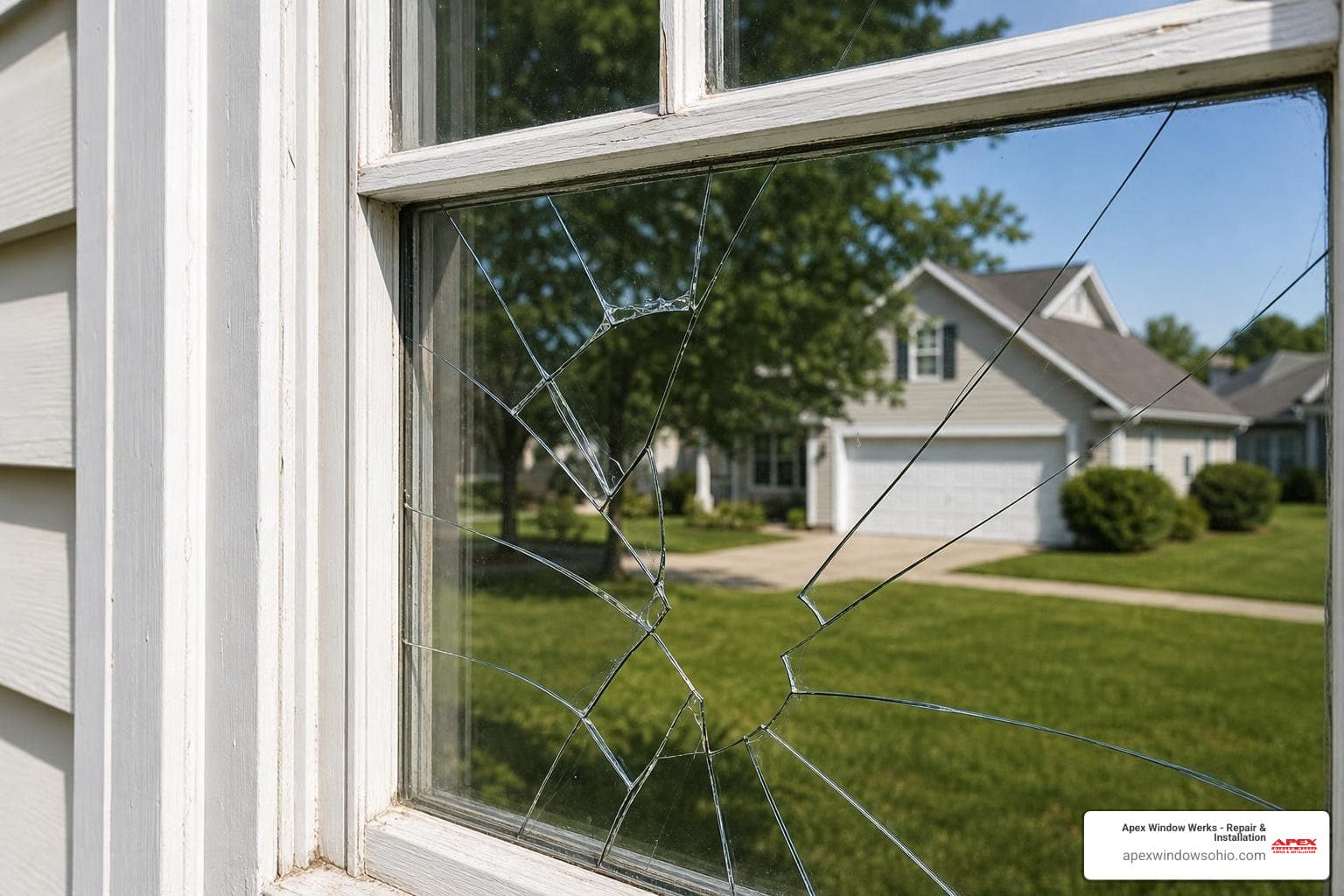
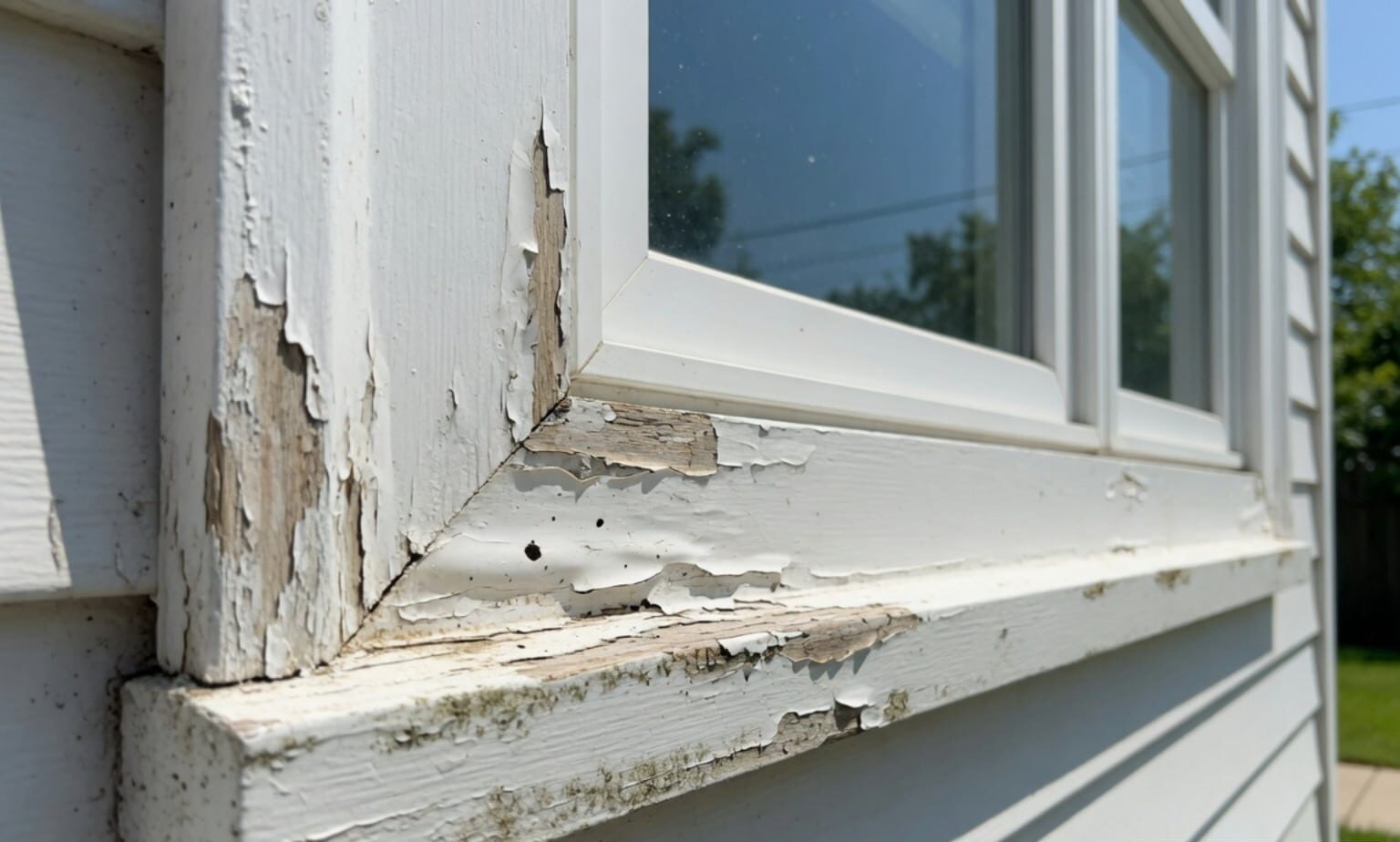
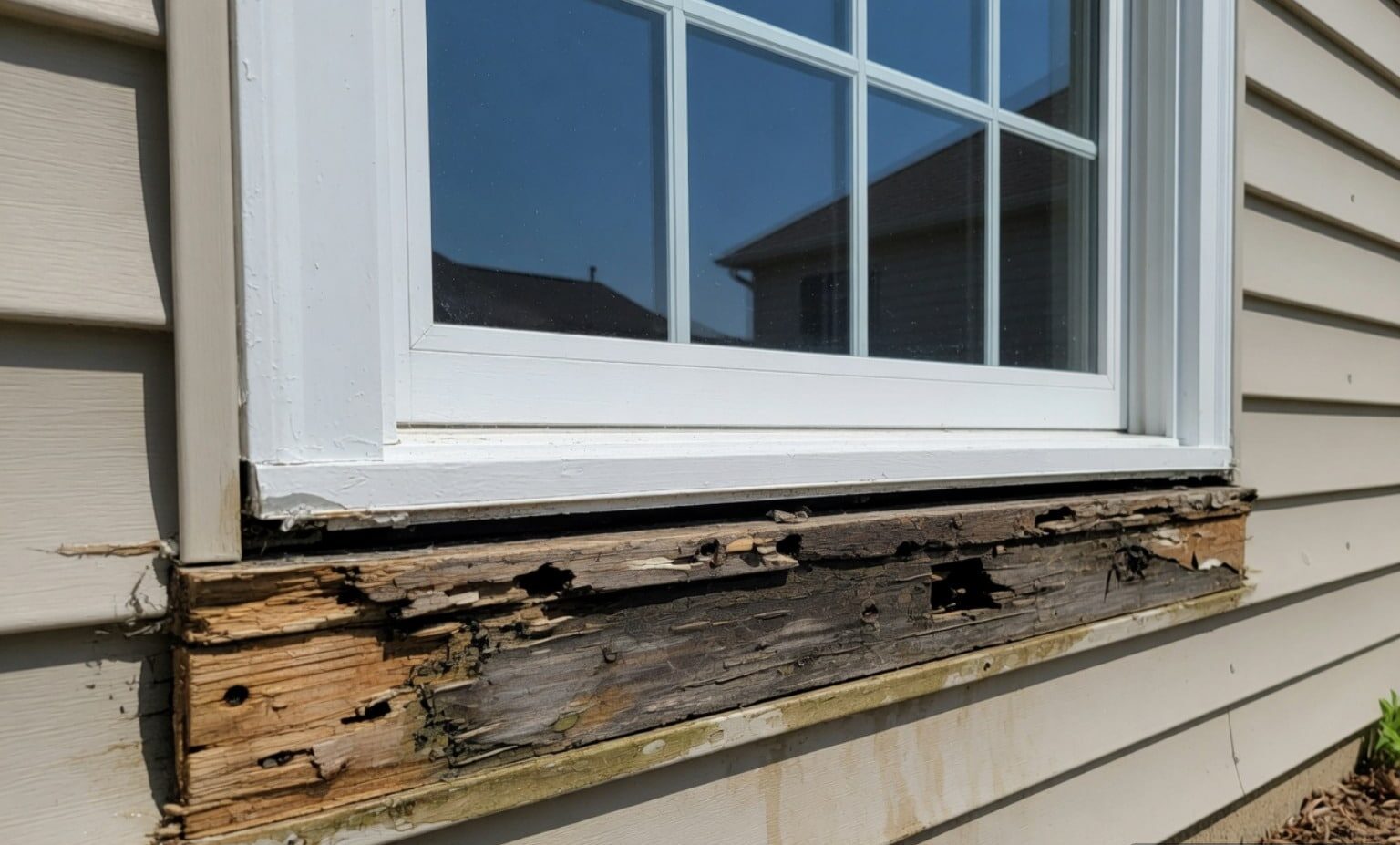
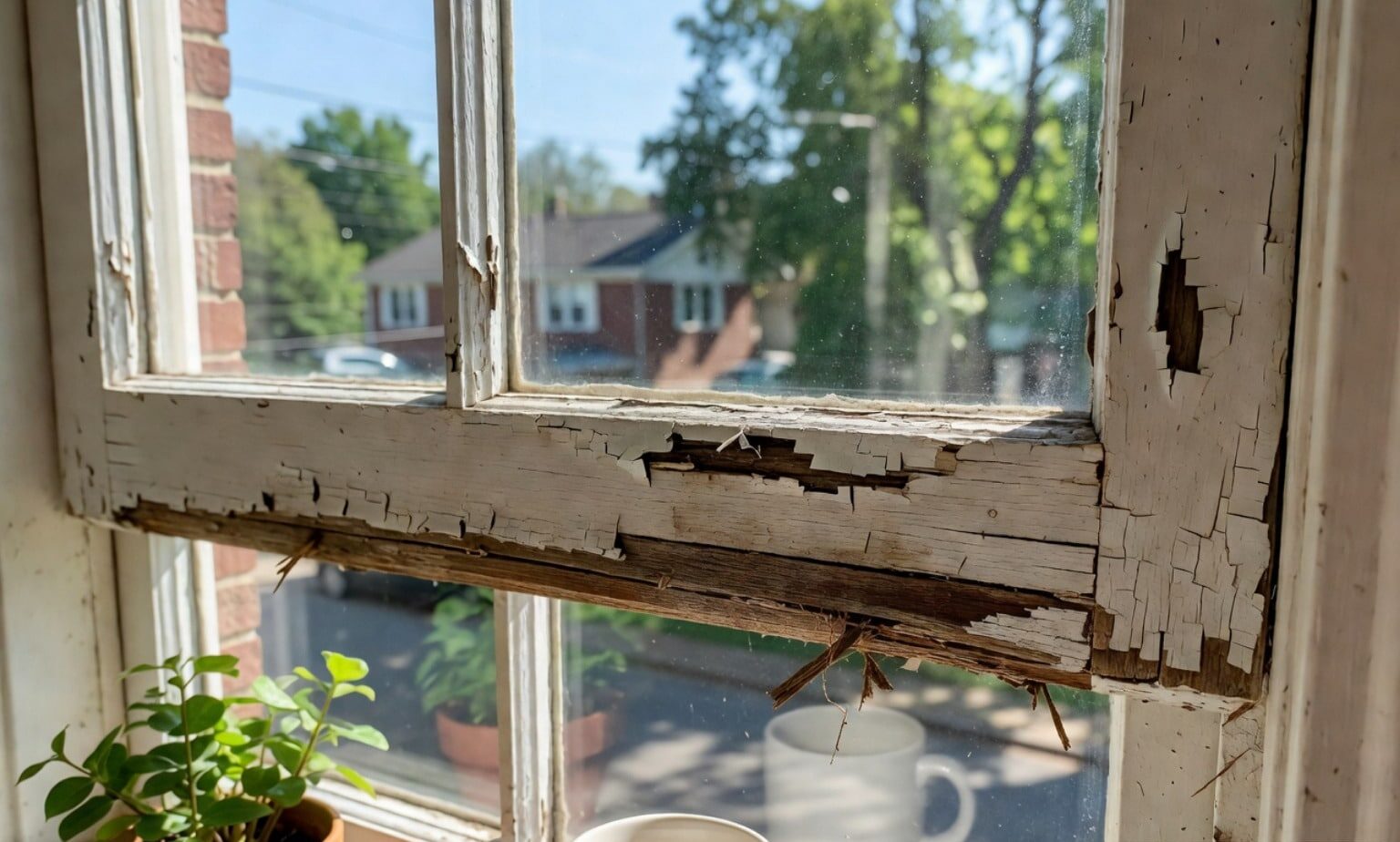
Before you buy, inspect the sill and jambs for rot. If the frame is damaged, a new sash alone may not solve the problem.
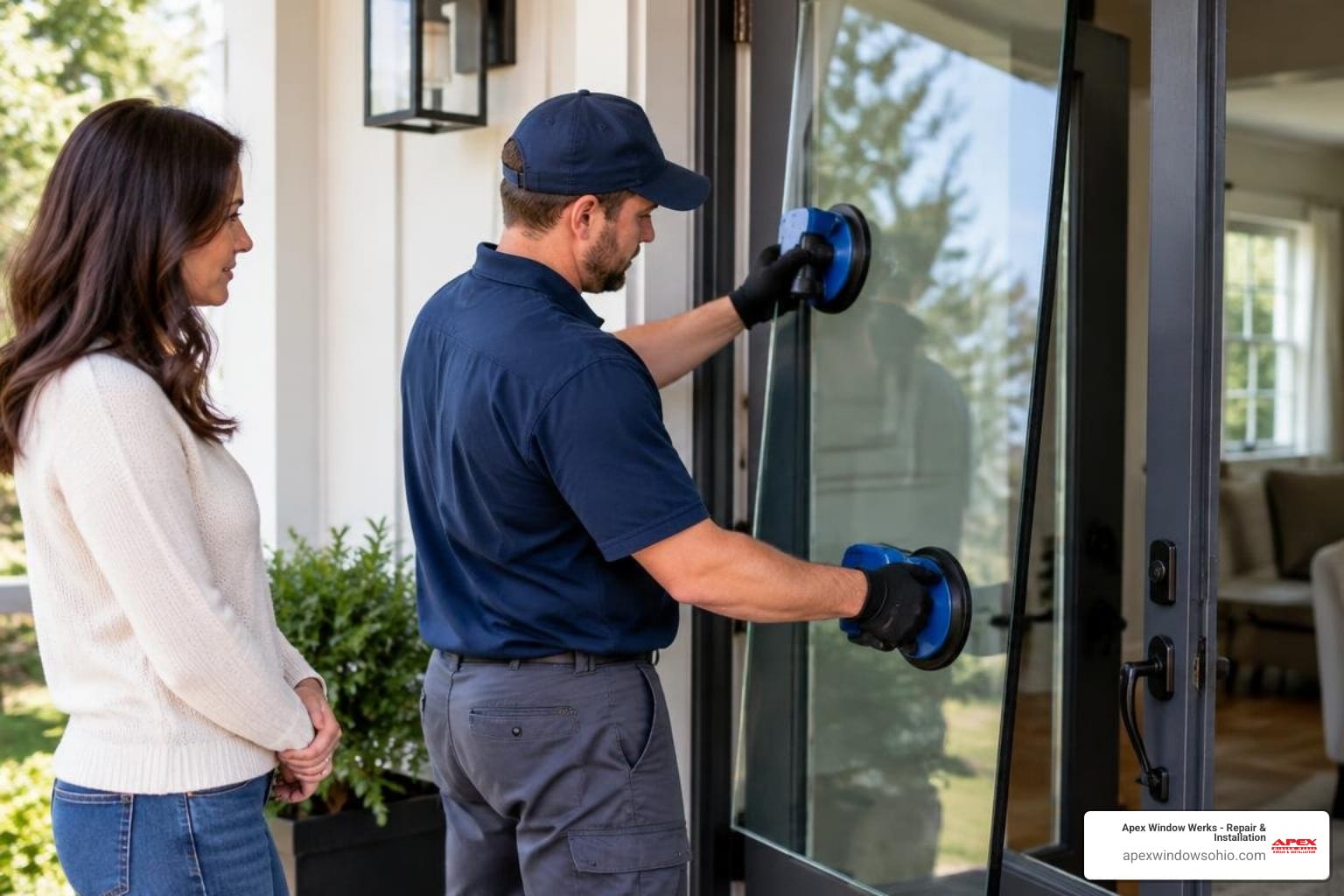
I’m Nataly Godes, General Manager at Apex Window Werks, where I lead a team that repairs and restores wood windows across Northeast Ohio. That work informs this guide to wooden window sashes for sale and the checks worth making before you order.
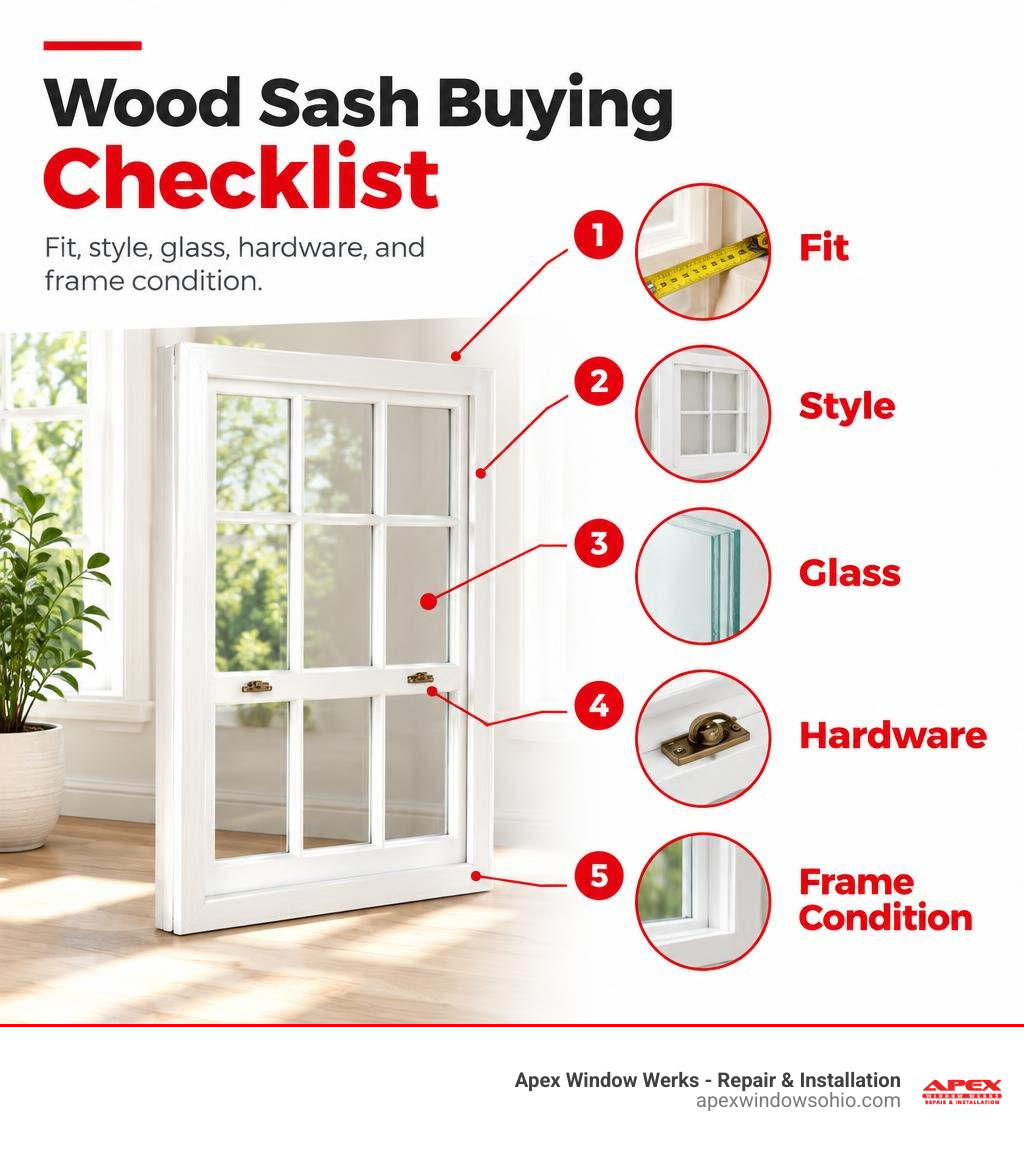
Simple guide to wooden window sashes:
Understanding Types and Styles of Wooden Window Sashes for Sale in Cleveland and Akron
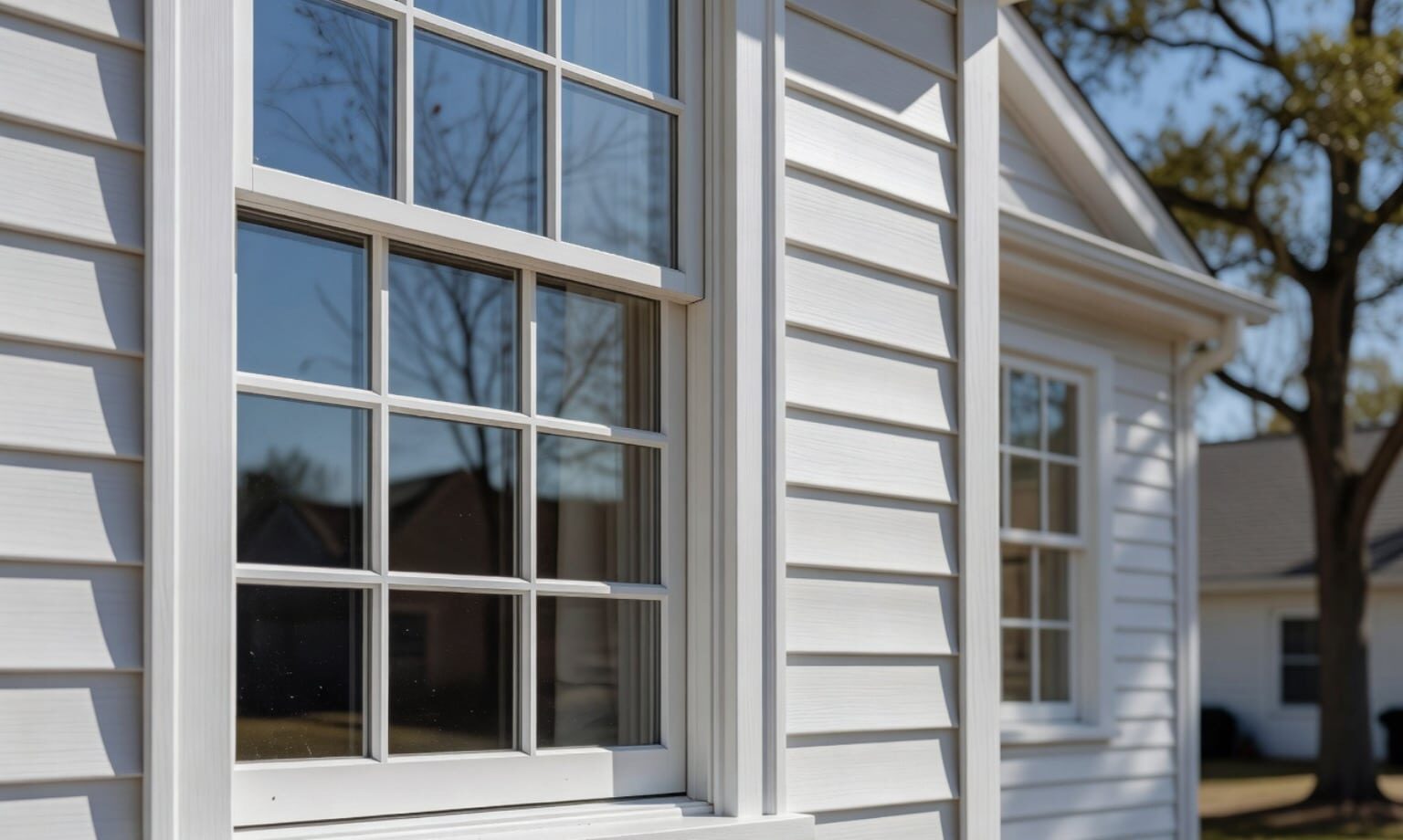
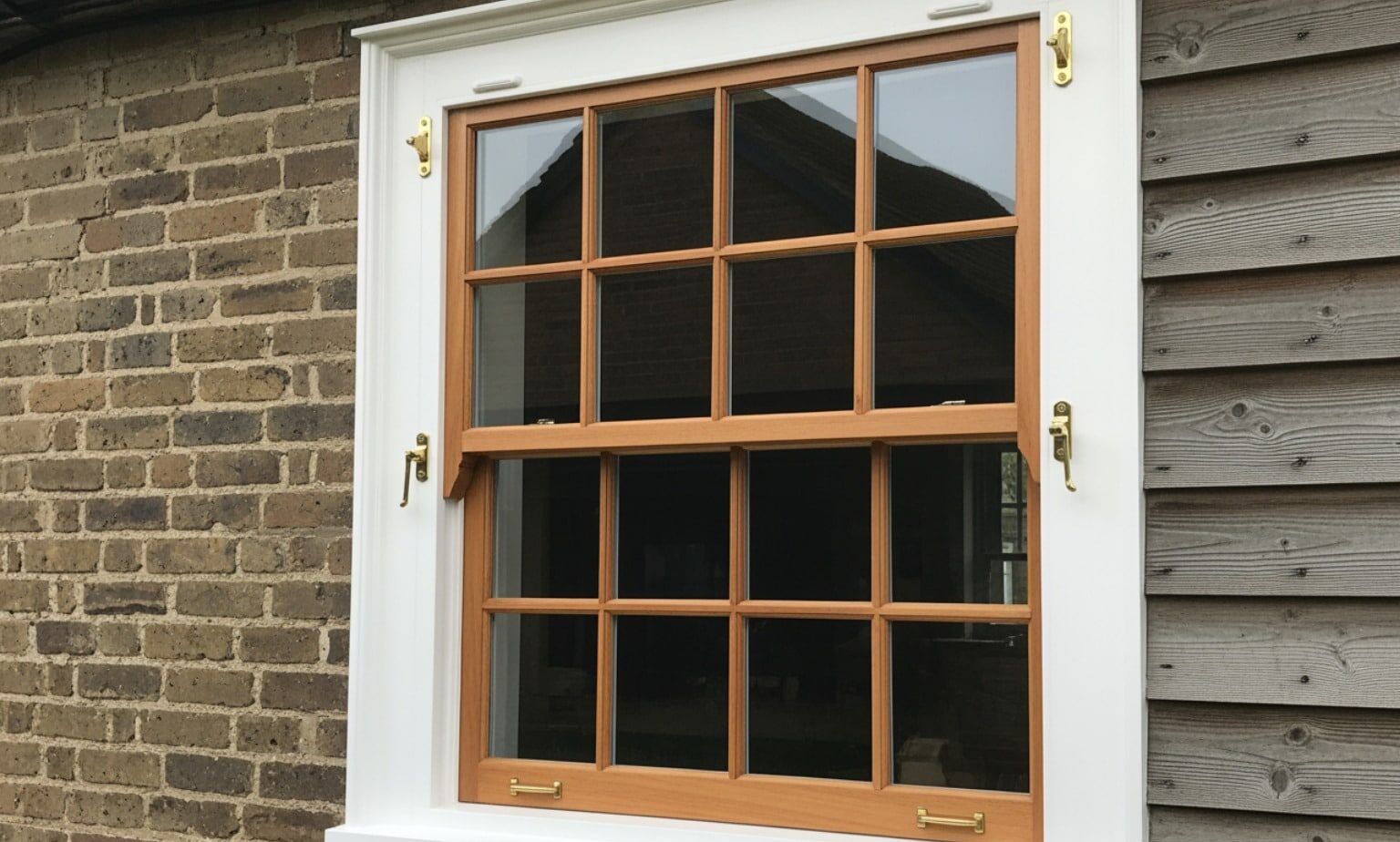
Finding the right replacement sash begins with identifying how your original window operates and how its structural components interlock. The sash is the moveable or fixed framework that holds the glass panes within the overall window assembly. It consists of vertical members called stiles and horizontal members termed rails.
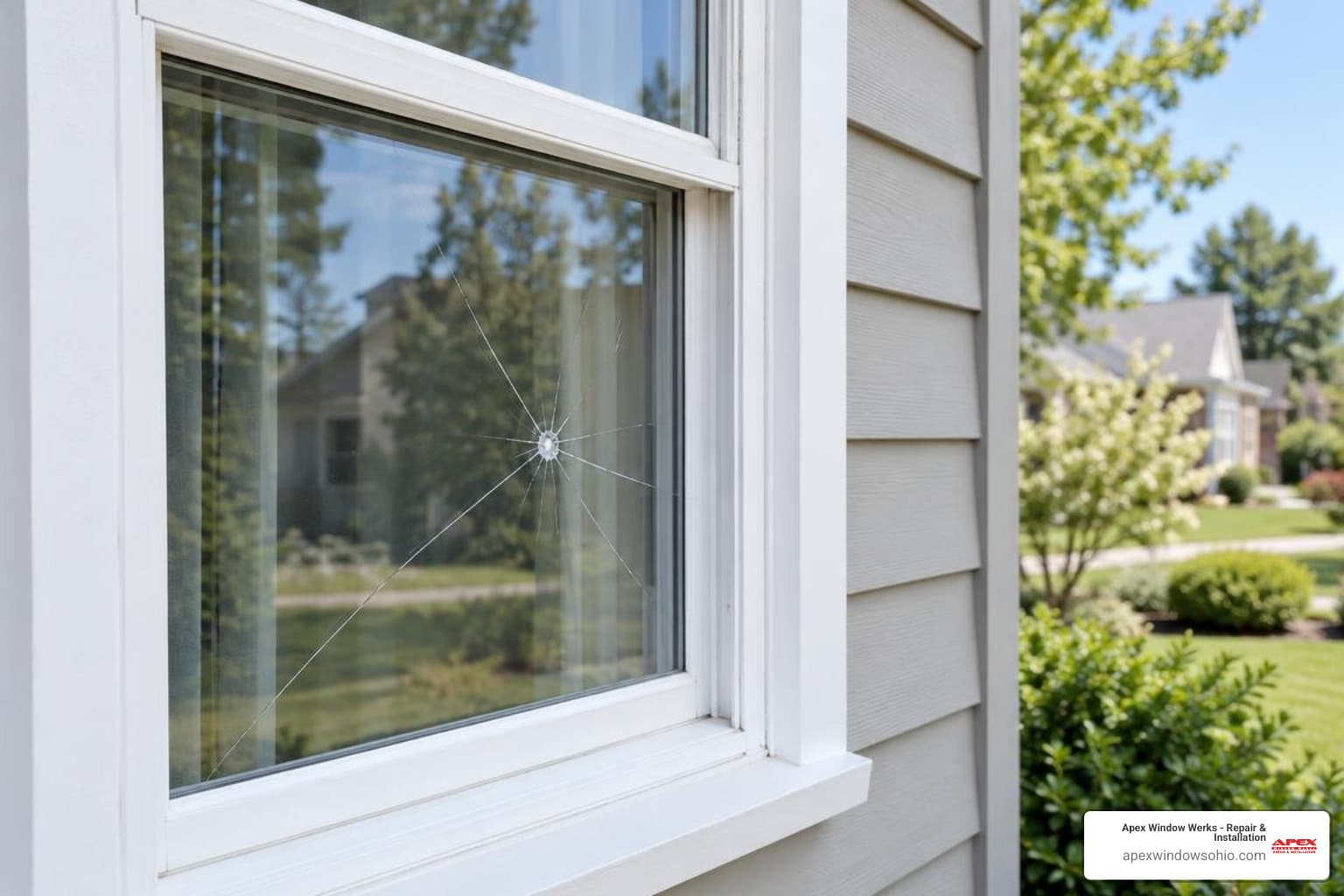
When you explore sash window replacements, you quickly see that standard sizing can vary dramatically between historic architectural eras and modern reproduction units. Selecting an incompatible profile often leads to operational binding, air leaks, or water infiltration around the perimeter.
Double-Hung and Casement Replacement Sashes
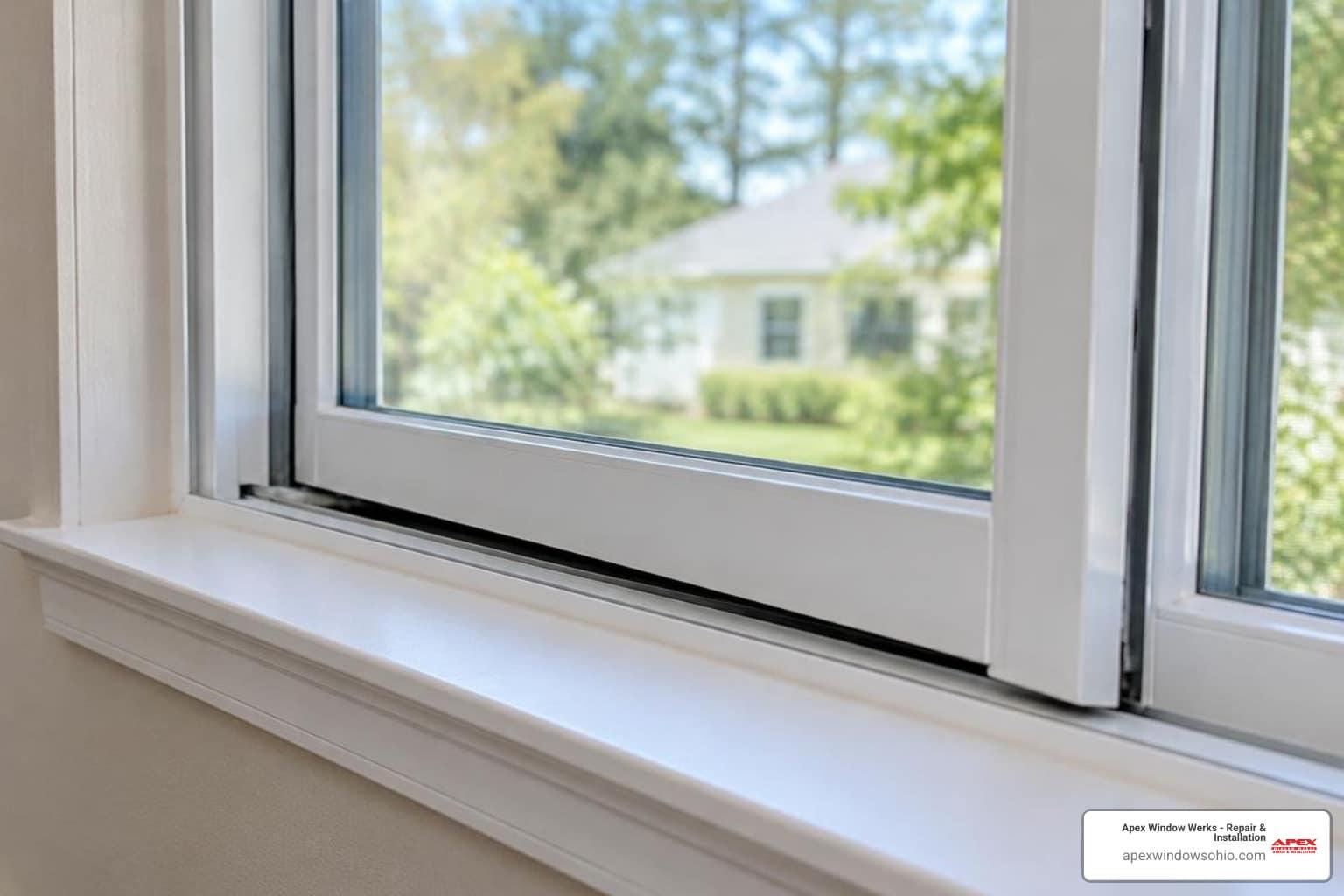
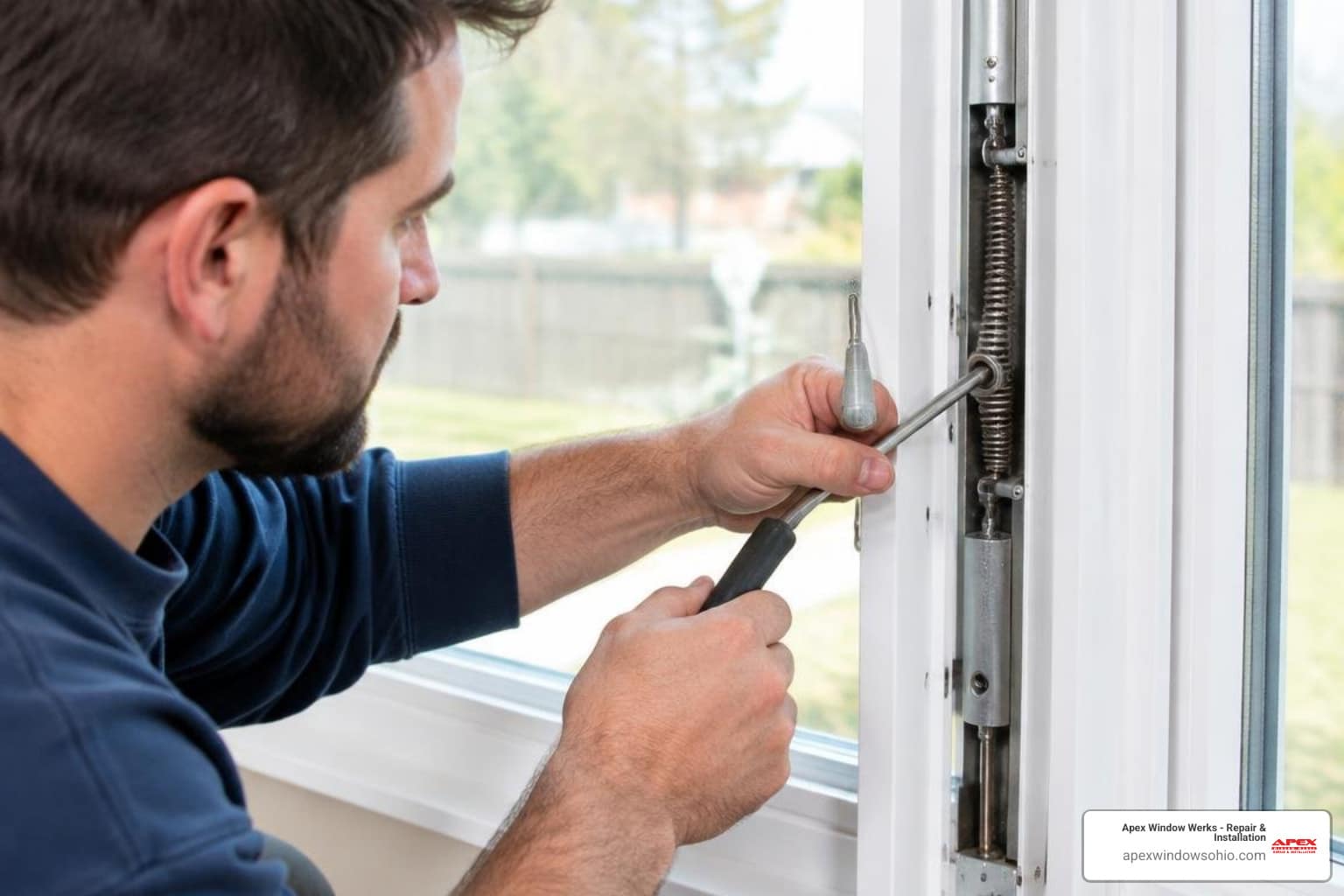
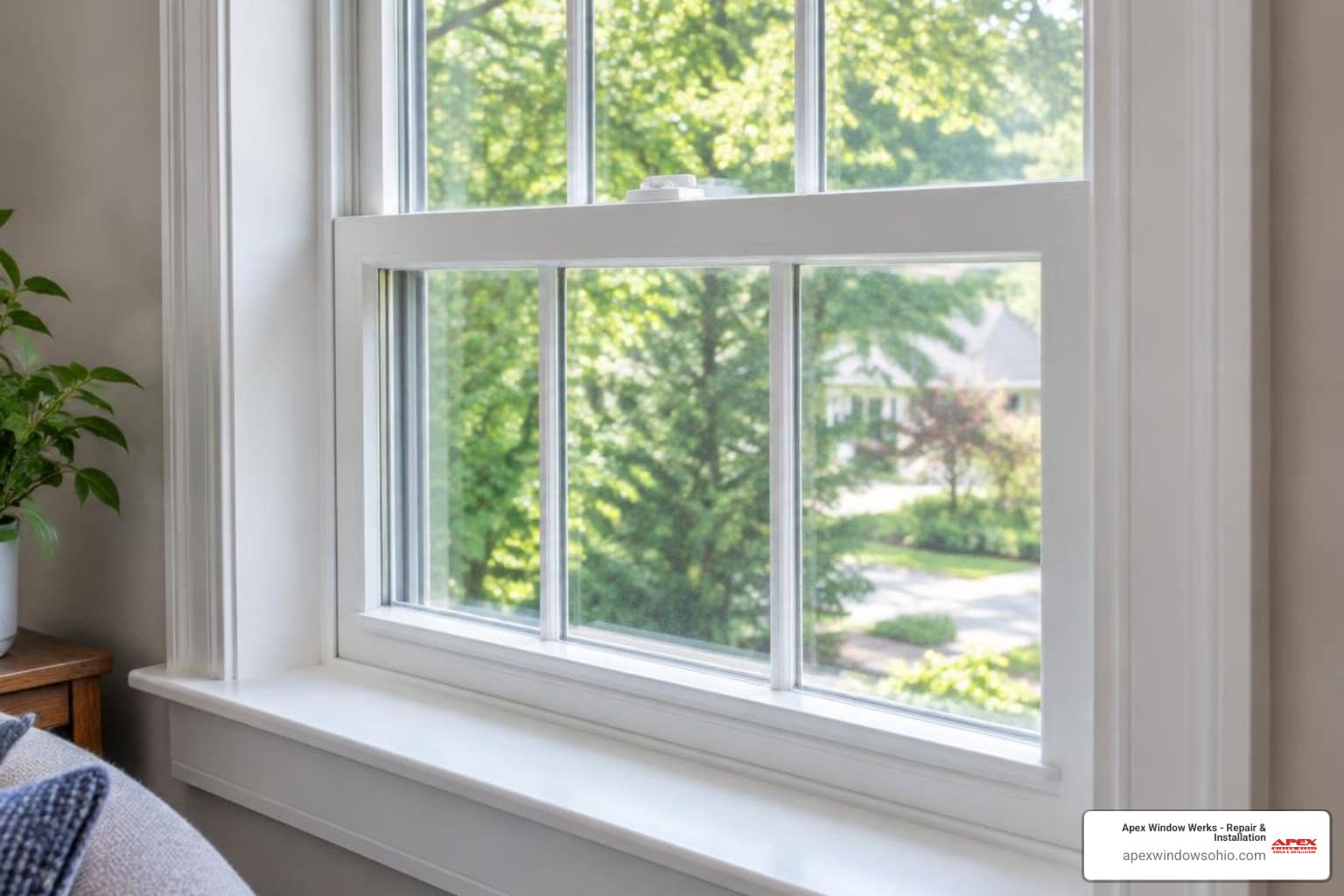
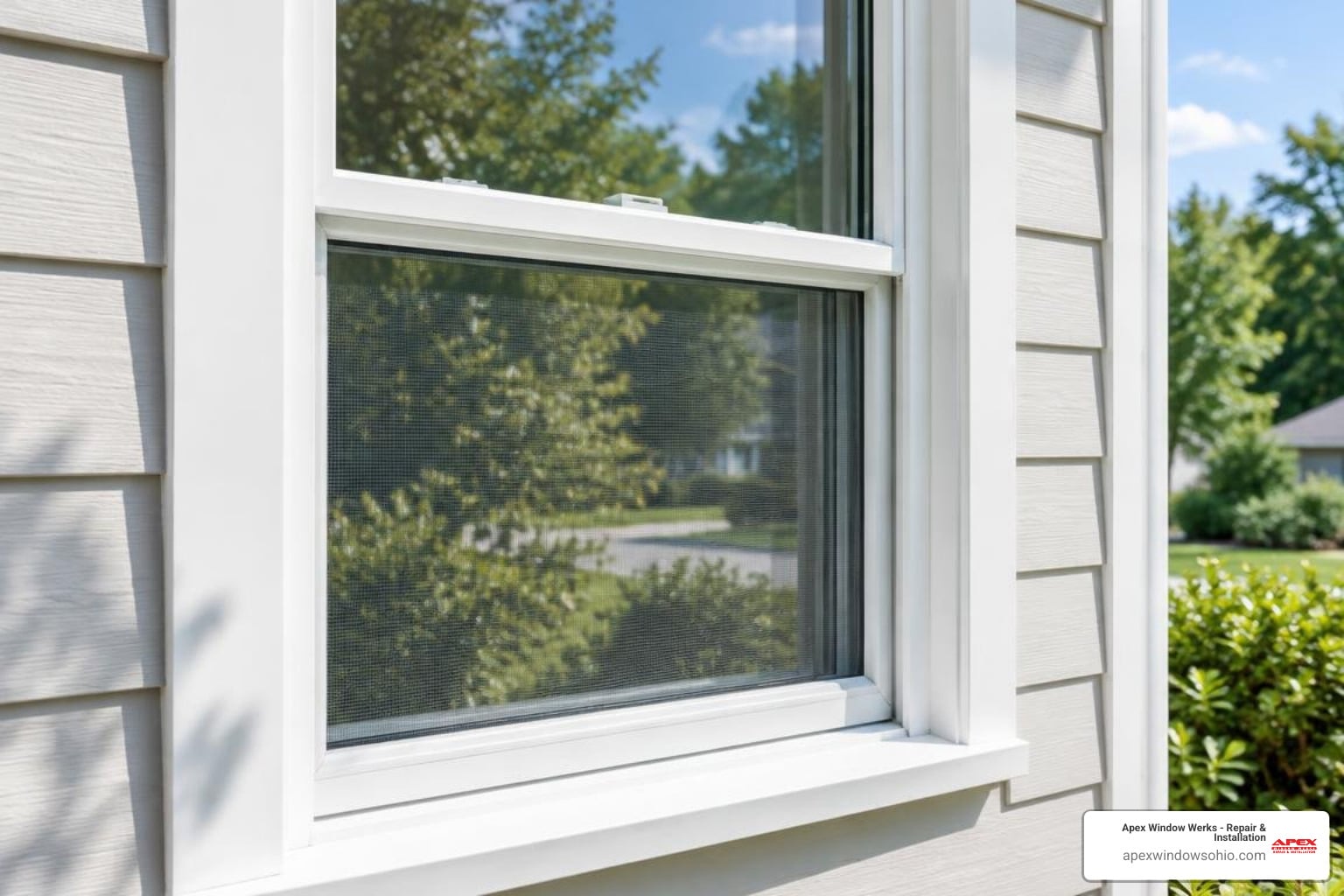
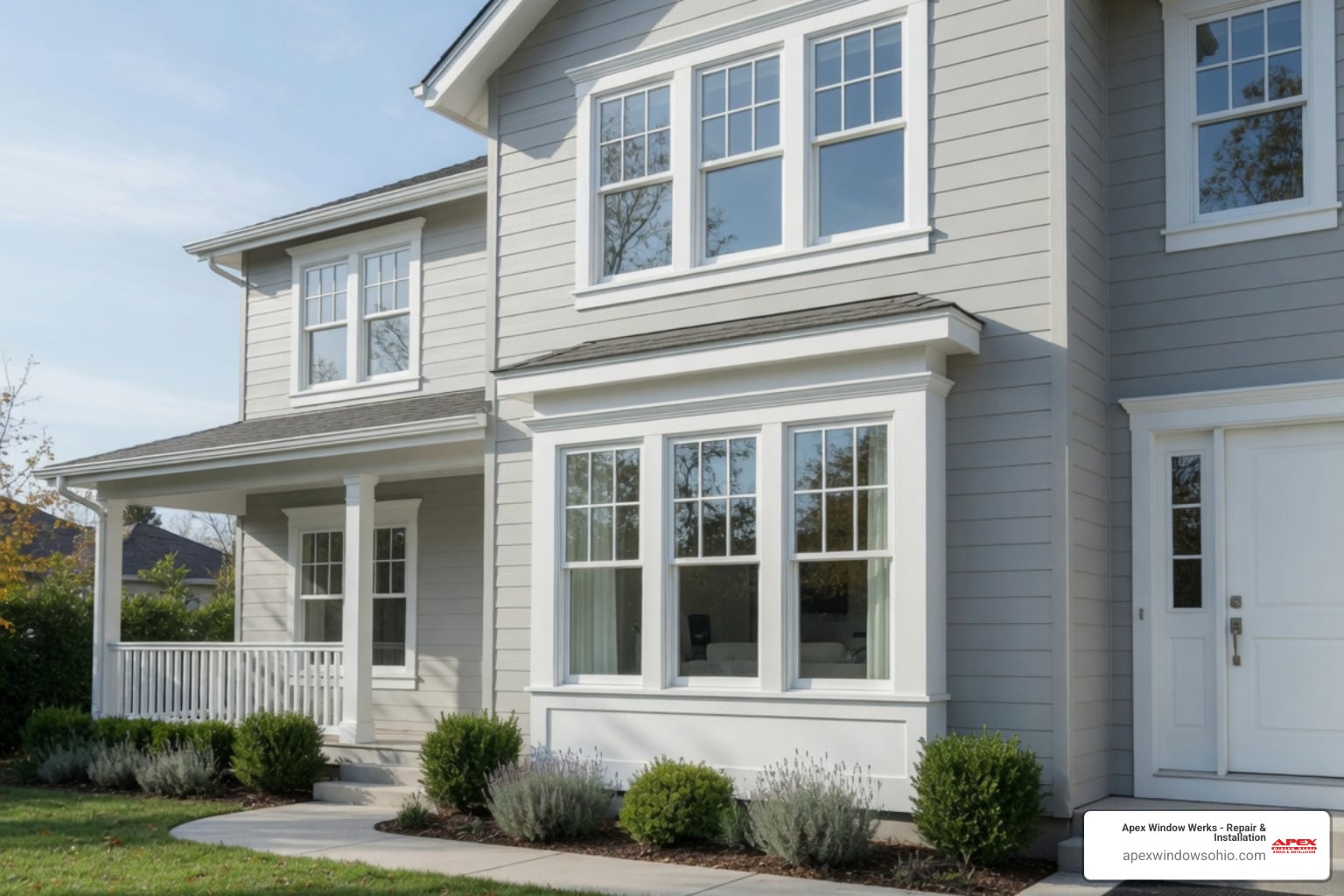
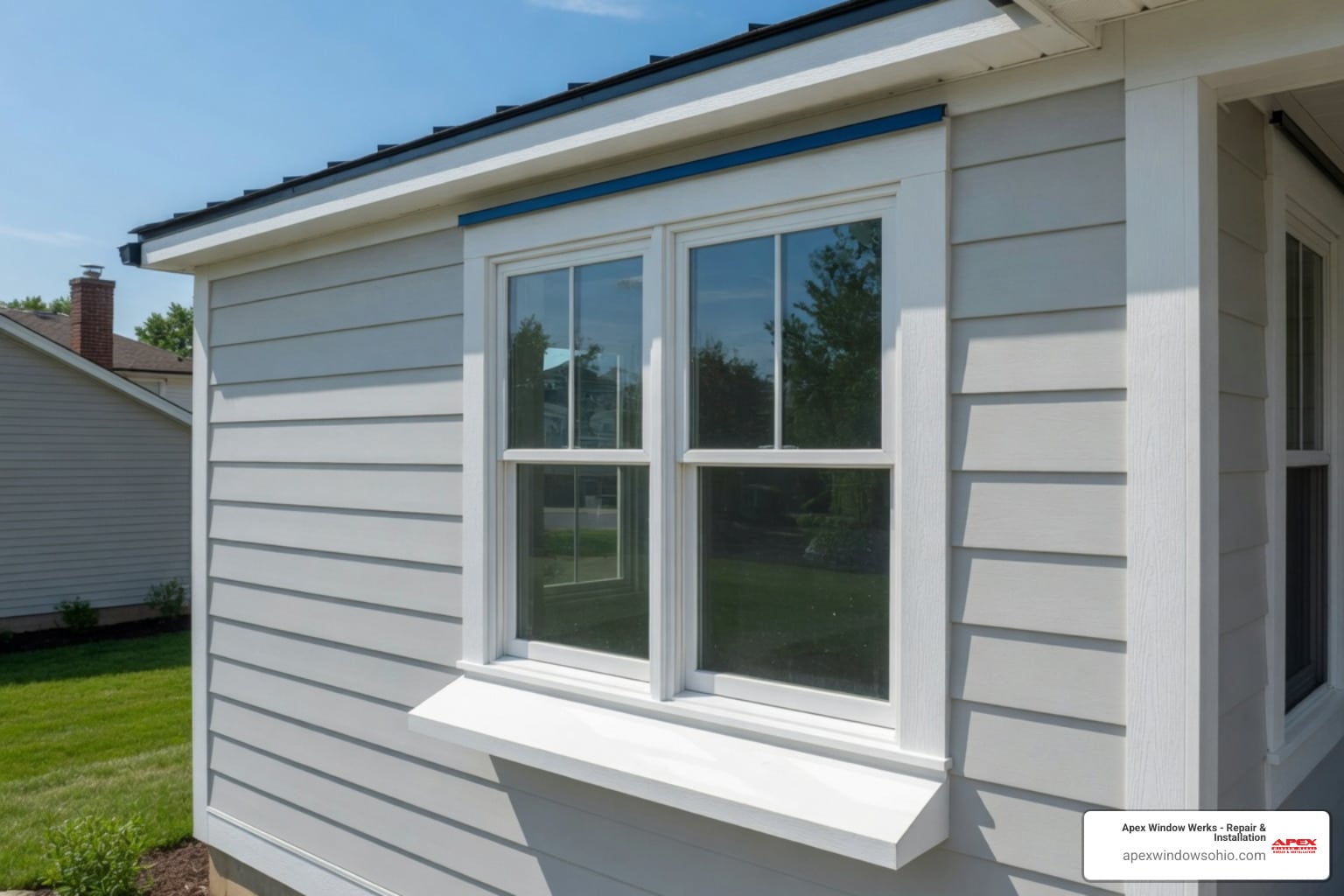
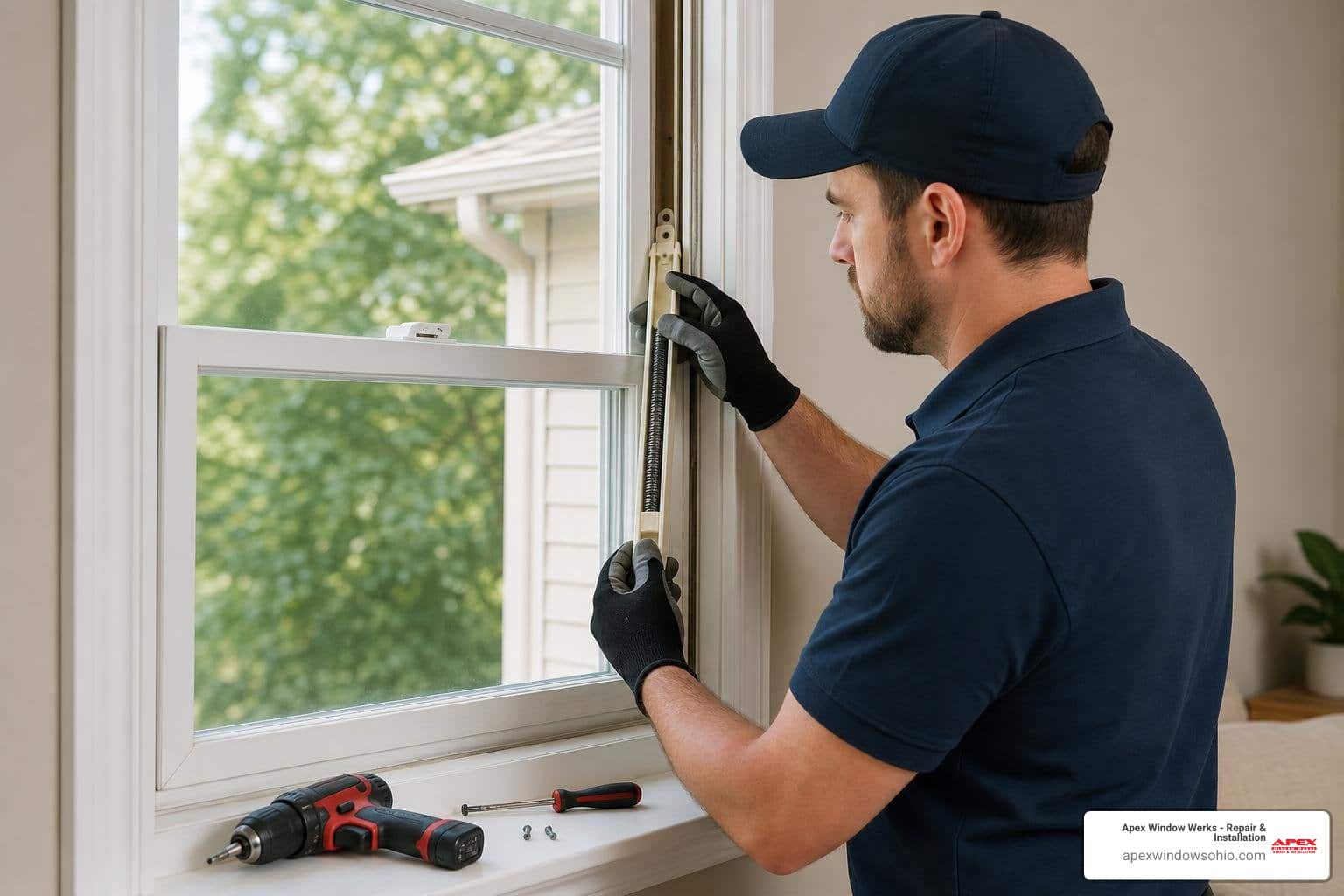
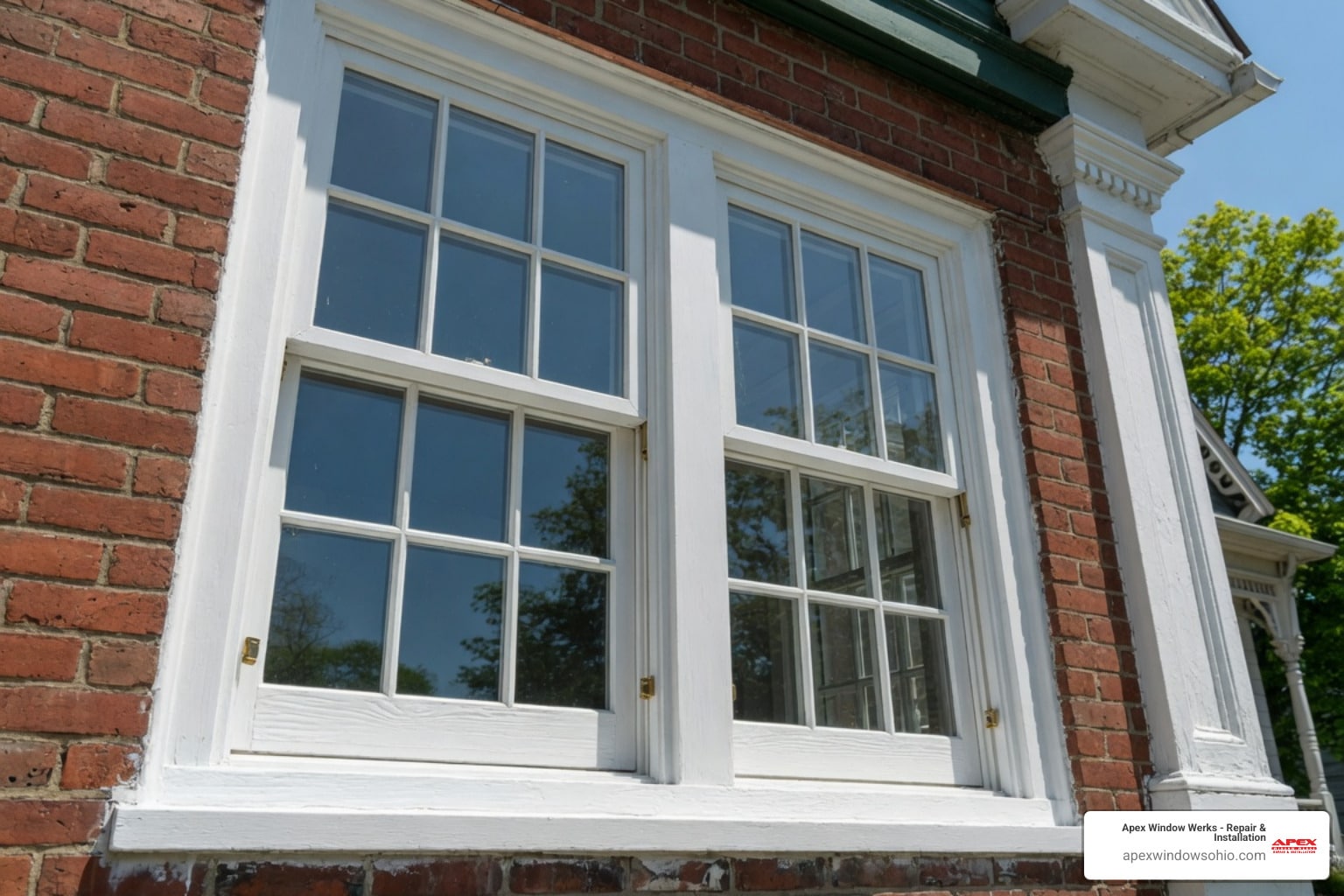
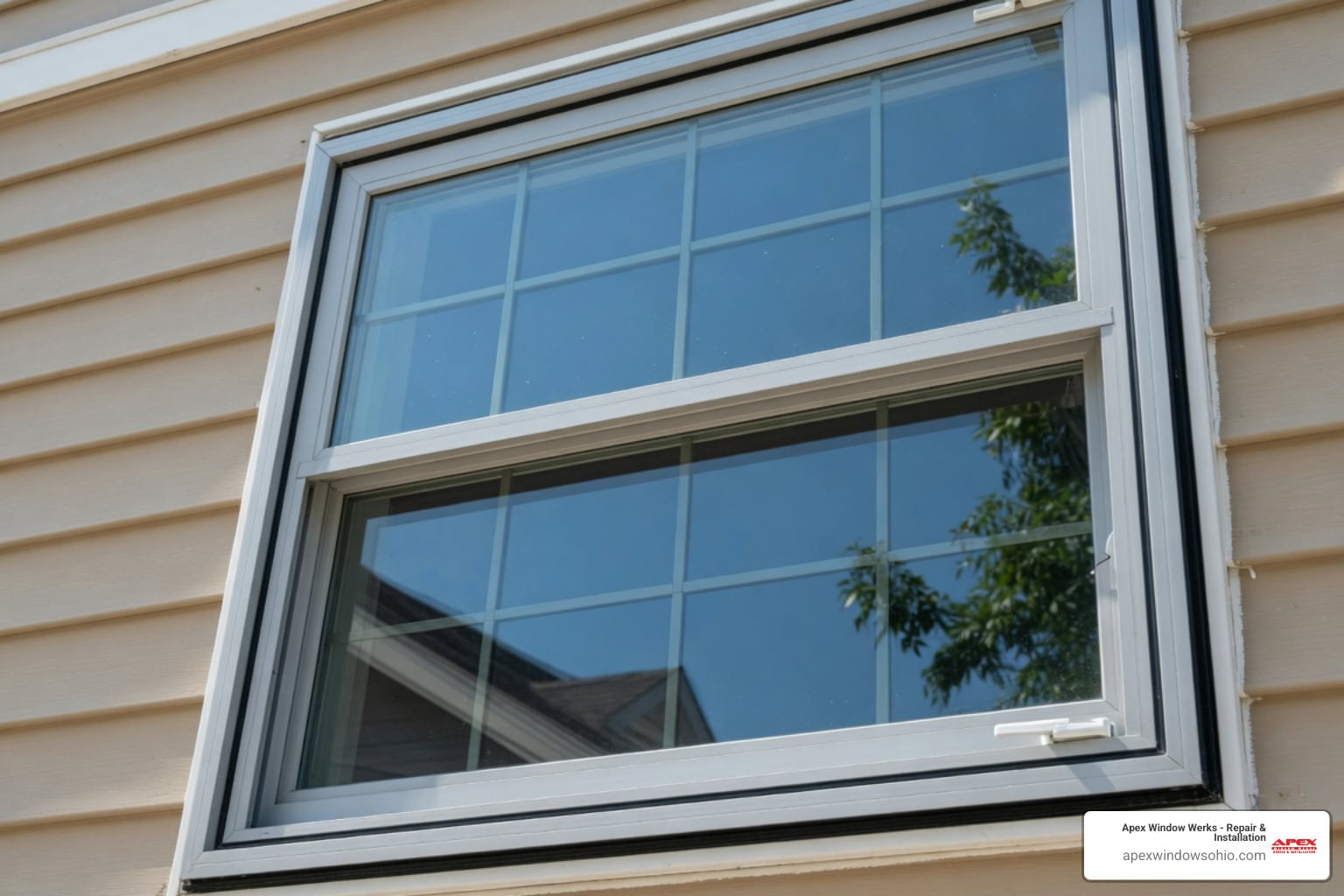
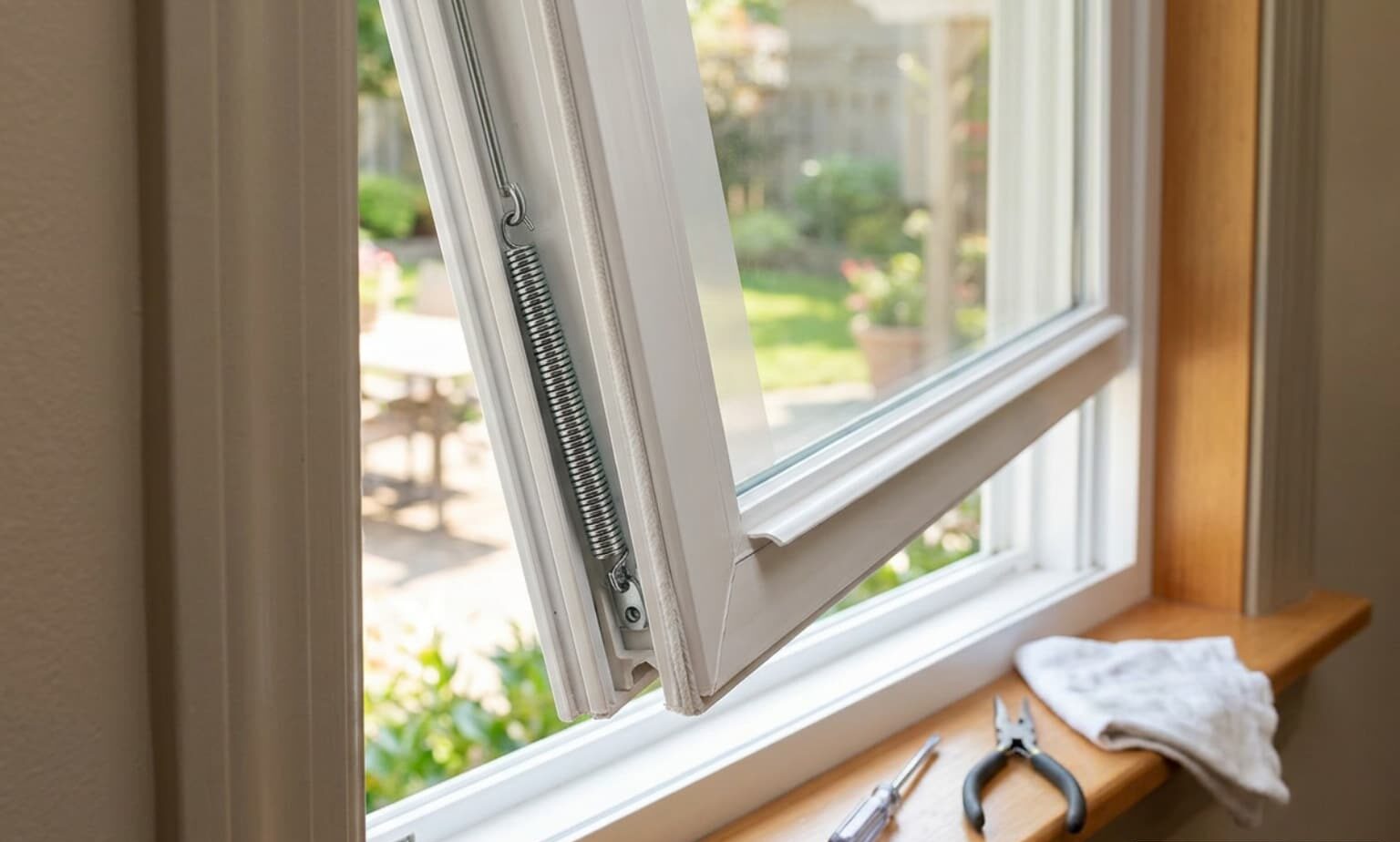
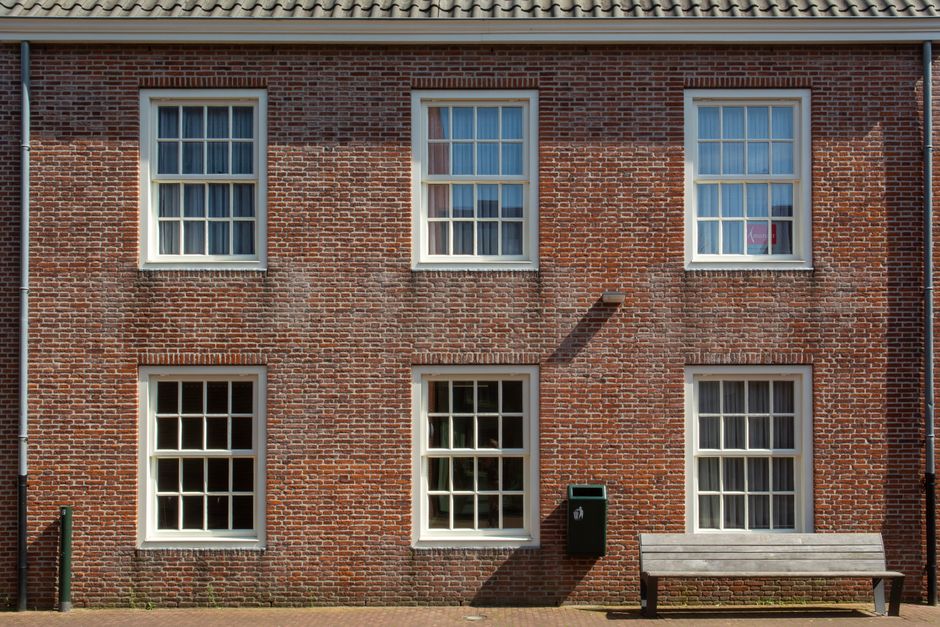
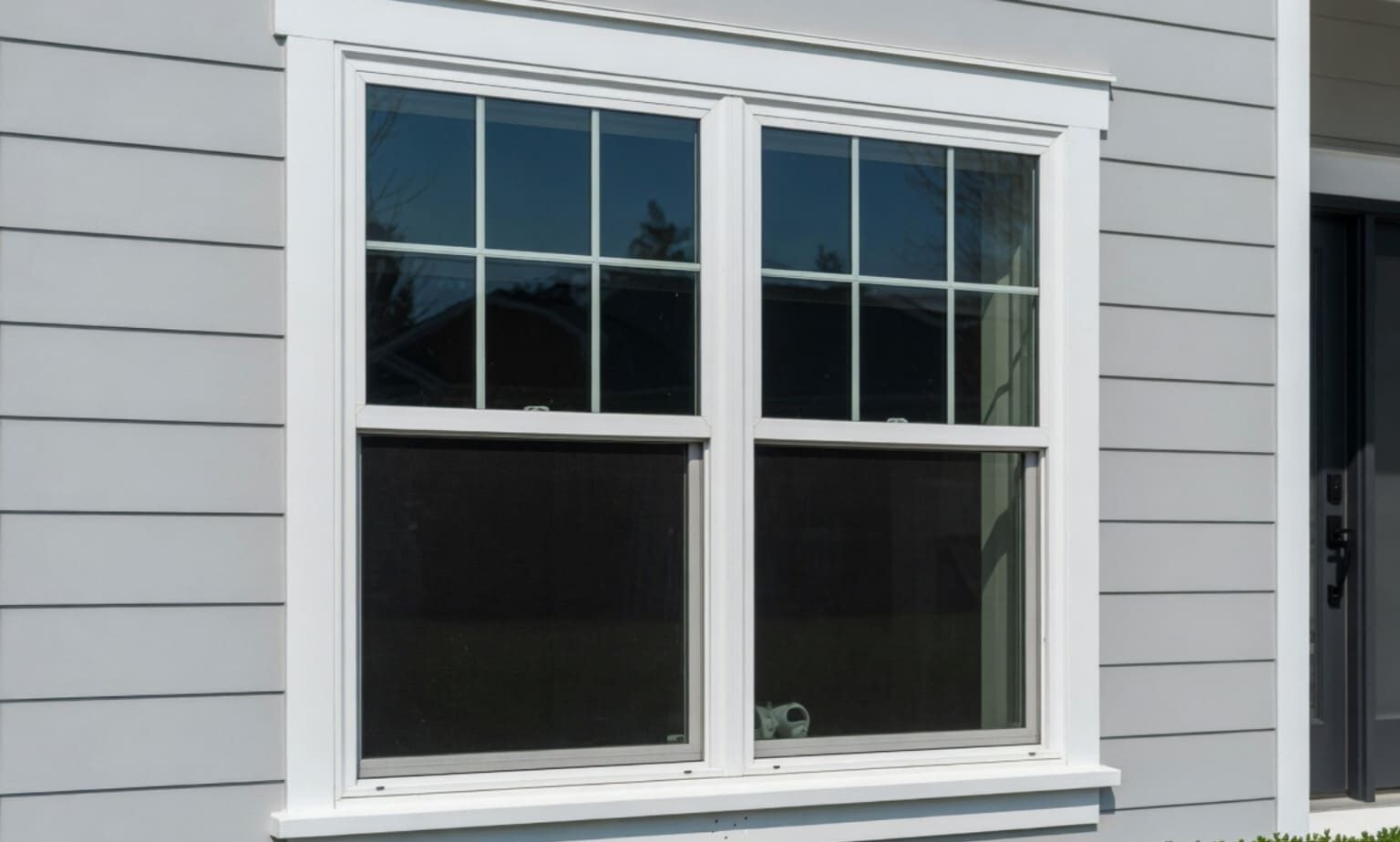
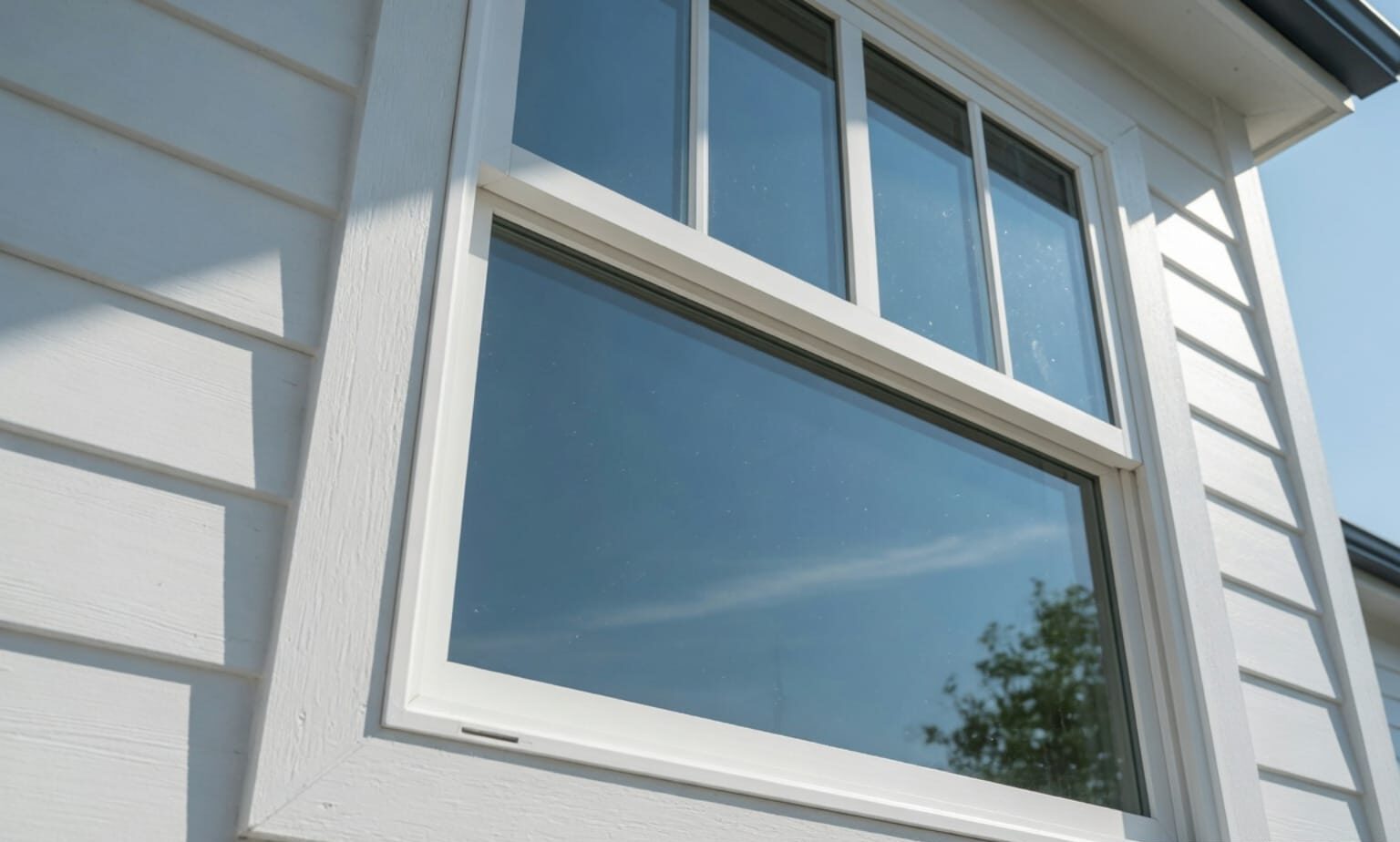
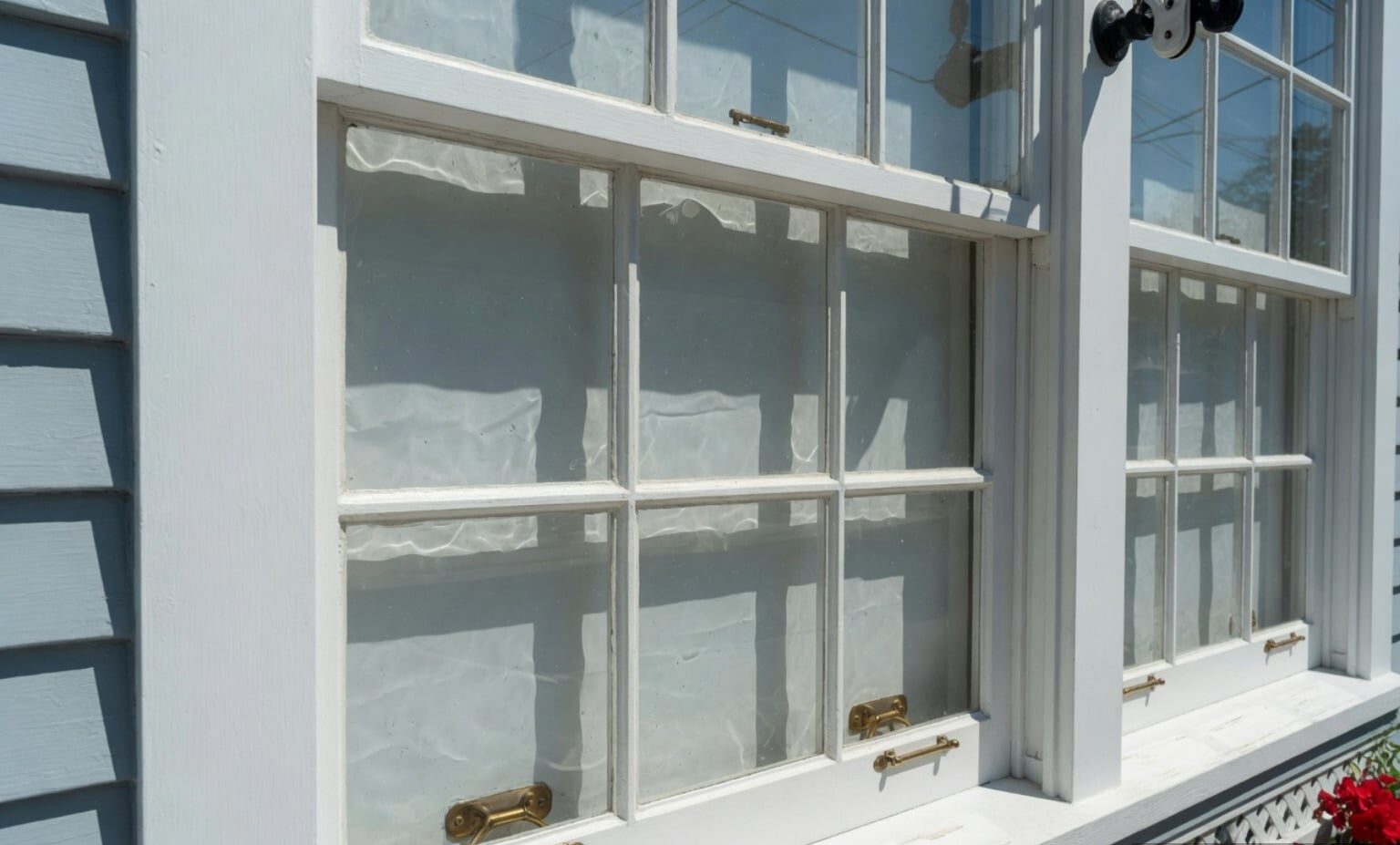
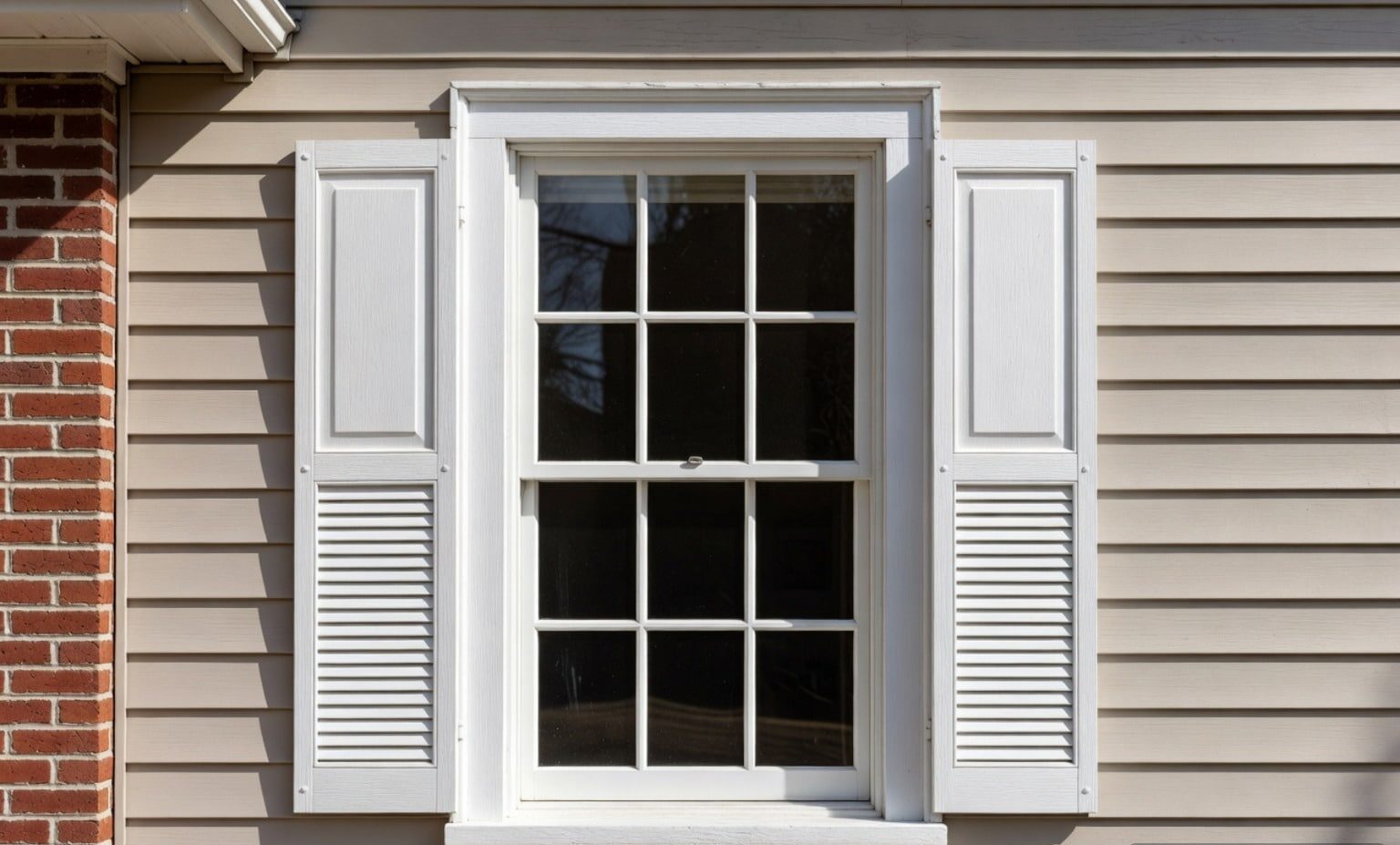
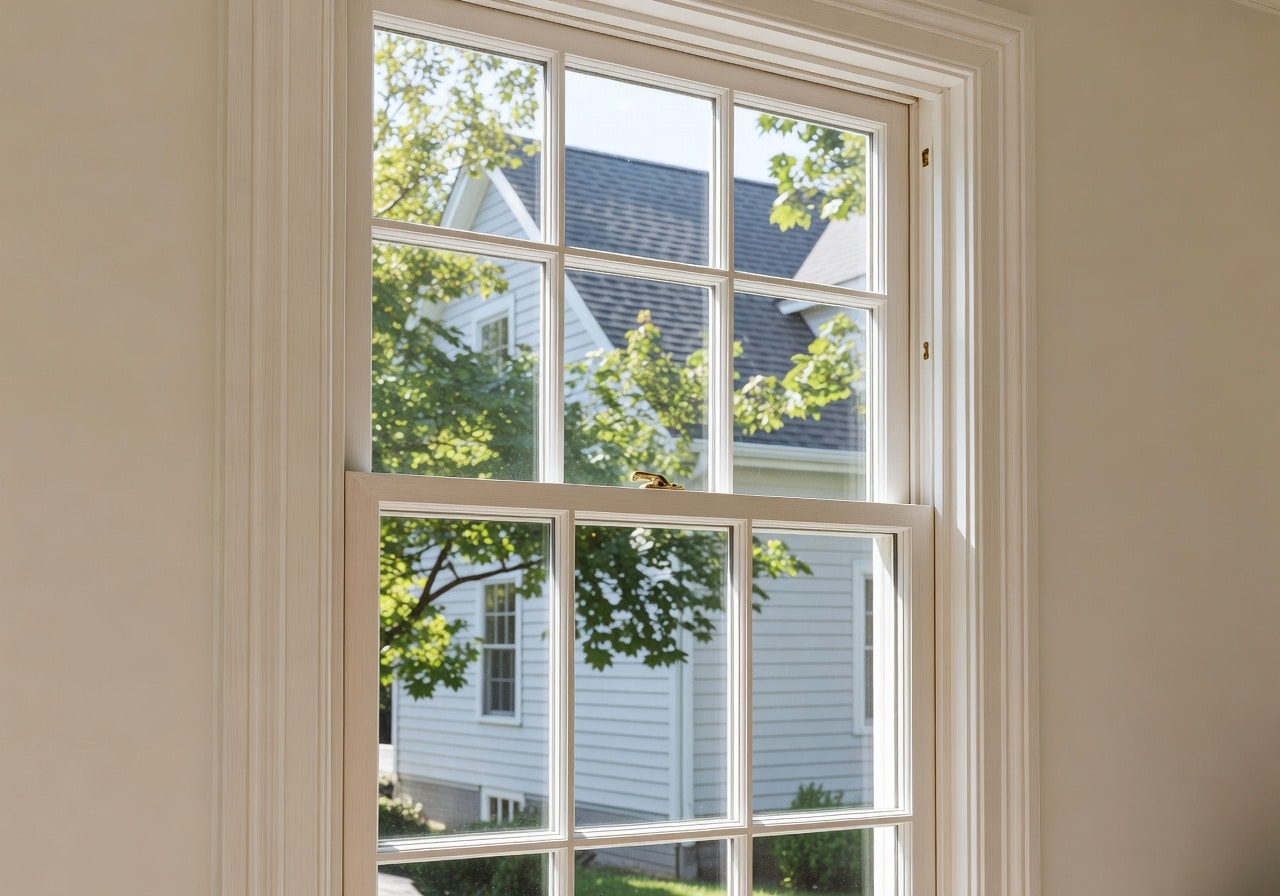
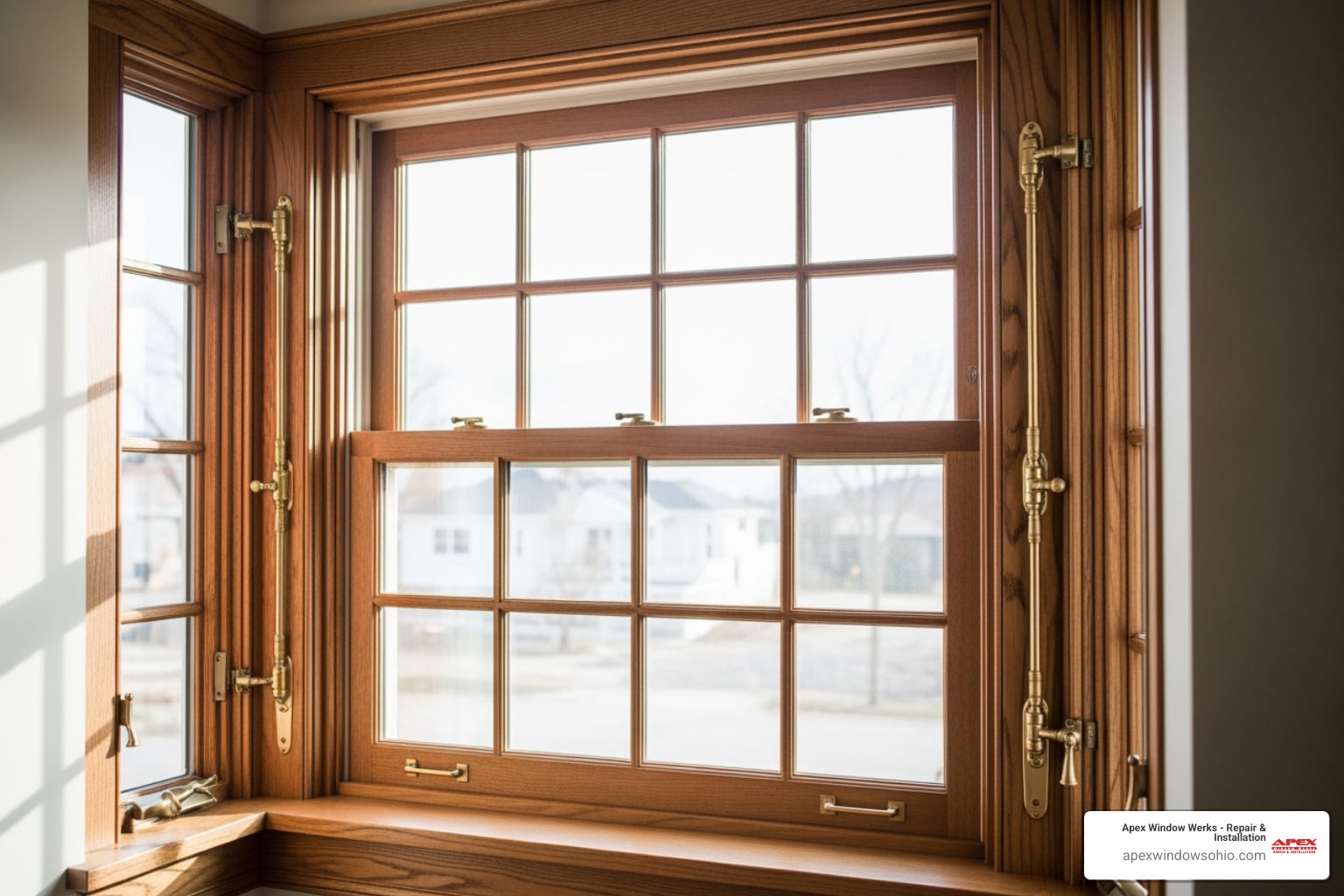
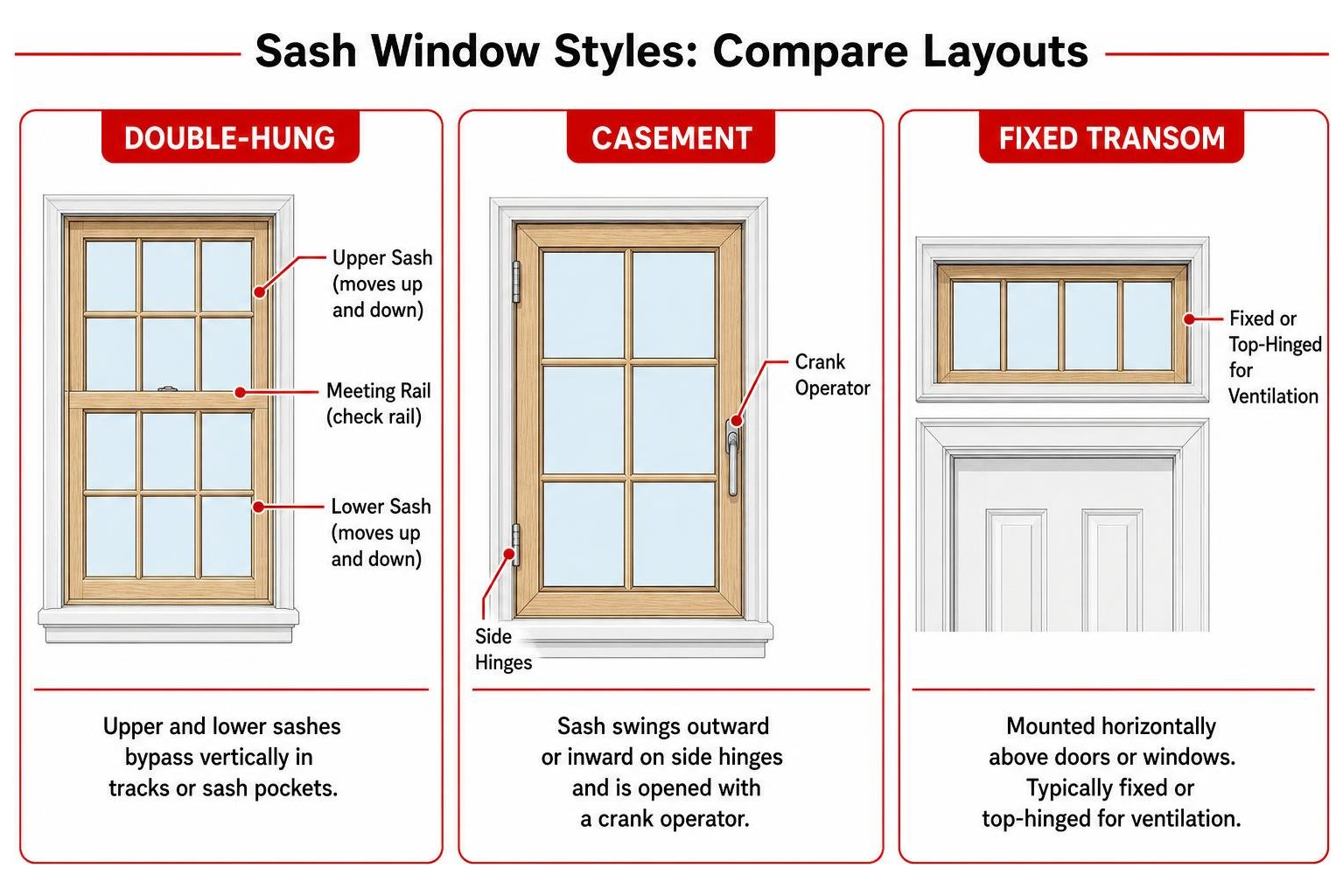
Double-hung windows remain the most prevalent style across older American homes. These units feature upper and lower sashes that bypass each other vertically within dedicated tracks or sash pockets. A crucial detail is the meeting rail (or check rail), where the bottom rail of the upper sash meets the top rail of the lower sash. When you opt for modern window sash replacements, retrofit kits often utilize vinyl compression jamb liners. These liners provide spring-balanced tension, allowing the wood sashes to tilt inward for cleaning while maintaining a snug thermal seal.
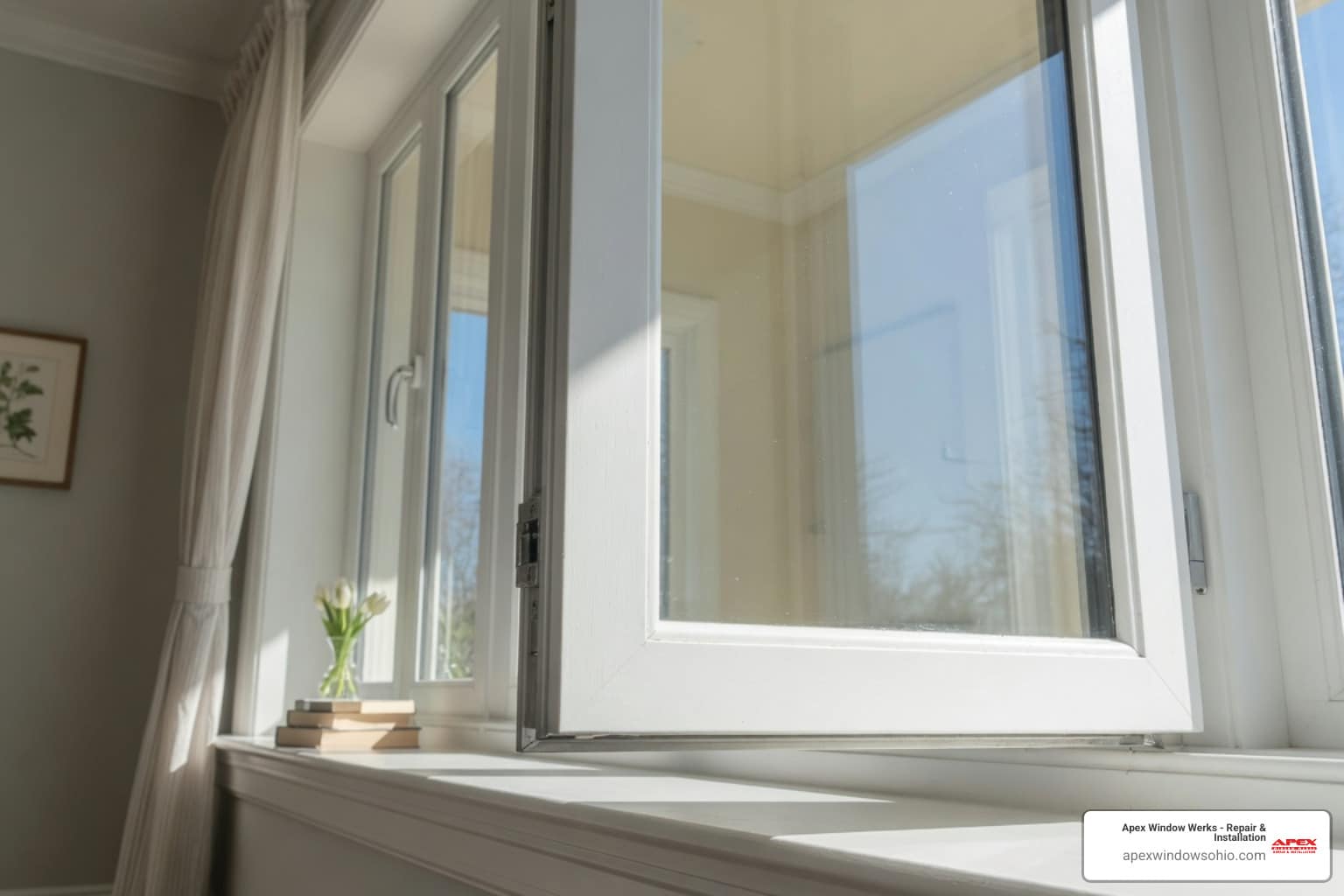
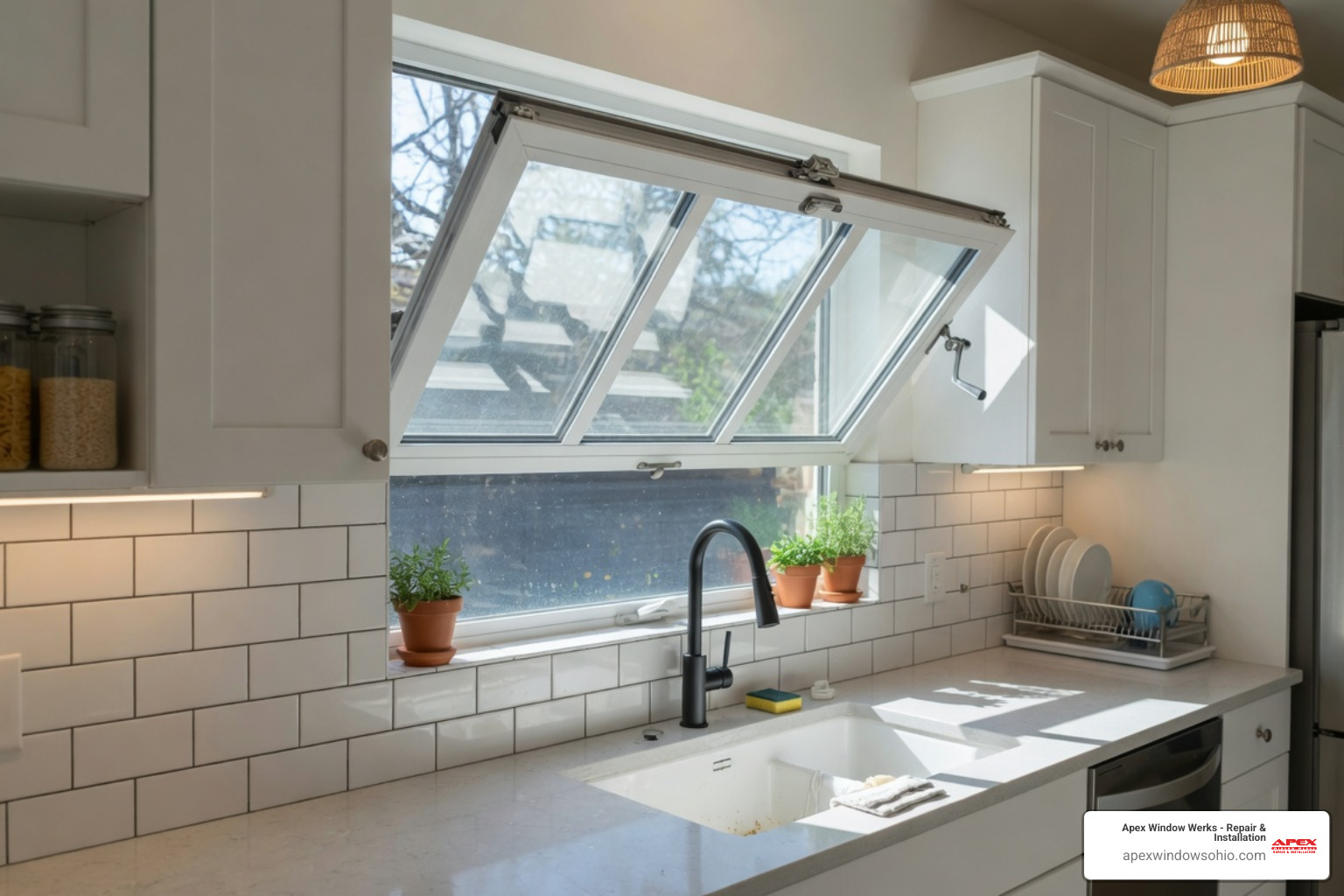
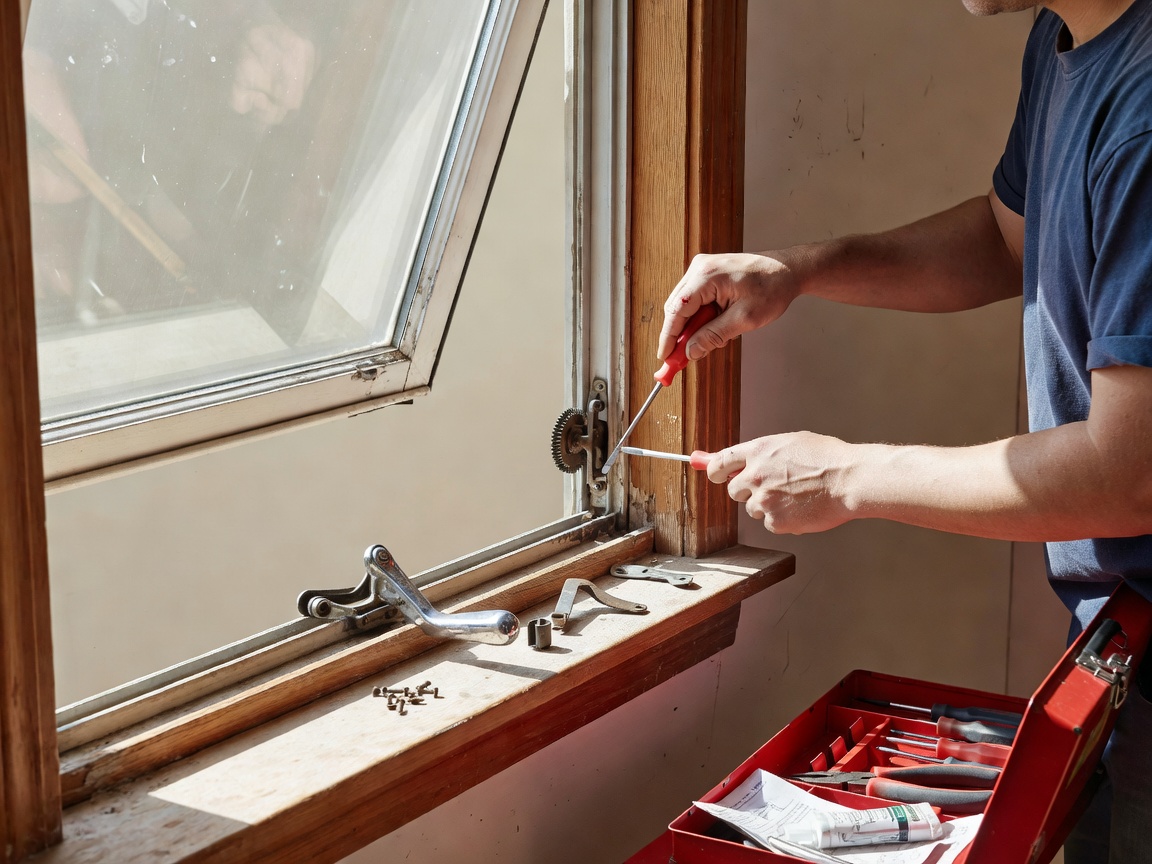
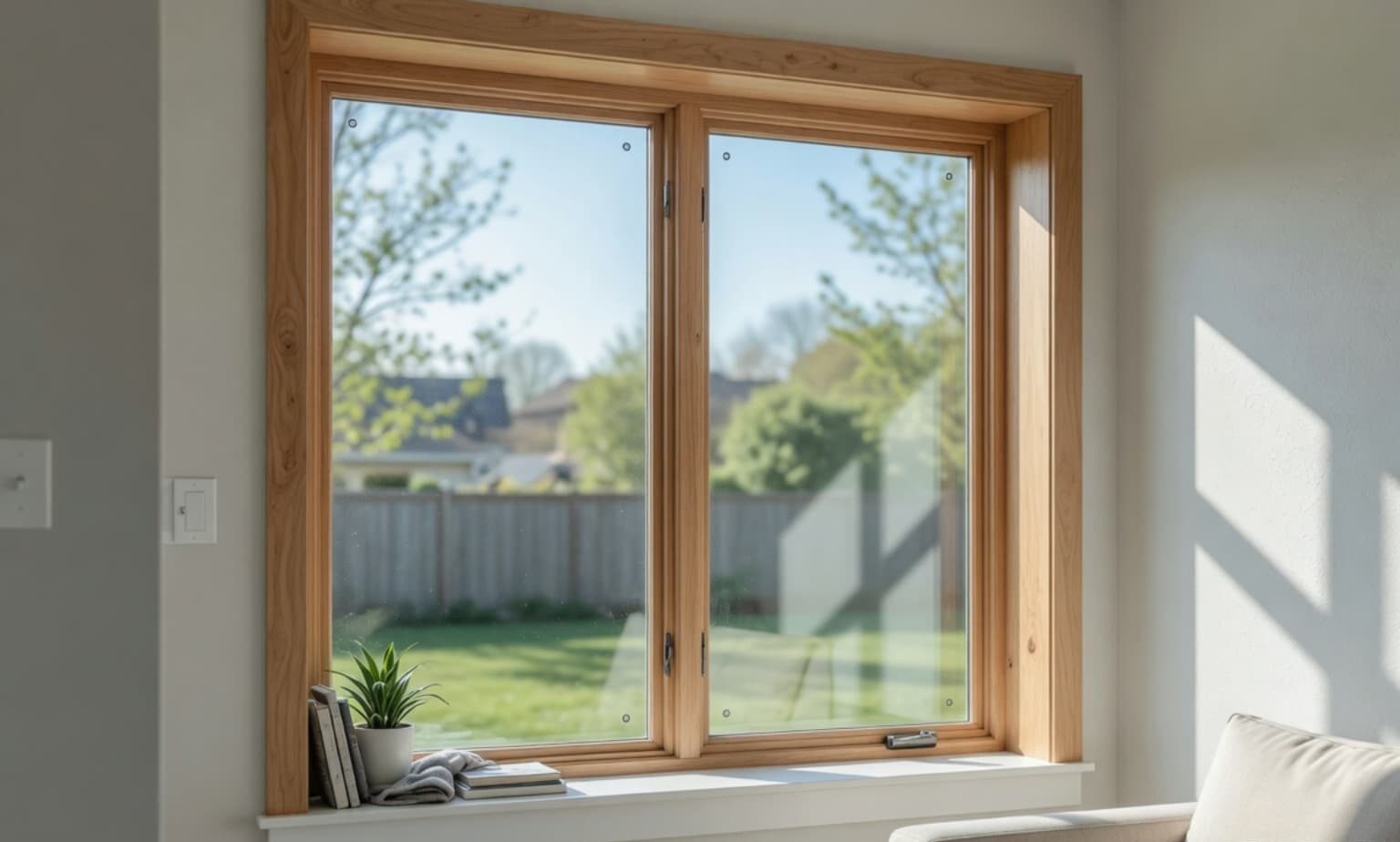
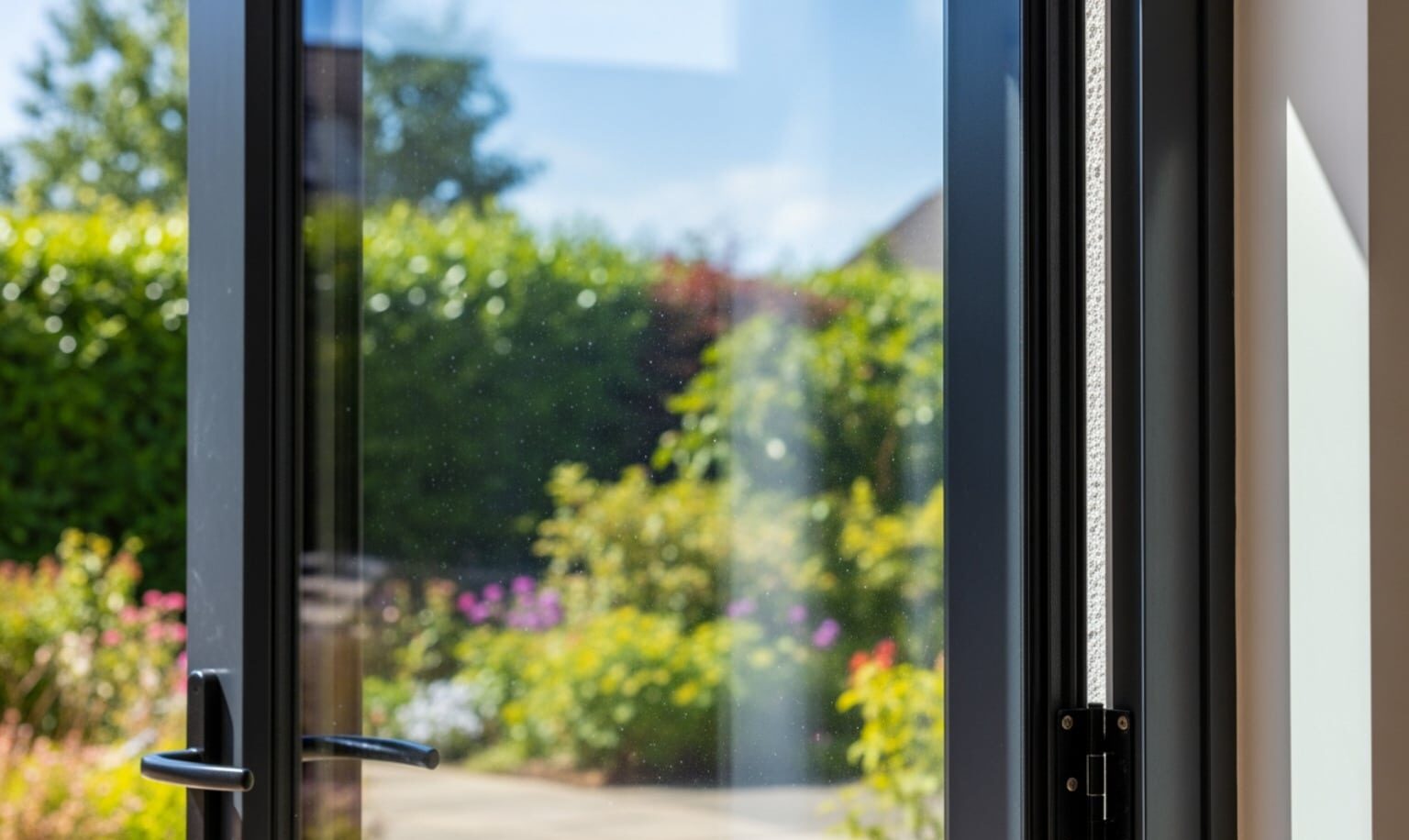
Casement sashes, by contrast, swing outward or inward on side-mounted hinges or pivot arms, driven by a mechanical crank operator. Because casement sashes experience continuous leverage forces along their hinge stiles, their joinery must resist sagging over decades of seasonal use.
Barn, Transom, and Utility Sashes
Not every application demands complex counterweight or crank systems. Barn sashes, utility units, and transom windows feature straightforward, durable construction:
- Barn and Cellar Sashes: Often manufactured from quality northern pine, standard utility wood barn sash units feature 1-1/8-inch thick profiles with 2-3/8-inch wide stiles and top rails, paired with a wider 3-3/8-inch bottom rail to shed runoff efficiently. Many feature modern screw-assembly engineering, allowing you to disassemble the frame easily to repaint or replace a cracked pane without damaging the structural wood.
- Transom Sashes: Mounted horizontally above doorways or primary window groupings, transom sashes are typically fixed or top-hinged for ventilation, utilizing uniform stile, rail, and muntin dimensions (often 1-3/16 inches thick) to match historic visual sightlines.
Material Quality, Joinery, and Glass Options for Northeast Ohio Homes
The longevity of a replacement sash depends entirely on the quality of its timber and the integrity of its joints. Premium wood sashes rely on clear, kiln-dried hardwoods or rot-resistant softwoods such as northern pine, western red cedar, or genuine mahogany. Clear pine provides an exceptional surface for smooth paint finishes and historical stain matching, while cedar and mahogany naturally deter moisture-driven fungal rot.
| Glass Configuration | Thermal Performance | Aesthetic & Architectural Fit | Best Suited For |
|---|---|---|---|
| Single-Pane Antique / Restoration | Low (relies on storm windows) | Authentic historic look with wavy cylinder distortion | Historic landmark districts and period restorations |
| Double-Glazed Insulated Glass (IGU) | Moderate to High | Modern flat profile; clean, clear sightlines | Post-war suburban homes and modern energy retrofits |
| Low-E with Argon Gas Fill | Superior (blocks UV and radiant heat) | Modern appearance with faint microscopic coating | Comprehensive energy upgrades and extreme freeze-thaw climates |
Joinery Standards and Assembly Methods
Traditional sash craftsmanship relies on mortise-and-tenon joinery, where the tenon of a rail fits precisely into the mortise pocket of a stile, locked with waterproof wood adhesive and dowels. In specialized modern stock, zinc-plated assembly screws provide long-term corrosion resistance without the need for unsightly face pinning.
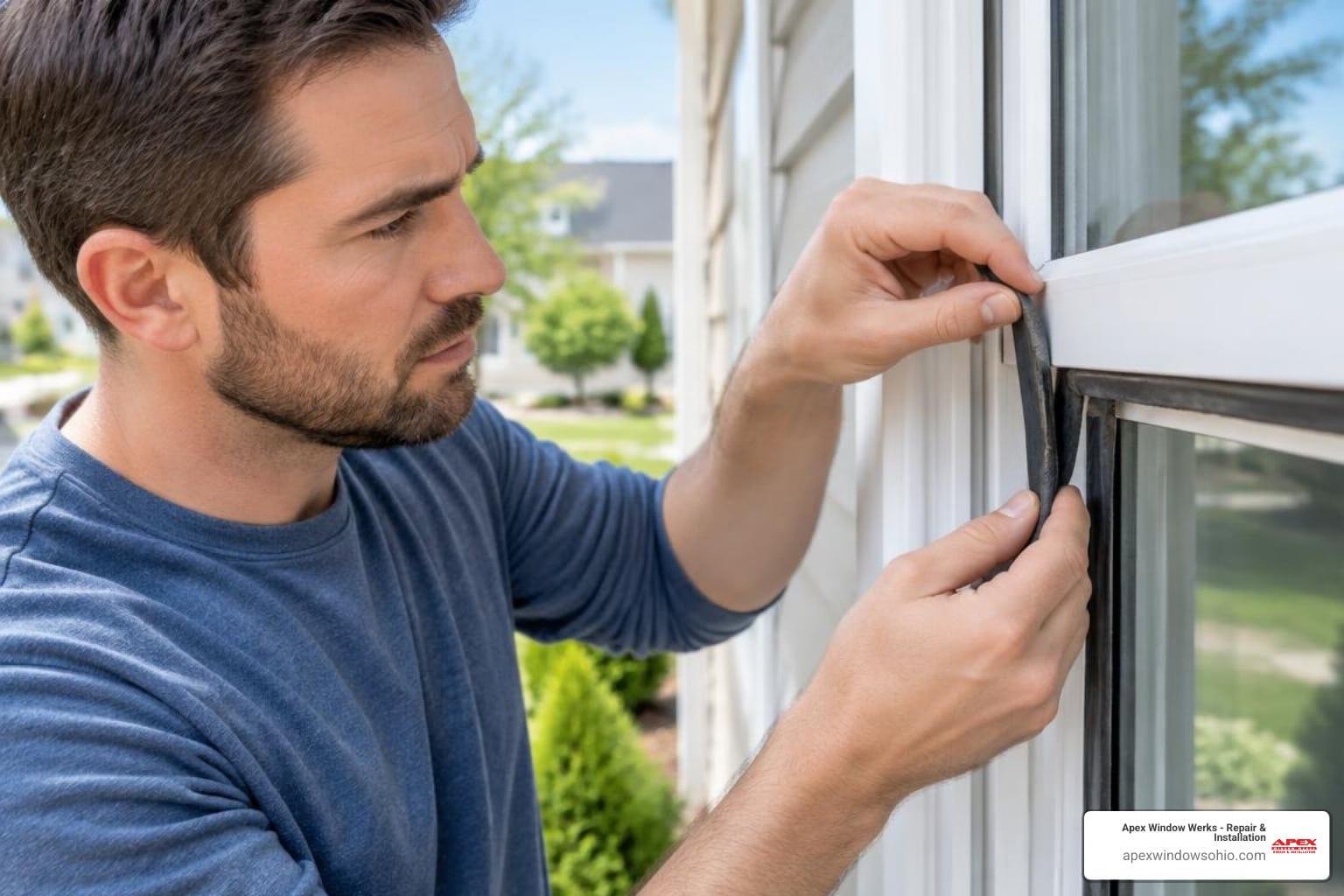
Properly engineered wood components prevent rot from establishing a foothold in vulnerable end-grain fibers. When combined with modern bulb weatherstripping, these joinery standards keep winter drafts and driving rain outside where they belong.
Glazing Varieties and Lite Configurations
Multi-pane aesthetics define the character of classic wooden windows. True Divided Lite (TDL) construction utilizes individual glass panes separated by structural wooden muntins molded on both sides. While authentic to period architecture, TDL requires meticulous exterior glazing maintenance.
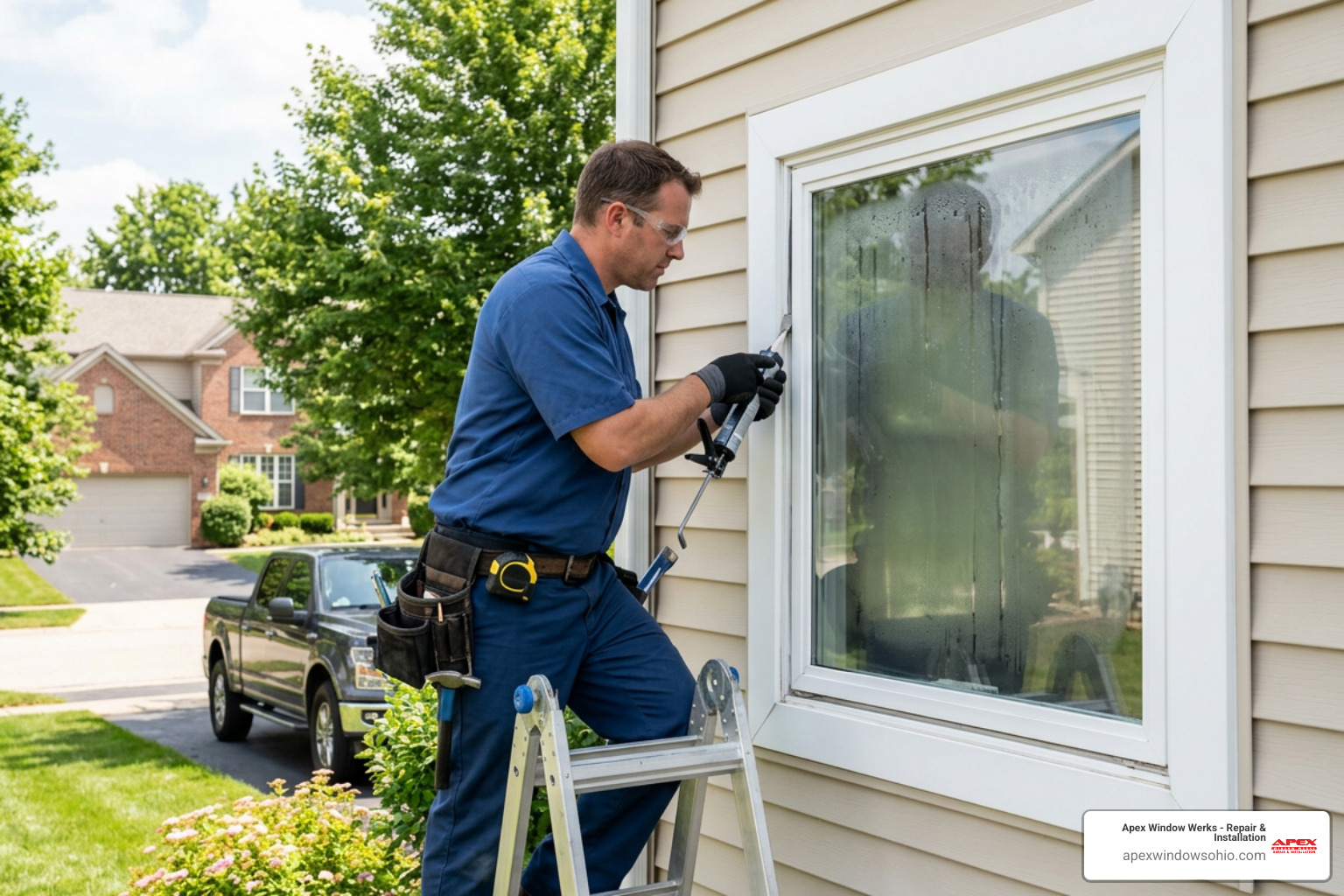
Simulated Divided Lite (SDL) designs use a single insulated glass unit with interior and exterior muntin bars permanently bonded to the surface, offering historic visual depth with modern thermal efficiency. When repairing or glazing wood sashes, applying high-grade clear latex silicone caulking or traditional glazing putty at the wood-glass junction ensures a durable, weathertight barrier. For damaged or decaying muntin grids, our wood window repair services can often stabilize and rebuild original components without discarding the entire sash.
Sourcing New, Reproduction, and Salvaged Stock in Northeast Ohio
Finding replacement sashes requires choosing between newly fabricated units, custom reproduction millwork, and salvaged antique inventory. Each pathway addresses specific architectural requirements and budget goals.
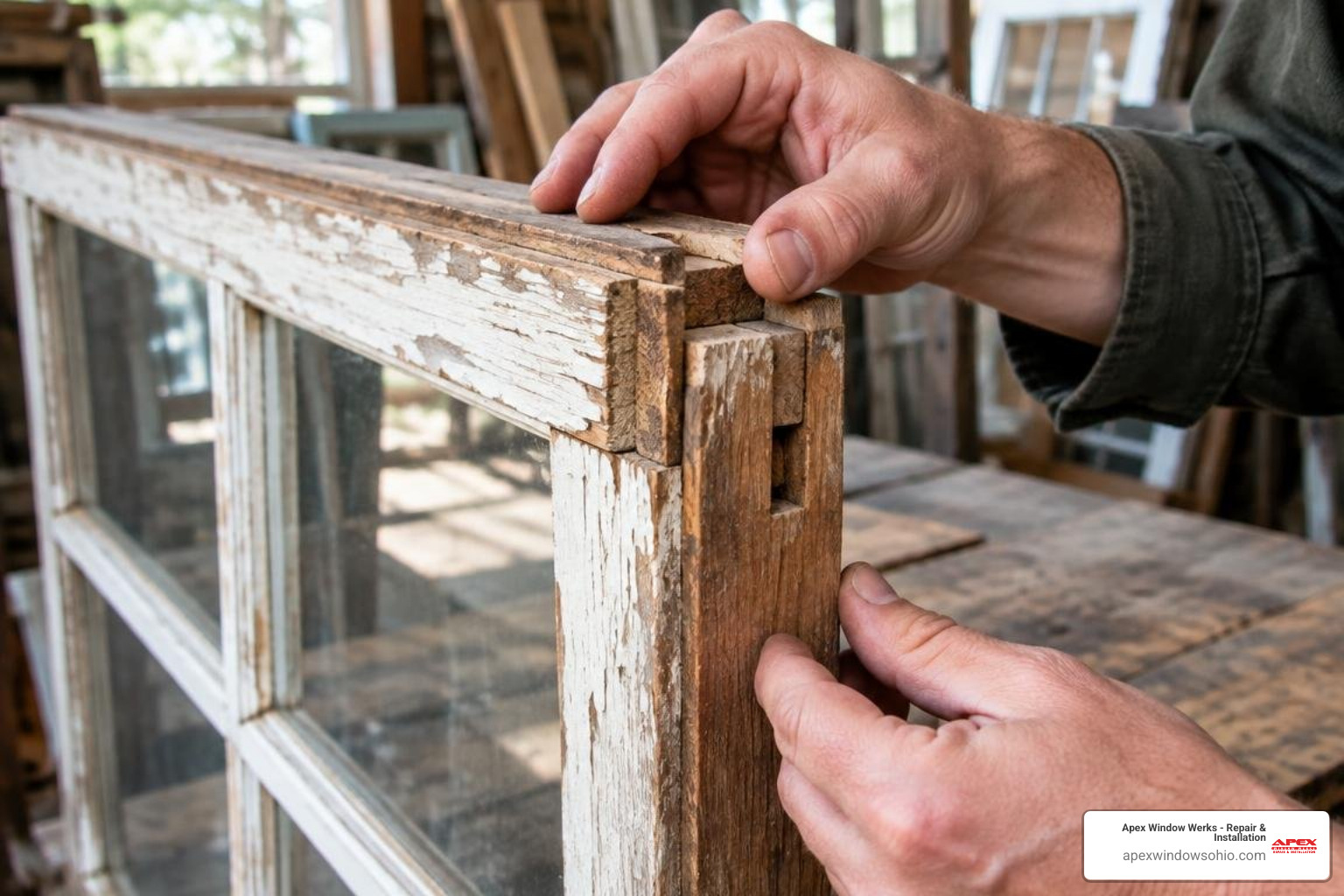
When an existing sash shows localized decay, review the signs it is time to replace a rotted window sash to verify whether a swap is truly necessary. For historic preservation guidance, standard methodologies detailed in Preservation Briefs 9: The Repair of Historic Wooden Windows emphasize retaining original timber whenever feasible.
Finding Salvaged and Antique Wooden Window Sashes for Sale
Architectural salvage yards, estate liquidations, and heritage suppliers are prime sources for original old-growth wood sashes. These pieces frequently retain sought-after wavy cylinder glass, handcrafted mortise joints, and dense wood grain rarely found in modern timber.
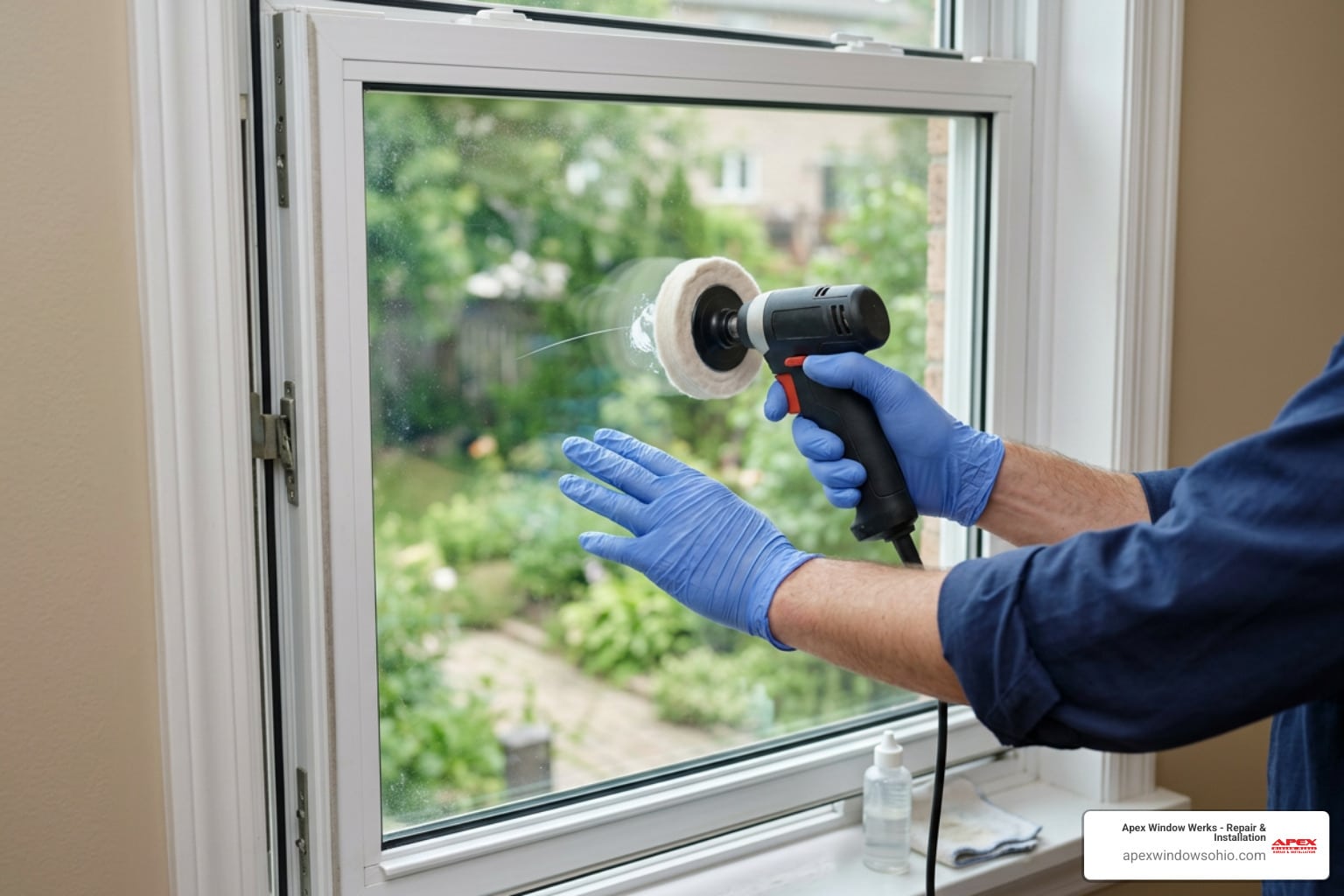
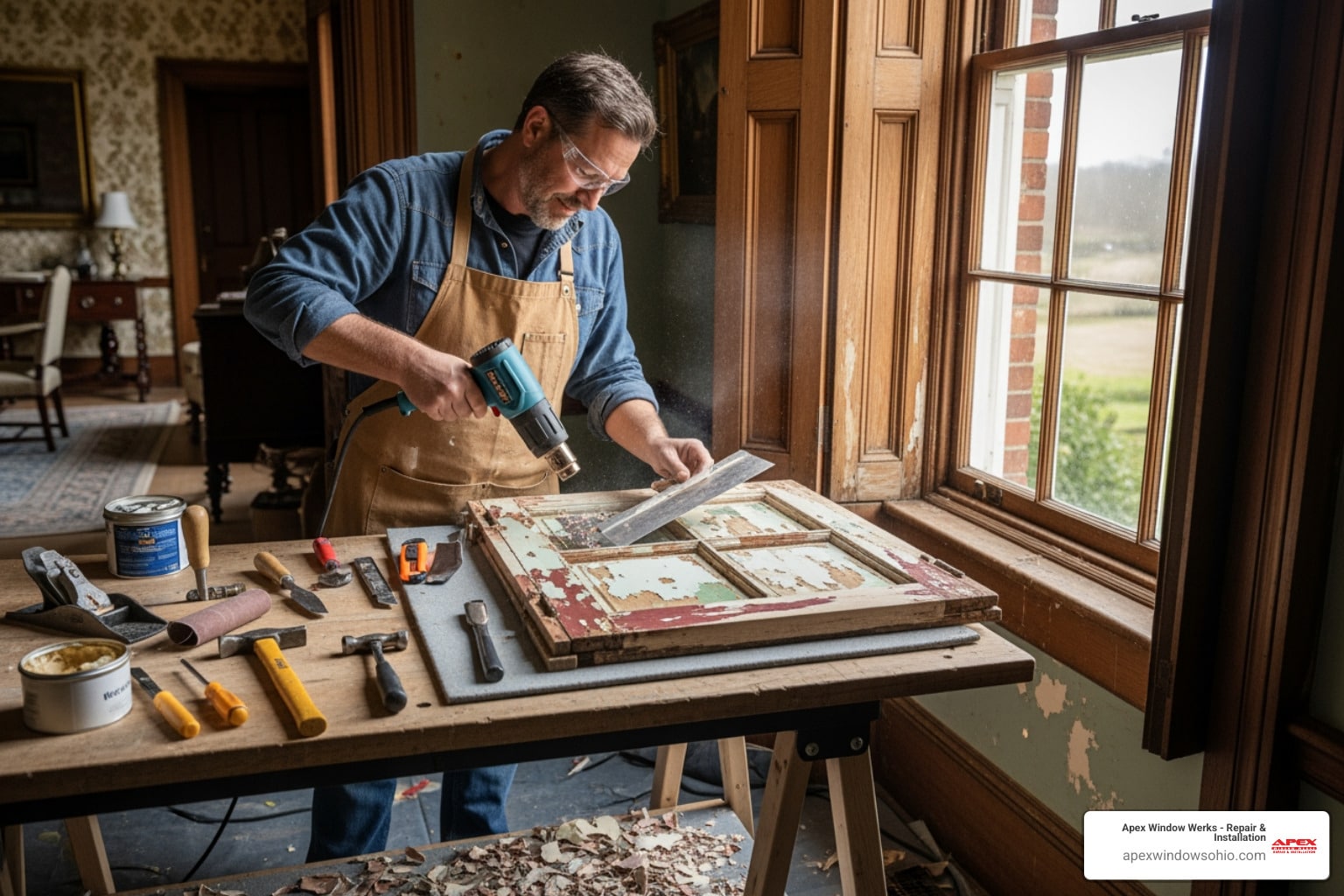
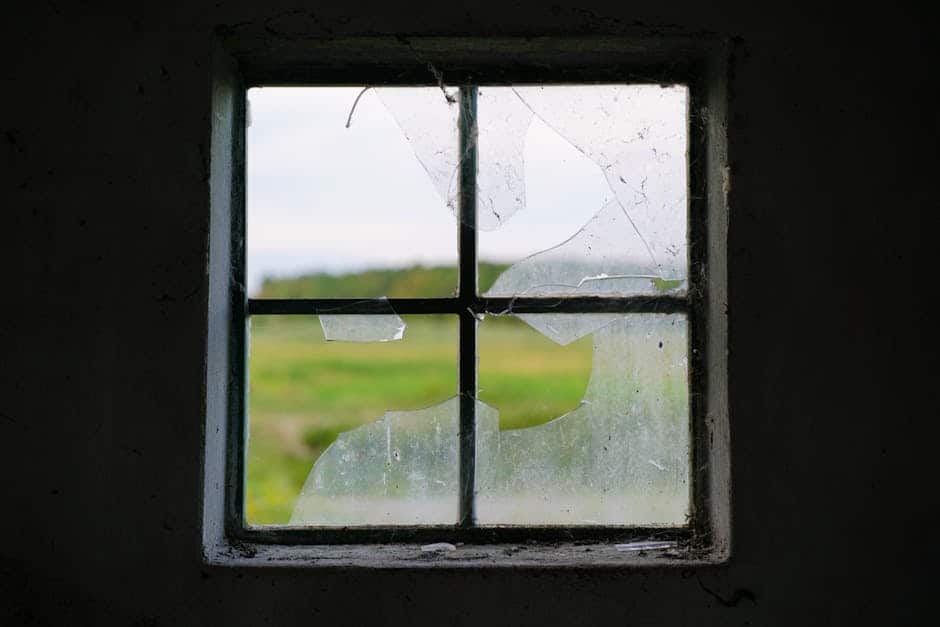
However, buying vintage stock comes with trade-offs. Salvaged sashes often require complete stripping of old paint, structural re-pinning, and comprehensive re-glazing to replace dried, cracked putty. Before discarding an original element that merely needs restoration, explore our guide on how to refurbish sash windows.
Lead Times, Custom Sizing, and Shipping Logistics
When ordering new or reproduction sashes, logistics play a major role in your project timeline:
- Fabrication Lead Times: In-stock standard utility sashes ship relatively quickly, whereas custom-milled sashes and made-to-order double-hung replacement kits typically require an estimated production window of four to five weeks.
- Packaging and Freight: Assembled wood sashes containing glass are fragile and heavy. Premium suppliers crate these components in reinforced timber frames.
- Local Pickup vs. Delivery: Oversized multi-lite sashes or salvaged architectural lots are frequently listed as local pickup only to avoid catastrophic transit breakage.
Measuring and Assessing Window Openings in Older Cleveland Homes
A successful sash installation depends entirely on taking precise field measurements before ordering stock. Never base your replacement dimensions on the interior drywall or exterior trim casing.

To learn the fundamentals of swapping sashes into an existing frame, see our overview on how to replace window sashes.
Measuring Window Openings for Wooden Window Sashes for Sale
Follow these sequential steps to ensure your new wood sash fits its opening smoothly:
- Measure Width: Measure the horizontal distance inside the frame from jamb to jamb (the inner wood face where the sash slides). Take three measurements: across the top, middle, and bottom. Record the narrowest figure.
- Measure Height: Measure vertically from the highest point of the sloped sill to the underside of the top head jamb. Check left, center, and right; record the shortest measurement.
- Check Sash Pocket Thickness: Confirm the thickness of the existing sash channels (commonly 1-1/8 inches for utility sashes, or 1-3/8 to 1-5/8 inches for residential double-hung units).
- Confirm Sill Bevel: Residential wood window sills generally feature a standard 14- to 15-degree slope to shed rainwater away from the building. Ensure the bottom rail of your lower replacement sash has a matching bevel angle.
- Verify Frame Squareness: Measure diagonally from the top-left corner to the bottom-right corner, and from top-right to bottom-left. If the two diagonal dimensions differ by more than 1/8 inch, your frame is out of square and will require shimming or trimming during fitting.
Inspecting Existing Frames for Rot and Structural Damage
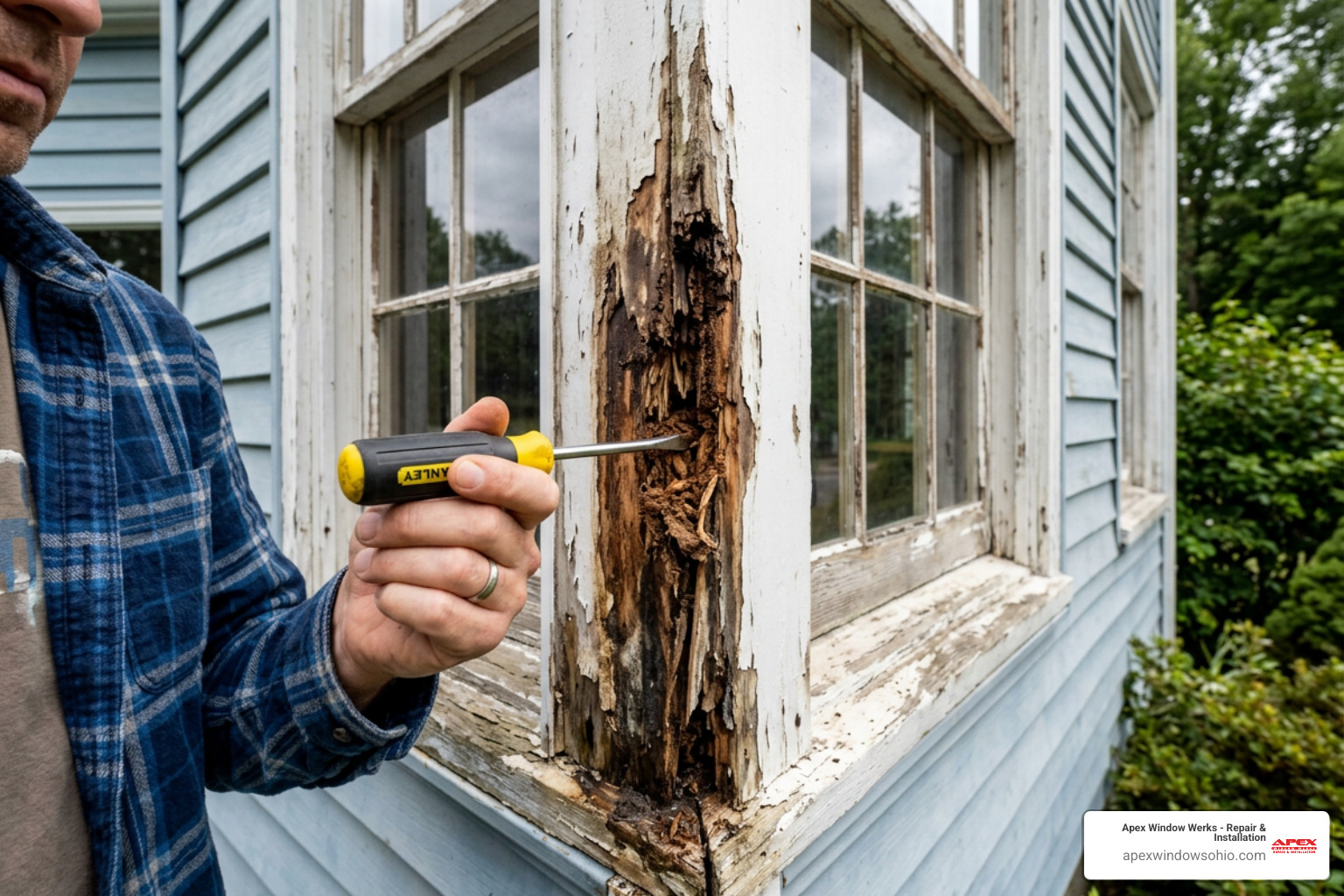
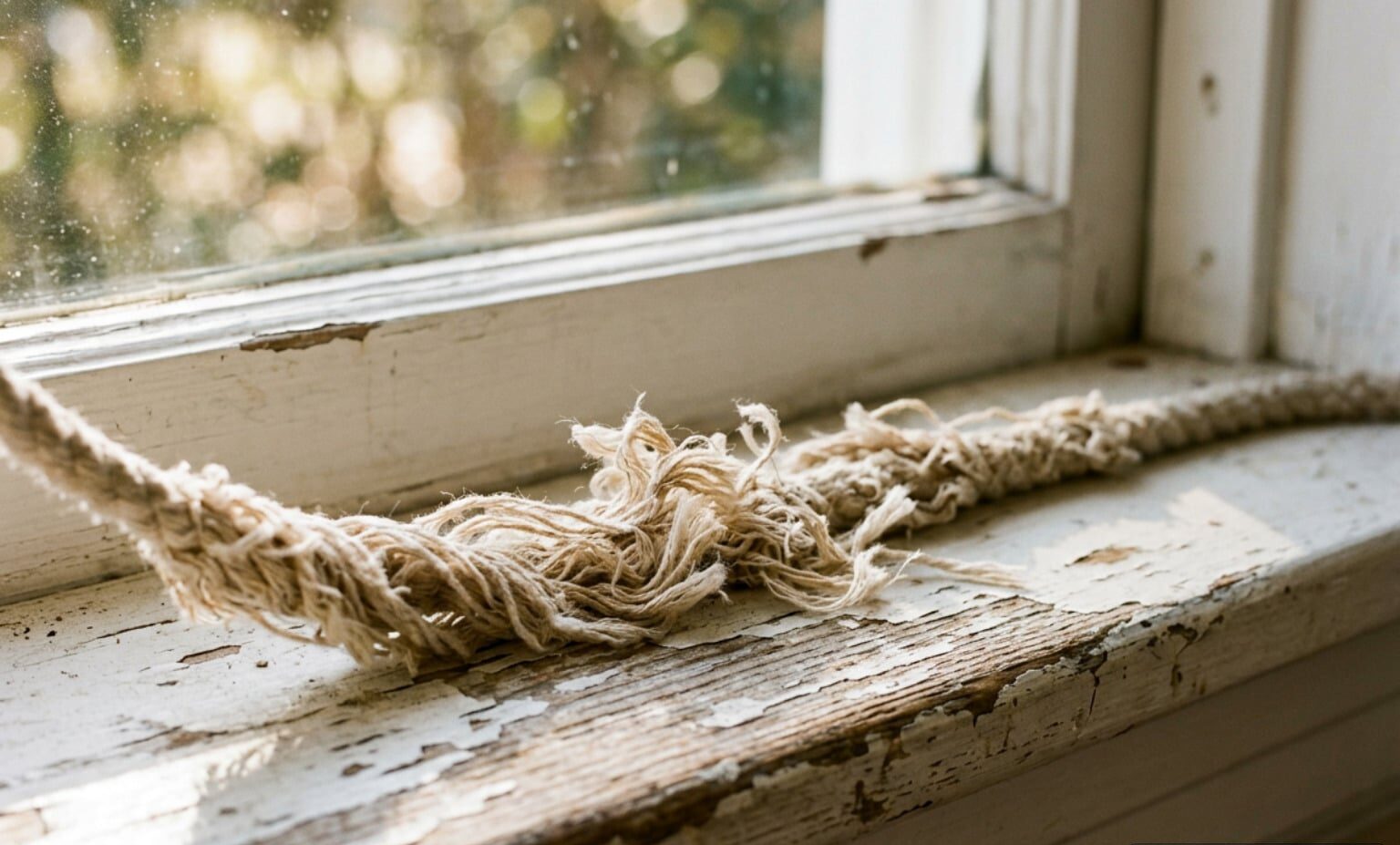
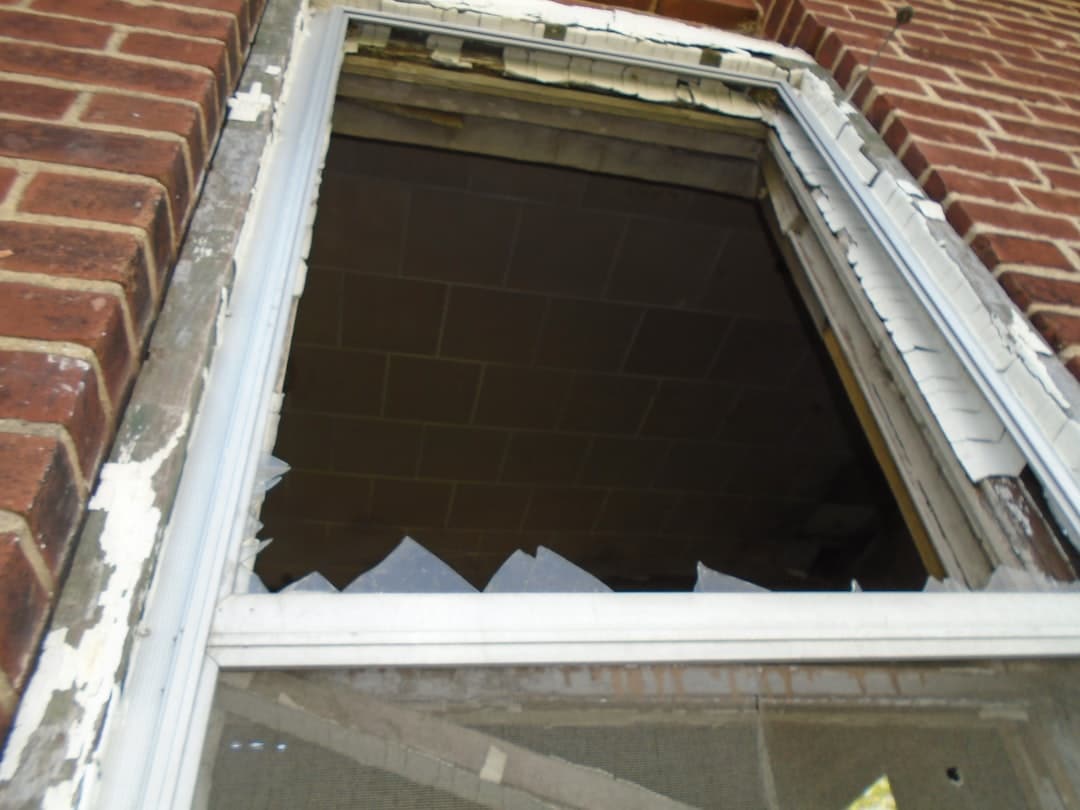
A pristine new wood sash will fail rapidly if mounted inside a rotting frame. Northeast Ohio experiences severe seasonal freeze-thaw cycles and prolonged moisture exposure that can deteriorate vulnerable exterior sills, brickmould casing, and lower jamb pockets.
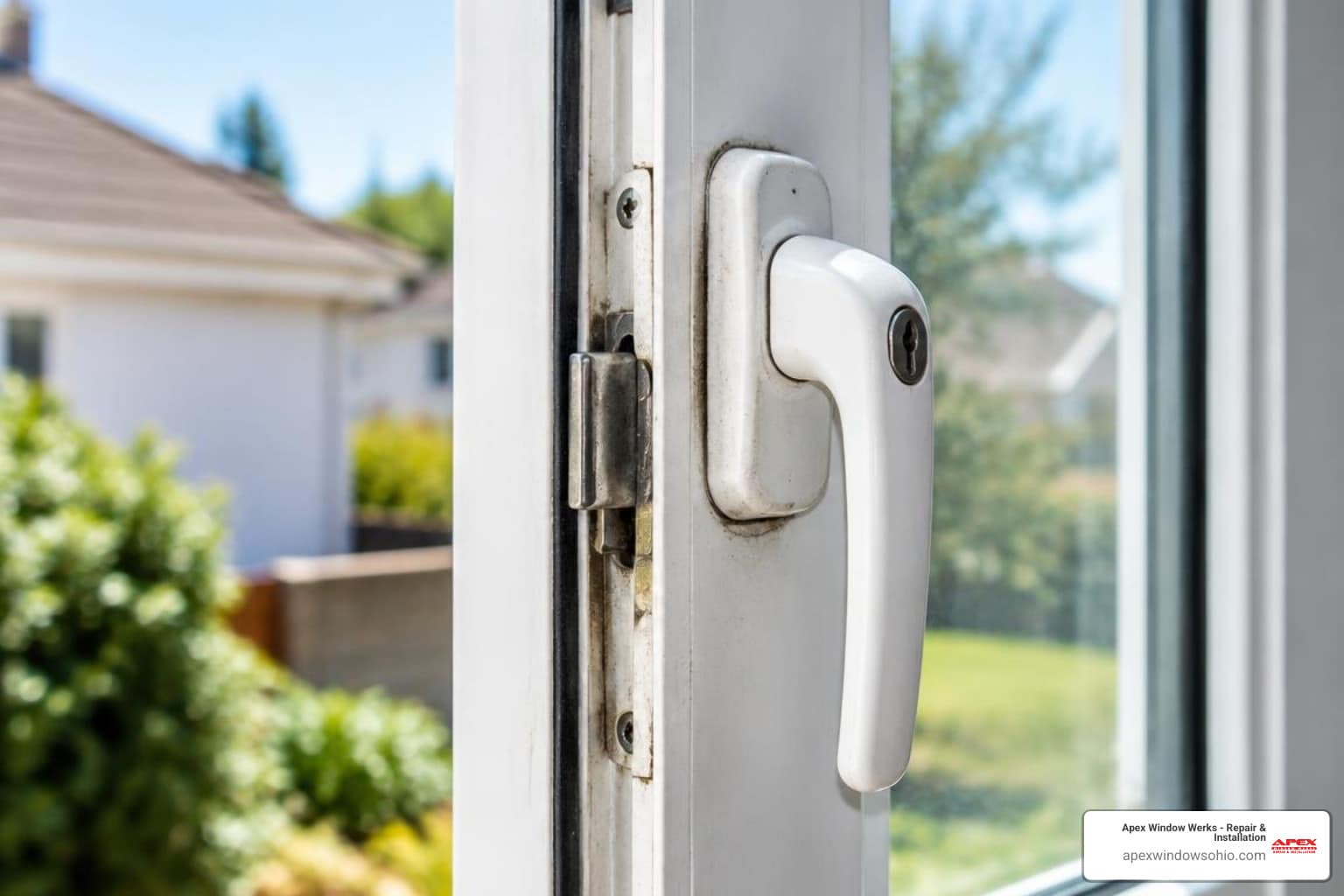
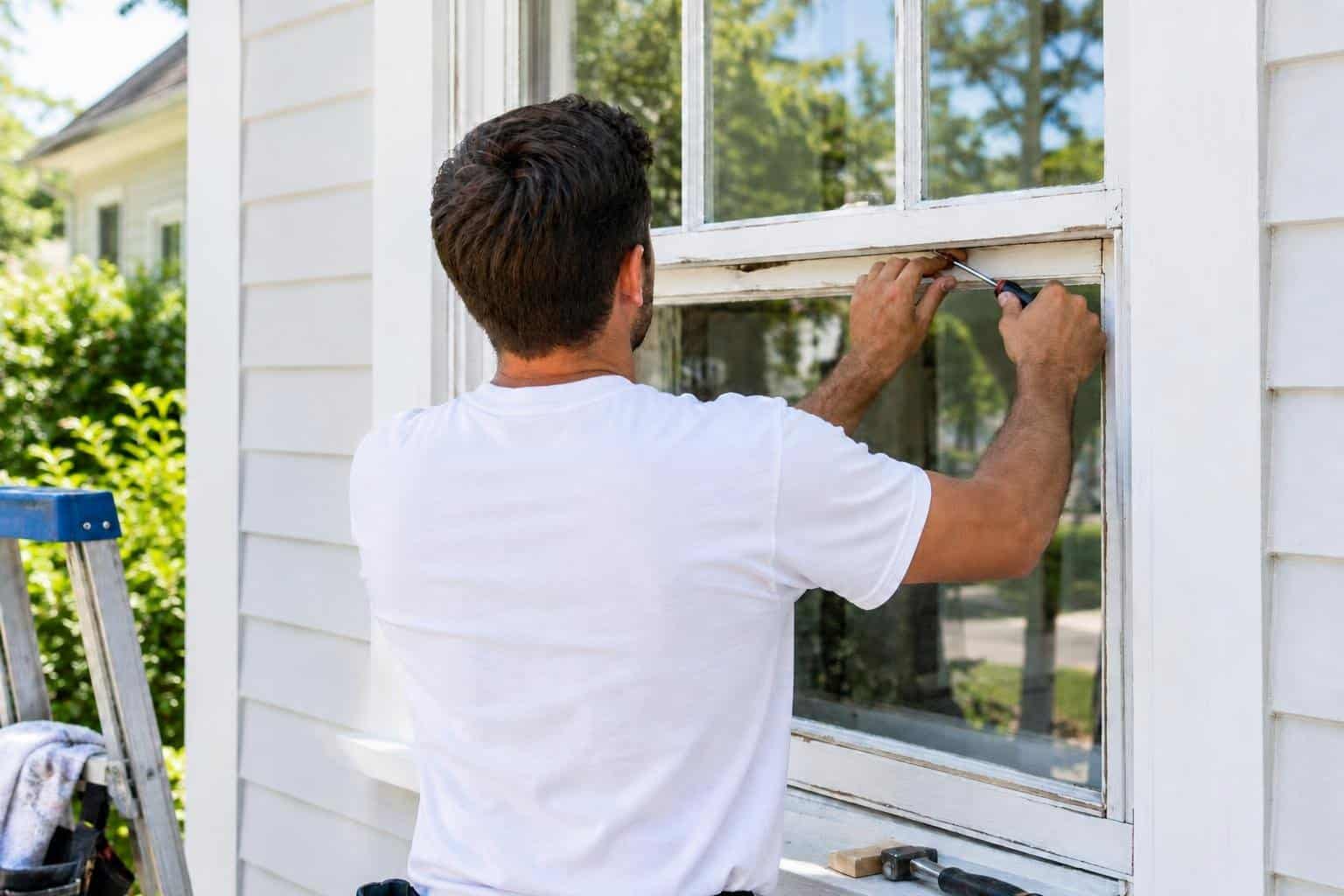
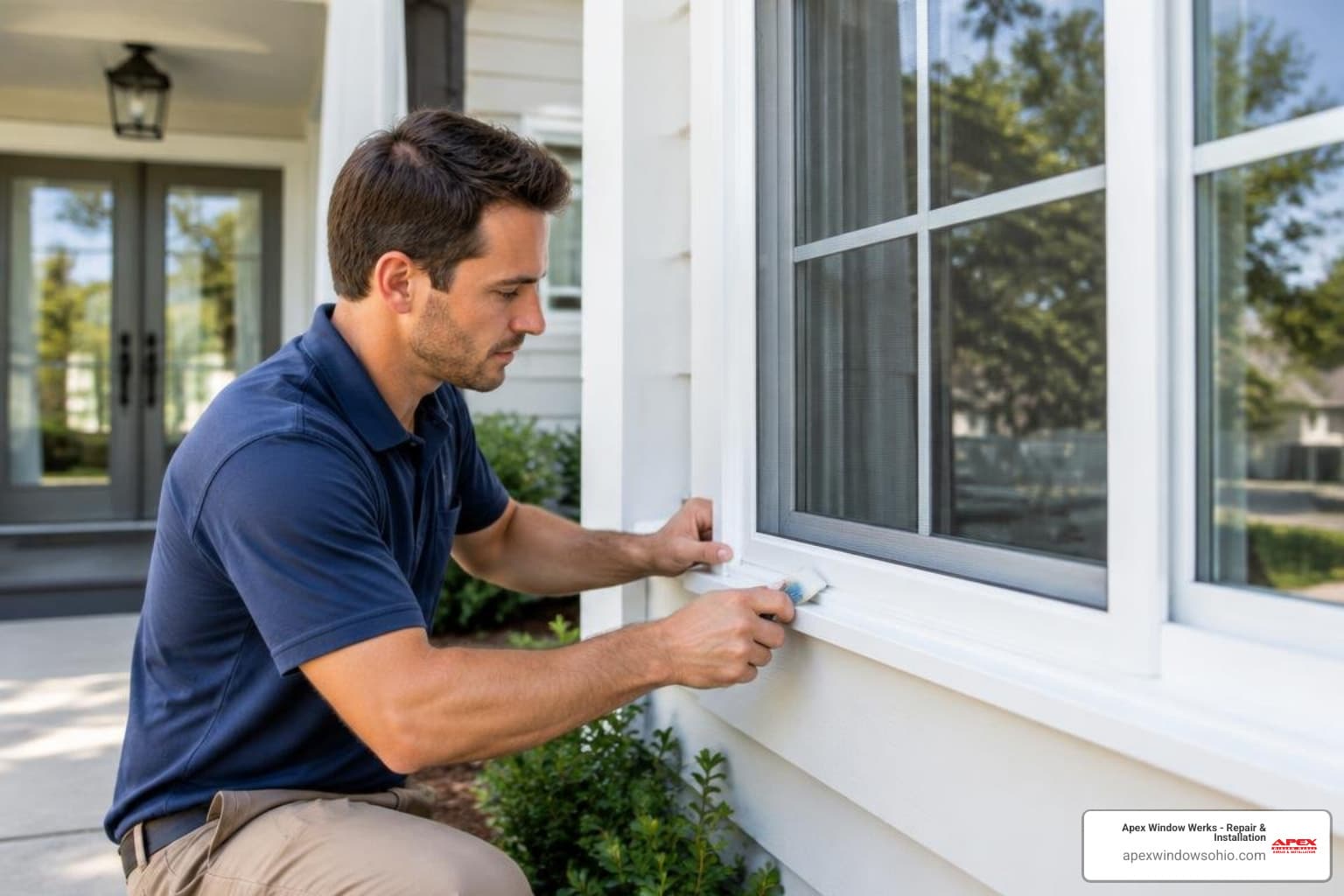
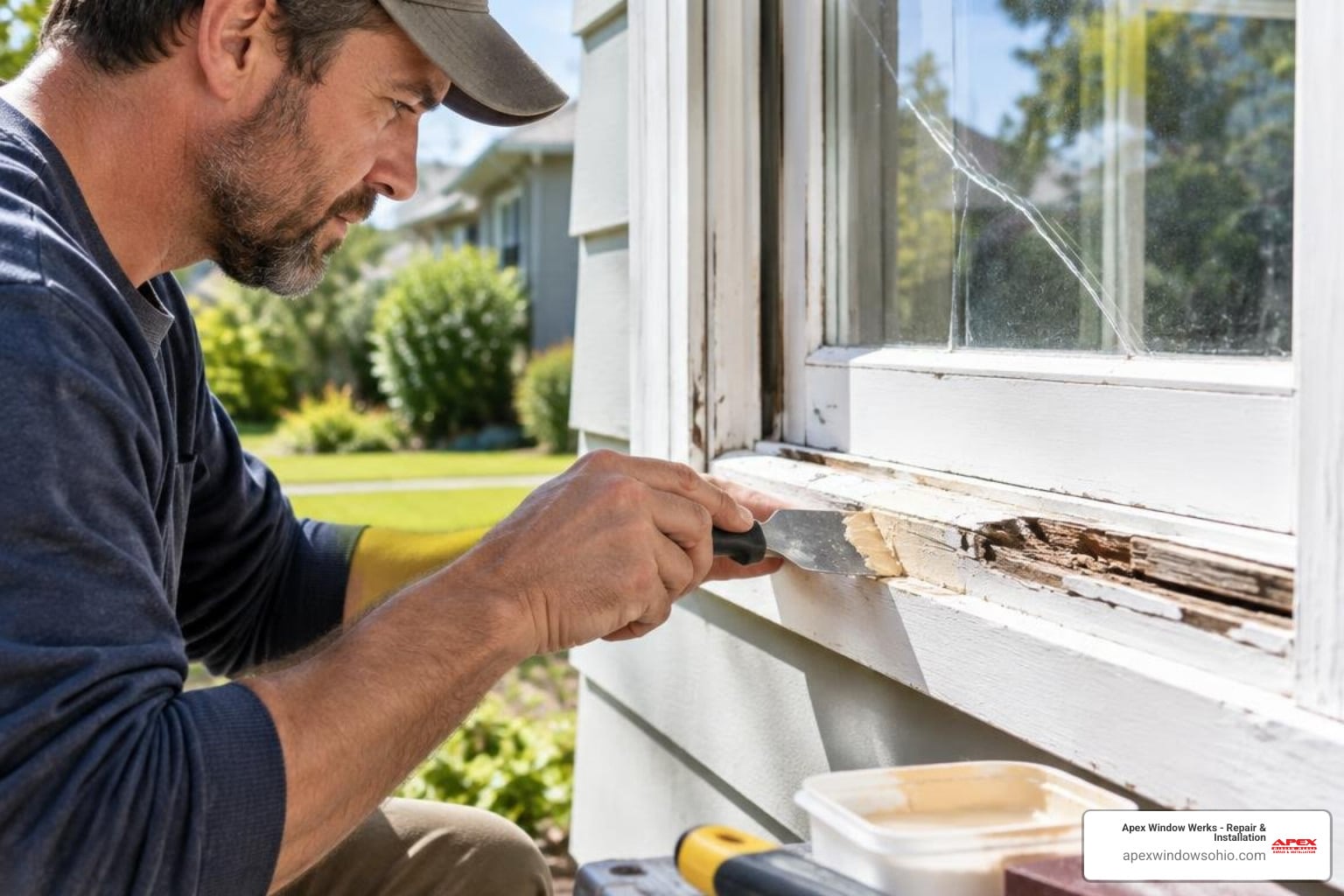
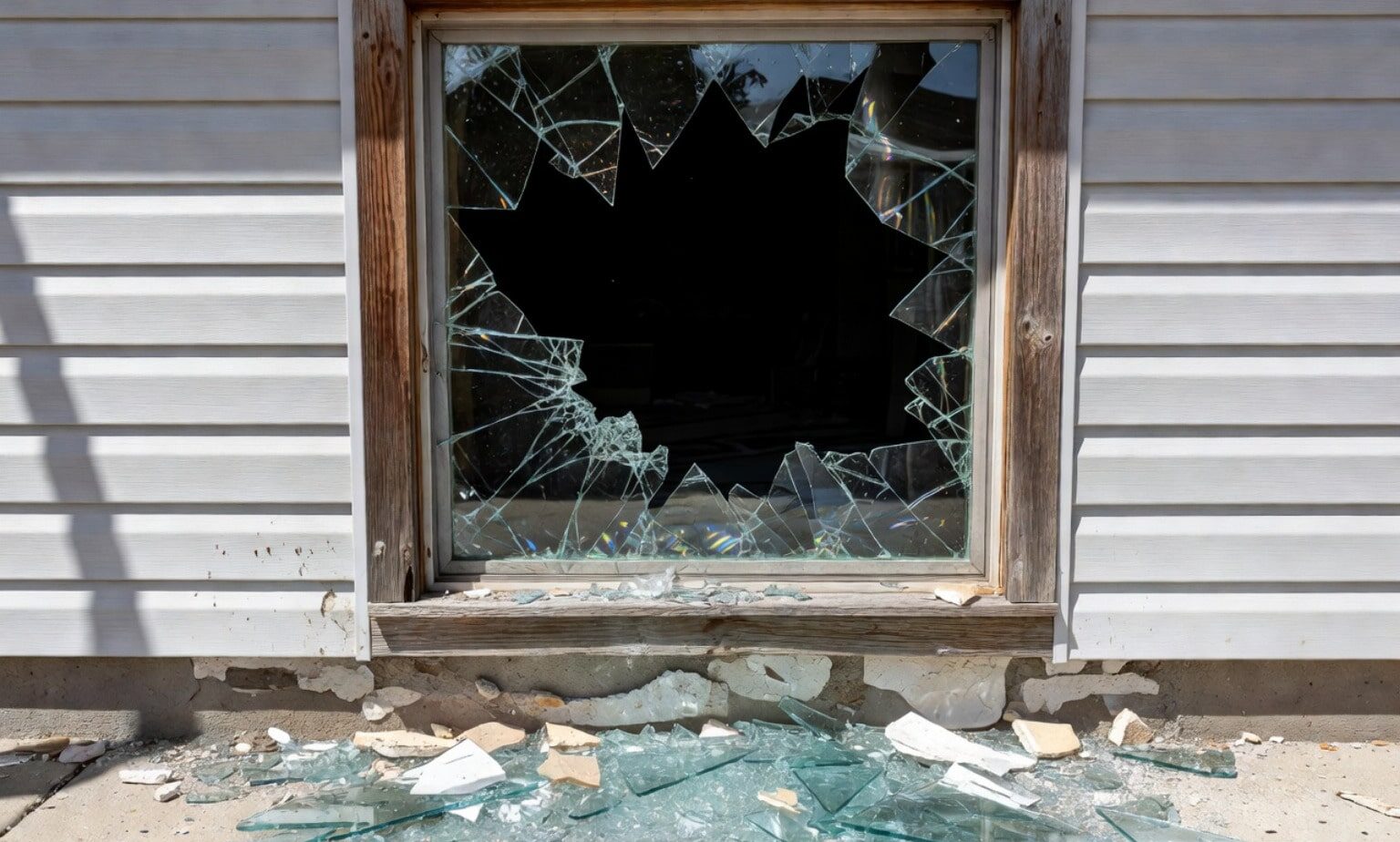
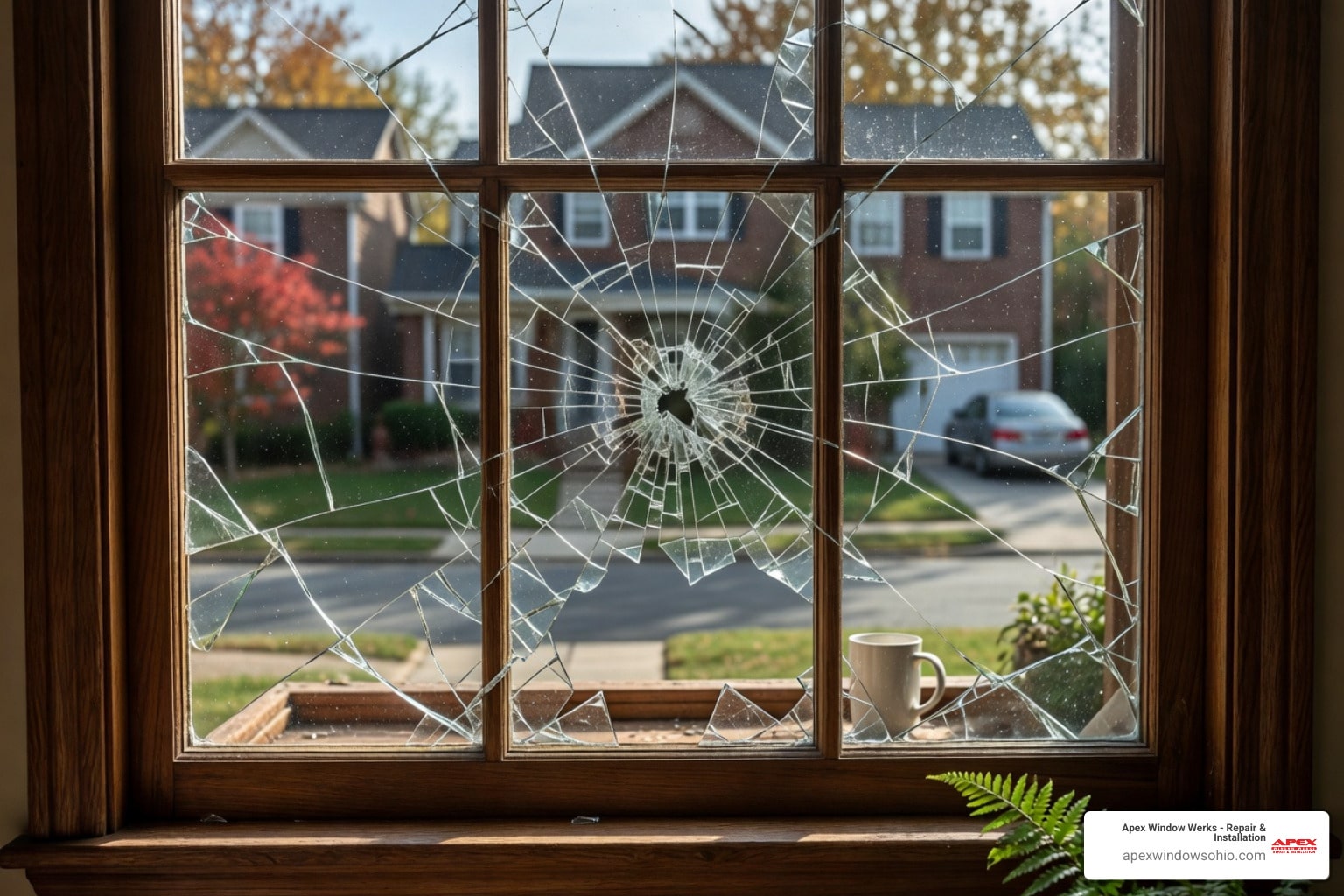
Before purchasing replacement stock, probe the lower window sill and side jambs with a dull putty knife or awl. If the wood feels soft, spongy, or shows severe checking, you will need dedicated window sill, sash, and frame repair services to restore structural integrity before sliding in your new sash.
Frequently Asked Questions About Buying Wood Window Sashes in Northeast Ohio
How much do replacement wooden window sashes typically cost?
The total investment for replacement wood sashes depends on several structural and aesthetic factors. Salvaged vintage sashes from architectural warehouses represent a budget-conscious starting point, though they frequently require additional labor for paint stripping and re-glazing.
Standard utility or barn sashes made of natural pine are moderately priced, while custom-milled reproduction units and complete double-hung sash conversion kits with modern compression jamb liners sit at the higher end of the spectrum. Key cost drivers include custom sizing, wood species selection (such as pine versus cedar or mahogany), grille patterns, insulated glass upgrades, and accessibility for installation. Homeowners can request a detailed estimate based on their specific window dimensions and wood profiles.
How long do custom wood sashes take to ship?
Custom-sized wood sashes and made-to-order double-hung replacement kits generally require a manufacturing lead time of roughly four to five weeks. Because custom milling requires precision cutting, joinery profiling, glass curing, and careful protective crating, fabrication cannot be rushed without risking product defects. In-stock standard sizes from commercial suppliers may ship sooner, but you should always verify transit timelines before removing your original sashes.
Can I replace just the sash without replacing the entire window frame?
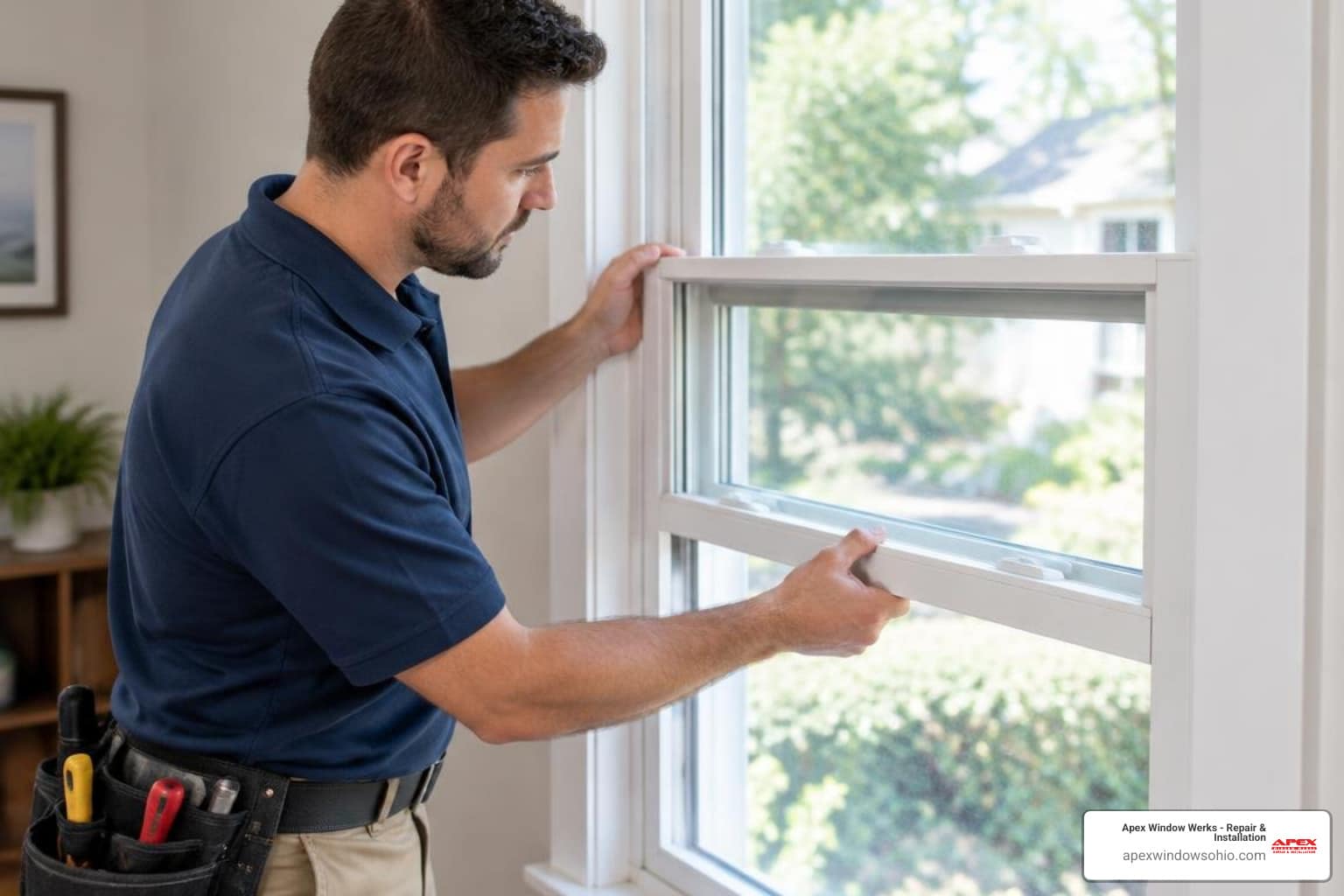
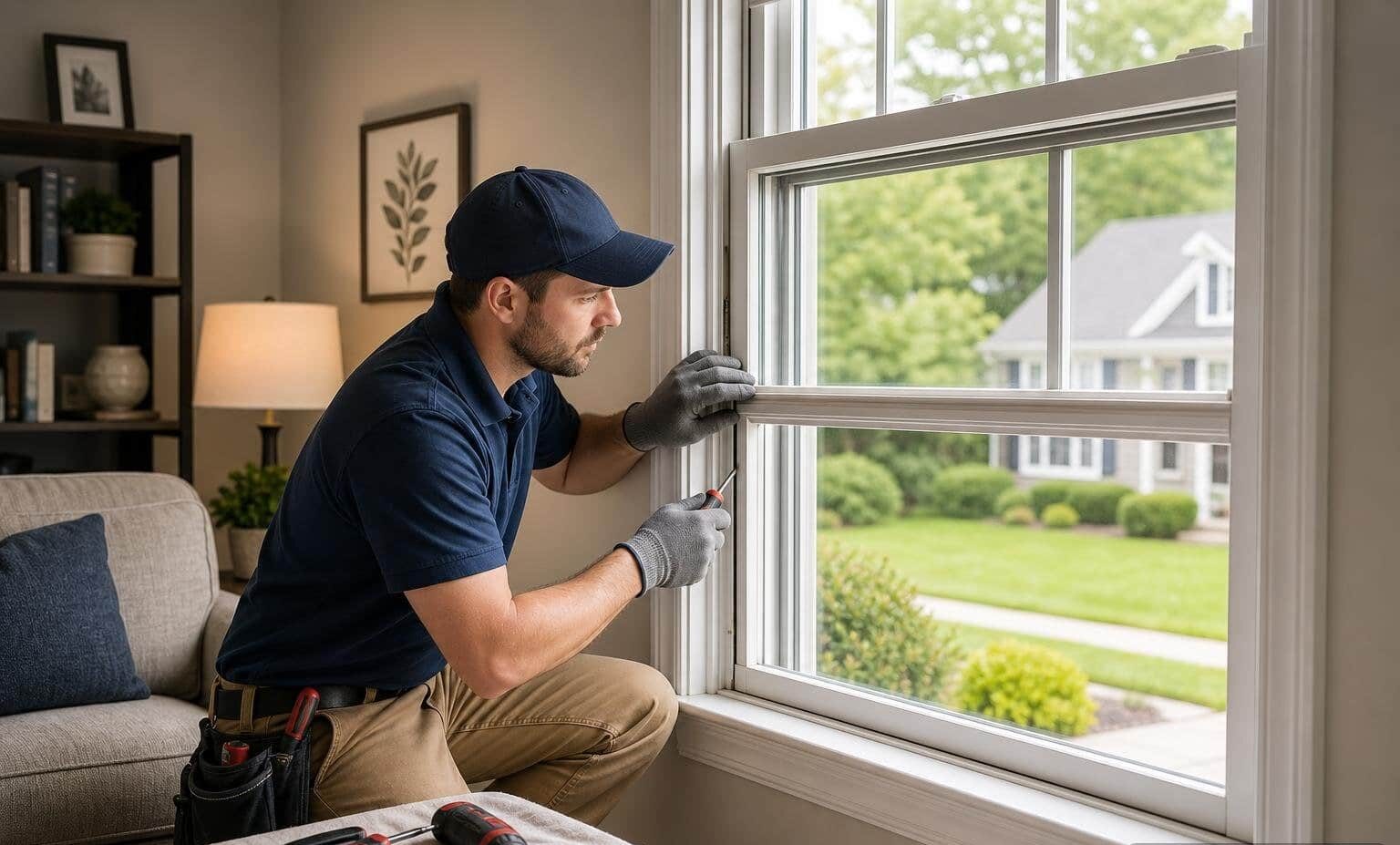
Yes. If your exterior brickmould, interior trim, side jambs, and main sill remain structurally sound and free of deep wood rot, replacing only the moveable sashes is an efficient, cost-effective solution. Utilizing sash replacement kits with vinyl compression jamb liners allows you to upgrade your glass performance and eliminate drafts while preserving your home’s historic interior trim and exterior architectural character.
Conclusion
Sourcing the right wooden window sashes for sale allows you to preserve the character of your home while restoring smooth operation and energy performance. Whether you need a standard pine utility sash, an authentic salvaged replacement, or precision custom-milled reproduction units, accurate field measurements and a thorough frame inspection are essential first steps.
At Apex Window Werks, we take a repair-first approach to window restoration across Cleveland, Akron, and surrounding Northeast Ohio communities. Our team provides Free Estimates backed by Years of proven Expertise. When unexpected damage occurs, same day repairs are available depending on damage, materials, technician availability, and scheduling. If your window frames require inspection or component rebuilding, contact us to schedule an expert wood window evaluation or request a free estimate today. You can also reach our local team directly at 440-496-7415.