

How to Repair Damaged Window Sashes Like a Pro
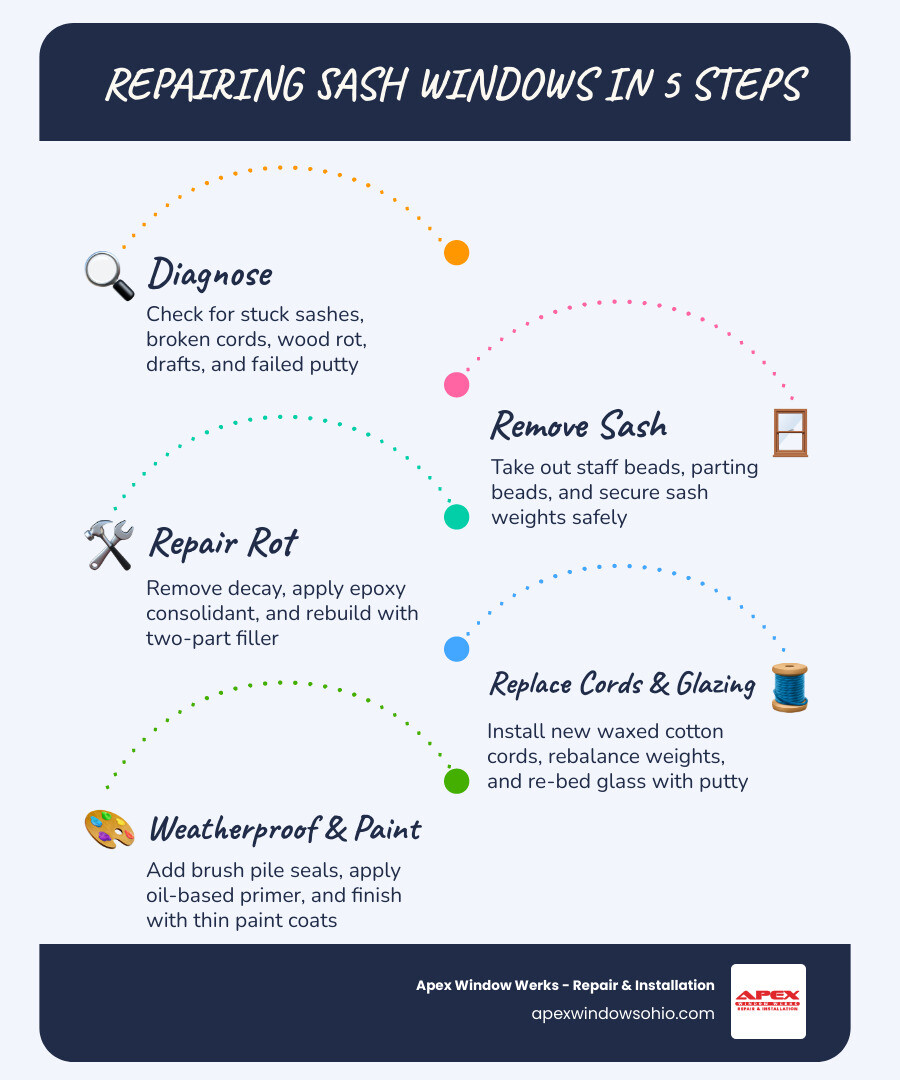
Repairing sash windows is something most homeowners in Cleveland and Akron can tackle — at least in part — once they know what they’re dealing with. Here’s a quick summary of the most common problems and their fixes:
- Stuck or painted shut – Score the paint seal with a utility knife, then pry gently under the stile (not the rail)
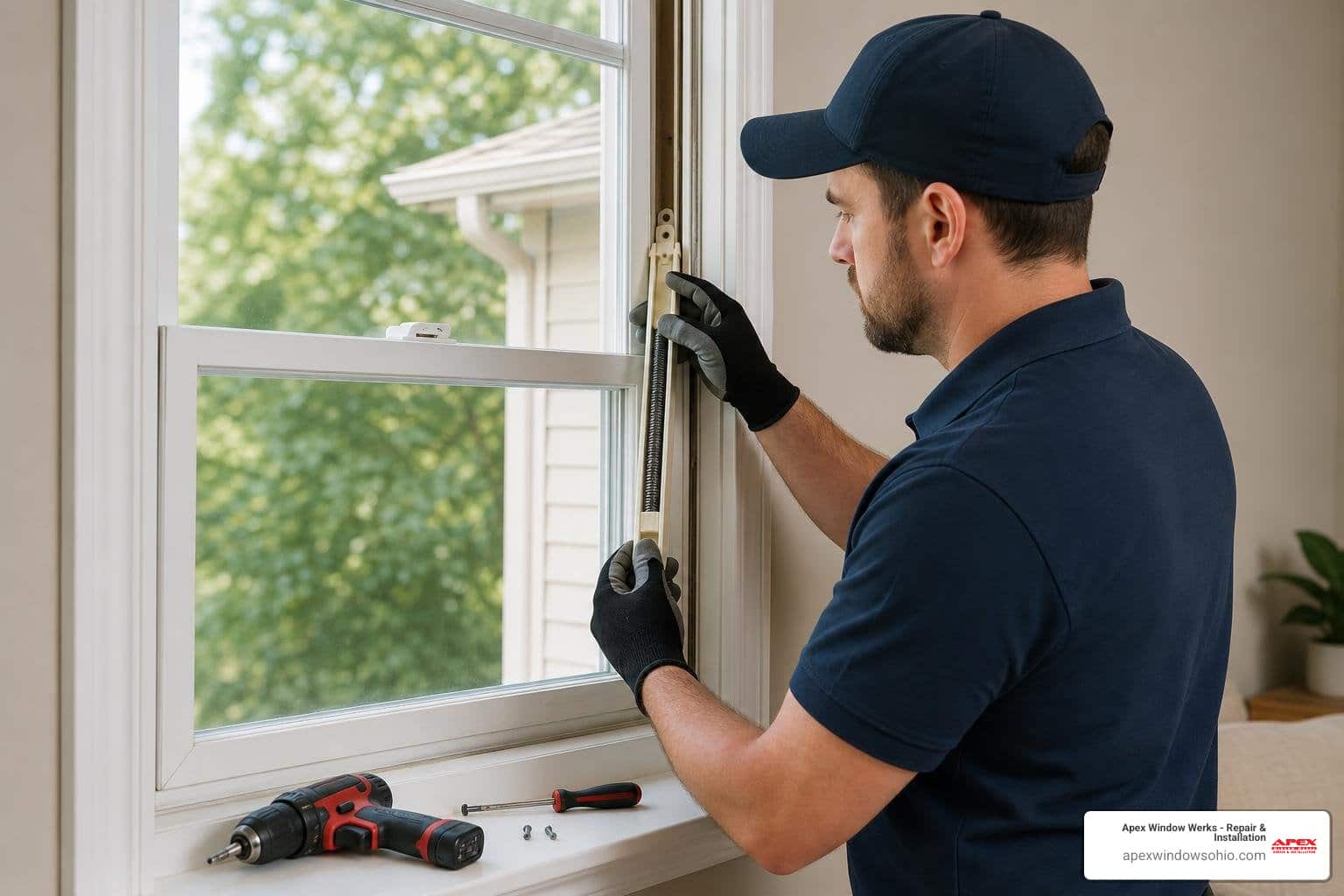
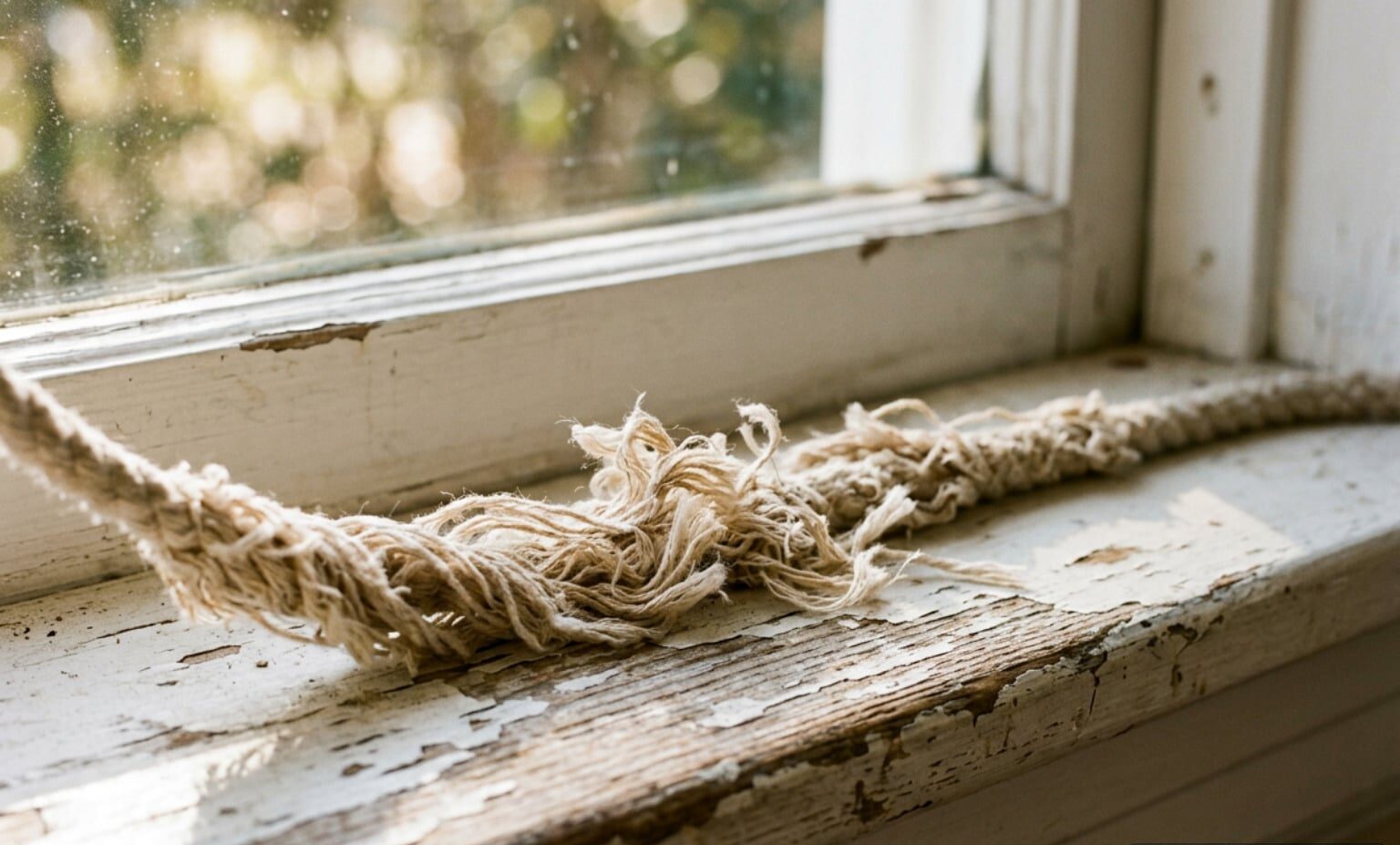
- Broken sash cords – Replace with pre-stretched waxed cotton cord and rebalance the counterweights
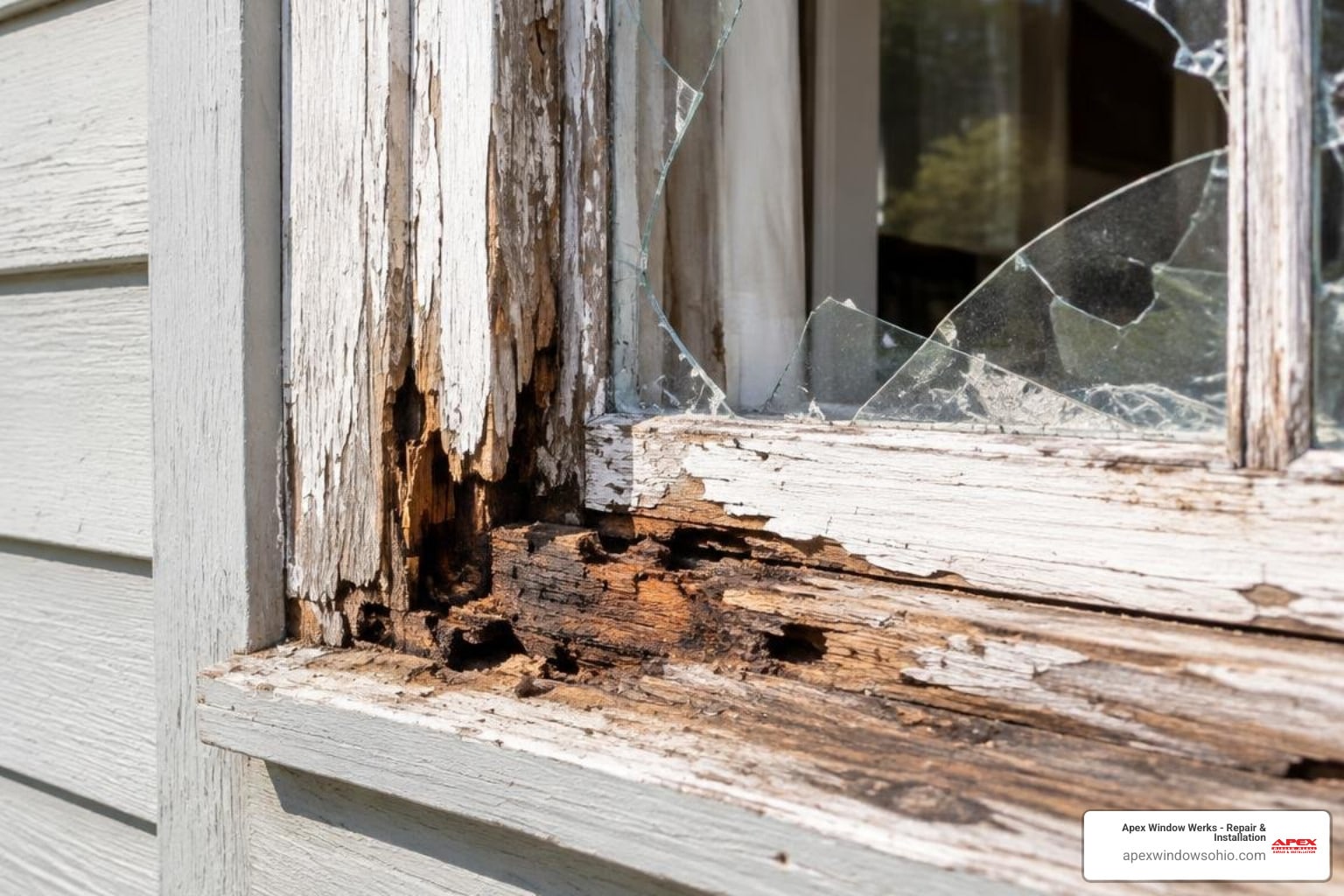
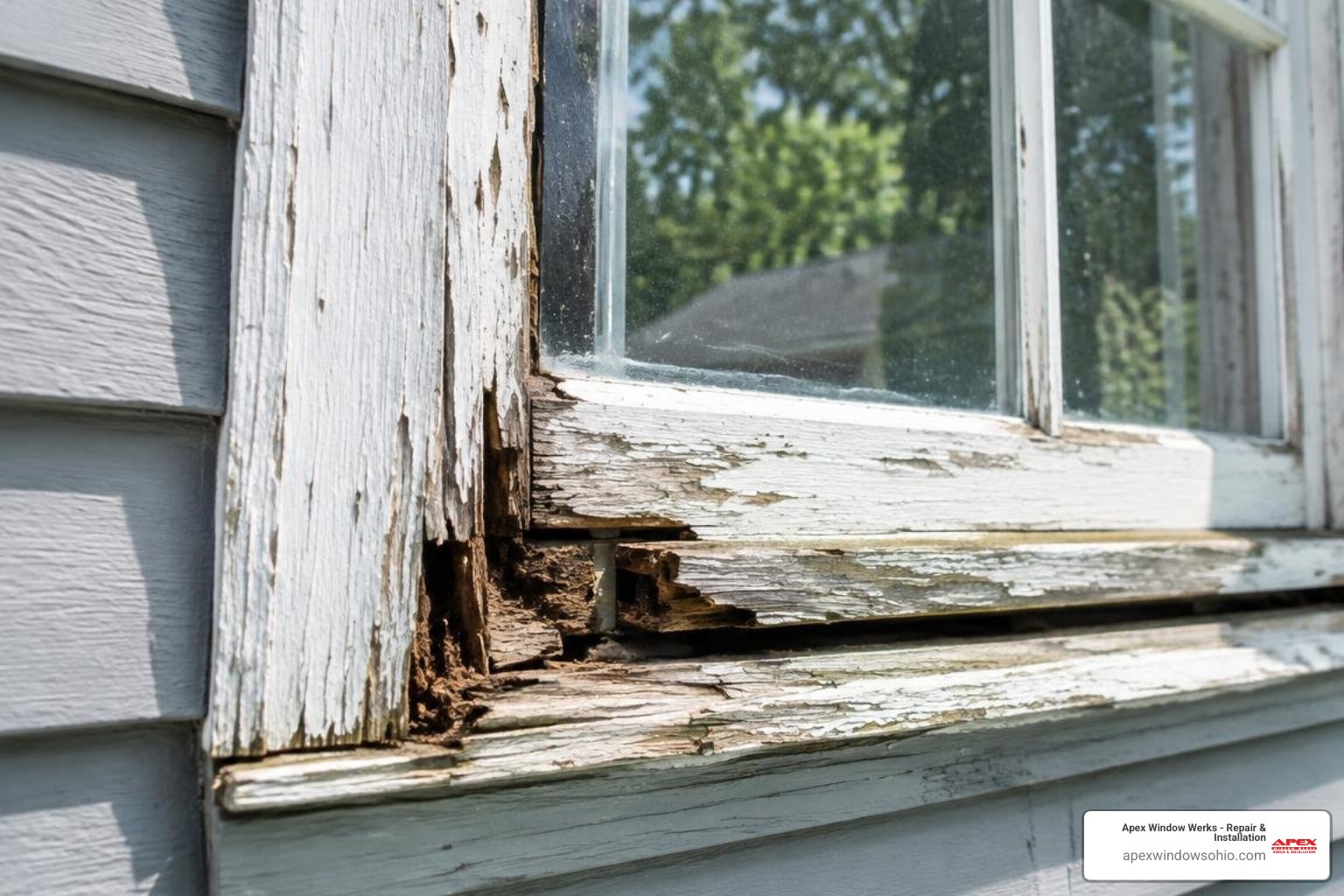
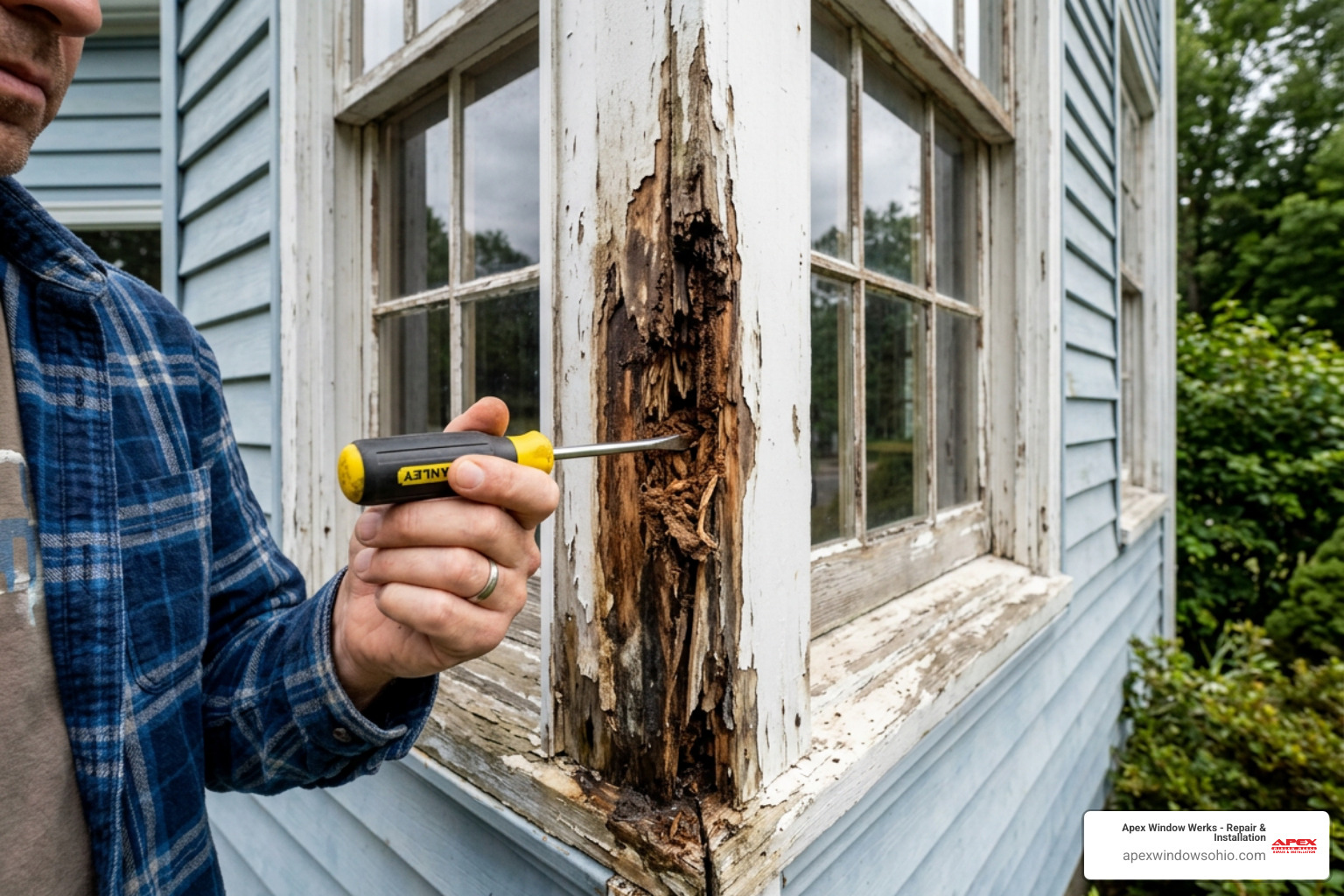
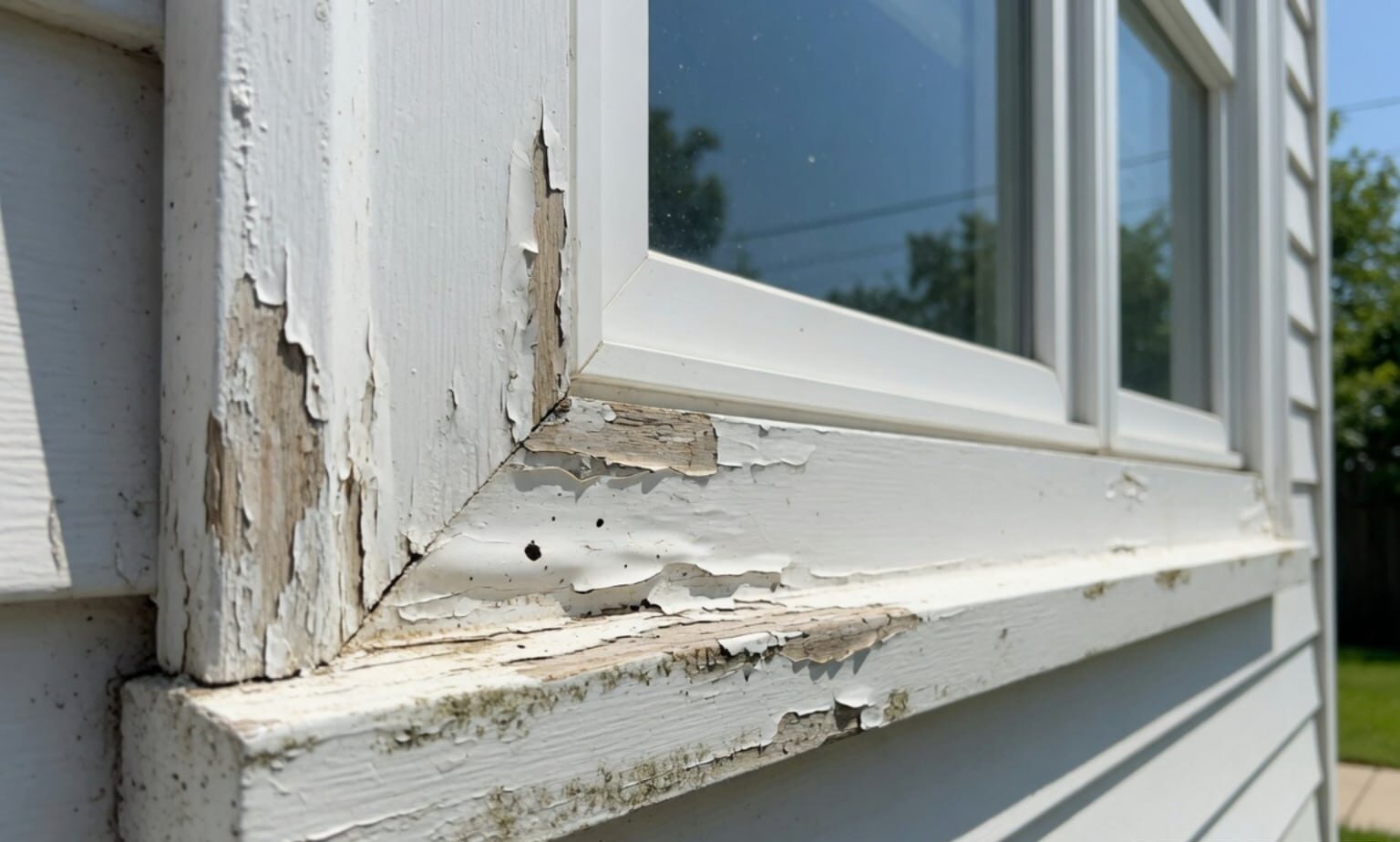
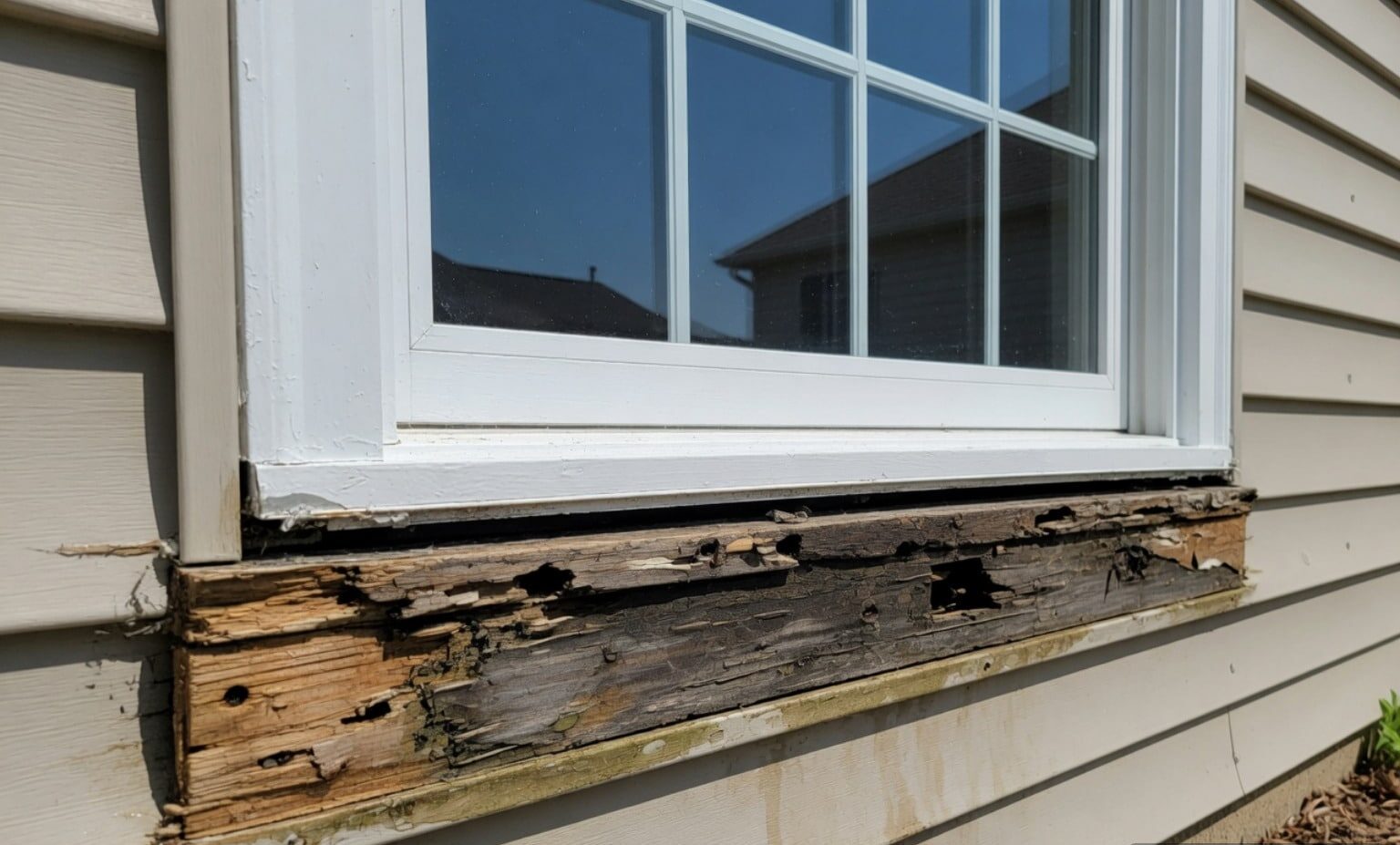
- Wood rot – Remove decayed material, apply a liquid epoxy consolidant, then rebuild with two-part epoxy filler
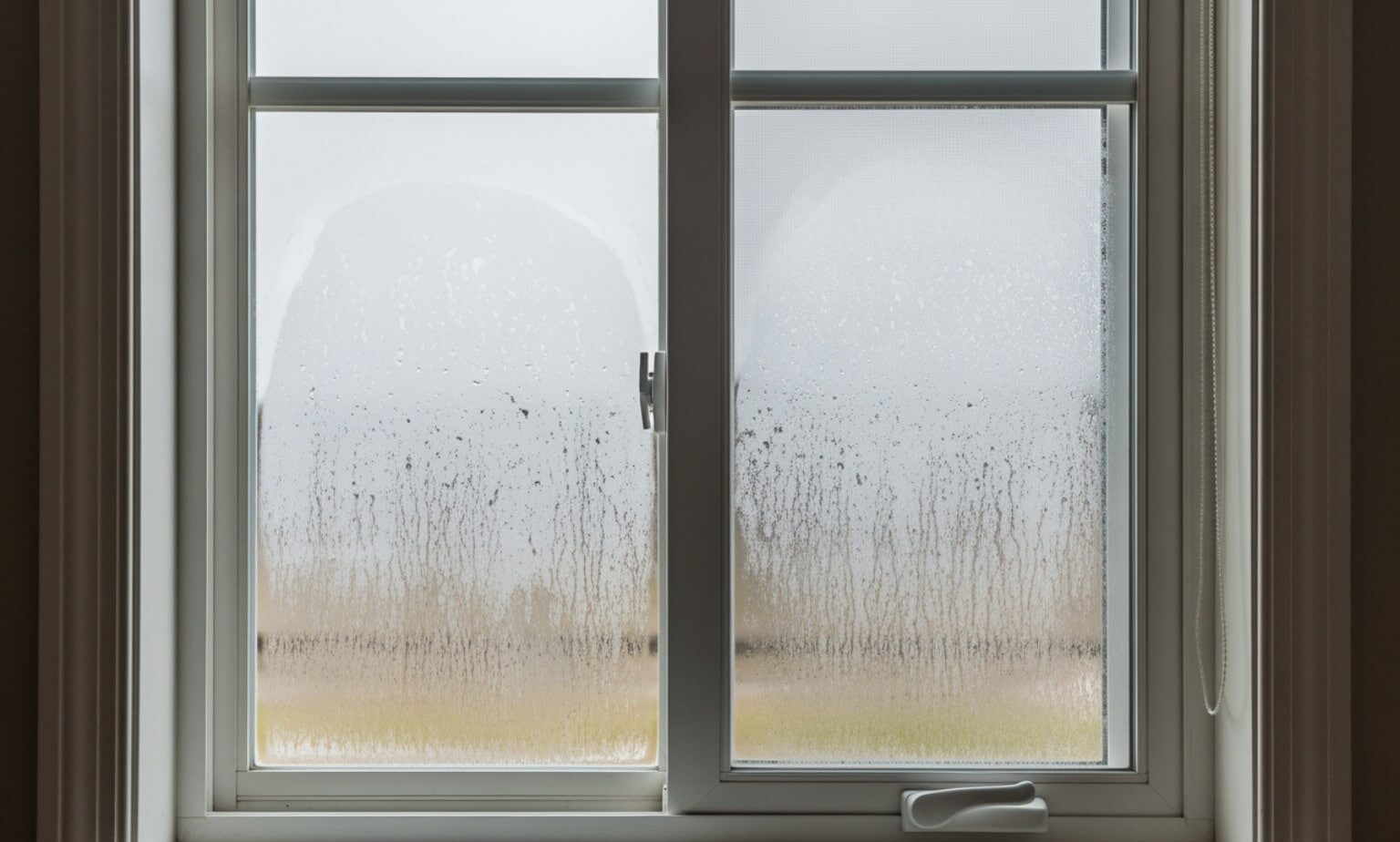
- Drafts and rattles – Install brush pile seals in the parting beads and check that the sash lock is pulling both sashes together
- Failed glazing putty – Strip old putty, prime bare wood with oil-based primer, re-bed the glass, and allow two weeks to cure before painting
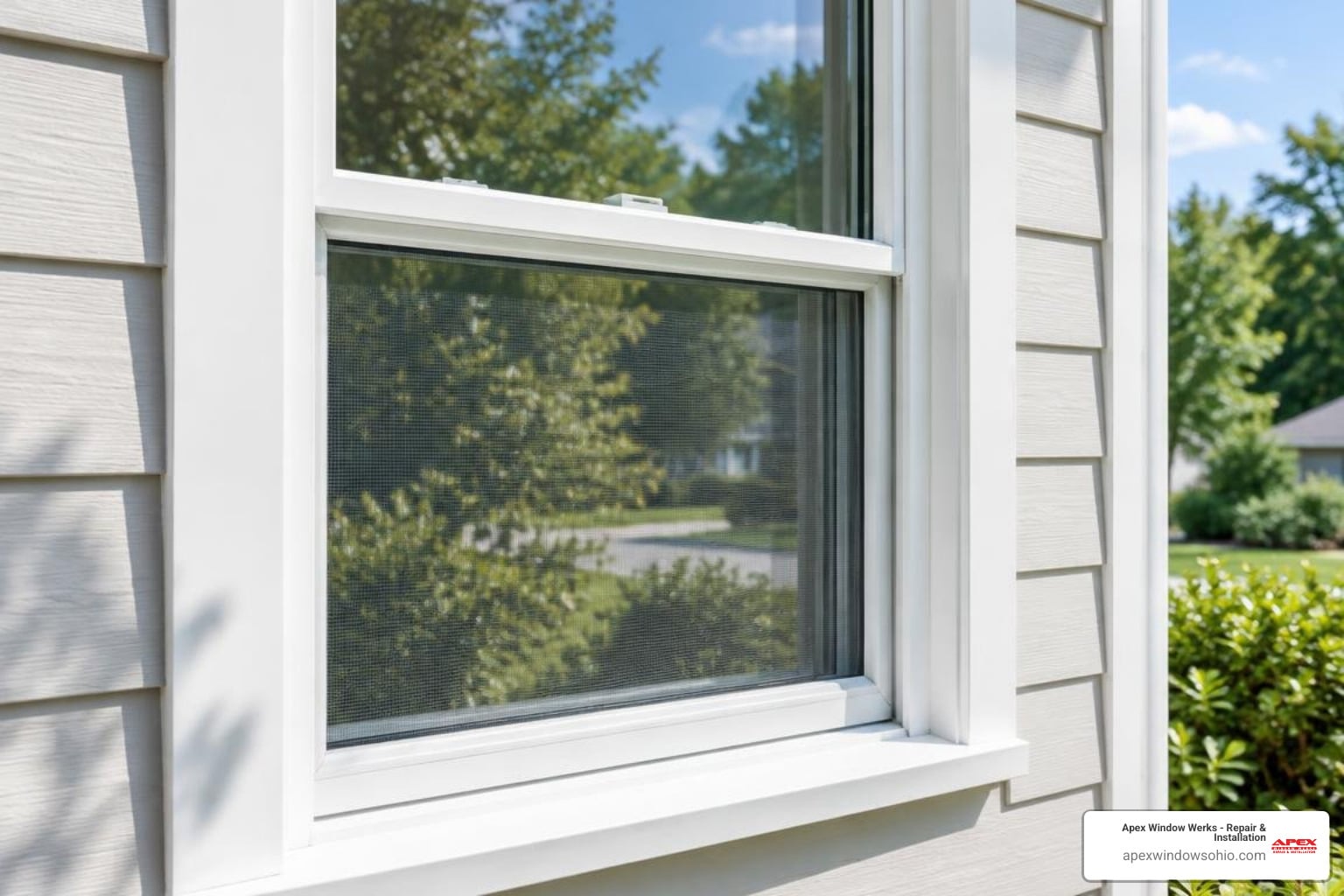
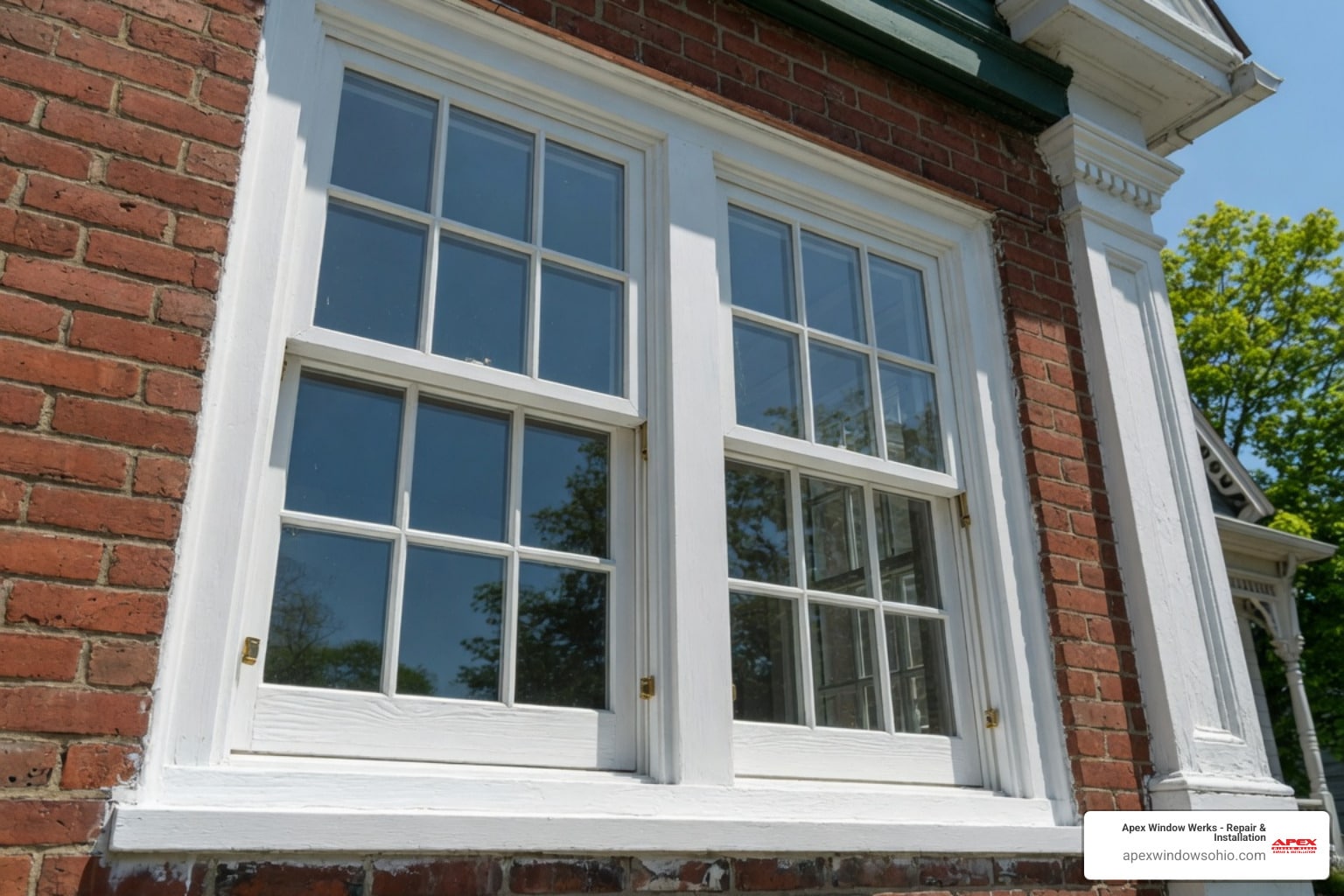
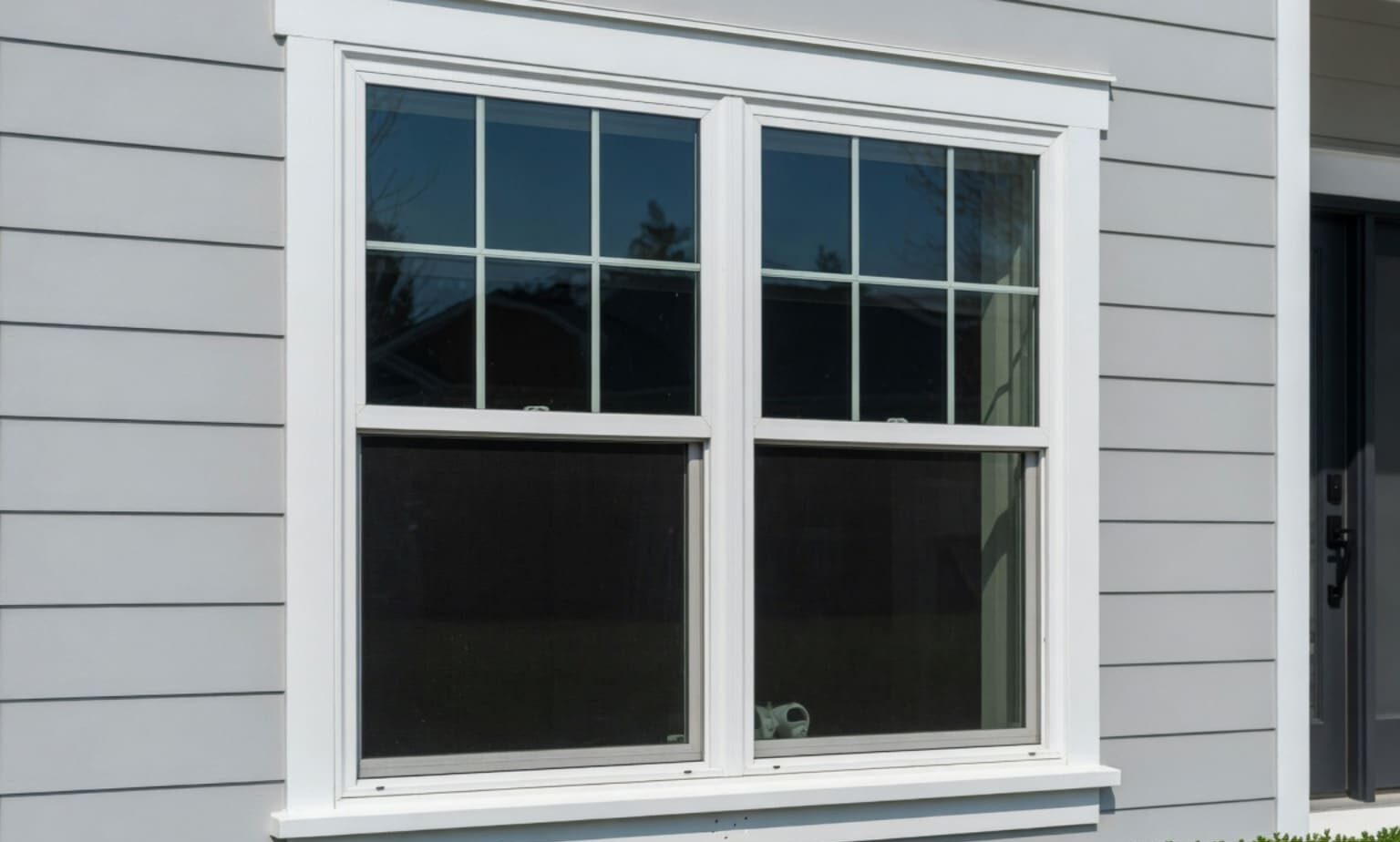
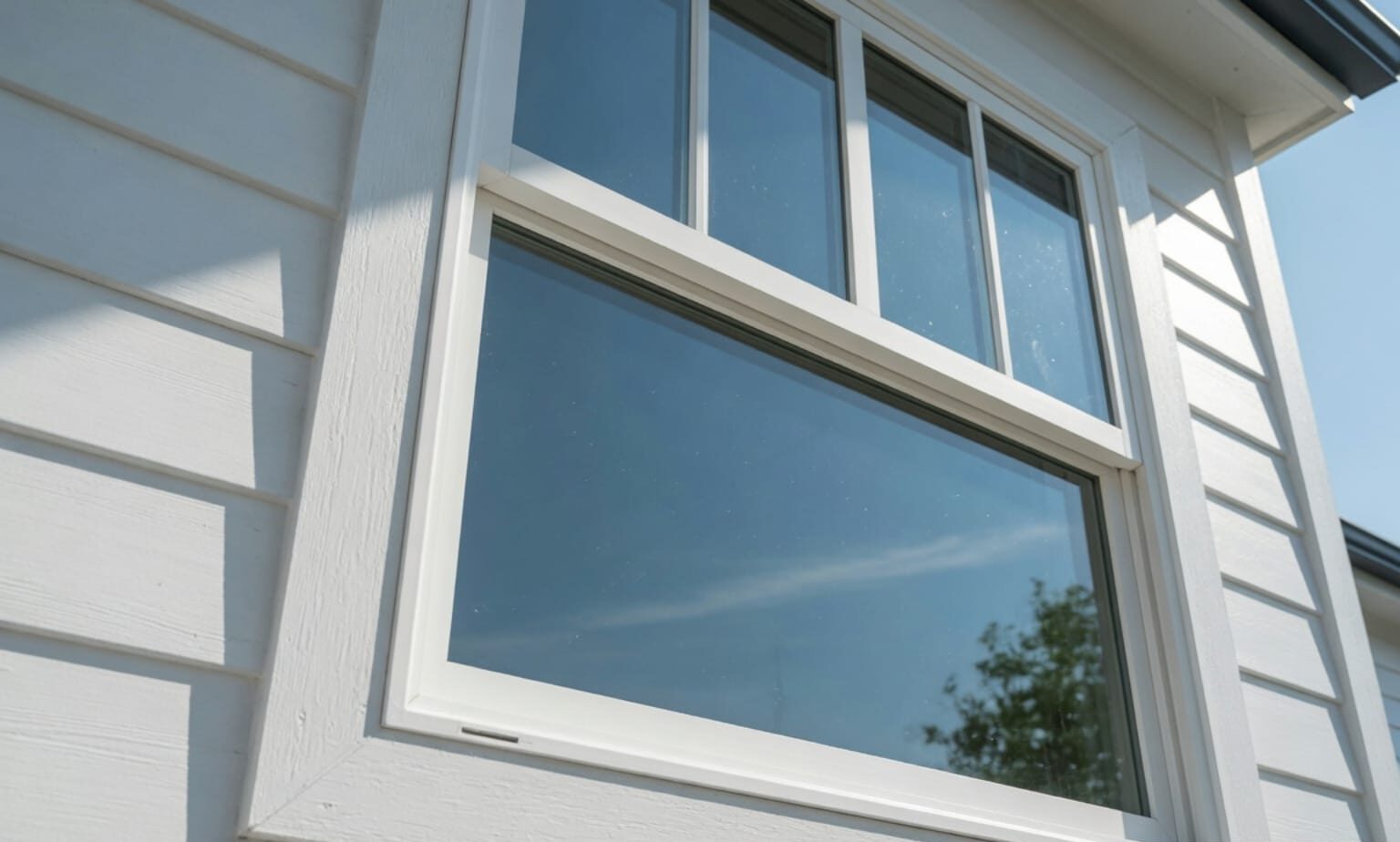
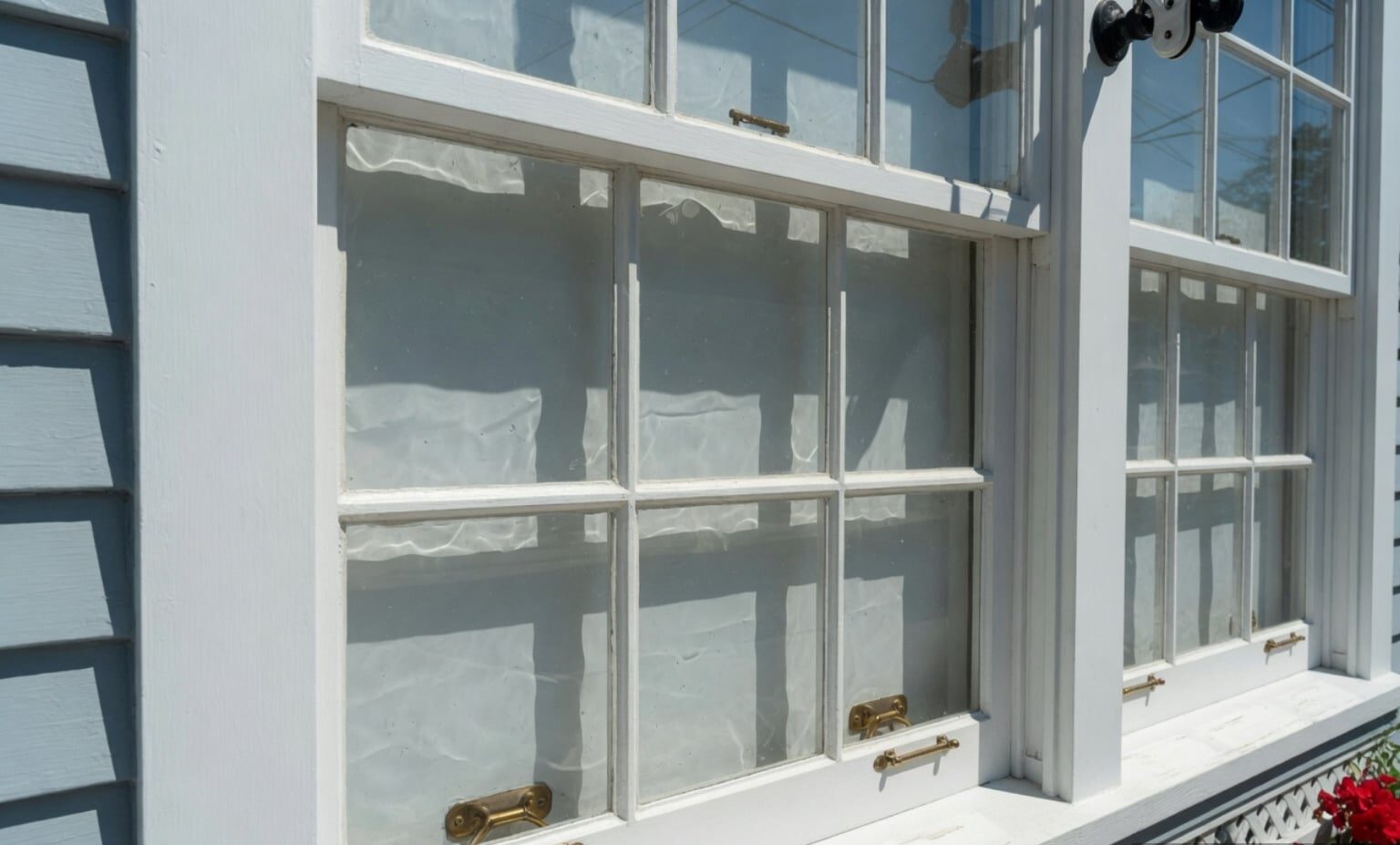
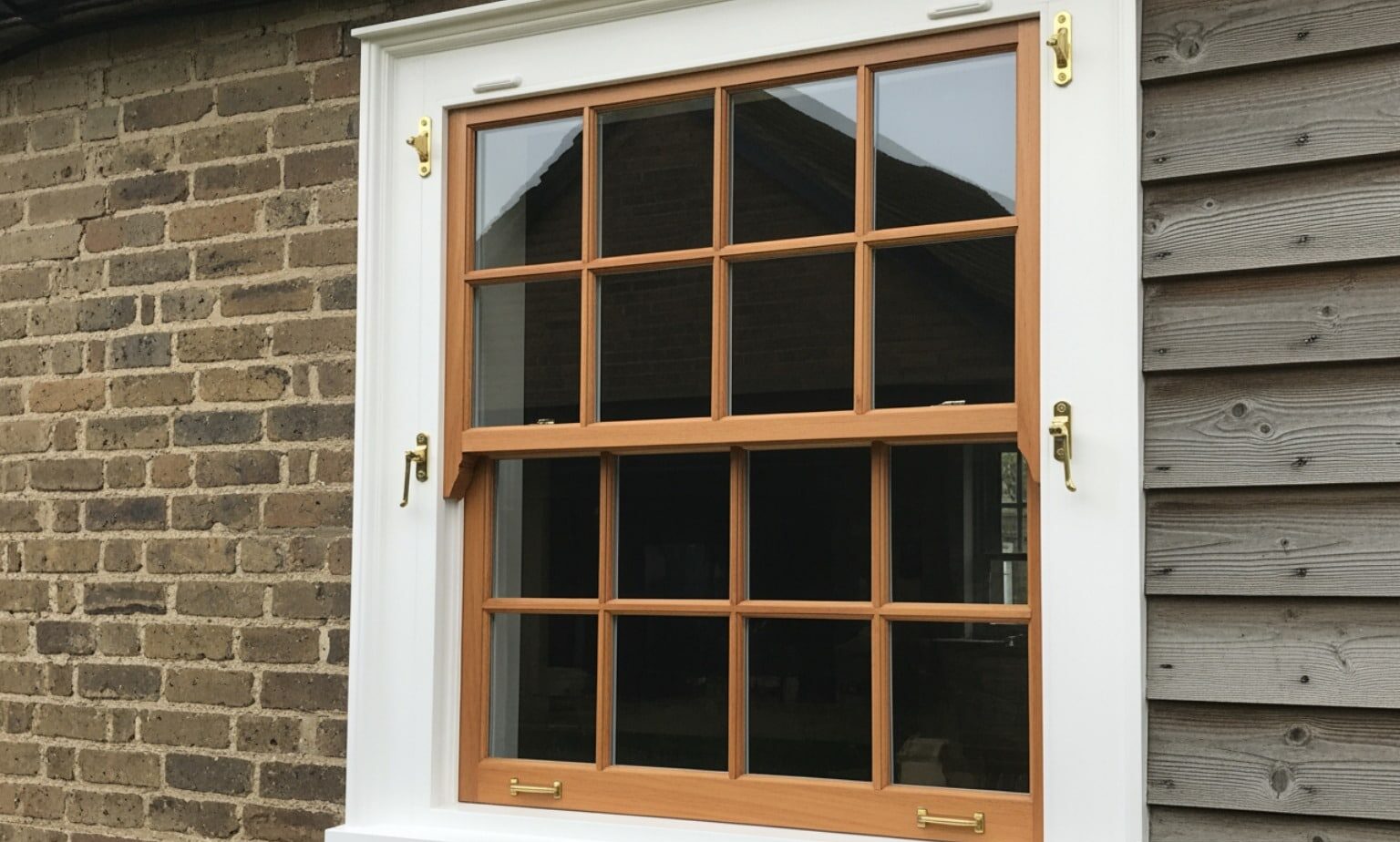
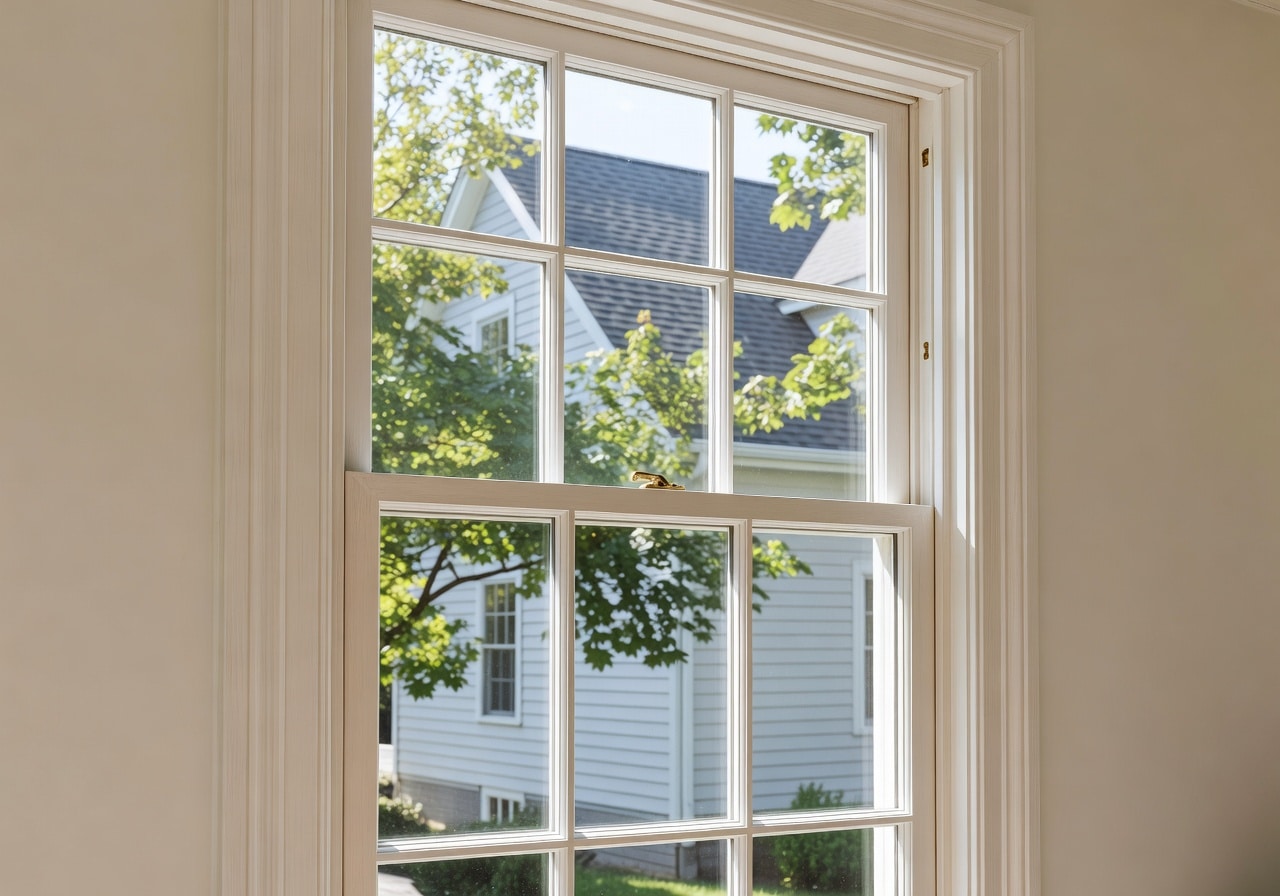
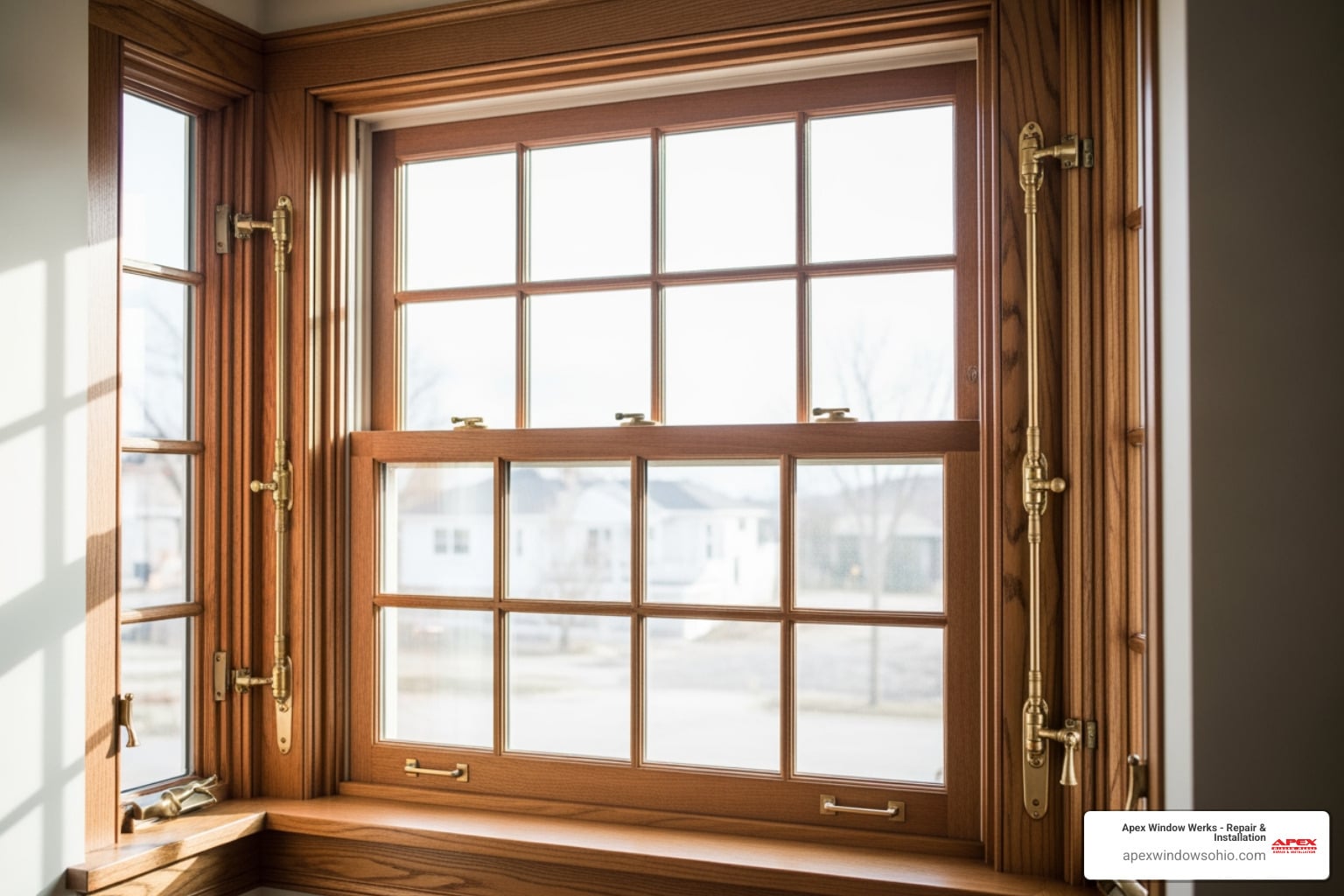
Sash windows — the classic double-hung style found in many older Ohio homes — rely on a system of counterweights, cords, and pulleys hidden inside the frame. When one part fails, the whole window suffers. The good news is that most problems are fixable without a full replacement, and doing so preserves both the character and value of your home.
I’m Nataly Godes, General Manager at Apex Window Werks, where I’ve led wood window restoration and sash repair projects across Northeast Ohio for years, helping homeowners find the right solution for repairing sash windows without overspending. In the sections below, I’ll walk you through every stage of the process — from diagnosing the problem to finishing the paint.
Diagnosing Common Issues Before Repairing Sash Windows in Northeast Ohio
Before rolling up your sleeves or searching for replacement options, it is important to accurately diagnose what is going wrong with your windows. Traditional double-hung sashes are wonderfully engineered, but years of exposure to the shifting Ohio seasons can take a toll. Moisture, structural settling, and layers of old paint are the primary culprits behind most window failures.
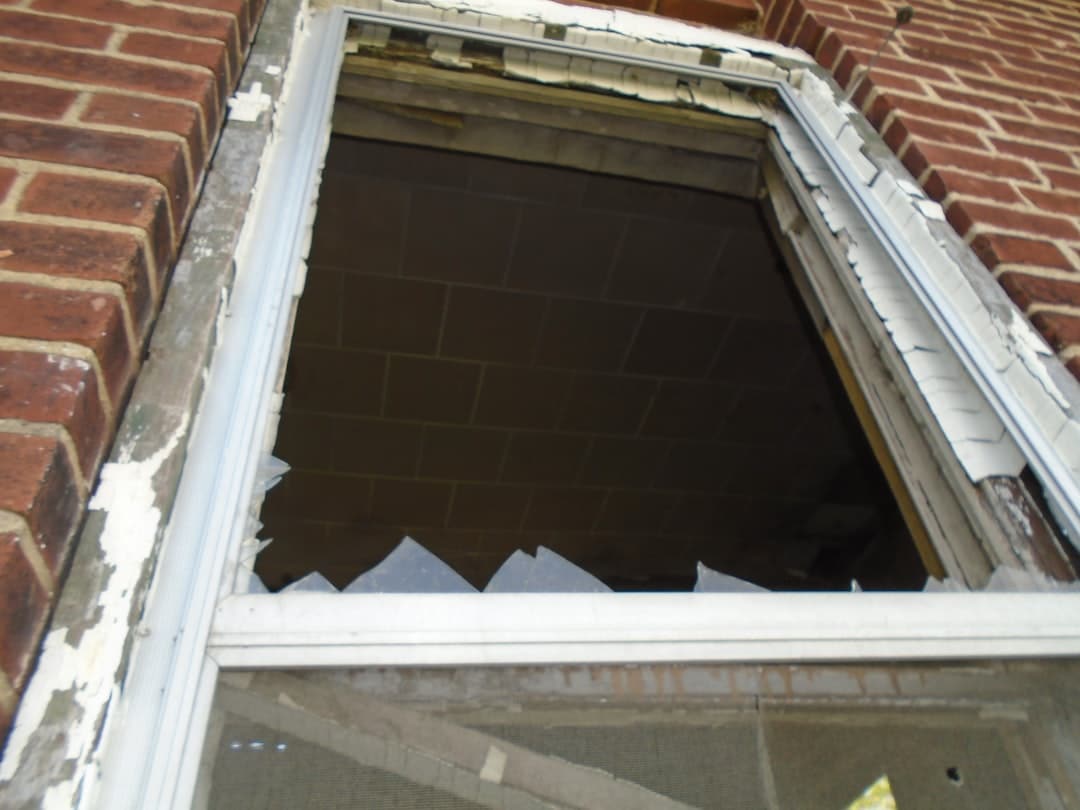
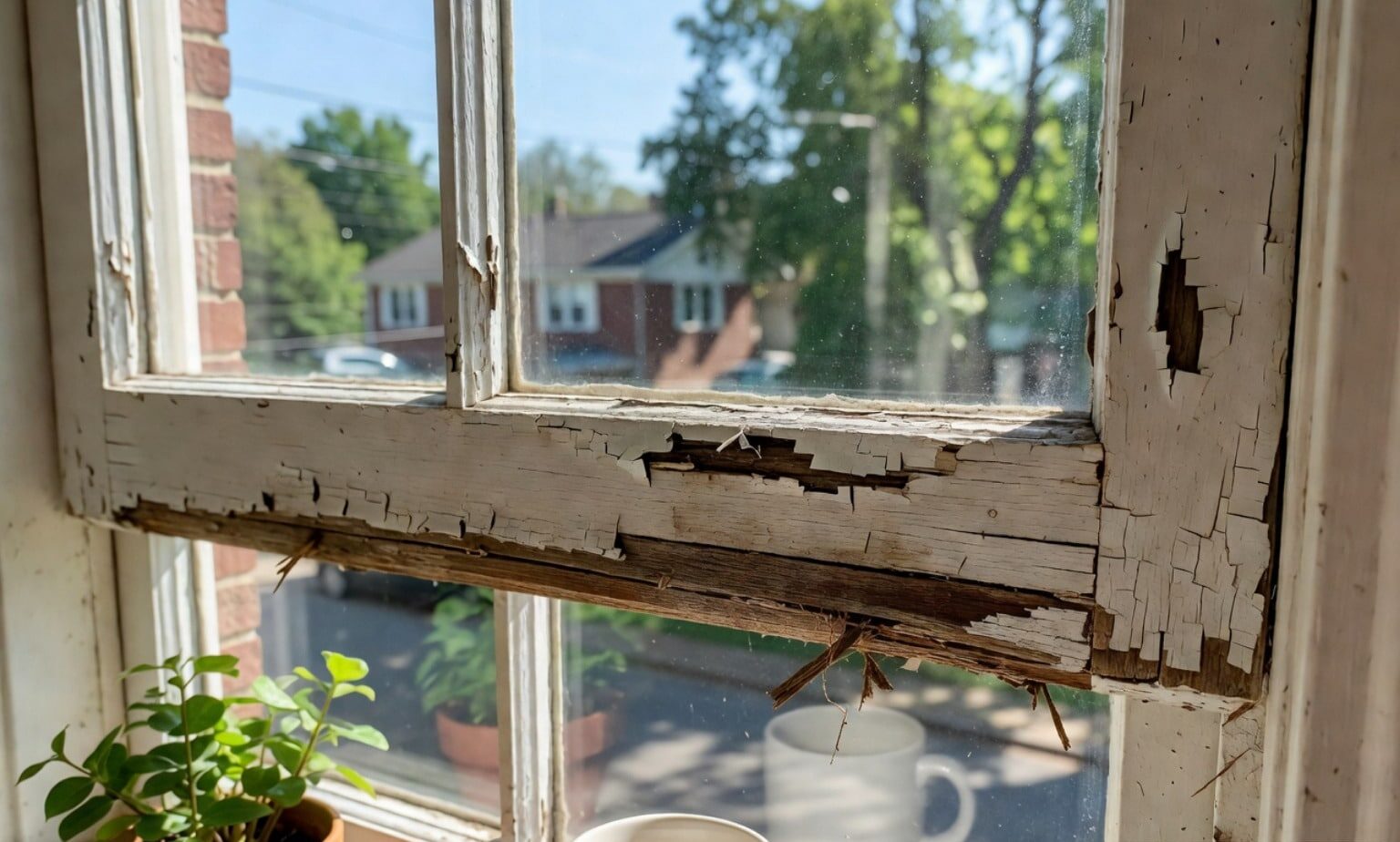
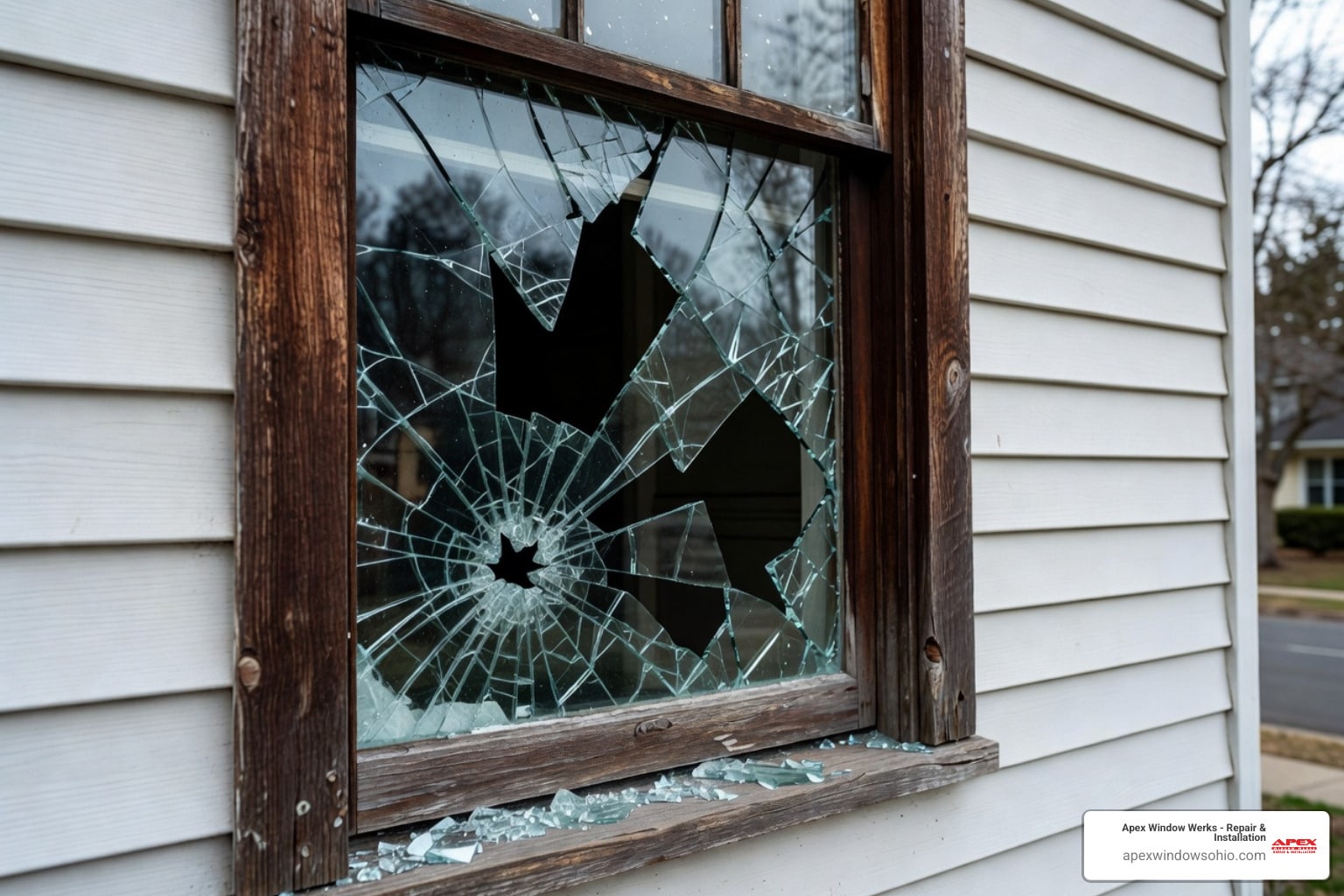
The most common issues we see in local homes include wood decay along the bottom rail, snapped sash cords that leave windows slamming shut, and sashes that have been painted completely closed. Drafts are another major complaint, often caused by worn-out seals or distorted wood that no longer meets flush at the center rail.
To help you understand the full scope of what your windows might be trying to tell you, check out Don’t Trash the Sash: Your Complete Guide to Window Restoration. This resource outlines why saving these historic features is almost always better than throwing them away.
Deciding Between Repairing Sash Windows and Full Replacement in Cleveland
When you are looking at a window that has seen better days, the big question is whether you should fix it or replace it entirely. Many people assume that a rotted sill or a broken joint means the window is a total loss, but historic wood windows were actually designed to be taken apart and repaired piece by piece.
Old-growth timber used in homes built before the mid-twentieth century is incredibly dense, resinous, and naturally rot-resistant. It is of a much higher quality than the fast-grown pine used in modern replacement windows. For a detailed breakdown of your options, read through The Ultimate Guide to Sash Window Replacements to help weigh your choices.
To help you make the right decision for your property, we have put together a comparison table of the key factors:
| Factor | Repairing and Restoring | Full Replacement |
|---|---|---|
| Material Quality | Preserves dense, durable old-growth timber | Uses modern, less dense wood, vinyl, or composite |
| Architectural Value | Maintains historic character and original glass | Can alter the historic look and curb appeal |
| Lifespan | Can last another century with proper care | Typically has a lifespan of fifteen to twenty-five years |
| Cost Efficiency | Saves significant money compared to full replacement | High upfront cost, especially for custom sizes |
| Repairability | Easy to repair individual components in the future | Often requires complete unit replacement if a part fails |
Essential Tools and Safe Sash Removal in Cleveland and Akron Homes
Having the right tools on hand will make your sash restoration project run much more smoothly. Working on historic windows also requires a strong focus on safety, particularly if your home was built before 1978. Windows in older properties are highly likely to contain lead-based paint, which requires careful handling under EPA Lead Renovation, Repair, and Painting guidelines.
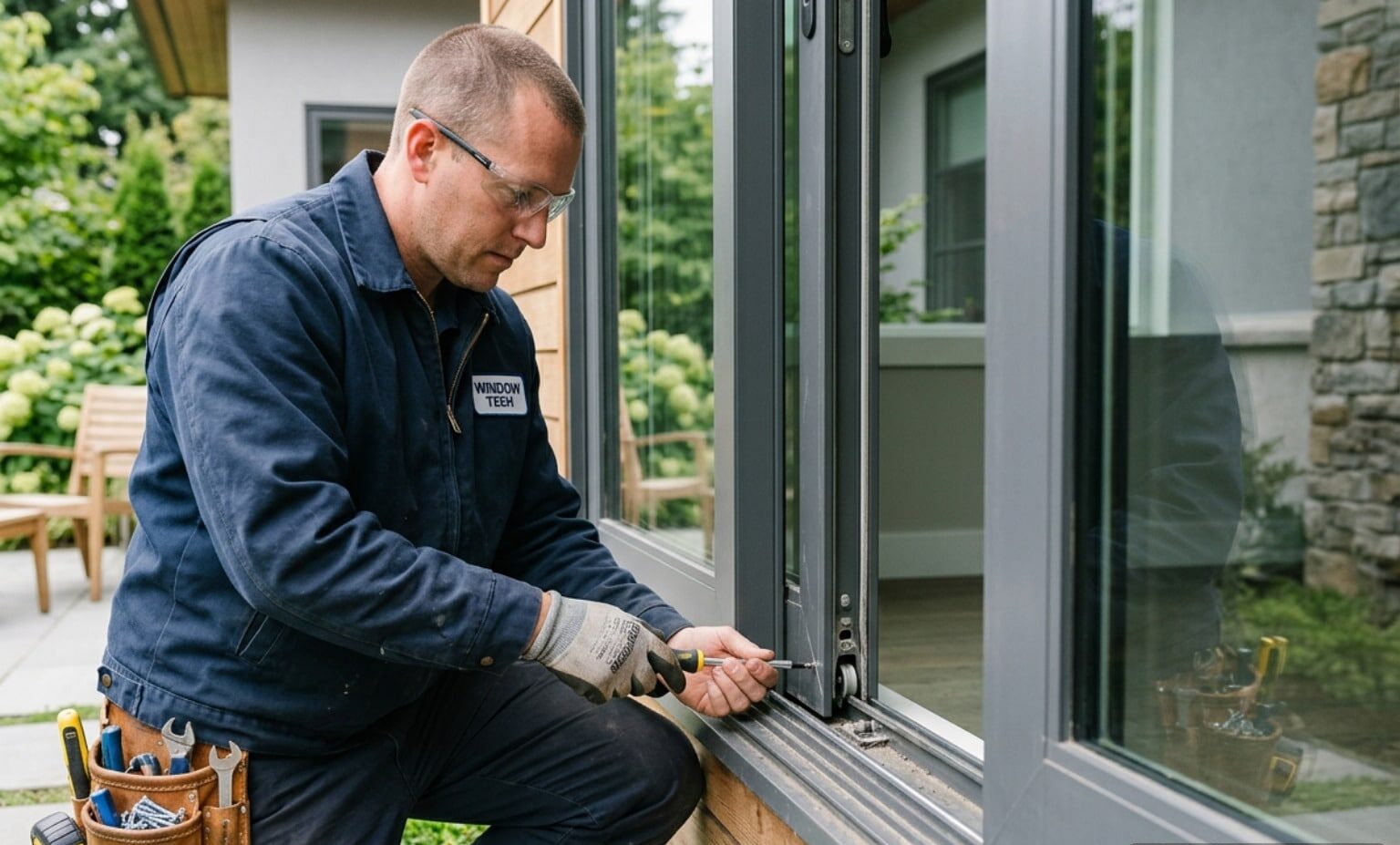
Before you begin, ensure you have a clean workspace and the proper protective gear. To learn more about how we handle these structural repairs safely, visit our Window Sill, Sash & Frame Repair Services page.
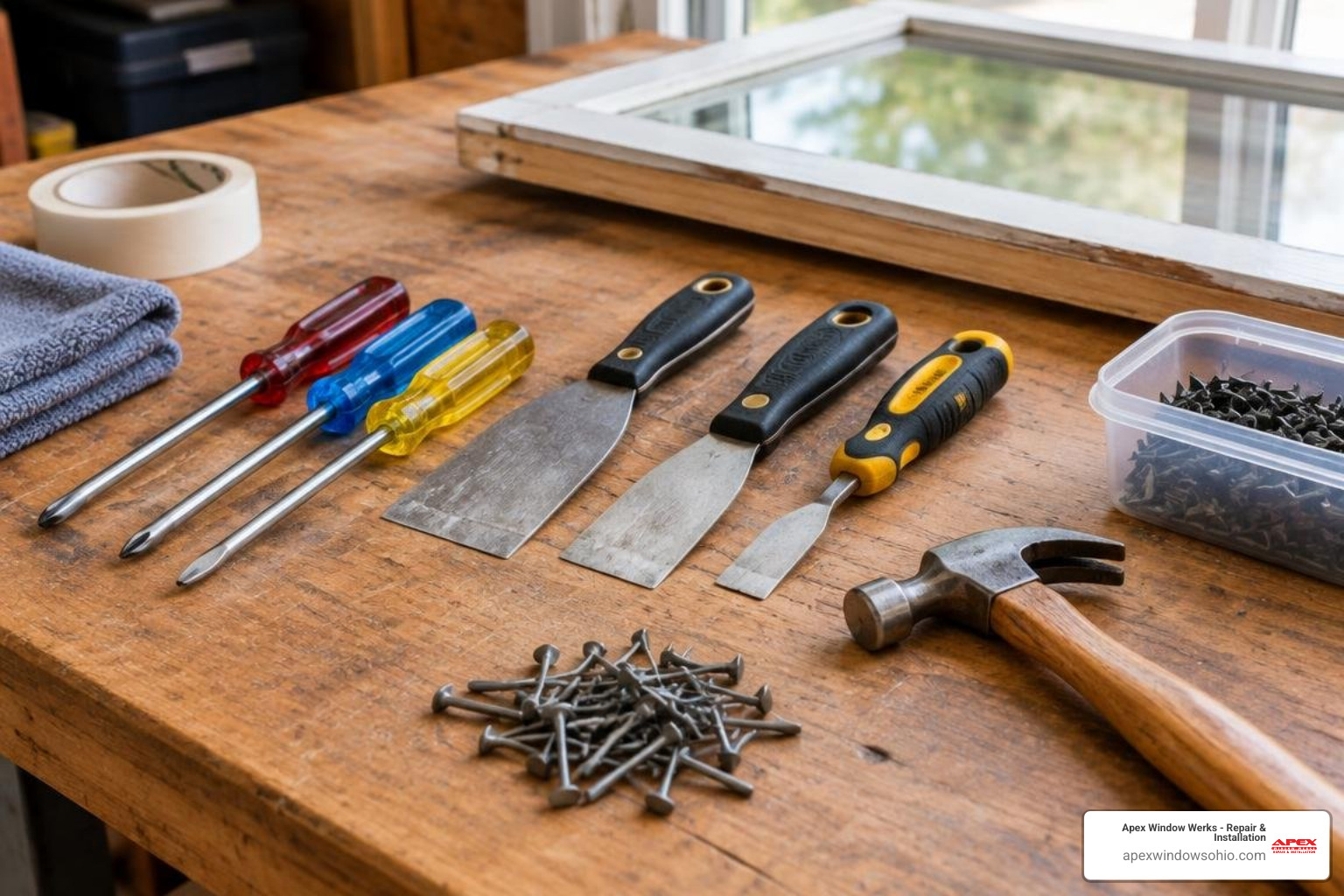
Here is a checklist of the essential tools and materials you will need:
- Safety equipment – A HEPA-filtered respirator, heavy-duty work gloves, safety goggles, and a Tyvek suit
- Hand tools – A sharp utility knife, a stiff-bladed putty knife, a flat pry bar, a hammer, and a chisel
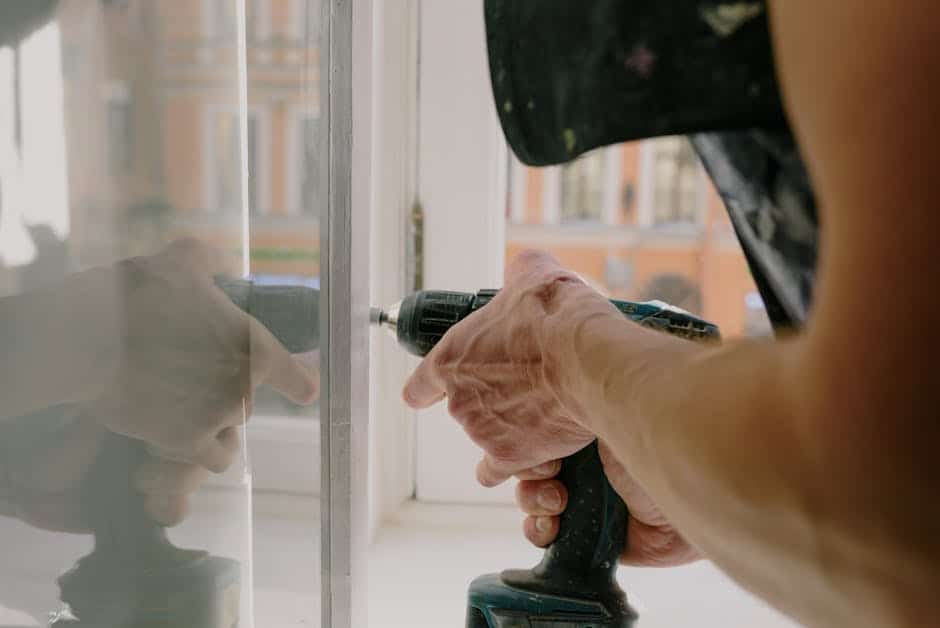
- Power tools – An orbital sander, a heat gun or steam box, and a drill with self-centering bits
- Consumables – Pre-stretched waxed cotton sash cord, high-quality glazing putty, and oil-based primer
- Repair materials – Two-part epoxy consolidant, flexible epoxy wood filler, and stainless steel screws
Step-by-Step Guide to Safely Removing a Sash Window in Northeast Ohio
Removing the sashes from the frame is the first major step in any repair project. You must proceed slowly to avoid cracking the historic glass or splitting the delicate wooden beads that hold the sashes in place.
For additional tips on how to prepare your workspace and handle the initial teardown, refer to Everything You Need to Know to Repair Sash Windows – This Old House.
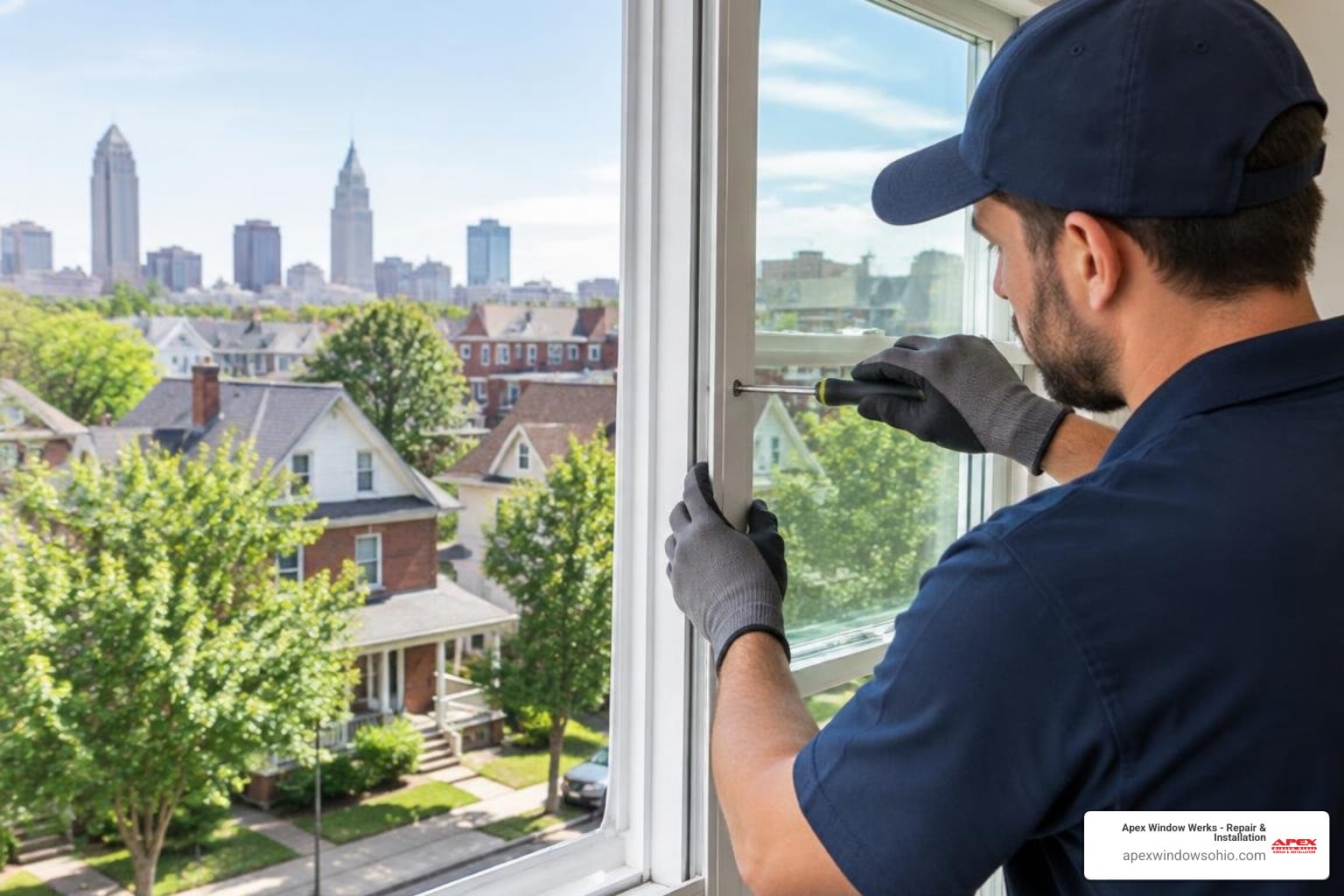
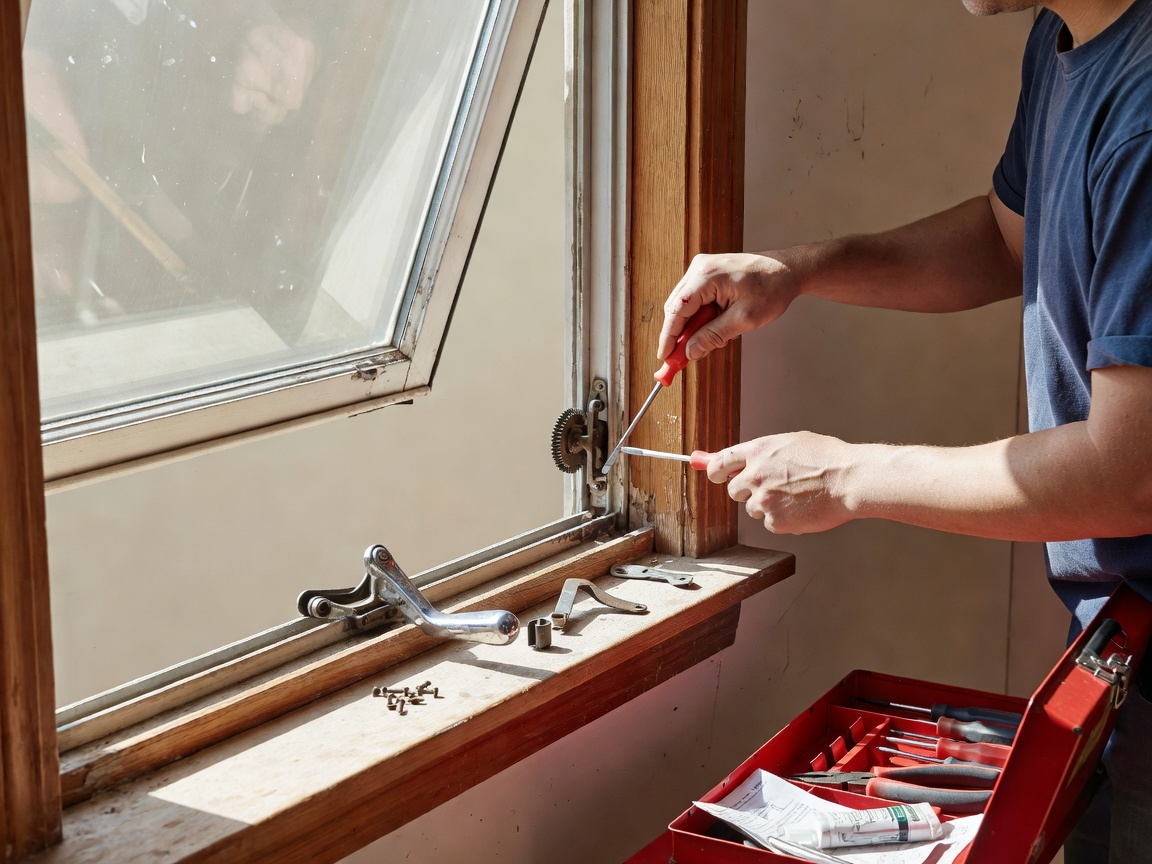
- Cut the paint seals – Run a sharp utility knife along the seam where the interior stop bead meets the window frame to break any paint or caulk bonds.
- Pry off the interior stops – Use a flat pry bar and a chisel to gently lift the vertical stop beads away from the frame, starting from the middle and working toward the ends.
- Remove the lower sash – Lift the bottom sash slightly, pull it forward out of the frame, and carefully disconnect the sash cords from the sides of the sash.
- Secure the weights – Tie a knot in the sash cords or pin them to the frame with a nail to prevent the weights from falling down into the pocket cavity.
- Extract the parting bead – Use sheet-metal pliers or a block of wood to pull the vertical parting bead out of its groove, which will free the upper sash for removal.
- Secure the open window – Cut a temporary piece of plywood to fit the opening and secure it to keep your home safe from the weather while you work on the sashes.
Advanced Wood Rot Remediation and Glazing Techniques for Ohio Homes
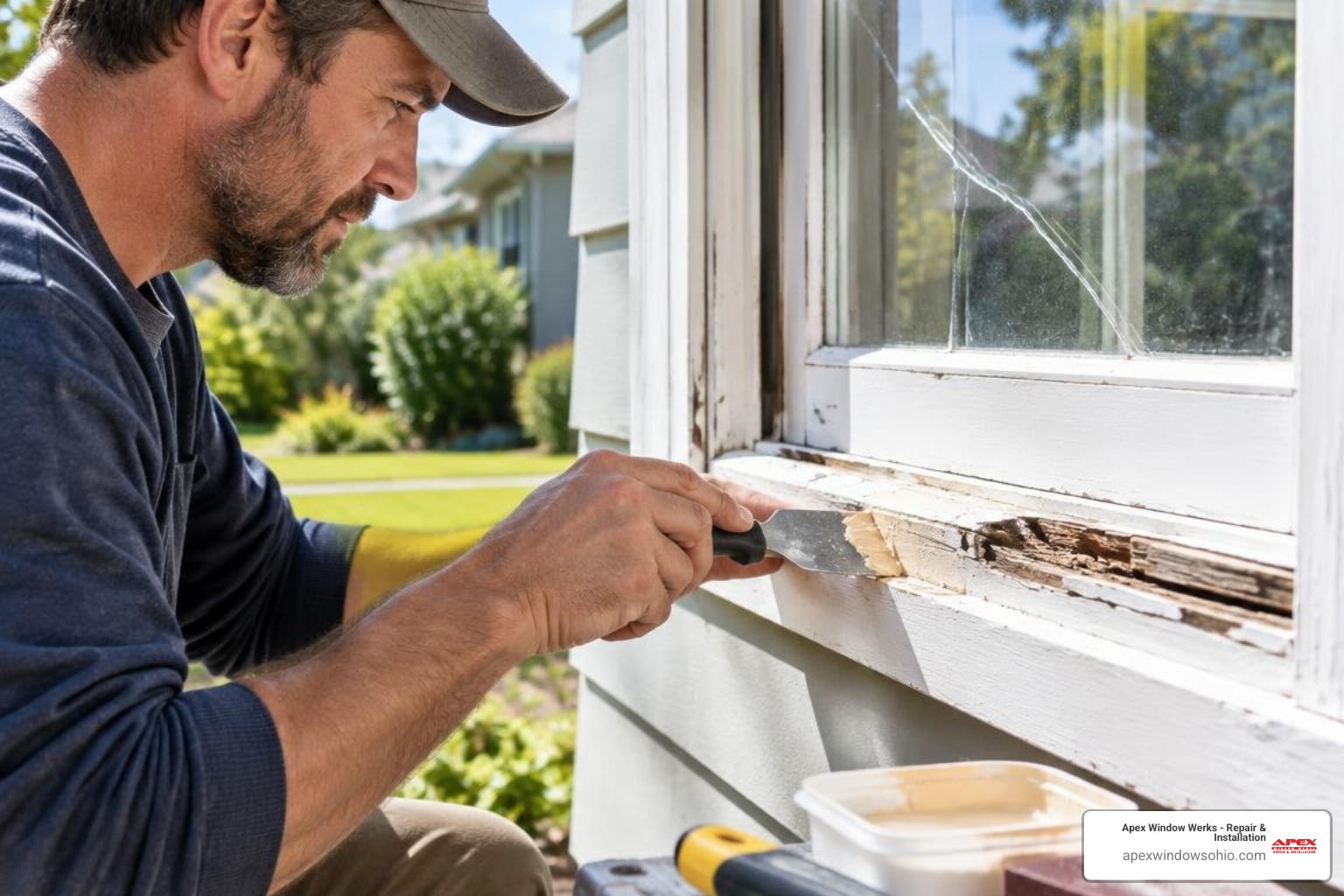
Once the sashes are out and on your workbench, you can address any structural damage. Wood rot is a common issue, especially along the bottom rail where water tends to pool. Instead of replacing the entire sash, we can use modern epoxy systems to consolidate soft wood and rebuild missing sections.
Best Practices for Repairing Sash Windows in Historic Cleveland Homes
When dealing with historic timber, the goal is always to preserve as much of the original wood as possible. Before applying any fillers or consolidants, you must ensure that the wood moisture content has dried out to a stable level, ideally in the teens.
For small to medium areas of decay, a two-part liquid epoxy consolidant is perfect. It penetrates deep into the softened wood fibers, curing to create a solid, rot-resistant base. Once the consolidant has cured, you can apply a flexible epoxy wood filler to rebuild the profile of the sash. For larger structural failures, cutting out the rotted section and splicing in a new piece of matching wood is the most durable solution.
Replacing Broken Cords and Rebalancing Weights in Akron
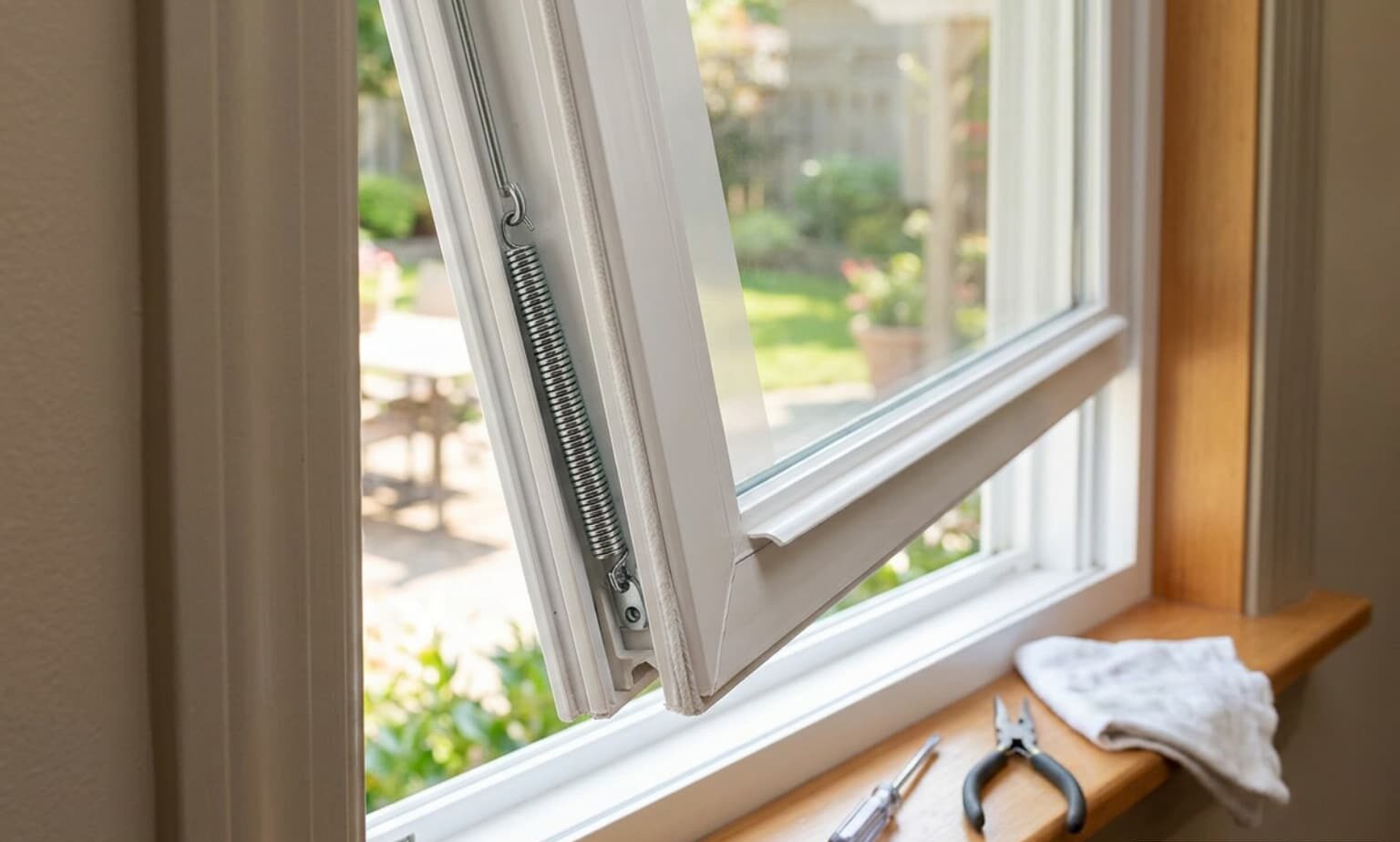
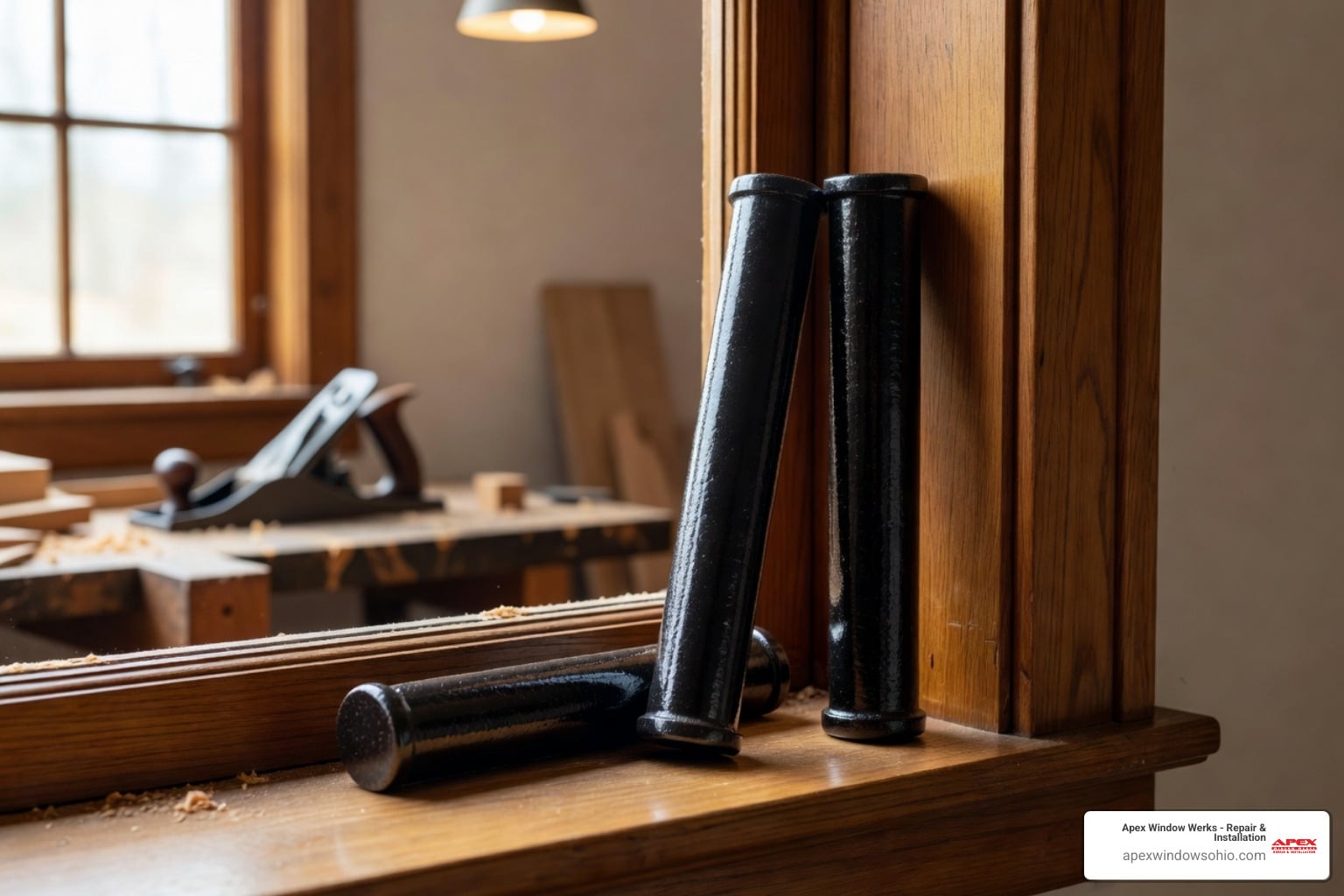
A window that will not stay open or crashes down unexpectedly has a broken sash cord or an unbalanced weight system. Traditional sash windows rely on cast-iron or lead weights suspended on cords over pulleys to counter the weight of the glass.
- Access the weight pockets – Locate the access pocket covers on the lower inside face of the window frame and remove the screws to open them.
- Remove the old cords and weights – Pull the old weights out of the pockets and untie or cut away the remaining broken cords.
- Thread the new cord – Tie a small weight, often called a mouse, to a piece of string and feed it over the pulley down into the pocket, then use it to pull your new waxed cotton sash cord through.
- Attach the weight – Tie the new cord securely to the top of the weight, pull the cord tight until the weight sits just below the pulley, and cut the cord to length.
- Connect to the sash – Feed the cord into the groove on the side of the window sash and secure it using screws or knots, making sure the window operates smoothly from top to bottom.
Removing Old Putty and Re-Glazing Glass in Northeast Ohio
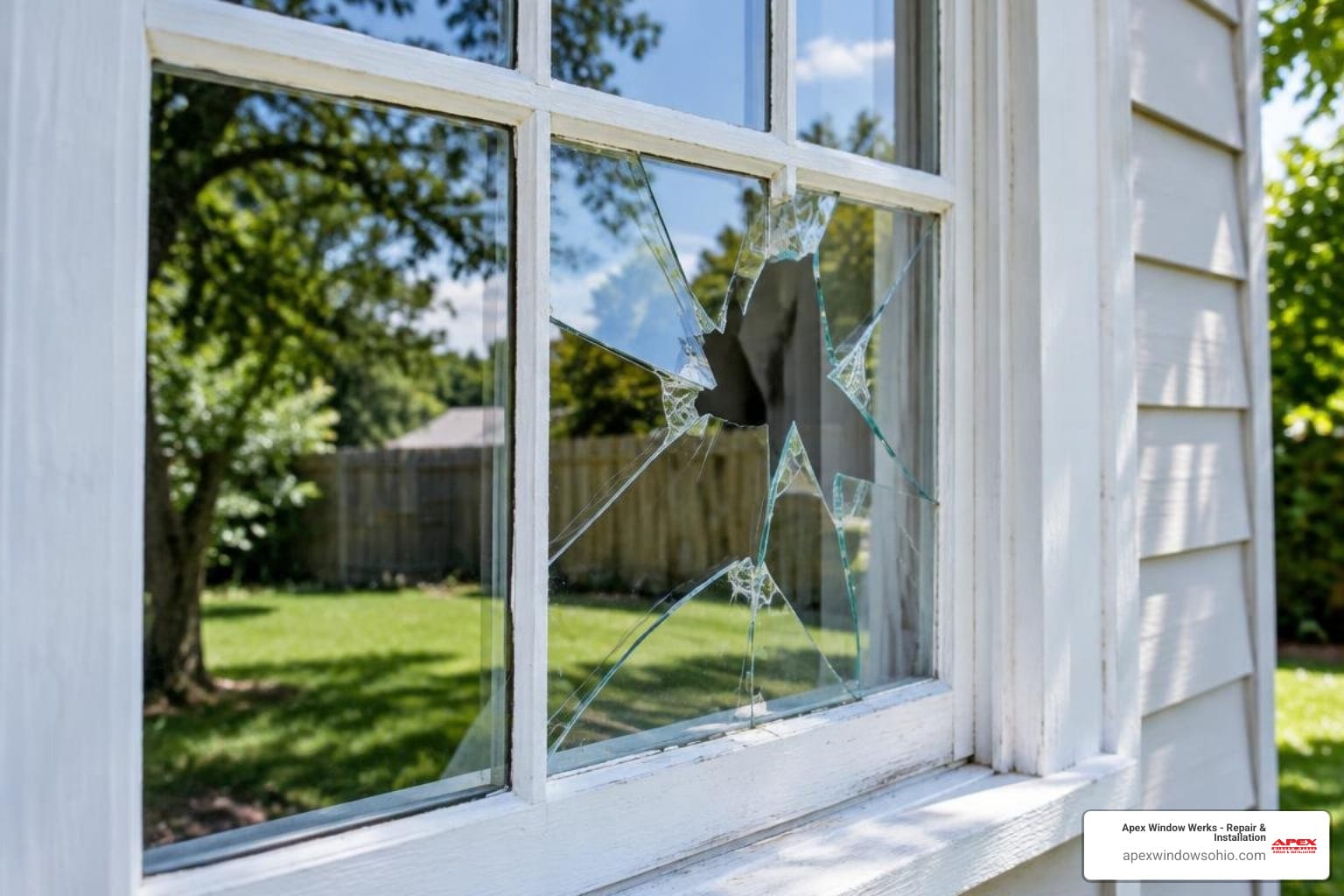
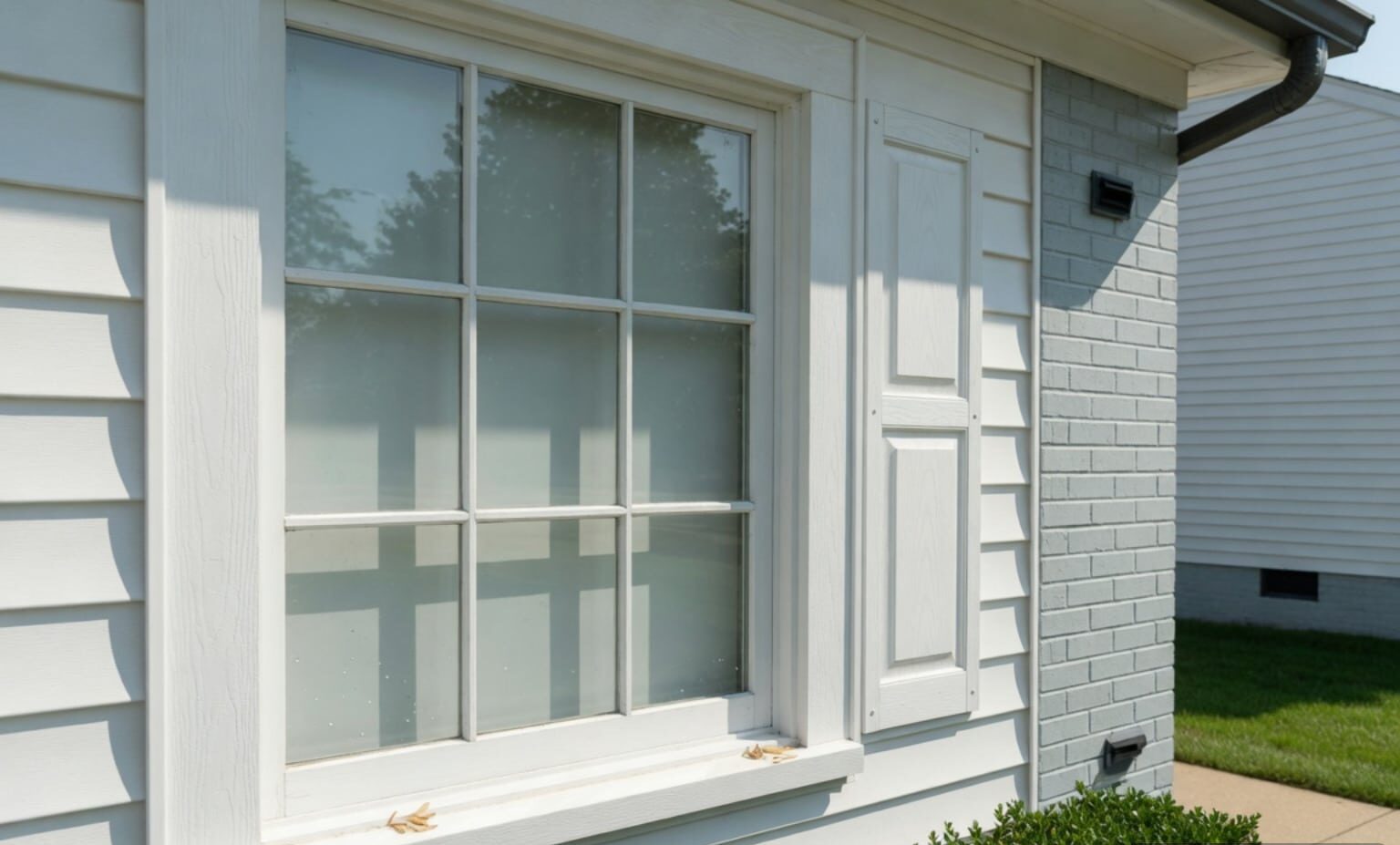
Failing glazing putty is a primary cause of drafts and water leaks. Over several decades, traditional linseed oil putty dries out, cracks, and falls away from the glass. Re-glazing is a classic trade skill that restores both the weather seal and the structural integrity of the sash.
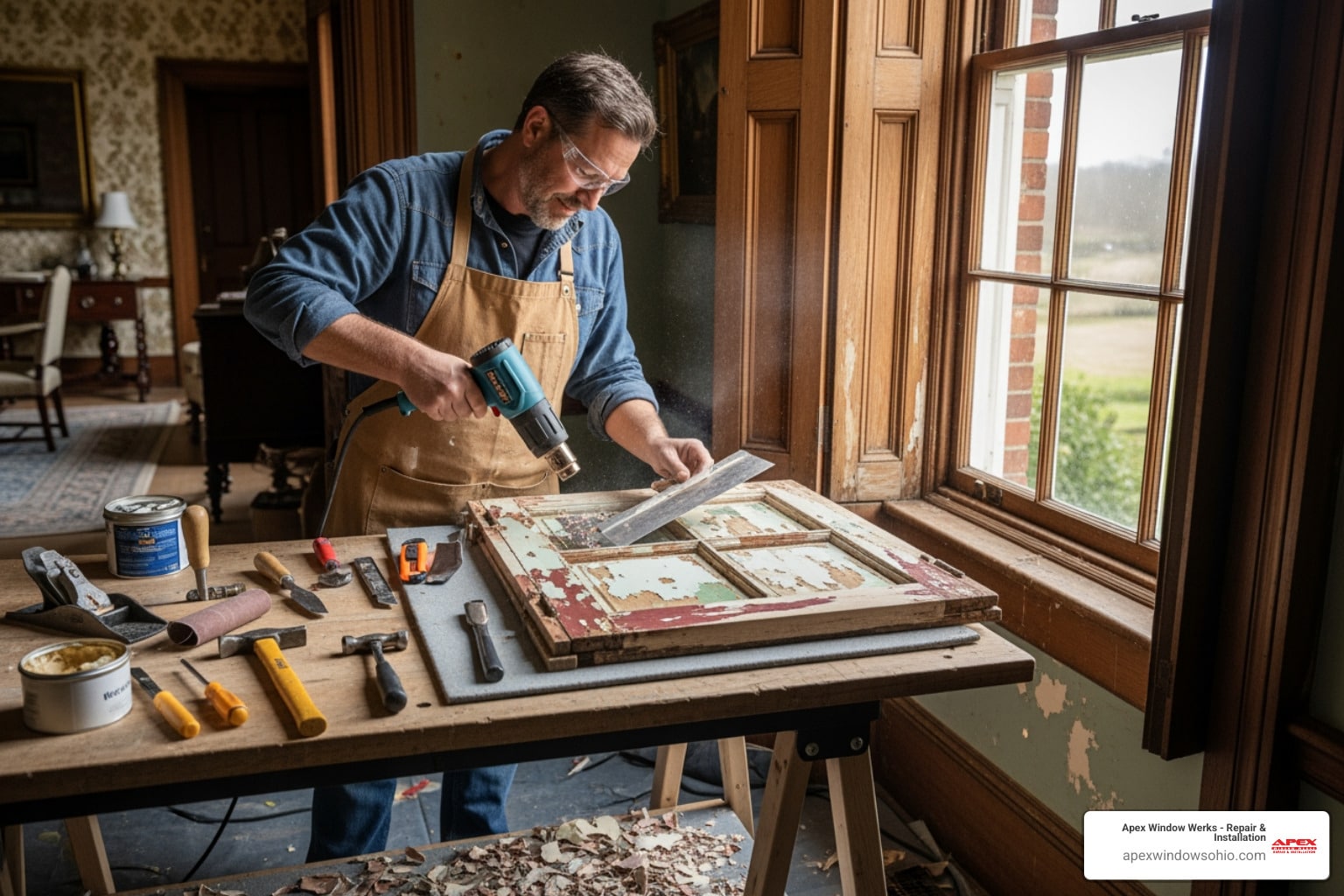
The easiest way to remove stubborn, rock-hard glazing putty without breaking the glass is by using heat or steam. A steam box or a specialized heat gun will soften the old putty in under an hour, allowing you to scrape it away easily with a putty knife.
Once the old putty is gone, clean the wood rabbit and apply a coat of oil-based primer. This step is critical because bare wood will suck the oils right out of your new glazing putty, causing it to dry out and fail prematurely. Apply a thin bed of new putty, press the glass pane into place, secure it with metal glazing points, and tool the face putty to a neat, angled bevel that sheds water away from the glass.
Weatherproofing and Painting for Long-Lasting Protection in Cleveland and Akron
Once your structural repairs and glazing are complete, the final step is to seal and paint the window to protect it from the elements. Proper weatherproofing can drastically reduce your heating and cooling bills while keeping your home comfortable year-round.
If you are looking for alternative methods or want to understand how a replacement sash might fit into your existing frame, check out One Simple Way to Replace Window Sashes for some great insights.
Adding modern weatherstripping to an old window does not mean you have to ruin its historic look. Installing hidden brush pile seals in the parting beads and staff beads is an incredibly effective way to stop drafts and eliminate annoying window rattles. These seals remain virtually invisible while providing a tight barrier against wind and rain.
Tips for Painting and Preventing Sticky Sashes in Ohio Homes
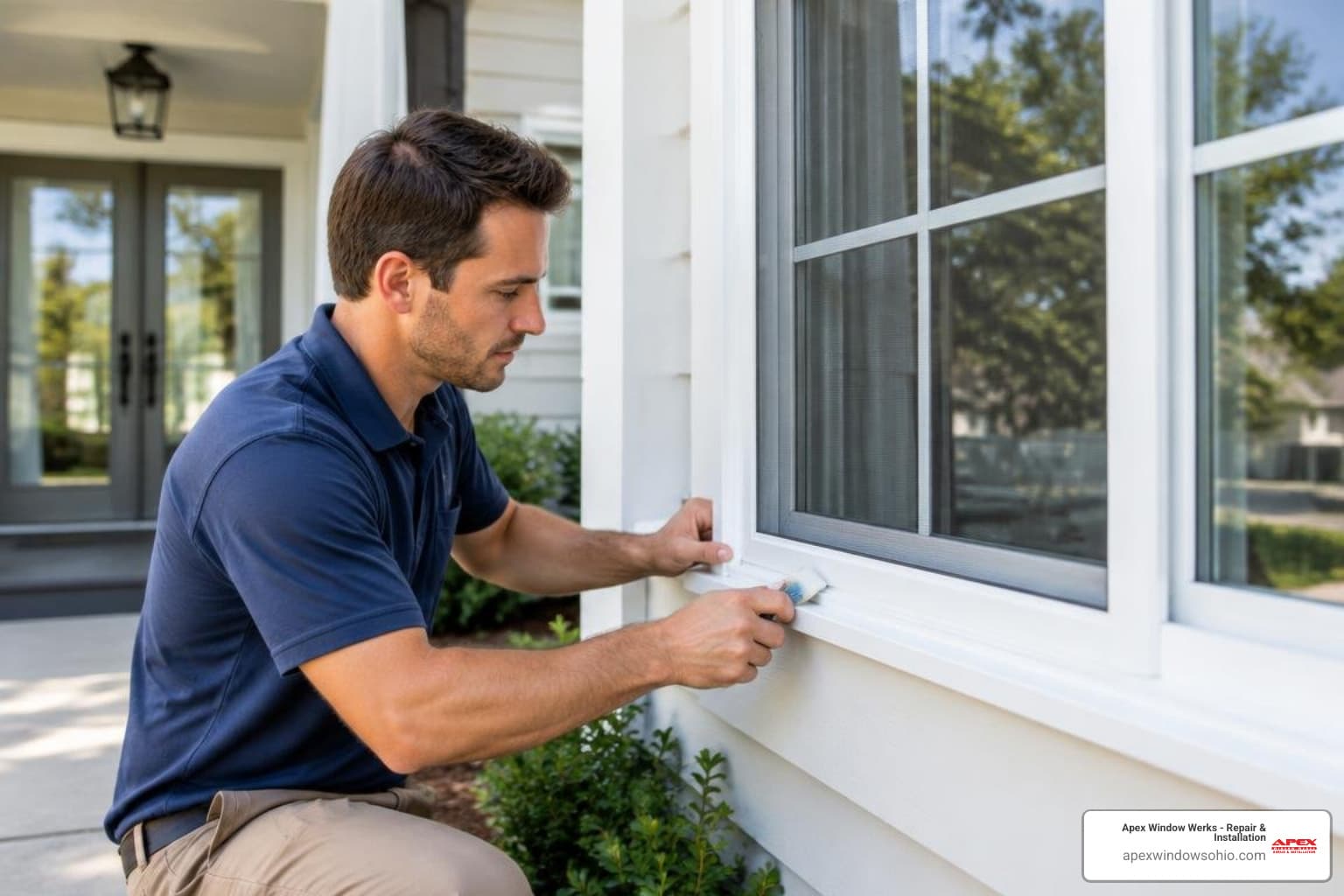
Painting a sash window requires a careful approach to keep the moving parts from sticking. Here are our top tips for a professional, functional finish:
- Apply thin coats – Multiple thin coats of paint are far better than one thick coat, which can easily pool in the tracks and bind the window.
- Do not paint the tracks – Keep the side channels where the sashes slide free of paint; paint them with a clear sealer or wax instead.
- Lubricate with wax or silicone – Rubbing a block of paraffin wax or spraying a light coat of silicone spray along the tracks will keep your windows sliding smoothly.
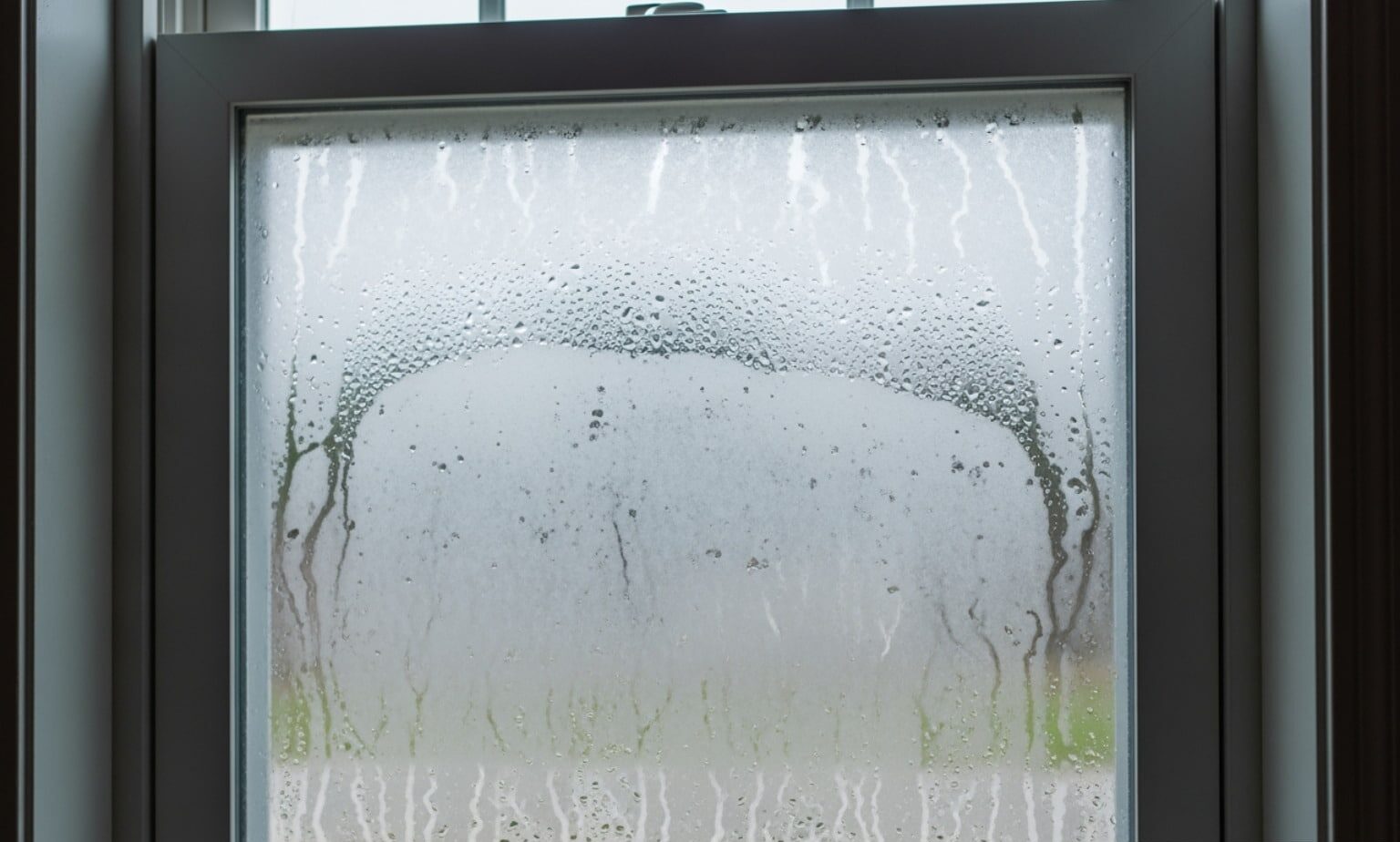
- Paint slightly onto the glass – When painting the sash, let the paint overlap onto the glass by about one millimeter to create a watertight seal that keeps condensation from getting behind the putty.
Frequently Asked Questions About Window Restoration in Cleveland and Akron
How much does window sash repair cost in Akron, OH?
The cost of restoring or repairing your window sashes depends on several factors, including the extent of the wood rot, the number of broken cords, and whether the glass needs to be replaced. Generally, repairing your existing windows is a highly cost-effective alternative to purchasing new, custom-sized double-hung replacements.
For a detailed look at the financial side of restoration projects, check out How Much Does Sash Window Restoration Really Cost?.
Can I fit double glazing into my original sash windows?
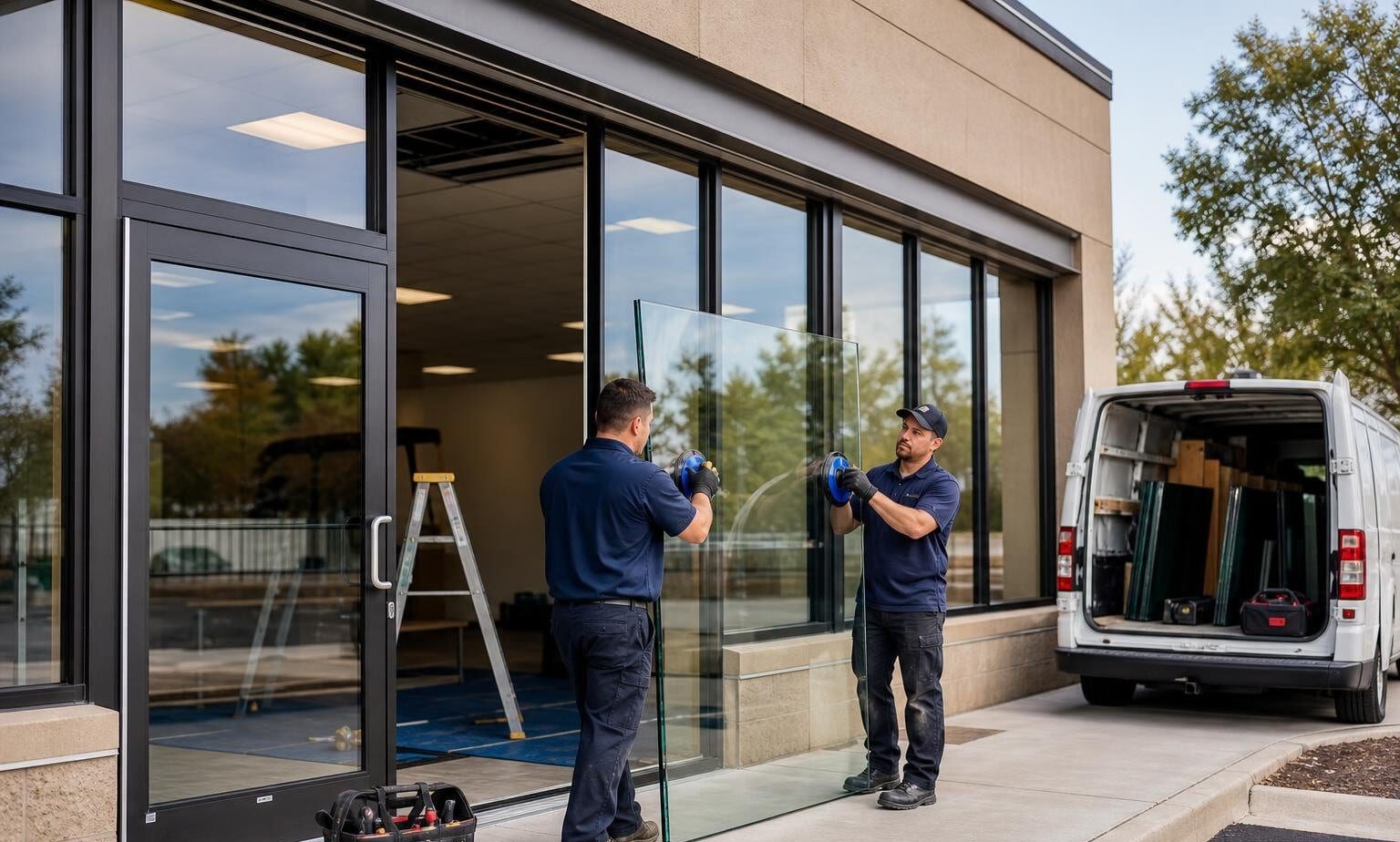
Yes, it is often possible to retrofit modern, slimline double-glazed units into your original wooden sashes. This process involves routing out the existing glass rebates to accommodate the thicker double-pane glass. Because double-pane glass is significantly heavier than single-pane glass, you will also need to adjust the counterweights inside the frame pockets to keep the window operating smoothly.
How do I safely handle lead paint during a DIY window project?
If your home was built before 1978, you should always assume that the window frames contain lead paint. To handle it safely, use wet sanding and scraping techniques to keep dust to a minimum, lay down plastic sheeting to catch any paint chips, and always wear a HEPA-filtered respirator. Avoid using high-heat guns that can vaporize lead, and clean your workspace thoroughly with a wet cloth and a HEPA vacuum when finished.
Conclusion: DIY vs. Hiring the Pros in Northeast Ohio
Tackling a sash window restoration on your own can be a highly rewarding weekend project, but it requires a significant time commitment, specialized tools, and a lot of patience. If you are dealing with extensive wood rot, multiple stuck windows, or complex double-glazing retrofits, hiring a professional team is often the smartest choice to ensure a long-lasting, high-quality result.
To help you decide which path is right for your home, read our guide on Sash Window Restoration: DIY vs. Hiring the Pros.
If you live in Cleveland, Akron, Lakewood, Parma, or any of the surrounding Northeast Ohio communities, our team is here to help. We specialize in fast, affordable, and high-quality wood window repairs, offering same-day service and quick turnaround times to get your home back in perfect shape.
Ready to bring your historic windows back to life? Explore our Window Sash Repair in Cleveland, OH: Fix Your Sash service page, or contact us today to Get Professional Wood Window Repair for your home.