Stop the Drafts and Fix Broken Glass in Home Windows Safely
What to Do When a Home Window Breaks in Northeast Ohio
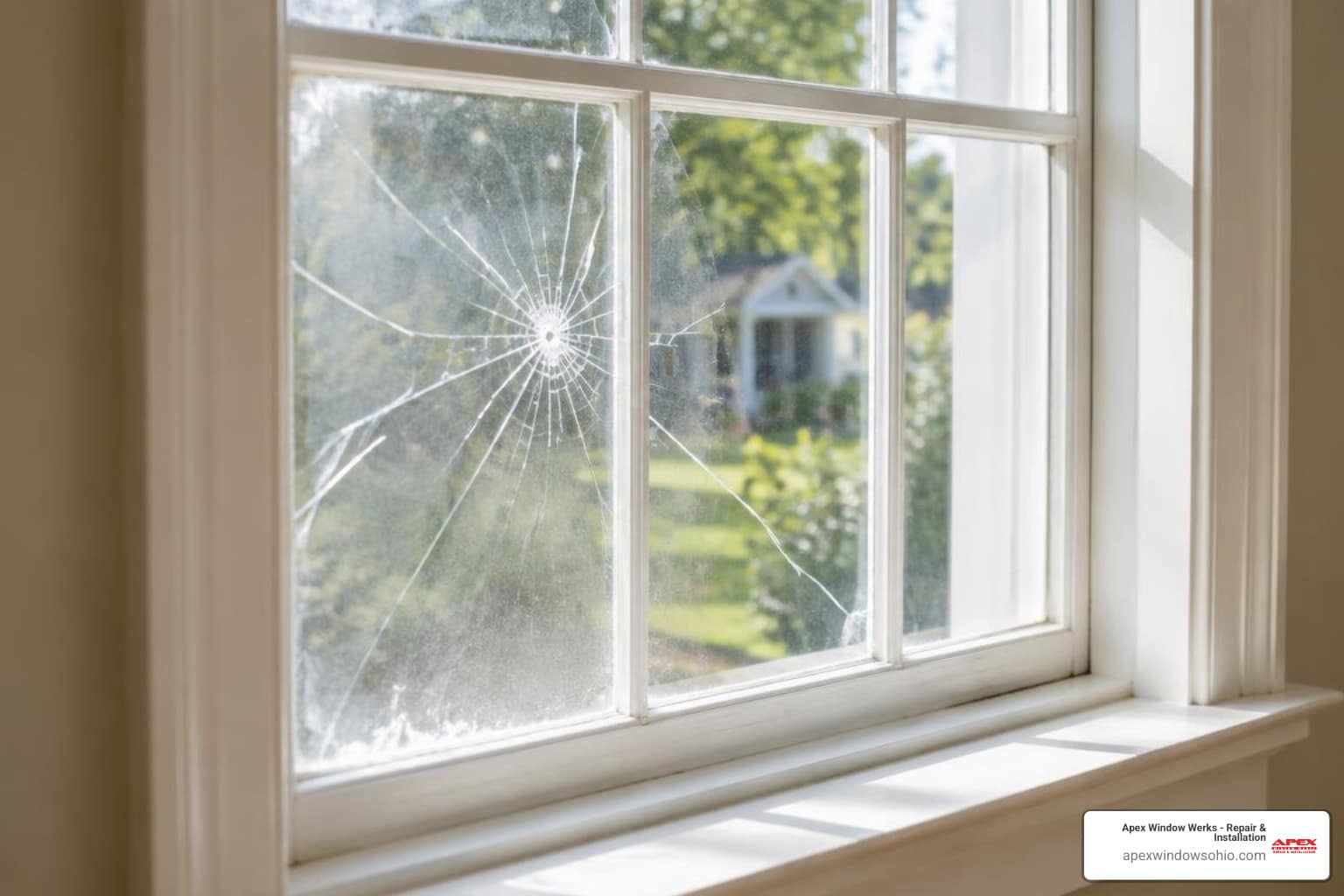
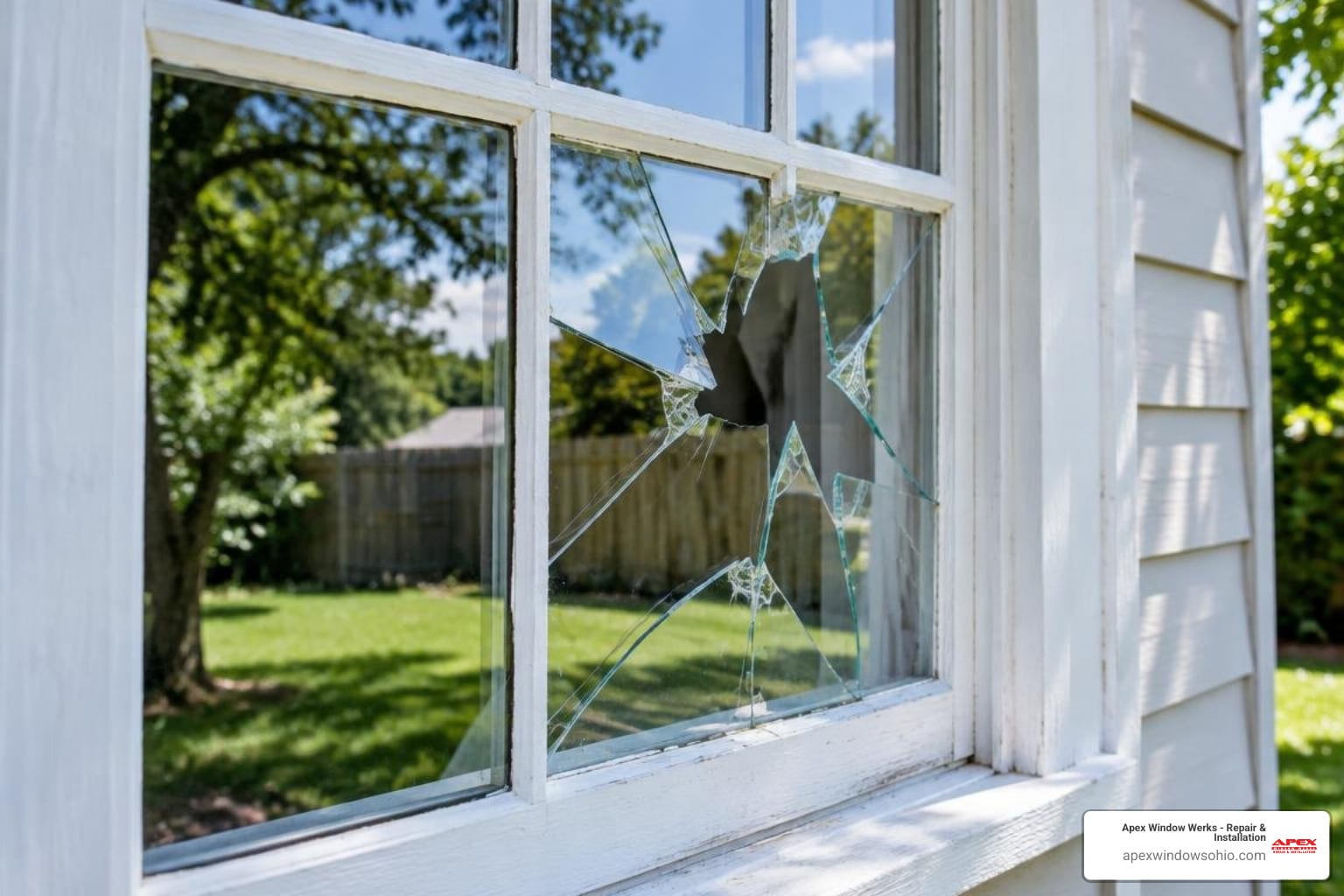
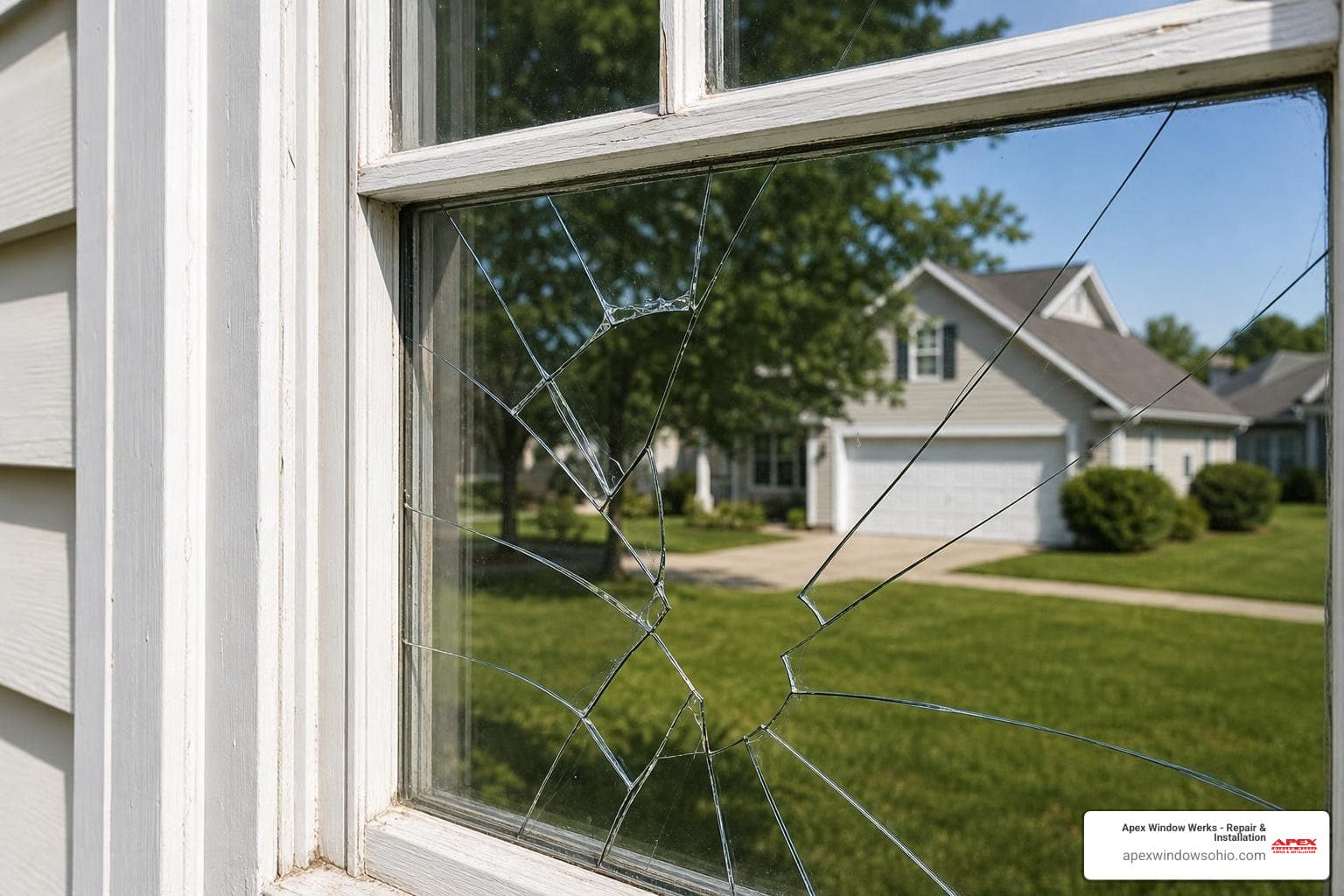
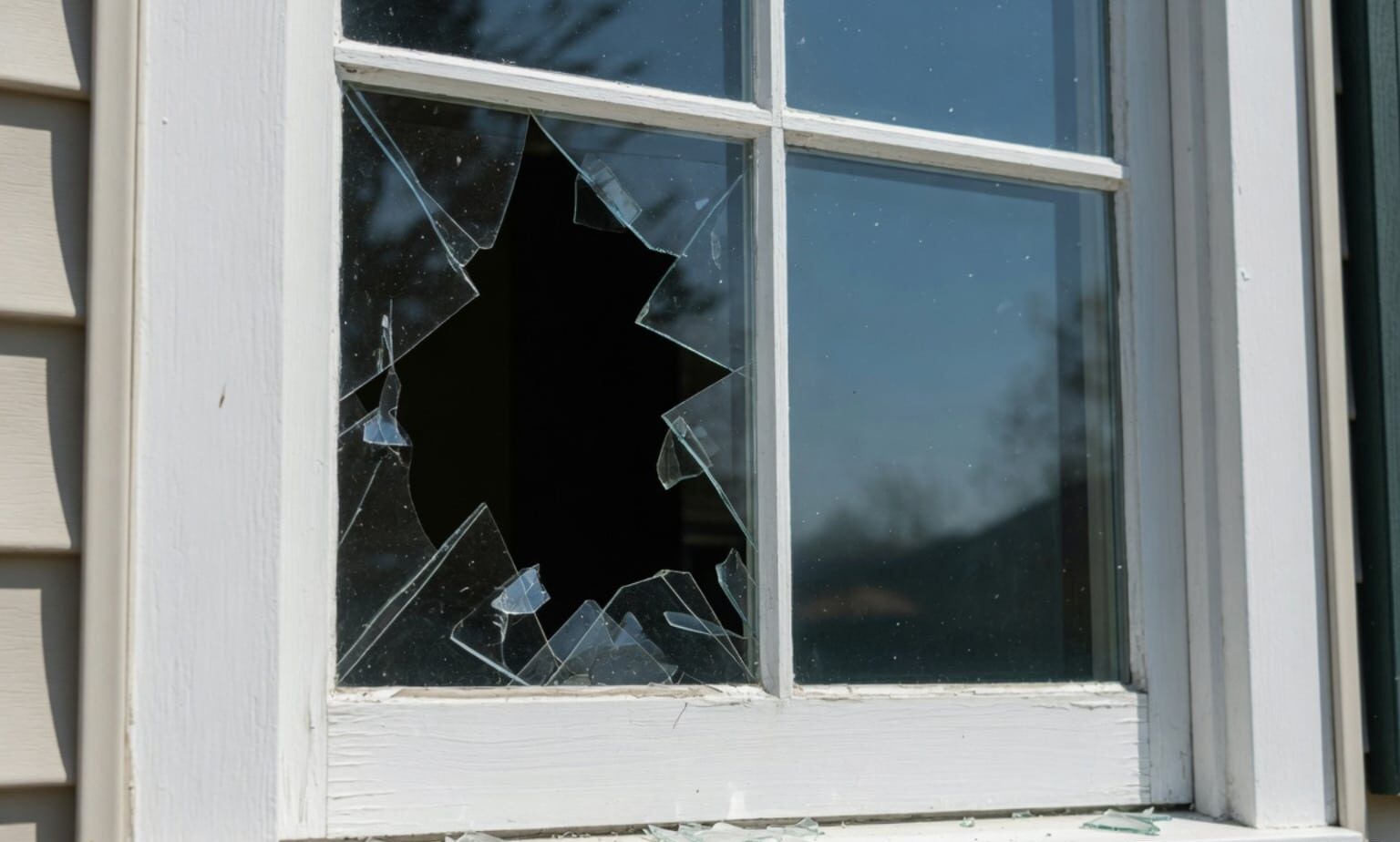
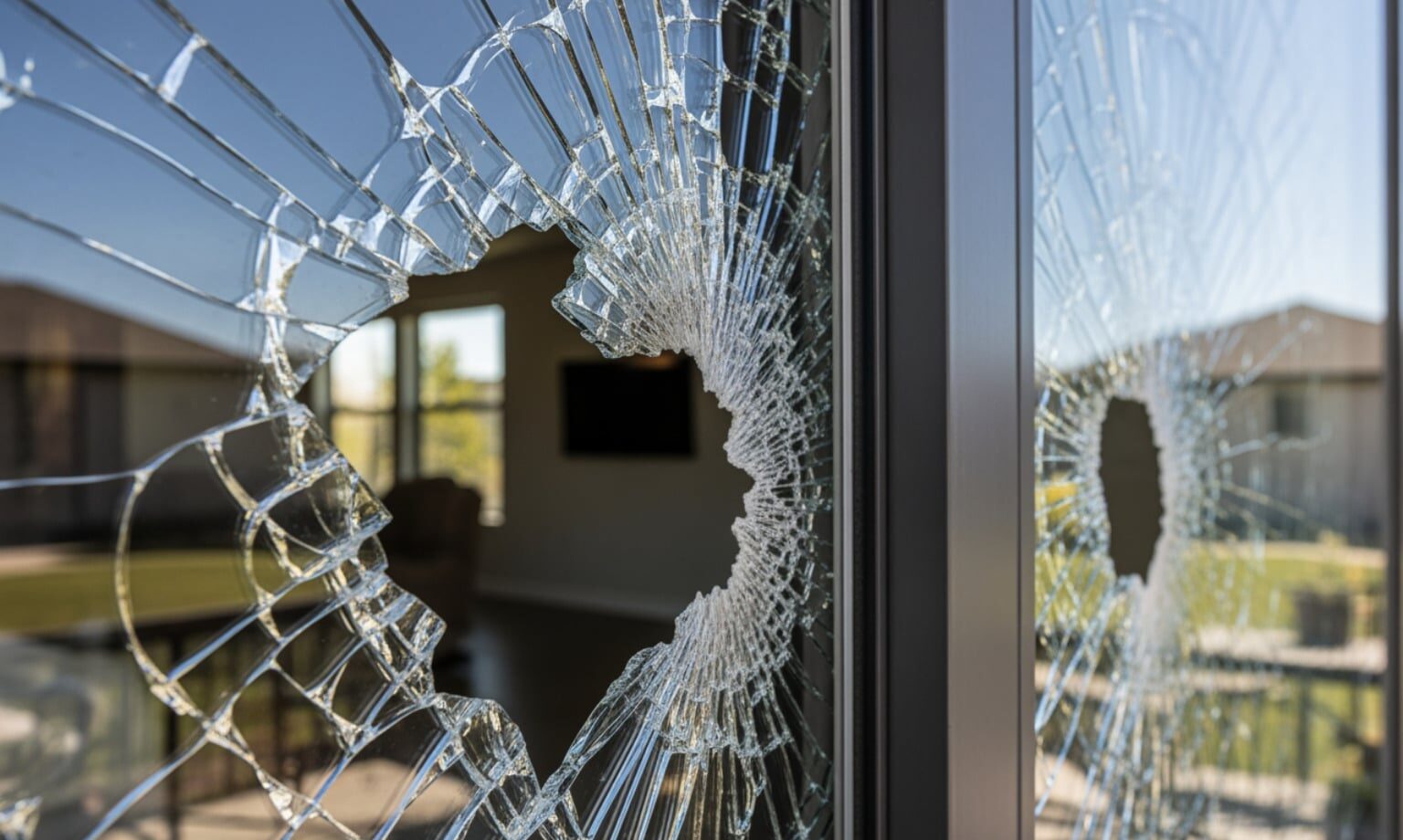
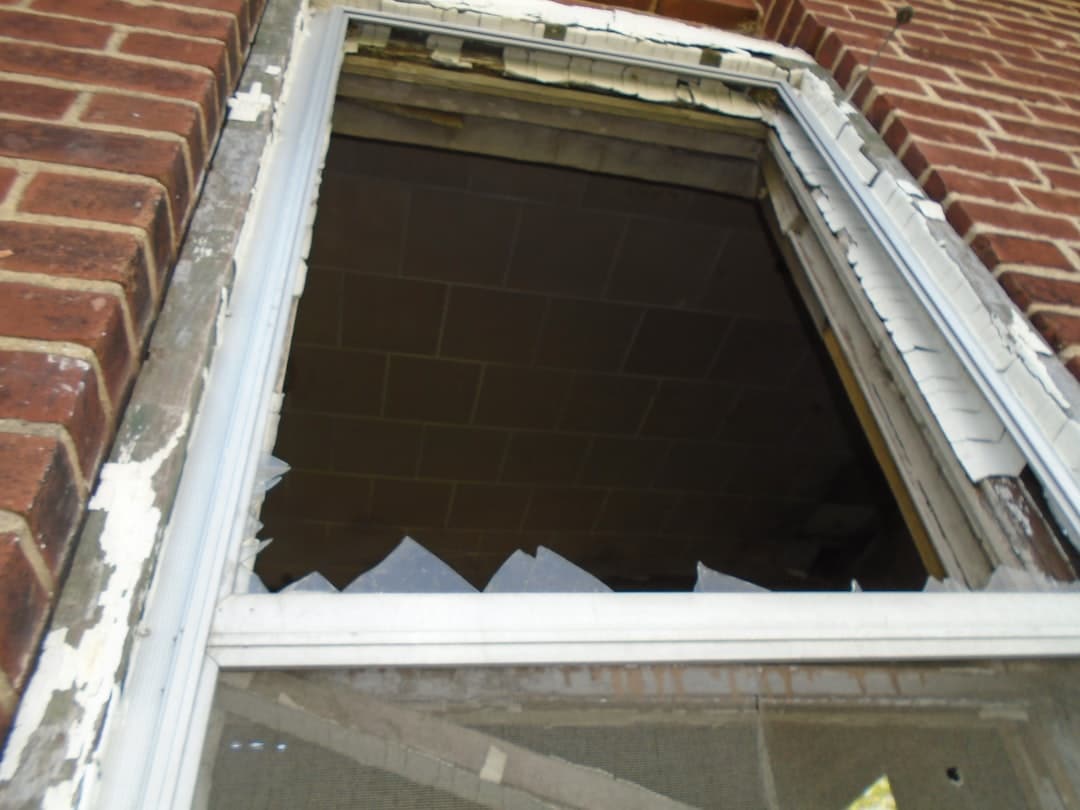
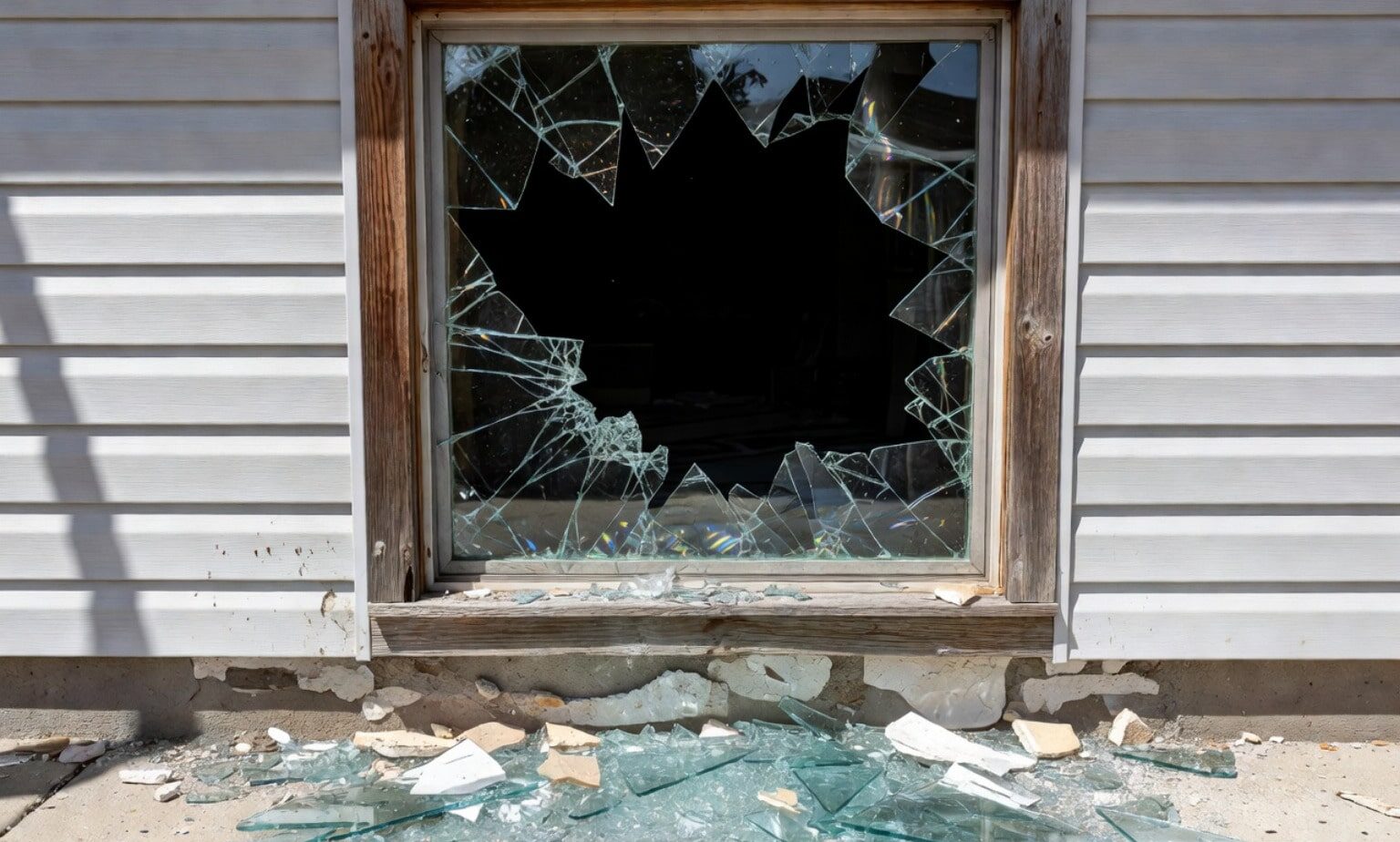
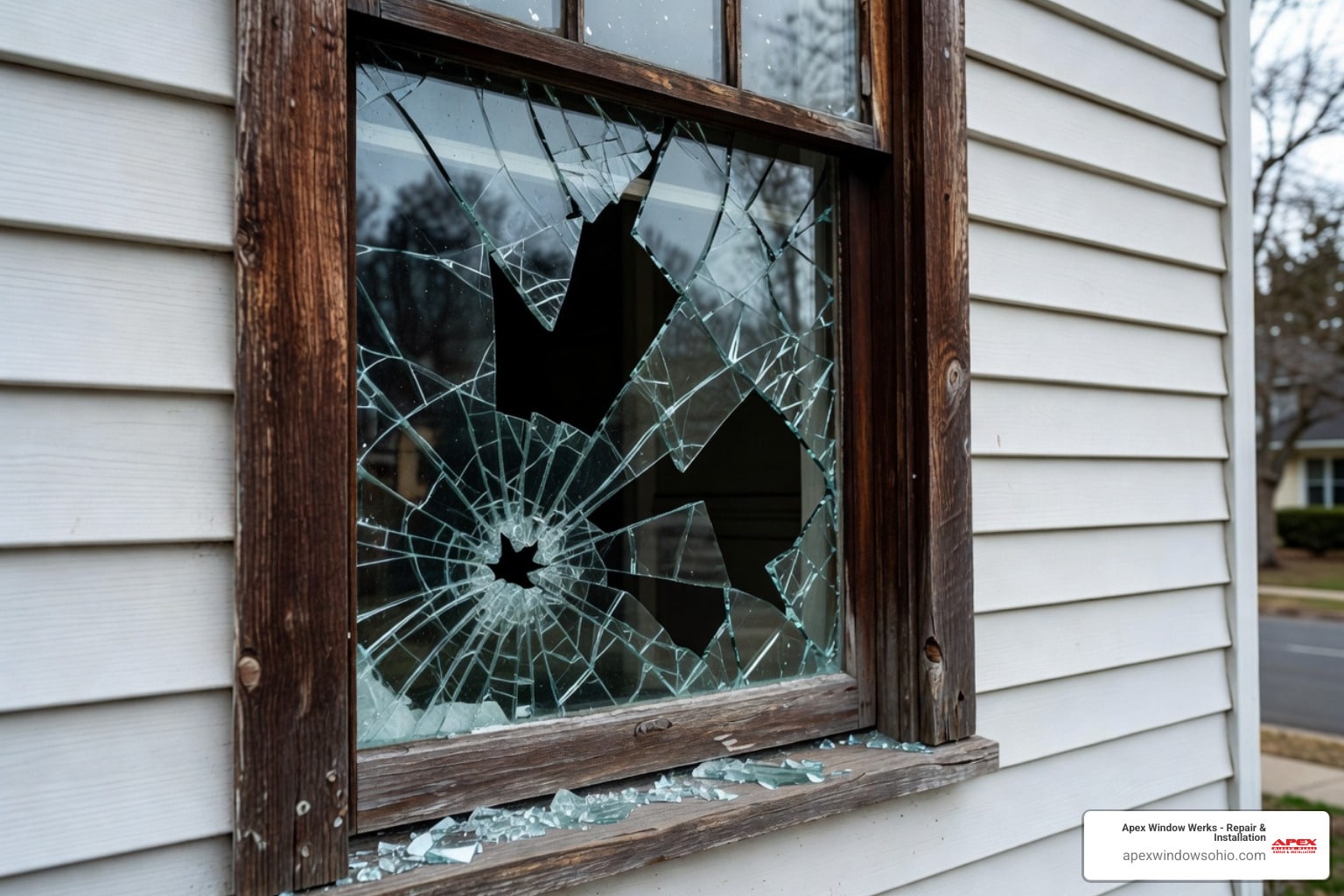
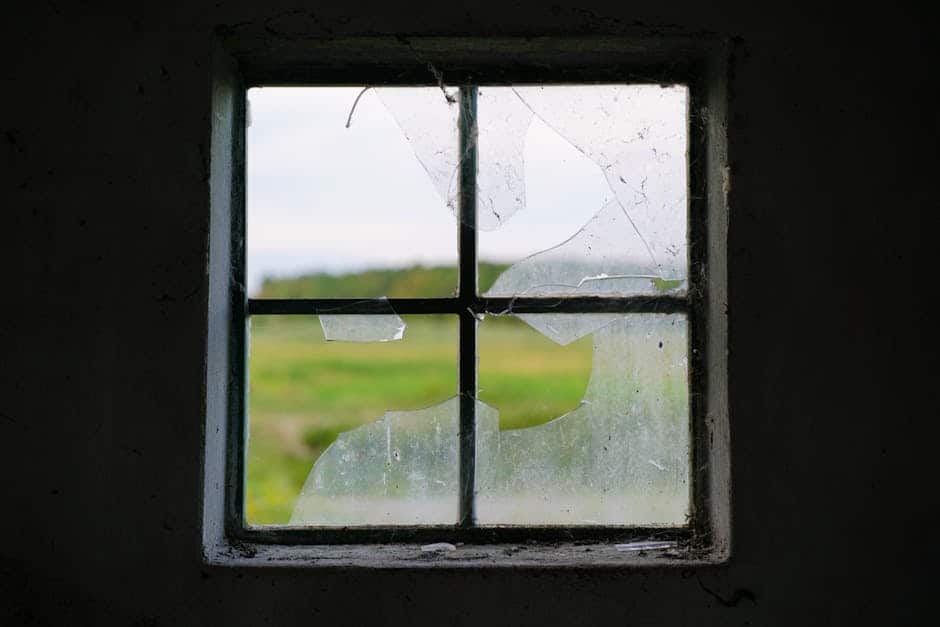
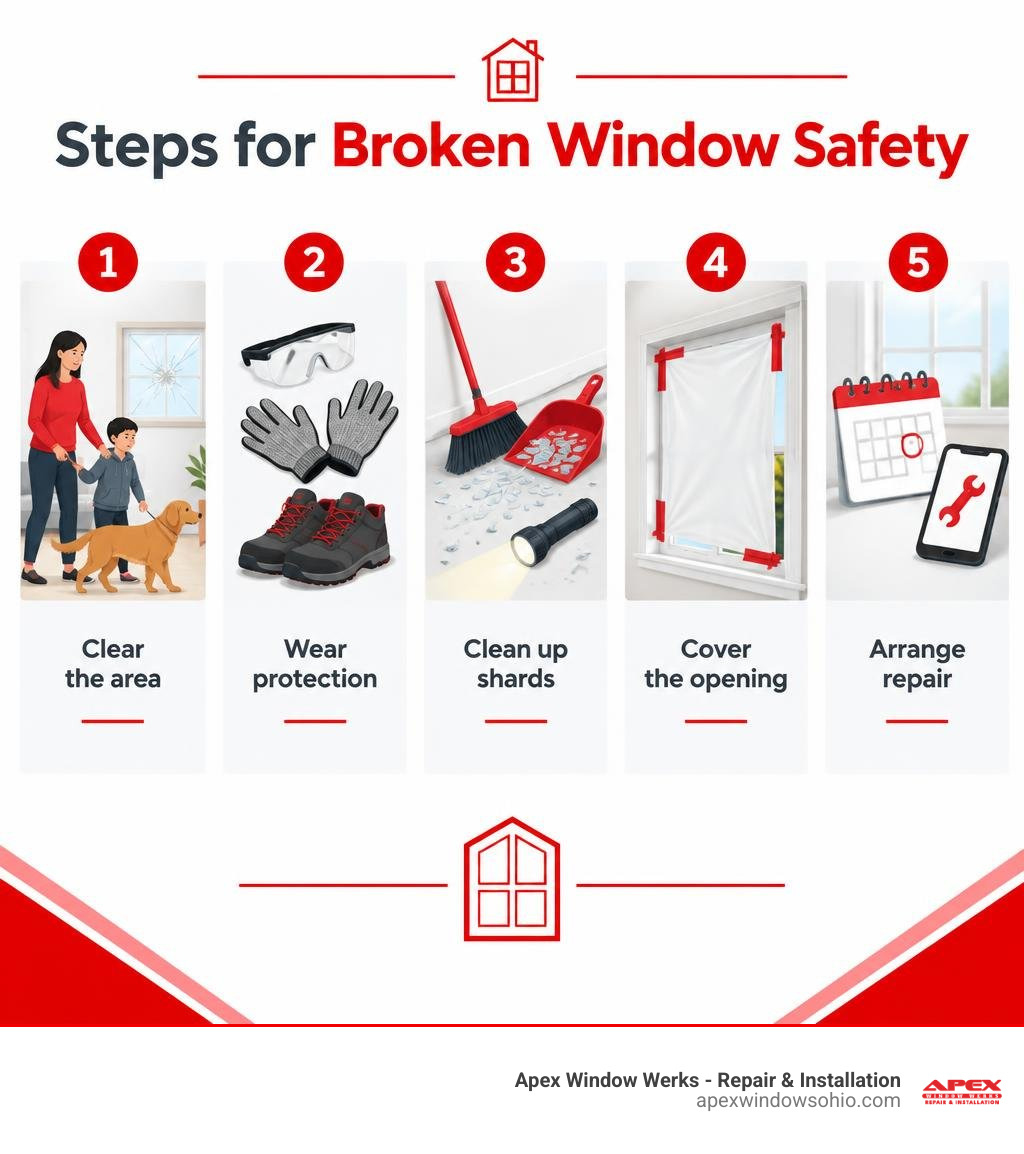
For broken glass in home windows, keep children and pets away from the area first. Put on cut-resistant gloves, safety glasses, and sturdy shoes. Sweep up large shards with a broom and dustpan, then use a flashlight held low to spot smaller pieces. Do not touch glass still held in the frame if it may fall. If the opening is safe to reach, cover it temporarily to limit drafts and rain while you arrange a repair.
A broken pane can leave sharp edges exposed and let cold air into your home. The right fix depends on the glass and frame. A single pane in a wood sash may be a manageable repair; a damaged insulated glass unit often needs professional replacement.
I’m Nataly Godes, General Manager at Apex Window Werks, where I lead teams providing window and door repair across Northeast Ohio. That work informs this guide to handling broken glass in home windows safely.
Immediate Safety and Cleanup for Broken Glass in Cleveland & Akron Homes
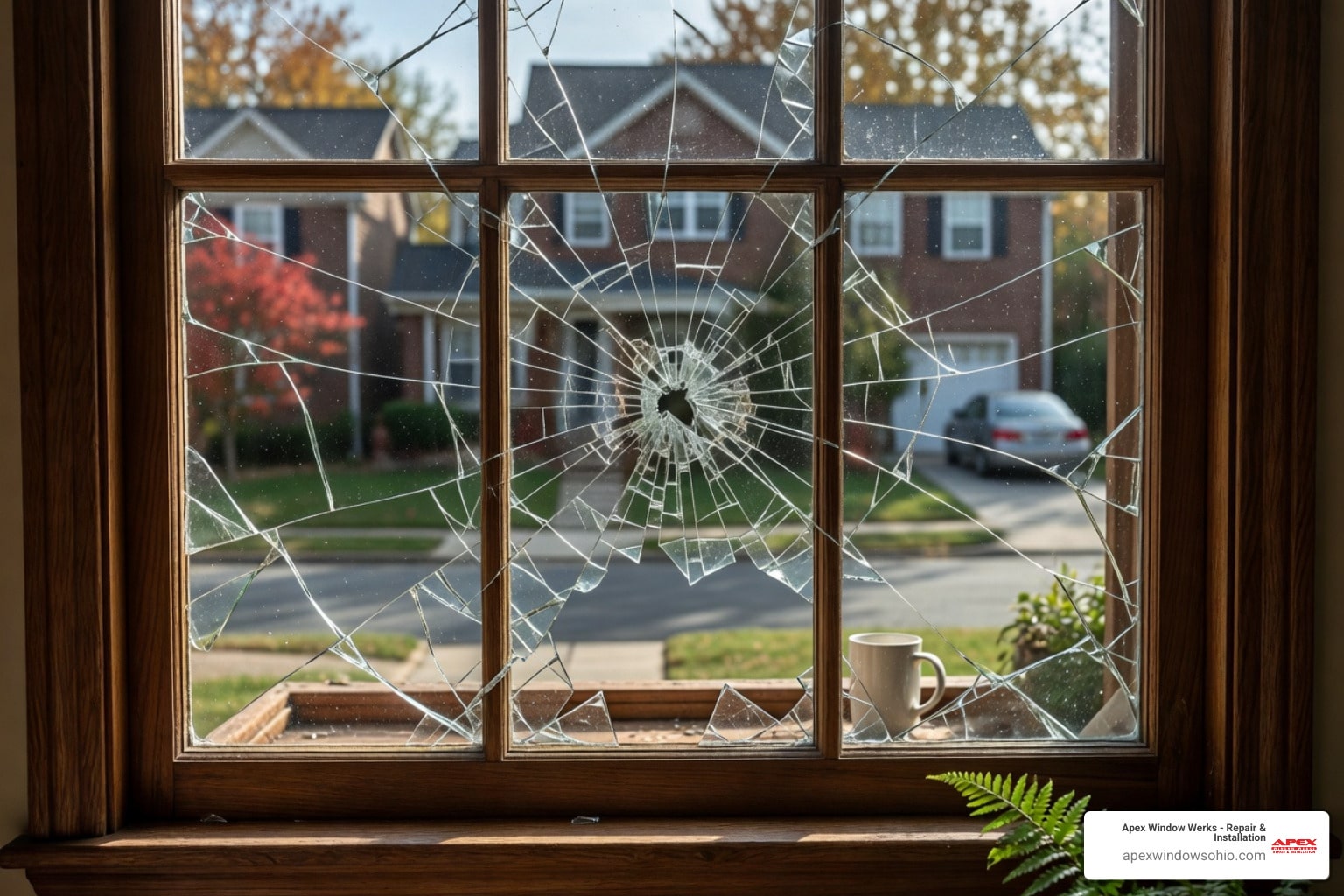
When an unexpected impact or severe weather shatters a window, taking controlled action prevents injuries. Sharp fragments spread much farther than expected, often scattering across rugs, bouncing under baseboards, and lodging into flooring joints.
Before beginning any cleanup, secure the perimeter:
- Isolate the room: Move children and pets into another area immediately and close interior doors to contain any drifting splinters.
- Suit up with proper PPE: Standard kitchen or latex gloves tear easily against jagged edges. Wear thick, cut-resistant work gloves (such as leather or Kevlar-lined options), wrap-around safety glasses, long pants, and heavy, closed-toe boots or shoes.
- Check your footwear: Avoid walking through adjacent rooms until you have wiped down or removed your shoes, as tiny shards frequently embed into rubber soles.
Safe Cleanup Methods for Broken Glass in Home Living Areas
Cleaning up broken glass in home living spaces requires a methodical approach so no hidden shards remain on hard floors or carpets. Following established industry safety guidelines on glass breakage ensures you remove hazards without risking injury:
- Pick up large shards: Carefully lift the largest pieces by hand using cut-proof gloves, or use kitchen tongs to place them directly into a rigid container.
- Sweep the bulk area: Use a stiff broom and dustpan to collect mid-sized pieces. Sweep smoothly toward the center of the room rather than flicking the broom, which can launch fine glass into the air.
- Never kneel directly on the floor: Rest on a sturdy stool or remain standing. Pressing a bare knee against an unseen splinter is one of the most common causes of cleanup injuries.
- Use the low-angle flashlight method: Turn off overhead lights and place a bright flashlight flat against the floor. Beam the light horizontally across the surface. The low angle catches the raised edges of tiny fragments, casting long shadows that make invisible slivers glow.
- Capture microscopic shards: Press damp paper towels over the area to trap fine glass dust. Alternatively, pat the floor using strips of wide, heavy-duty duct tape wrapped around a gloved hand.
- Vacuum carefully: Standard household vacuums can suffer punctured hoses or damaged impellers from hard glass. If you use a shop vacuum, equip it with a fine-particle filter and hose attachment to clean cracks, corners, and carpet fibers thoroughly.
Safe Disposal and Recycling Realities
Never throw loose shards directly into a standard plastic trash bag; sharp edges slice through thin liners effortlessly and pose severe hazards to waste handlers.
To dispose of the debris safely:
- Place all collected fragments into a rigid, puncture-proof container, such as a heavy cardboard box or a thick plastic bucket.
- Line the bottom with newspaper or cardboard for extra cushioning.
- Seal the box securely on all seams using heavy packing tape.
- Clearly label the exterior with a permanent marker: “DANGER: BROKEN GLASS”.
Many homeowners wonder if shattered window panes can be placed into curbside recycling bins. Standard household recycling programs accept container glass (such as food jars and beverage bottles), but window glass is manufactured using a different chemical formulation with a significantly higher melting point. Mixing flat architectural glass with container glass contaminates the batch during processing. Window glass must always be sealed safely and placed into regular household trash or brought directly to a local transfer station.
Identifying Glass Types and Common Causes of Breakage in Northeast Ohio
Understanding why and how your window broke makes it easier to select the right repair strategy. In Northeast Ohio, windows endure harsh freeze-thaw cycles, high wind gusts off Lake Erie, and shifting foundation soils.
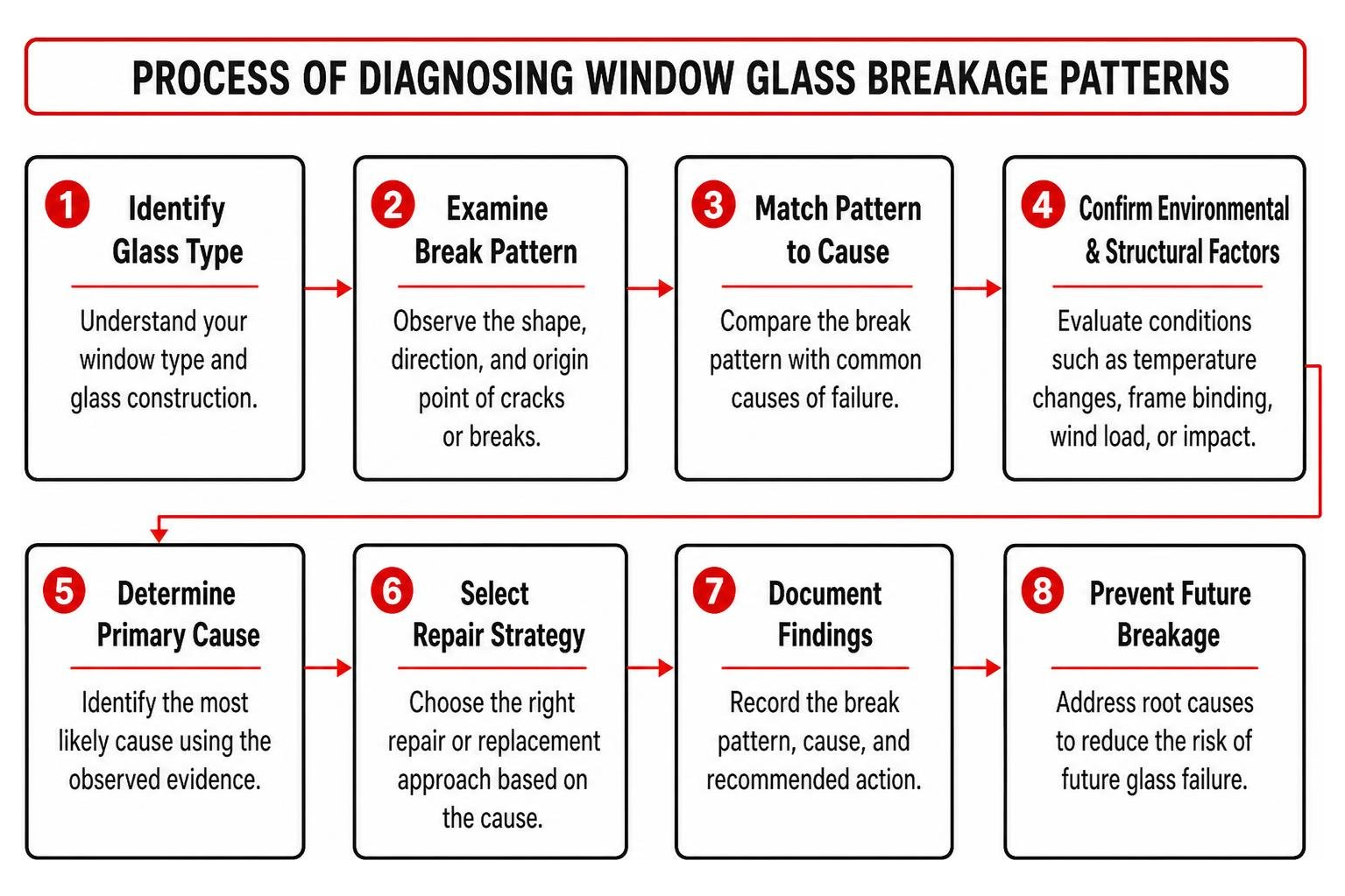
Common triggers for glass failure include:
- Direct impact: Stray baseballs, lawnmower debris, falling branches, or forced entry attempts.
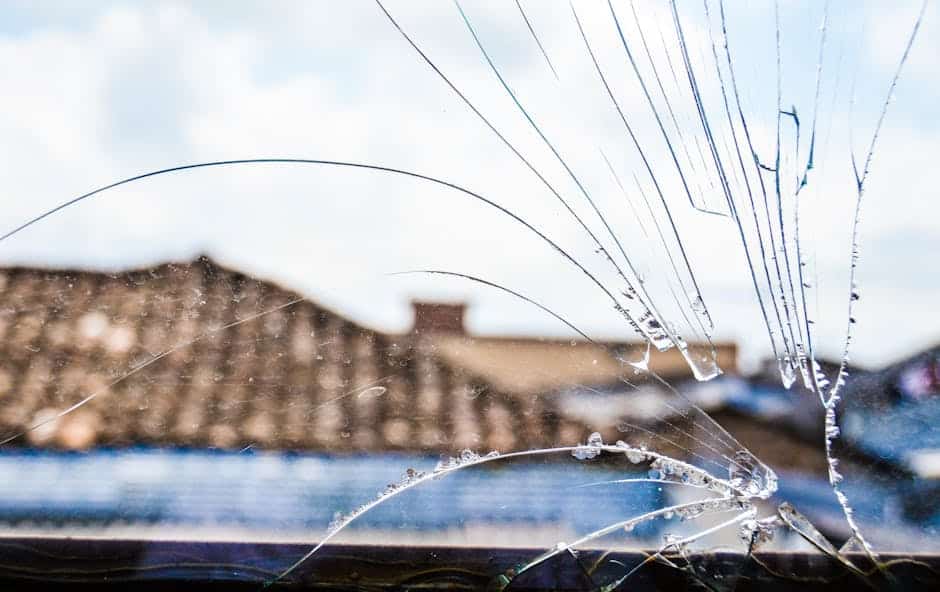
- Thermal stress: Rapid temperature differentials across a single pane – such as intense morning sun hitting one section of glass while the rest remains shaded or exposed to sub-zero drafts – cause uneven expansion that results in straight or meandering stress cracks starting at the edge.
- Frame binding and structural shift: Natural house settling can twist wood or vinyl frames, putting uneven pressure on the glass edges until the pane fractures.
- Wind load pressure: Strong storms apply flexing forces that exploit microscopic edge flaws created during manufacturing or previous handling.
| Glass Type | Manufacturing Process | Breakage Pattern | Typical Residential Location | Safety Level |
|---|---|---|---|---|
| Annealed Glass | Standard float glass, slowly cooled to relieve internal stresses. | Breaks into large, sharp, dagger-like shards with dangerous edges. | Upper-story single/double-hung windows, picture windows away from doors. | Standard (requires careful handling when broken). |
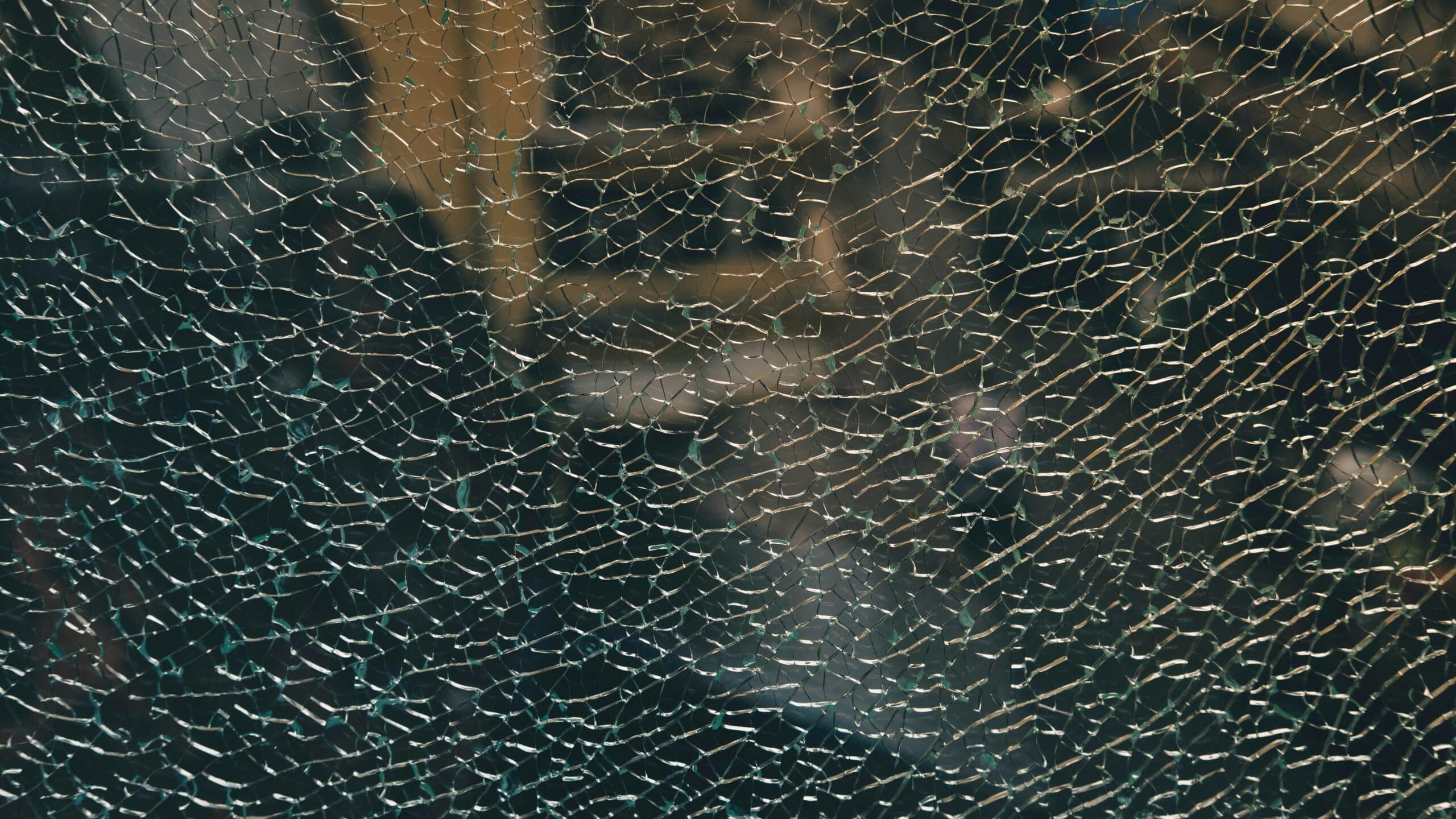
| Tempered Glass | Heat-treated and rapidly cooled, creating high surface compression. | Shatters completely into thousands of small, relatively harmless granular cubes. | Patio sliders, bathroom windows, glass near entry doors and stairs. | High (reduces laceration risk dramatically). |
| Laminated Glass | Two glass sheets bonded together with a polyvinyl butyral (PVB) interlayer. | Cracks in a spiderweb pattern; shards remain adhered to the internal plastic interlayer. | Soundproof windows, impact-rated storm windows, high-security entry points. | Maximum (prevents fallout and maintains weather barrier). |
Annealed, Tempered, and Laminated Glass Profiles in Cleveland Area Homes
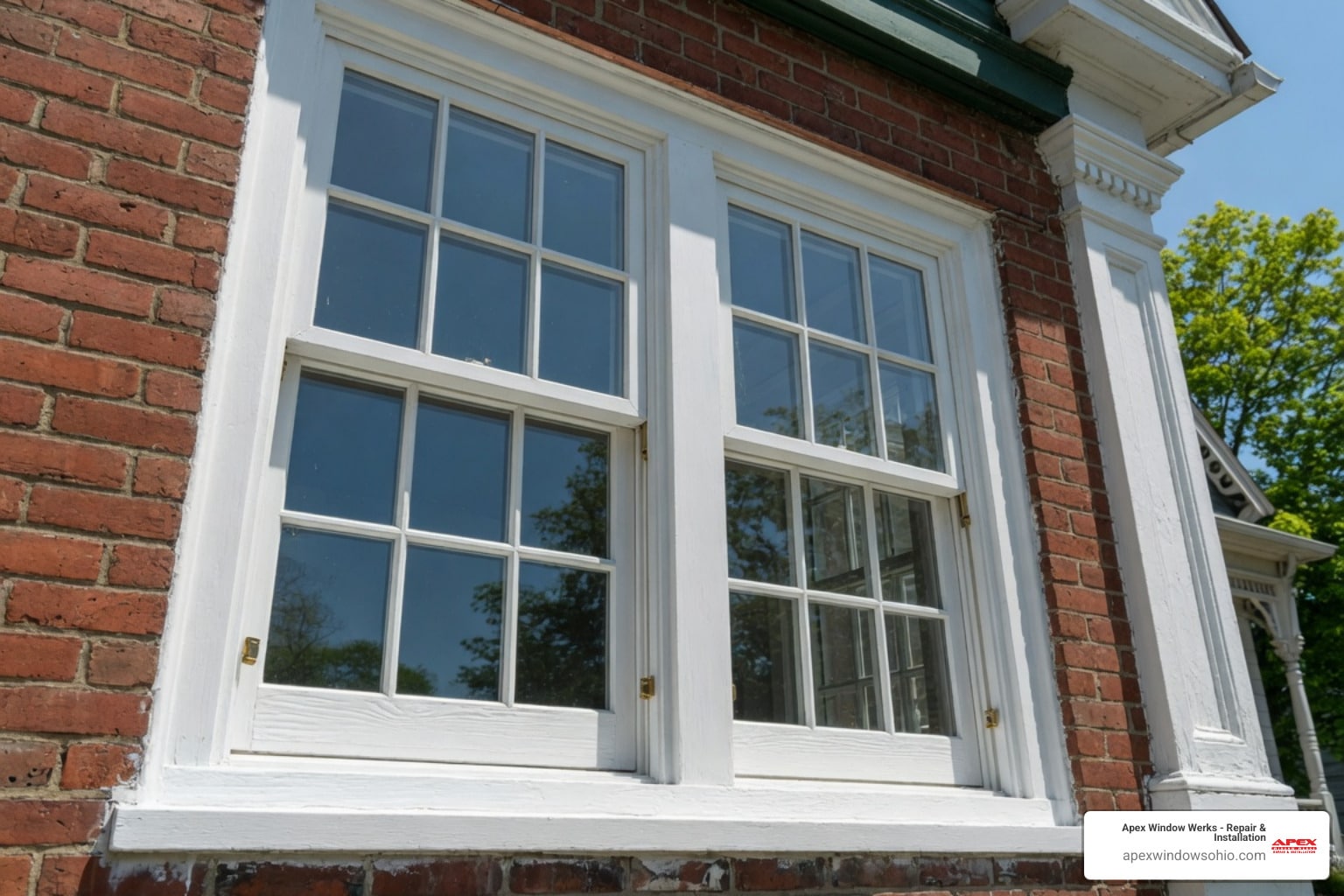
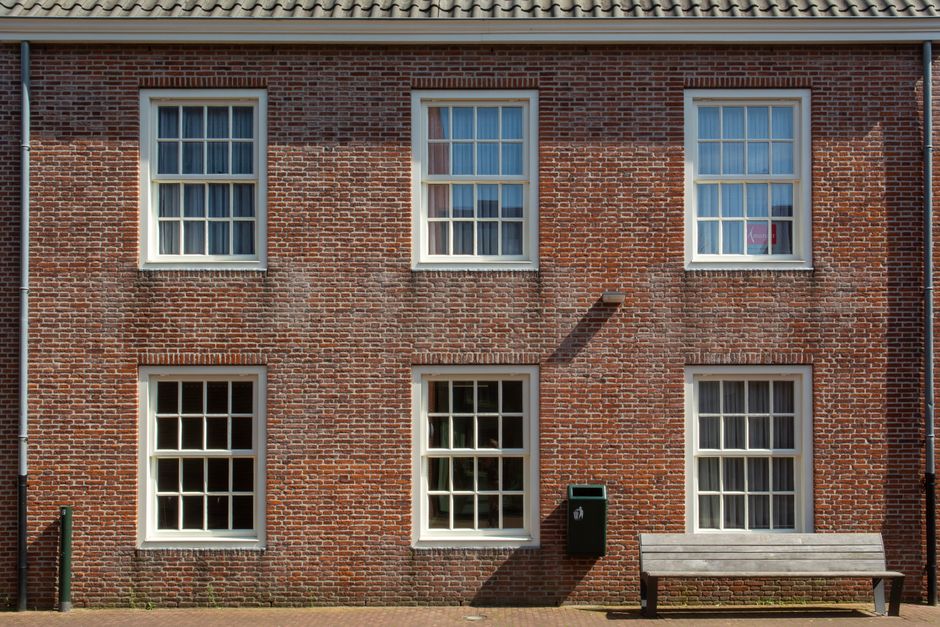
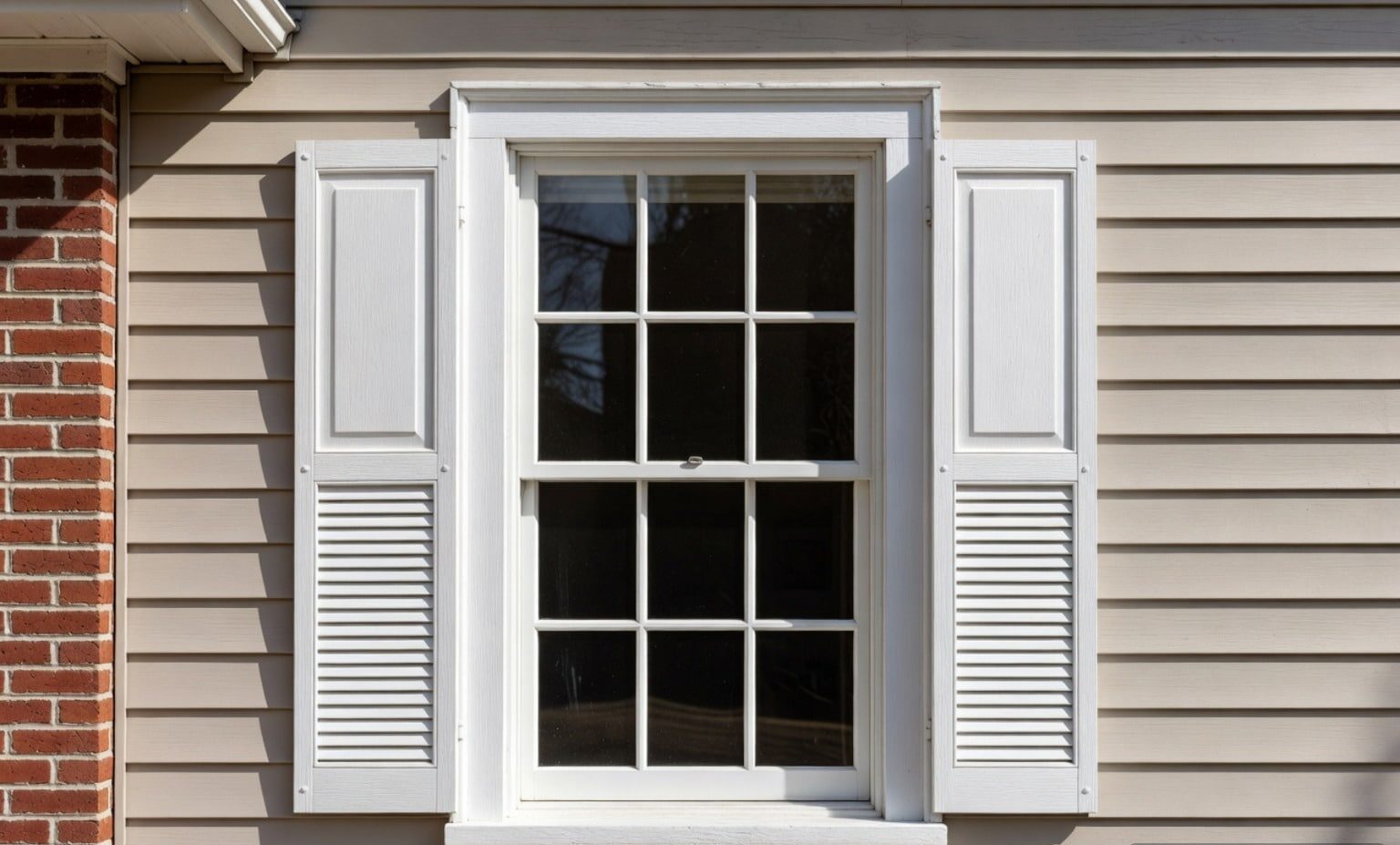
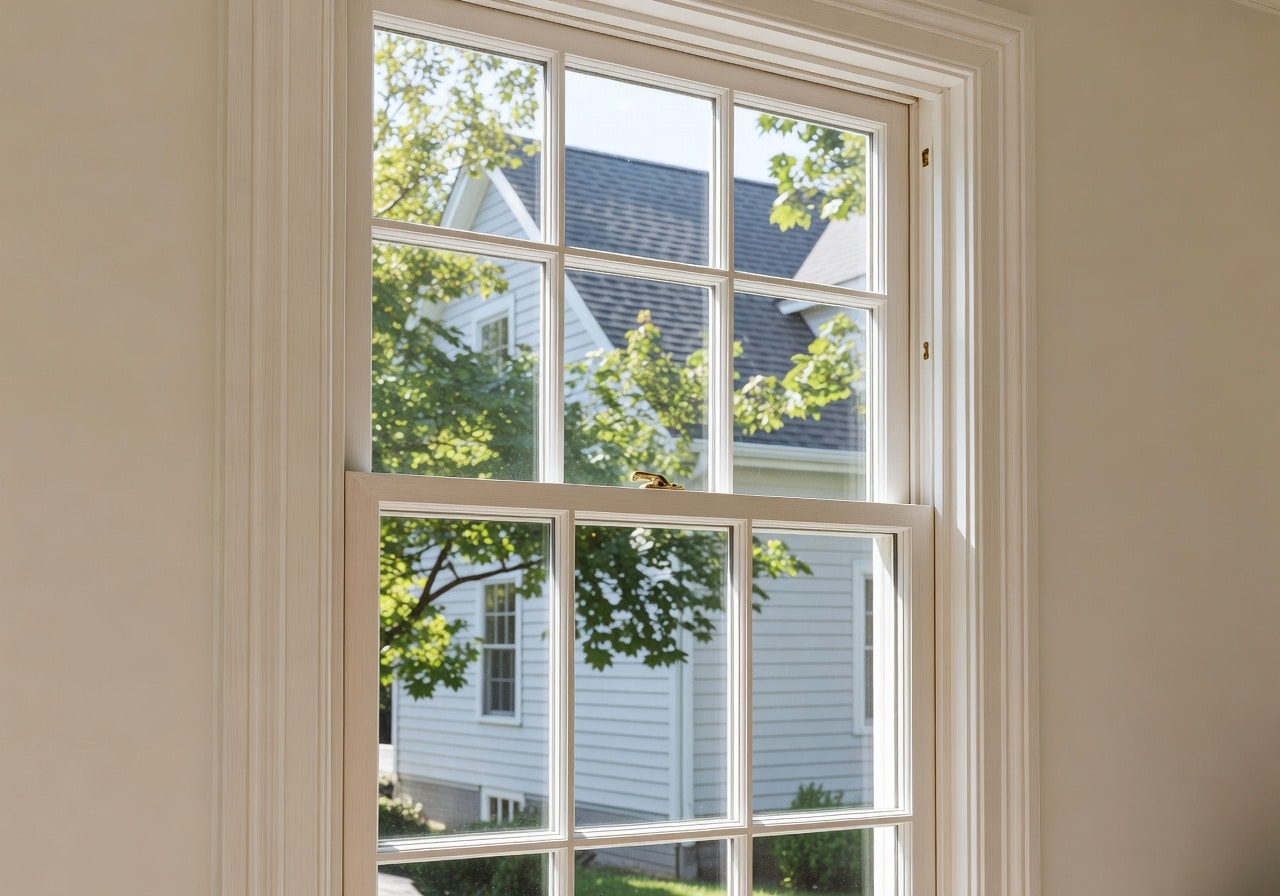
Standard annealed glass is common in traditional double-hung windows across vintage neighborhoods like Lakewood, Cleveland Heights, and Shaker Heights. When struck, annealed glass breaks into large, pointed blades that fall away from the sash, leaving an open hole and serious hazards.
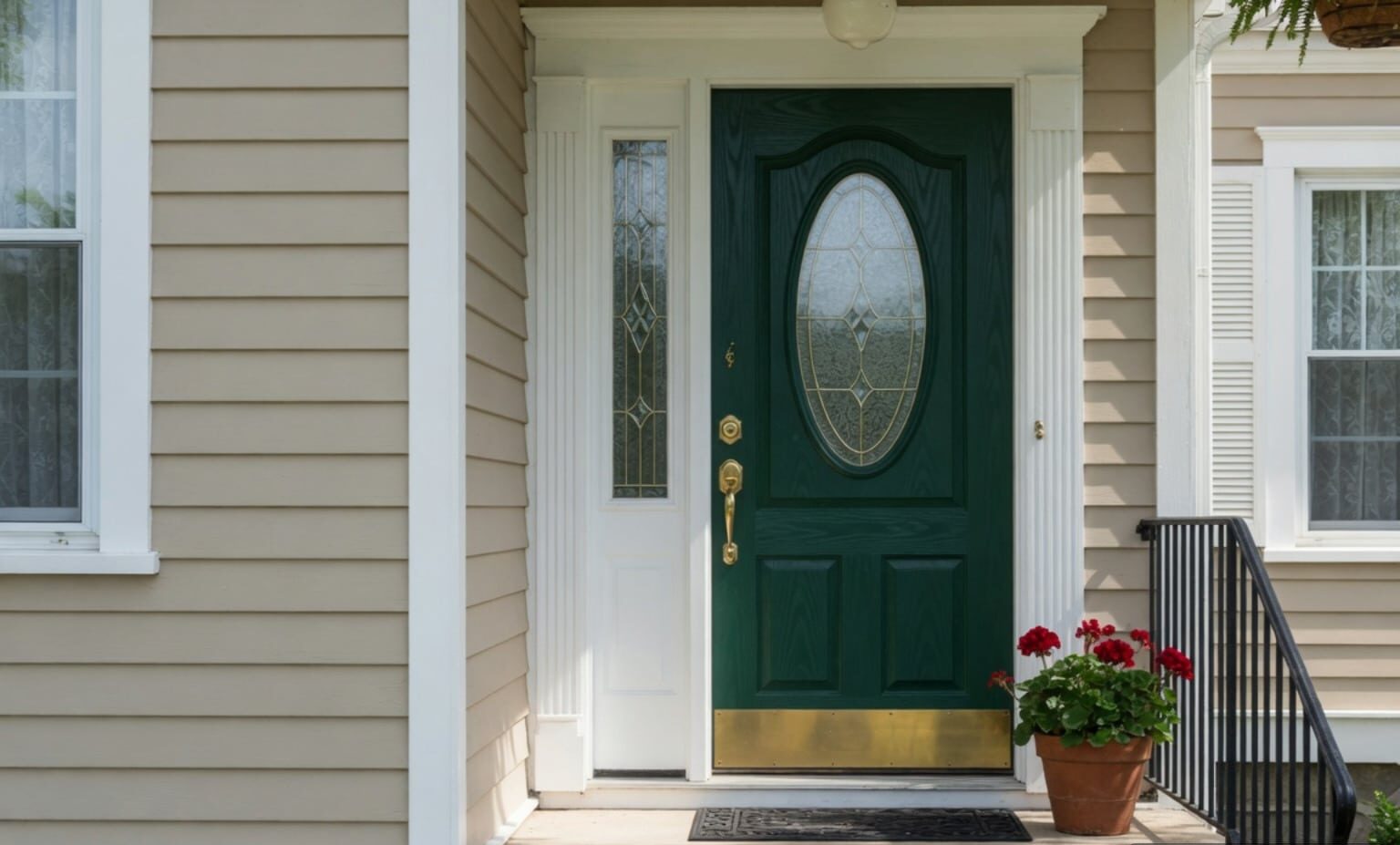
In contrast, modern building codes require safety glass in hazardous locations. When high-traffic fixtures like a patio door glass breaks, it is designed to crumble into blunt granules to minimize severe injuries.
Laminated units provide an even higher level of protection. Because the interlayer holds cracked glass together, the window maintains its structure and keeps weather out until an orderly repair can be scheduled.
Myths and Meaning: Is Broken Glass in Home Settings a Good or Bad Omen?
Beyond the immediate practical mess, shattered glass carries longstanding cultural and spiritual folklore. In various Western superstitions, breaking a mirror or window is traditionally linked to bad luck or household upheaval.
Conversely, architectural philosophies such as Vastu Shastra view accidental glass breakage through a constructive lens. In Vastu traditions, when glass breaks unexpectedly, it is often interpreted as the home absorbing and deflecting an impending negative event or financial obstacle, effectively clearing away stagnant energy and making room for new beginnings.
Regardless of cultural interpretations, the universal consensus across both tradition and modern building science is clear: remove broken glass immediately. Leaving damaged glass intact invites drafts, moisture intrusion, and injury risks.
How to Secure and Replace Window Glass in Northeast Ohio: DIY vs Professional Help
If a replacement cannot take place right away, securing the opening stops cold drafts, keeps out rain, and maintains home security.
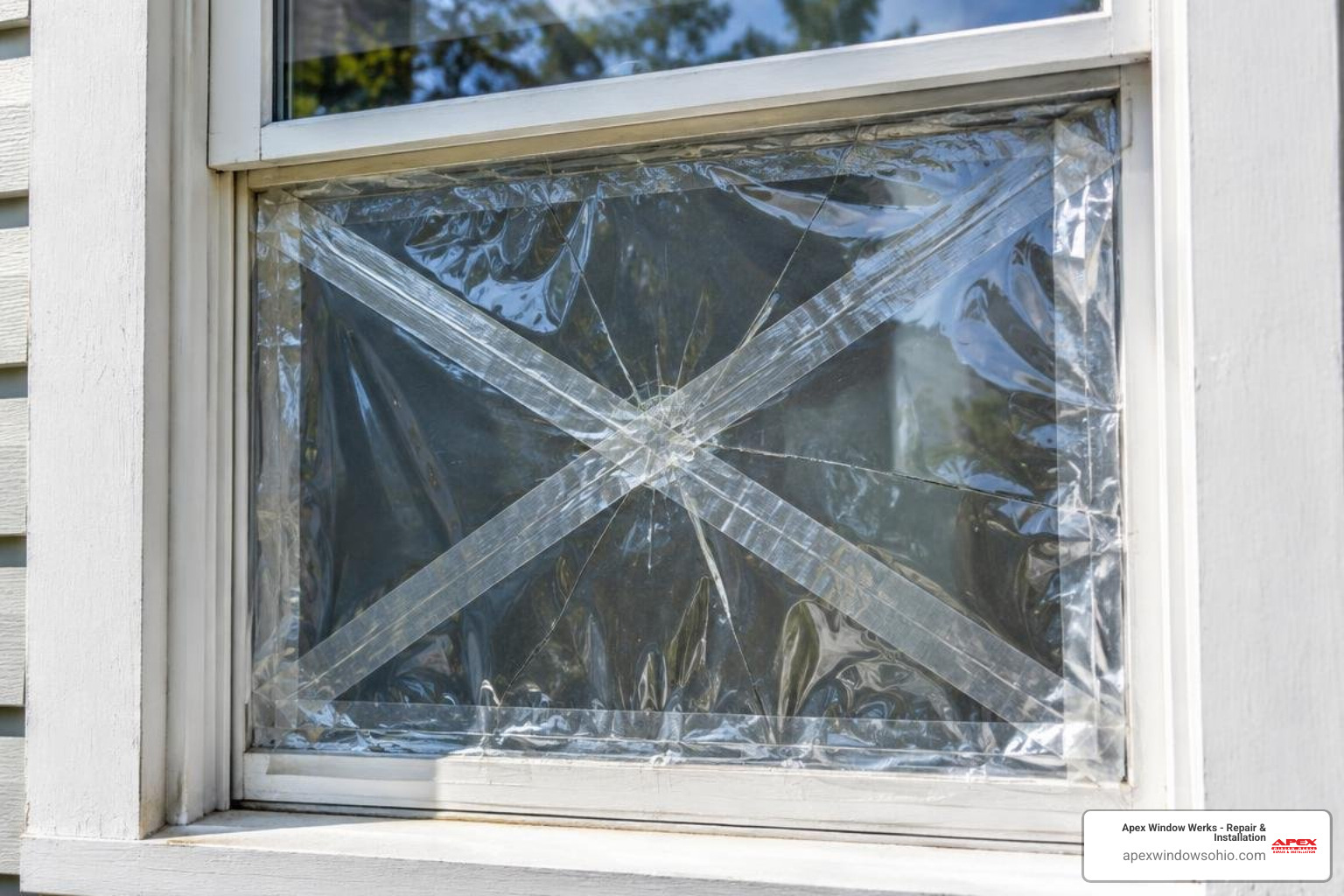
To temporarily stabilize a cracked or shattered pane:
- Apply stabilizing tape: If the pane is cracked but still seated in the sash, run strips of clear packing tape or painter’s tape across the cracks in an “X” pattern on both sides to prevent loose pieces from dropping out.
- Cover open voids: If glass is missing, cut heavy-duty plastic sheeting or thick contractor trash bags slightly larger than the opening.
- Secure the perimeter: Fasten the plastic to the frame or sash using painter’s tape or masking tape to avoid damaging painted wood finishes or vinyl cladding.
- Insulate for cold weather: For added thermal protection during Ohio winters, sandwich a piece of rigid foam board or heavy cardboard between two layers of plastic before taping the edges securely.
Step-by-Step Window Pane Replacement Across Frame Types
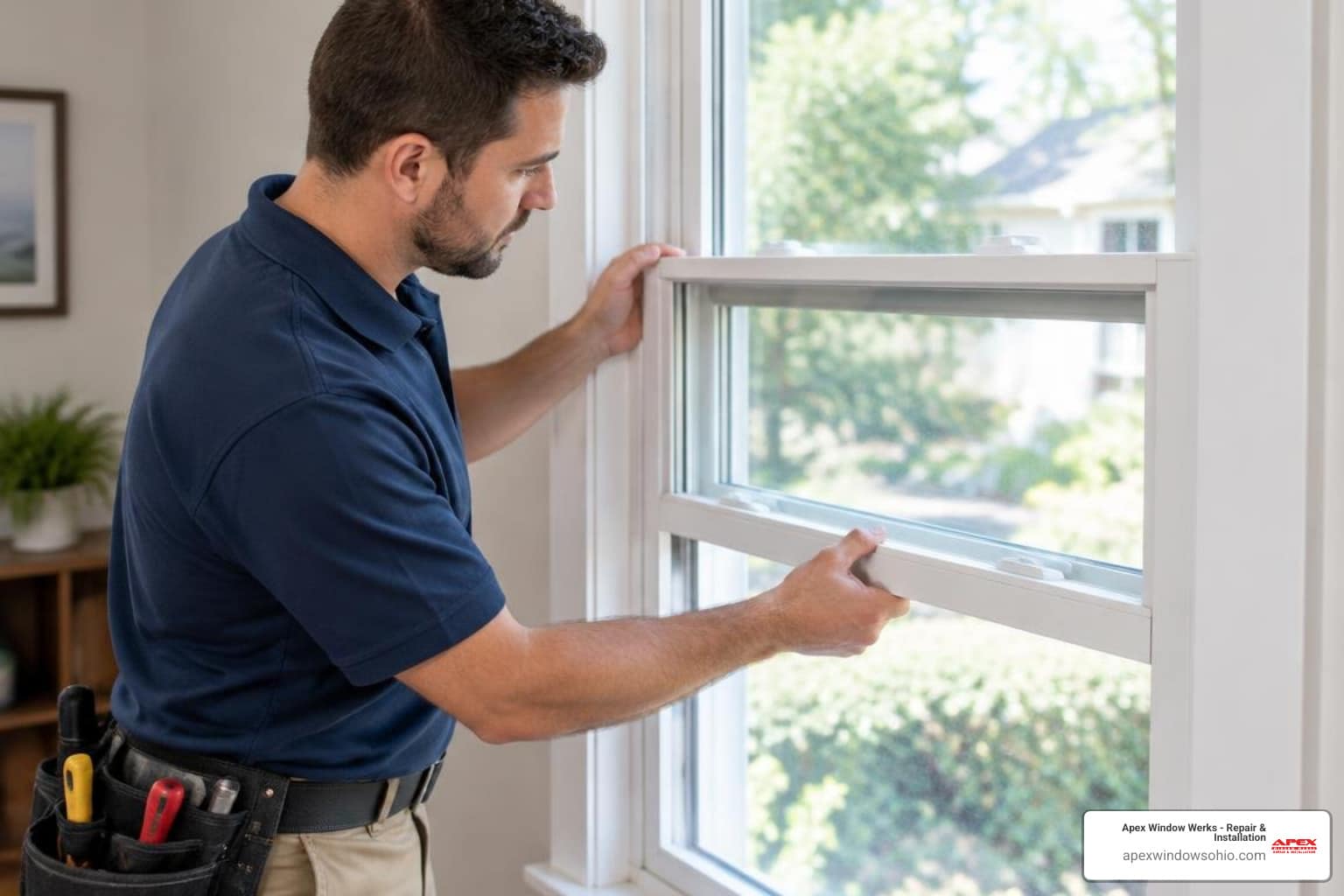
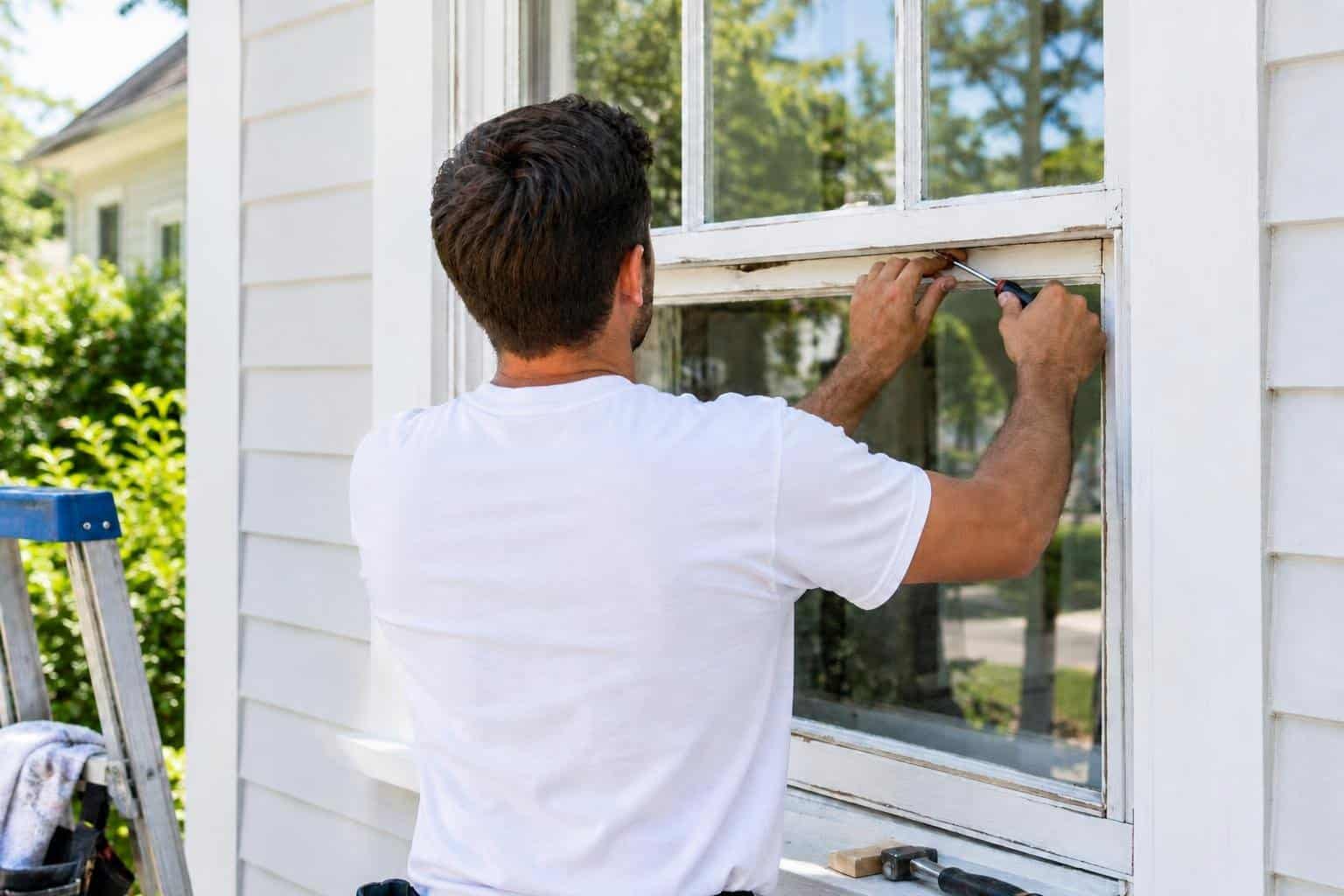
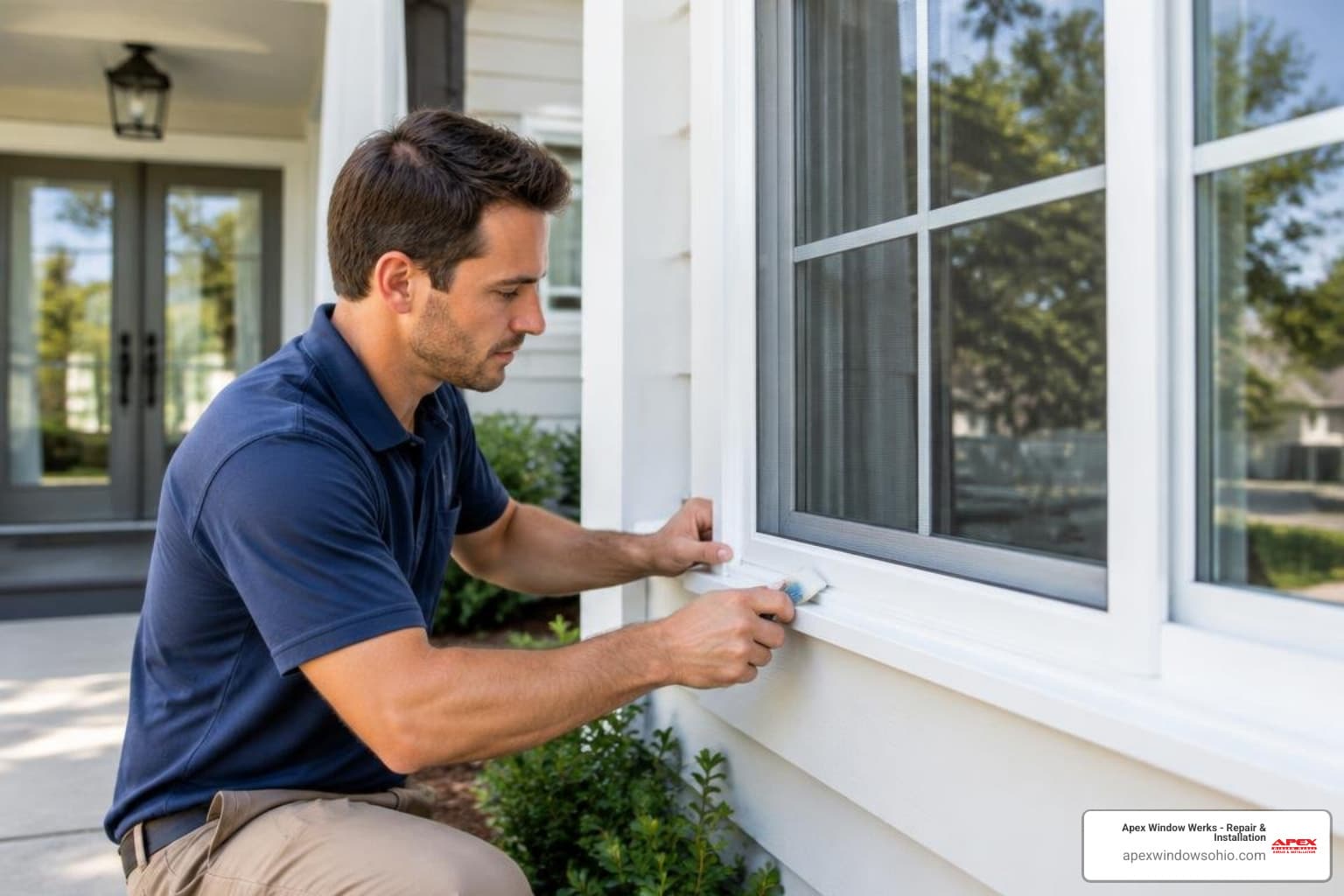
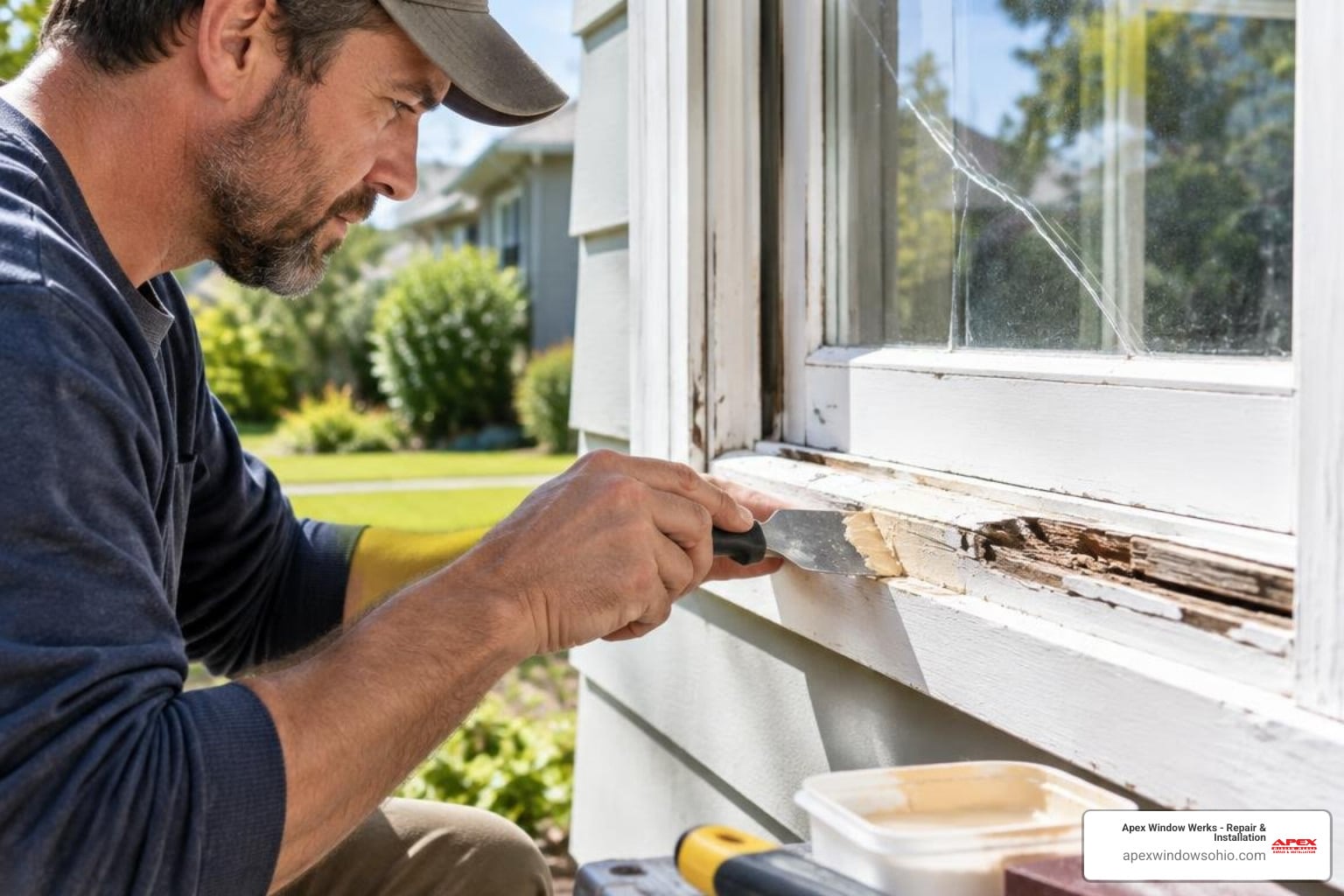
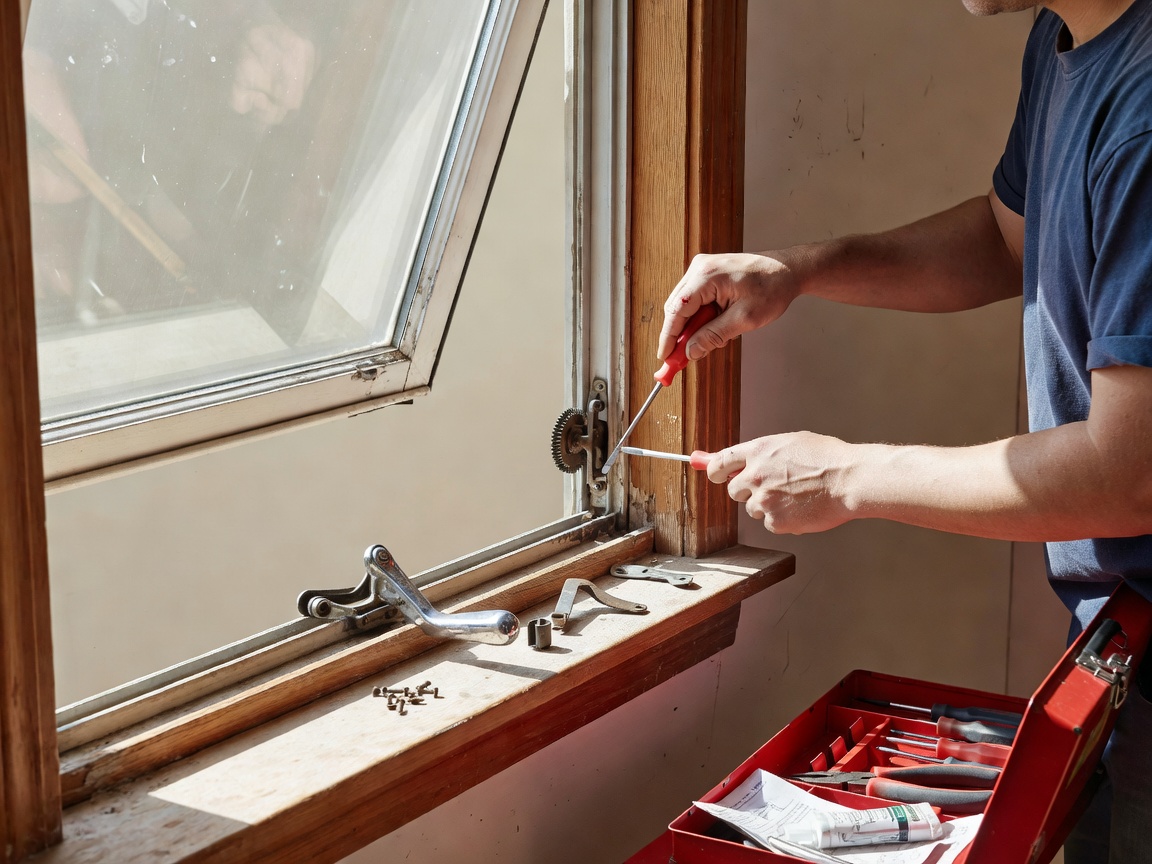
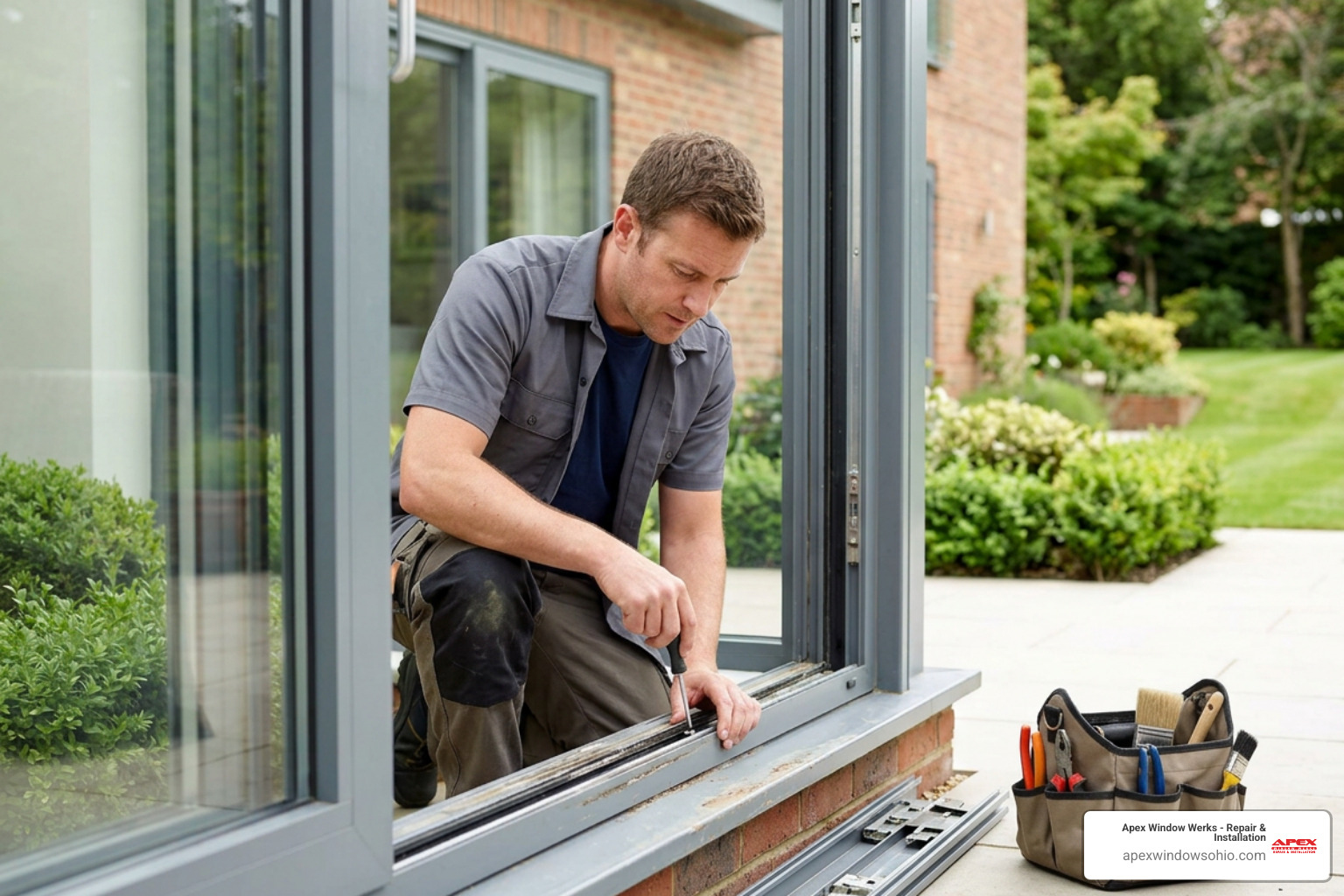
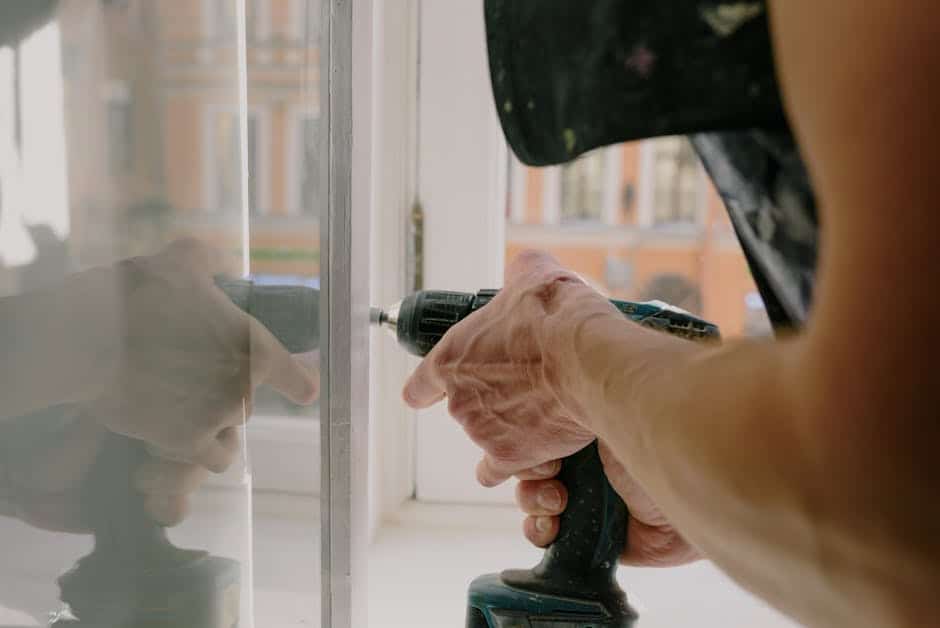
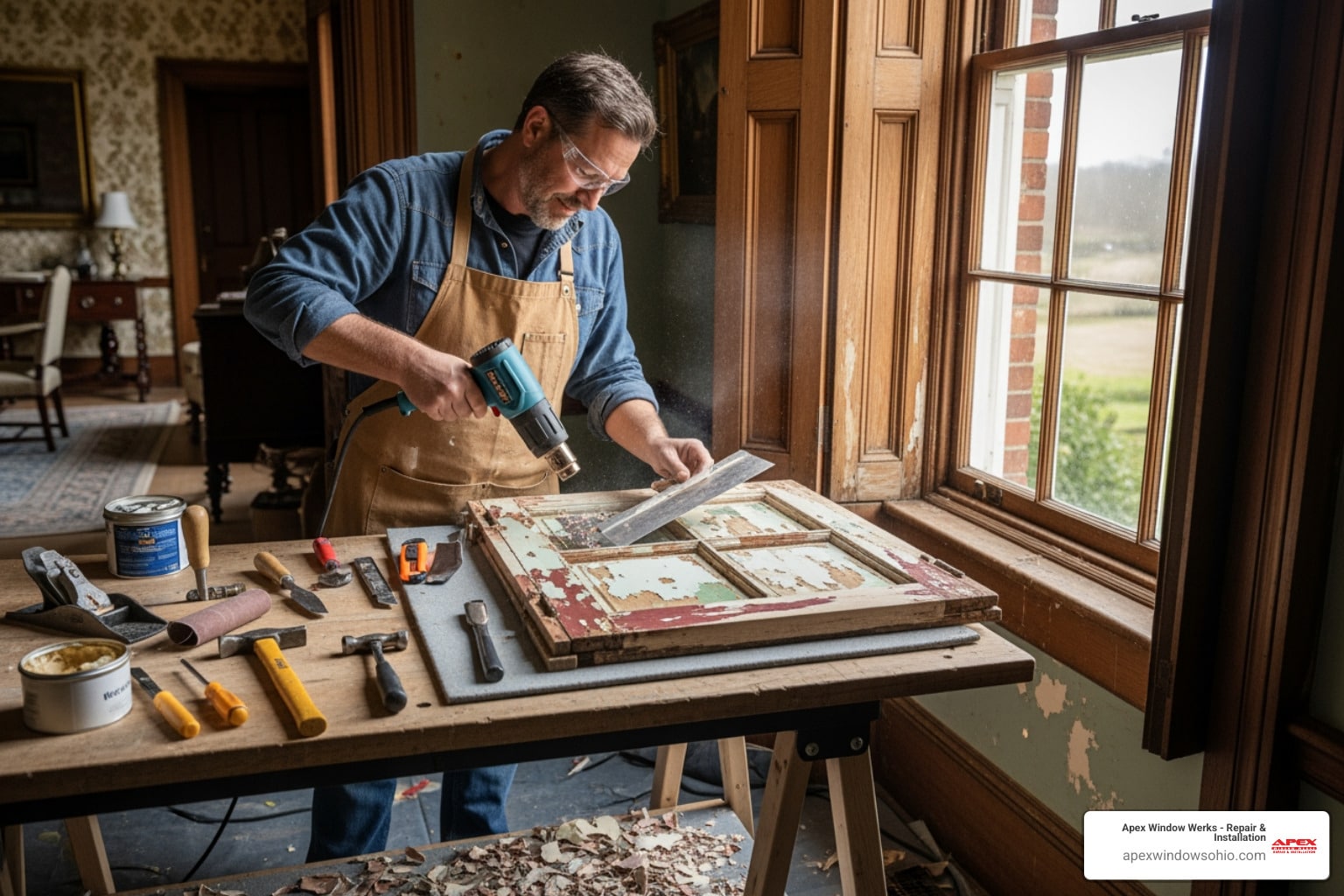
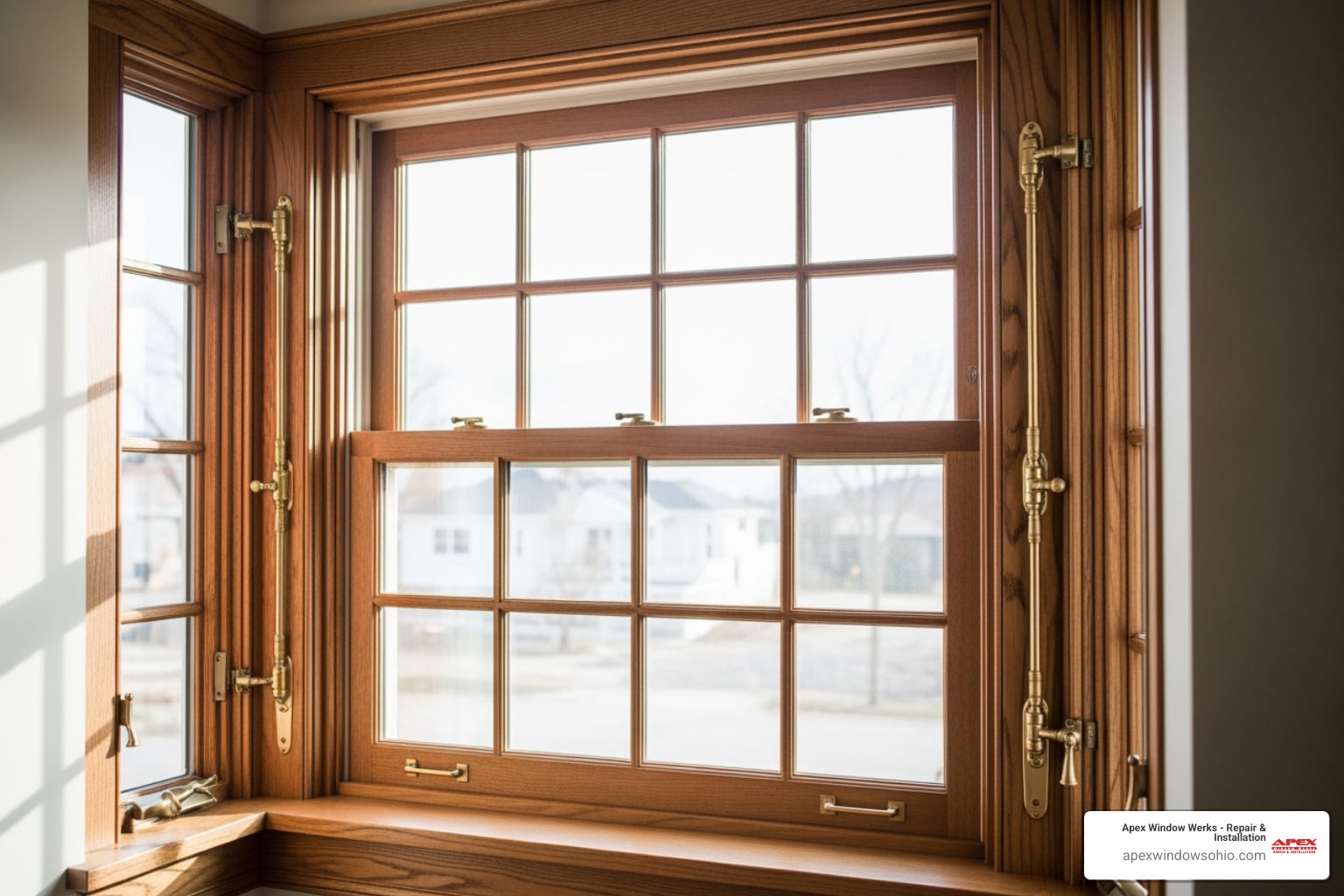
For simple, single-pane historic wood windows, handy homeowners can follow routine home maintenance practices to complete a traditional sash repair.
1. Wood Frame Windows
- Remove the sash: Take the sash out of the frame and lay it flat on a padded worktable.
- Clear old putty and points: Use a stiff putty knife or chisel to scrape away brittle glazing compound. If the compound is rock-hard, carefully soften it using a heat gun, keeping the heat moving to avoid scorching the wood profile. Pull out the small metal glazier points using needle-nose pliers.
- Clean and prime the rabbet: Scrape the wooden channel down to bare wood, sand it smooth, and apply a coat of exterior wood primer or boiled linseed oil to prevent the dry wood from leeching oils out of the new compound.
- Measure accurately: Measure the height and width of the opening in three places, take the smallest measurement, and subtract 1/8 inch from both dimensions. This expansion allowance prevents the new pane from binding during temperature swings.
- Bed and glaze: Press a thin 1/16-inch rope of glazing compound into the wooden channel. Set the new glass pane into place, gently pressing it into the bed. Push new glazier points into the wood every 8 to 10 inches using a flat-head screwdriver. Roll out a smooth bevel of glazing compound around the perimeter, smoothing it at a 45-degree angle with a damp putty knife.
2. Vinyl and Aluminum Frame Windows
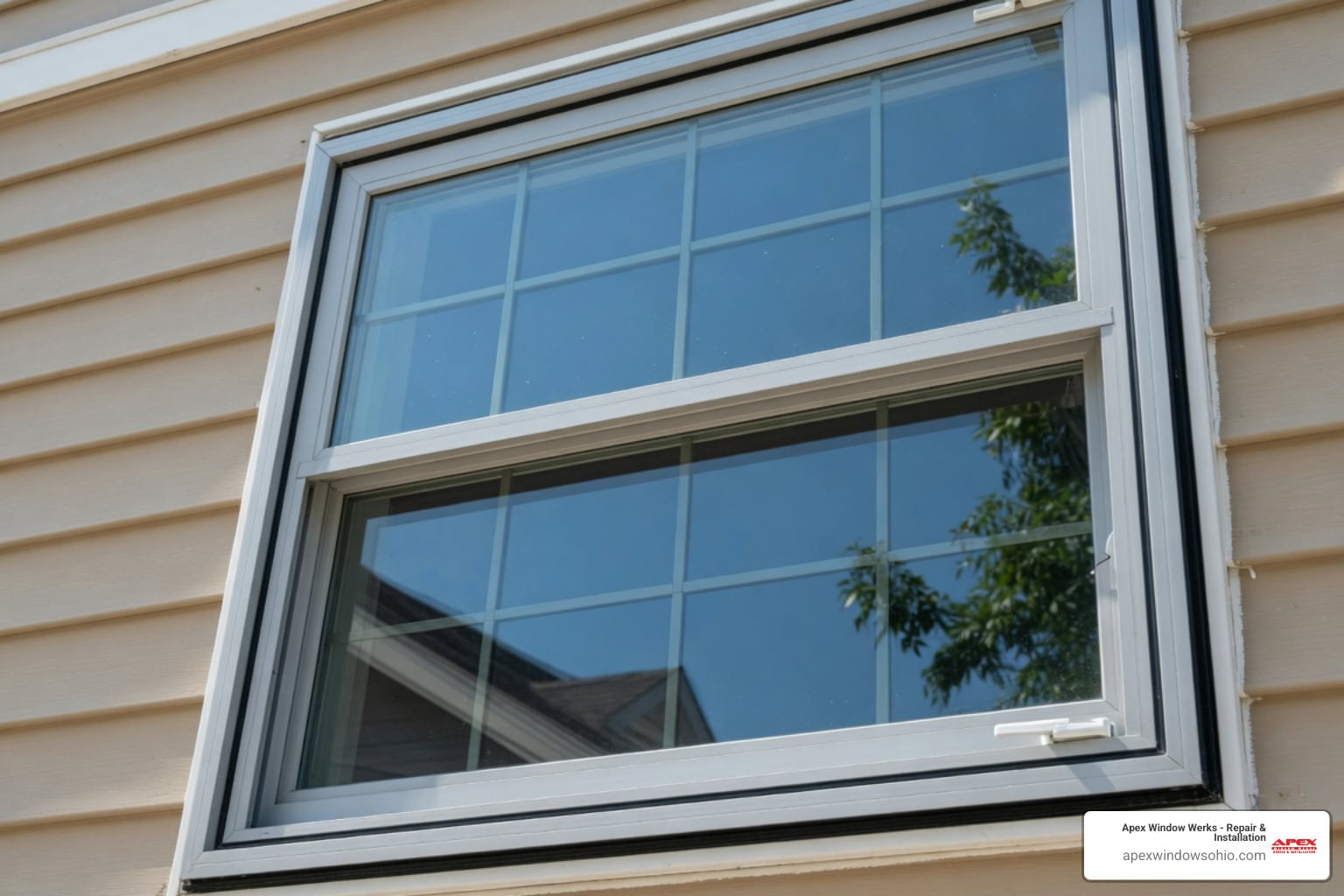
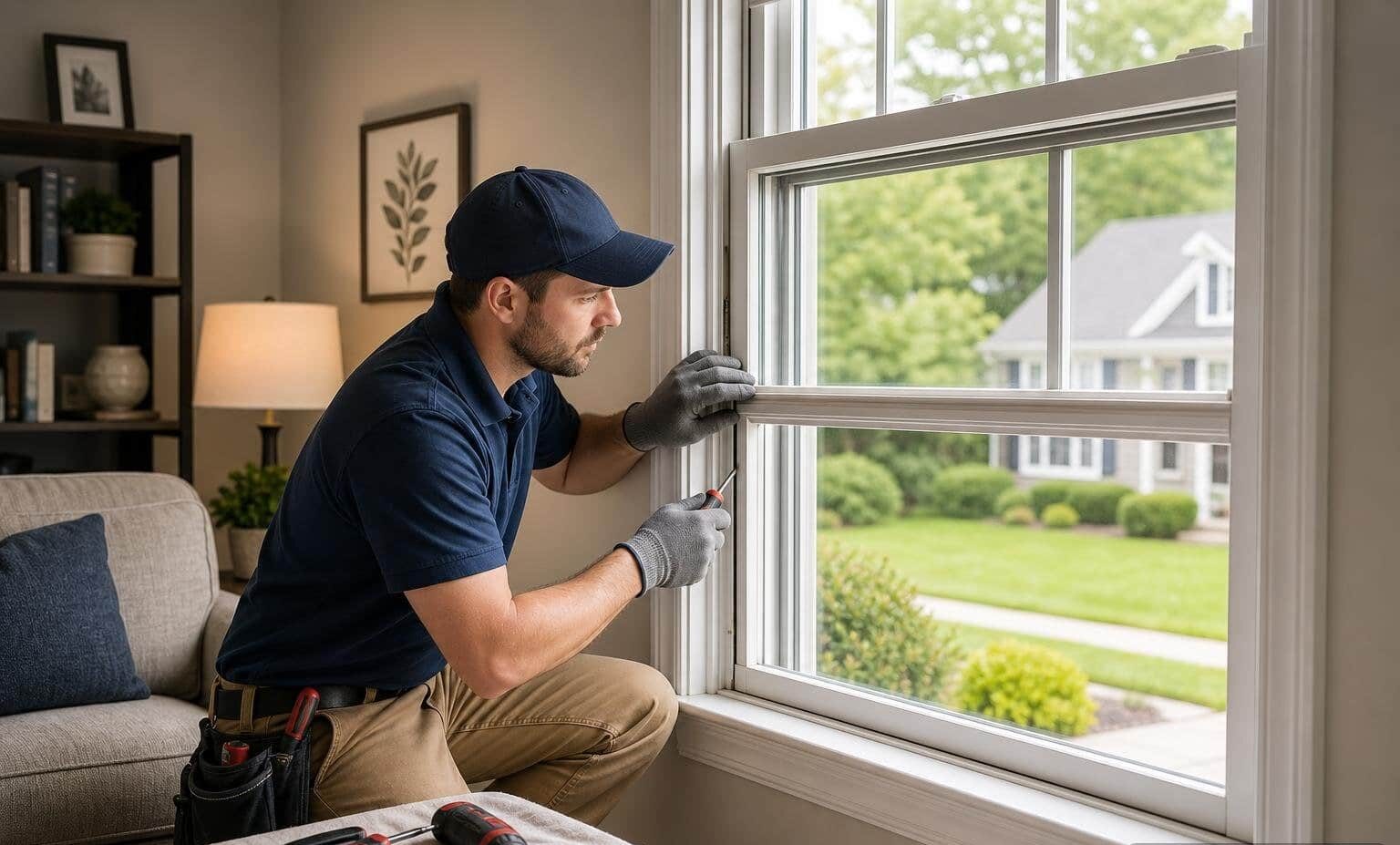
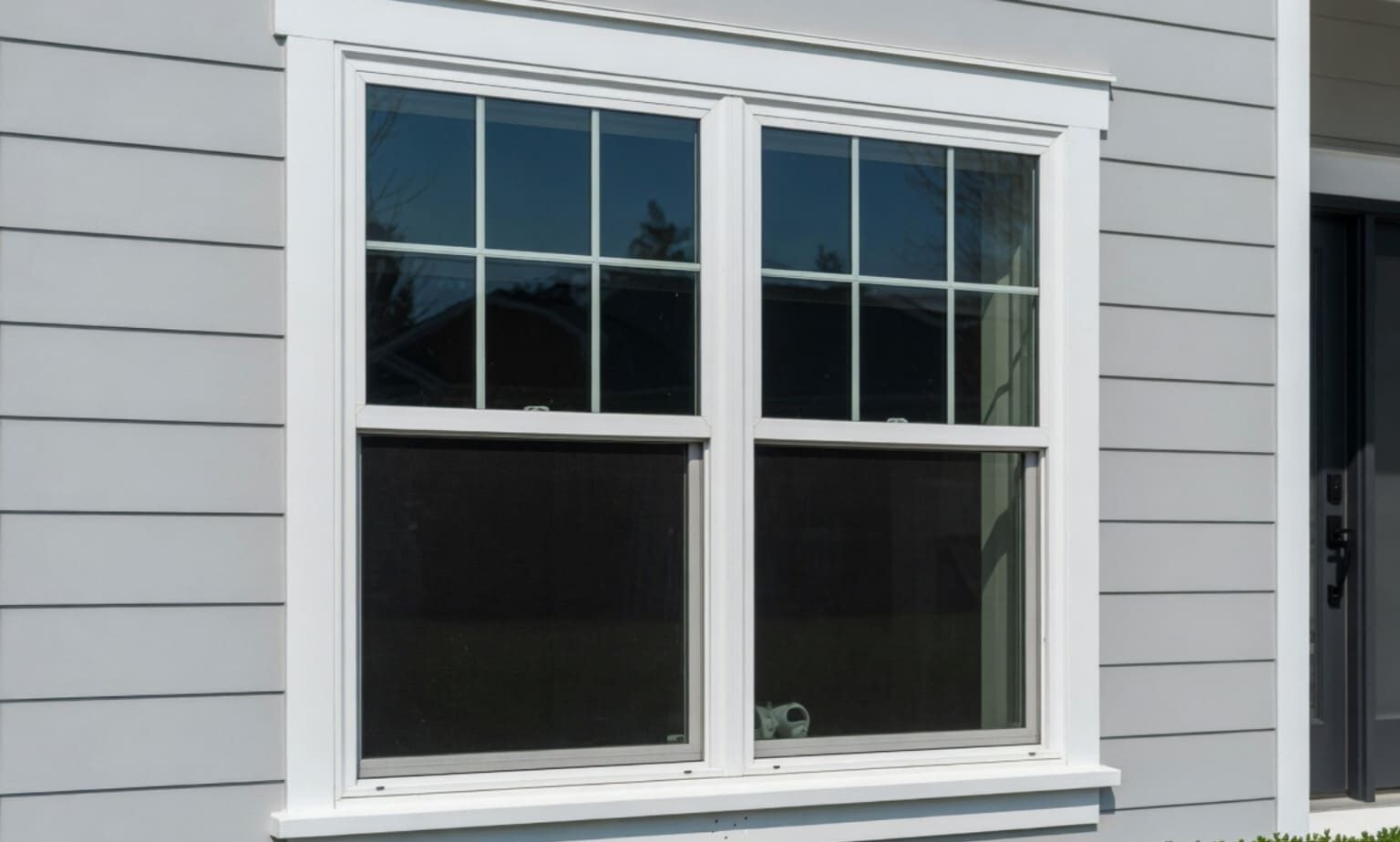
- Vinyl frames: Most modern vinyl windows use snap-in glazing beads (stops) on the interior or exterior edge. Carefully pry the trim strips out using a thin, flexible putty knife, starting at the center of the strip. Cut through the double-sided glazing tape holding the glass, lift out the unit, install new glazing tape, set the replacement pane, and snap the trim beads firmly back into their retention grooves.
- Aluminum frames: Older metal sashes often utilize continuous rubber gaskets or silicone sealant. Loosen the frame assembly screws at the corners, detach the sash rail, slide out the broken glass, fit the new rubber gasket around the replacement pane, and reassemble the frame components tightly.
When to Choose Professional Glazing Services in Northeast Ohio
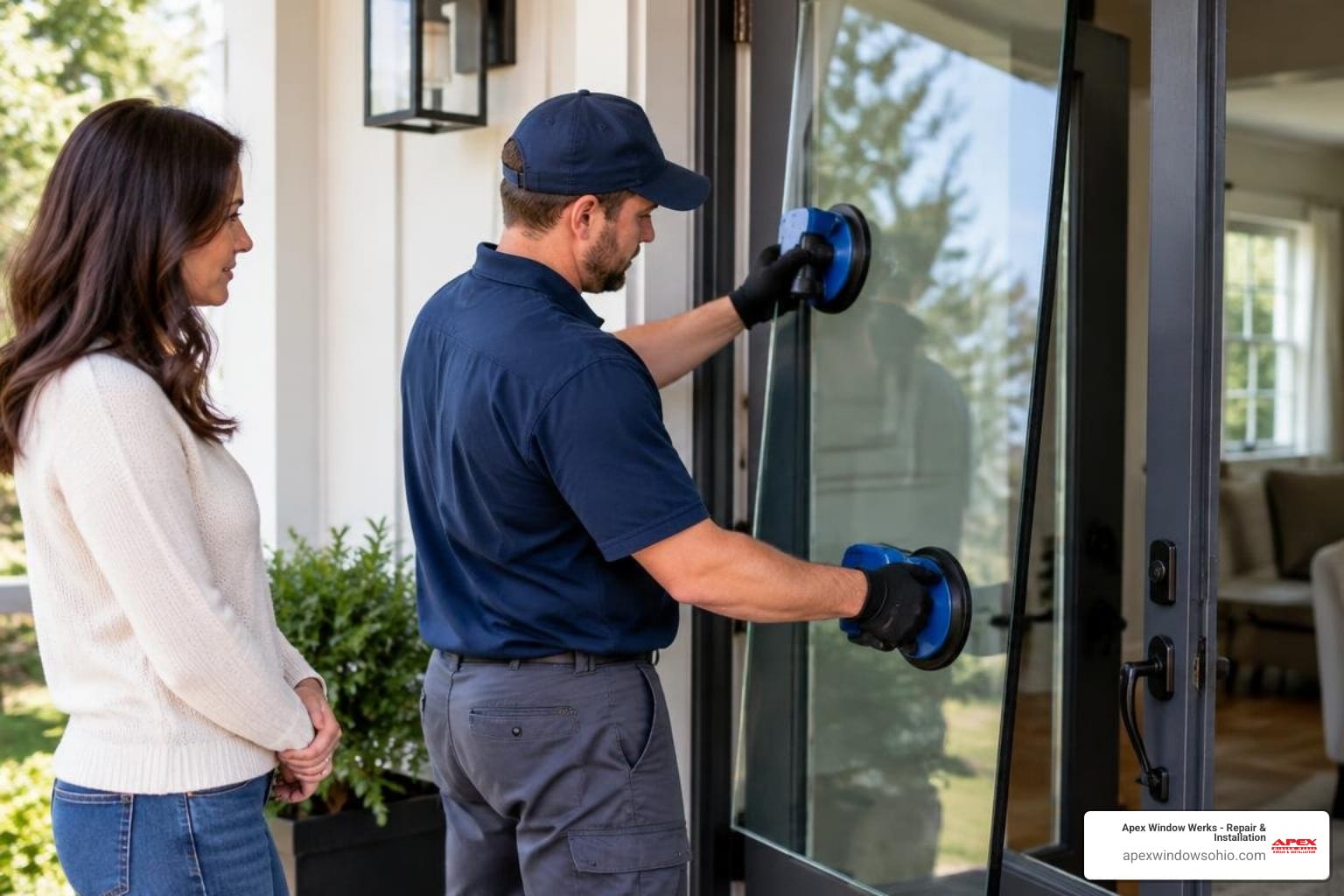
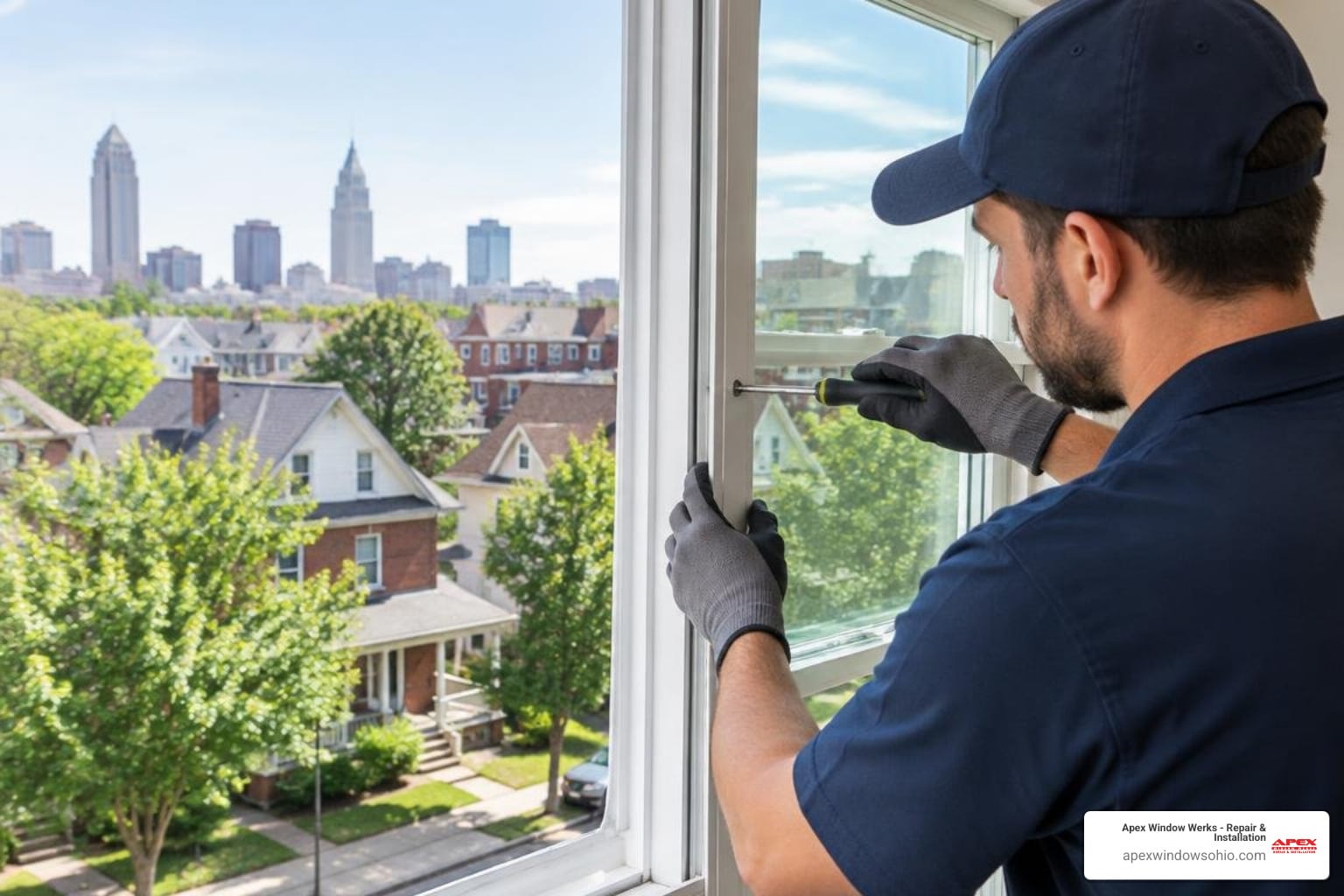
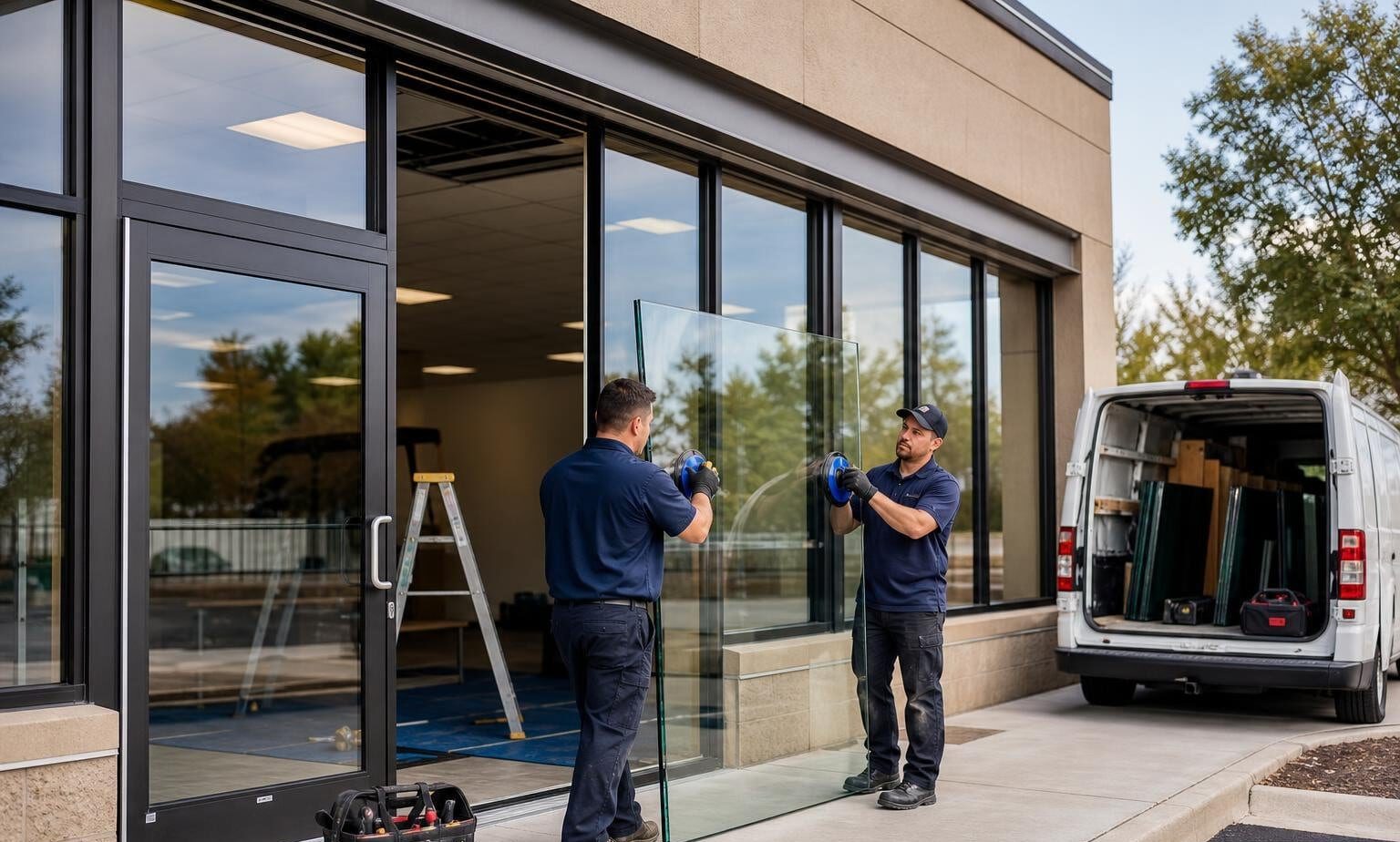
While single-pane wood sashes are often DIY-friendly, modern multi-pane windows require specialized equipment and factory assembly. When deciding between DIY or calling a pro, professional glazing is recommended under several conditions:
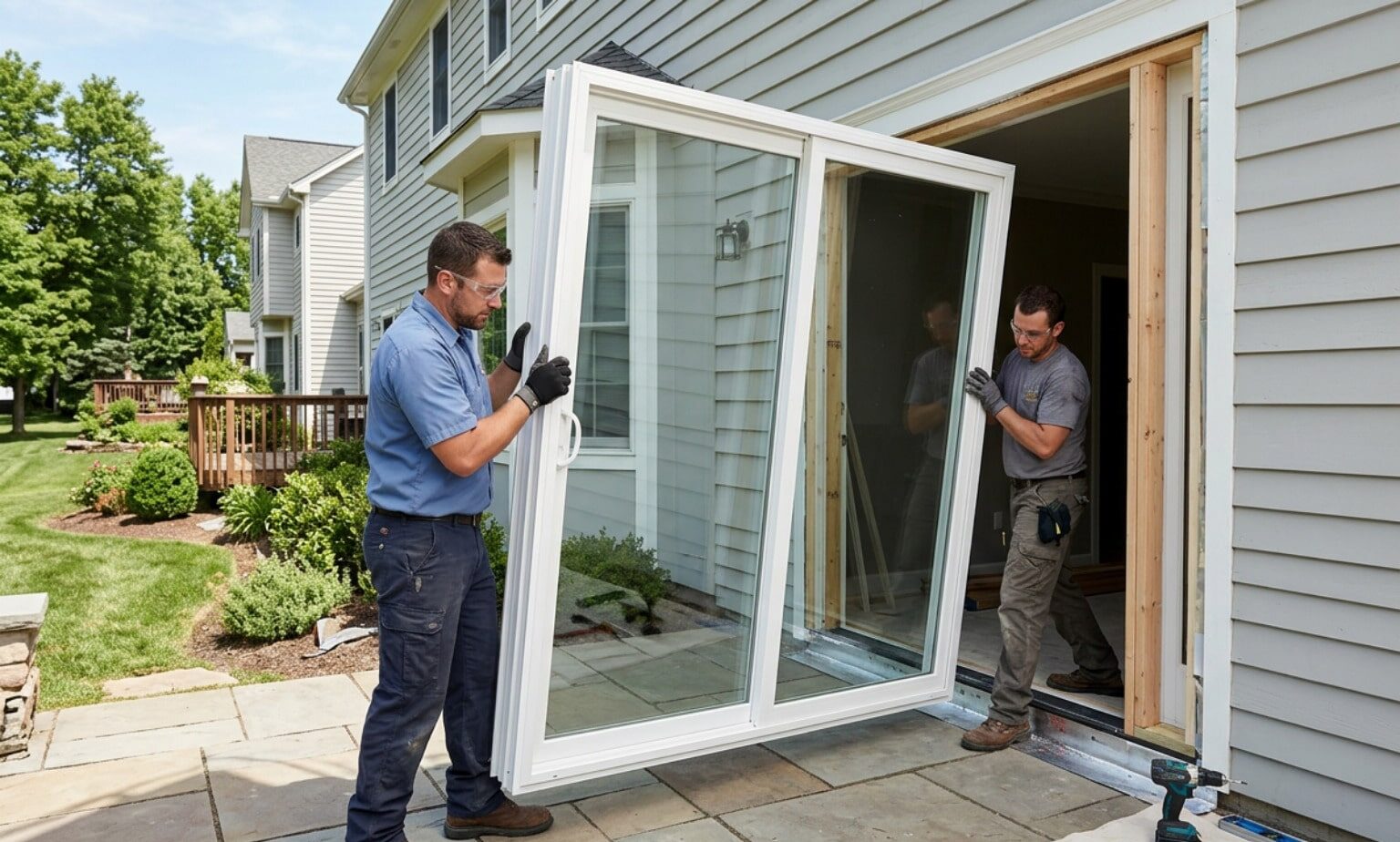
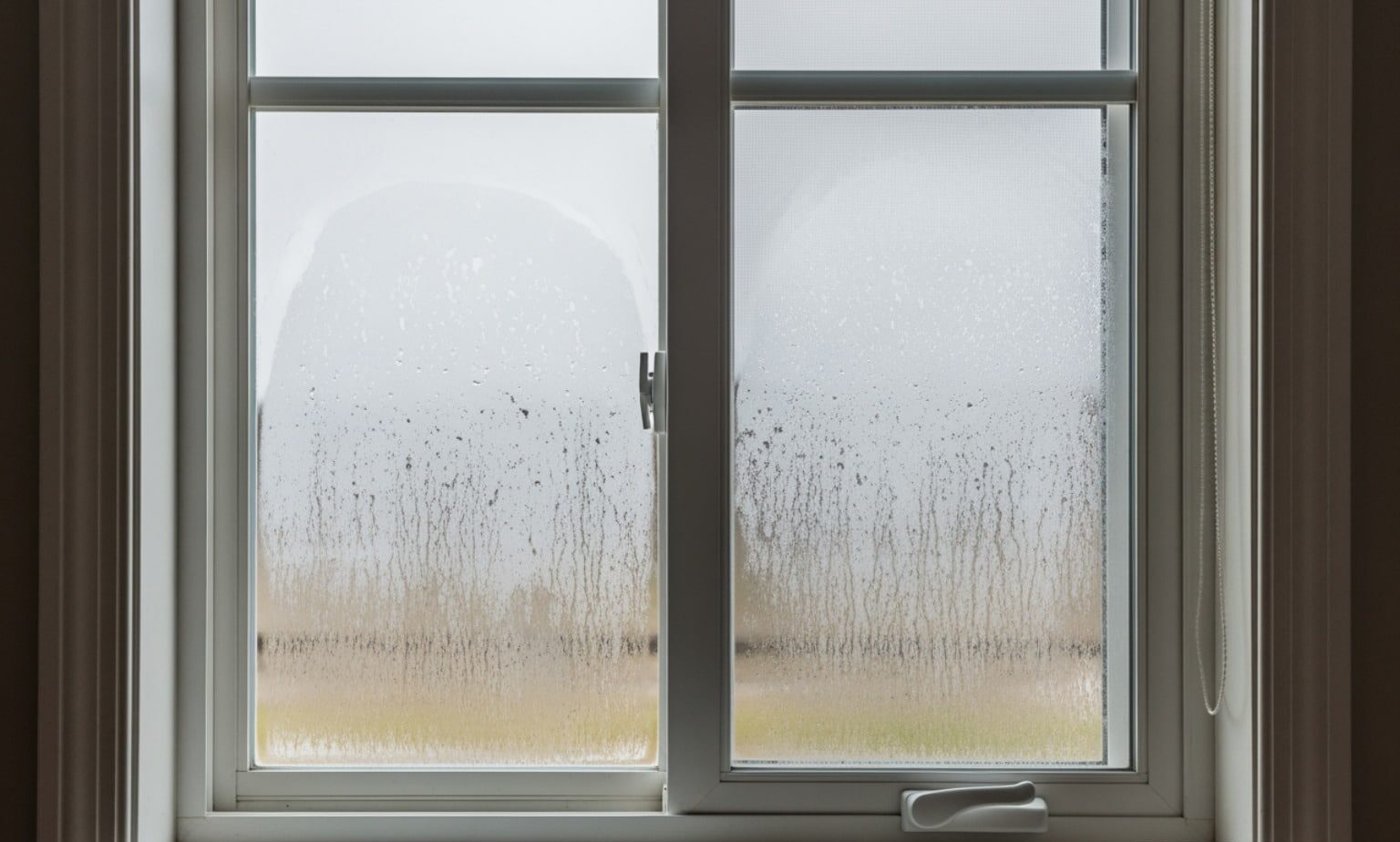
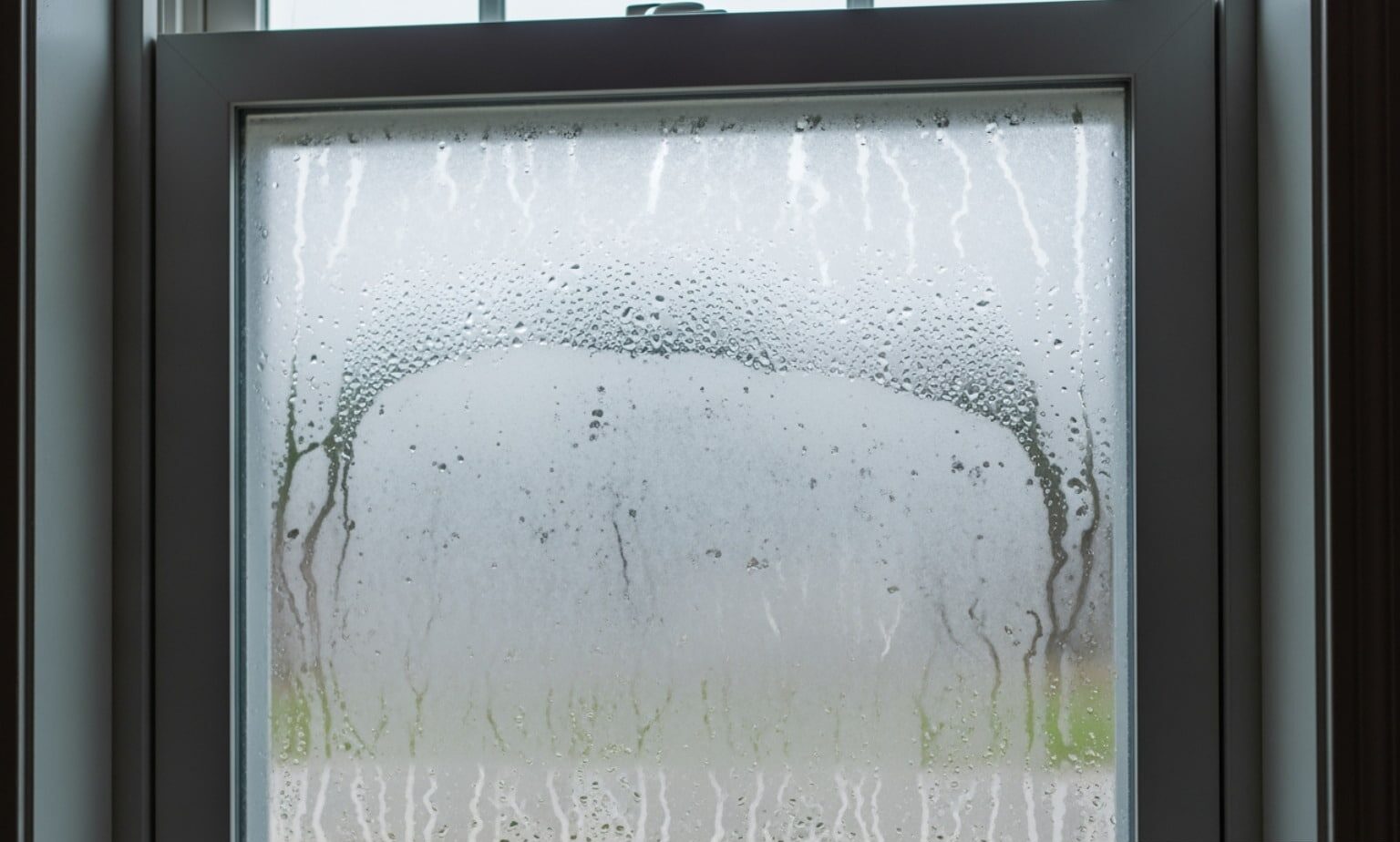
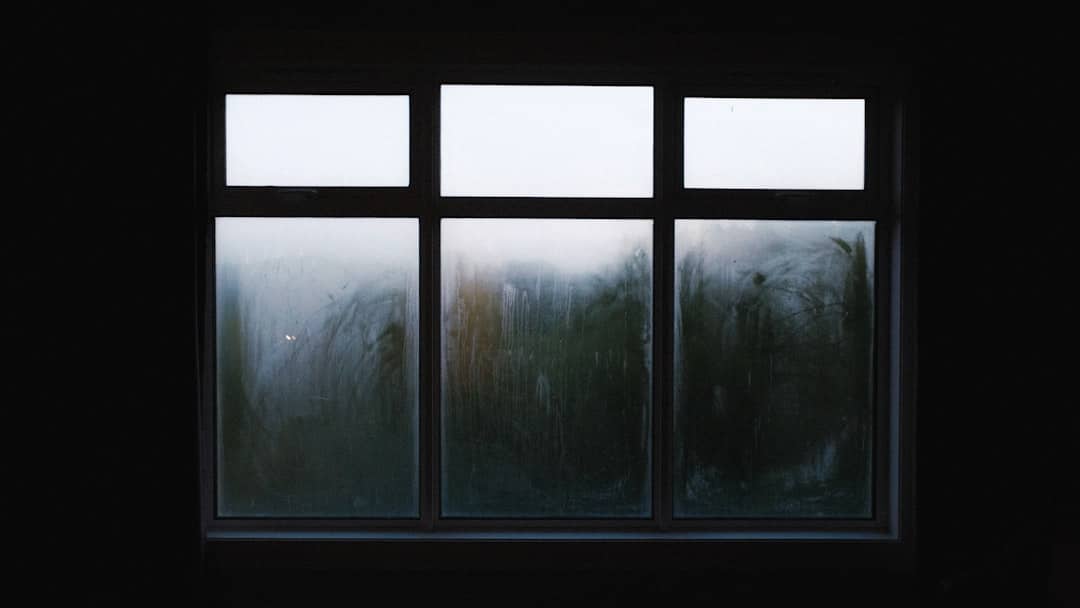
- Insulated Glass Units (IGUs): Double-pane and triple-pane windows are sealed hermetic units containing insulating argon gas and desiccant spacers. You cannot simply replace one sheet of glass in an IGU on-site; the entire factory-sealed unit must be custom-manufactured and swapped out to resolve foggy moisture and restore energy efficiency through proper double pane window glass repair.
- Upper-floor or difficult-access windows: Working with glass from ladders poses significant fall risks.
- Tempered or specialty coated glass: Low-E coatings, tinted glass, internal muntin grids, and safety glass require custom ordering and precise shop fitting.
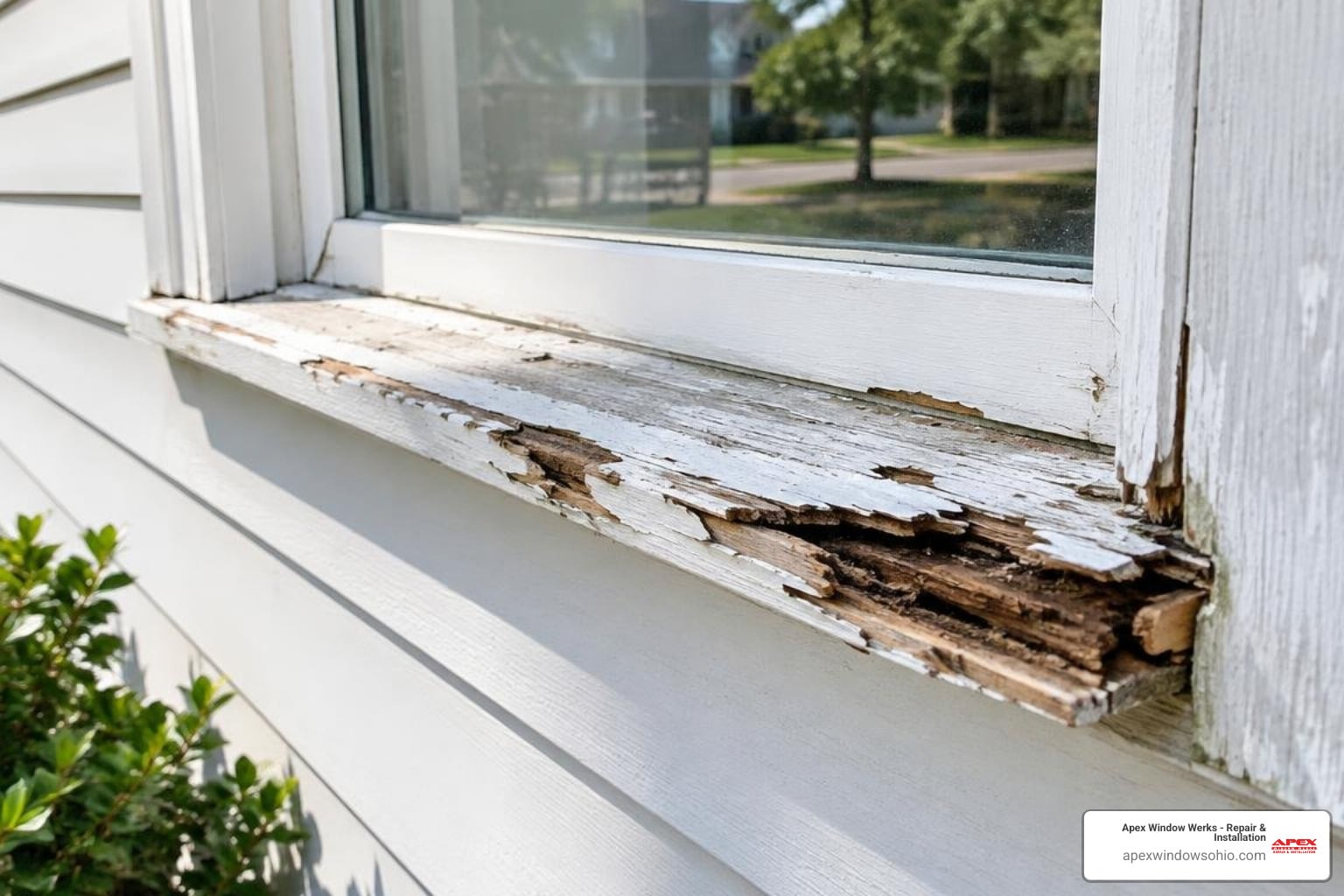
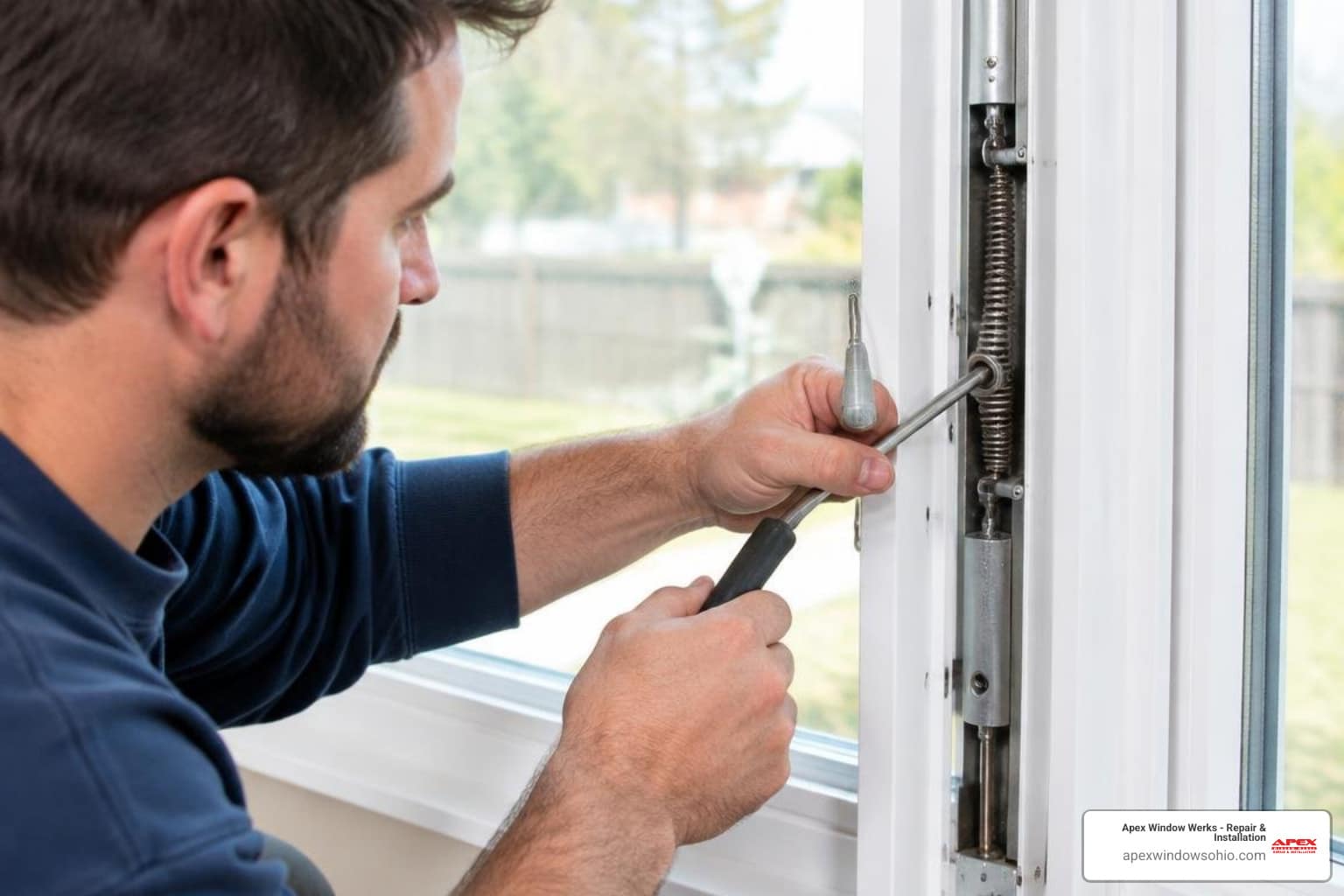
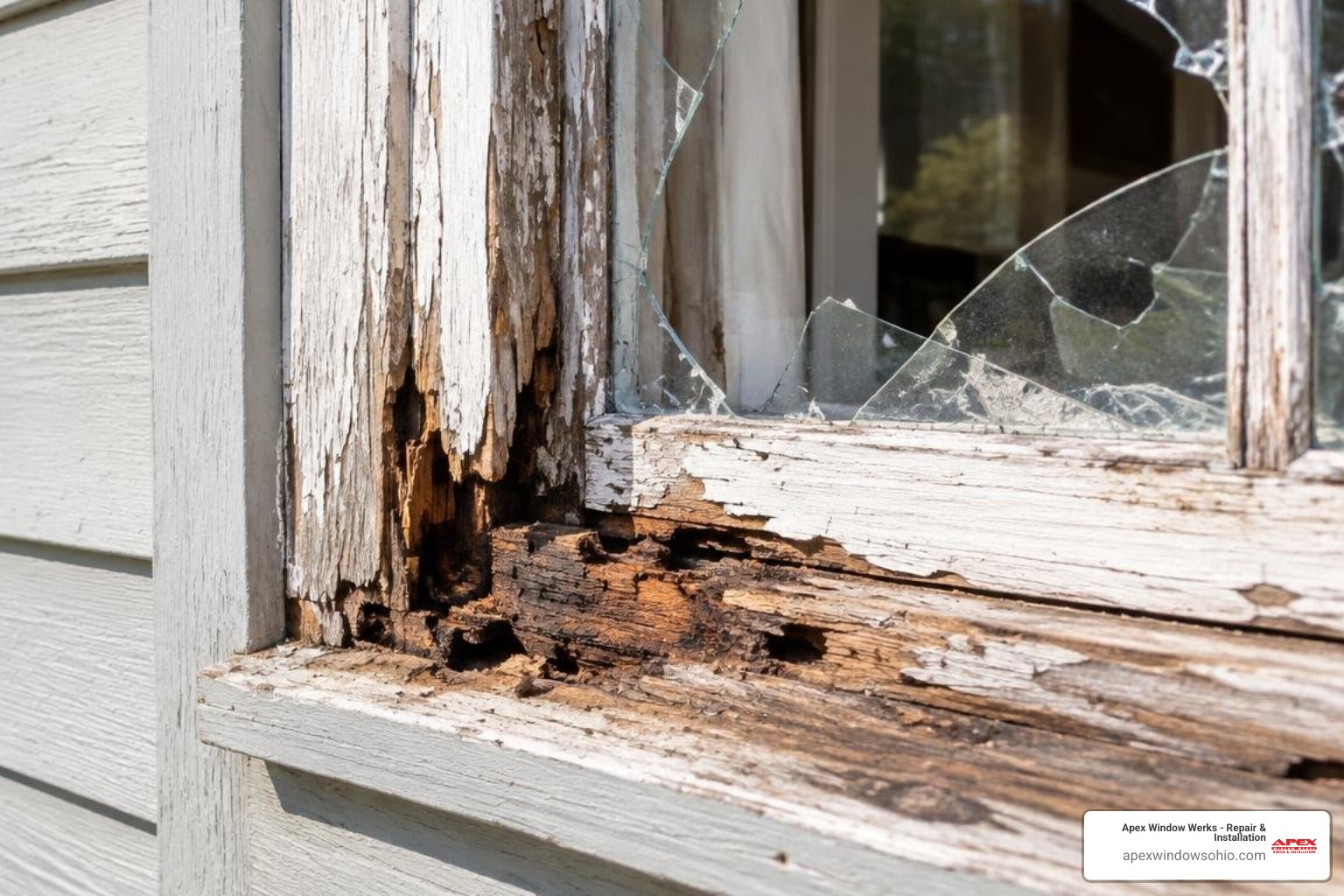
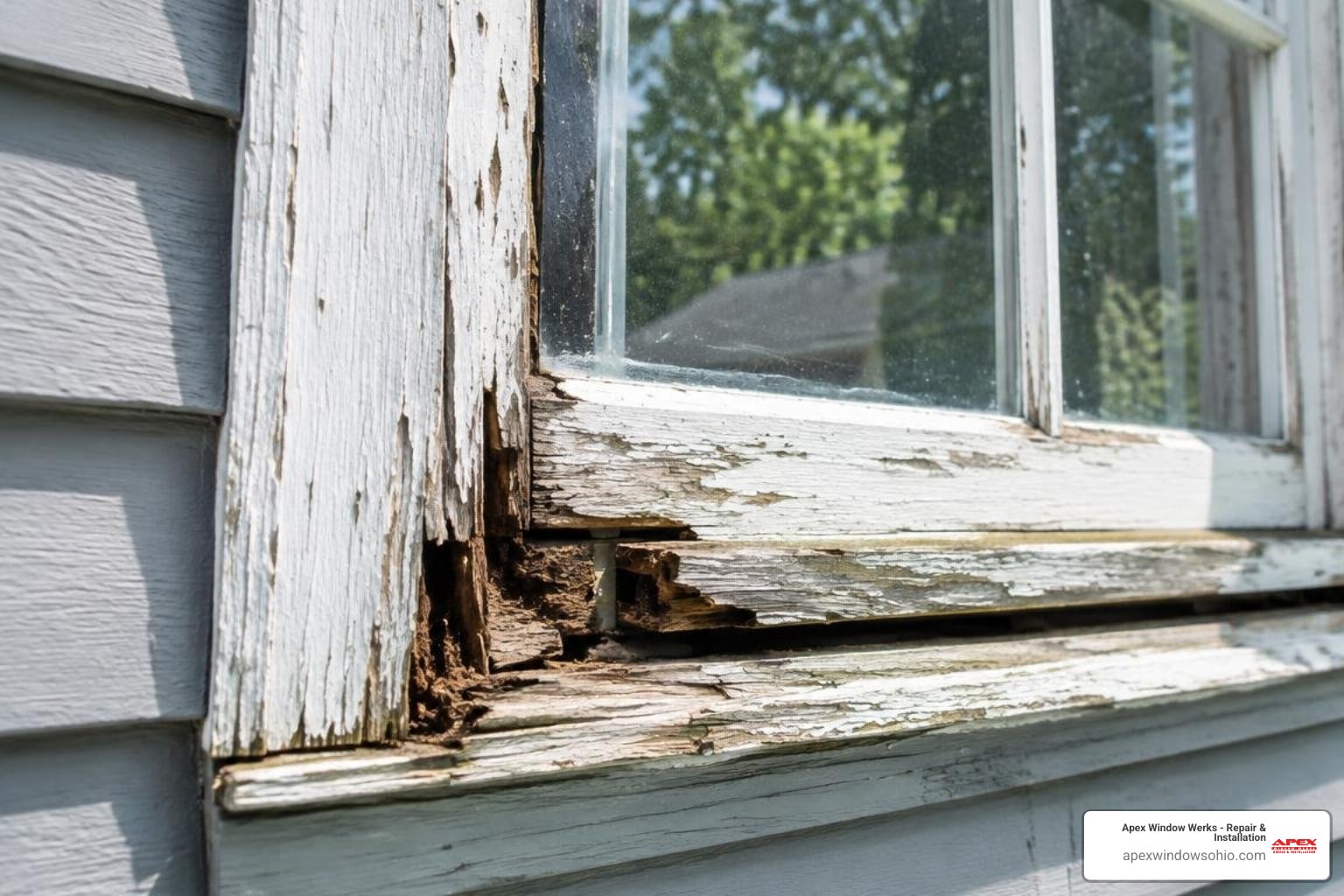
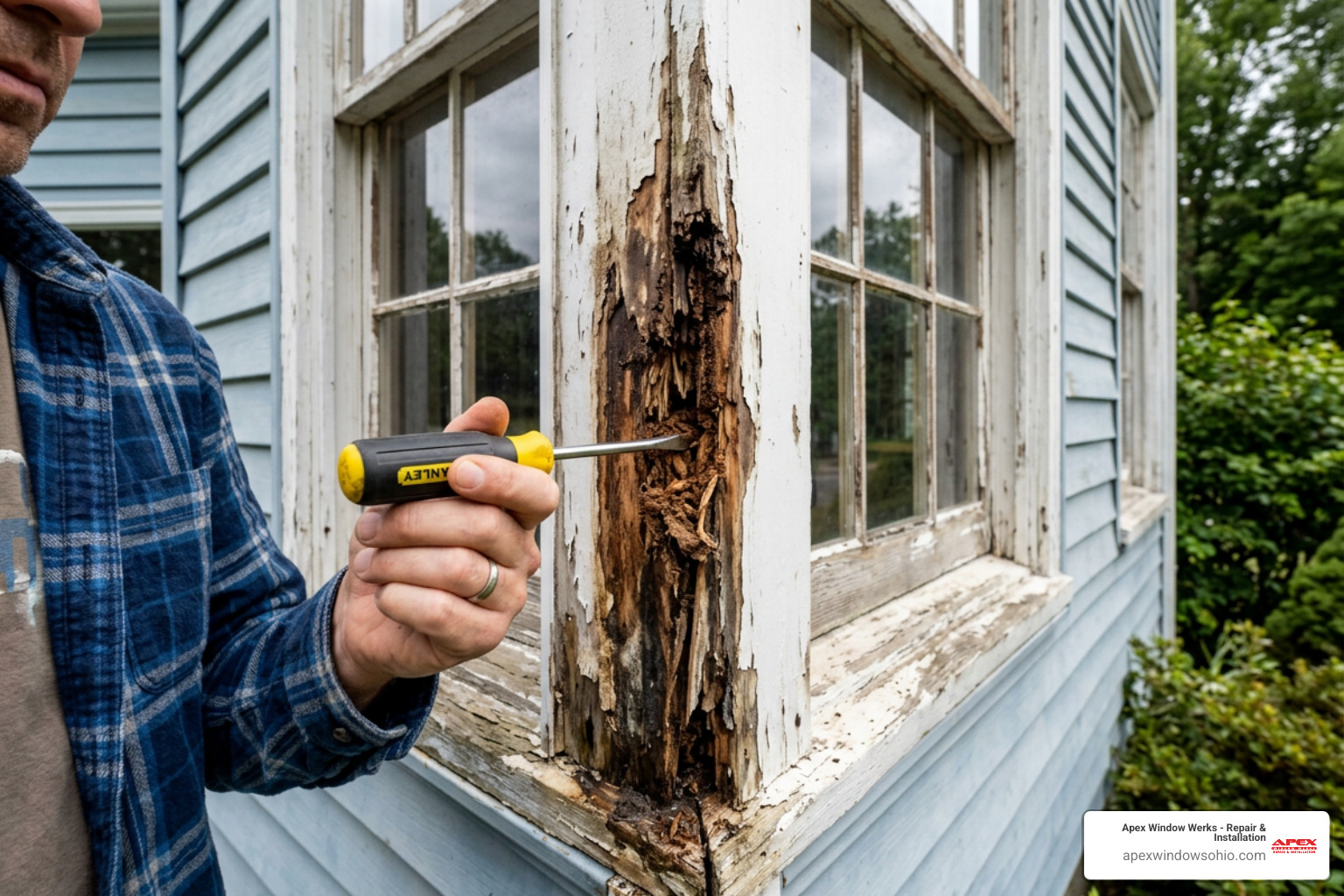
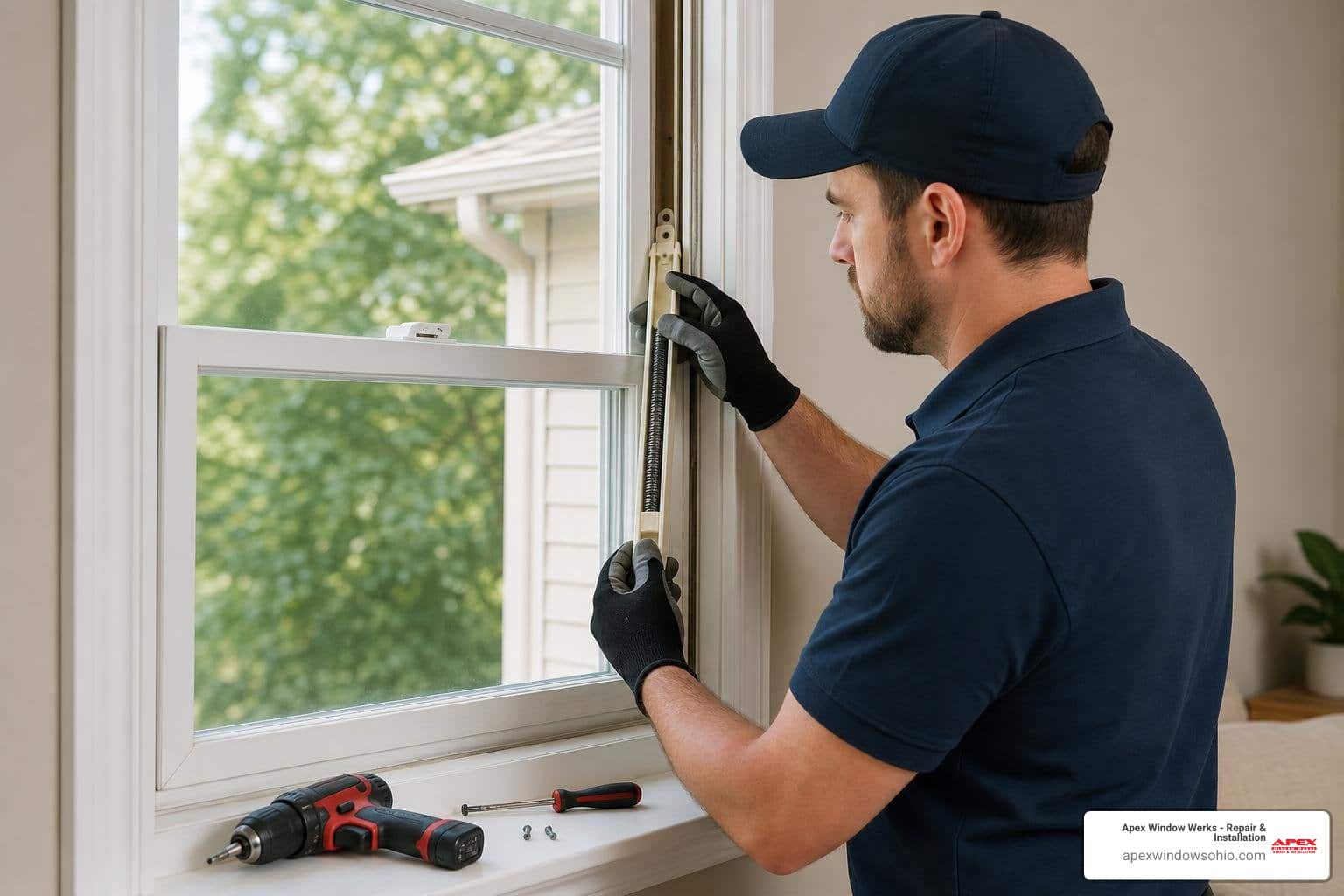
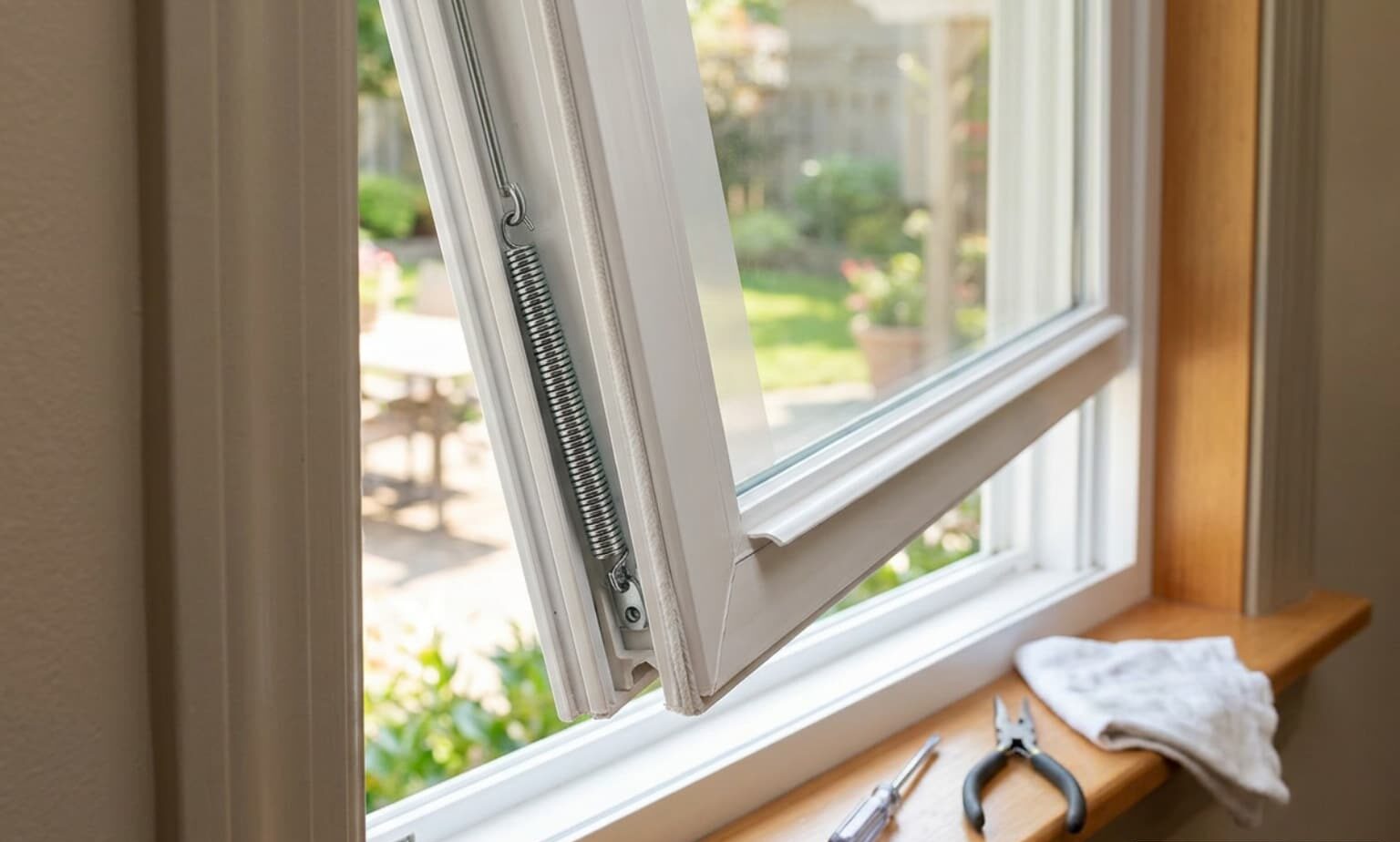
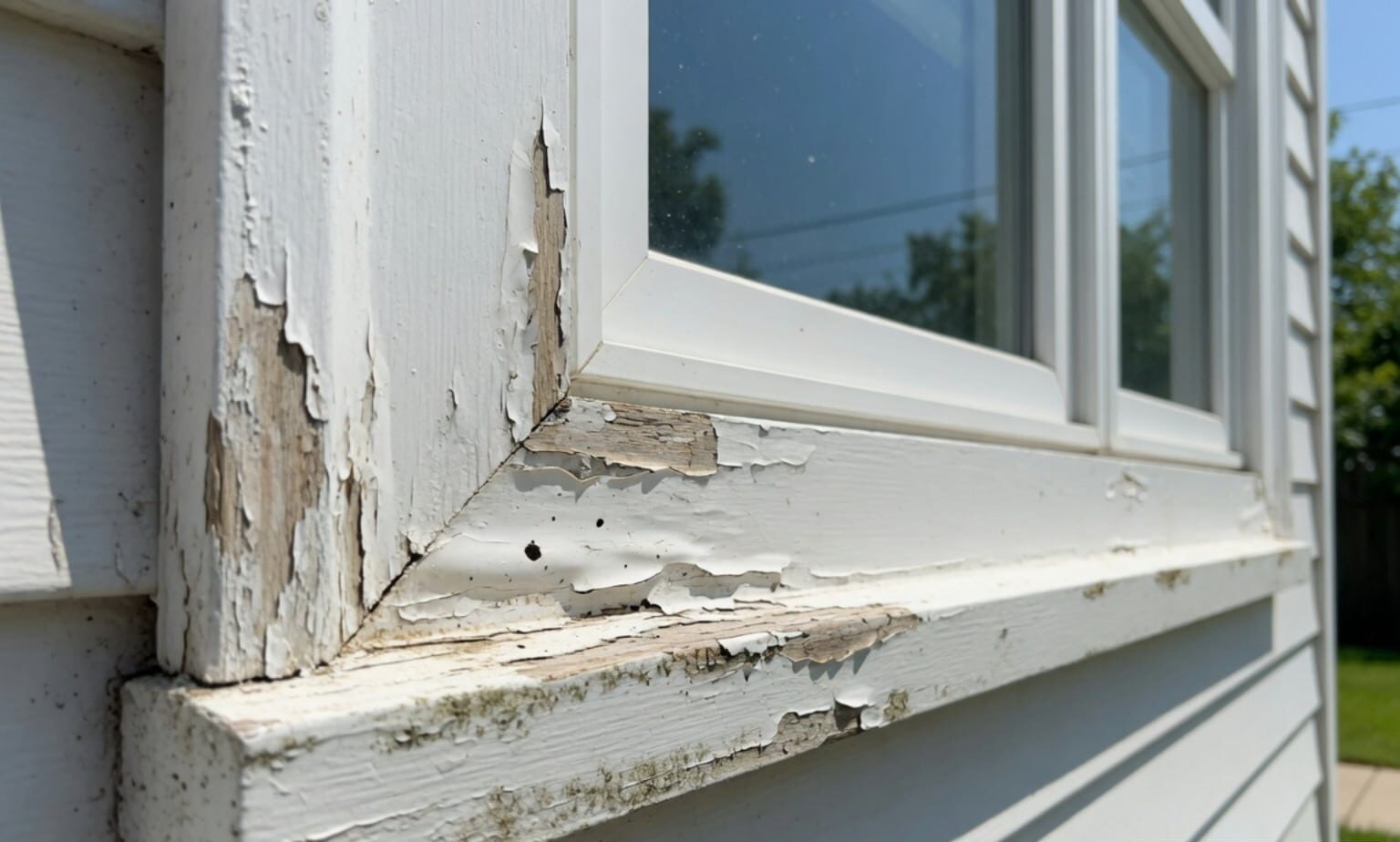
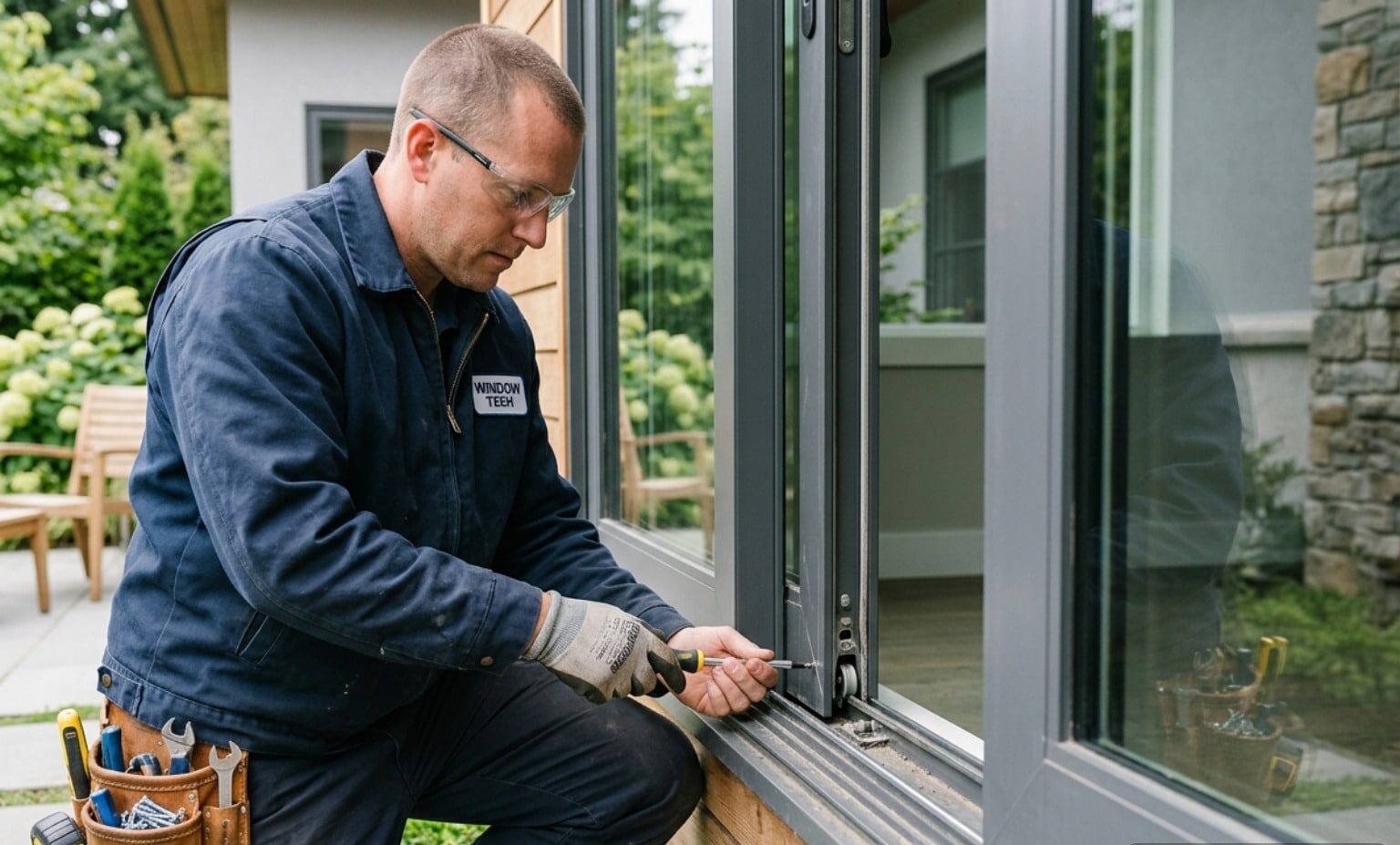
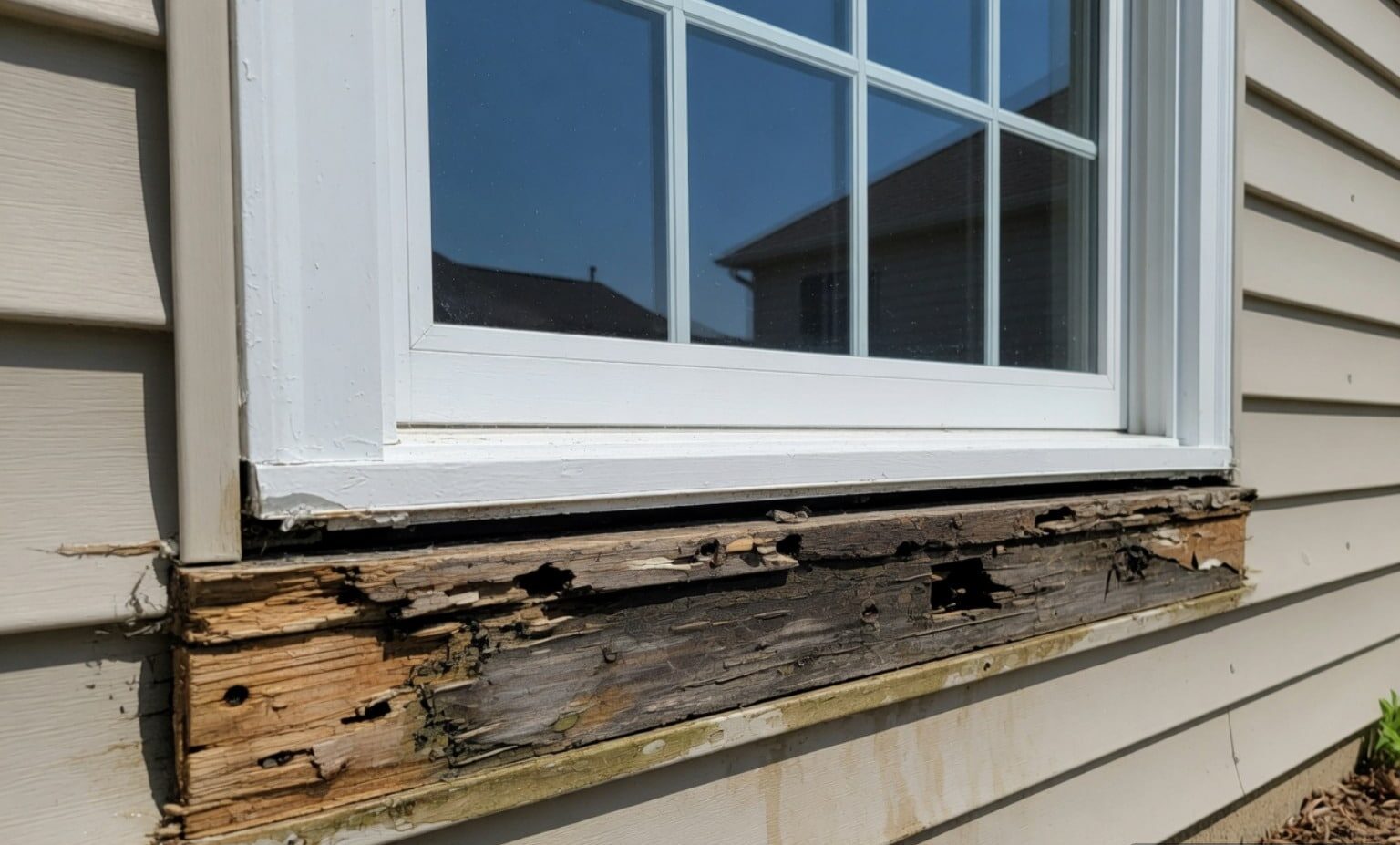
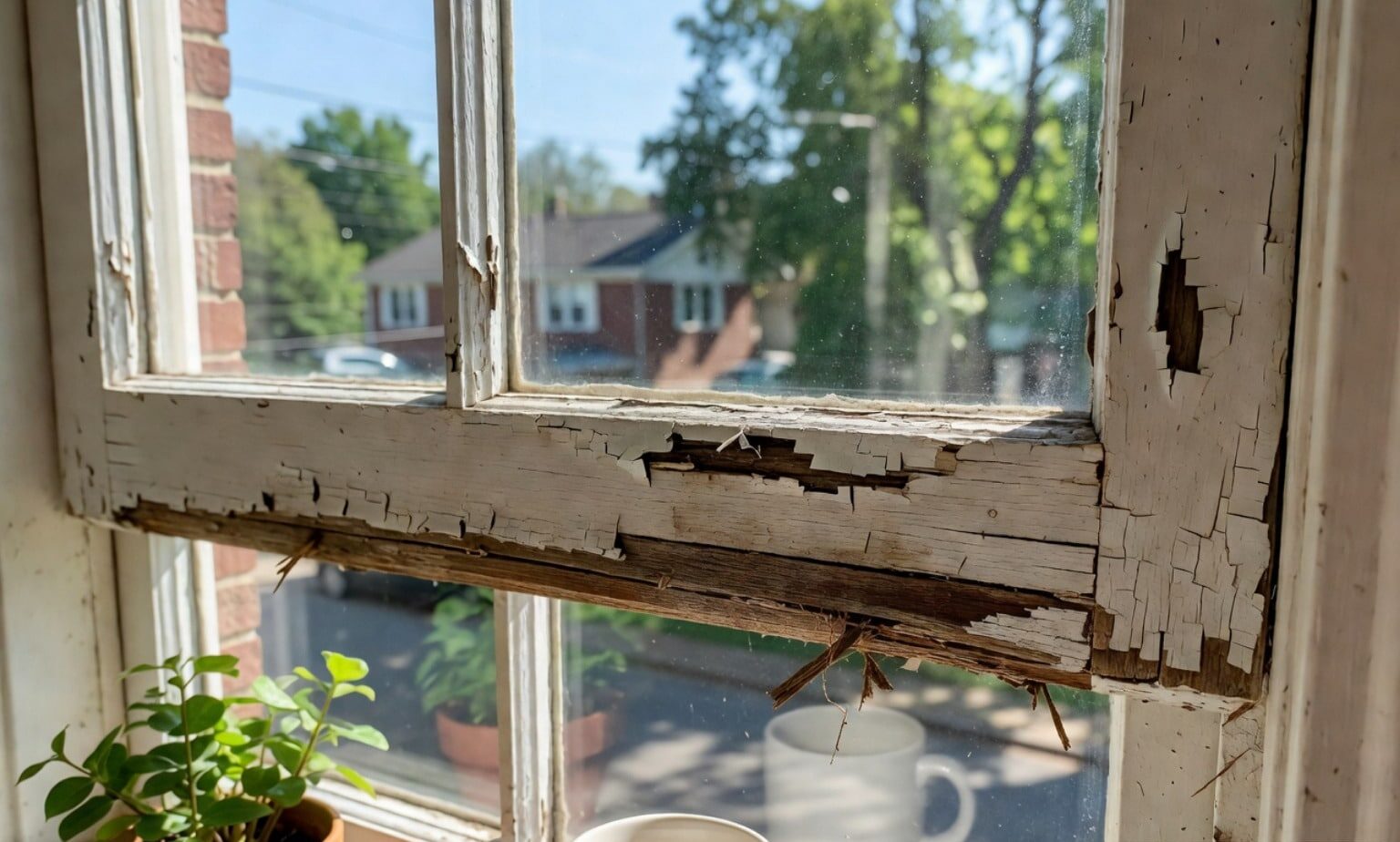
- Compromised sash or frame joinery: If rot, warping, or damaged balances accompany the broken pane, a technician can restore the framing while replacing the glass.
Frequently Asked Questions about Broken Glass in Home Windows across Northeast Ohio
How do I locate tiny, invisible glass splinters on my floor?
Dim the primary room lights and place a bright flashlight flat against the floor, aiming the beam across the surface at a low angle. The horizontal light reflects off raised edges, casting distinct shadows behind microscopic glass splinters. Once spotted, lift them using a damp folded paper towel or wide painter’s tape rather than a dry broom.
Can I put broken window panes into my curbside recycling bin?
No. Window glass, mirrors, and door glass are made with different chemical additives and higher melting points than standard container glass (such as pickle jars or soda bottles). Placing window panes in curbside recycling bins contaminates the recycling stream. Always box, seal, and label broken window glass for standard waste disposal.
What factors determine the overall cost of window glass repair in Cleveland and Akron?
The overall cost of window repair depends on several variables rather than a flat rate:
- Glass type and construction: Single-pane annealed glass is simpler to fabricate than dual-pane insulated units, tempered safety glass, or laminated panels.
- Specialty features: Custom Low-E thermal coatings, gas fills (argon), tinted glass, and internal decorative grid patterns affect production requirements.
- Frame material and condition: Repairing glass within standard vinyl snap-bead frames involves different labor steps than restoring vintage wood sashes with specialized glazing putty or repairing localized wood rot.
- Location and accessibility: Ground-floor windows are straightforward to access, whereas multi-story, custom-shaped, or oversized architectural picture windows require extra handling. Requesting a free assessment is the best way to determine the exact scope needed for your window.
Conclusion
Handling broken glass in home windows requires balancing immediate household safety with lasting repair choices. Securing the area, utilizing proper protective equipment, and isolating shards promptly eliminates injury risks and stops cold outdoor drafts from increasing your energy bills.
By adopting a repair-first mindset, you can often restore drafty, damaged windows by replacing only the failed insulated glass unit or cracked single pane, keeping intact wood, vinyl, or aluminum frames right where they belong.
Whether you live in Cleveland, Akron, Lakewood, Strongsville, or surrounding Northeast Ohio communities, Apex Window Werks provides expert residential and commercial glass restoration. Our specialists handle everything from single-pane sash glazing to double-pane IGU replacements and wood sash repairs. We provide free estimates, including convenient options where you can submit photos, measurements, or manufacturer markings (like Andersen, Pella, or Marvin) online for a quick assessment. Same day repairs available depending on the damage, materials, technician availability, and scheduling.
For prompt help with damaged glass, explore our professional broken glass replacement services or bring your removable sashes directly to our Oakwood Village workshop. Contact our team at 440-496-7415 during regular business hours (Monday – Friday, 8 AM – 5 PM; Saturday, 9 AM – 2 PM) to get your home secure and draft-free again.