How to Fix Double Glazed Windows with These 3 Easy Changes
Double Glazed Window Repair in Northeast Ohio: Three Fixes to Check First
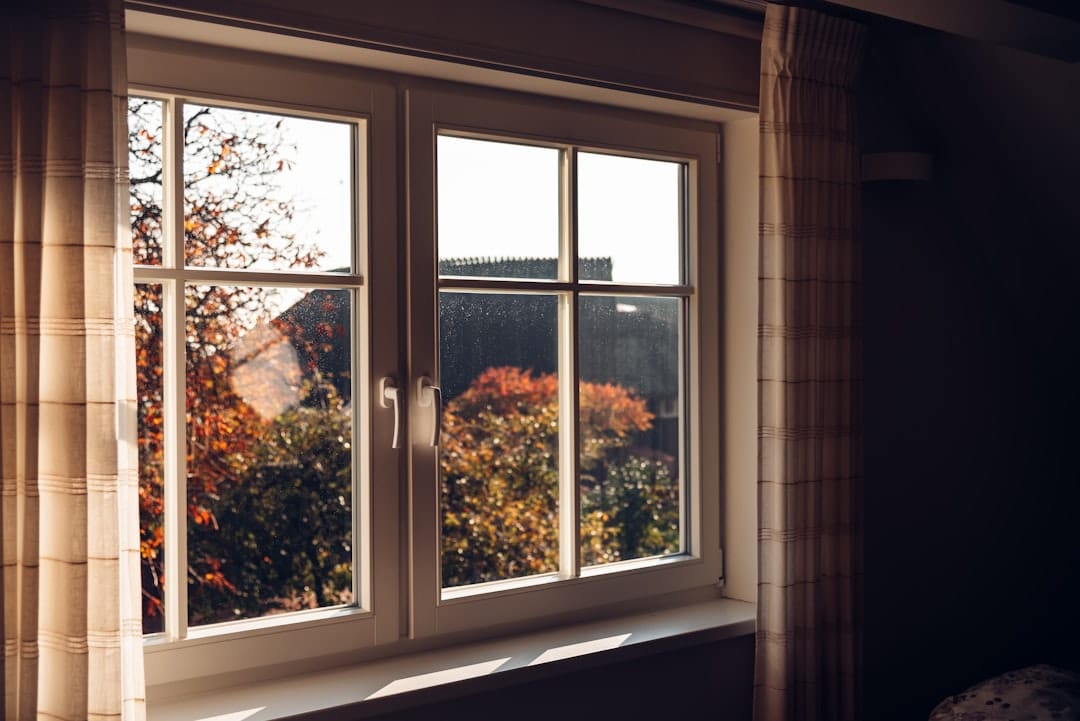
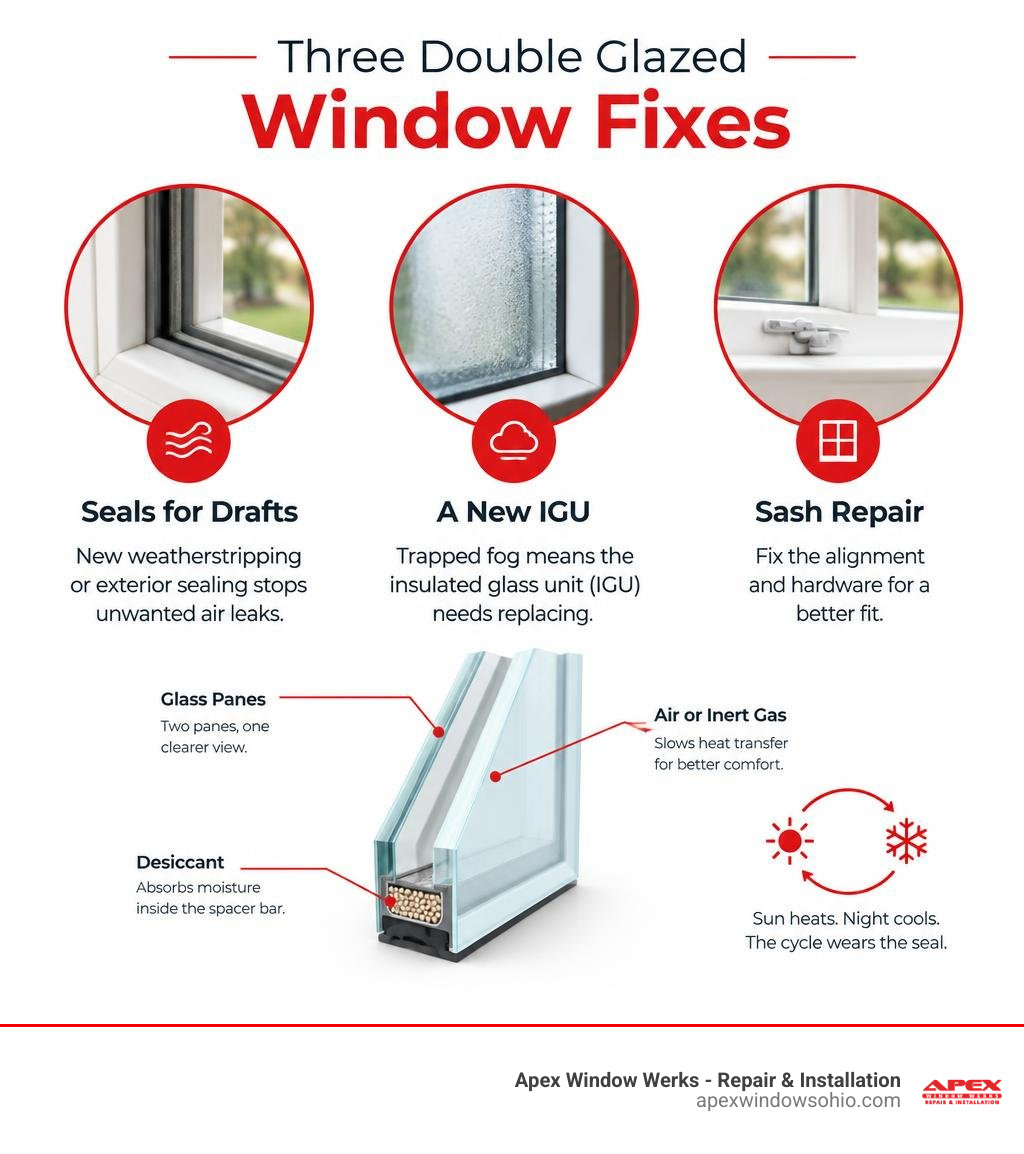
For double glazed window repair, start by finding where the problem is. A draft around the frame may call for new weatherstripping or exterior sealing. Fog trapped between the panes usually means the insulated glass unit (IGU) needs replacing, not a bead of caulk. If the sash sticks or will not lock, check its alignment and hardware. When the frame is sound, you may not need a whole new window.
I’m Nataly Godes, General Manager at Apex Window Werks. Since joining Apex, I’ve led our team in double glazed window repair, foggy glass replacement, and window restoration for homes and businesses across Northeast Ohio.
Understanding When You Need Double Glazed Window Repair in Northeast Ohio
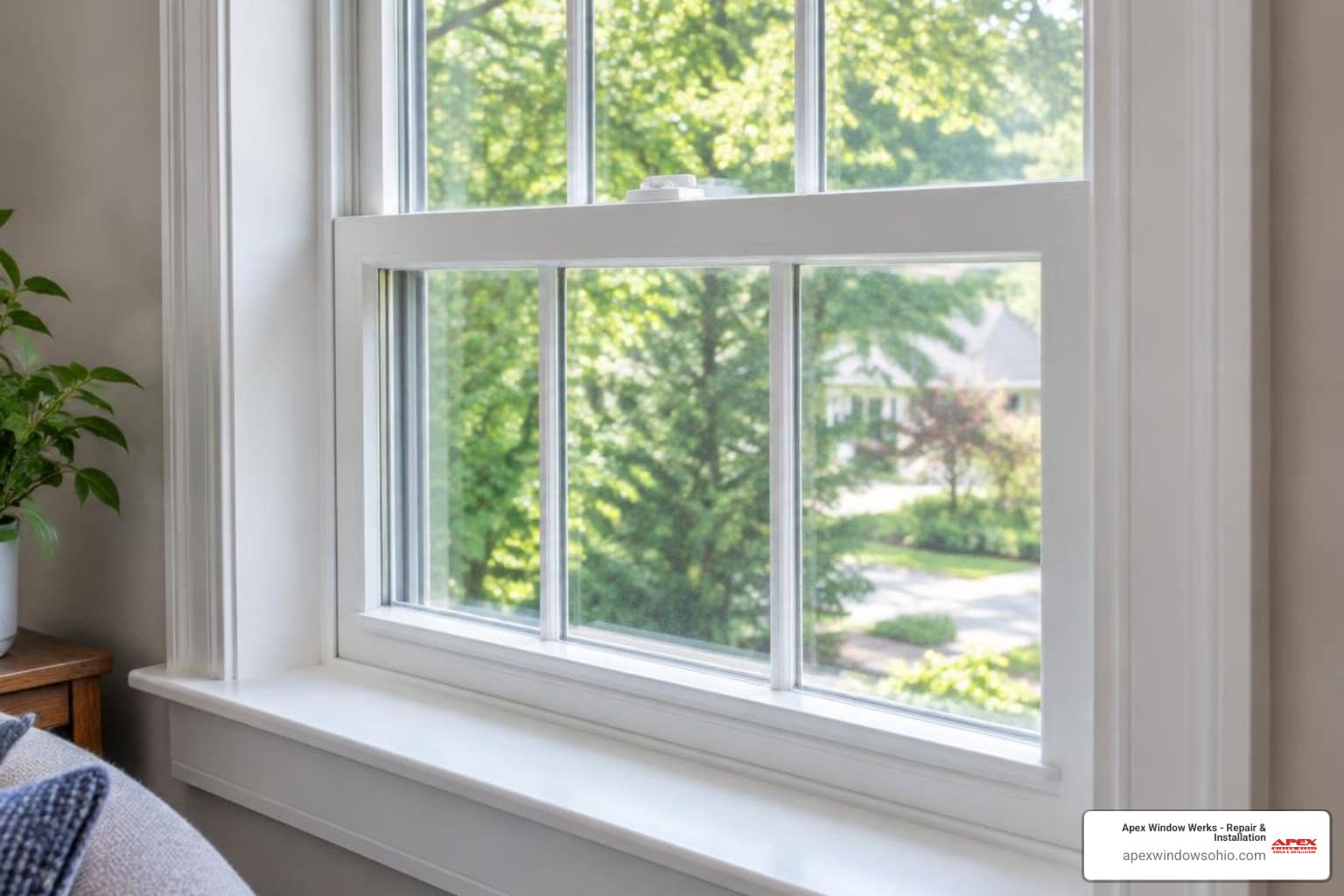
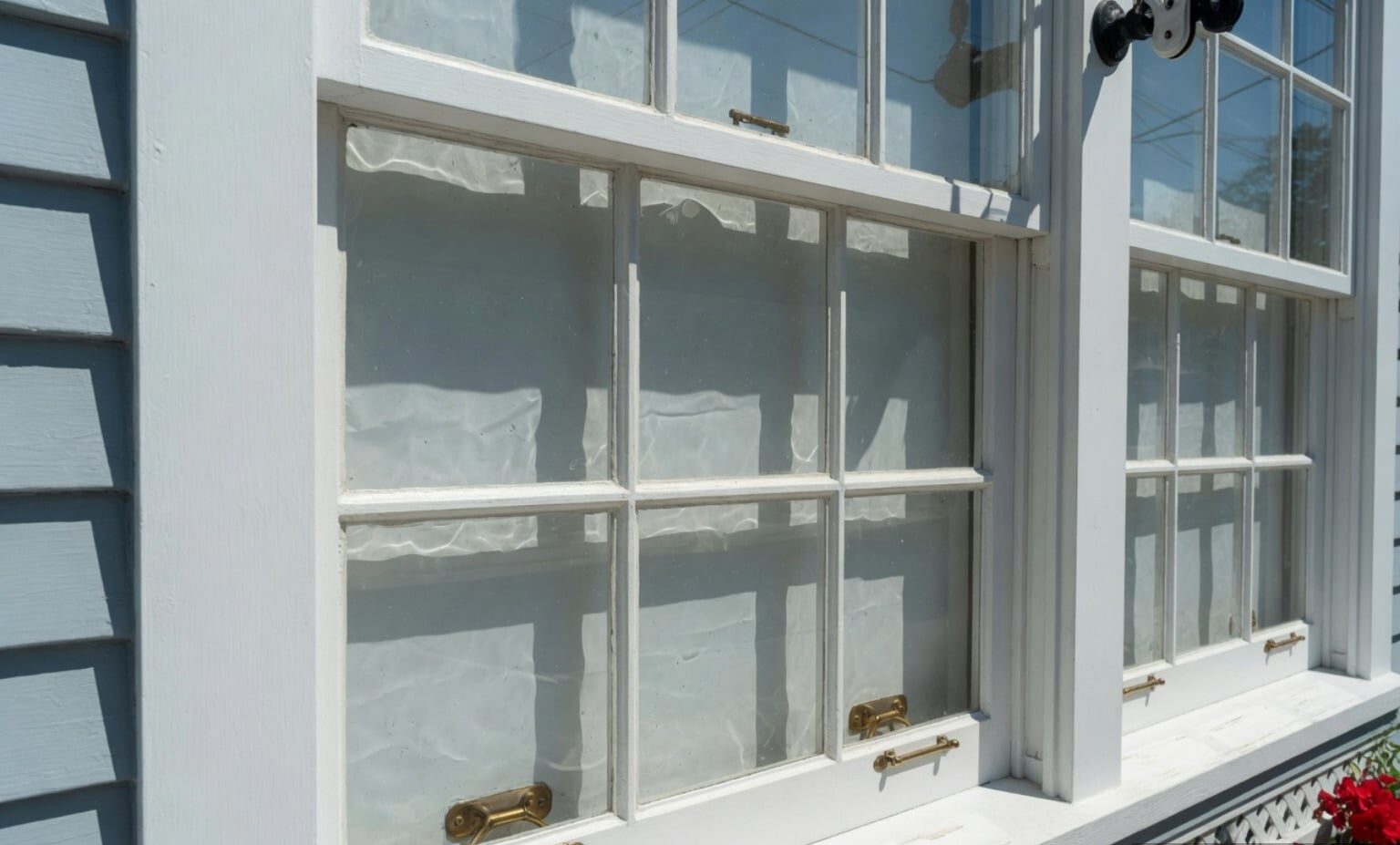
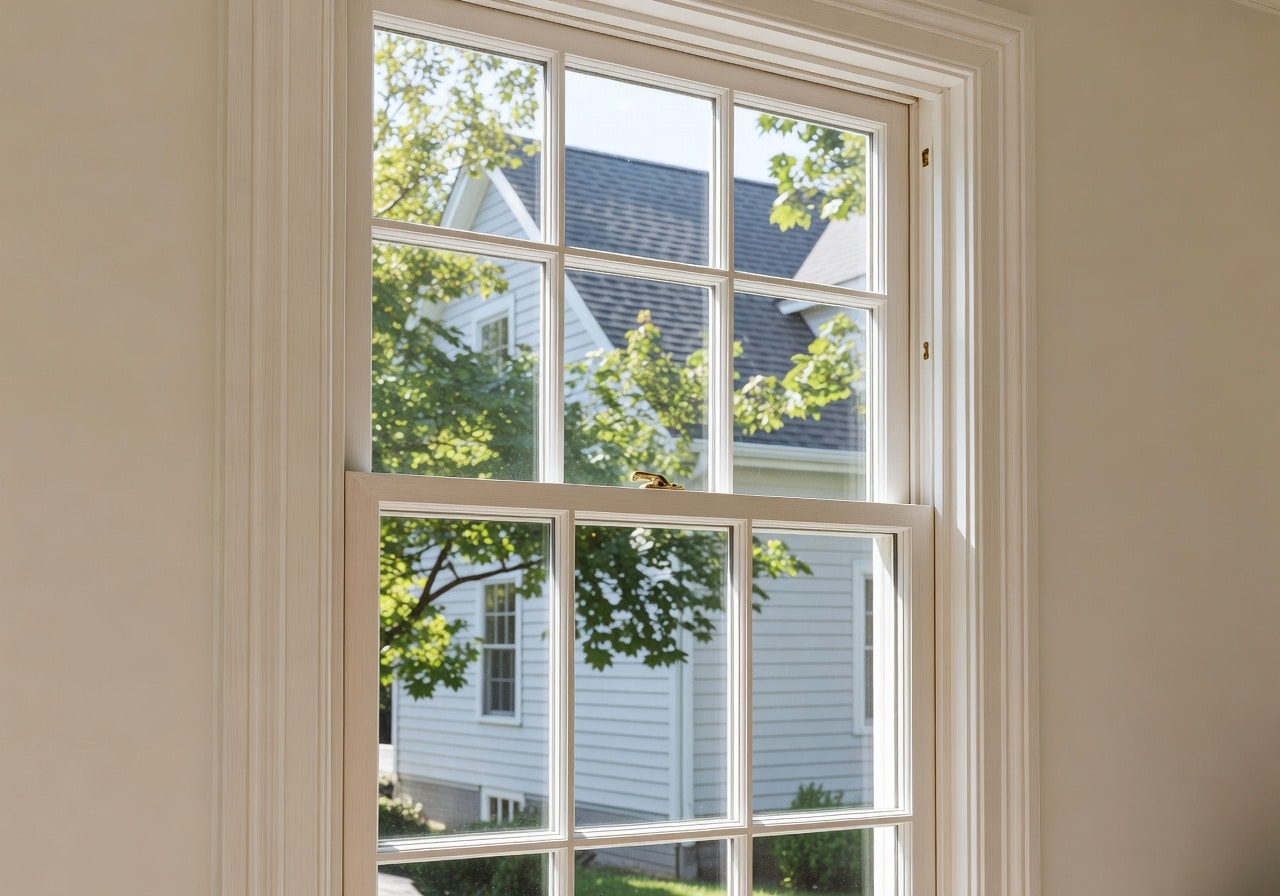
Double-glazed windows rely on a hermetically sealed insulated glass unit (IGU). Inside this unit, two glass panes sit separated by a perimeter spacer bar containing moisture-absorbing desiccant crystals. The isolated pocket between the panes is filled with dry air or an inert gas, such as argon, which dramatically slows heat transfer.
Over years of exposure to harsh seasonal weather, windows undergo solar pumping. The daily cycle of sunlight heats the air inside the cavity, causing it to expand and push outward against the edge seals. At night, cooling contracts the air, drawing moisture inward. Eventually, microscopic fractures form in the perimeter sealant.
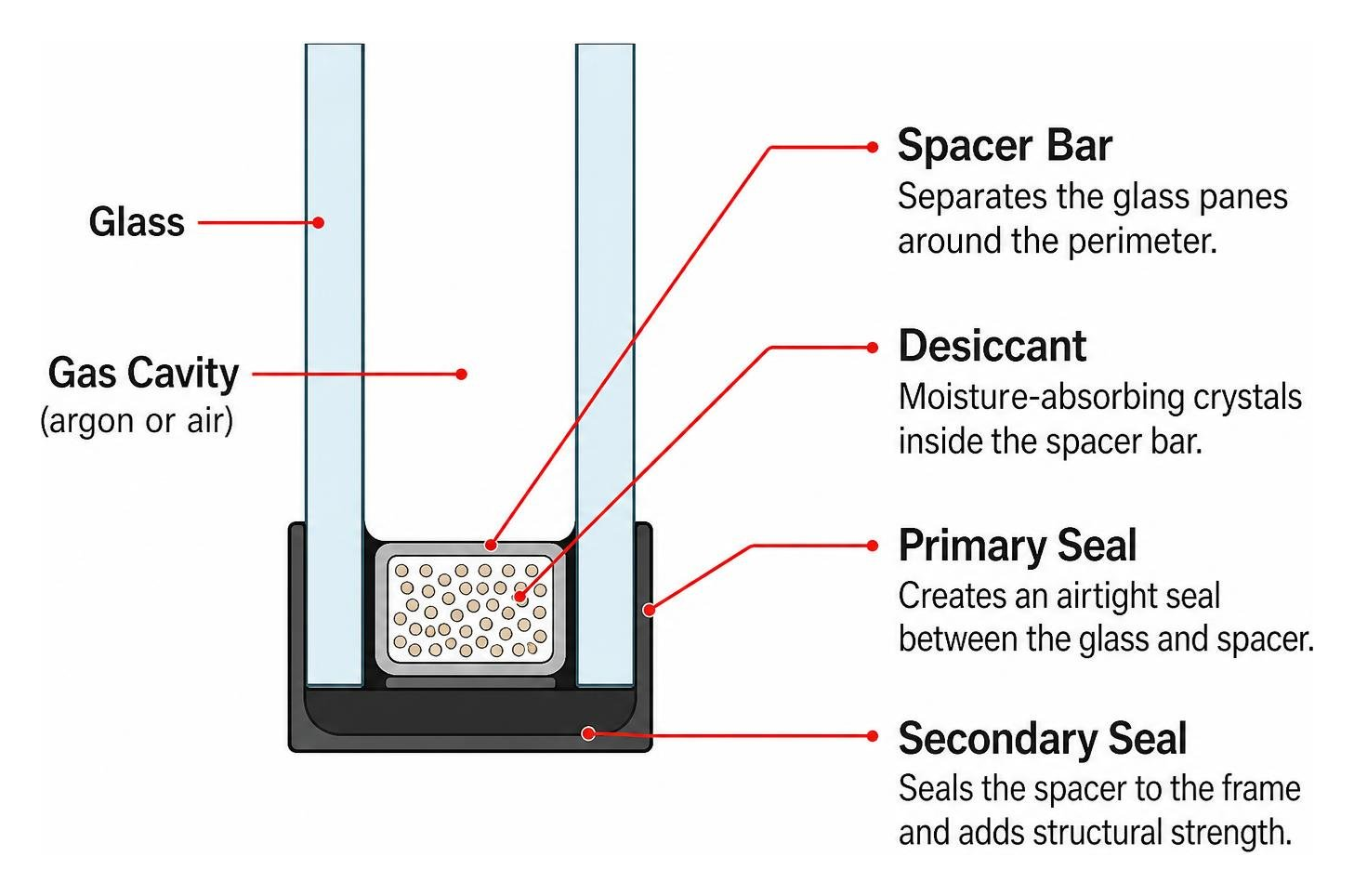
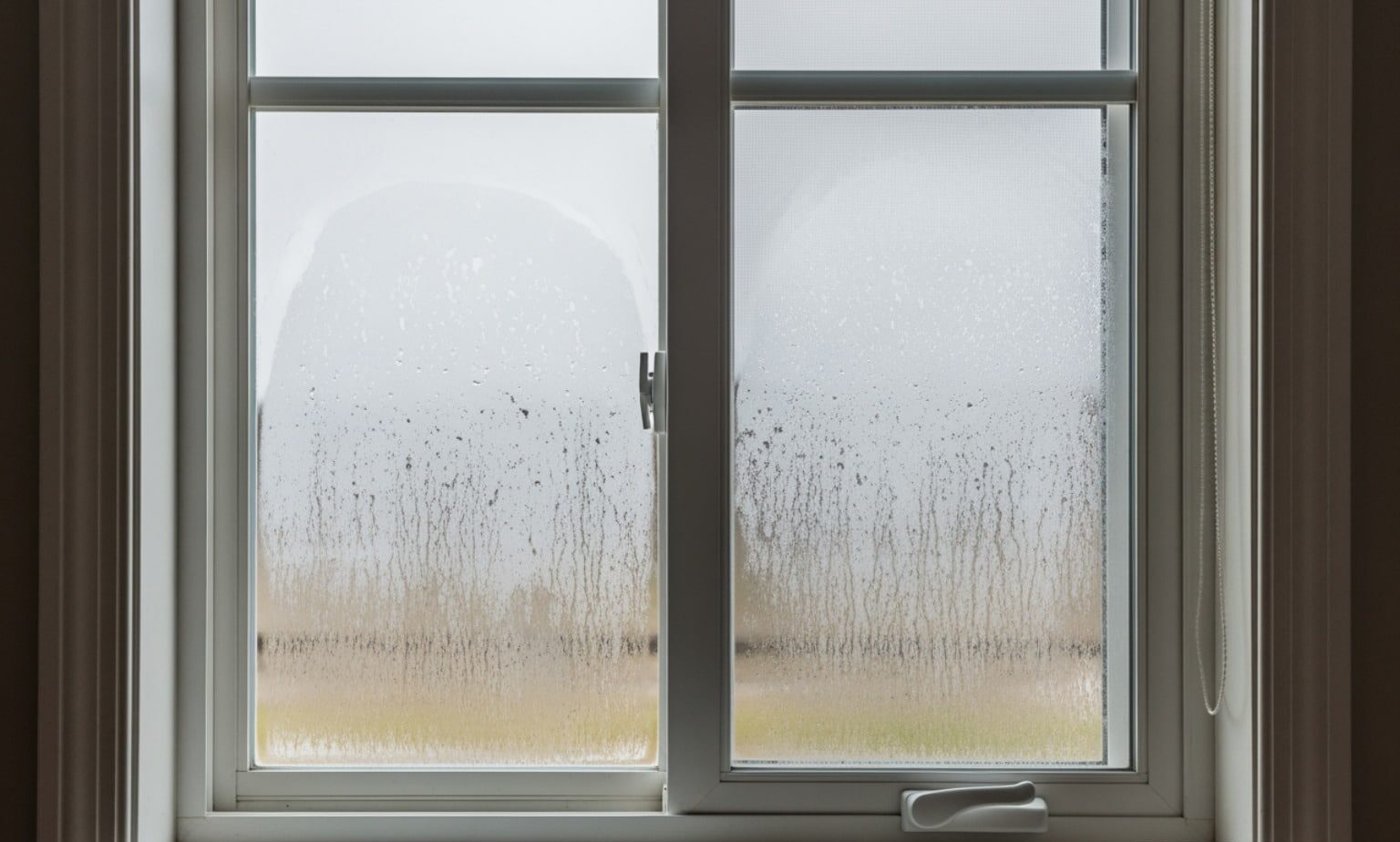
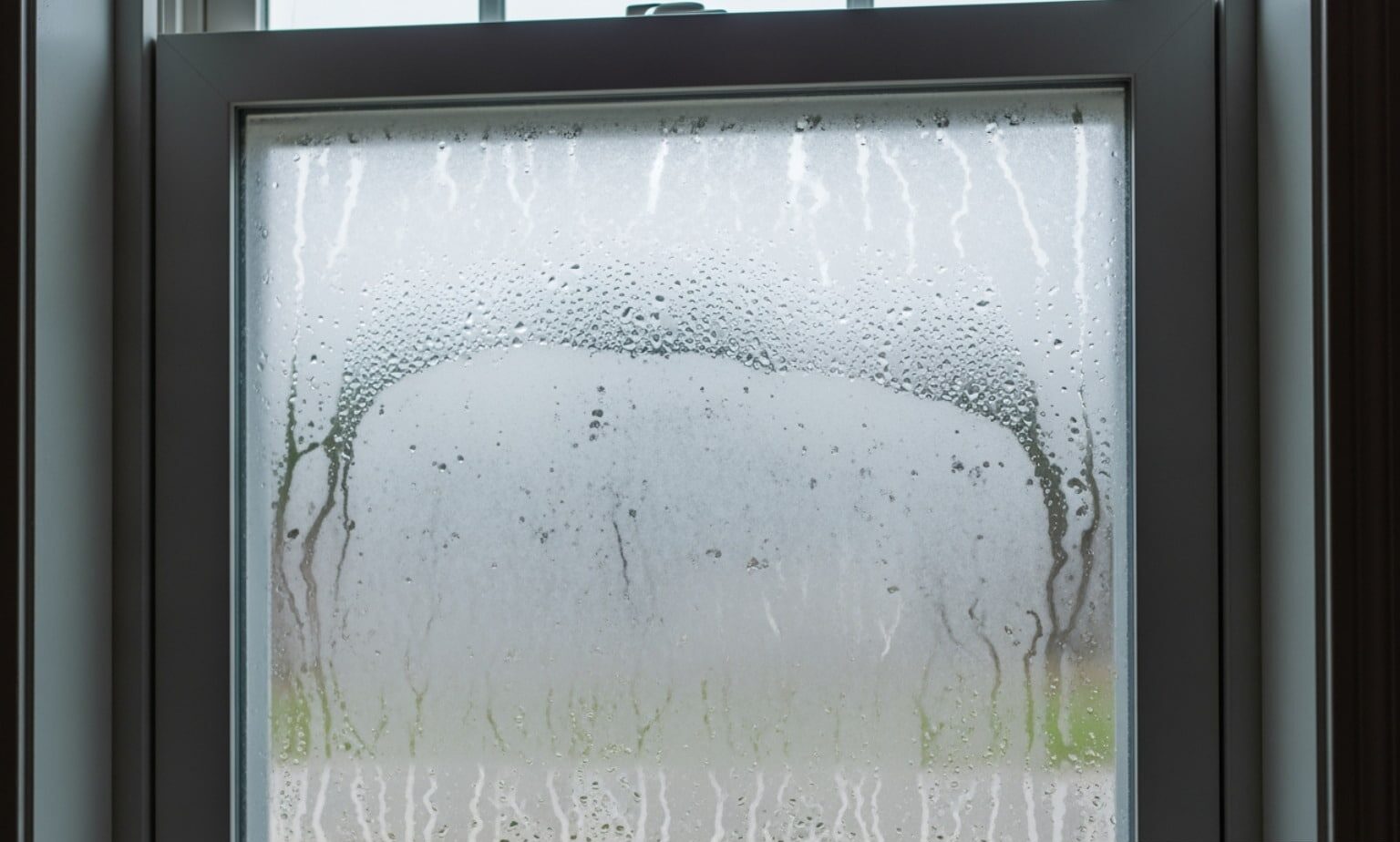
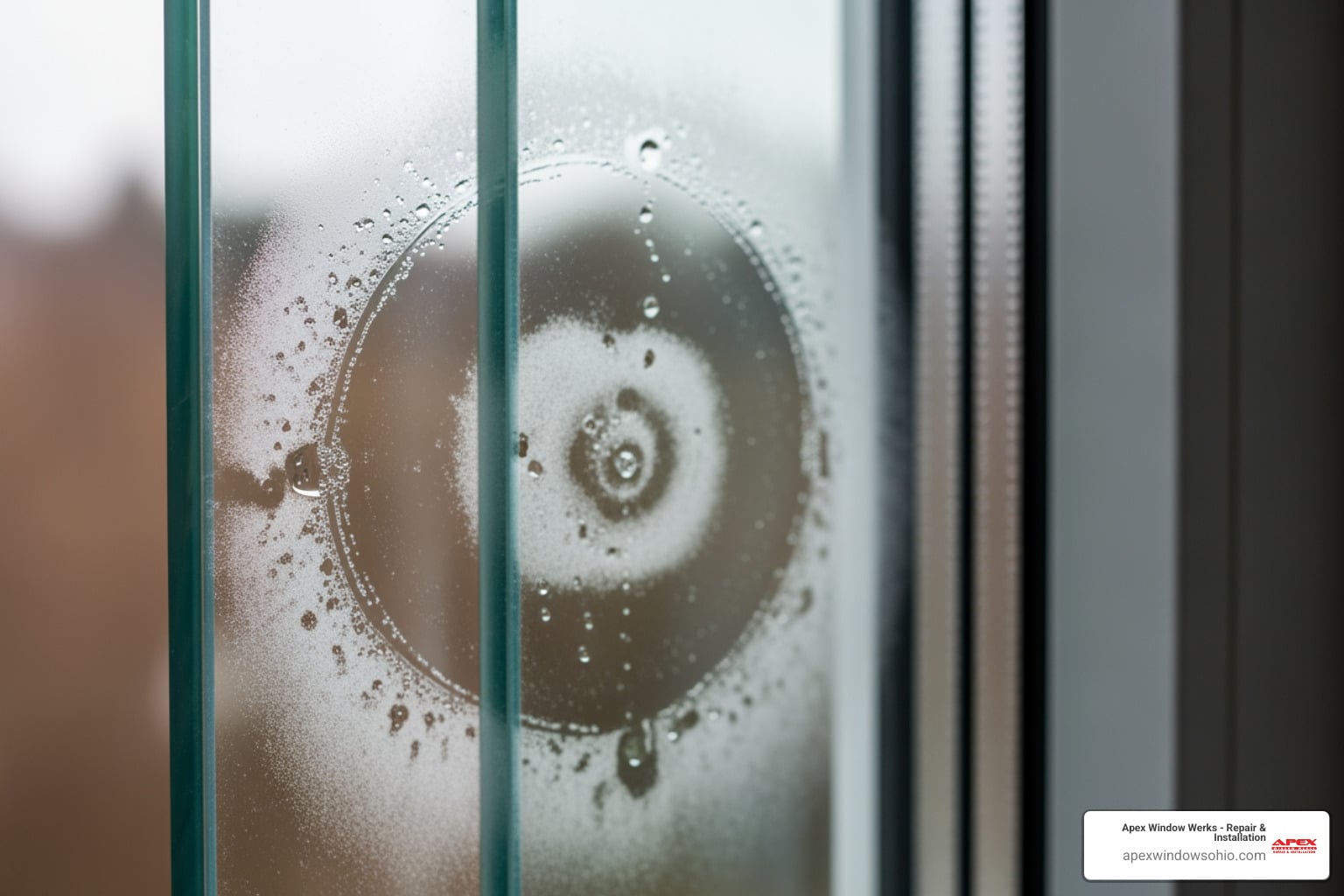
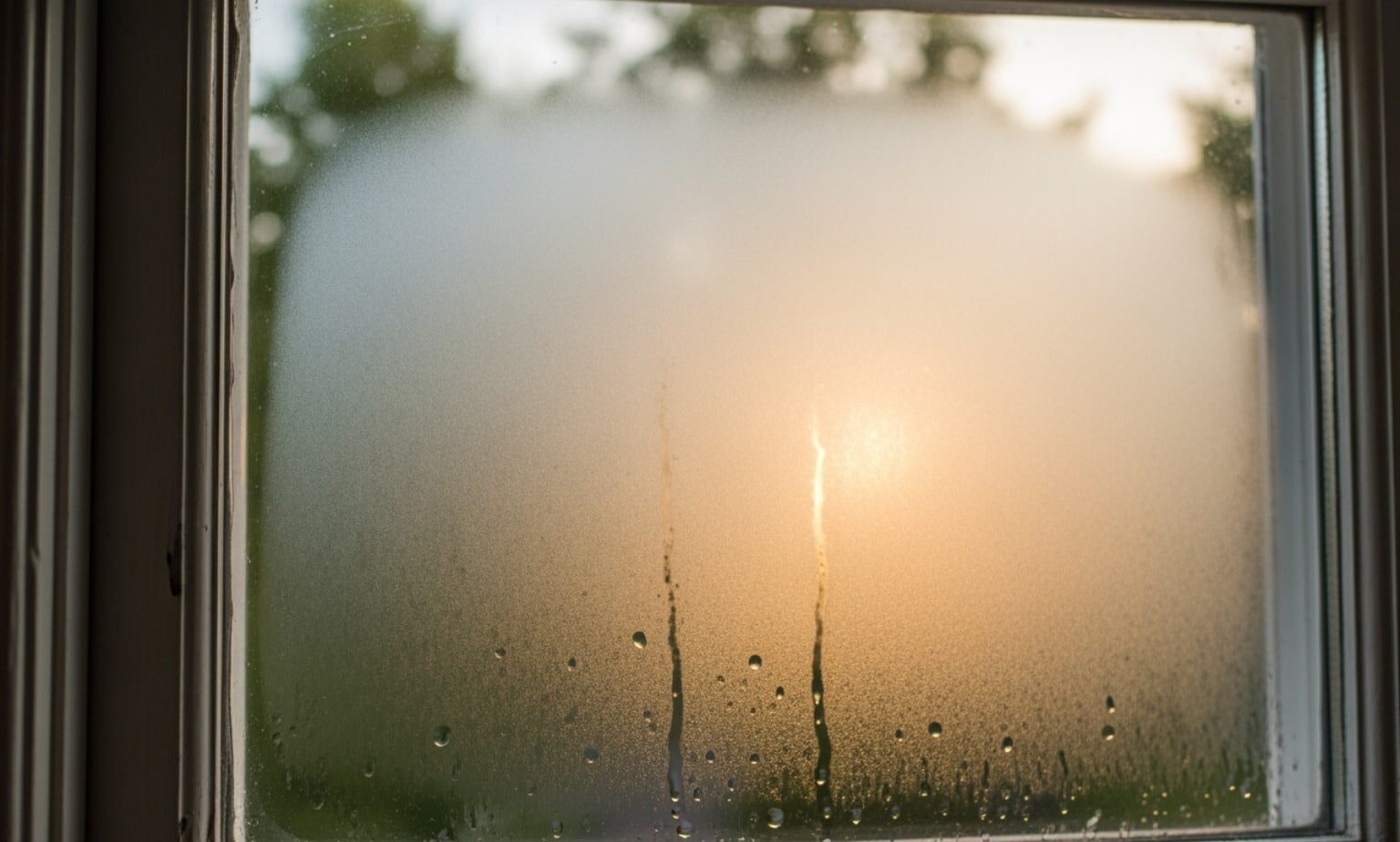
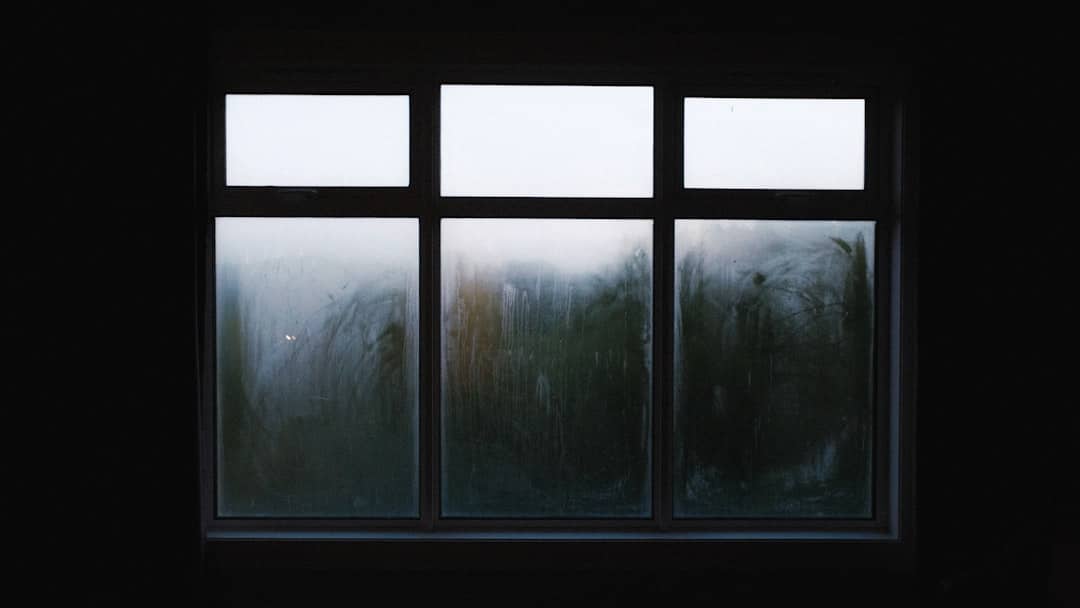
Once outside humidity penetrates the spacer, the desiccant absorbs water until reaching full saturation. At that point, moisture remains suspended in the air cavity. When temperatures drop, this trapped vapor turns into condensation between window panes. As the argon gas escapes, the window suffers significant U-value degradation, losing its insulating capability and transferring exterior temperatures straight into your home.
Identifying Seal Failure vs Frame Degradation in Local Homes
Diagnosing the exact failure point determines the appropriate repair method. Moisture droplets, hazy condensation, or a white mineral film between the panes that cannot be wiped away from either side confirms an internal seal breach.

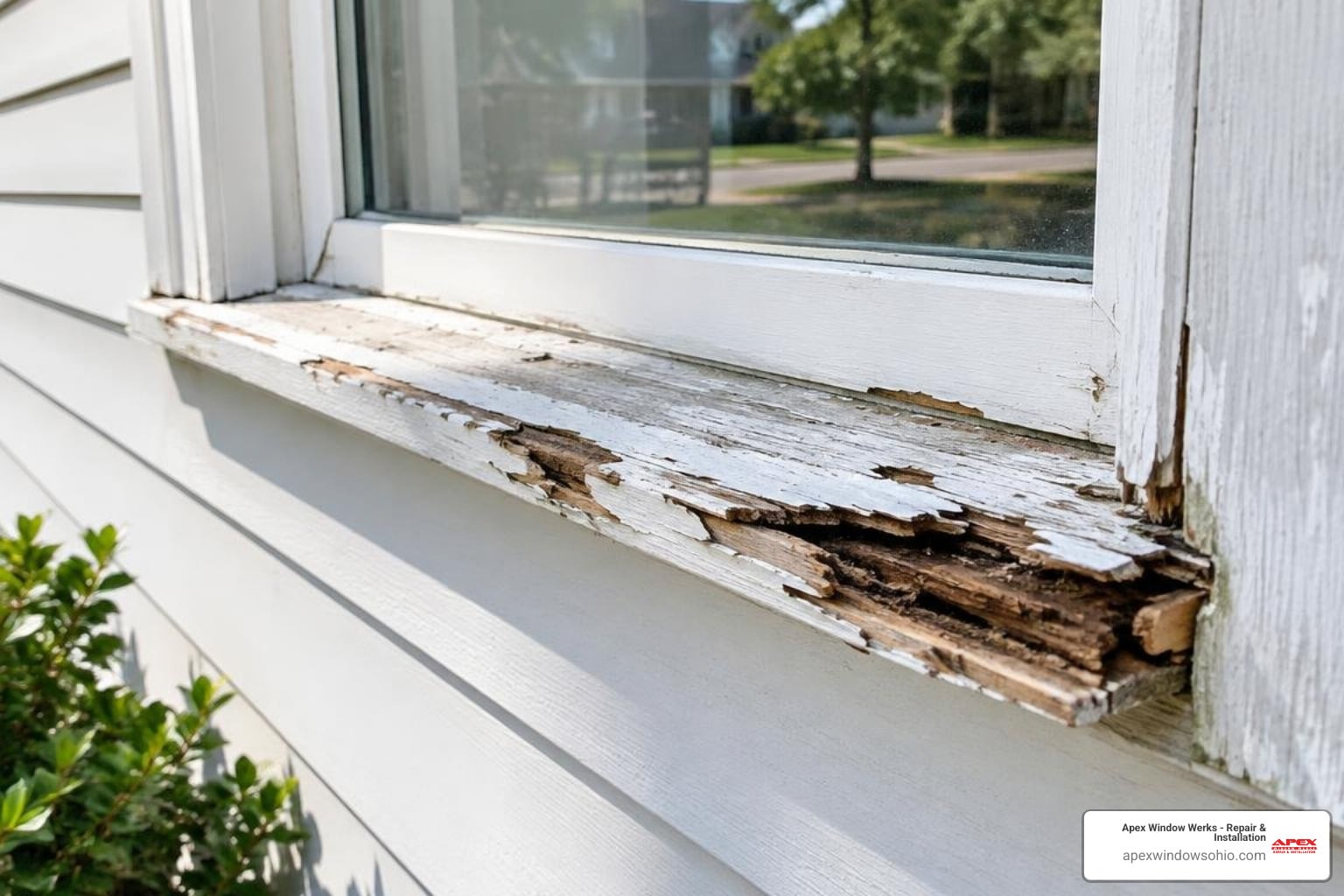
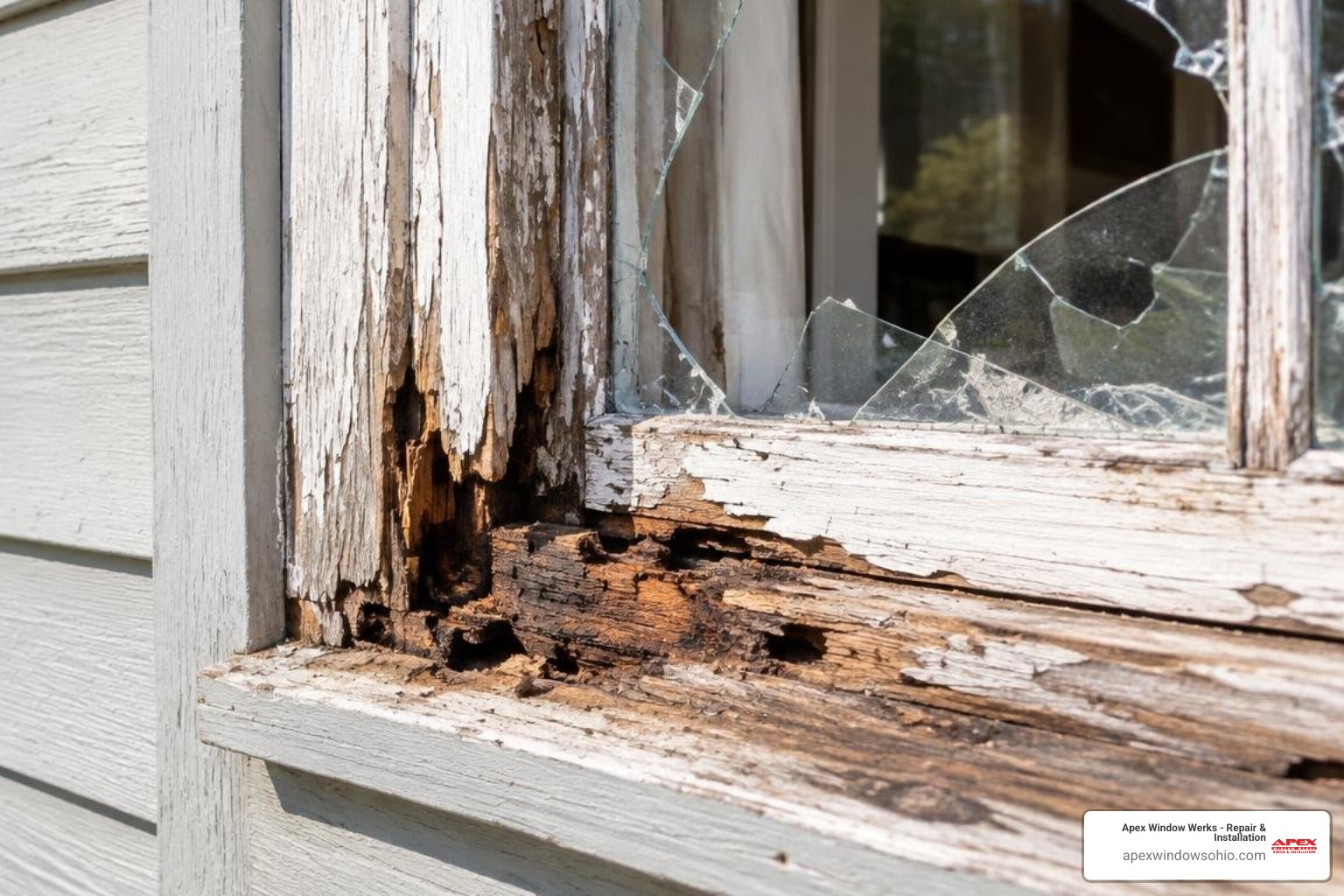
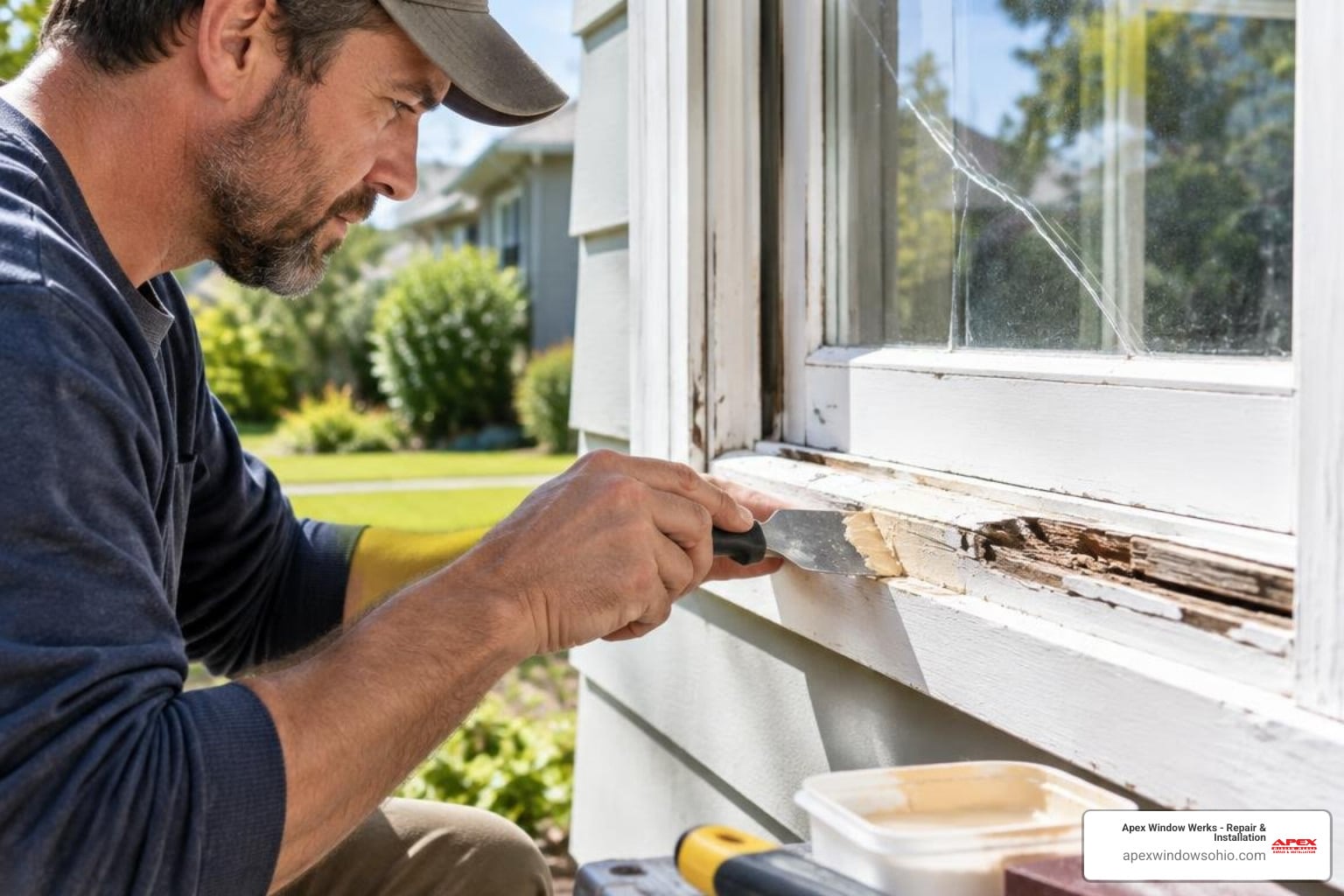
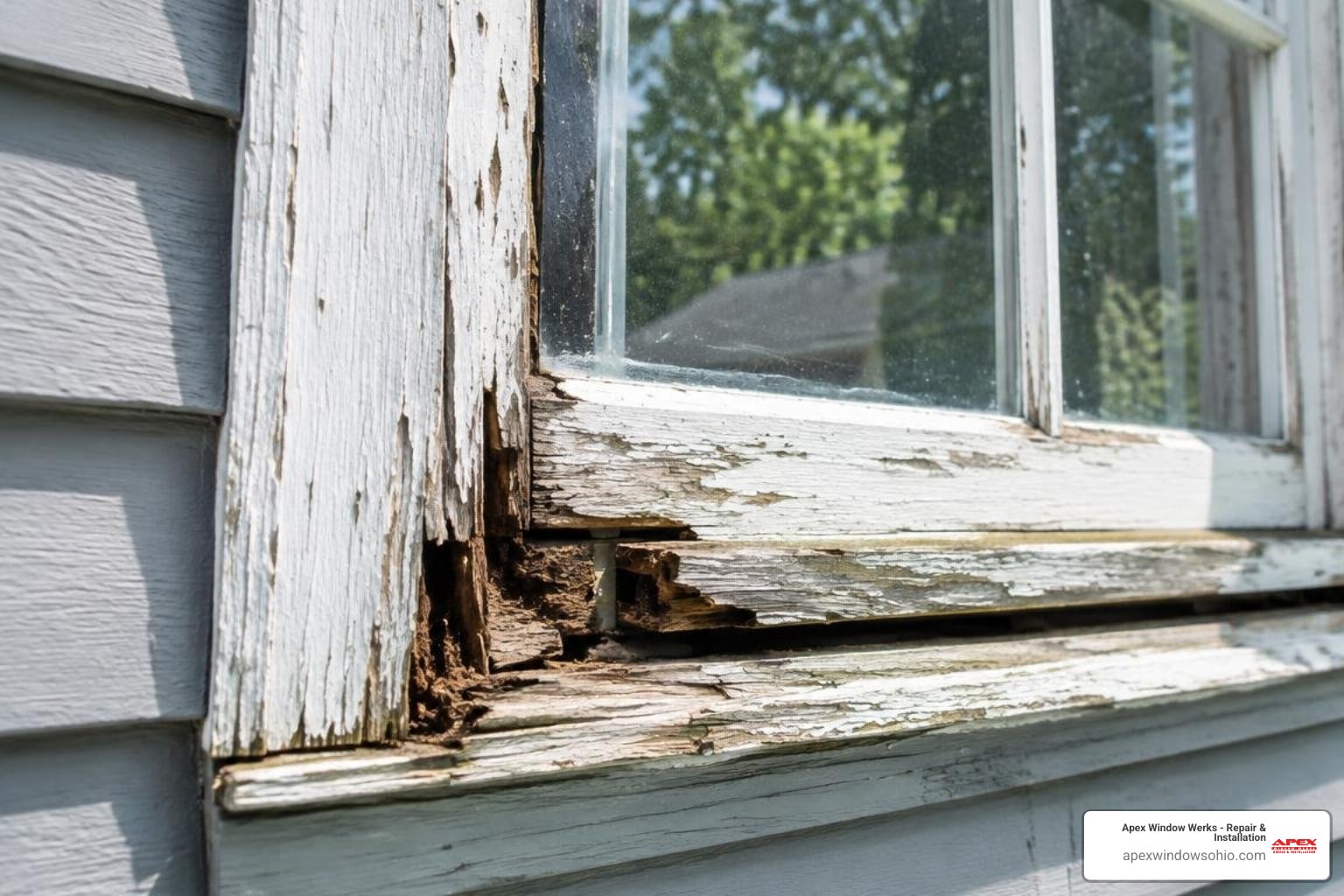
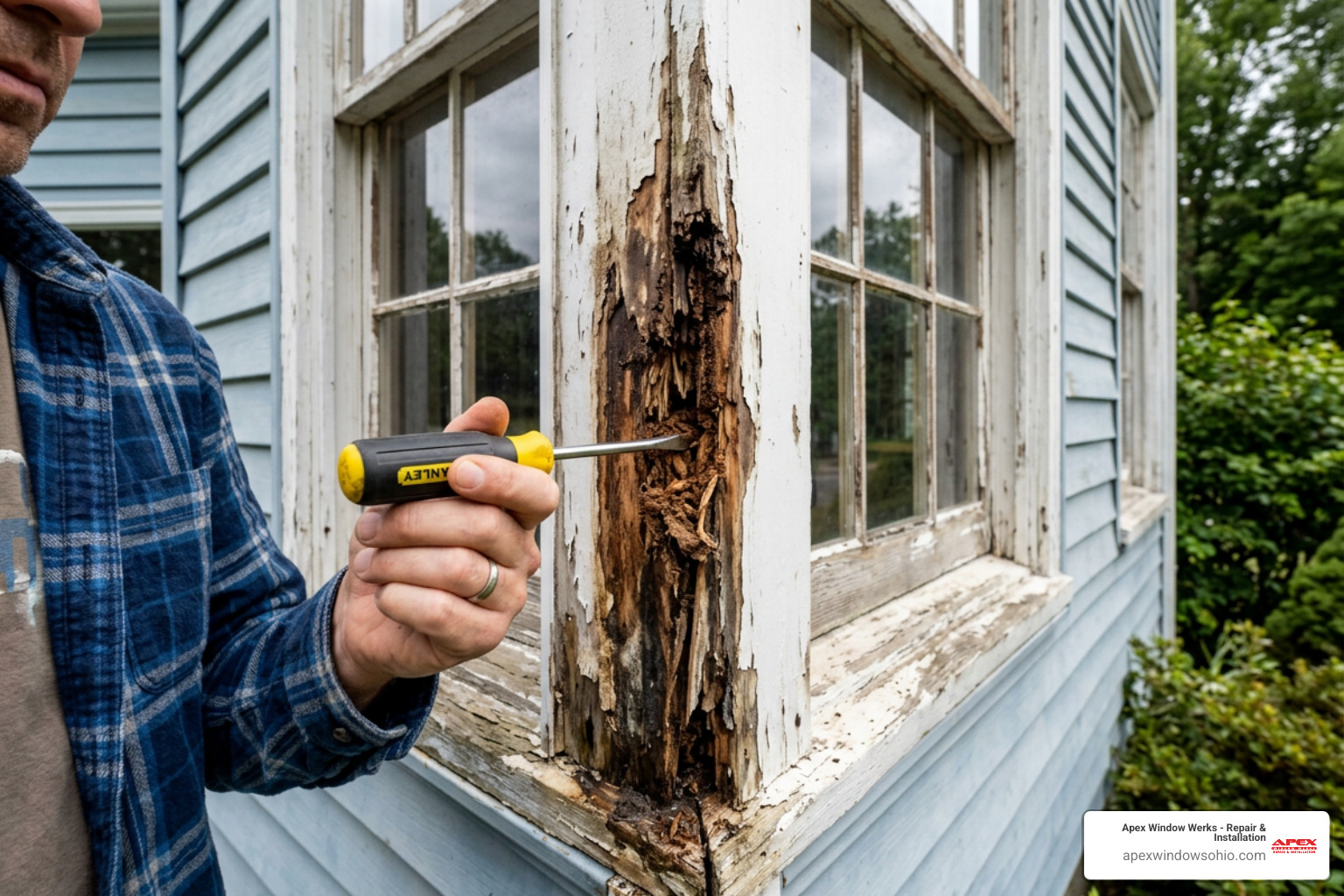
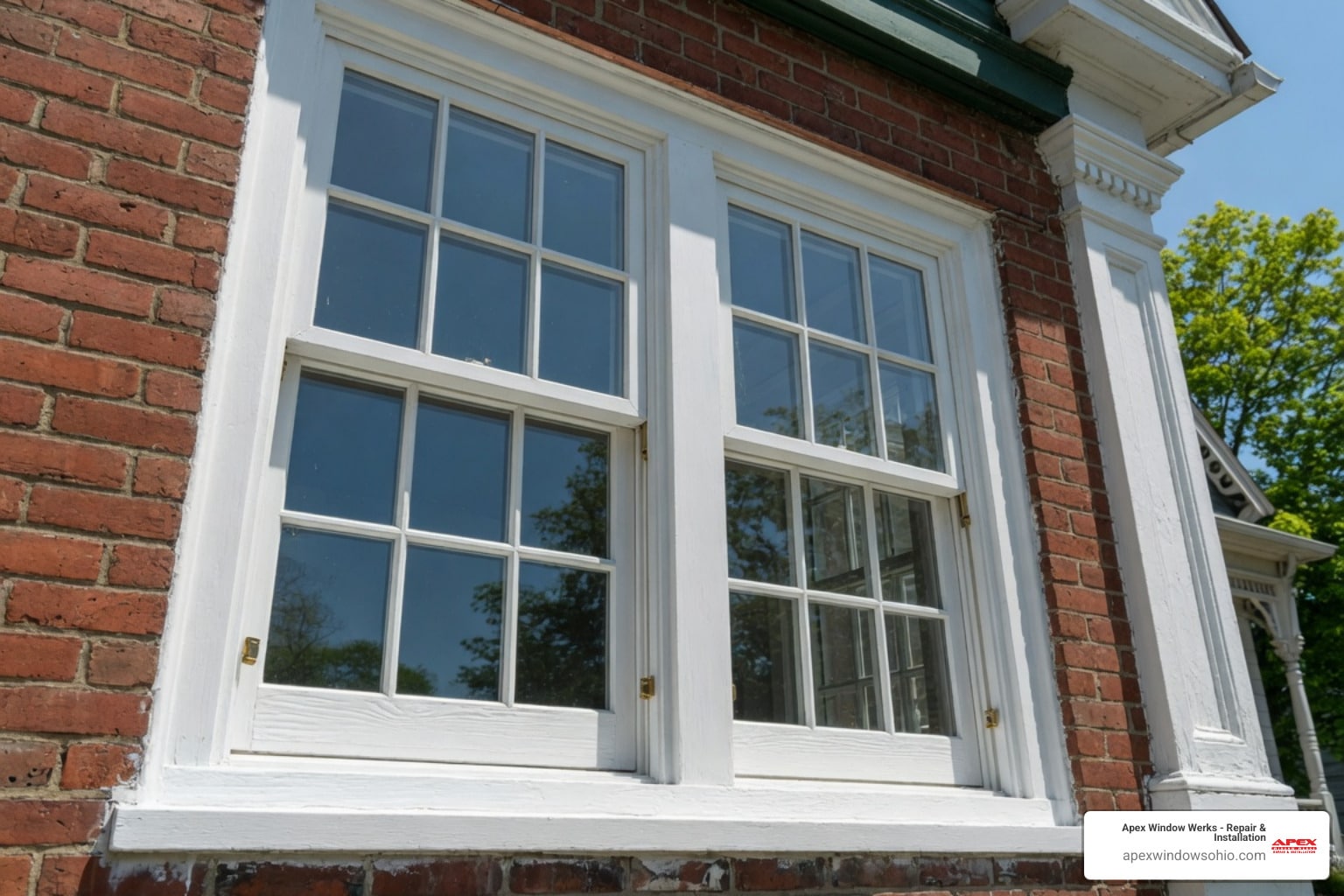
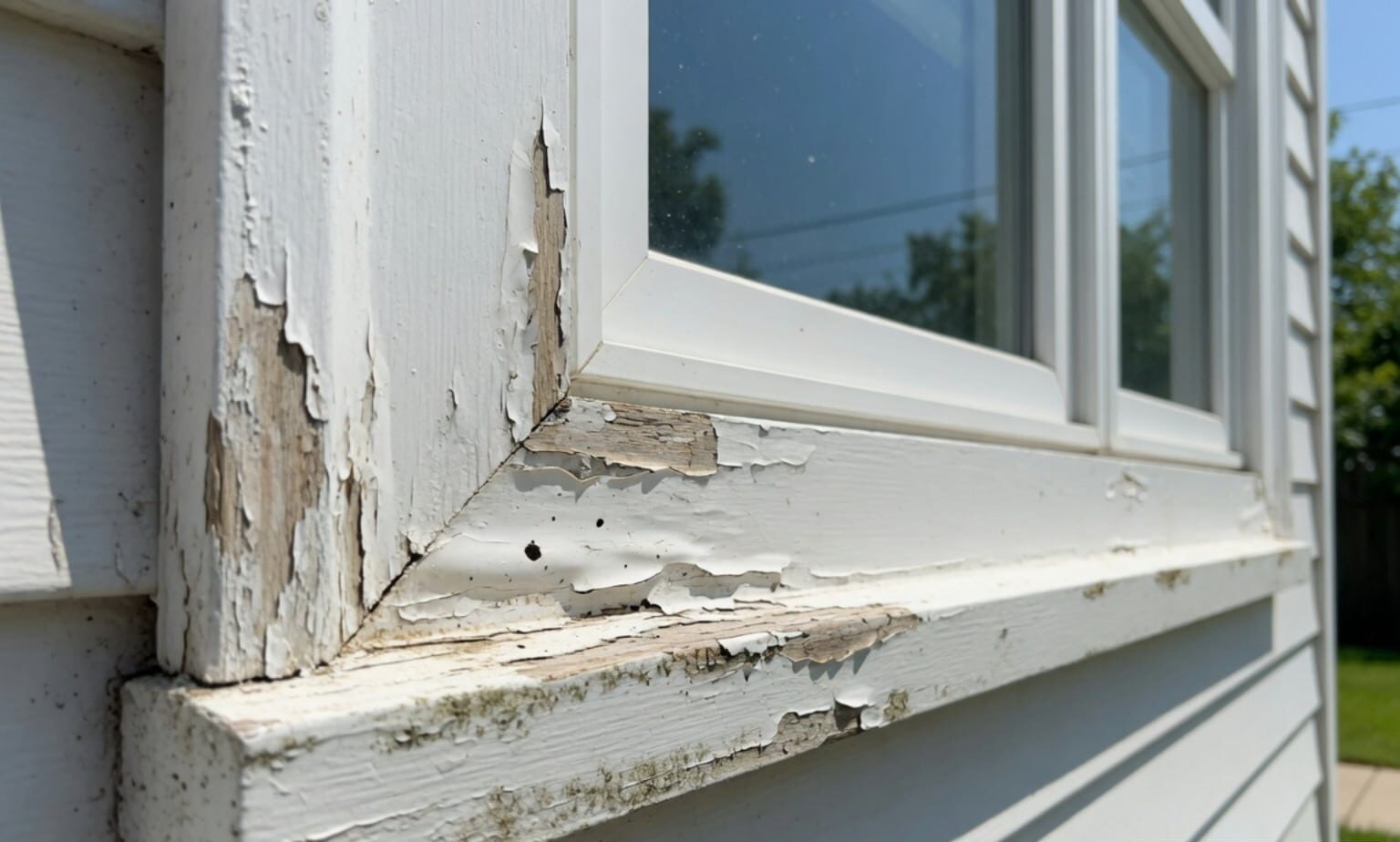
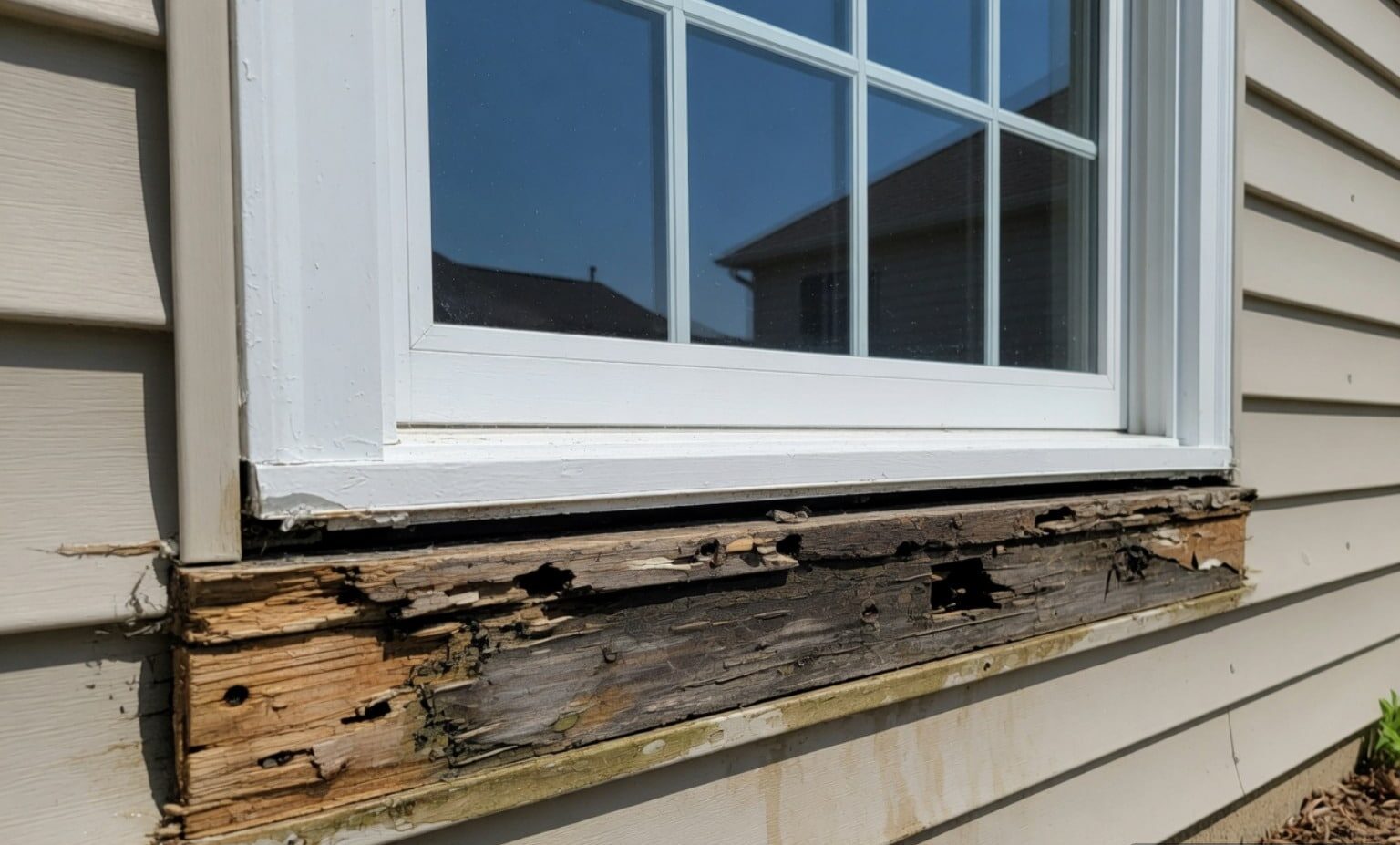
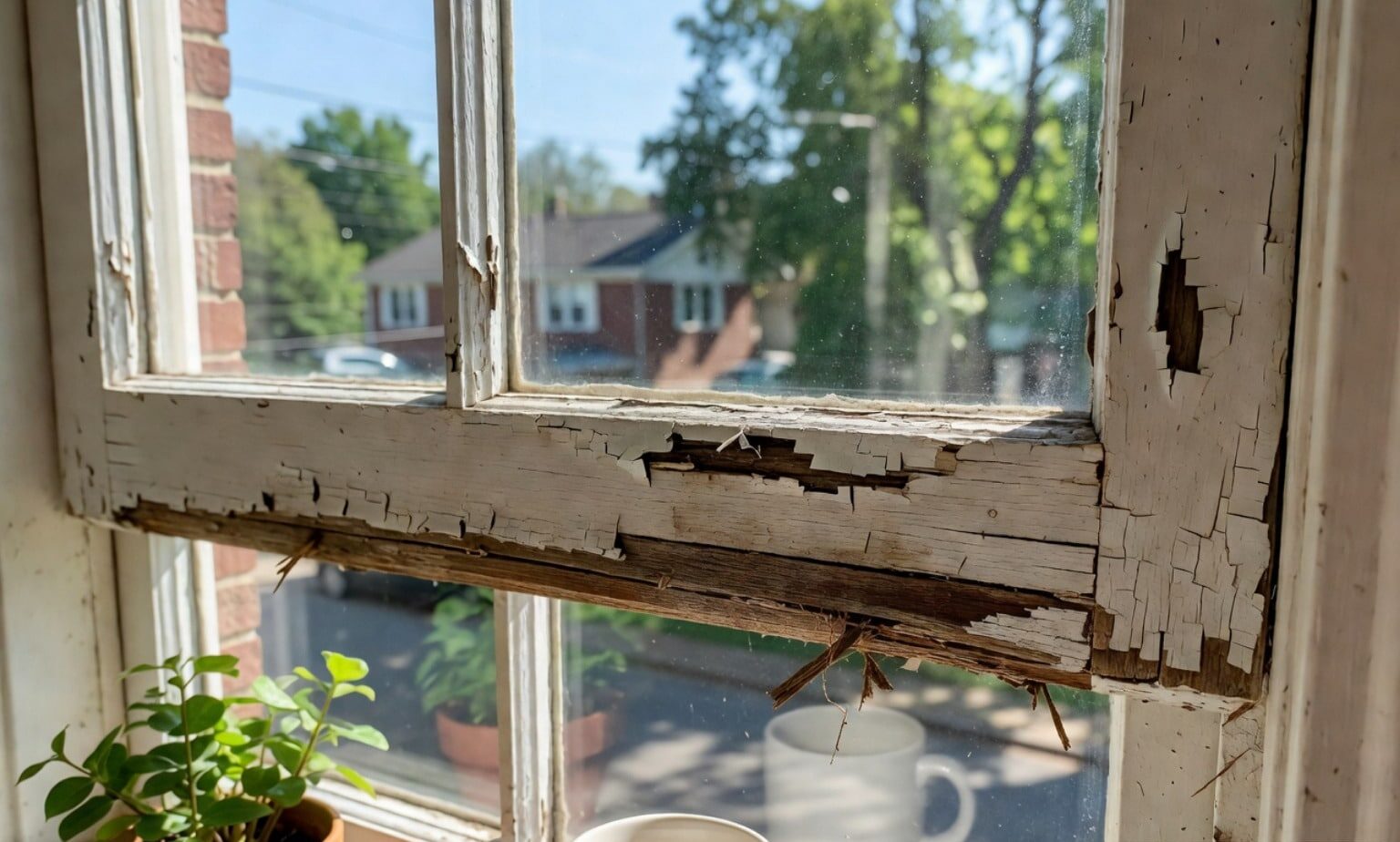
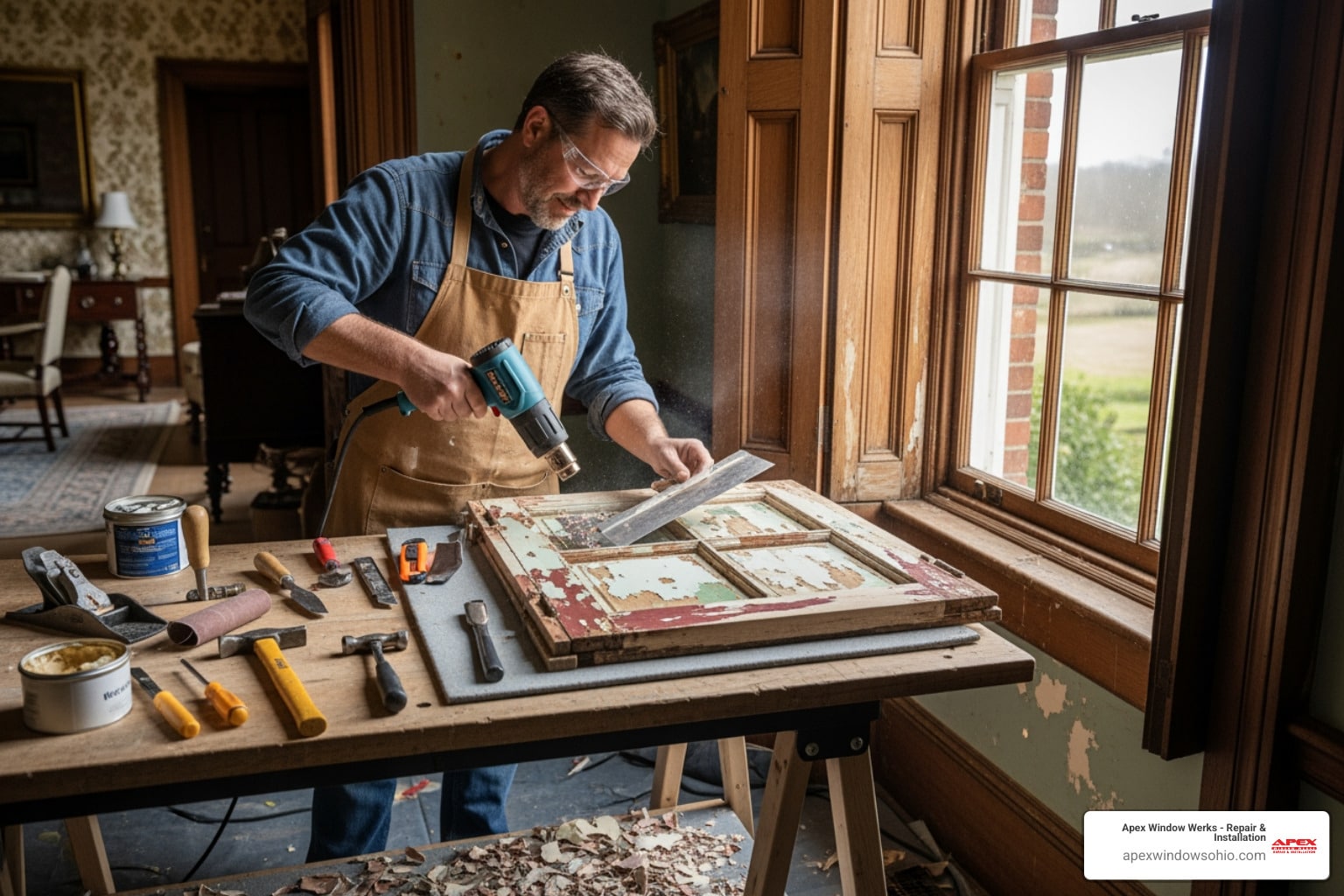
In contrast, drafts around the perimeter or operational sticking often indicate sash or frame trouble. In Northeast Ohio communities like Lakewood, Cleveland Heights, and Hudson, older wood frames regularly face freeze-thaw cycles that can prompt wood softening, frame warping, or structural decay. When physical timber decay occurs alongside glass fogging, homeowners must combine glass restoration with dedicated rotten window repair to restore the frame’s integrity.
Why Prompt Double Glazed Window Repair Protects Your Home
Ignoring a failed insulated unit invites hidden costs:
- Energy Loss: Blown seals allow thermal transfer, causing heating and cooling systems to run constantly.
- Moisture Damage: Condensation inside the unit eventually pools along the internal spacer and sash edges, encouraging mold growth and rotting surrounding timber.
- Loss of Comfort: Radiating drafts create distinct cold spots near windows during freezing winter months.
Addressing these issues by restoring insulated glass re-establishes thermal performance, protects original trim, and eliminates unwanted drafts.
3 Strategic Fixes to Restore Double-Glazed Windows in Cleveland and Akron Homes
When dealing with double-glazed window problems, full replacement is rarely the only solution. By targeting the exact component that failed, you can restore full functionality and appearance through these three targeted repairs:
| Repair Strategy | Best Used For | Primary Benefit | Preservation Level |
|---|---|---|---|
| Perimeter Resealing & Weatherstripping | Drafts, air infiltration around frame edges | Stops airflow, low complexity | Preserves entire frame, sash, and glass |
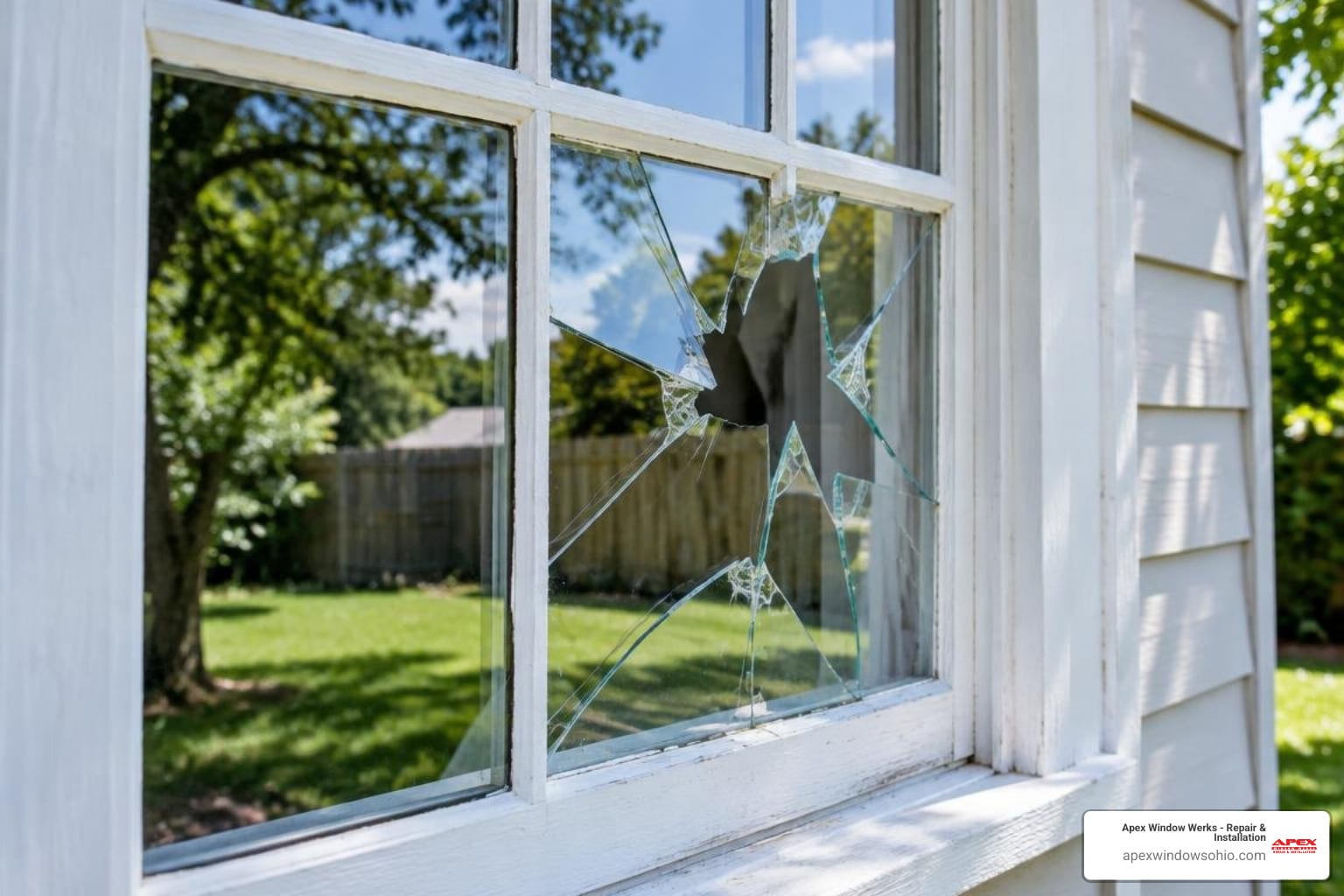
| Insulated Glass Unit (IGU) Replacement | Foggy glass, broken seal, cracked pane | Restores clear view and thermal U-value | Preserves existing sash, frame, and exterior siding |
| Sash Realignment & Hardware Repair | Sagging sash, binding locks, sticking hinges | Restores smooth opening, locking, and weather seal | Preserves original window structure and glass |
Change 1: Restoring Perimeter Weatherstripping and Exterior Seals
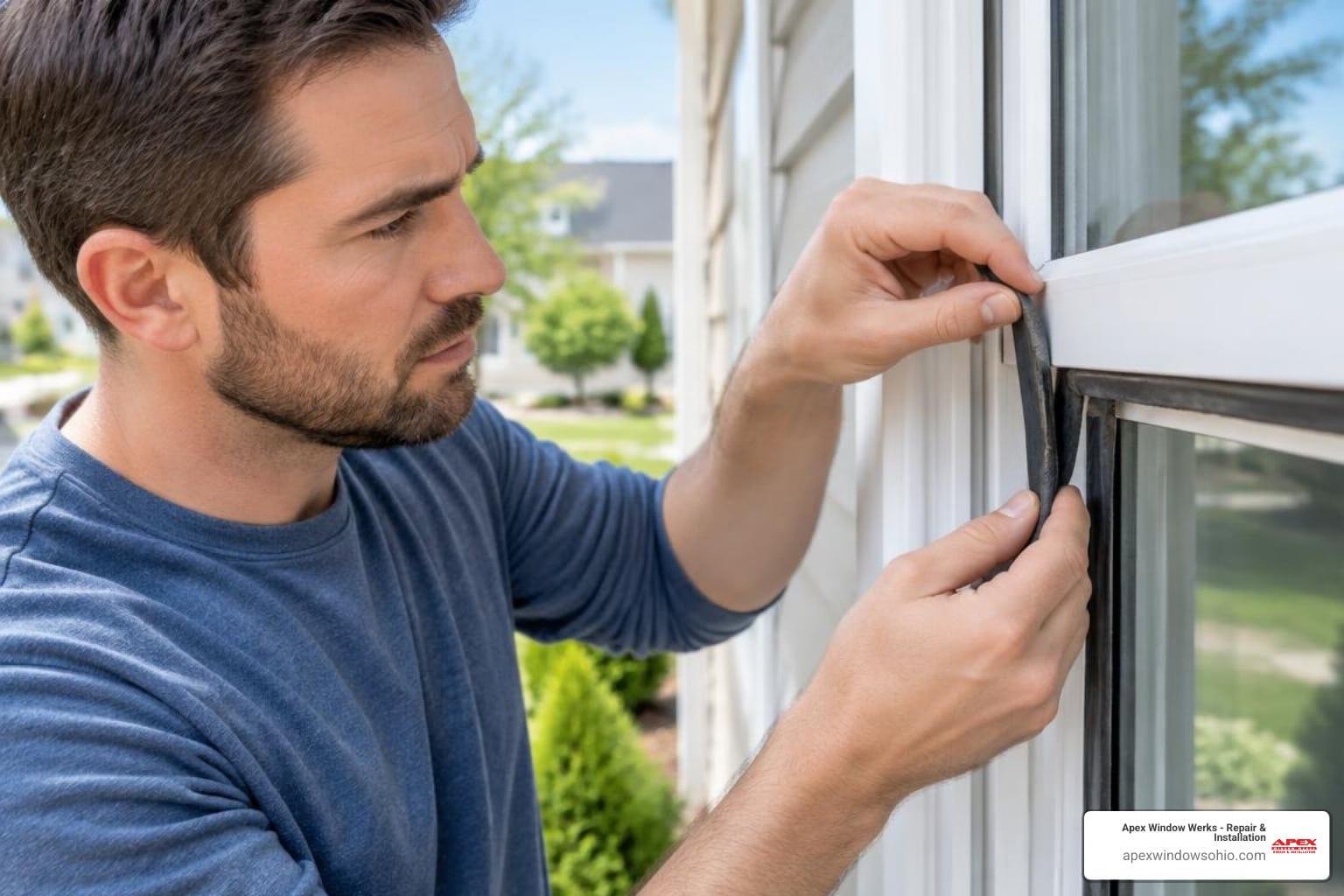
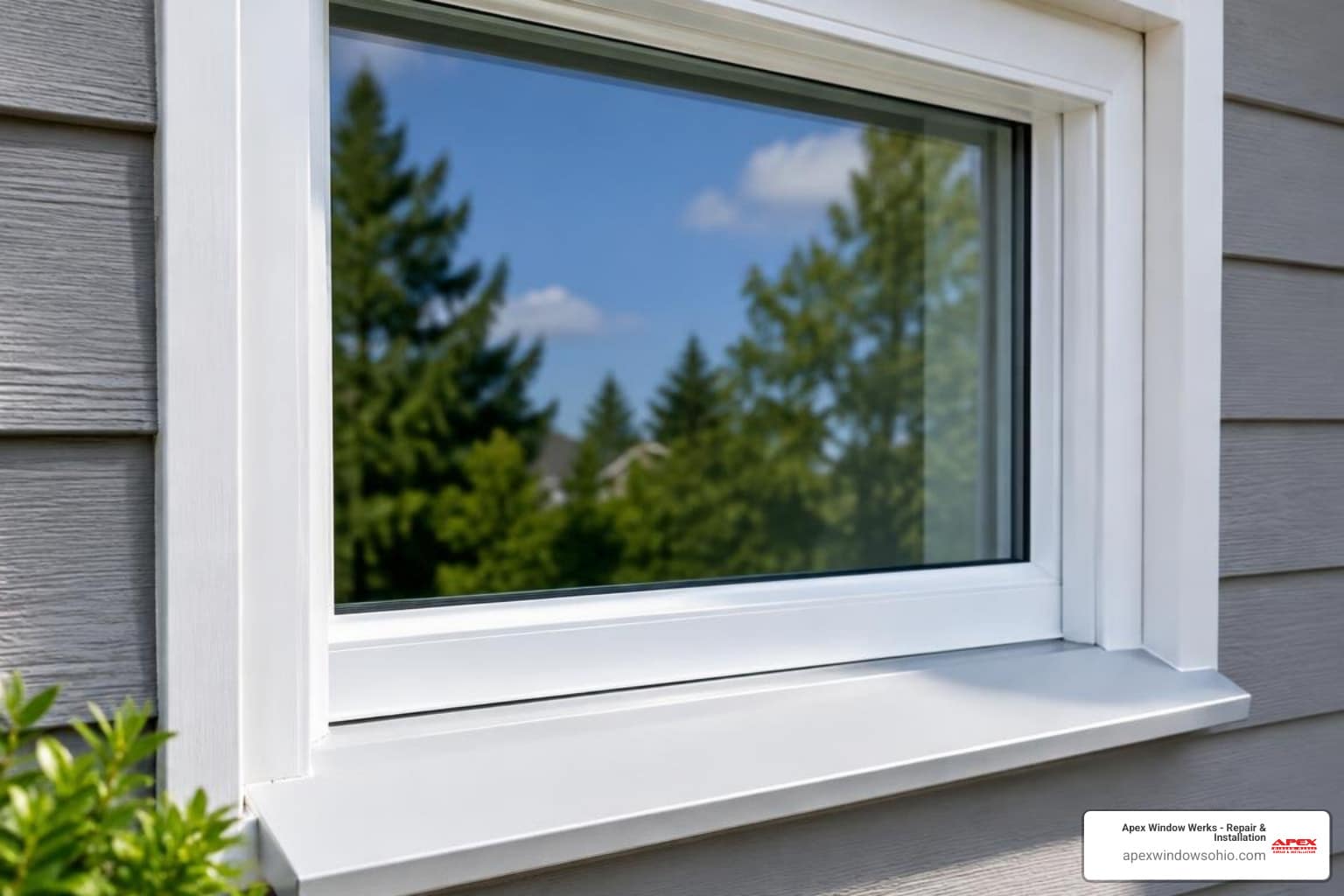
Drafts that whistle around the edge of a closed window indicate external seal or weatherstrip deterioration rather than internal glass failure. Perimeter caulk protects the joint where the window frame meets your home’s exterior cladding, while weatherstripping lines the contact points where operable sashes close against the frame.
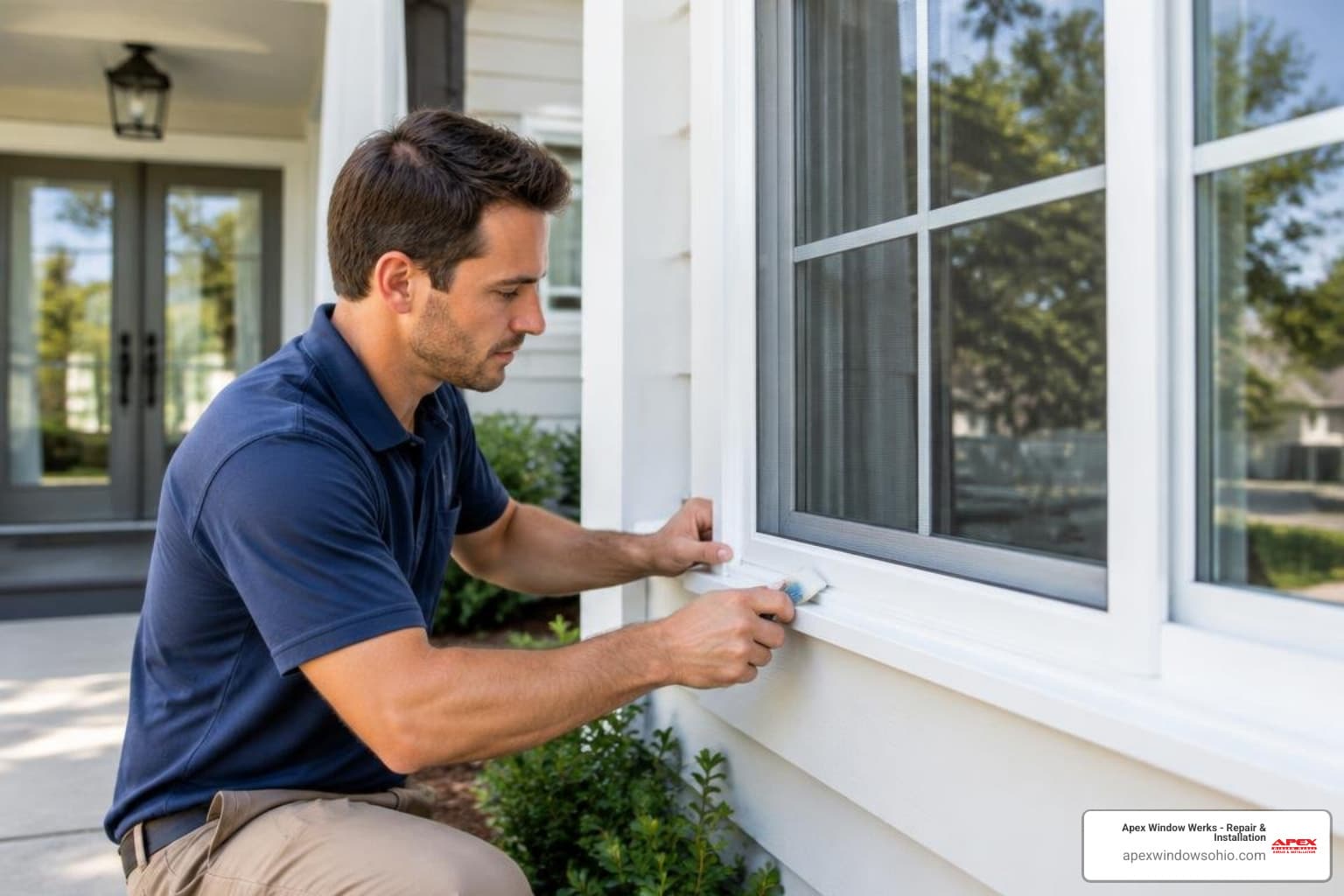
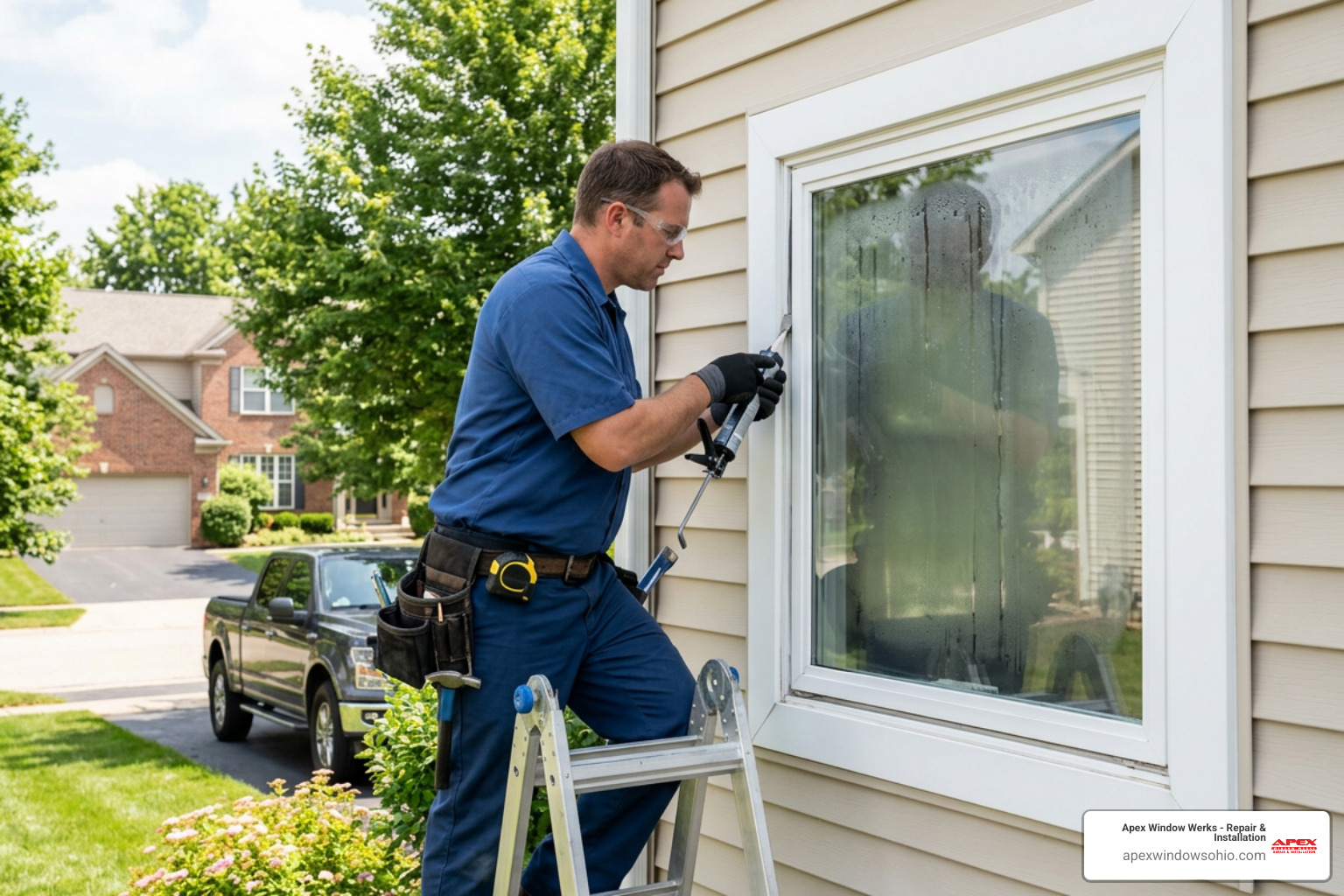
Over time, ultraviolet radiation and fluctuating temperatures degrade silicone sealant, allowing exterior air and driving rain to bypass the sash. Removing deteriorated caulk and applying commercial-grade perimeter sealant seals draft pathways. Pairing new caulking with updated compression weatherstripping blocks air infiltration, stabilizes indoor temperatures, and supports overall wood window maintenance and sealing.
Change 2: Precision Insulated Glass Unit Replacement
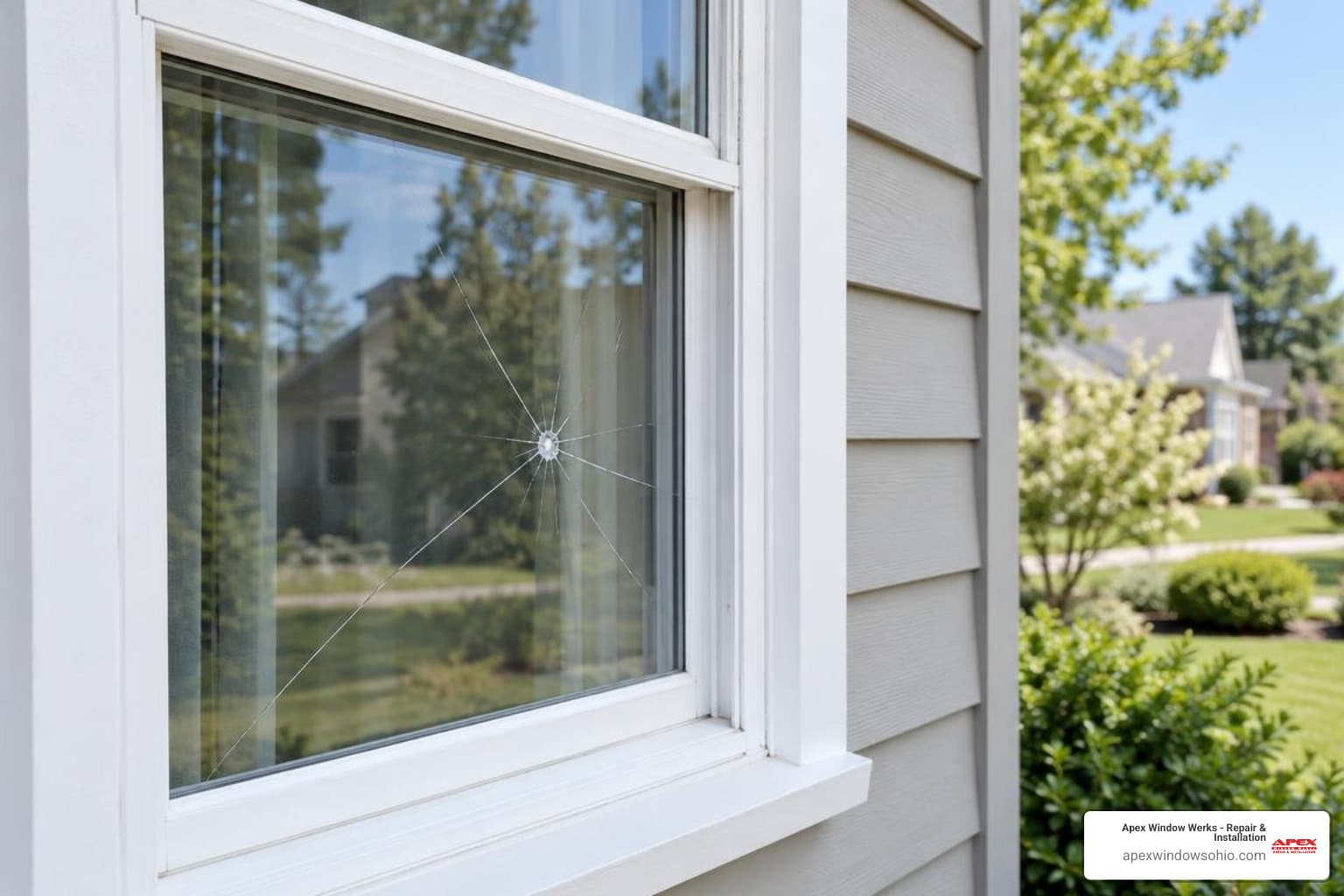
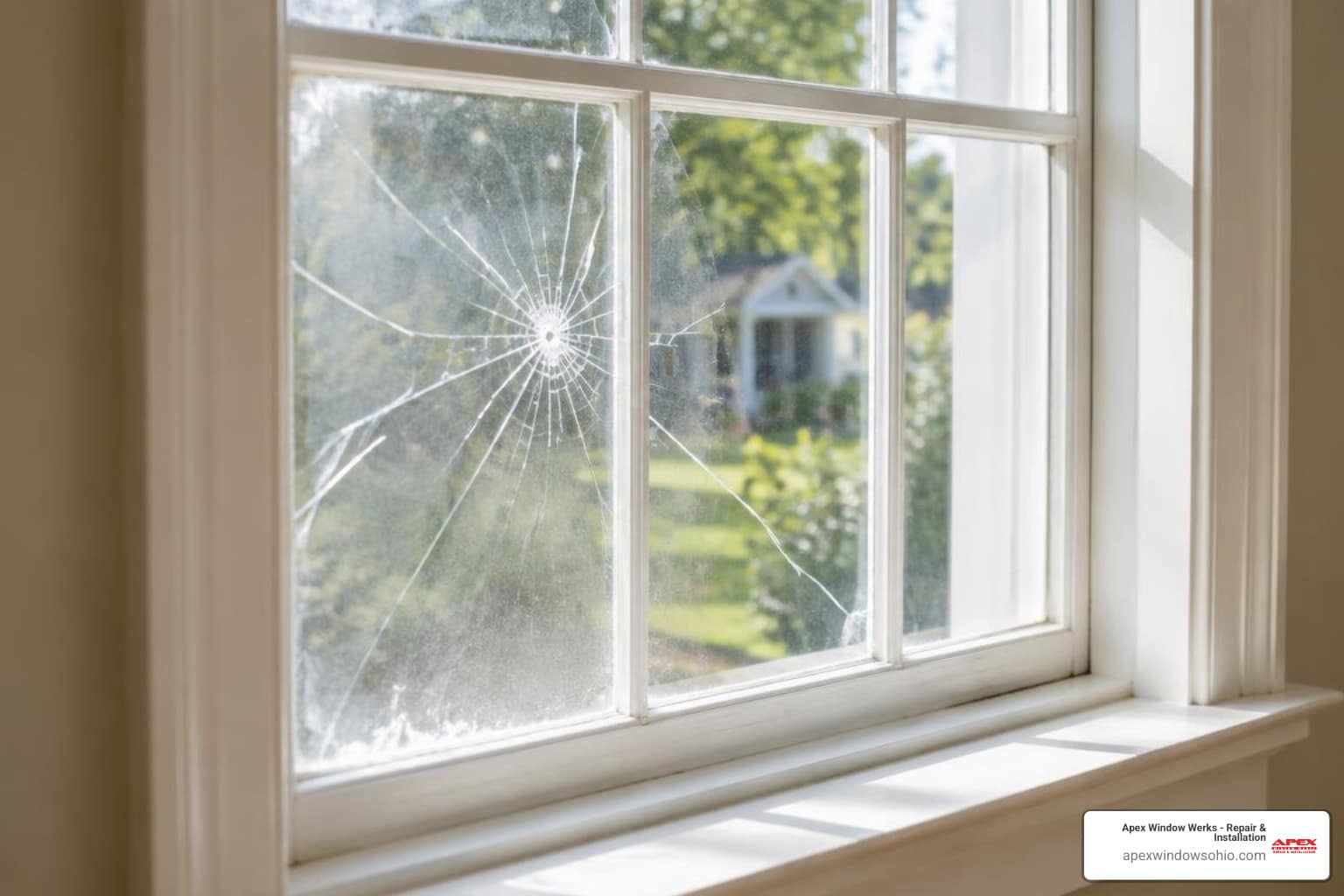
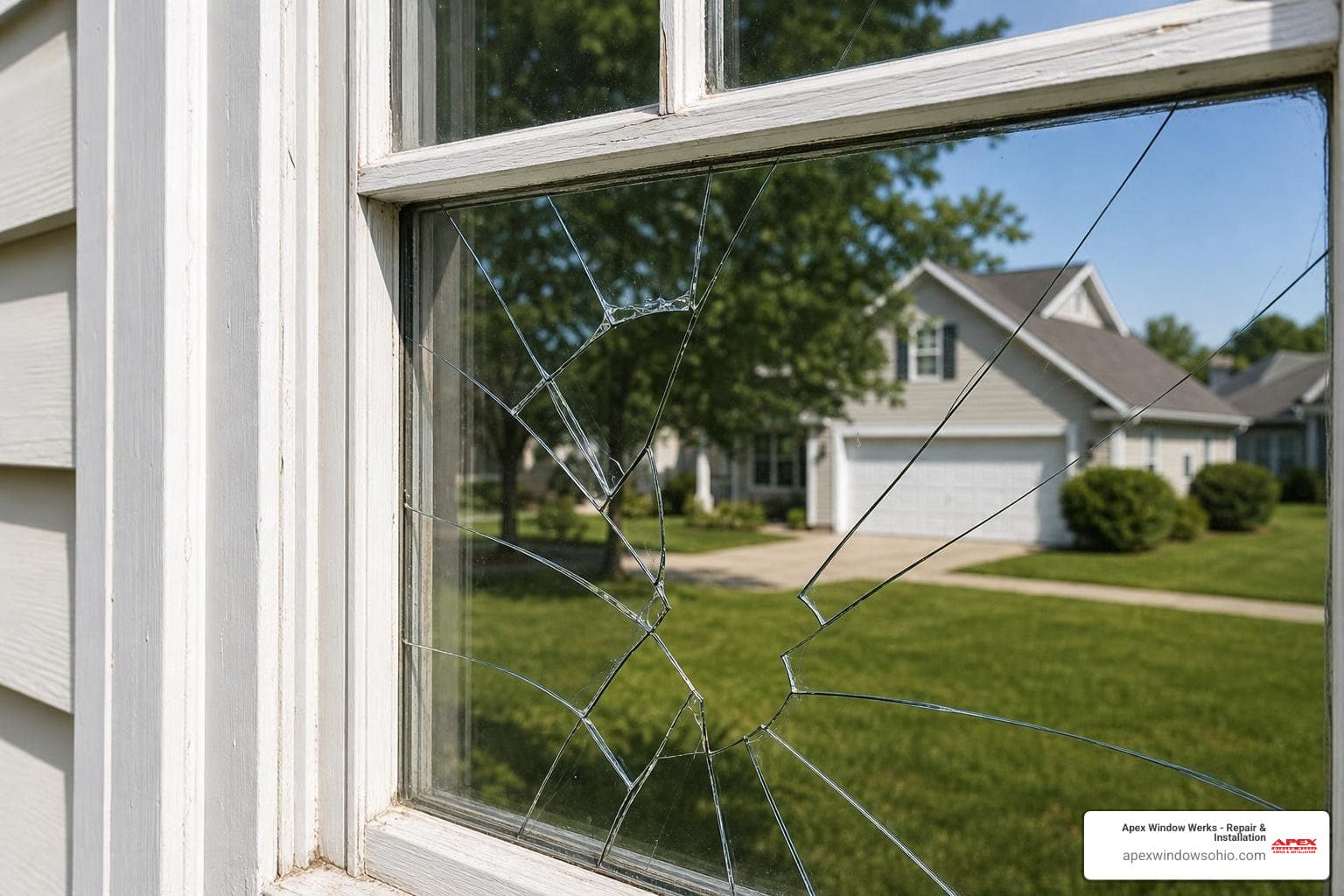
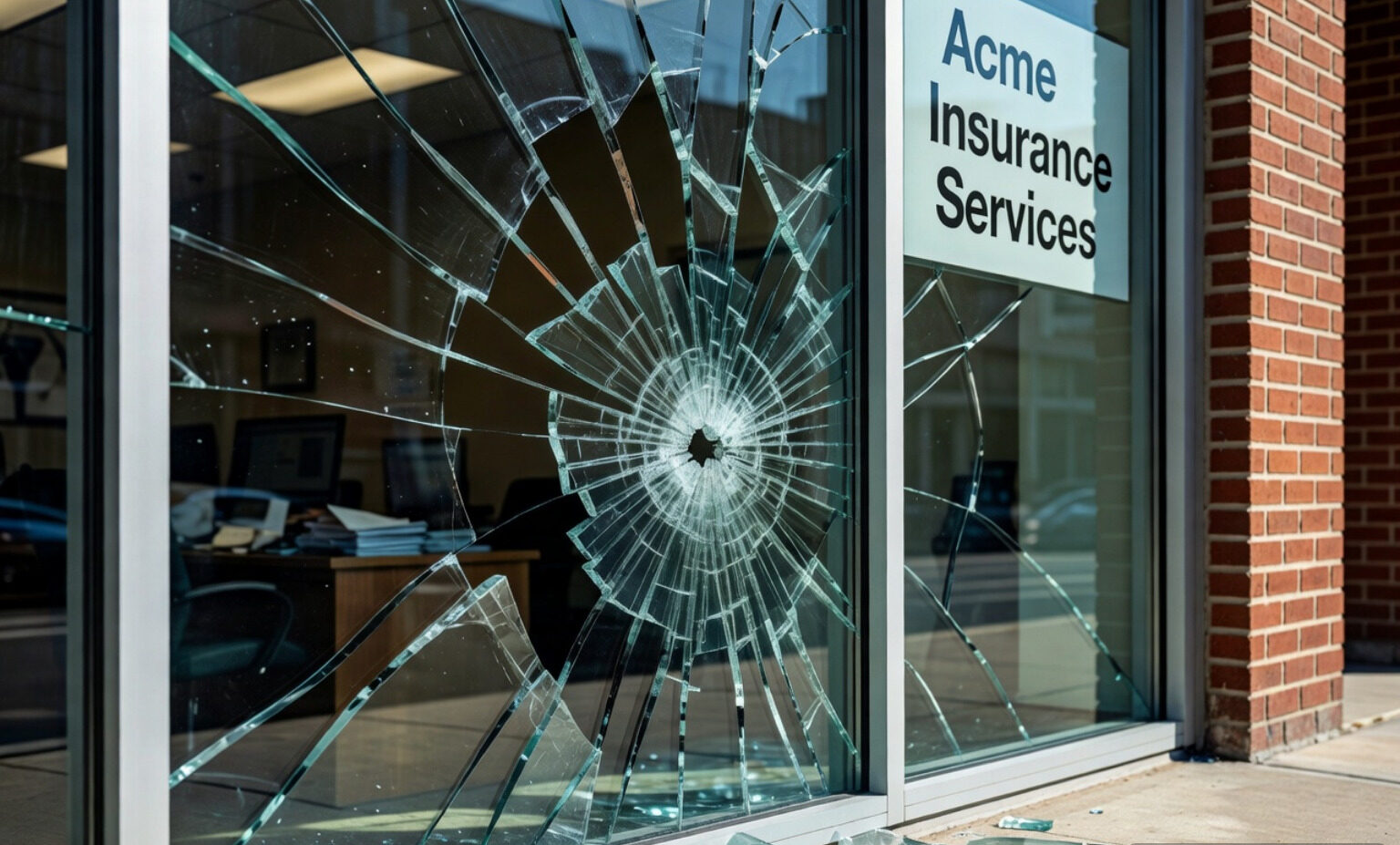
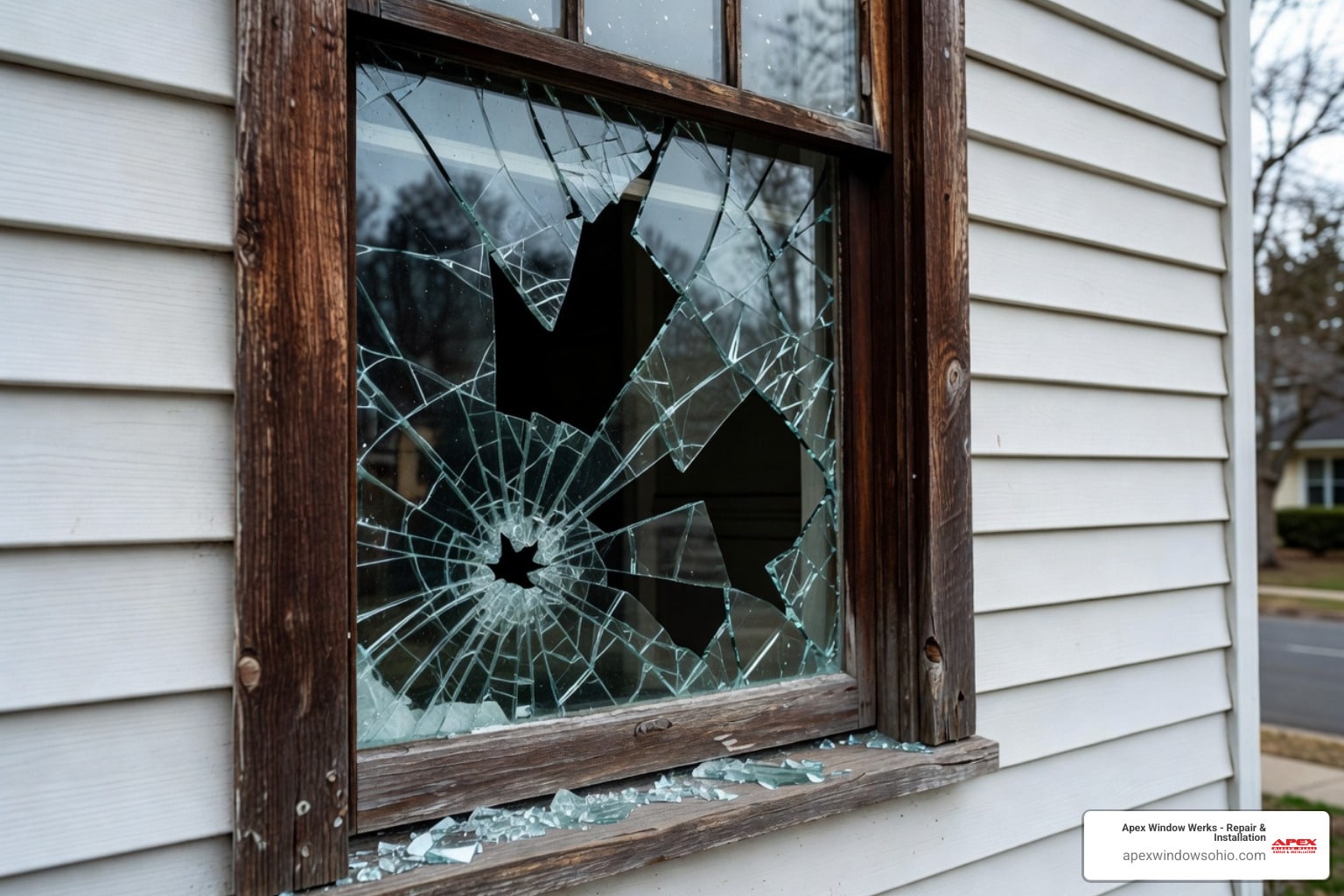
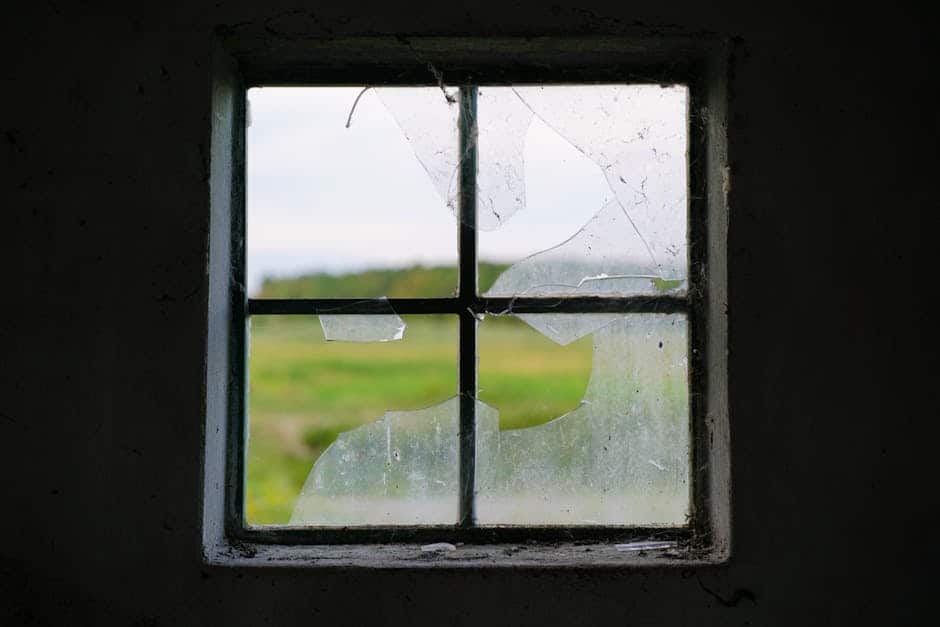
When condensation or milky mineral deposits obscure your view, resealing the exterior will not help. The insulated glass unit itself must be replaced. Fortunately, you do not need to replace the entire window assembly.
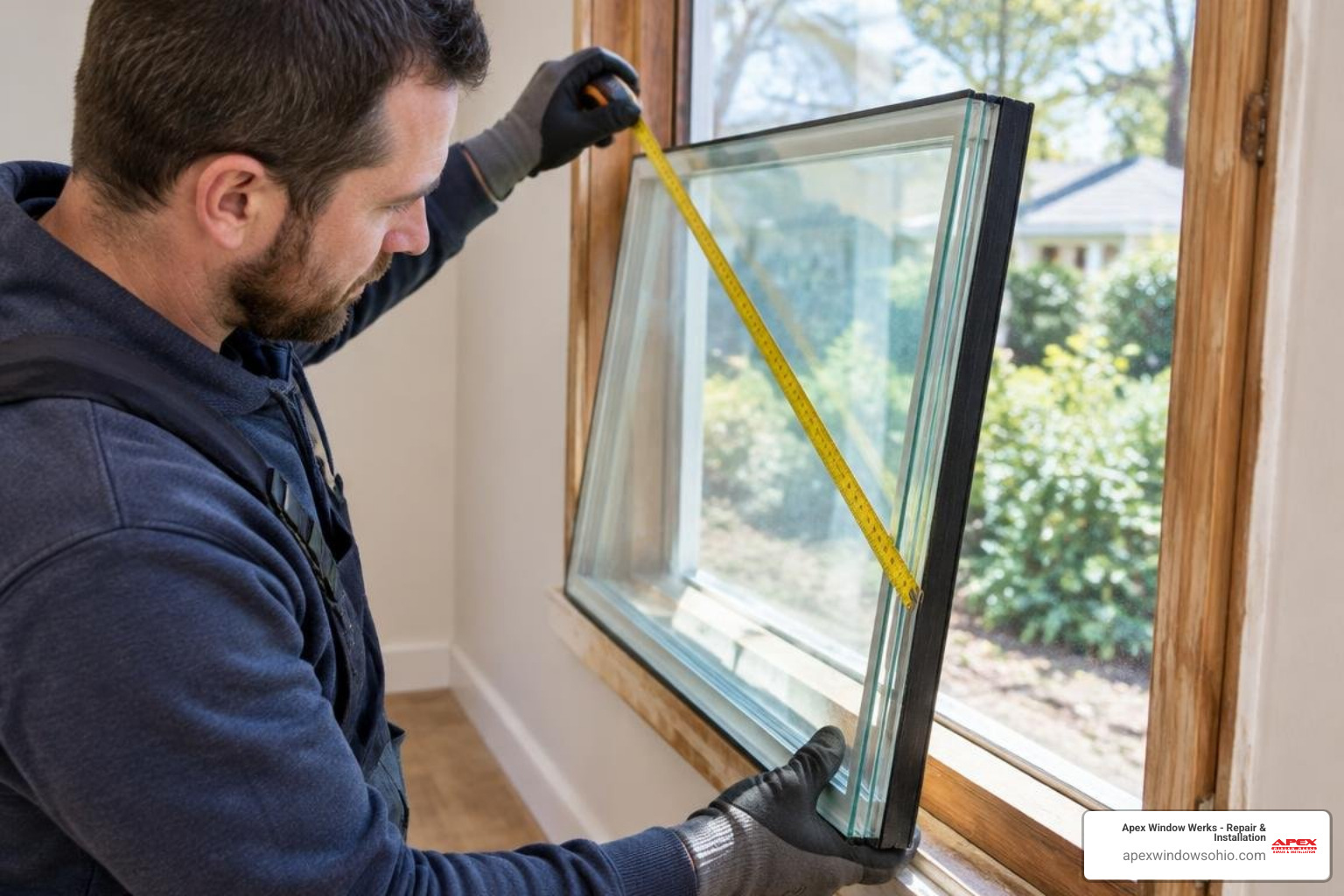
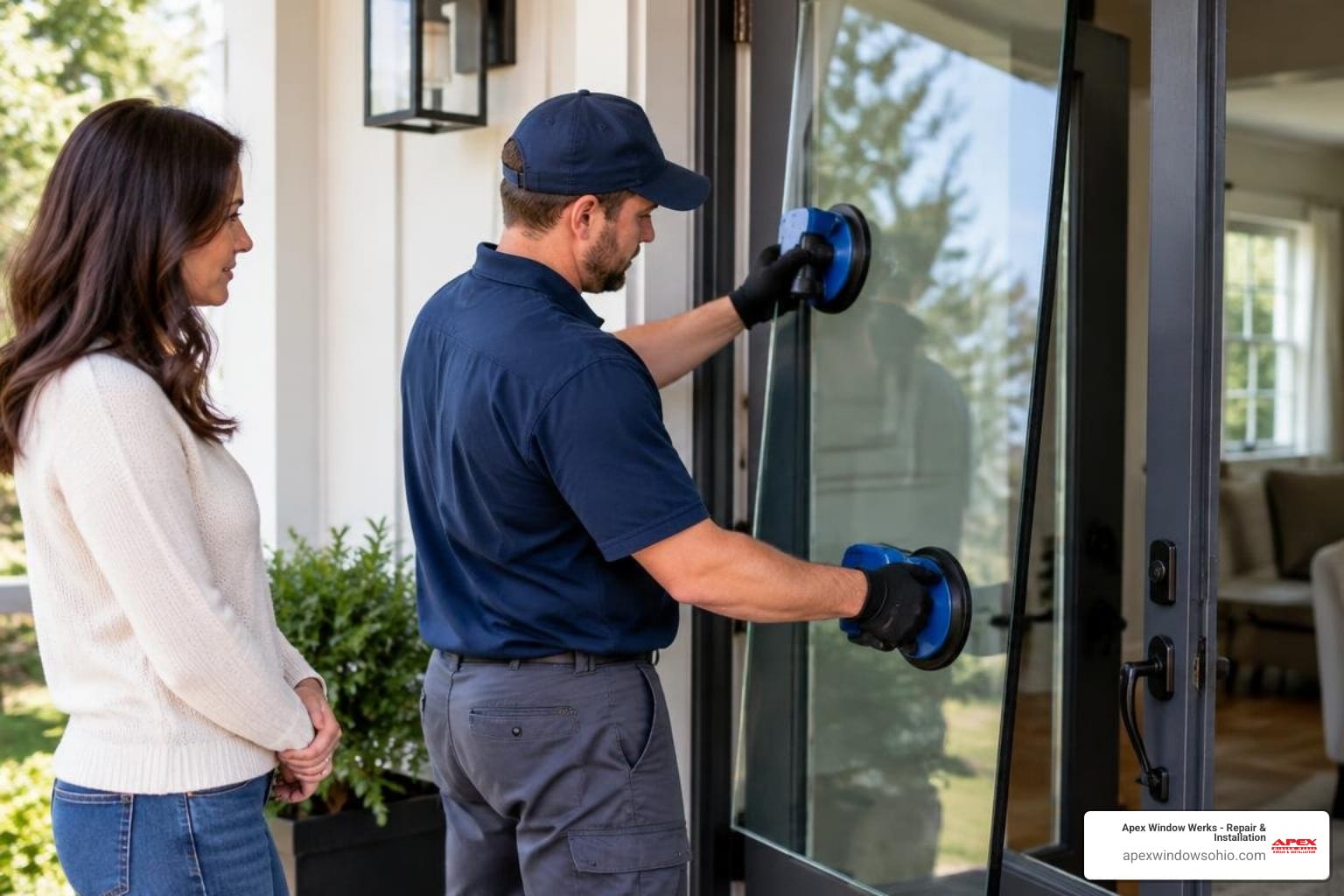
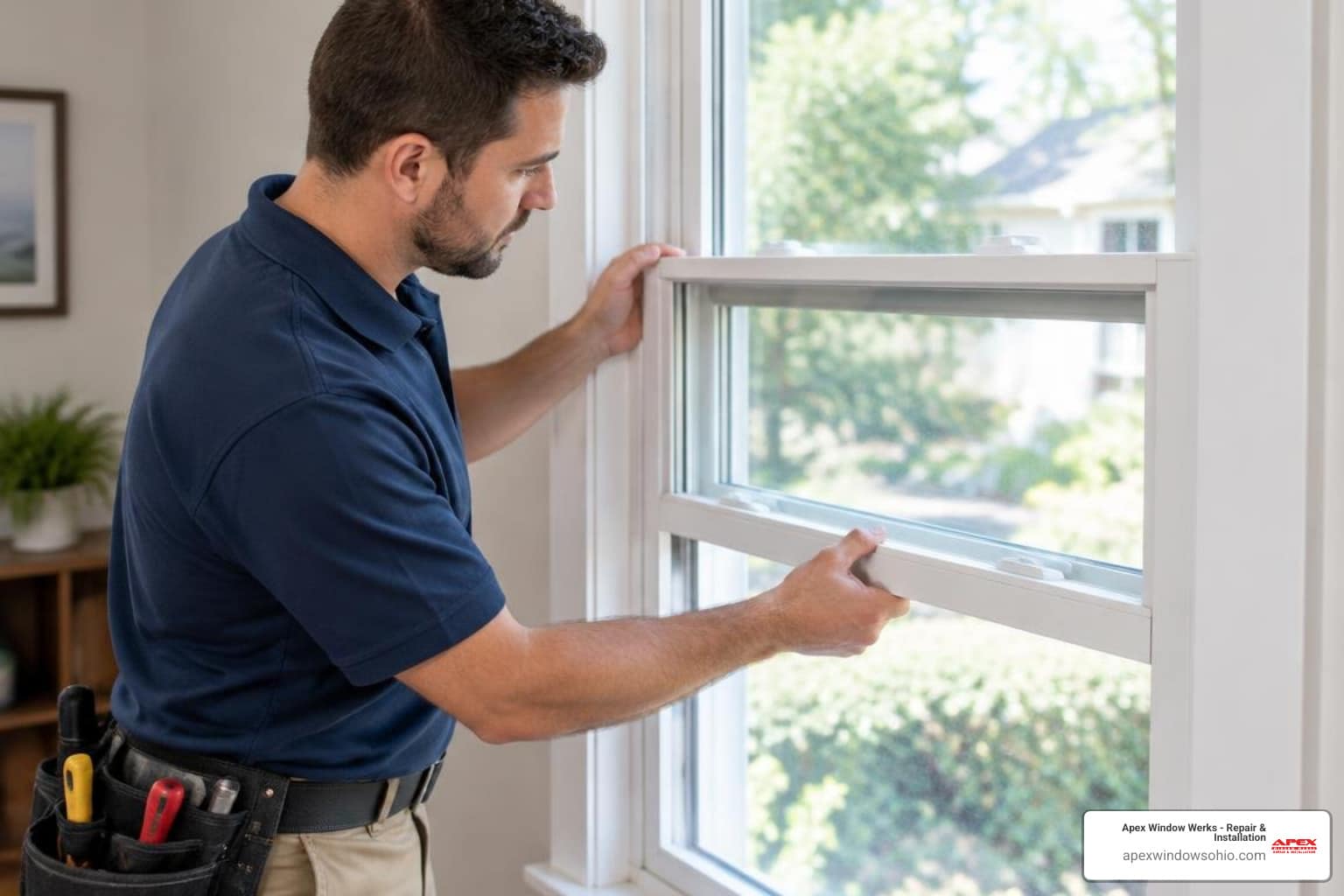
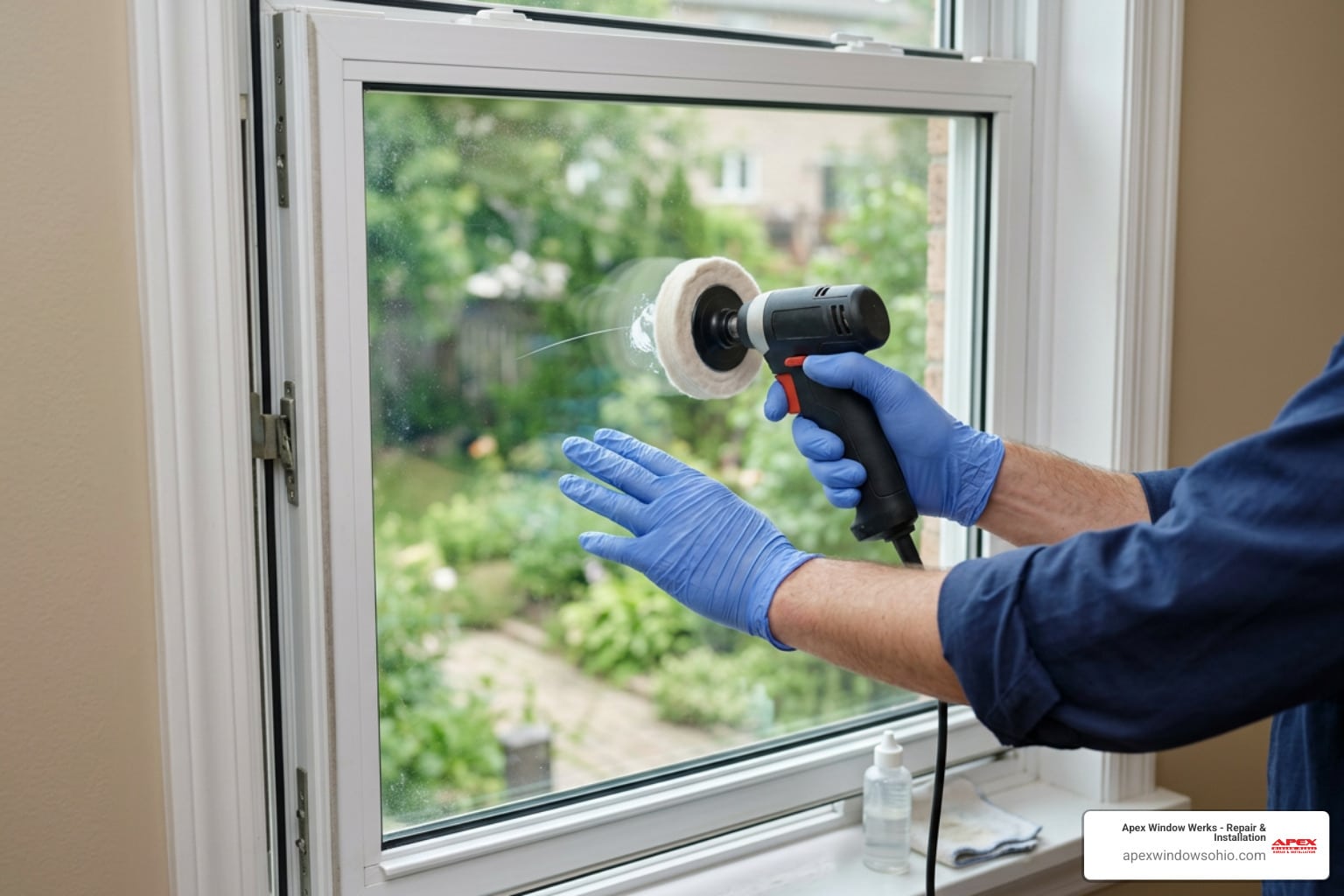
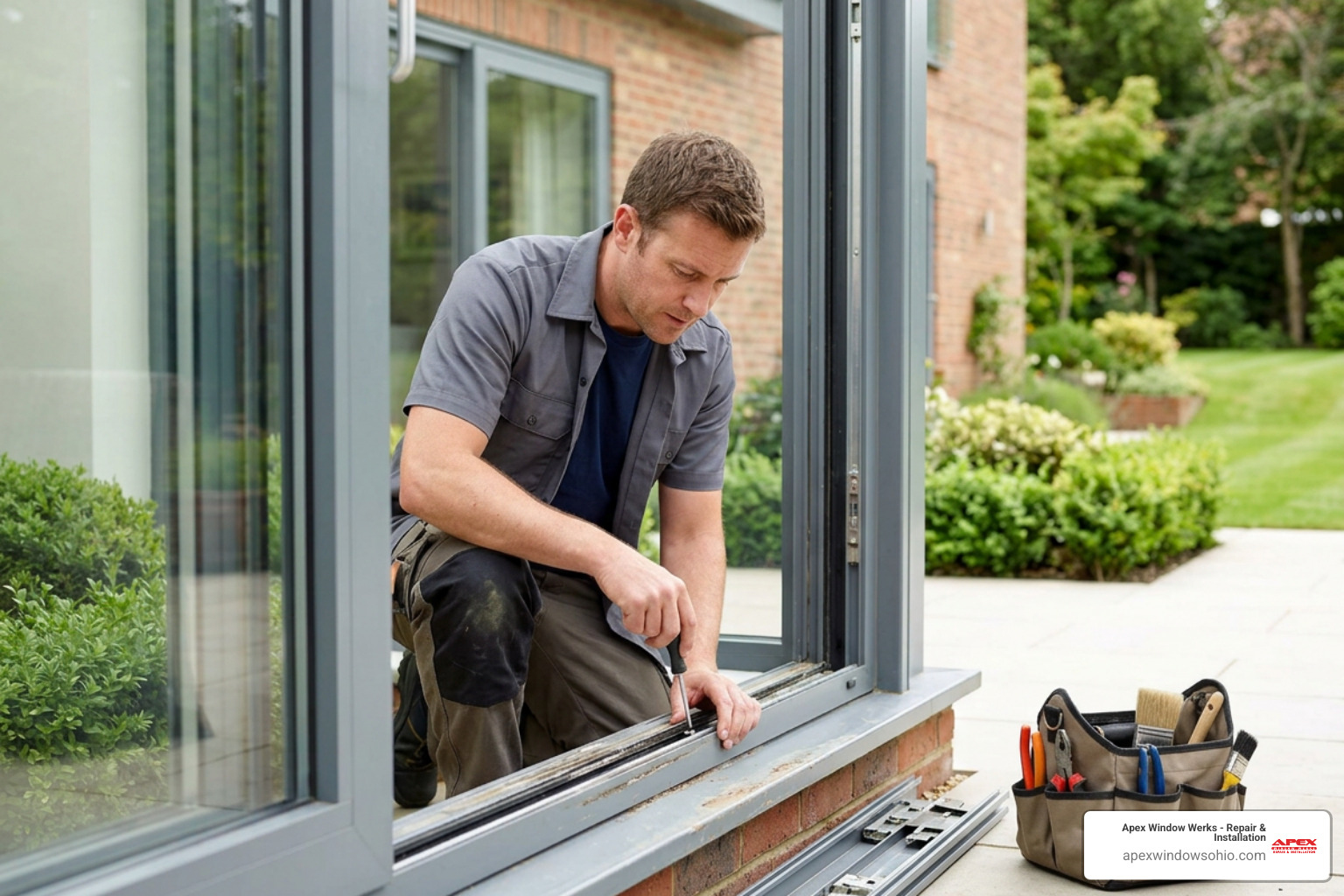
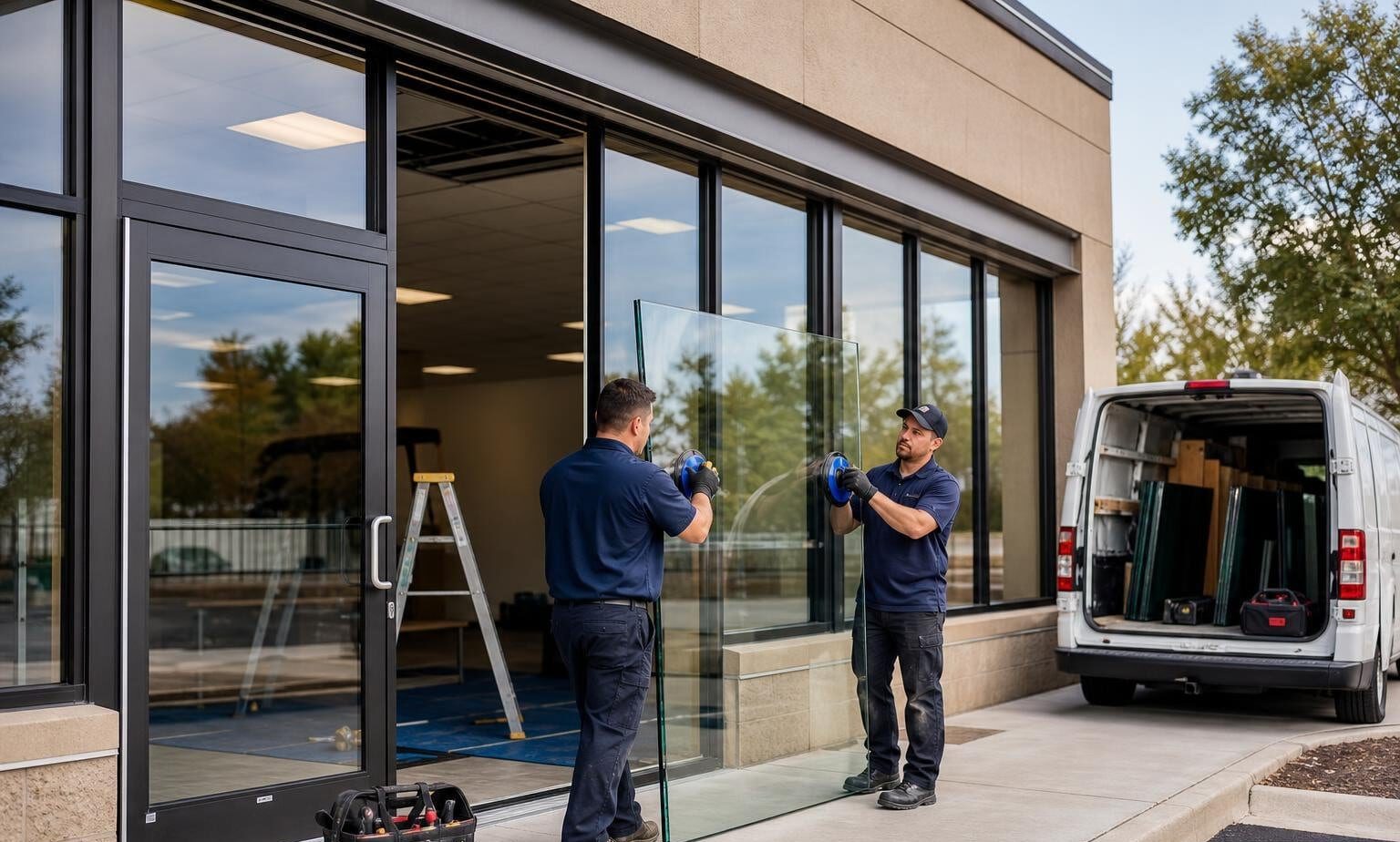
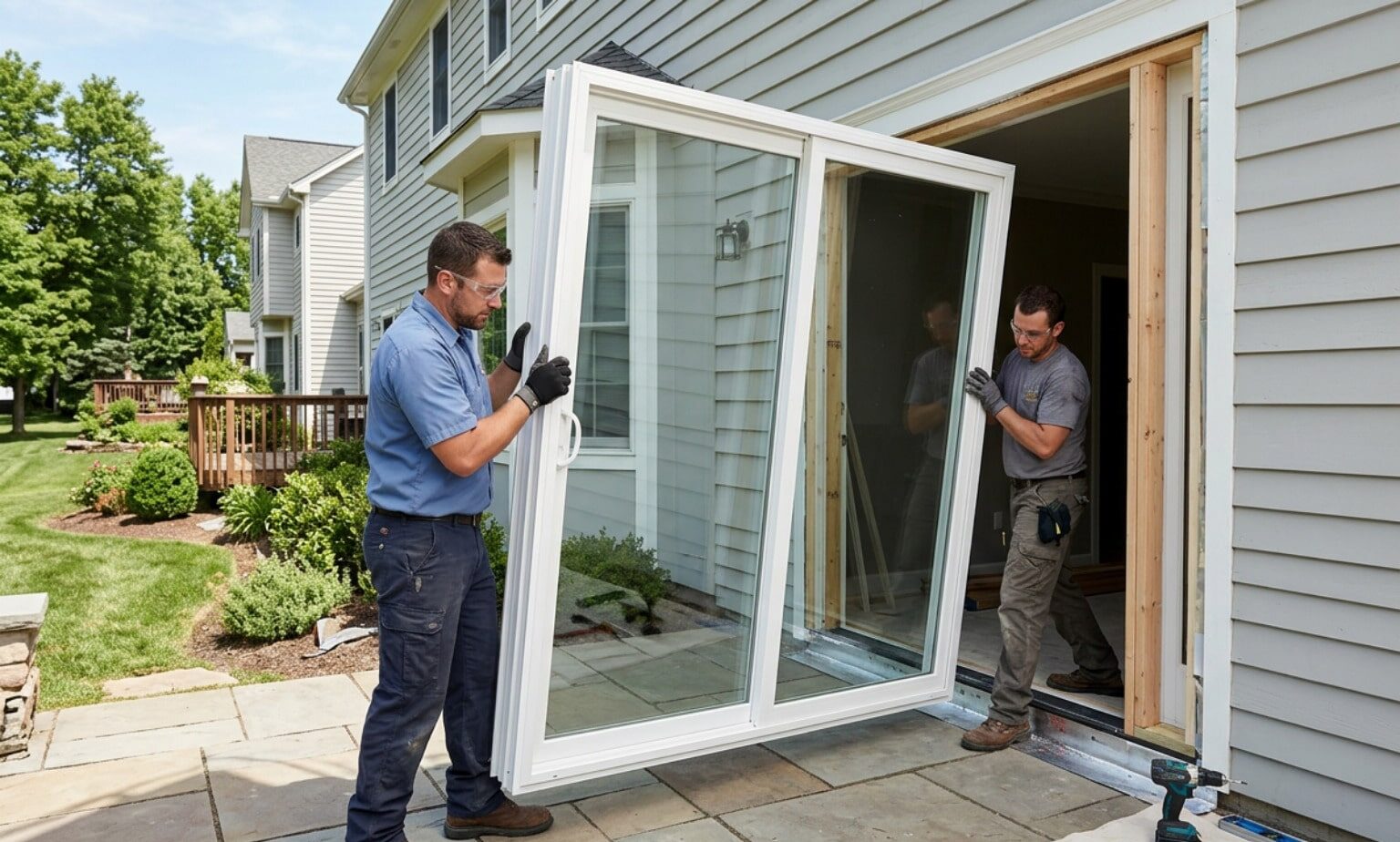
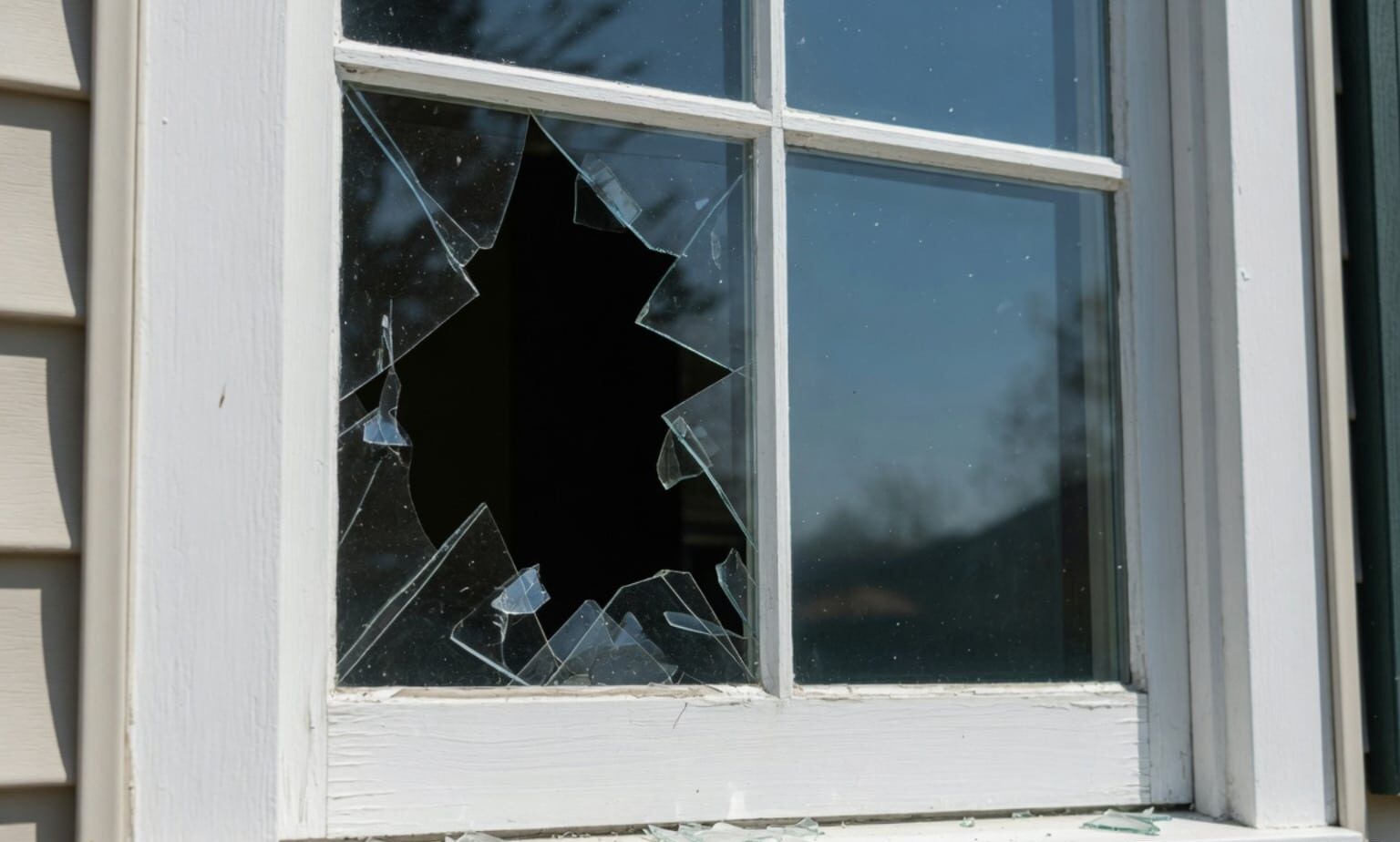
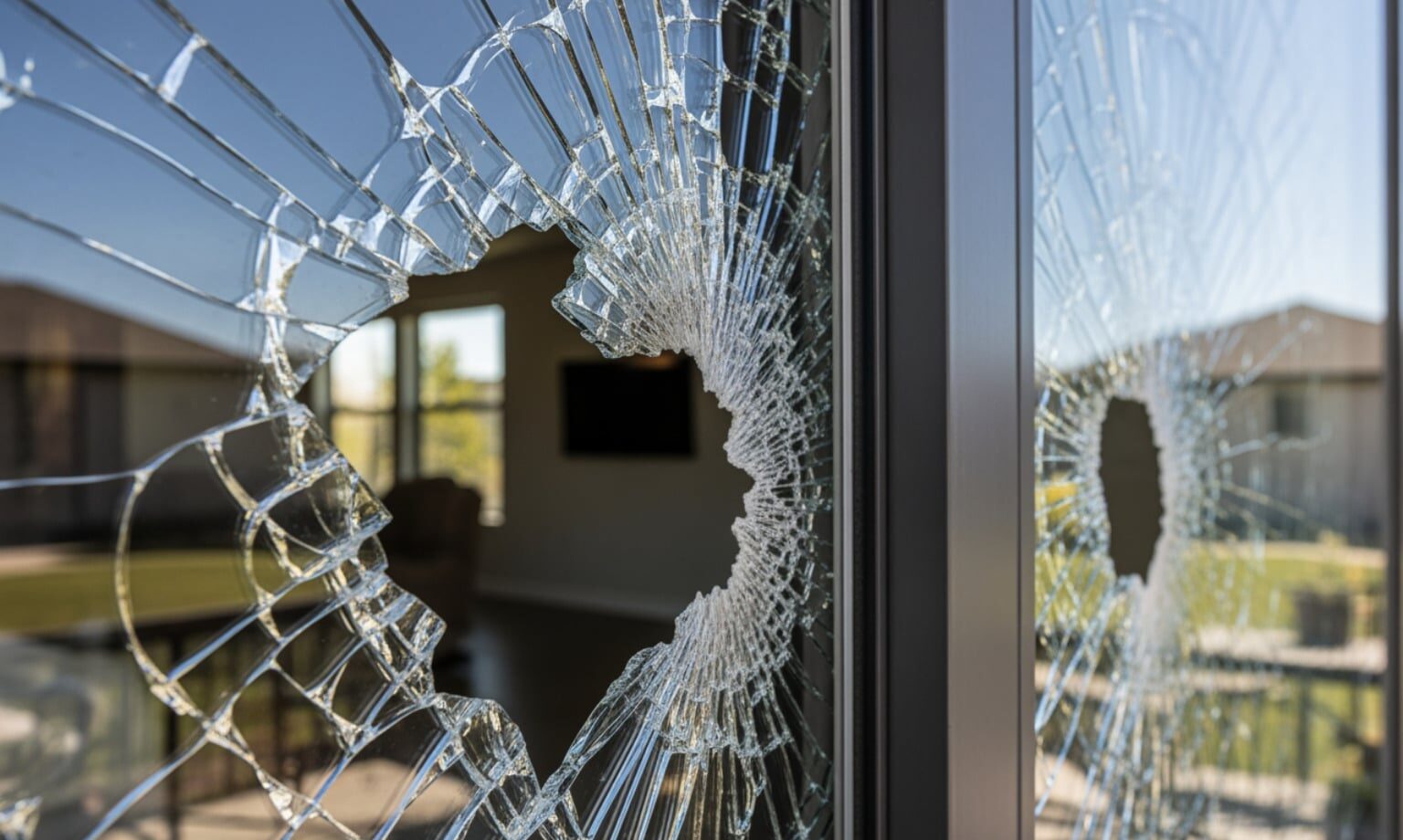
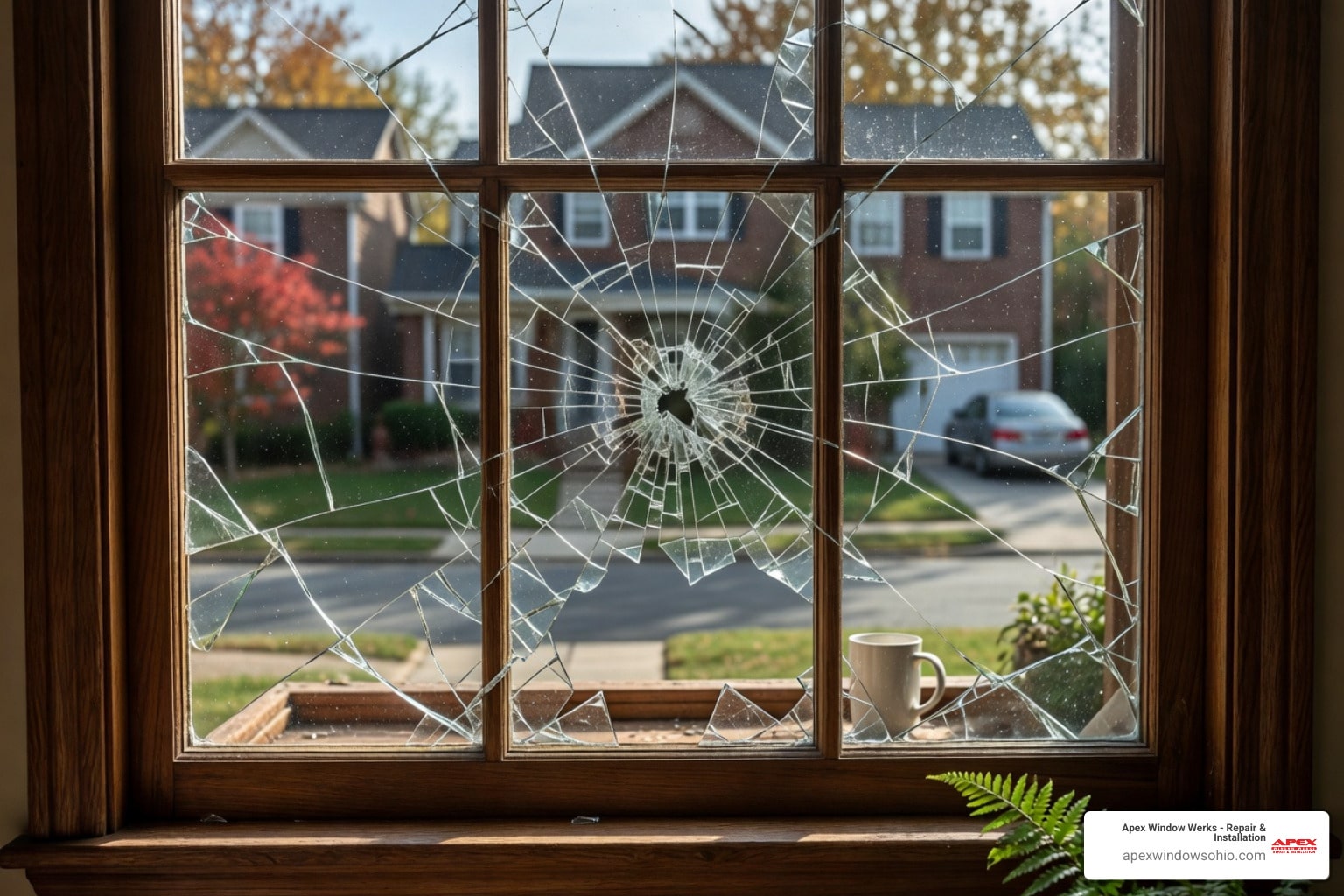
A technician carefully removes the interior or exterior glazing beads (the removable stops securing the glass), breaks the adhesive glazing tape, and extracts the blown unit. A factory-sealed, custom-dimensioned double-glazed unit complete with a fresh spacer bar, internal desiccant, and argon gas fill is set onto setting blocks within the sash. Once secured with new glazing tape and reinstalled stops, the window functions like new. You can learn more about how specialists handle this process in this guide to broken glass replacement. For those curious about the underlying mechanics, general glass considerations are also documented by the U.S. Department of Energy.
Change 3: Sash Alignment and Operating Hardware Restoration
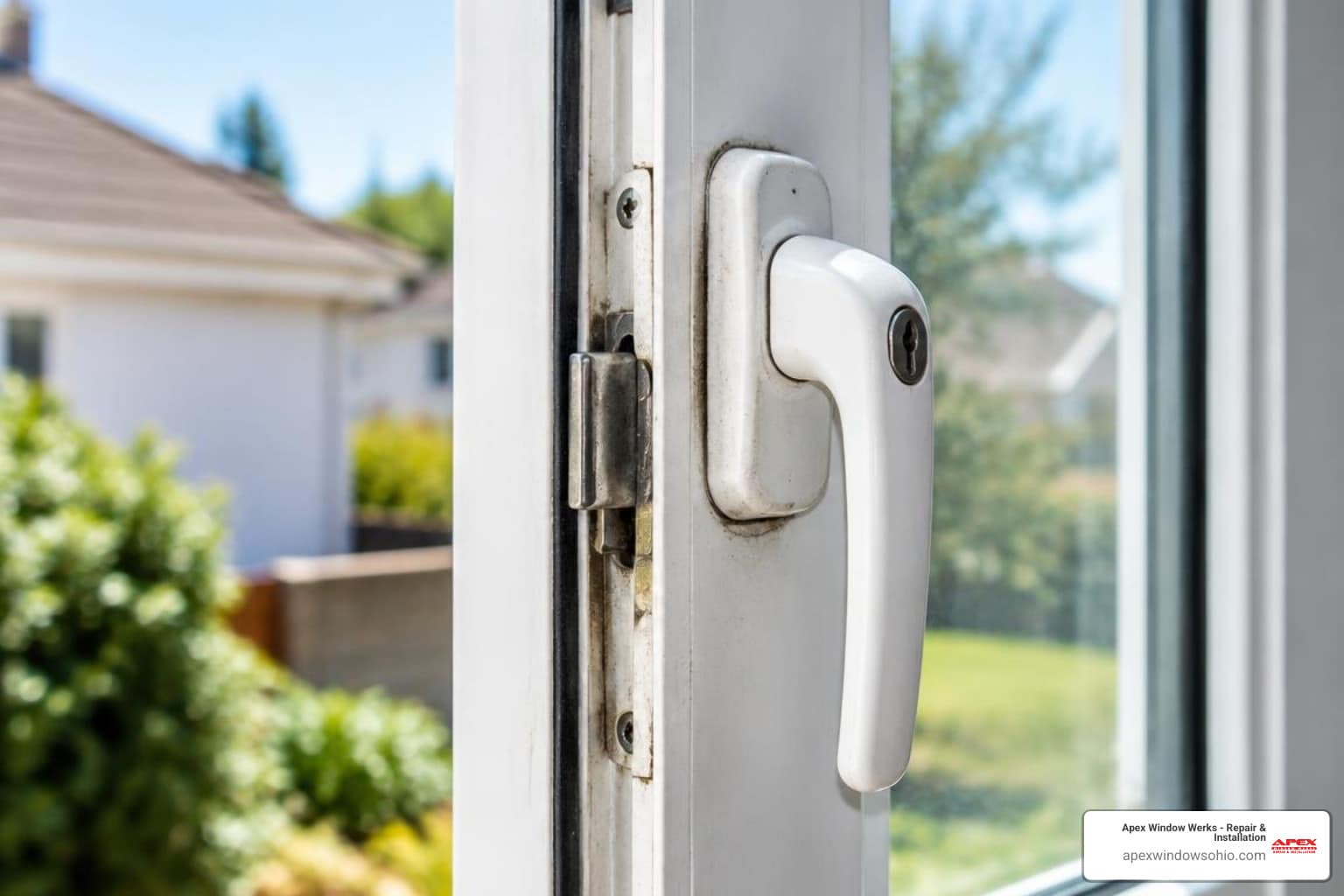
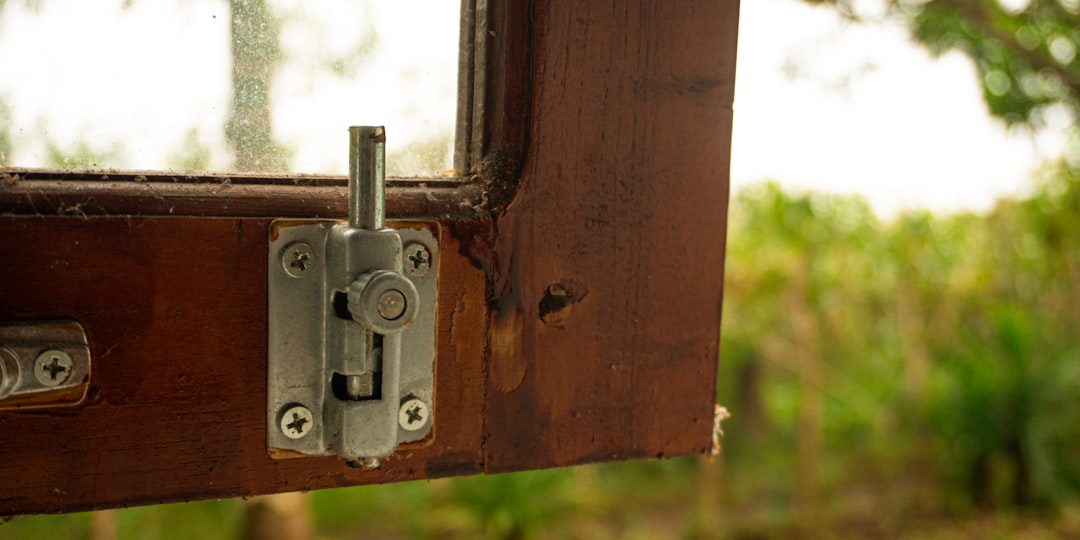
A double-glazed window cannot seal out drafts if the sash is misaligned. Operating hardware sustains substantial mechanical wear over years of daily use:
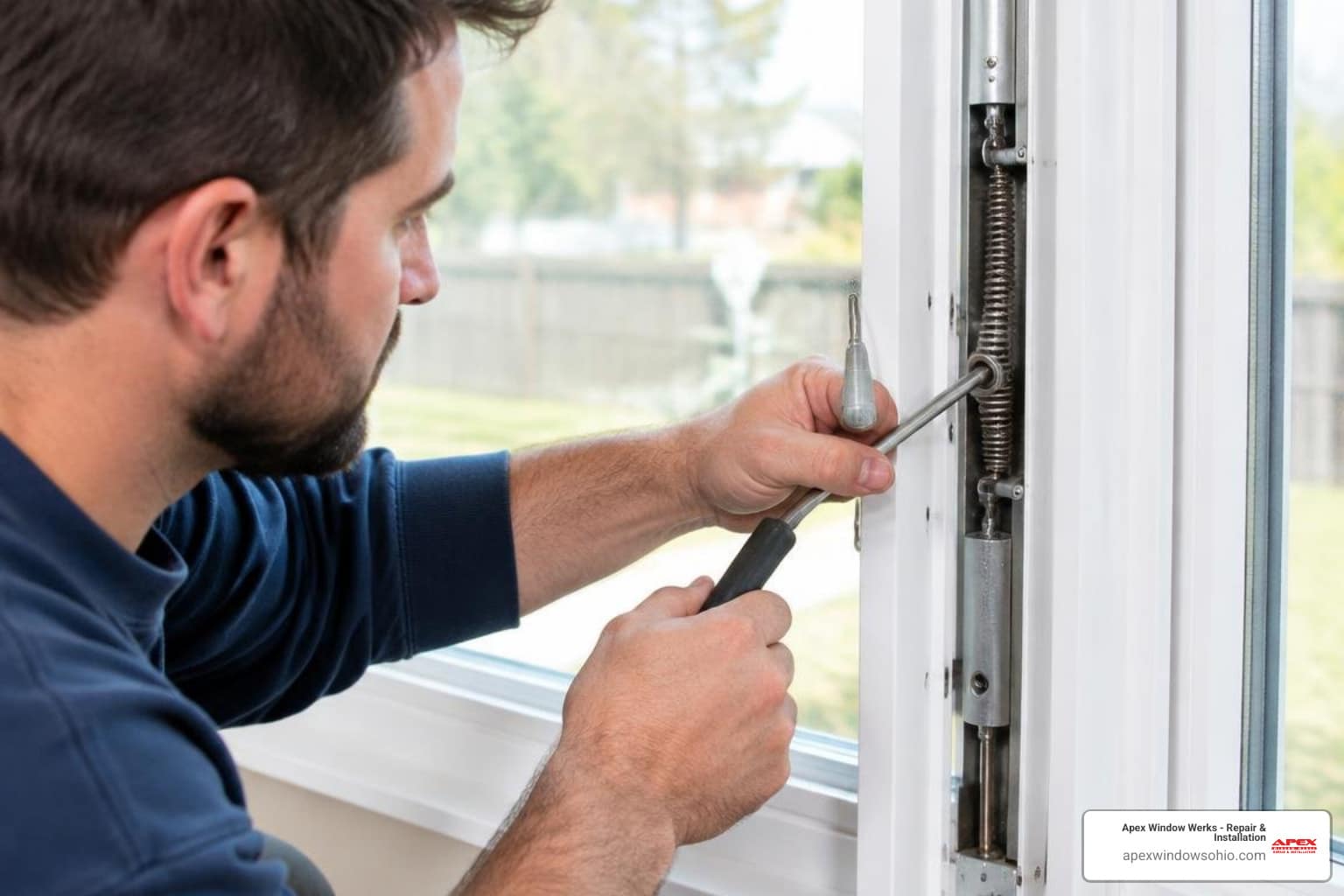
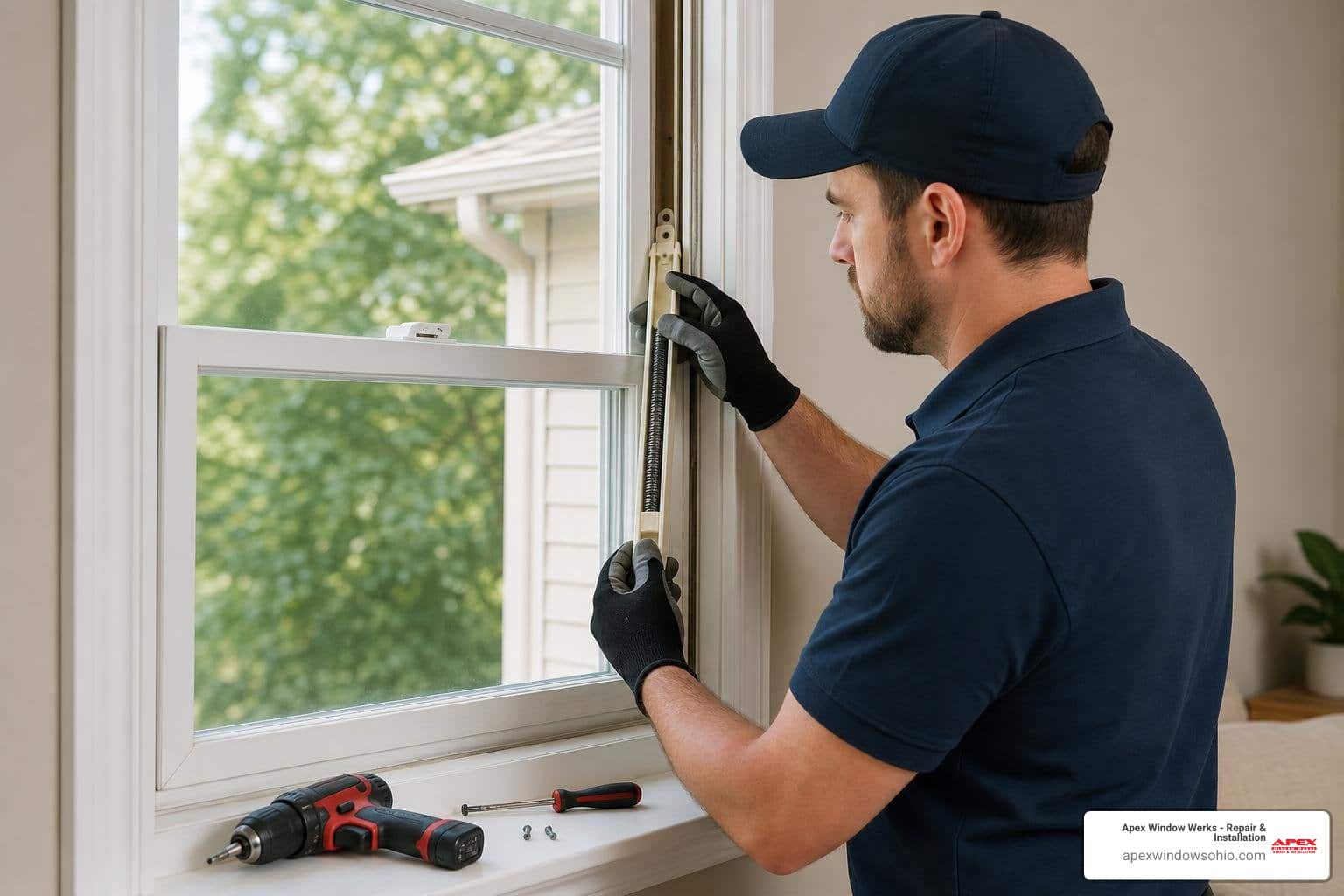
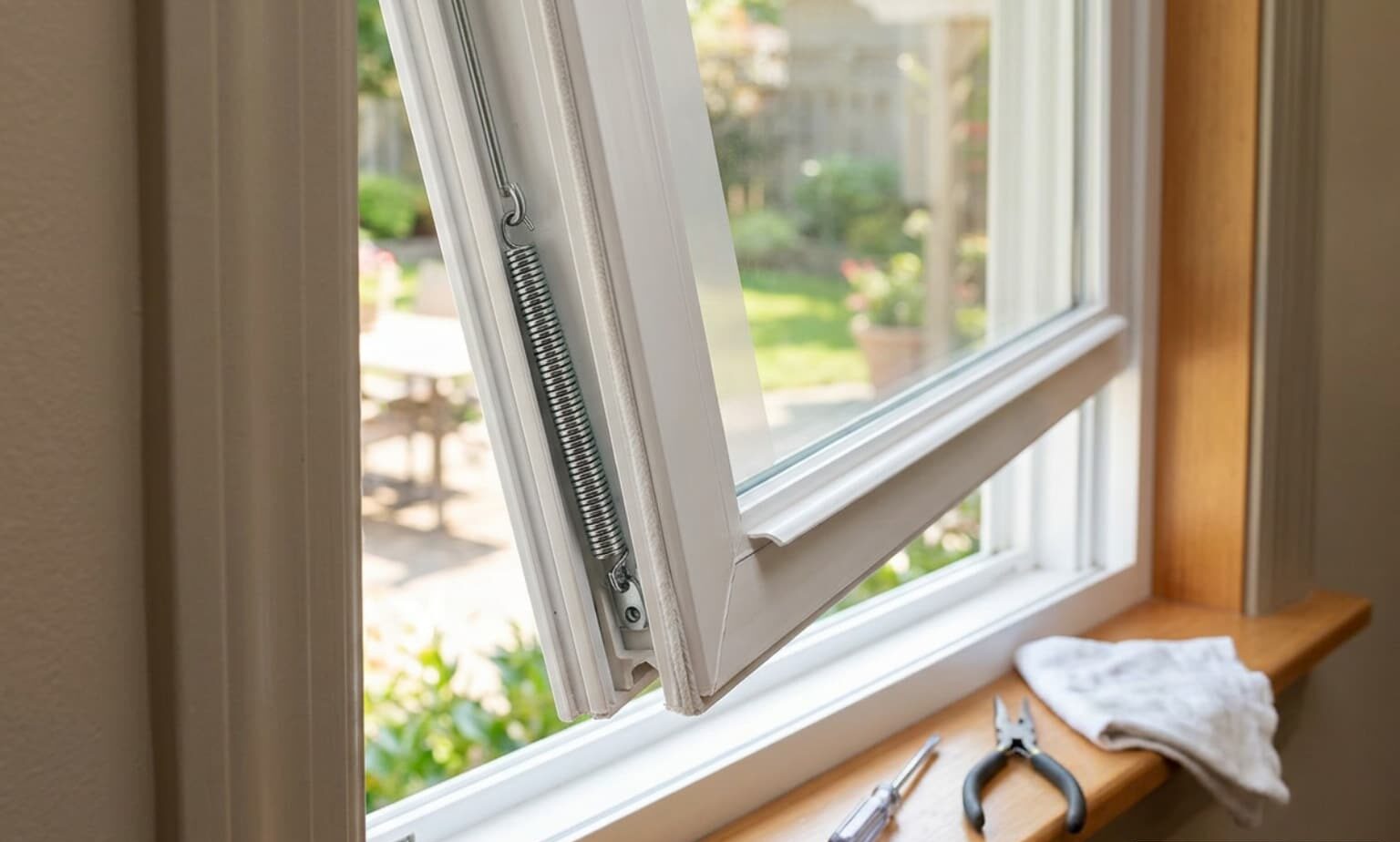
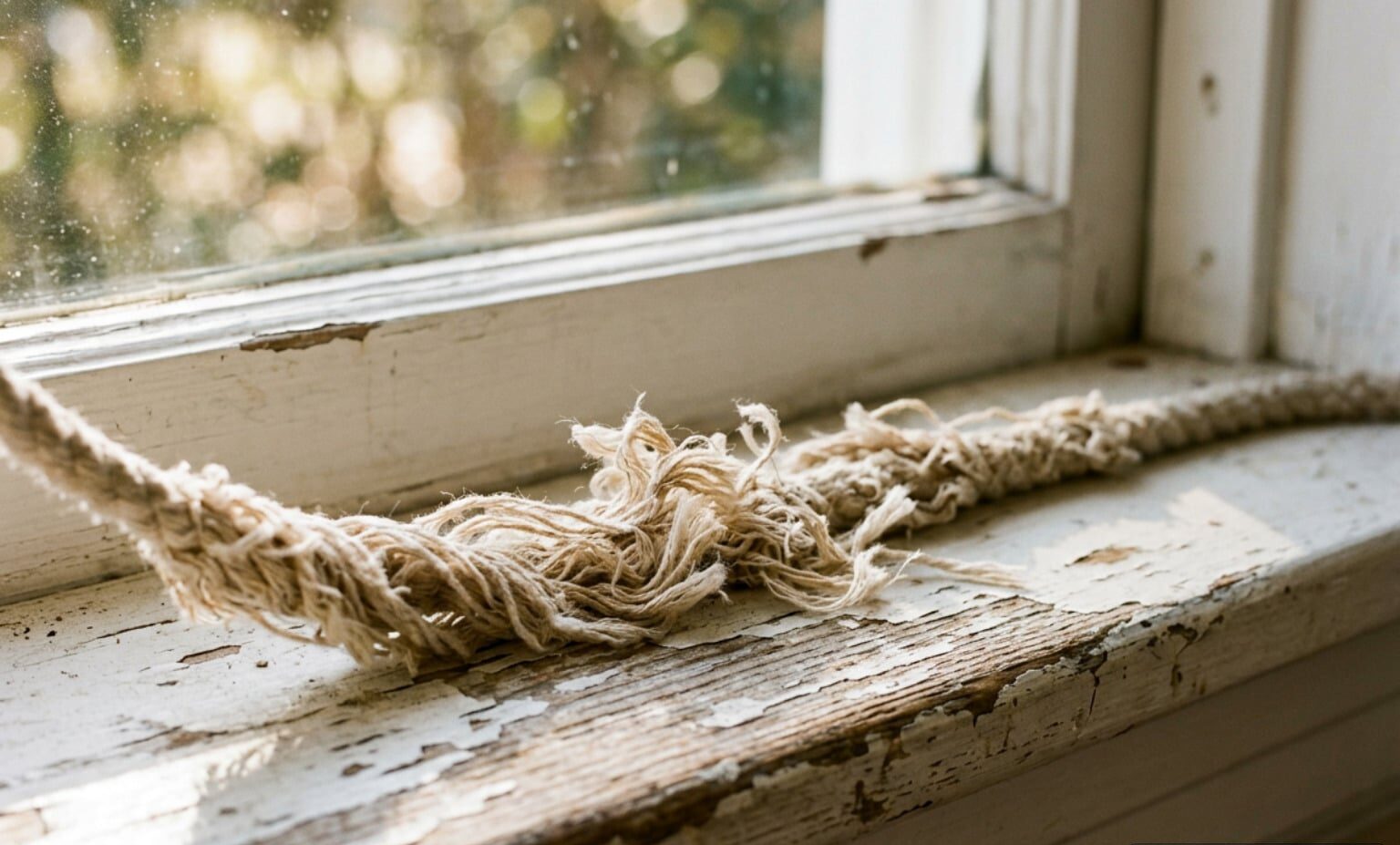
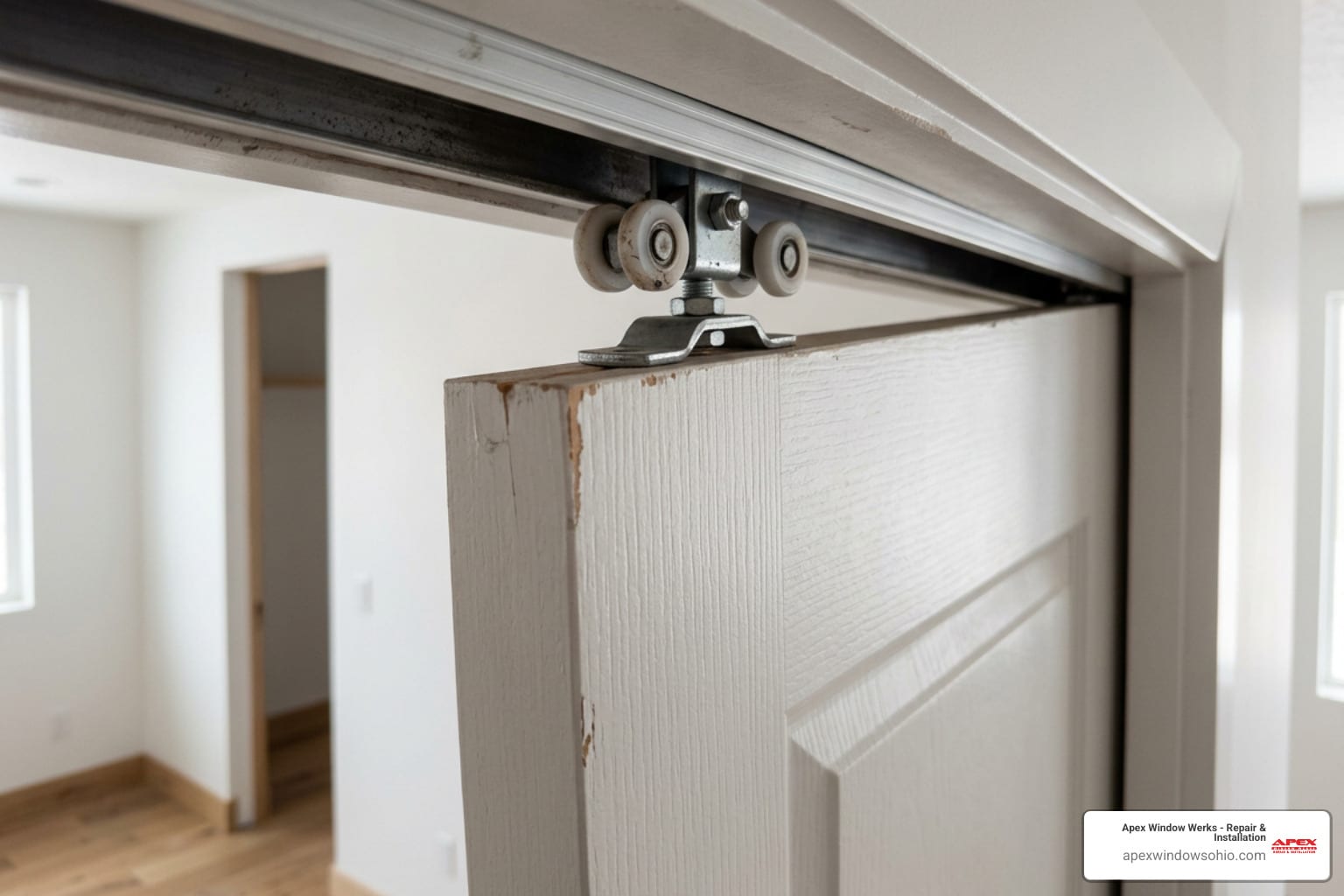
- Double-Hung Windows: Worn spiral or constant-force sash balances cause heavy sashes to drop slightly, misaligning the meeting rail and preventing the sash lock from engaging tightly.
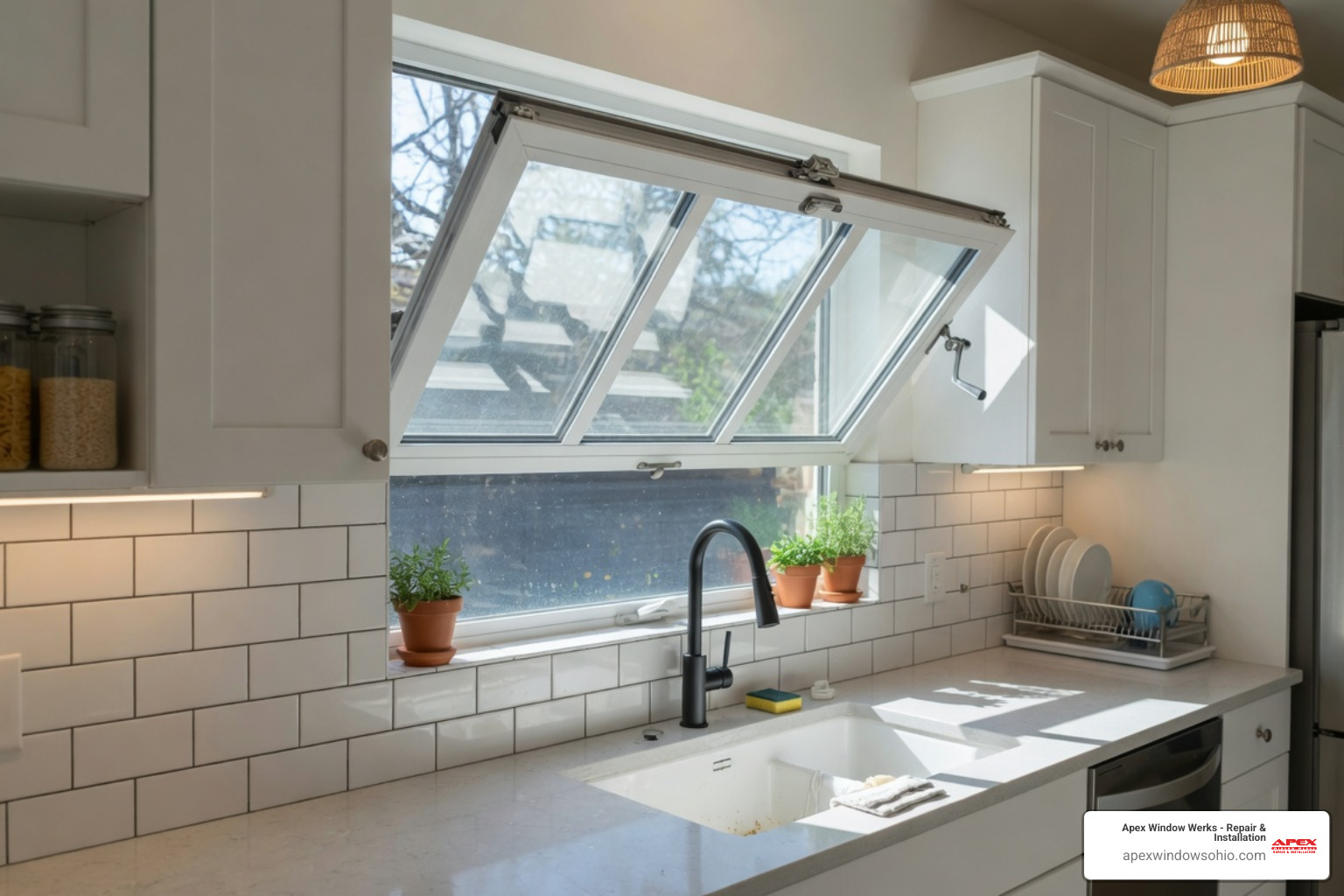
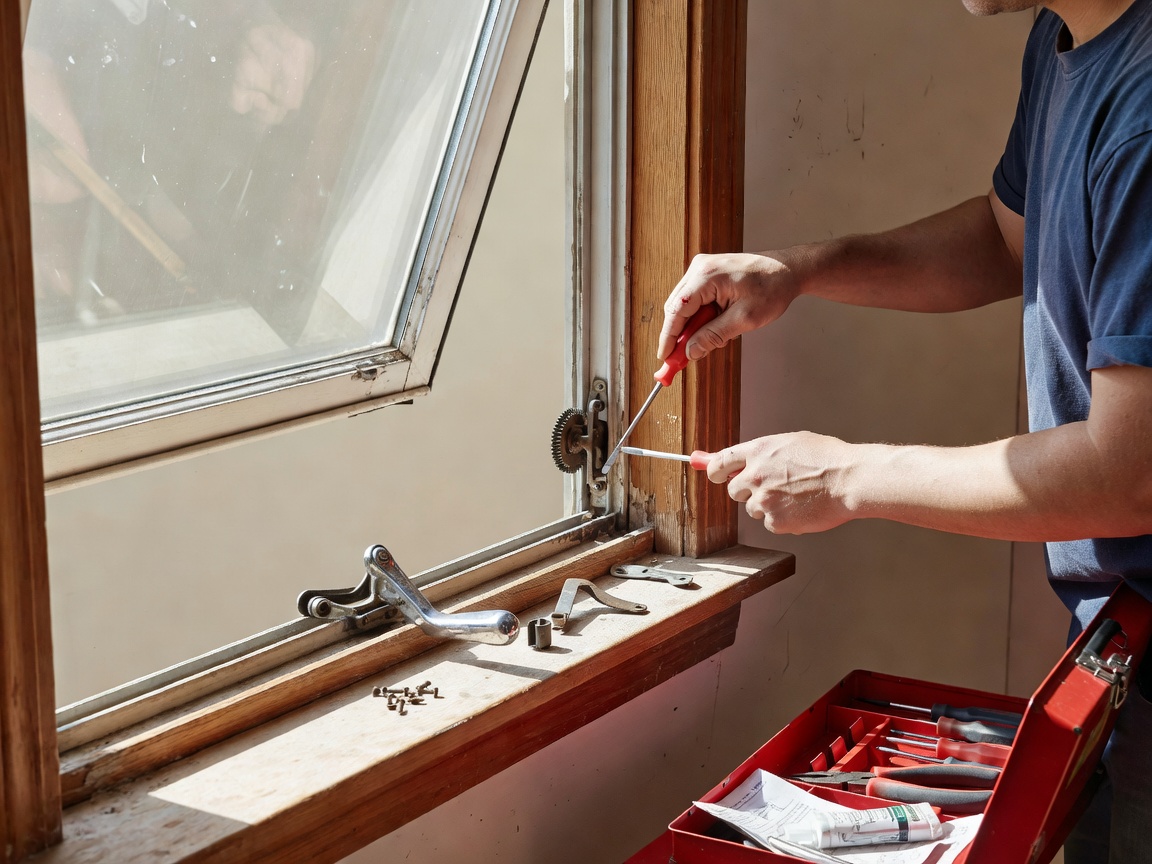
- Casement & Awning Windows: Stripped crank operators, bent hinges, or worn friction stays prevent the sash from pulling flush against the perimeter weatherstripping when closed.
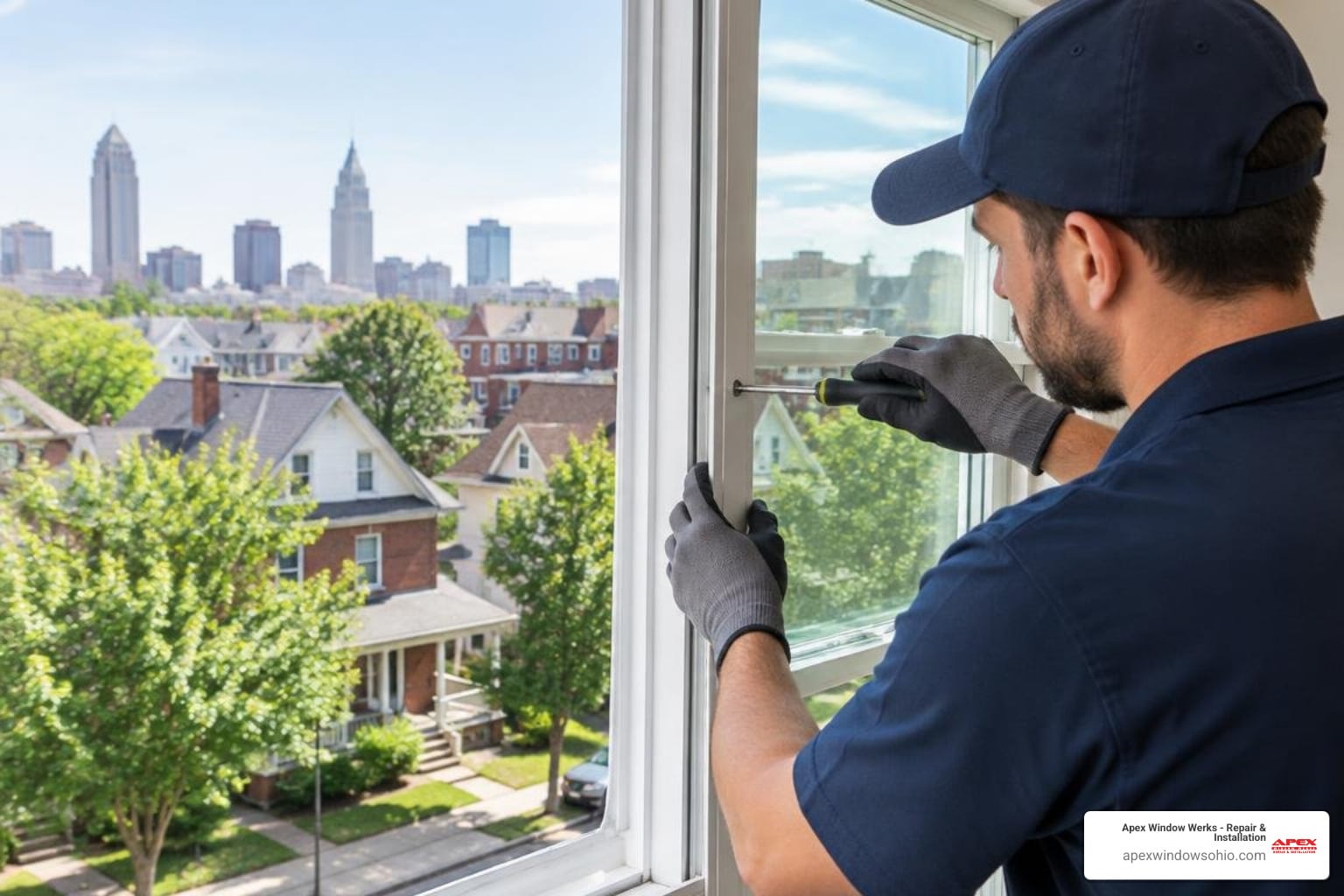
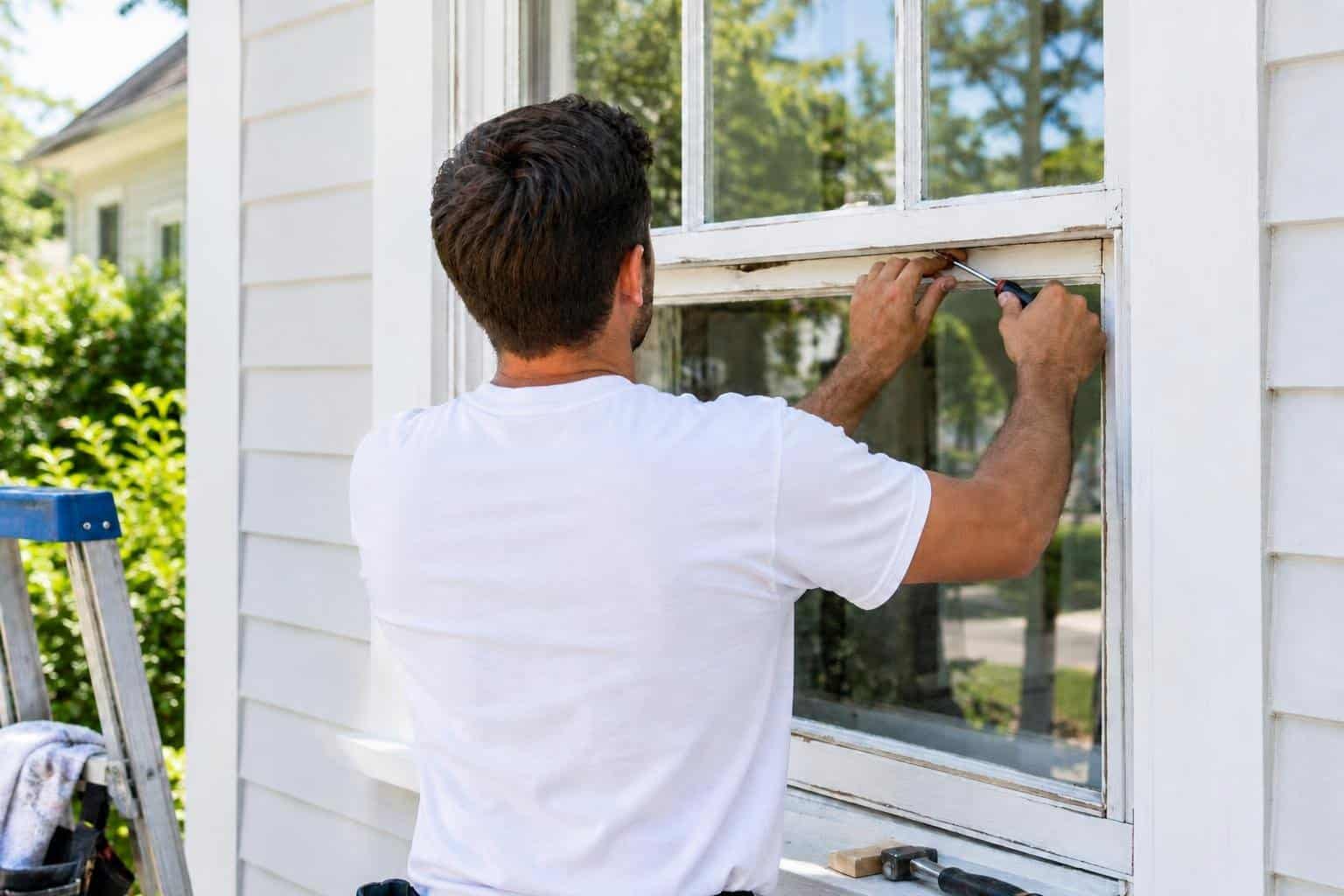
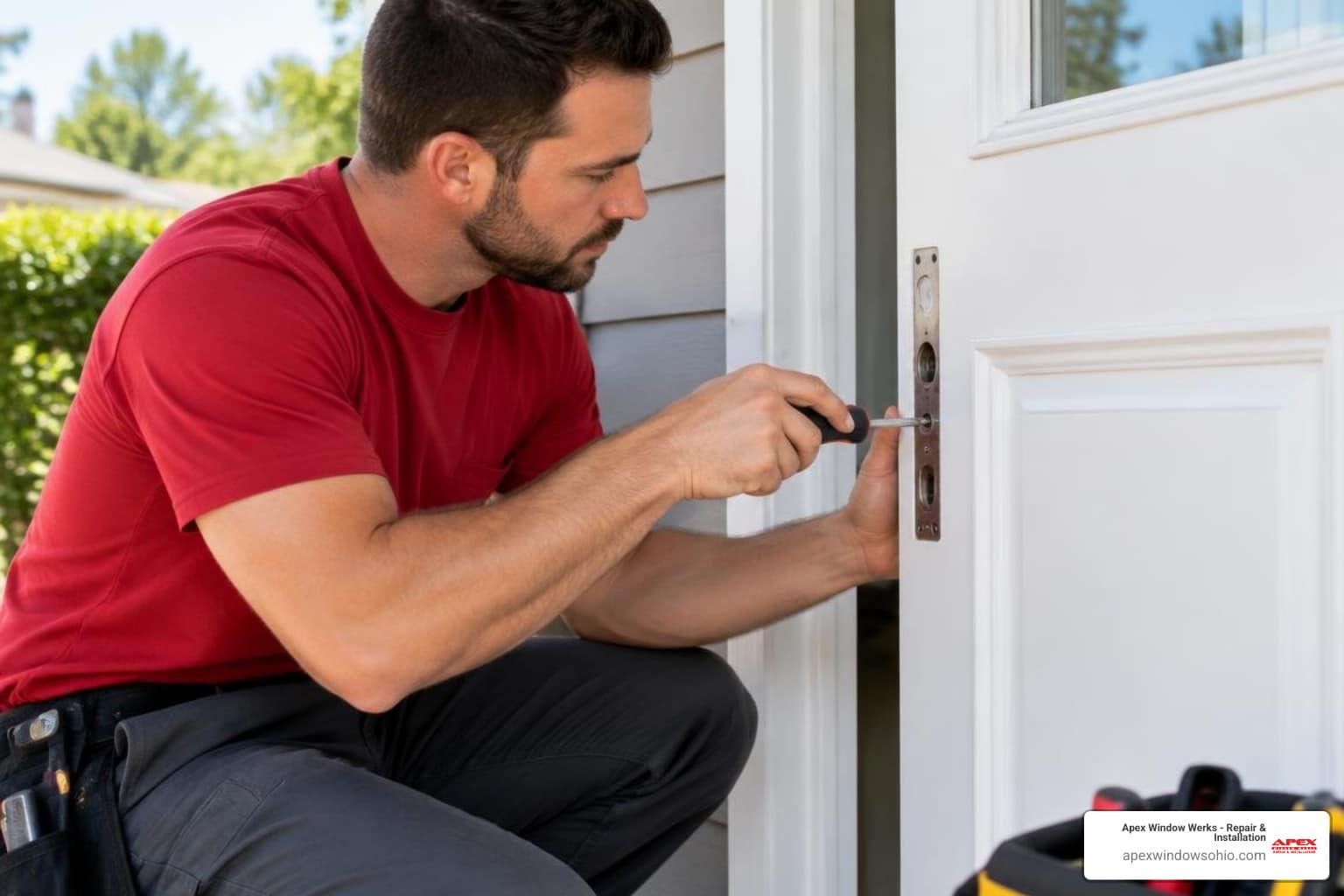
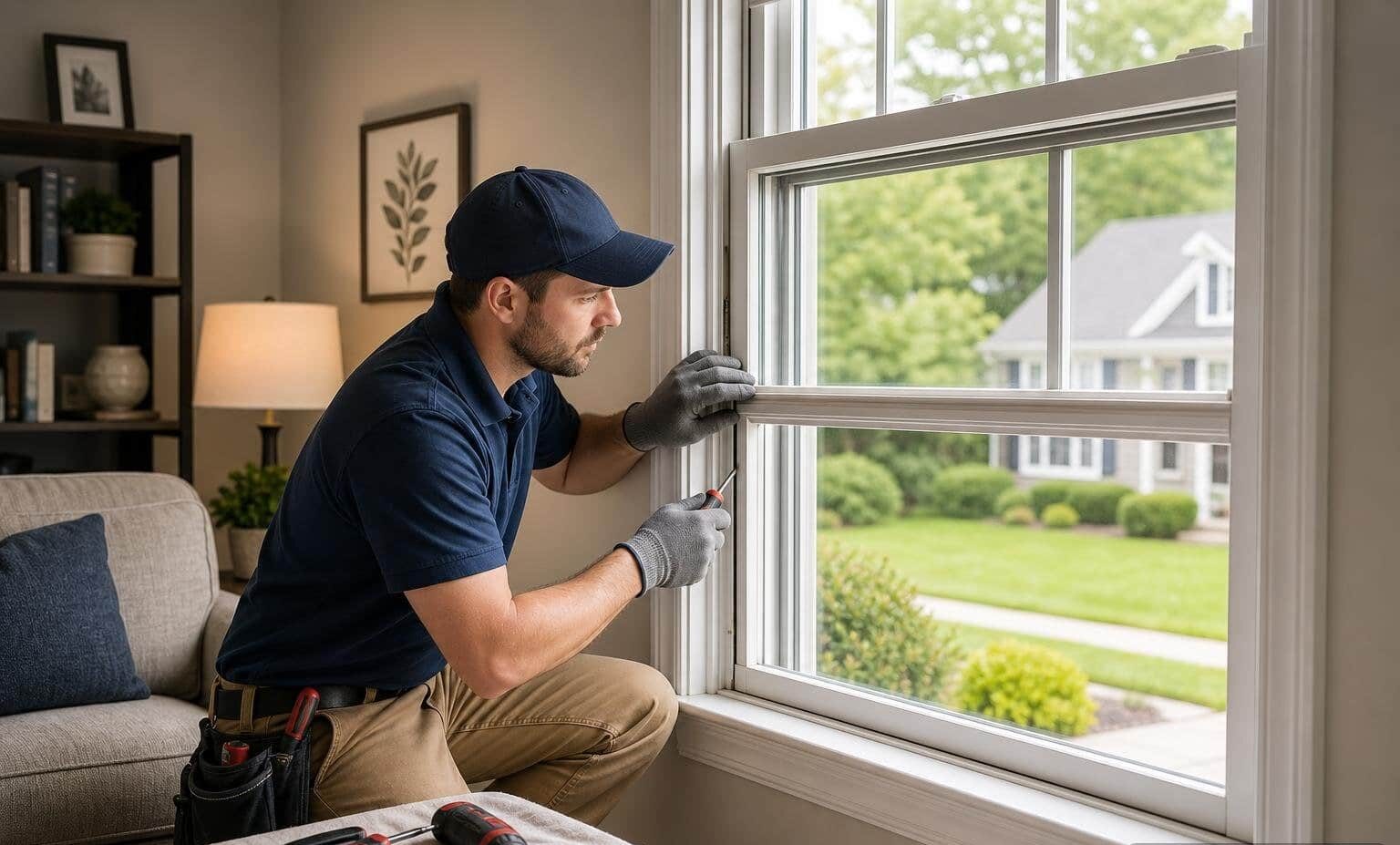
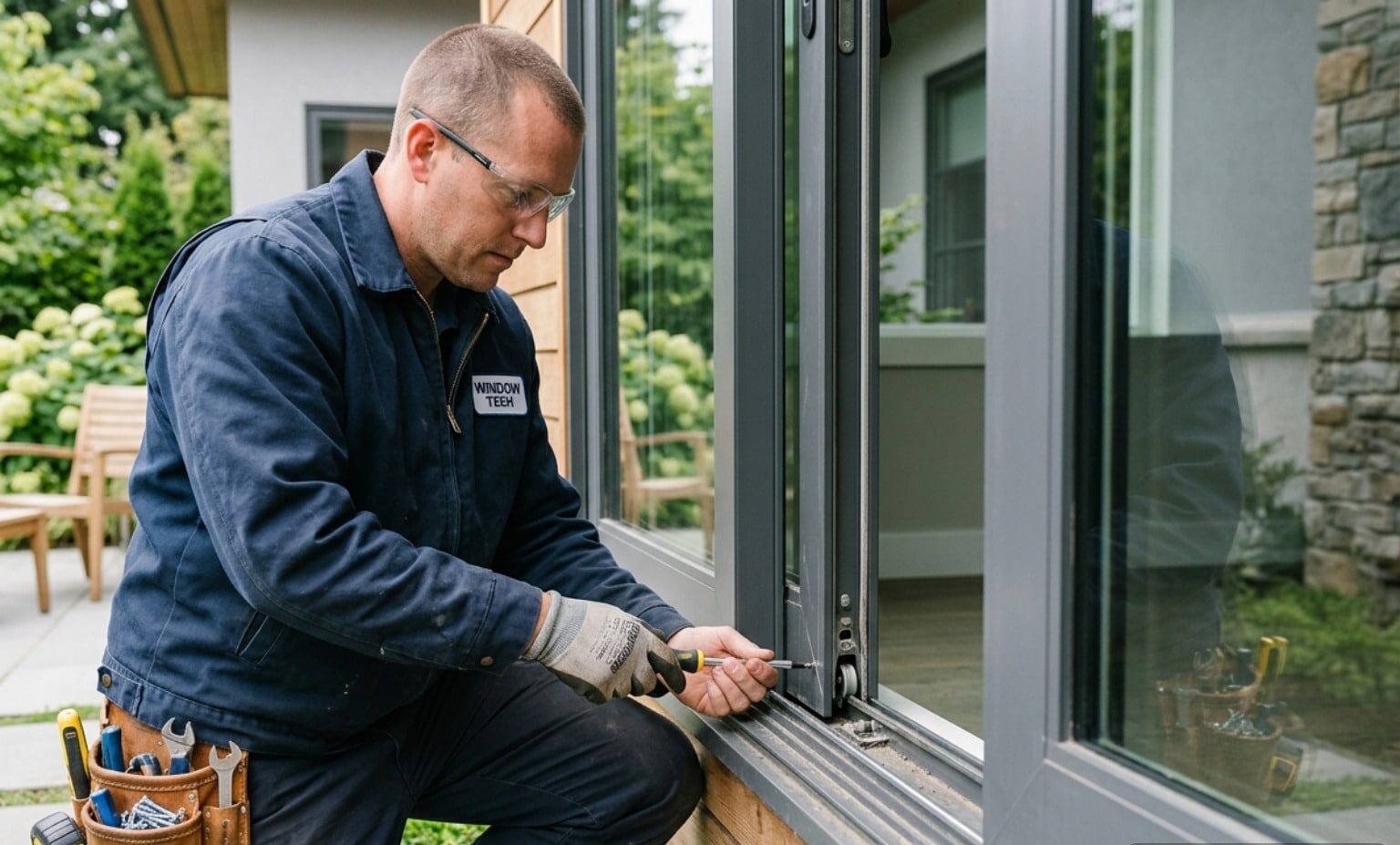
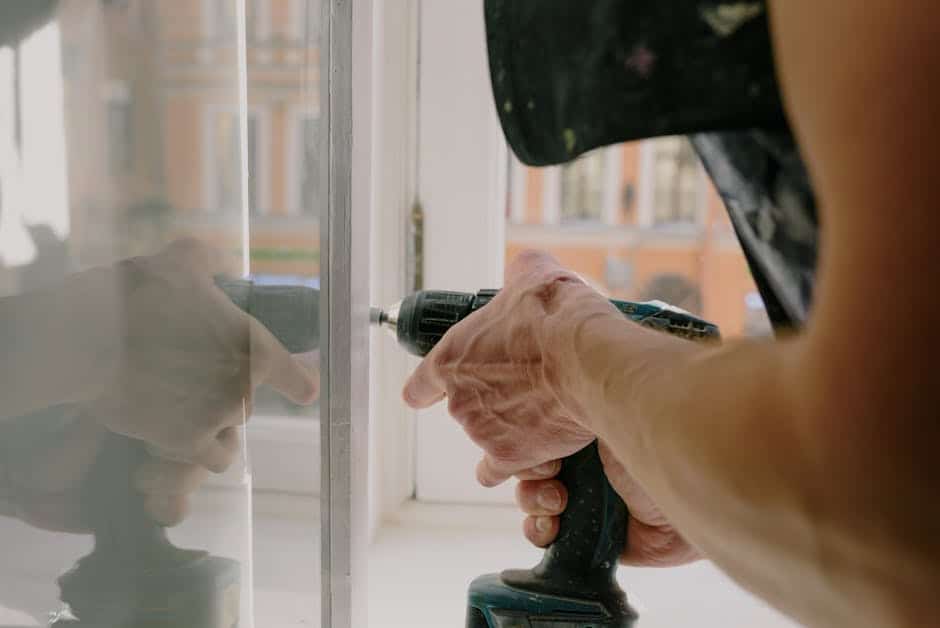
Conducting targeted window sill, sash, and frame repair eliminates air leaks by realigning moving components:
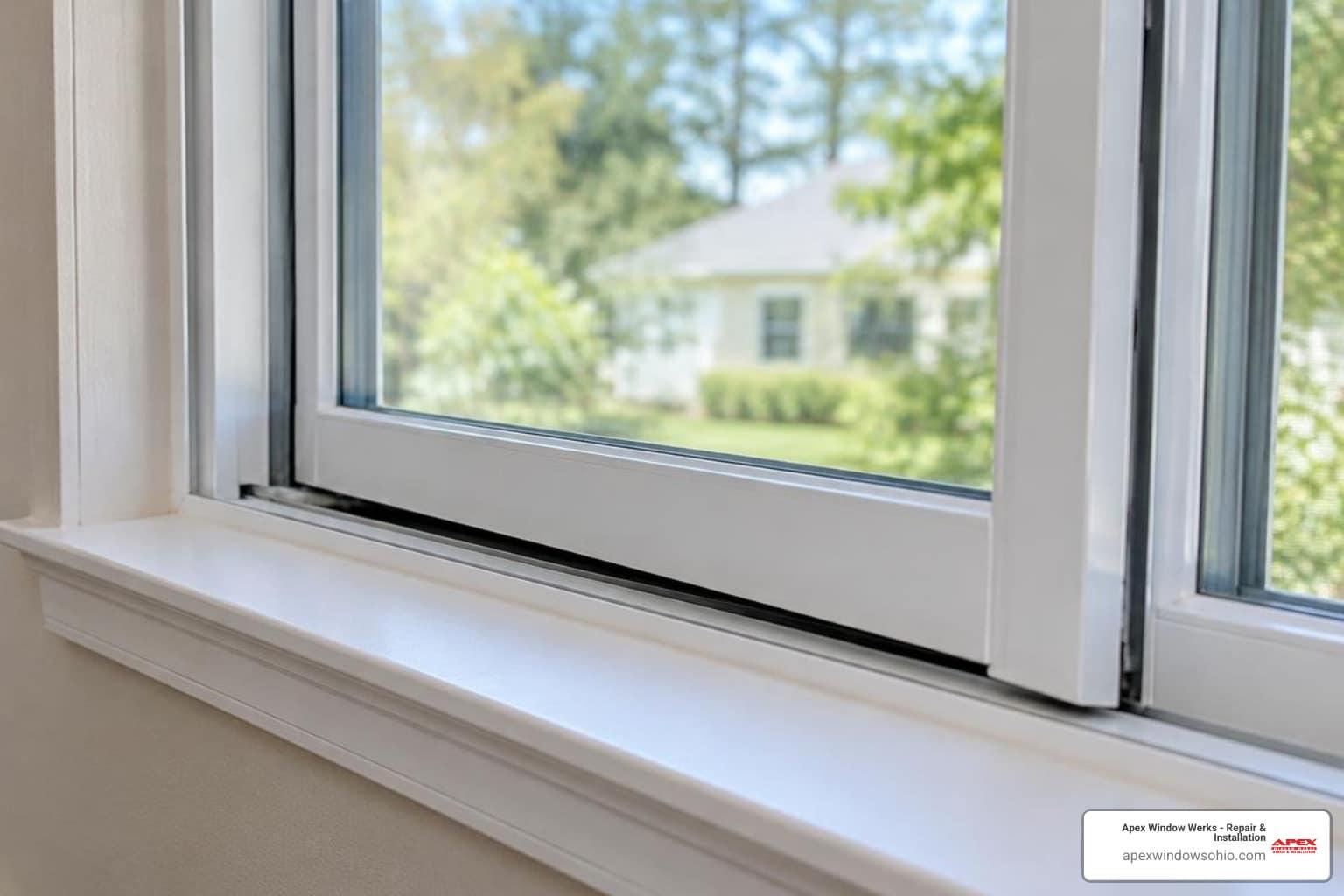
- Inspect Balance Tension: Ensure double-hung sashes stay open independently and close completely level into the sill pocket.
- Check Lock Alignment: Verify that the cam lock draws the upper and lower sashes tightly together without binding.
- Examine Casement Operators: Ensure the crank arm extends smoothly and draws the sash securely against the weatherstripping without skipping gear teeth.
- Inspect Hinge Tracks: Clear out grit, dirt, and debris that prevent the sash from seating square in the master frame.
Evaluating Repair vs Full Window Replacement in Northeast Ohio
Many homeowners assume that cloudy glass or stiff hardware means the entire window unit must be torn out. Full tear-outs, however, disturb exterior siding, internal casing, and moisture barriers.
When to Choose Unit Replacement Over Full Tear-Out
Choosing to replace only the insulated glass unit is the practical, cost-effective choice when:
- The exterior master frame and operable sashes are square and structurally sound.
- Historical architectural trim or interior woodwork would be damaged during a full frame replacement.
- The issue is isolated to broken glass, blown internal seals, or failed balances.
- You want to eliminate foggy haze without the mess of major demolition.
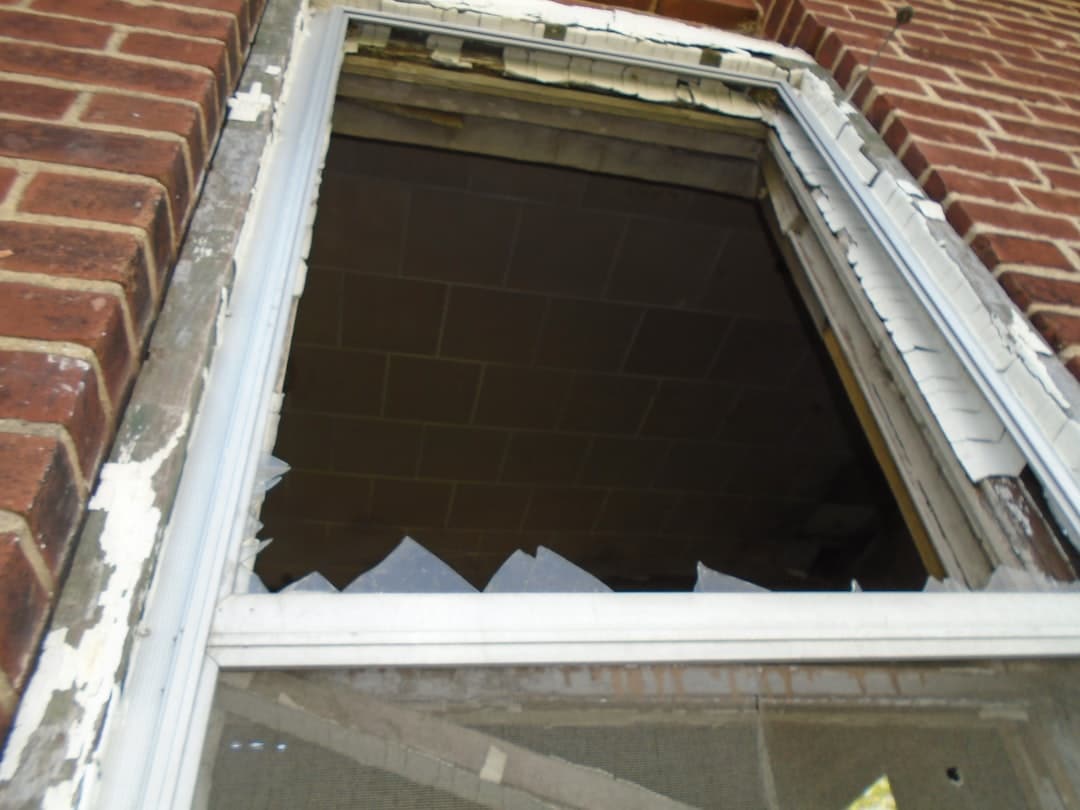
Opting for targeted house window repair preserves your architectural style while restoring original insulation levels. Conversely, full replacement becomes necessary only when structural rot has destroyed the frame corners or the jambs are severely warped out of square.
Professional vs DIY Double Glazed Window Repair
While basic hardware lubrication or exterior caulking can be handled as a weekend DIY project, replacing an insulated glass unit requires professional precision.
Custom double-glazed units must be measured to the nearest sixteenth of an inch. An error in thickness or perimeter dimension will prevent the glazing beads from snapping into place, resulting in water leaks or cracked glass. Furthermore, professional glaziers utilize specialized suction cups, deglazing tools, and setting blocks to ensure the heavy unit rests securely without putting structural stress on the frame. Choosing expert foggy window solutions ensures clean handling, tight weather seals, and lasting performance.
Frequently Asked Questions About Double Glazed Window Repair in Northeast Ohio
How much does double-glazed window repair typically cost?
The cost of repairing a double-glazed window depends on several specific variables rather than a flat rate. Key cost factors include:
- The dimensions and overall surface area of the glass.
- Glass specifications, such as tempered safety glass, low-E coatings, or custom tints.
- The sash material (wood, vinyl, or aluminum) and the condition of the surrounding glazing stops.
- Accessibility requirements for second-story windows or specialty shapes.
- Additional mechanical repairs, such as replacing broken balances, rotted sills, or stripped crank operators.
Because replacing only the sealed glass unit preserves the existing frame, it avoids the labor-intensive construction costs associated with a full-frame replacement. Homeowners can submit details to request a customized project estimate.
Can you reseal a blown double-glazed window without replacing the glass?
No, attempting to reseal a blown window without replacing the IGU is not an effective permanent fix. Some temporary services drill tiny holes into the glass to wash the interior cavity and vent moisture. While this may temporarily clear surface fogging, it leaves the unit filled with ordinary humid room air rather than insulating argon gas. The internal desiccant remains saturated, the original U-value is permanently compromised, and condensation quickly returns. Replacing the insulated glass unit is the only reliable way to permanently restore clear visibility and thermal performance.
How long does a double-glazing seal replacement last?
A newly installed, factory-built insulated glass unit offers years of proven performance. Longevity depends on proper drainage within the window sash, exposure to direct sunlight, and seasonal temperature swings. Maintaining perimeter caulk and ensuring sash weep holes remain free of debris allows a quality replacement unit to protect your home’s comfort for the long haul.
Conclusion
Cloudy glass, persistent drafts, and sticking sashes do not mean you have to undergo a disruptive, whole-house window replacement. By focusing on targeted repairs – renewing perimeter seals, installing a precision-measured insulated glass unit, and tuning up operating hardware – you can restore crystal-clear views and thermal performance while keeping your existing frames intact.
At Apex Window Werks, we bring years of proven expertise to homeowners throughout Cleveland, Akron, and surrounding Northeast Ohio communities. Whether you are dealing with moisture between panes or worn operating mechanisms, our skilled technicians evaluate your windows with a repair-first approach.
We provide free estimates, and readers can submit photos, measurements, or manufacturer markings through our virtual estimate tool to explore repair options. Same day repairs are available depending on damage, materials, technician availability, and scheduling. Contact our team at 440-496-7415 or visit us to schedule an expert foggy window repair estimate today.