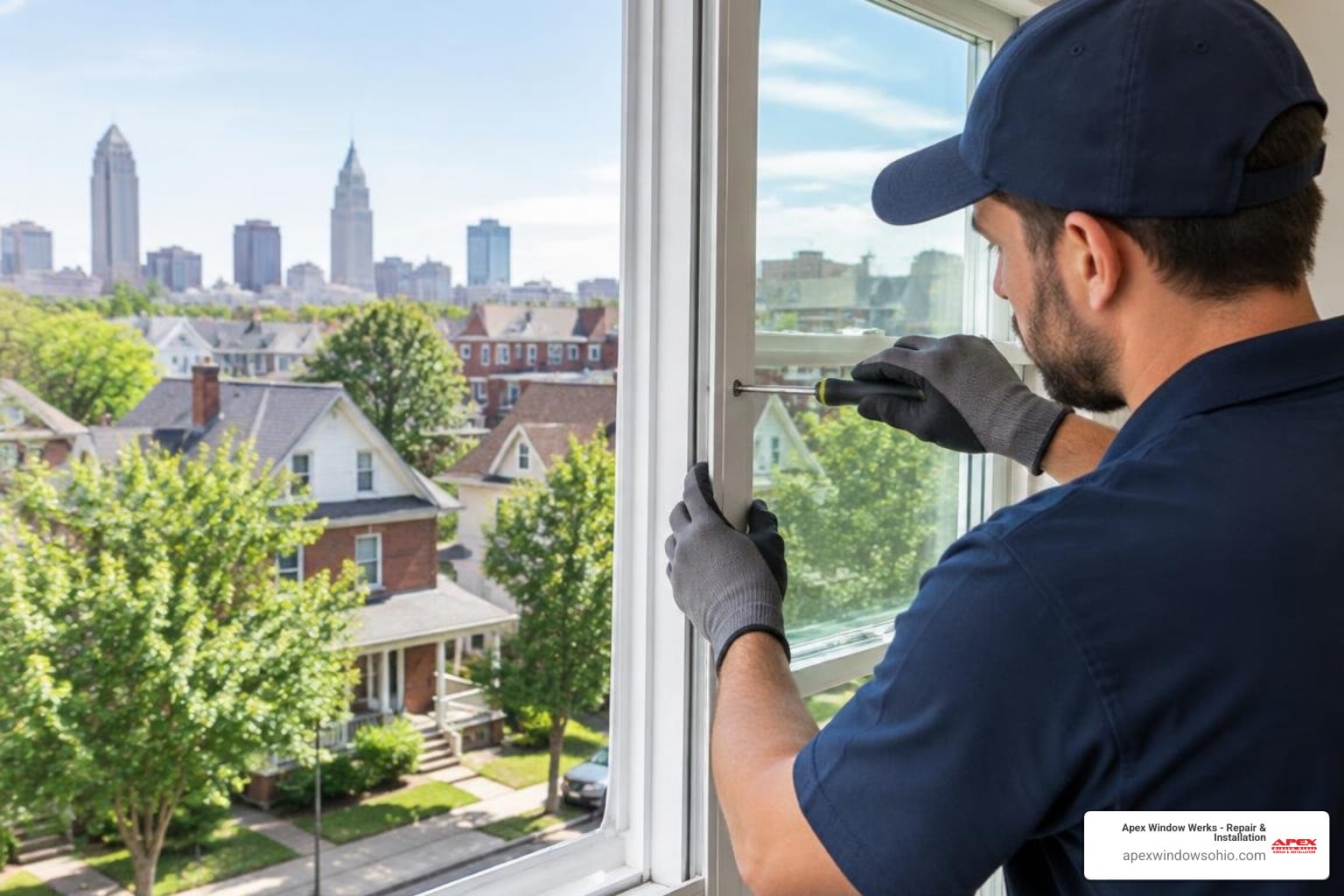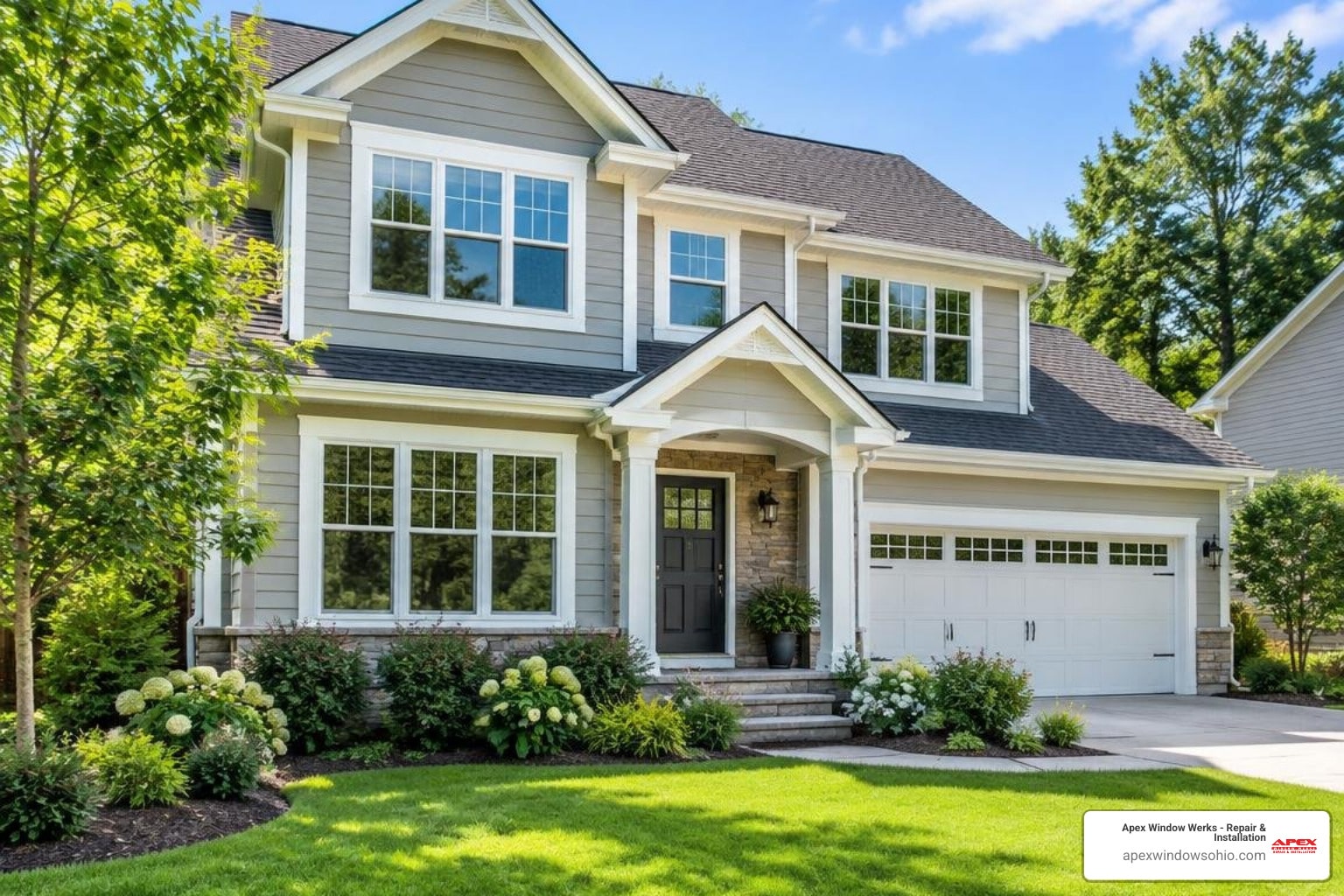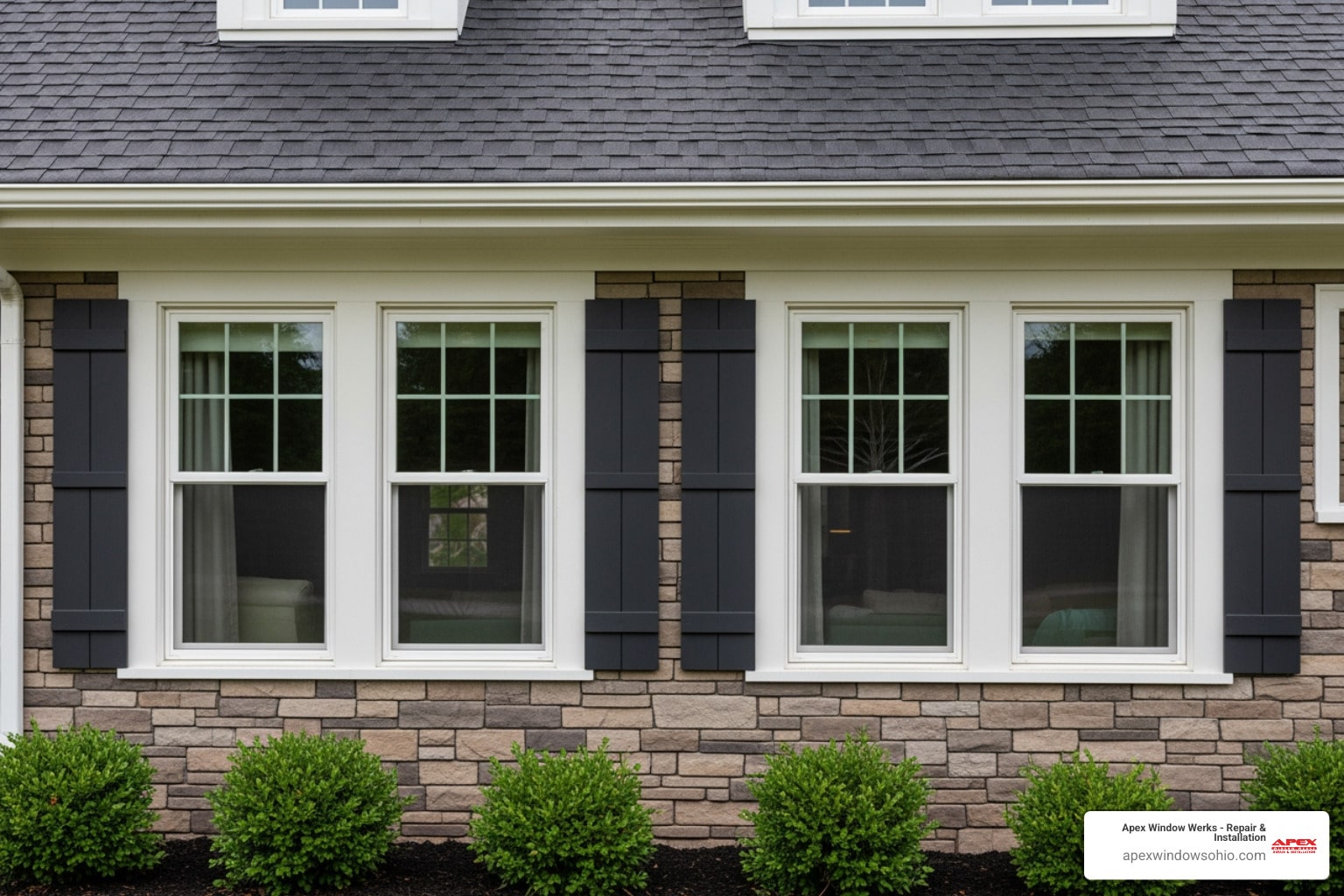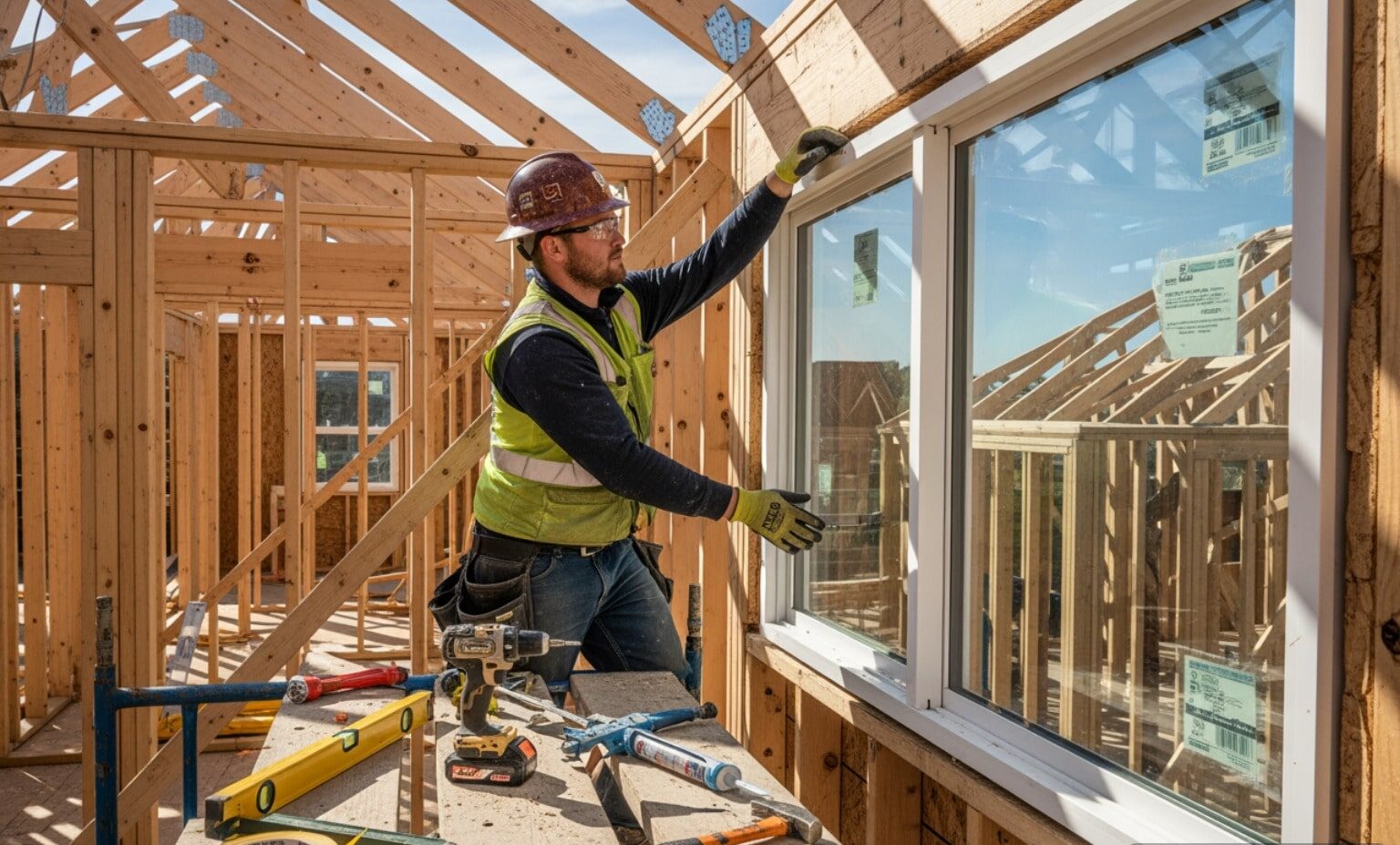


7 Practical Ways to Solve Your Wood Window Repair Problems
Why Wood Window Repair Matters for Your Home
Wood window repair is the process of restoring damaged wooden window frames, sashes, and sills by removing rot, filling cavities, and refinishing surfaces. Most issues, from peeling paint to soft spots, can be fixed without replacing the entire window.
Quick Answer: Common Wood Window Repair Steps
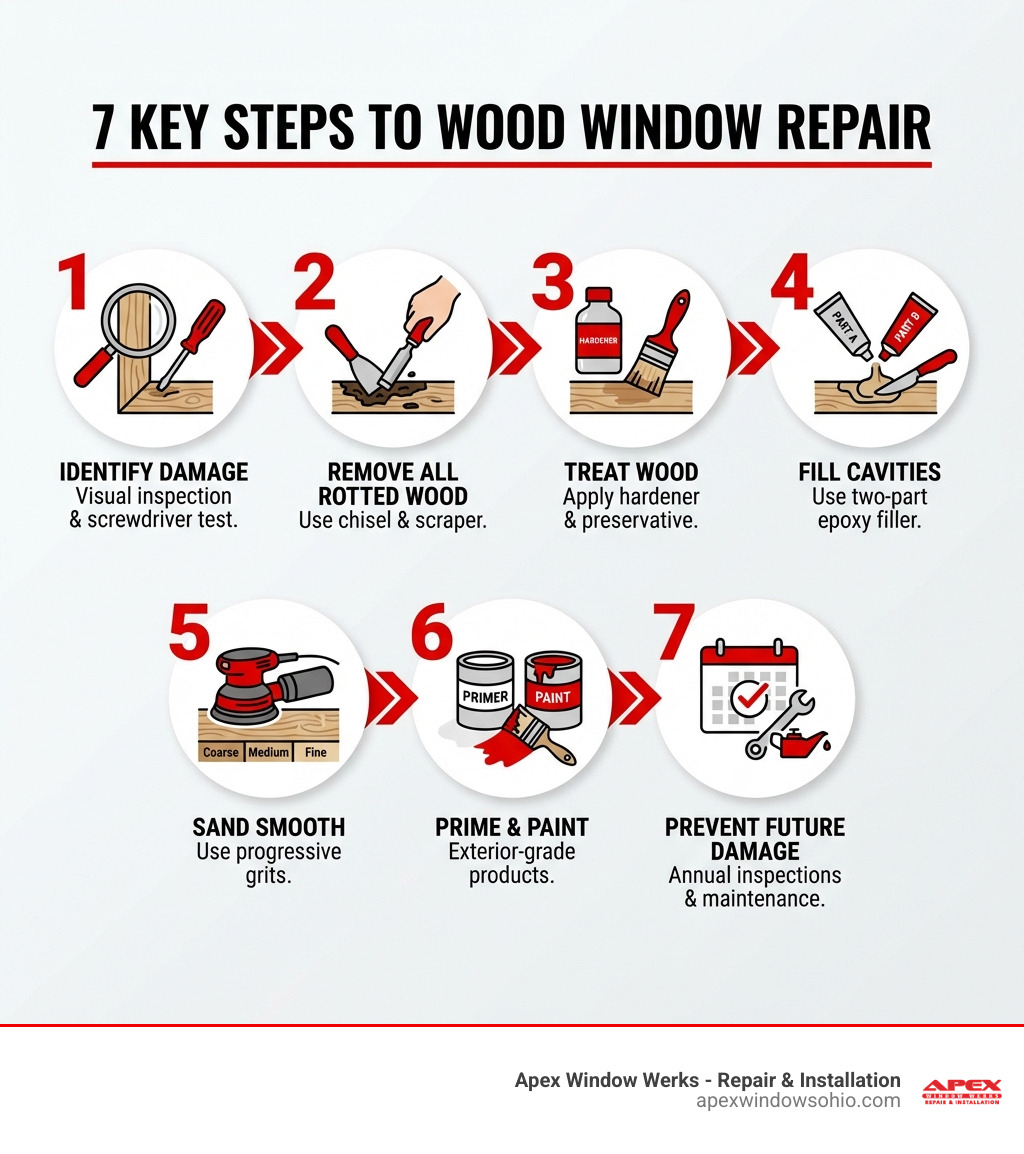
- Inspect for soft wood, cracks, peeling paint, and water damage
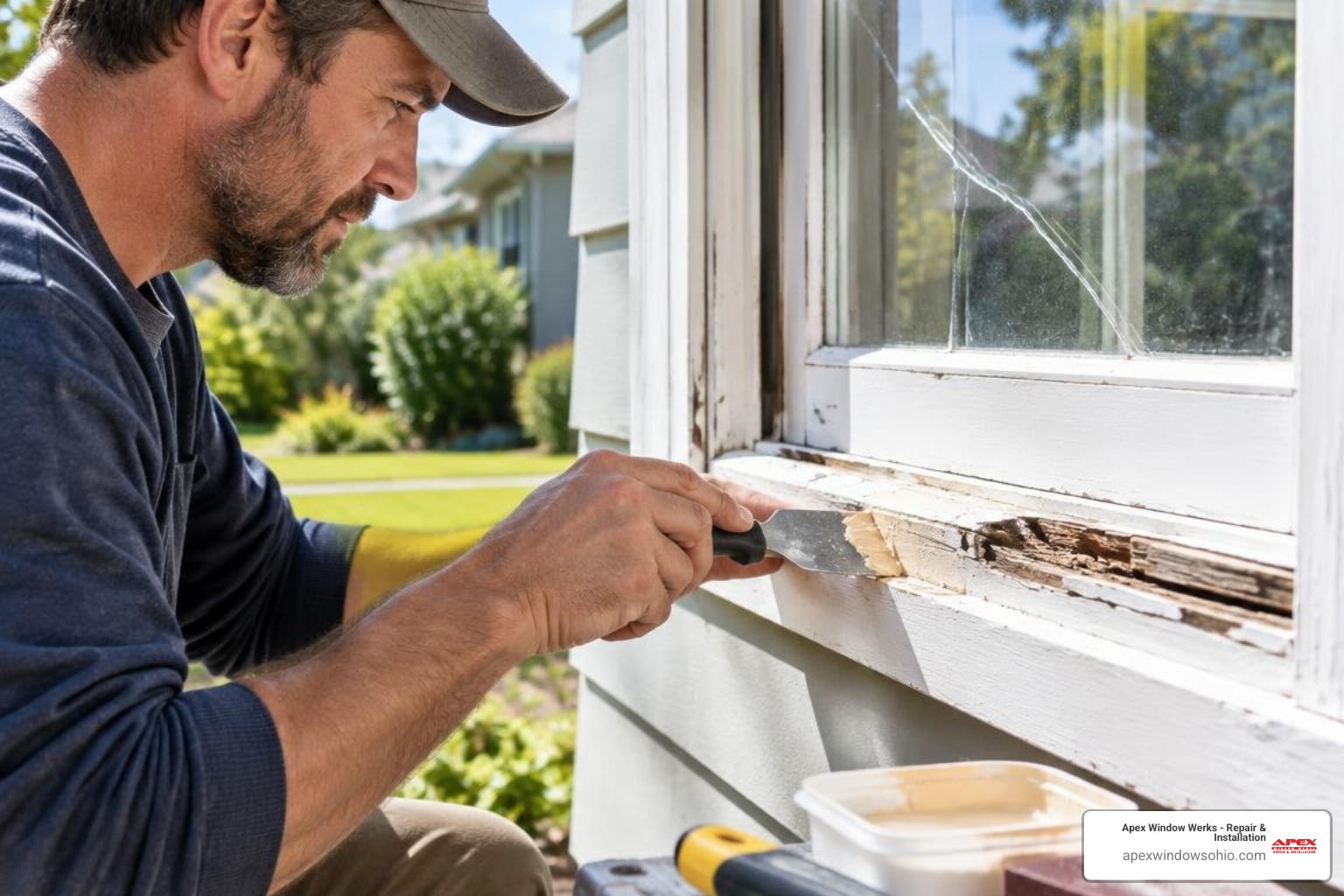
- Remove all rotted or decayed wood using a chisel or scraper
- Treat exposed wood with hardener and preservative
- Fill cavities with two-part epoxy wood filler
- Sand the repaired area smooth, starting with coarse grit
- Prime the wood to seal and protect the surface
- Paint with exterior-grade paint and seal all joints with caulk
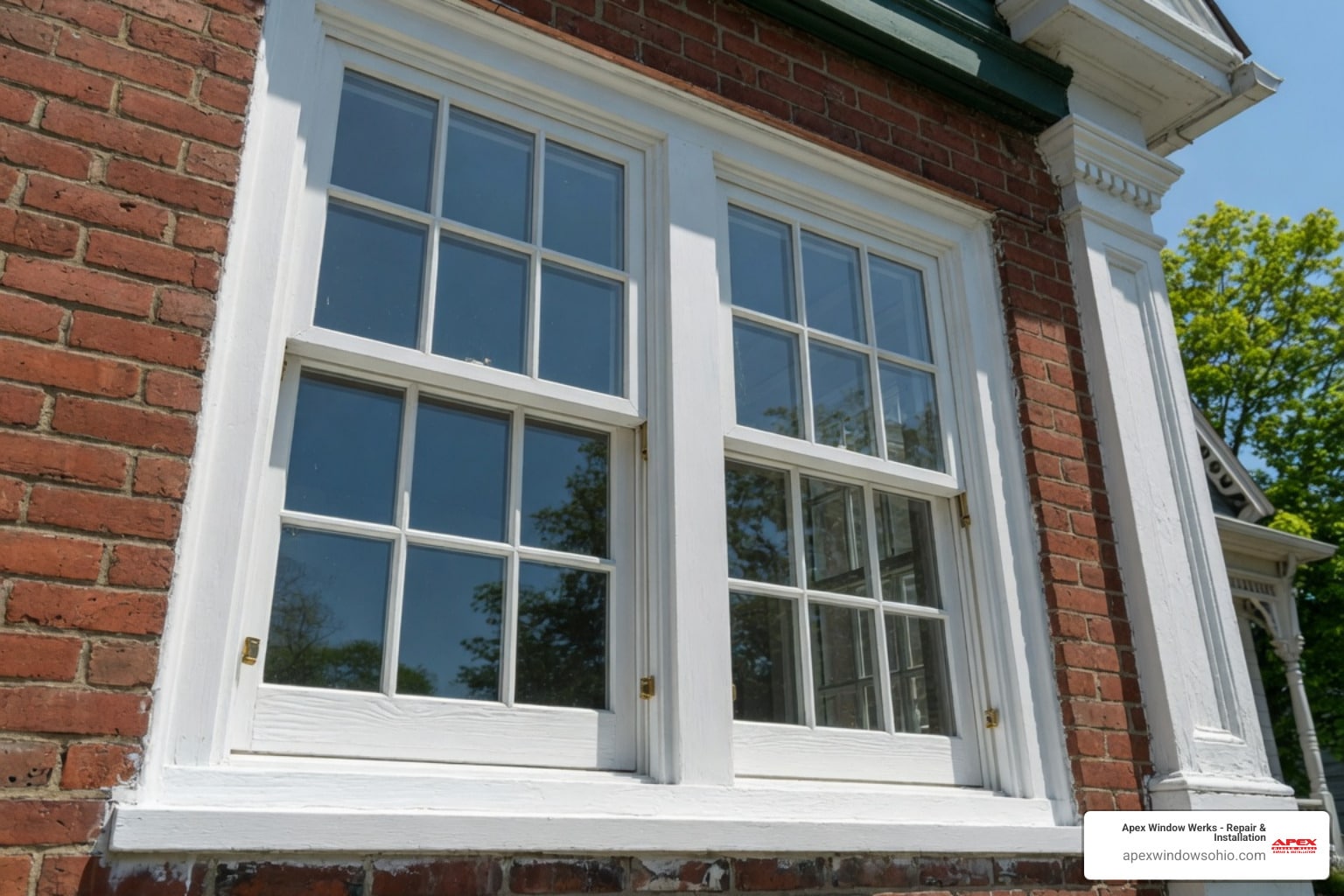
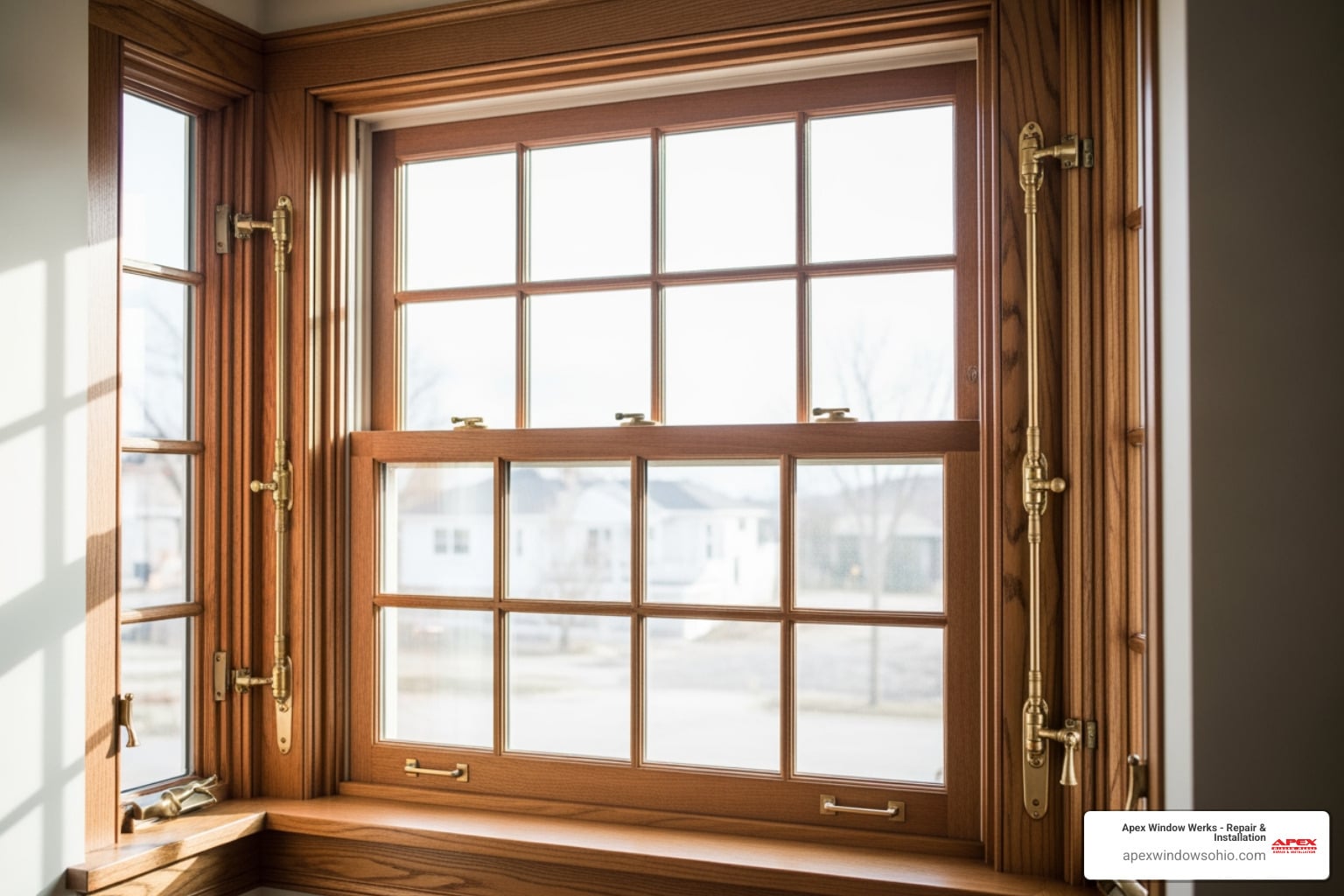
Wooden windows offer a charm modern materials can’t replicate, but weather and time can cause damage. The good news is that most wood window issues are repairable at a fraction of the cost of replacement.
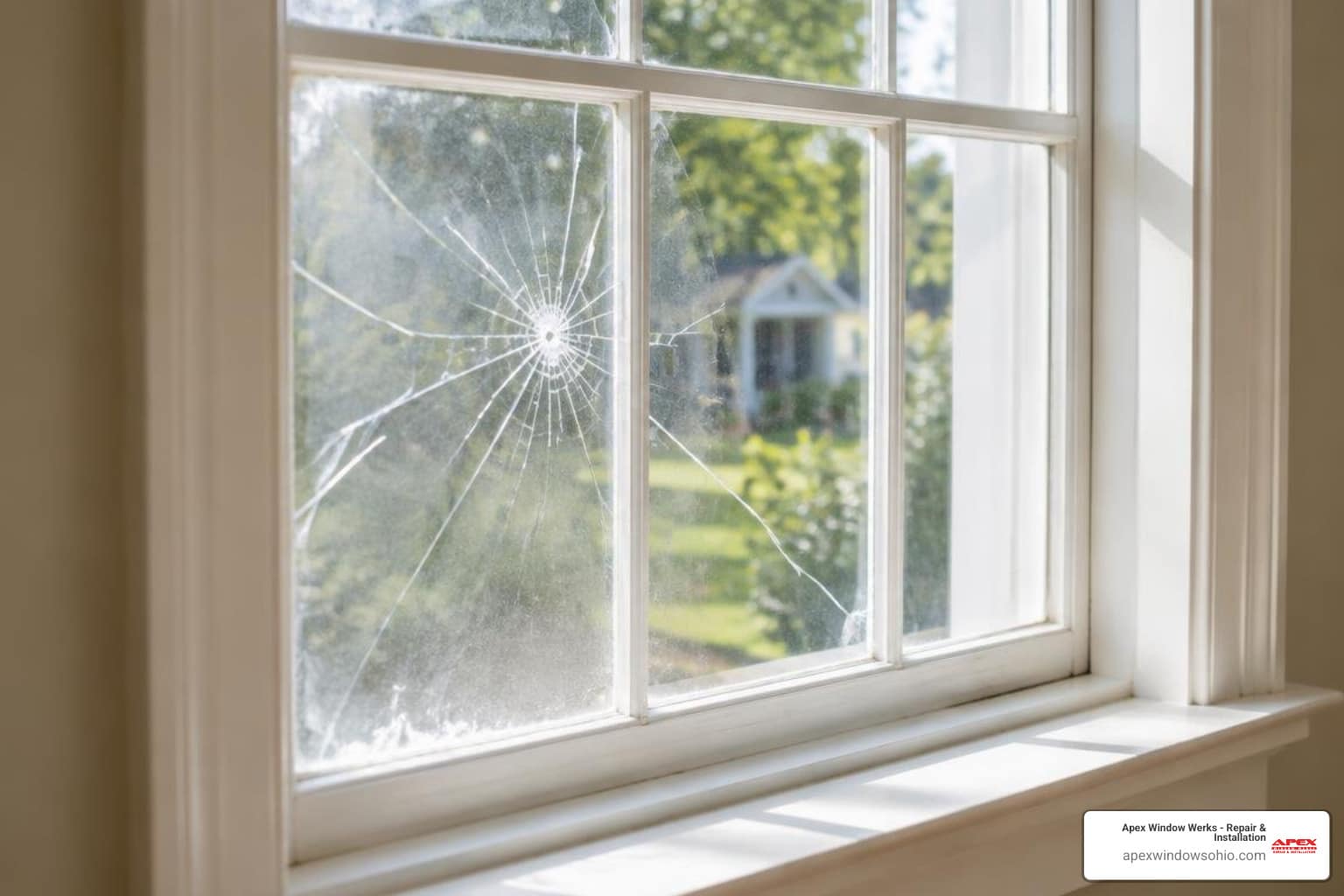
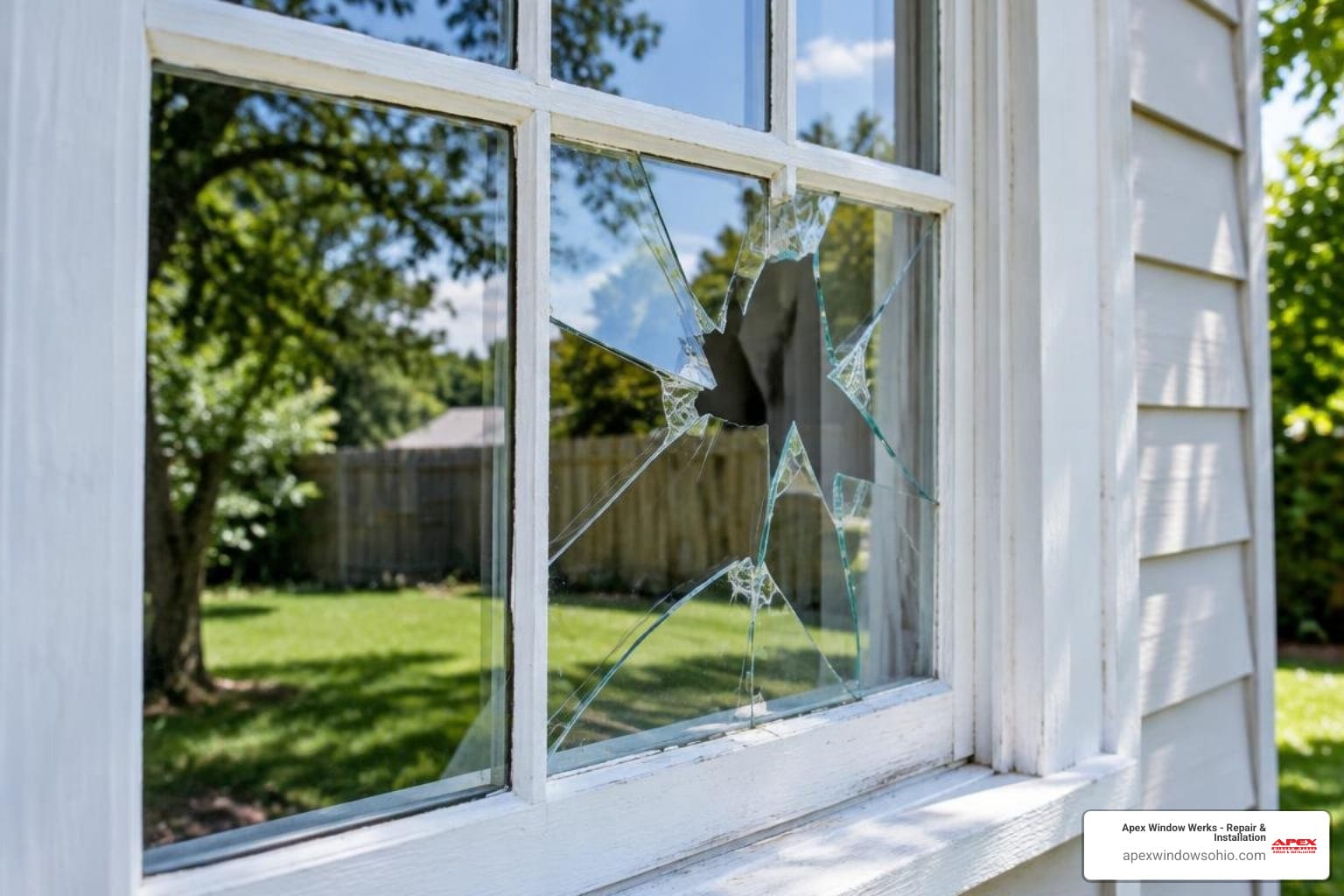
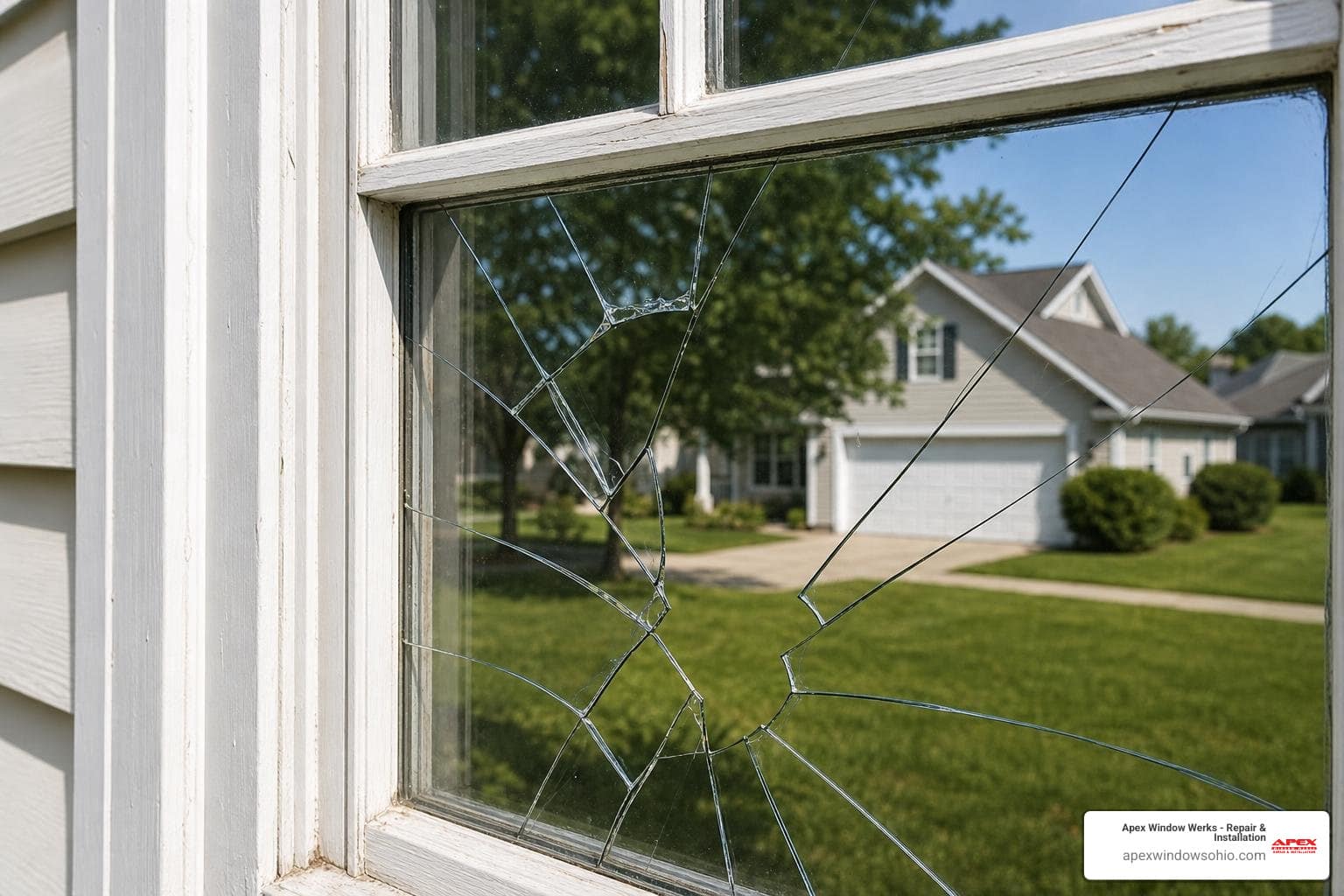
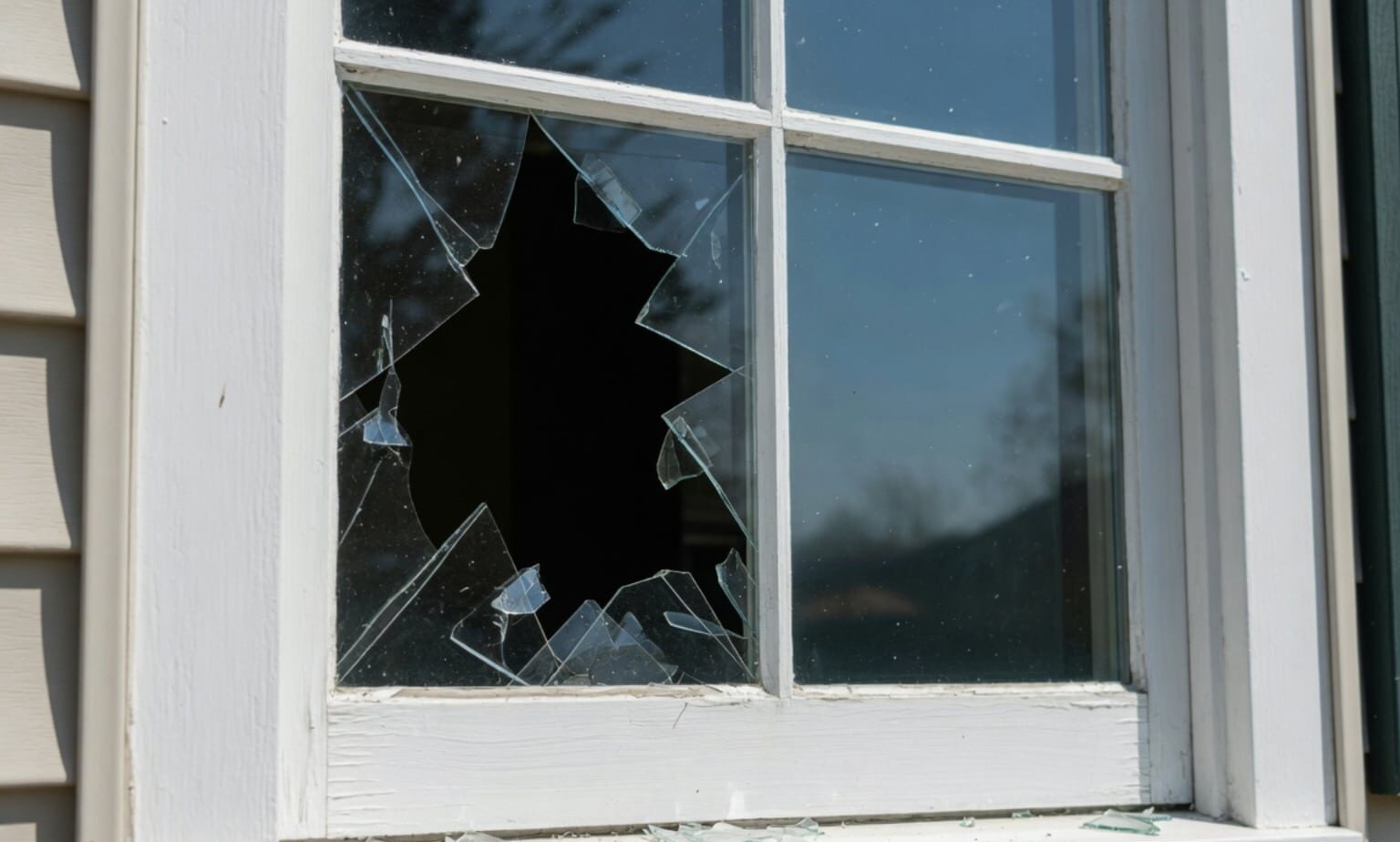
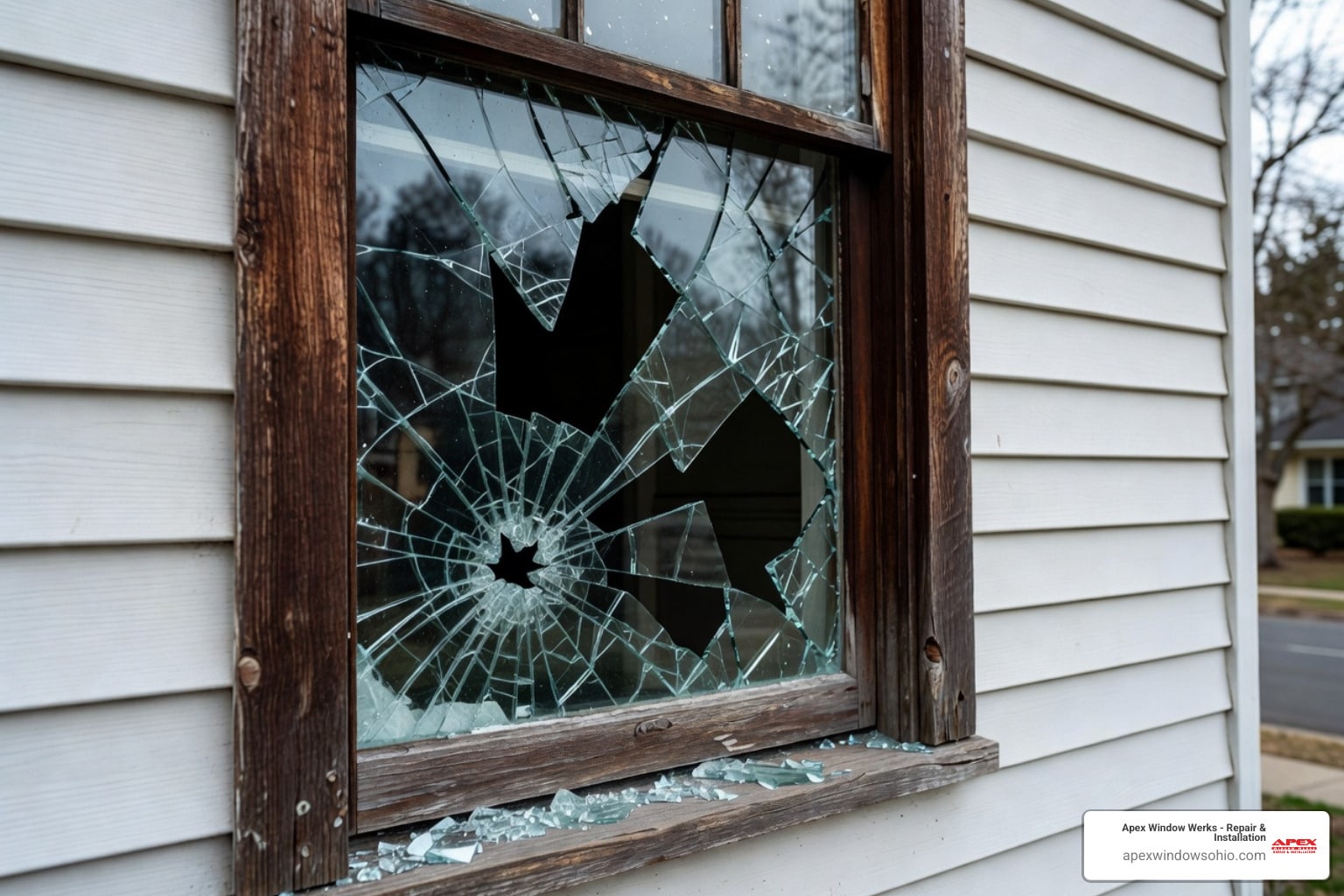
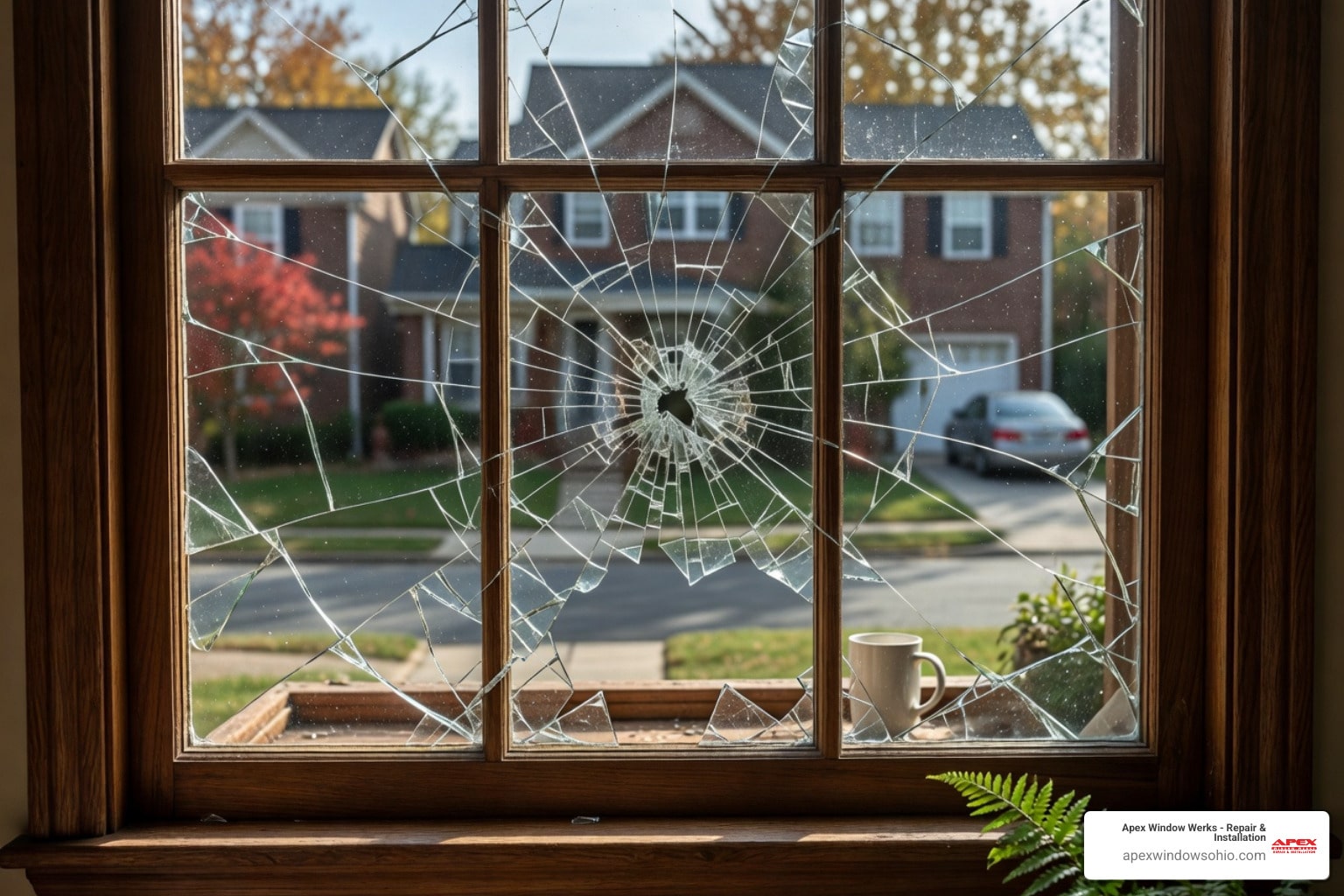
The most common problems include wood rot, warped frames, broken glass, failed seals, and peeling paint. If ignored, these issues can lead to drafts, water damage, and mold.
This guide walks you through practical solutions to common wood window repair challenges. You’ll learn to spot warning signs, execute repairs, and know when to call for expert help.
I’m Nataly Godes, General Manager at Apex Window Werks. Our team provides precision wood window repair across Northeast Ohio. My experience shows that with the right guidance, homeowners can handle minor repairs, while complex issues are best left to professionals.
1. How to Spot Trouble: Identifying Common Wood Window Problems
Recognizing the early signs of wear on your wooden windows can save you significant expense. Here are the most common signs that your windows need attention:
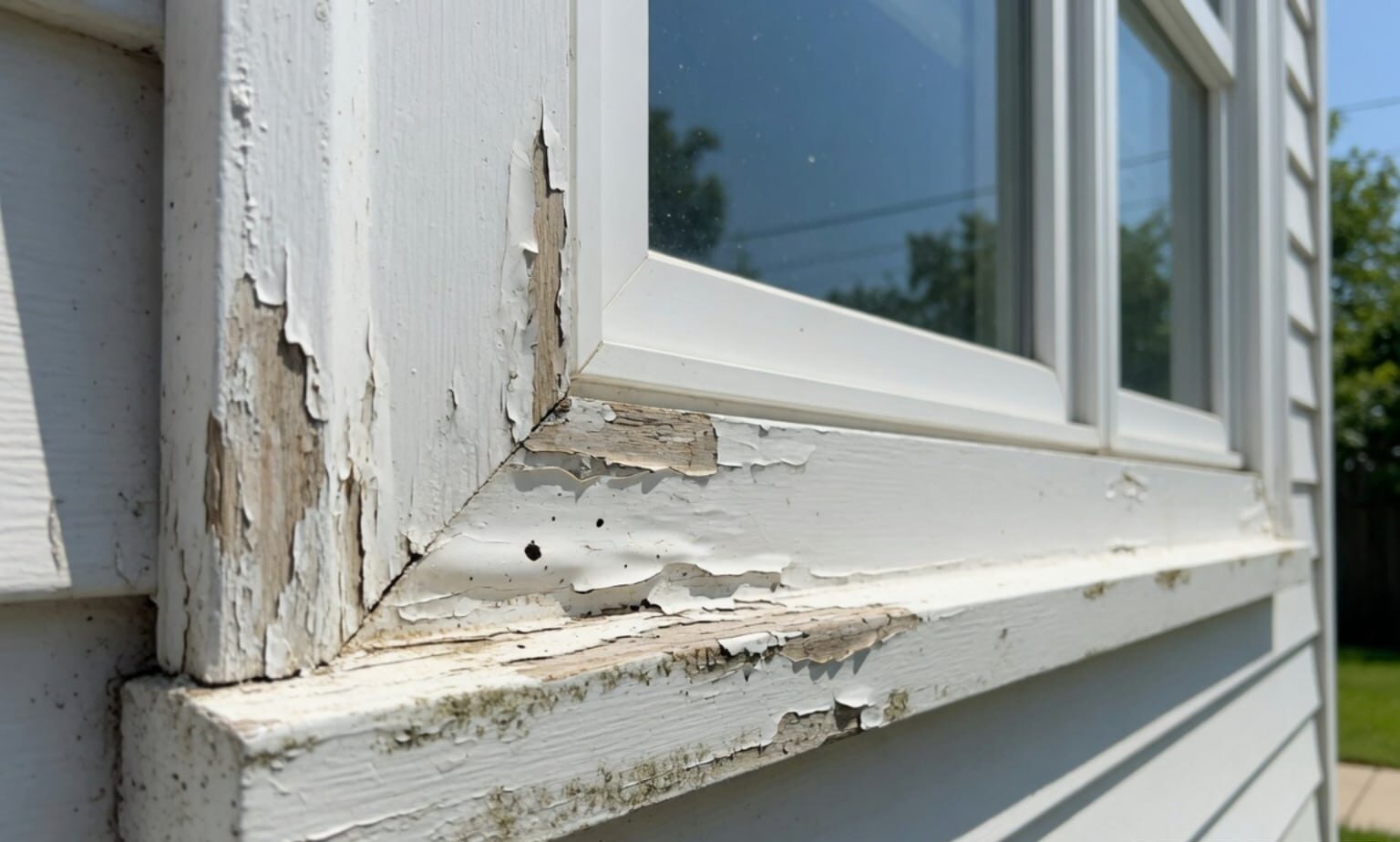
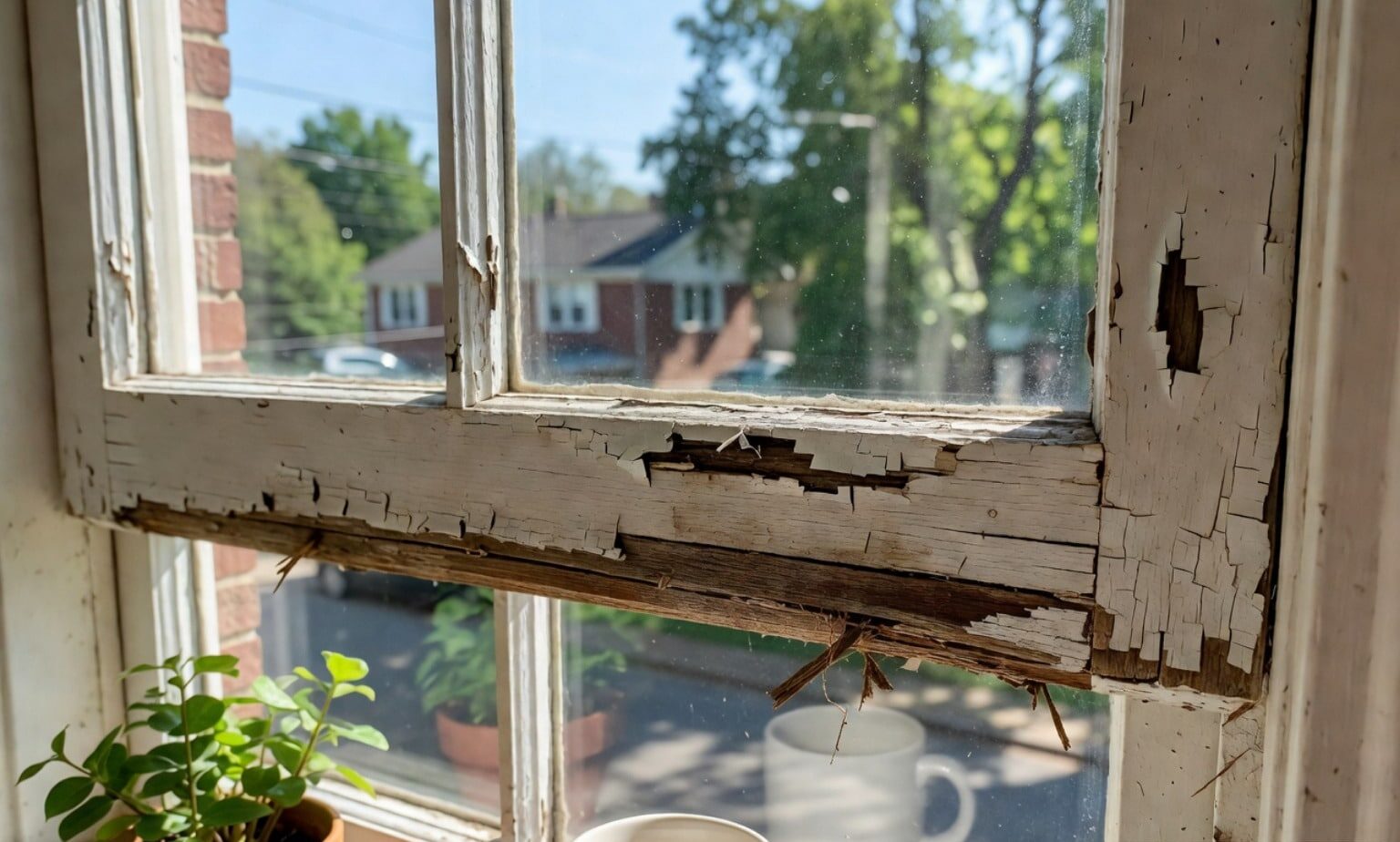
- Peeling or Blistering Paint: This often indicates moisture penetration beneath the surface.
- Warped or Distorted Frames: Moisture can cause wood to swell and warp, making windows difficult to operate.
- Difficulty Opening or Closing: A window that sticks or jams could have swollen wood, damaged hardware, or underlying rot.
- Drafts or Air Leaks: Drafts mean your seals are failing or the wood has deteriorated, creating gaps and increasing energy bills.
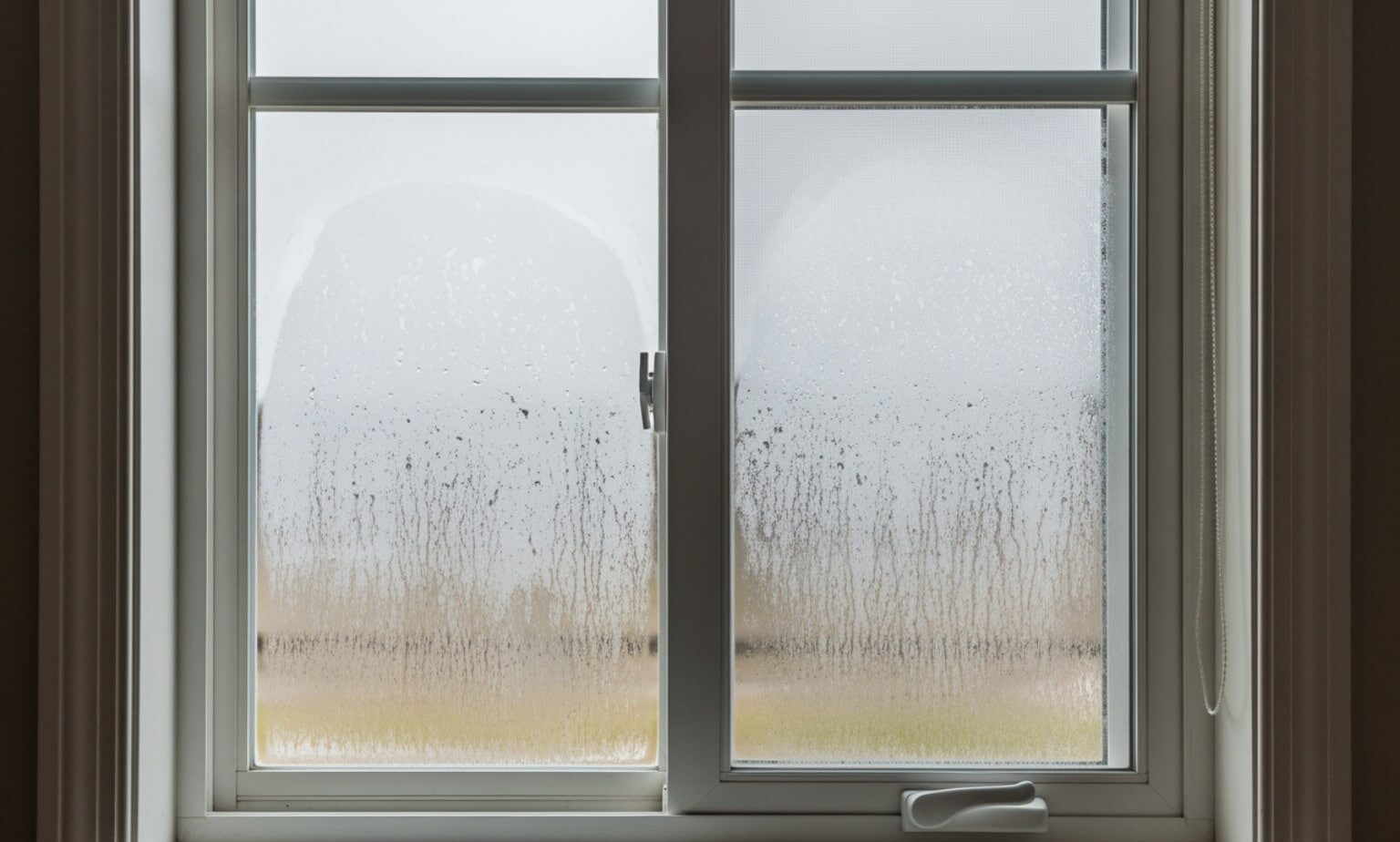
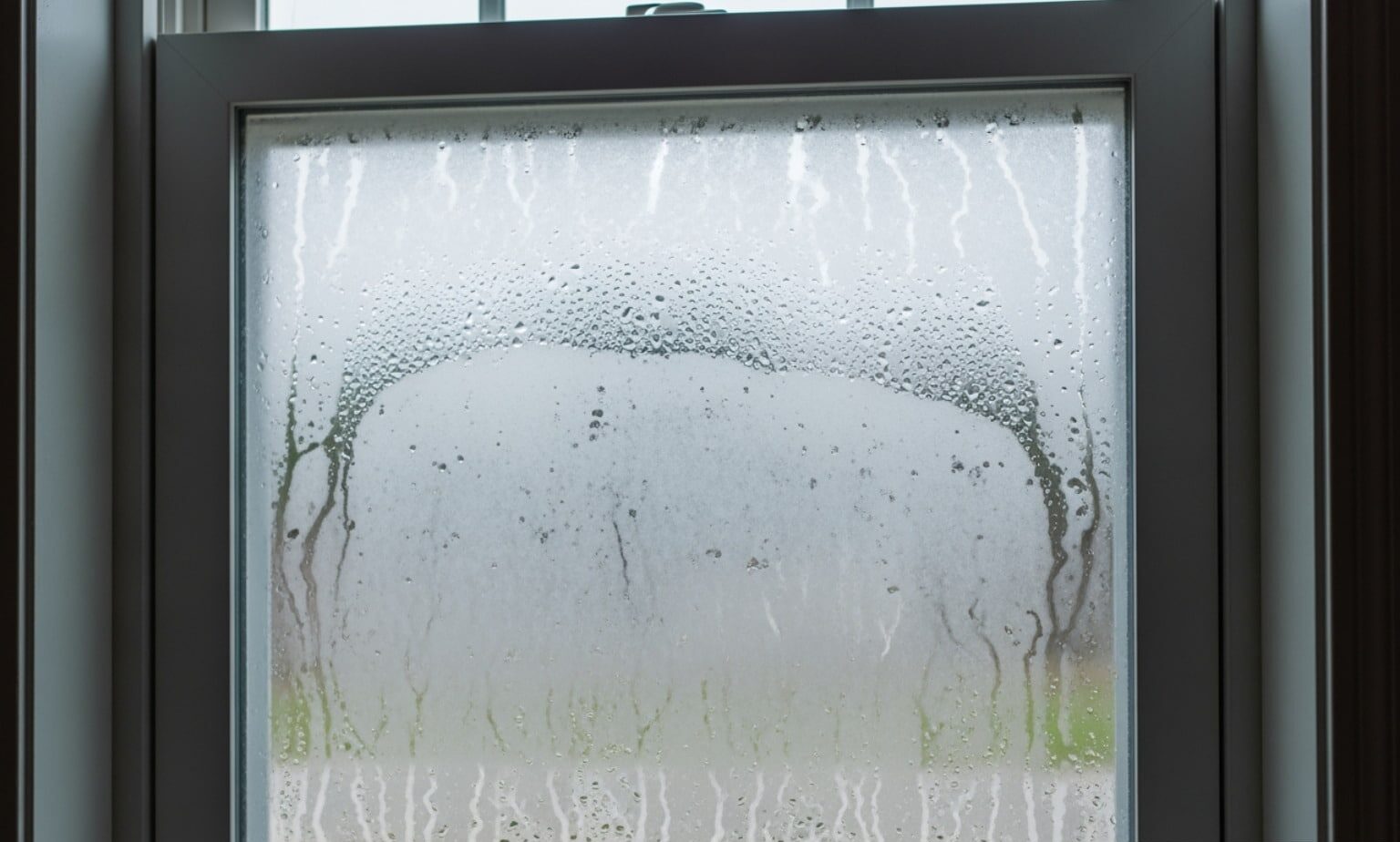
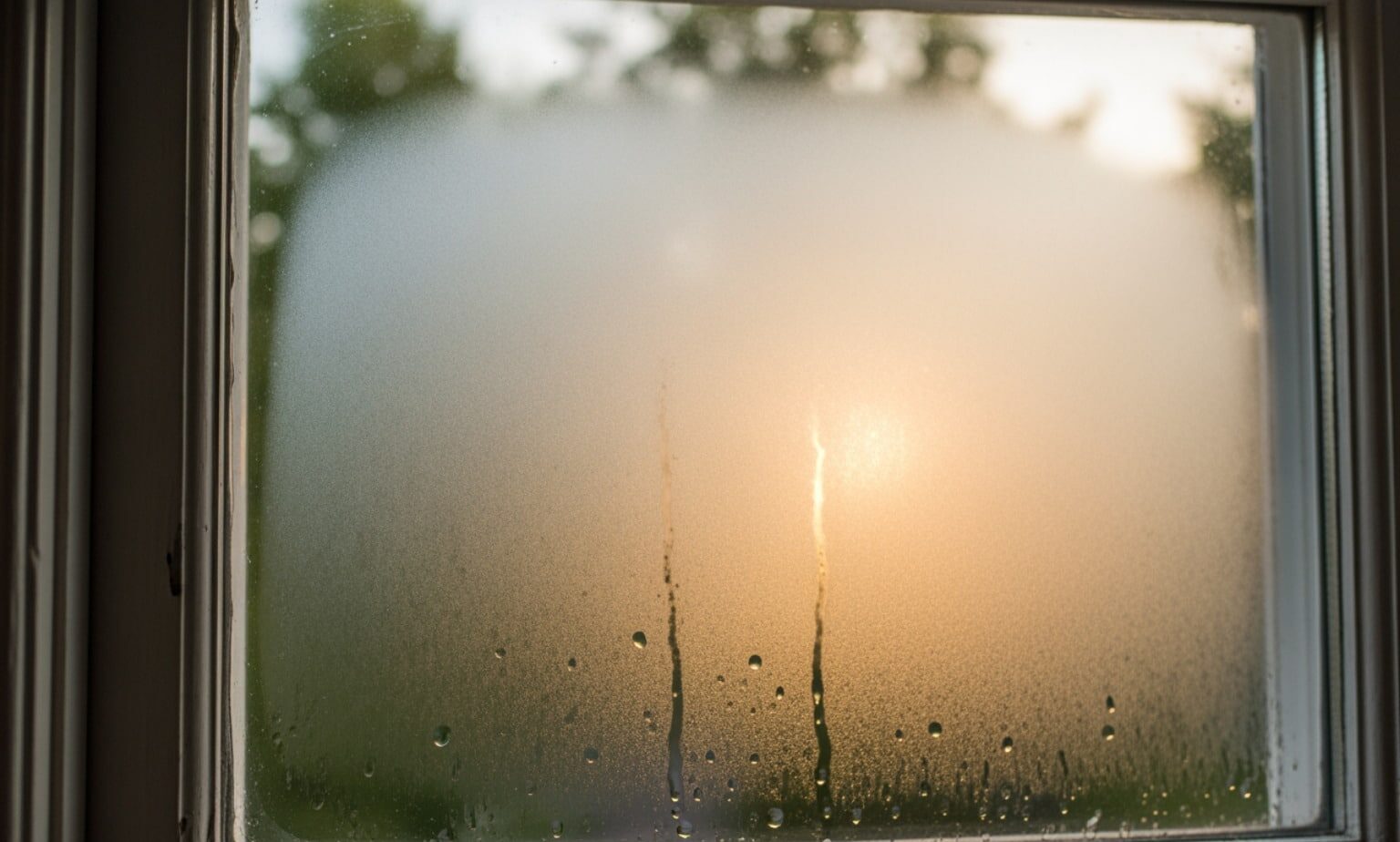
- Condensation Between Panes: Fog between glass panes indicates a failed seal, which reduces energy efficiency.
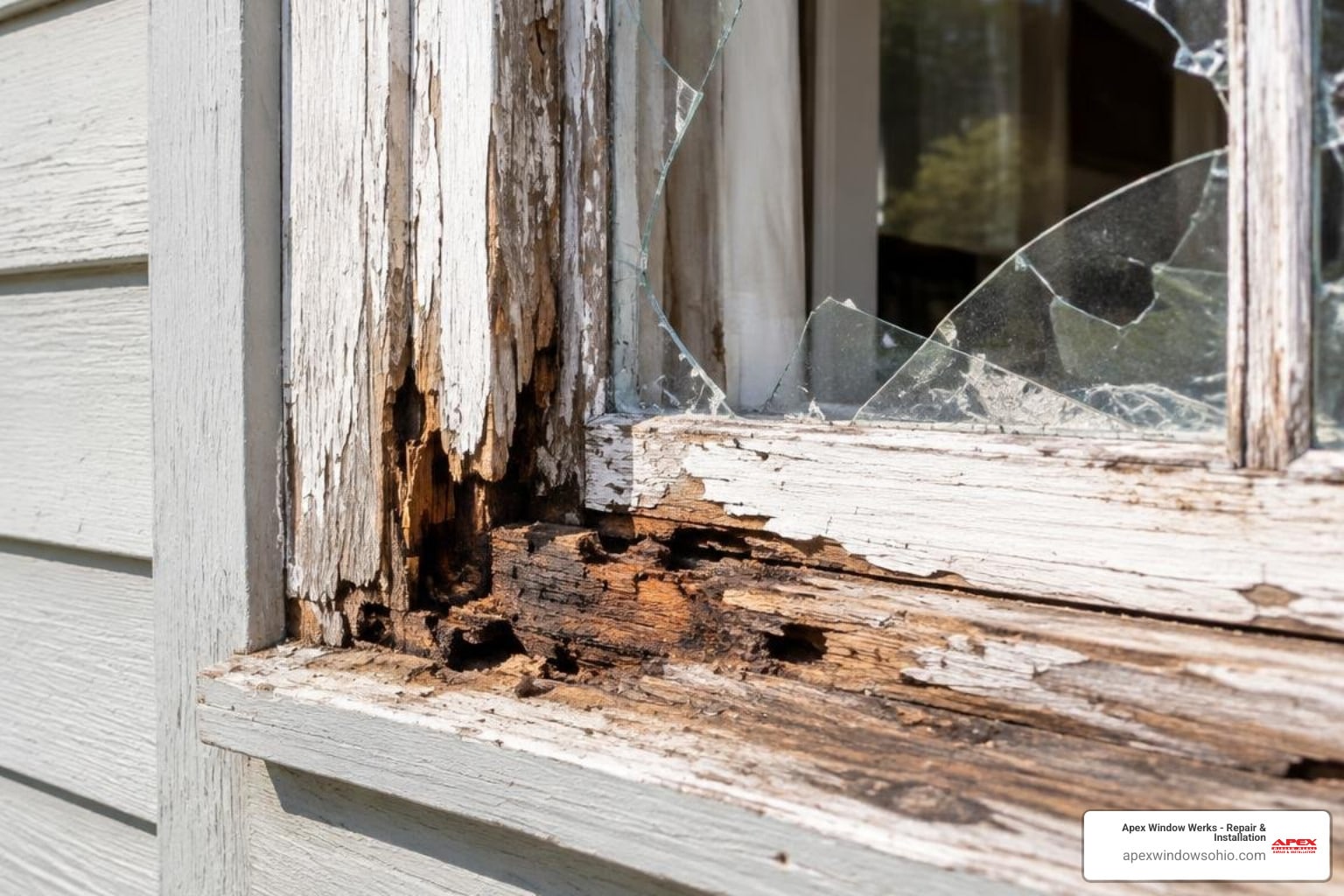
- Water Stains or Discoloration: Dark spots on the wood are signs of water leakage that can precede rot.
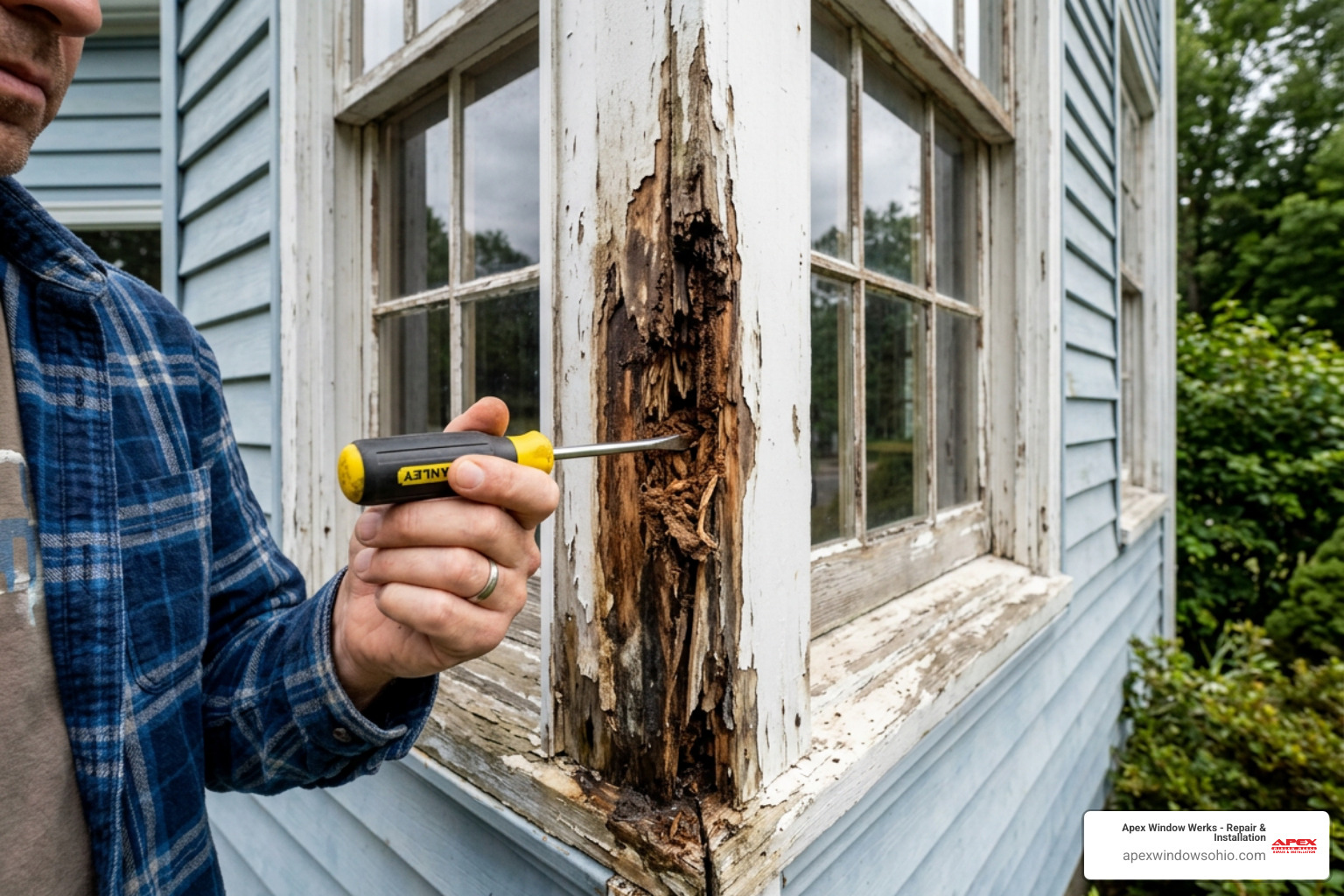
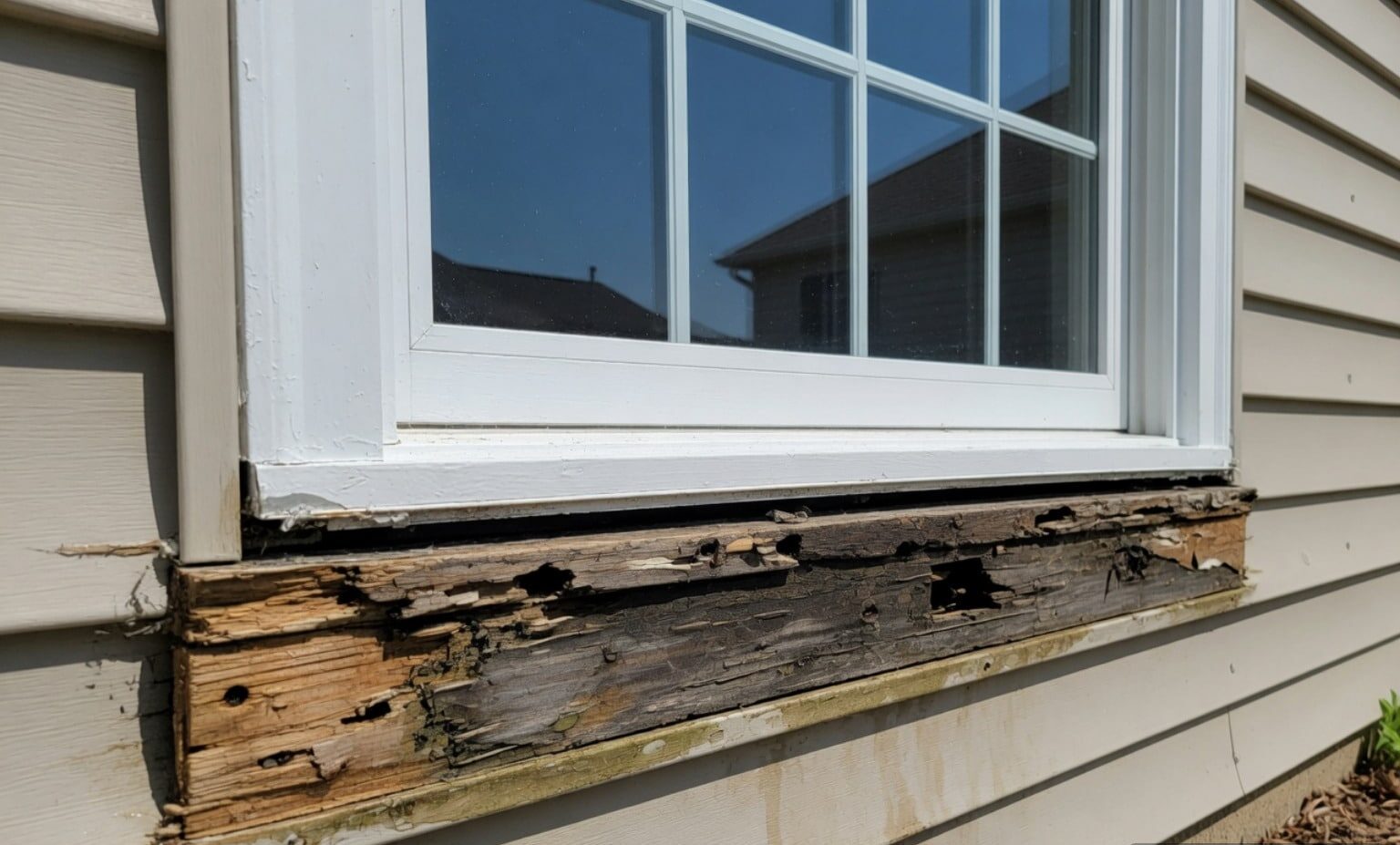
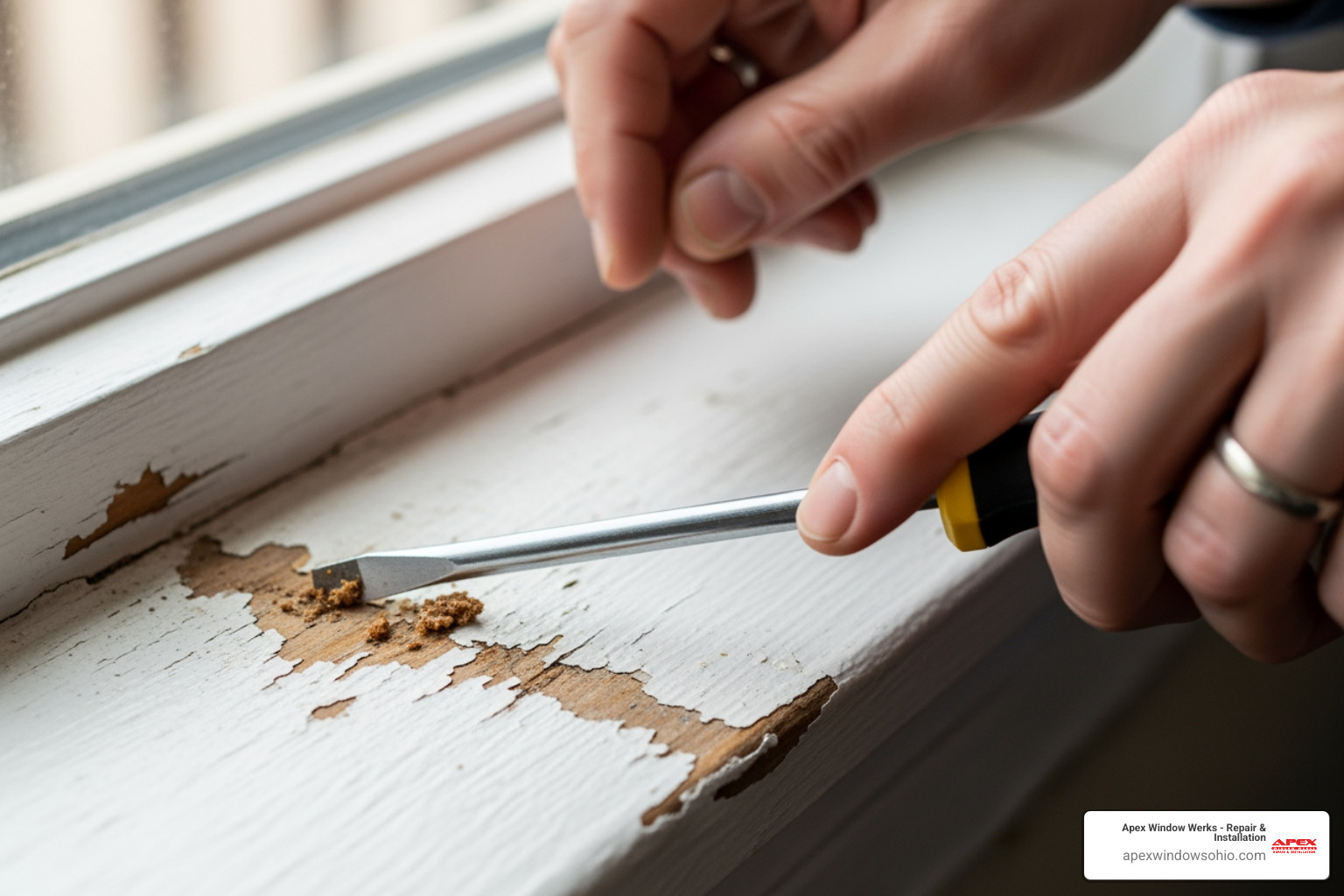
- Soft or Spongy Wood: This is the most direct sign of rot. Test for it by pressing a screwdriver into the wood. If it sinks in easily, the wood is compromised and needs immediate attention.
Understanding Wood Rot and Its Impact
Wood rot is a fungus that thrives on moisture and destroys wood. There are two main types:
- Wet Rot: The more common type, it develops in damp areas, causing wood to become soft, spongy, and discolored. It stops spreading once the moisture source is removed.
- Dry Rot (Serpula lacrymans): More aggressive, dry rot needs moisture to start but can then spread through drier wood. It appears as a white, cotton-like growth and can threaten your home’s structural integrity by spreading to walls.
Ignoring rot leads to increased energy loss, water damage, mold, and can compromise the structure of your home. For a deeper dive, the guidelines in Rehabilitating Wood Windows are insightful.
Assessing Minor vs. Major Structural Damage
Knowing the difference between a minor and major issue is key.
Minor issues are superficial and don’t affect the window’s structure. They include:
- Flaking paint on sound wood.
- Small, hairline cracks.
- A sticking sash from dirt or slight swelling.
Major damage impacts the window’s function and your home’s stability. Signs include:
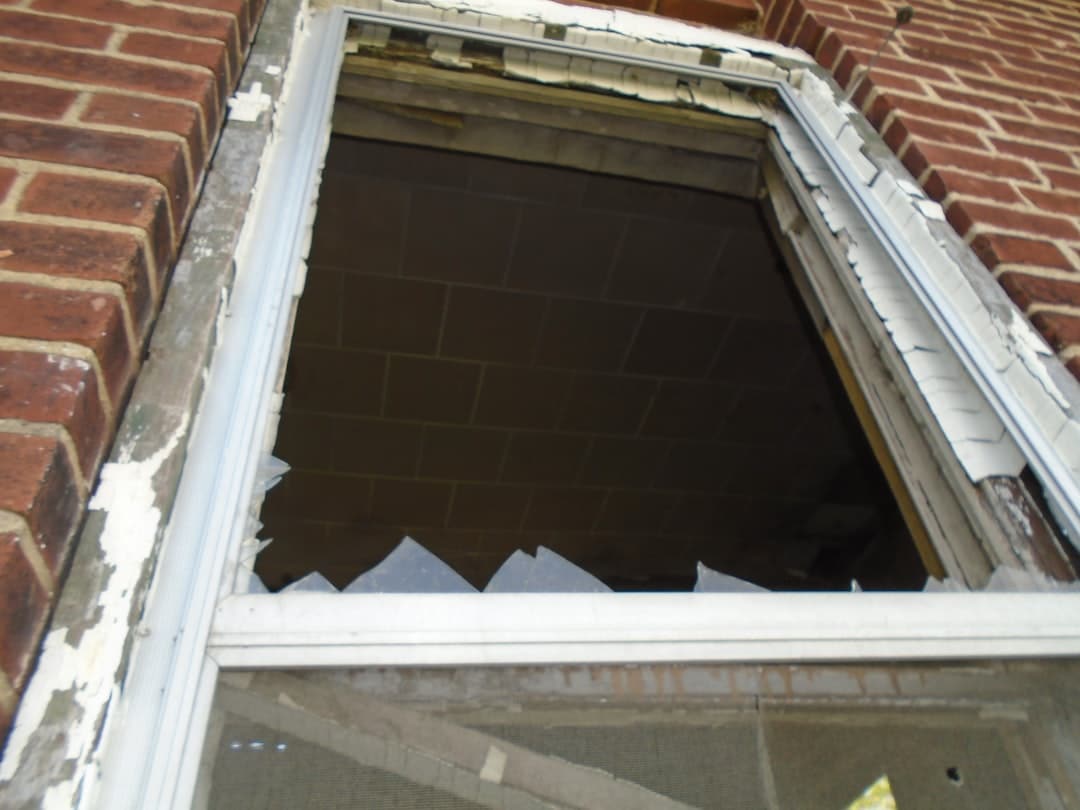
- Extensive Rot: Rot that is deep (over an inch) or widespread.
- Compromised Sills or Sash: The sill or sash feels unstable, crumbles, or is distorted.
- Unstable Frames: The frame feels wobbly or doesn’t hold the glass securely.
- Visible Mold Growth: Widespread mold, especially if it extends into the wall cavity.
- Water Infiltration into Walls: Water stains or dampness on interior walls around the window.
If you see signs of major damage, it’s best to call a professional.
2. Your DIY Toolkit: Essential Tools and Materials
Having the right tools and materials is half the battle. Here’s a list of essentials for tackling most rotten wooden window frame repairs:
- Safety Gear: Always prioritize safety. This includes safety glasses, gloves, and a dust mask or respirator, especially when dealing with potential lead paint.
- Wood Chisel: For carefully carving out decayed wood.
- Putty Knife/Scraper: For removing old paint and applying fillers.
- Utility Knife: For precise trimming.
- Orbital Sander and/or Palm Sander: Power tools to save time when smoothing repairs.
- Sandpaper (various grits): A range from coarse (40-grit) to fine (240-grit) for smoothing and finishing.
- Wire Brush: For cleaning out crevices.
- Shop Vacuum: Crucial for cleaning out debris.
- Wood Filler (flexible, exterior-grade): For minor cracks and small imperfections.
- Two-Part Epoxy Filler: The best choice for structural repairs and filling large voids.
- Wood Hardener/Consolidator: A liquid that soaks into and strengthens punky wood before filling.
- Wood Preservative: For treating exposed wood to prevent future fungal growth.
- High-Quality Wood Primer: Seals the wood and ensures excellent paint adhesion.
- Exterior-Grade Paint (specifically for windows): Professional-quality paint formulated to be elastic and moisture-regulating.
- Caulk/Silicone Sealant: For sealing all joints and edges to prevent moisture intrusion.
- Paintbrushes: Good quality brushes for a smooth, professional finish.

3. The Step-by-Step Guide to Effective Wood Window Repair
This guide walks you through the wood window repair process, turning a rotten frame into a durable, weather-tight feature.
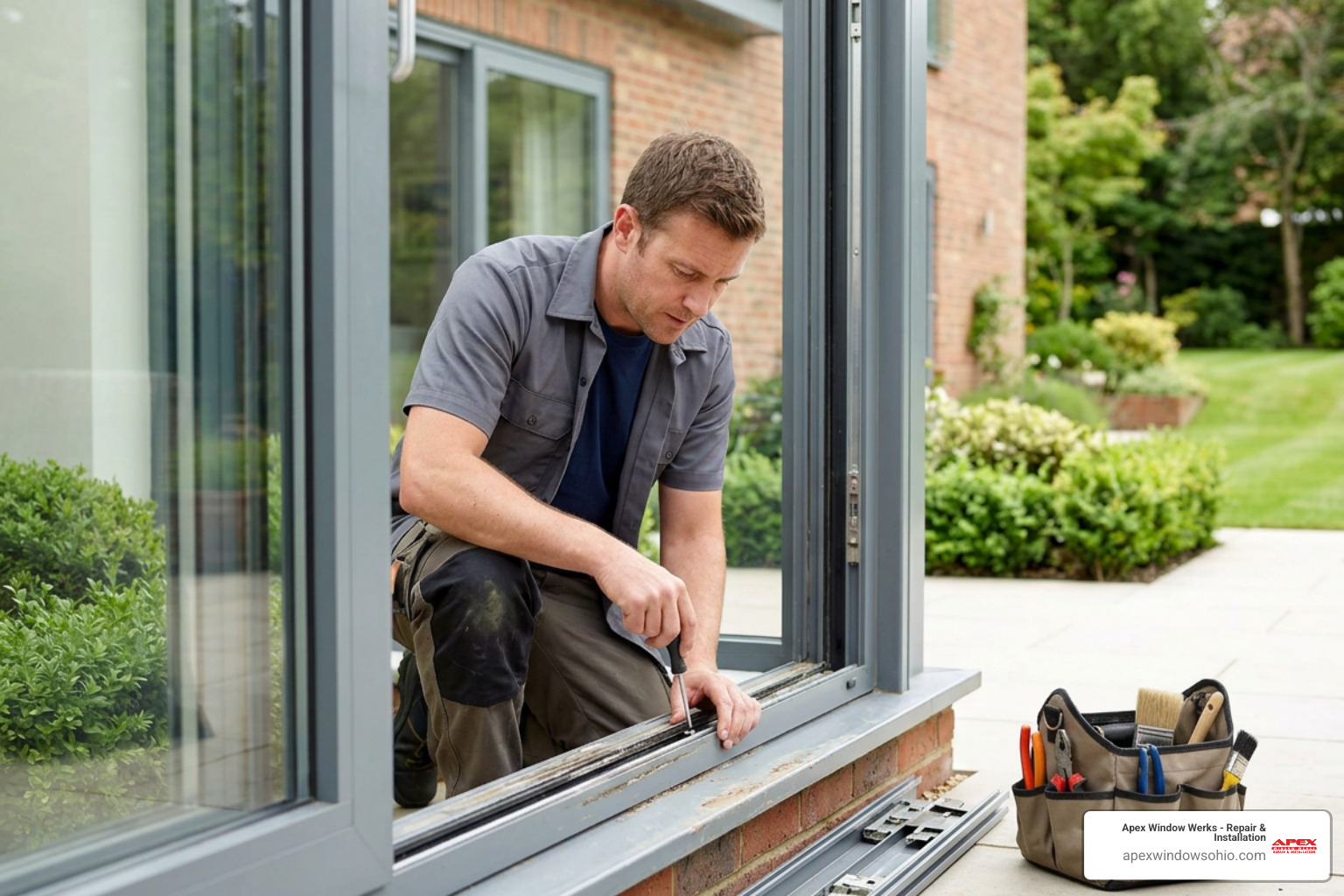
Step 1: Removing Damaged Wood and Treating the Area
The goal is to remove all compromised wood to stop the rot from spreading.
- Safety First: Wear safety glasses, gloves, and a dust mask. Take extra precautions for suspected lead paint.
- Address the Moisture Source: Before starting, fix the source of moisture, such as leaky gutters or poor caulking. Repairing rot without fixing the cause is pointless.
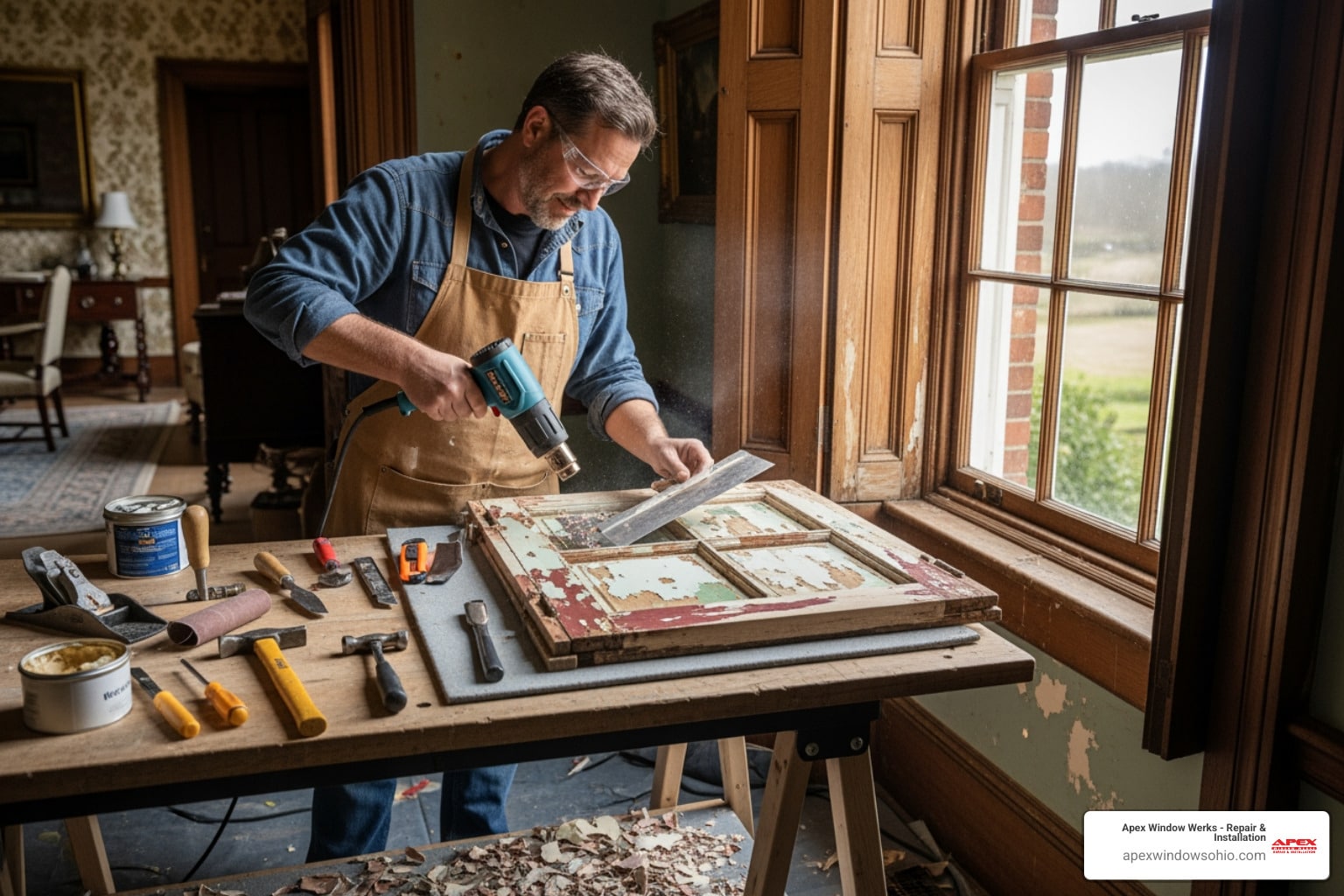
- Carve Out the Rot: Use a chisel and scraper to remove all soft, discolored wood until you reach solid, healthy wood. Be thorough—any remaining rot will spread.
- Clean the Cavity: Use a wire brush and shop vacuum to clean the cavity, ensuring it’s dust-free.
- Apply Wood Hardener/Consolidator: Apply a liquid wood hardener to strengthen the remaining wood and create a stable base for filler. Follow the product’s instructions.
- Apply Wood Preservative: Treat the exposed wood with a preservative to prevent future rot.
Step 2: Filling, Sanding, and Rebuilding the Frame
Now it’s time to rebuild the frame using epoxy.
- Mix the Epoxy Filler: Mix the two-part epoxy filler according to the manufacturer’s instructions. Only mix what you can apply within the product’s working time.
- Apply the Filler: Press the epoxy firmly into the cavity, slightly overfilling it to allow for sanding.
- Shape the Epoxy: Use a putty knife to roughly match the frame’s original contour while the epoxy is pliable.
- Curing Time: Allow the epoxy to cure completely, which can take several hours or overnight. Do not rush this step.
- Sand the Repair Smooth: Once cured, sand the repair. Start with a coarse grit (e.g., 80-grit) to shape the epoxy, then move to finer grits (120-grit, then 240-grit) for a smooth finish flush with the wood. Sand with the wood grain to avoid scratches.
Step 3: Priming, Painting, and Sealing for Protection
This final stage protects your repair and ensures its longevity.
- Clean the Surface: After sanding, clean the entire frame to remove all dust. A vacuum and a wipe with a solvent will create a clean surface for painting.
- Apply Wood Primer: Apply a quality wood primer to the entire frame to seal the wood and ensure paint adhesion.
- Apply Exterior-Grade Paint: Use a professional-quality exterior paint designed for windows. Apply at least two thin coats, allowing each to dry completely. Lightly sand between coats for a smoother finish.
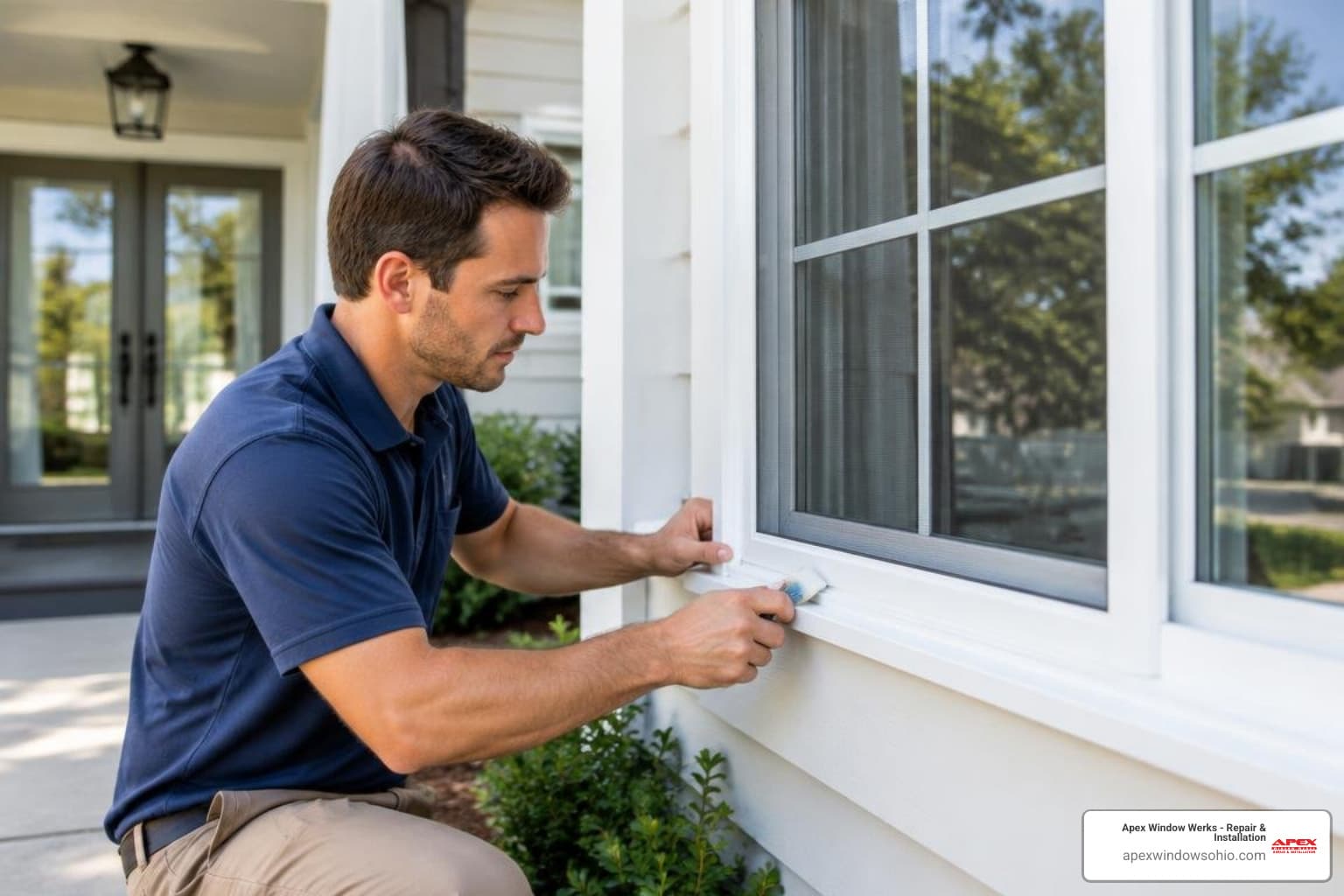
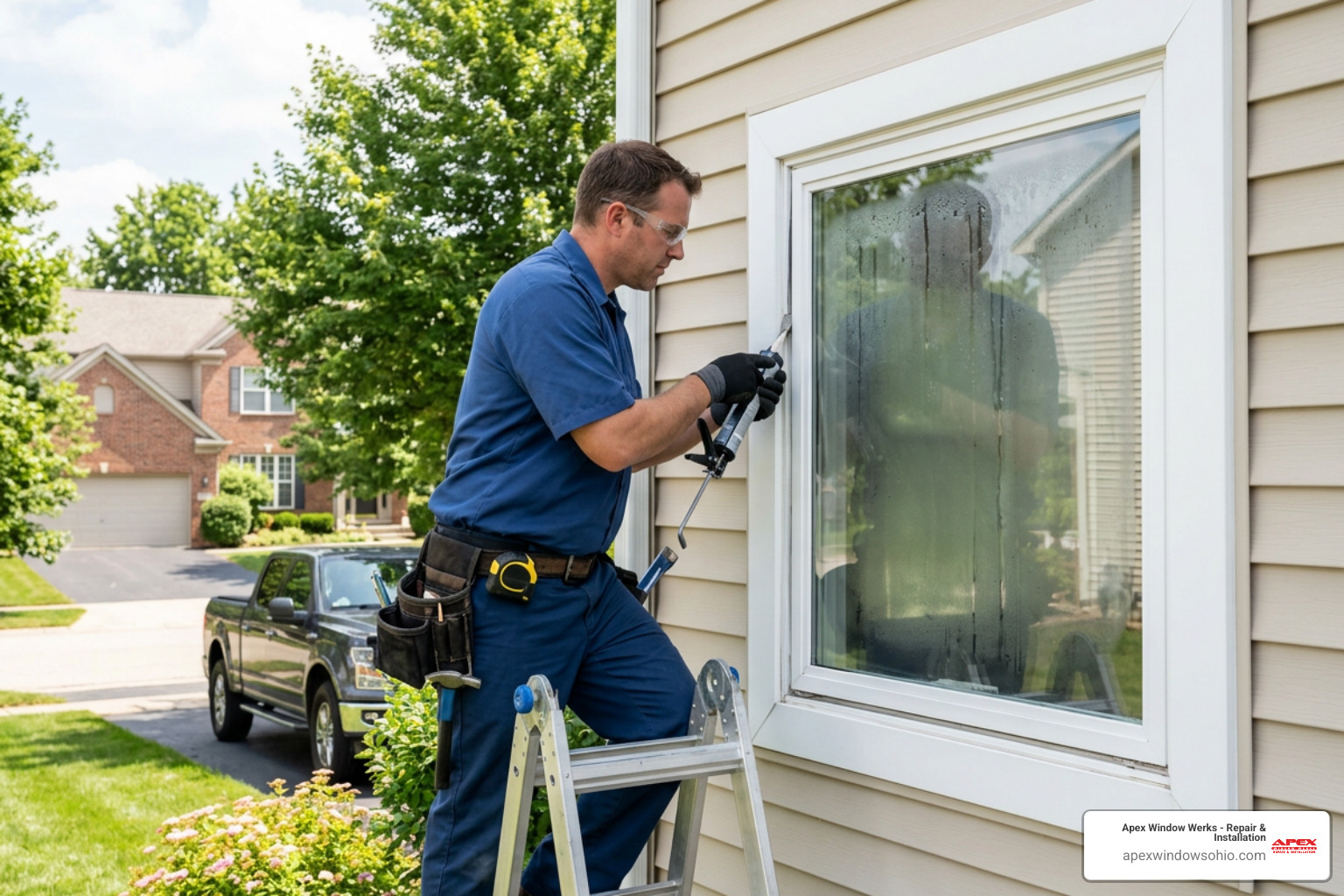
- Seal All Joints with Caulk: Once the paint is dry, apply a flexible, exterior-grade caulk or silicone sealant to all joints where the frame meets the siding and where glass meets the frame. This creates a watertight seal against moisture.
4. Beyond the Fix: Prevention, Professional Help, and Special Cases
Repairing your windows is one thing; keeping them in good shape is another. Let’s cover prevention and when to call a professional.
Best Practices for Preventing Future Wood Window Repair
Regular maintenance is the secret to long-lasting wood windows.
- Annual Inspections: Inspect your windows each spring and fall for peeling paint, cracked caulk, and soft spots.
- Clean Window Sills Regularly: Keep sills clean and dry to prevent rot.
- Check Drainage Paths: Ensure drip edges are clear so water can drain away from the frame.
- Repaint Every 3-5 Years: A quality paint job is your window’s primary defense against moisture. Repainting regularly maintains this barrier.
- Maintain Caulk Seals: Check caulk lines annually. Remove old, cracked caulk and apply a fresh bead to prevent water infiltration.
- Control Indoor Humidity: Use exhaust fans and dehumidifiers to reduce condensation on windows.
For more detailed information on maintaining your wood windows and other services we offer, check out our dedicated page on More info about wood window repair services.
When to Call a Pro for Your Wood Window Repair Needs
While DIY is great for minor repairs, some jobs require professional expertise. Knowing your limits saves time and money. Consider calling us at Apex Window Werks if you encounter:
- Deep or Widespread Rot: Rot more than an inch deep, affecting structural parts, or in multiple areas requires professional tools and techniques.
- Compromised Structural Integrity: The frame feels unstable, or the sash is severely warped.
- Sash or Sill Replacement: This complex job requires custom milling and precise joinery.
- Visible Mold in Walls: Mold spreading into walls indicates a significant moisture problem requiring professional remediation.
- Historic Property Rules: Homes in historic districts in Northeast Ohio often have strict repair guidelines. We specialize in these types of restorations.
- Lack of Time or Tools: If you lack the time, equipment, or confidence, a professional is your best bet.
Professional services offer a comprehensive assessment, expert rot removal, custom wood replacement, glazing and hardware repair, and weatherization to maximize energy efficiency.
5. The Value Proposition: Why Repairing Wood Windows Makes Sense
Many homeowners default to replacement for damaged wood windows, but repair is often a smarter investment, both financially and aesthetically.
Repairing wood windows offers several compelling benefits:
- Cost-Effectiveness: Minor to moderate repairs are significantly cheaper than full replacement.
- Preserving Architectural Character: Repair maintains the irreplaceable charm of original wood windows, especially in historic homes. This aligns with The Secretary of the Interior’s Standards for Rehabilitation, which emphasize retaining original materials.
- Sustainability: Repairing creates less landfill waste, making it a greener choice.
- Less Disruption: Repair work is typically less intrusive than a full window replacement.
How Wood Window Repair Impacts Energy Efficiency and Home Value
Proper wood window repair can significantly boost energy efficiency.
- Sealing Drafts and Reducing Heat Loss: Repairing rot, filling gaps, and sealing joints eliminates drafts. This lowers energy bills by reducing the load on your HVAC system. Repairing older, single-glazed windows and adding storm windows can also drastically improve their thermal resistance (U-value).
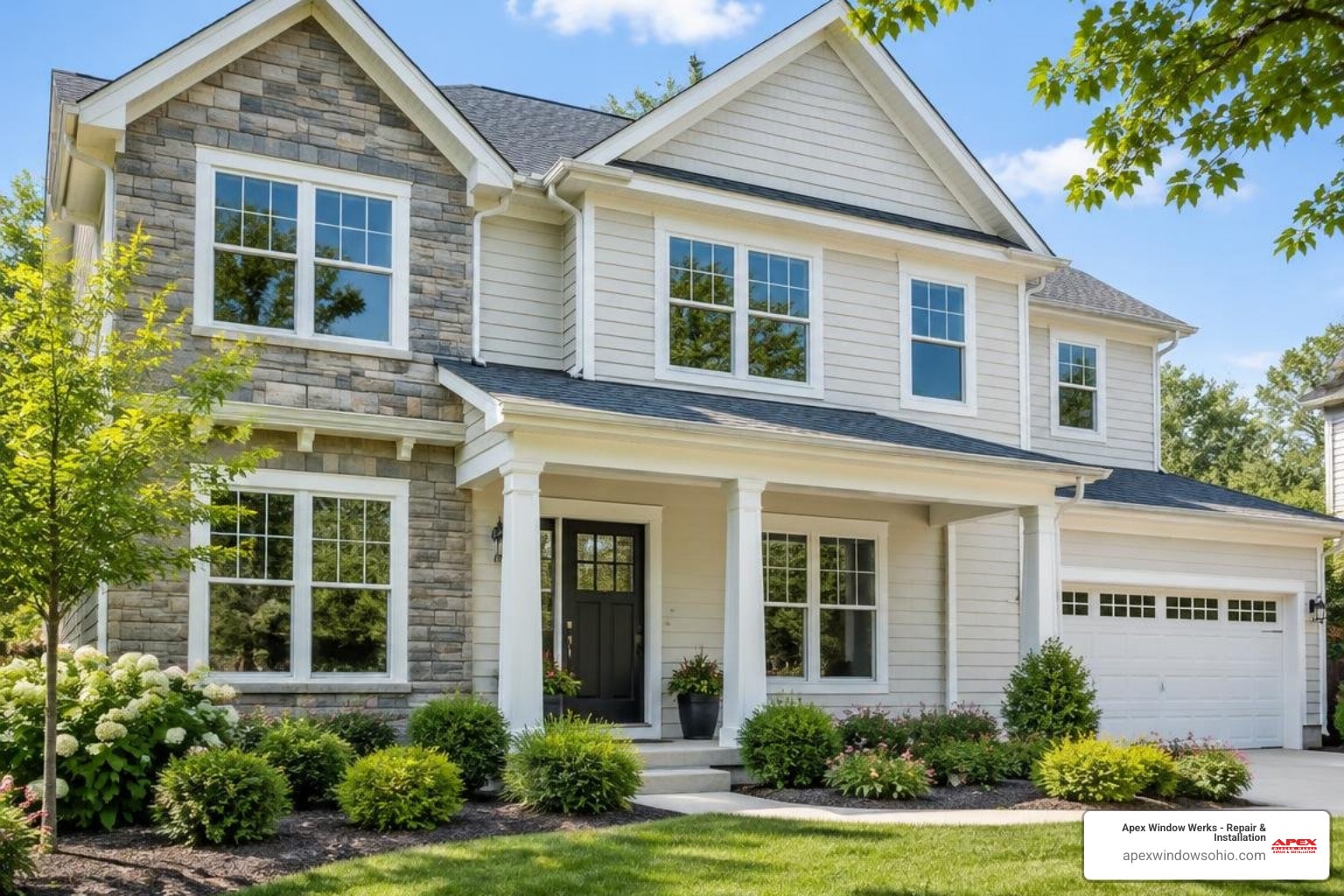
- Return on Investment (ROI): Well-maintained wood windows are a desirable feature that improves your home’s value and curb appeal, offering a solid ROI.
- Preserving Historic Value: For older homes, original wood windows are part of their historic fabric. Repairing them preserves this value, which can be a strong selling point.
In short, wood window repair is a strategic investment in your home’s comfort, energy savings, and value.
Frequently Asked Questions about Wood Window Repair
Here are answers to common questions we get from Northeast Ohio homeowners:
How can you tell if wood rot is structural?
Structural rot compromises the window’s stability. It’s likely structural if:
- The wood is soft and crumbles easily, with damage extending deep into the frame, sash, or sill (over an inch).
- The rot impacts the frame’s ability to hold glass or the sash’s ability to operate, making the window feel wobbly or distorted.
- The damage affects major joints in the window assembly.
If you suspect structural rot, it’s best to have a professional assess the damage.
Is it cheaper to repair or replace a wood window?
Repair is almost always cheaper for minor to moderate issues like surface rot or small cracks.
Replacement becomes more cost-effective when there is widespread structural damage, severe warping, or complete failure. In these cases, extensive repair costs might exceed the cost of a new window.
What is the best filler for rotten wood window frames?
A two-part epoxy wood filler is the best choice for rotten wood. Unlike standard putty, epoxy creates a permanent structural bond that is moisture-resistant, won’t shrink or crack, and can be sanded and painted like wood. We recommend marine-grade epoxies for their superior durability in Ohio’s weather.
6. Conclusion
Wood window repair is a smart investment that preserves your home’s character, saves money, and boosts energy efficiency. Understanding the signs of trouble and the repair process empowers you to tackle many common issues.
Simple prevention goes a long way, and while DIY is feasible for minor fixes, professional expertise is key for extensive damage, structural compromises, or historic windows.
At Apex Window Werks, we’re proud to offer expert wood window repair and restoration services across the Cleveland-Akron area. Our team is dedicated to bringing your wooden windows back to life, ensuring they are beautiful, energy-efficient, and built to last.
Don’t let damaged wood windows detract from your home’s beauty or drive up your energy bills. Let us help you solve your wood window repair problems for good!
Contact us for expert wood window repair in the Cleveland-Akron area