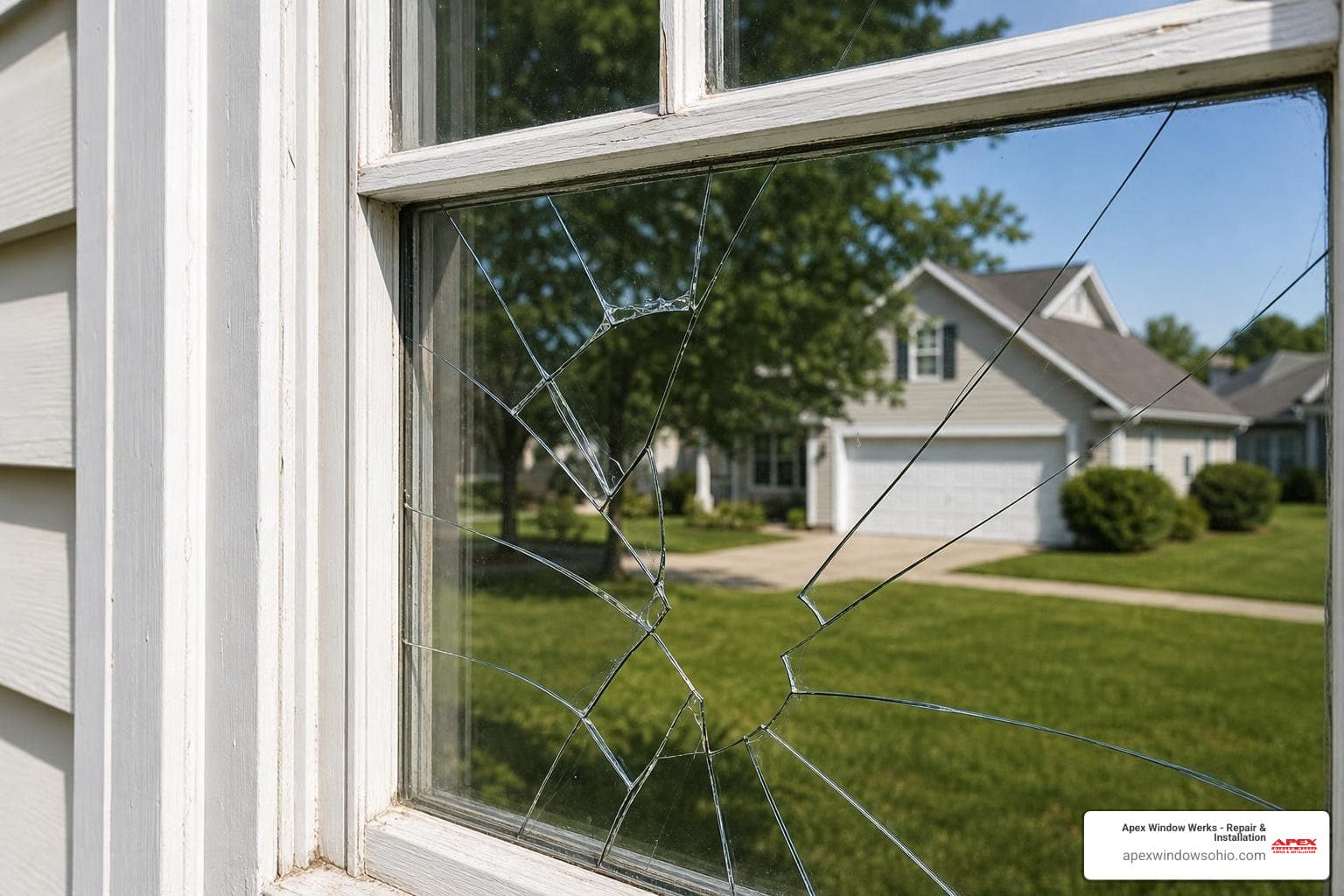
Can You Stop Drafts with Single Pane Window Insulation?
How to Insulate Single-Pane Windows in Northeast Ohio Without Replacing Them
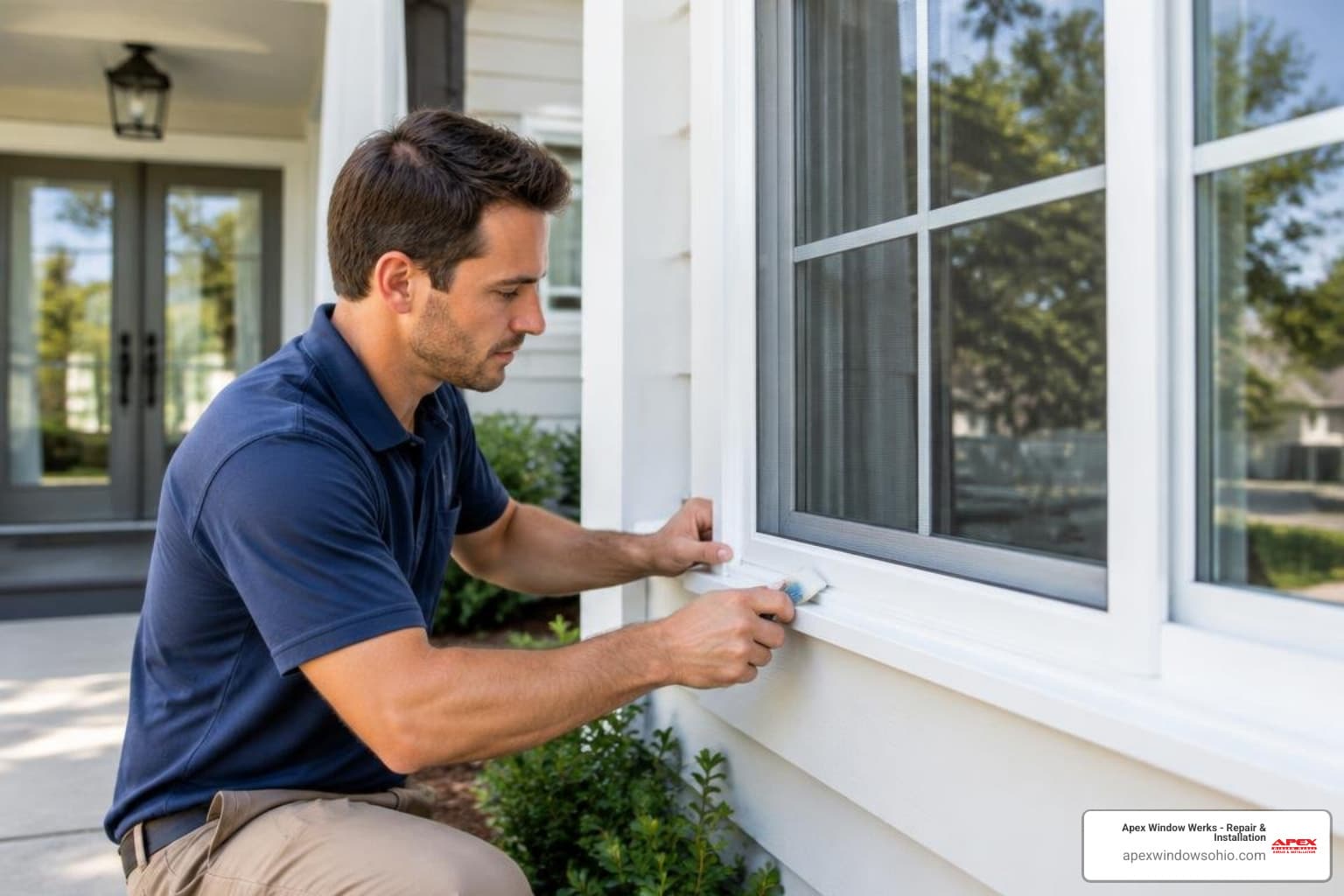
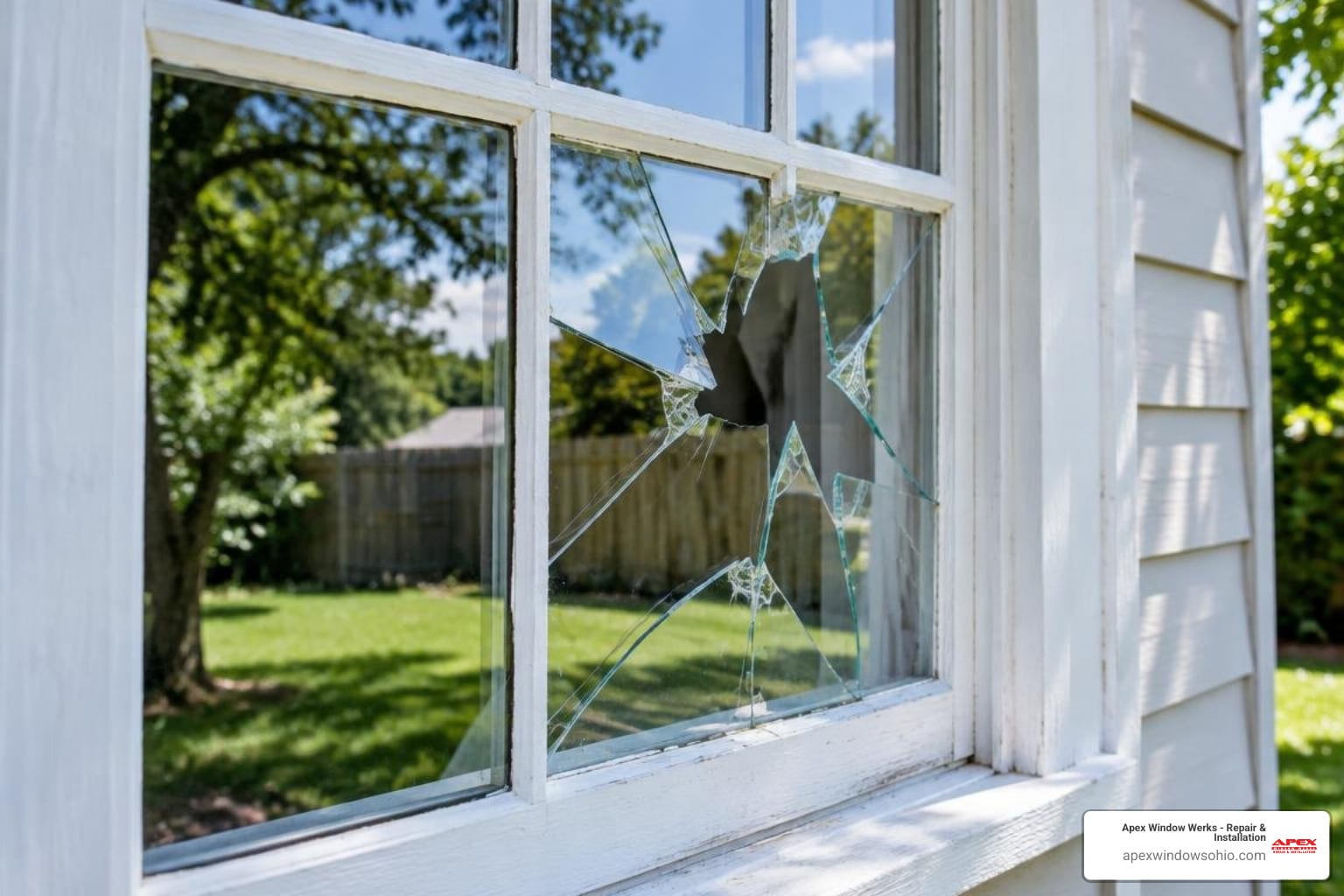
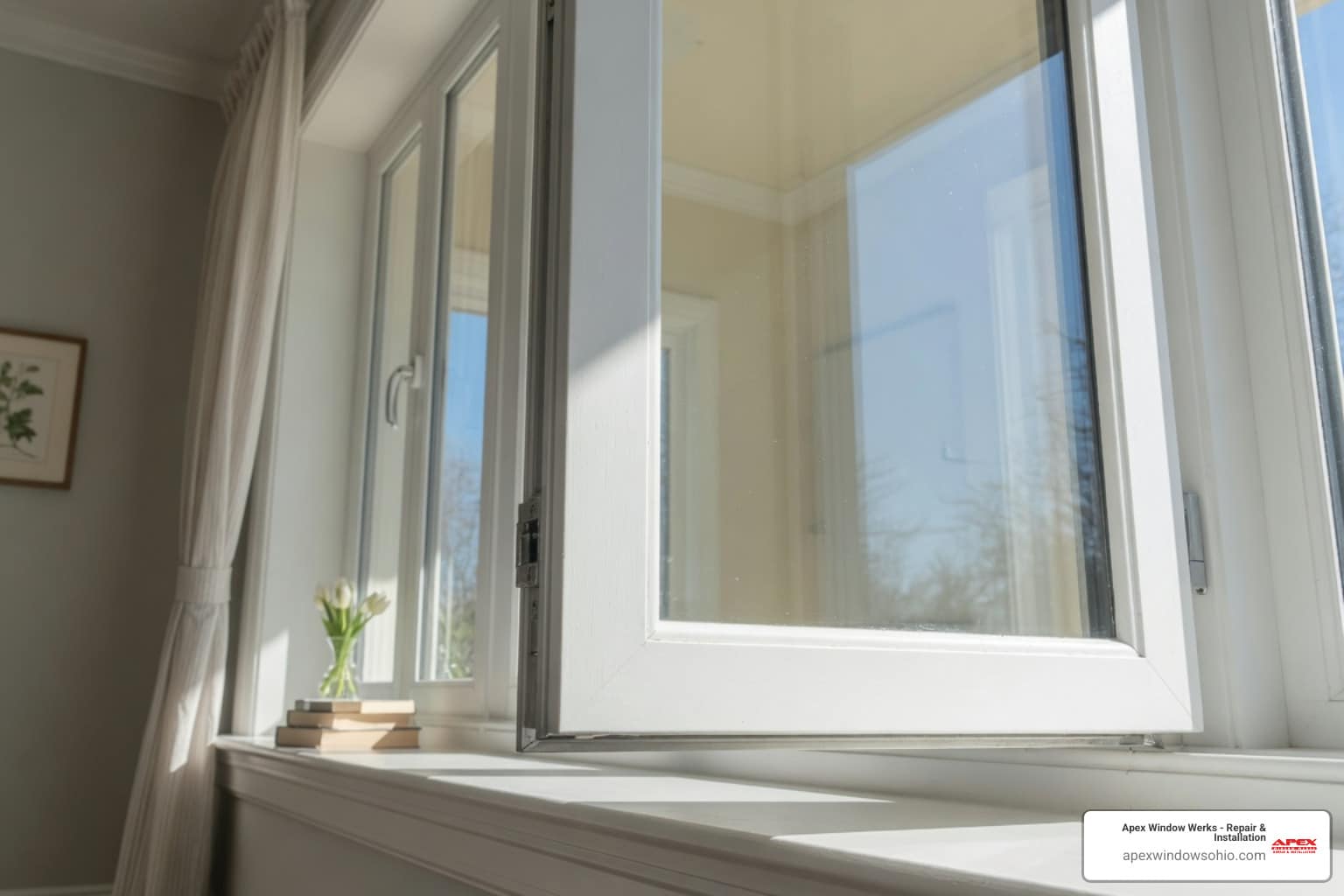
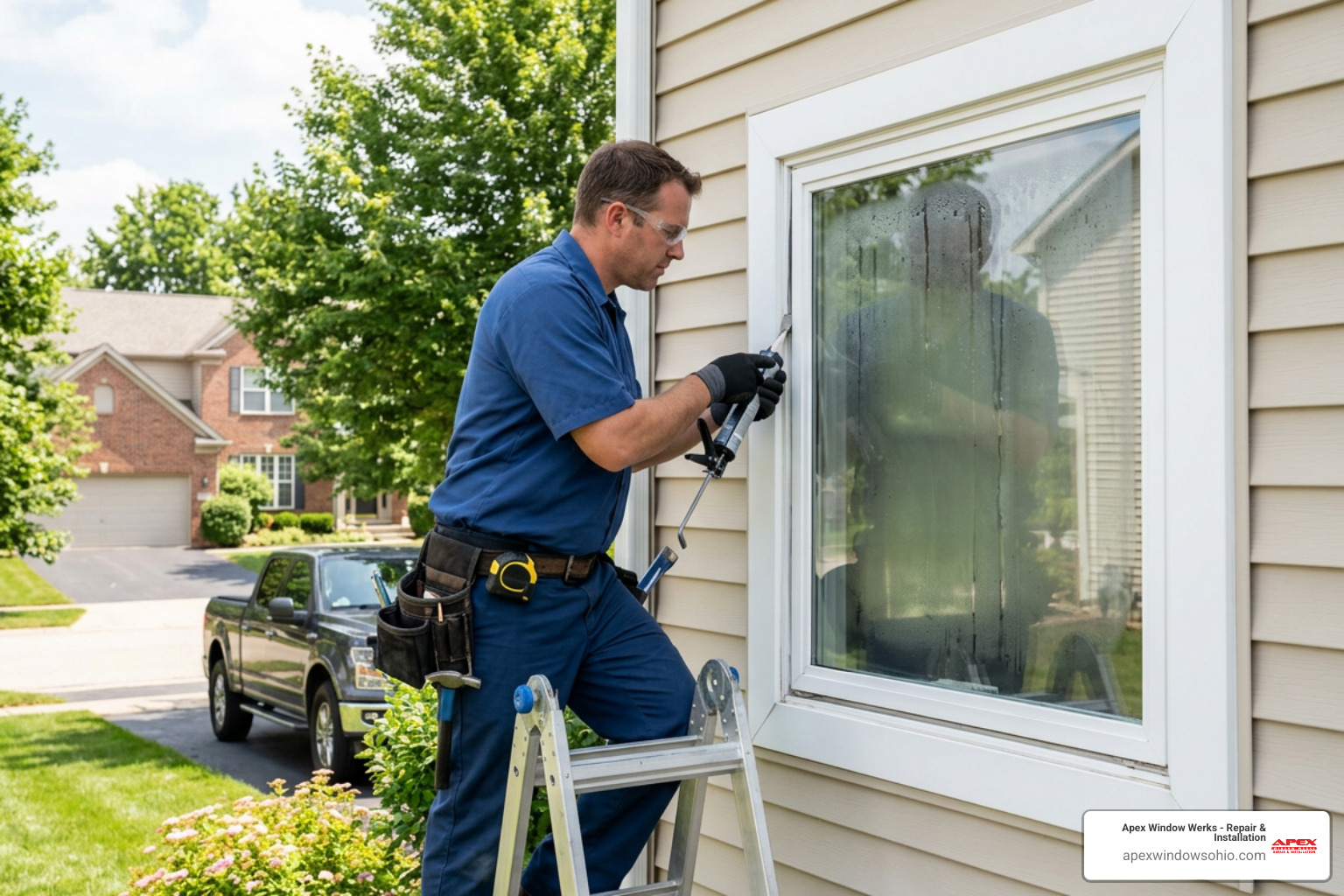
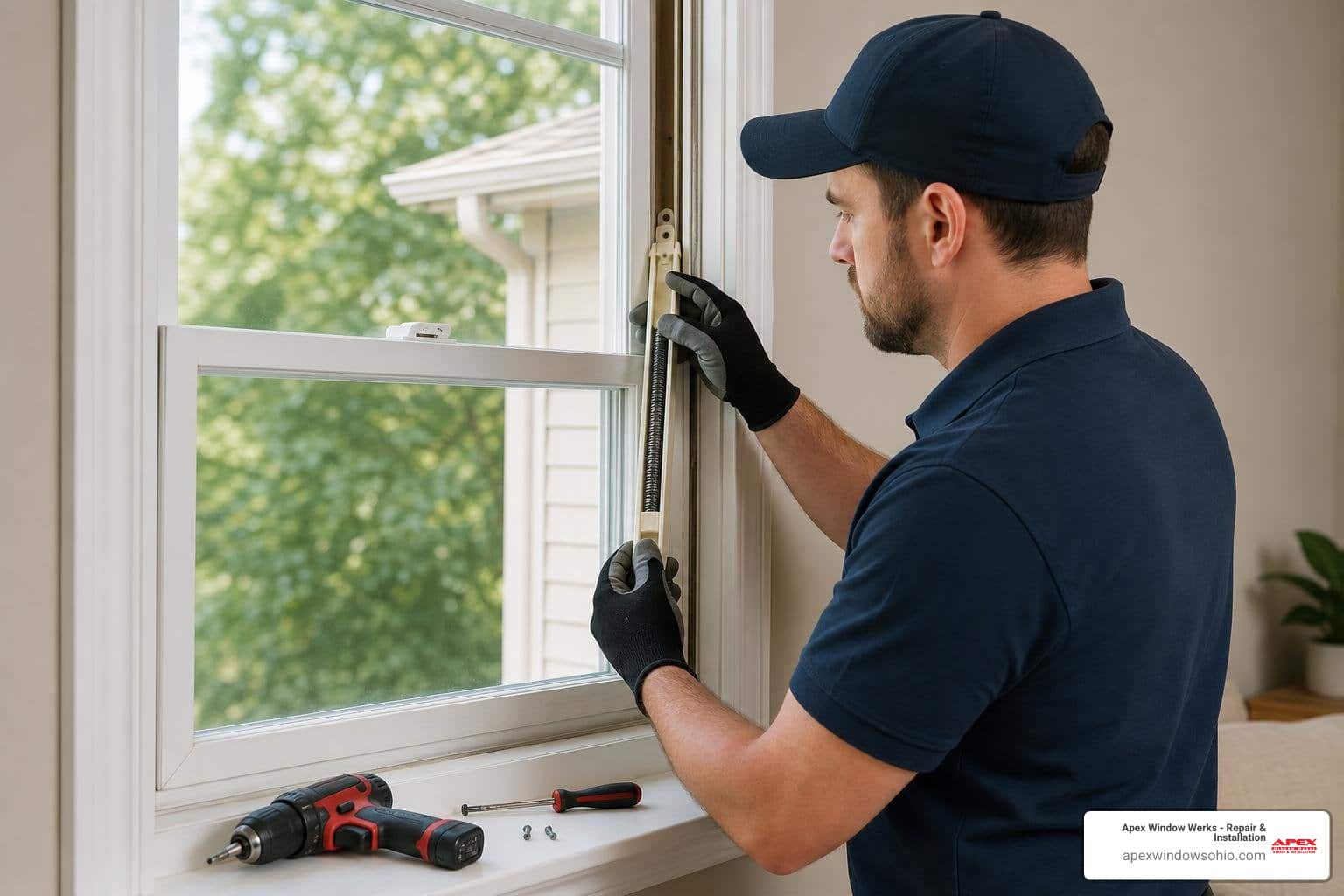
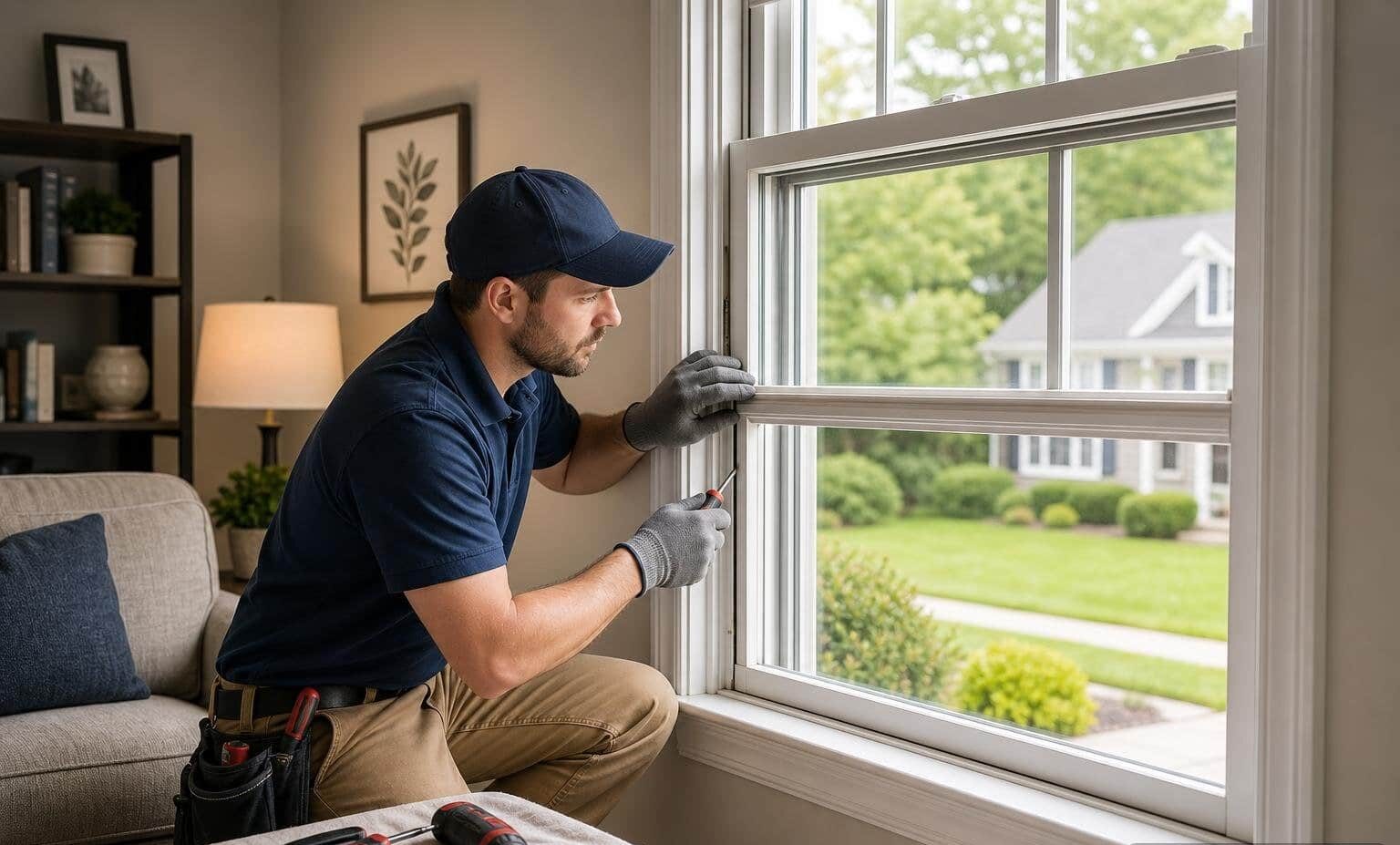
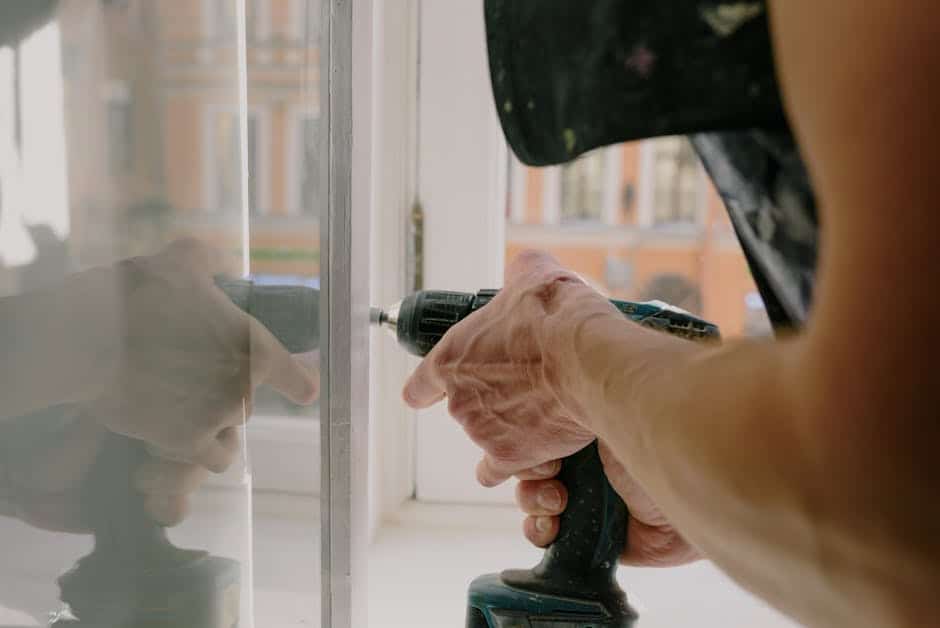
Start by checking where cold air enters around the sash. Repair damaged glazing or wood, then add weatherstripping to close gaps. If the glass itself feels cold, an interior window film or fitted insert can add an insulating air space. A secondary glass pane is a more lasting option that can keep the original window in place.
For older homes in Northeast Ohio, the right fix depends on whether the problem is an air leak, cold glass, or both. It also depends on how often you need to open the window and whether you want to preserve its historic look.
At Apex Window Werks, our team’s hands-on experience in window repair, wood-window restoration, and glass replacement informs this repair-first guide to single pane window insulation.
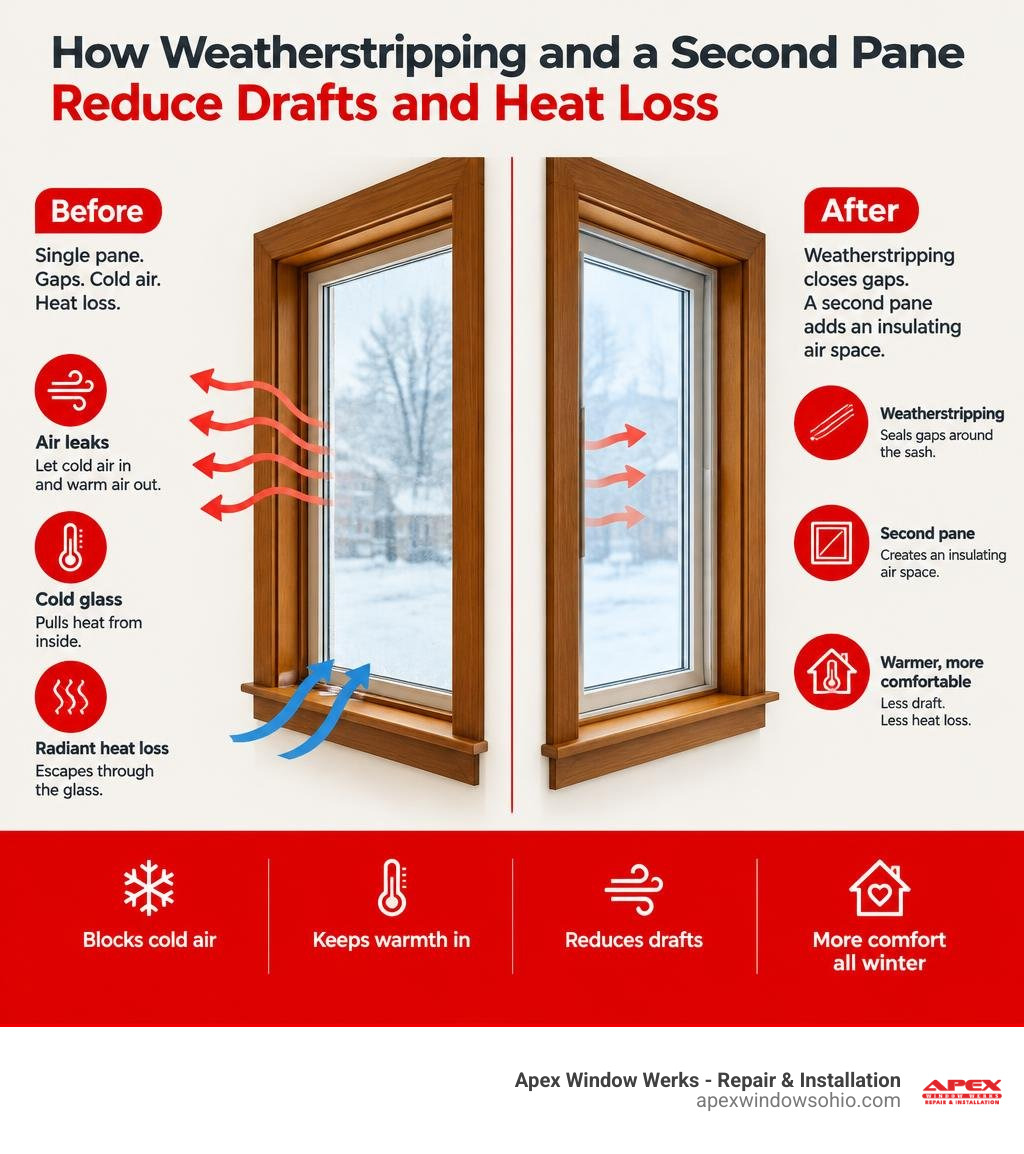
Why Traditional Single-Glazed Windows in Cleveland Homes Bleed Heat
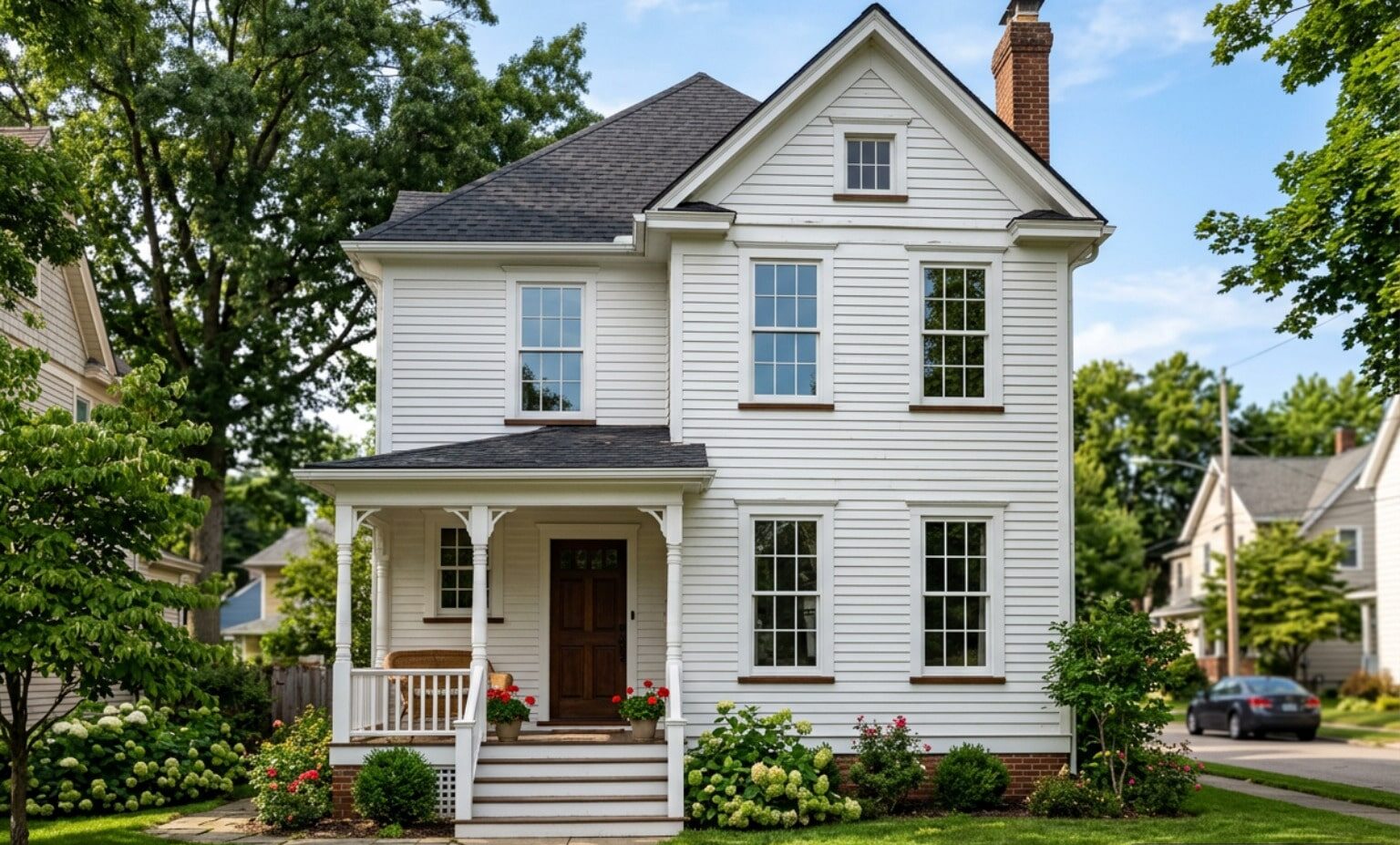
Single-pane windows are notorious for bleeding heat during cold months. To understand why, we have to look at basic building physics. Windows across the country are responsible for roughly 34% of all commercial space conditioning energy use, representing about 1.5% of total U.S. energy consumption. In residential properties – especially vintage homes throughout Cleveland, Lakewood, and Shaker Heights – the impact is just as severe.
Heat escapes through single-glazed openings via three distinct thermal mechanisms:
- Conductive Heat Loss: Glass is a dense material with high thermal transmittance. A single sheet of 3 mm or 4 mm glass offers almost zero conductive resistance, allowing indoor heat to transfer directly to the frigid outdoor air.
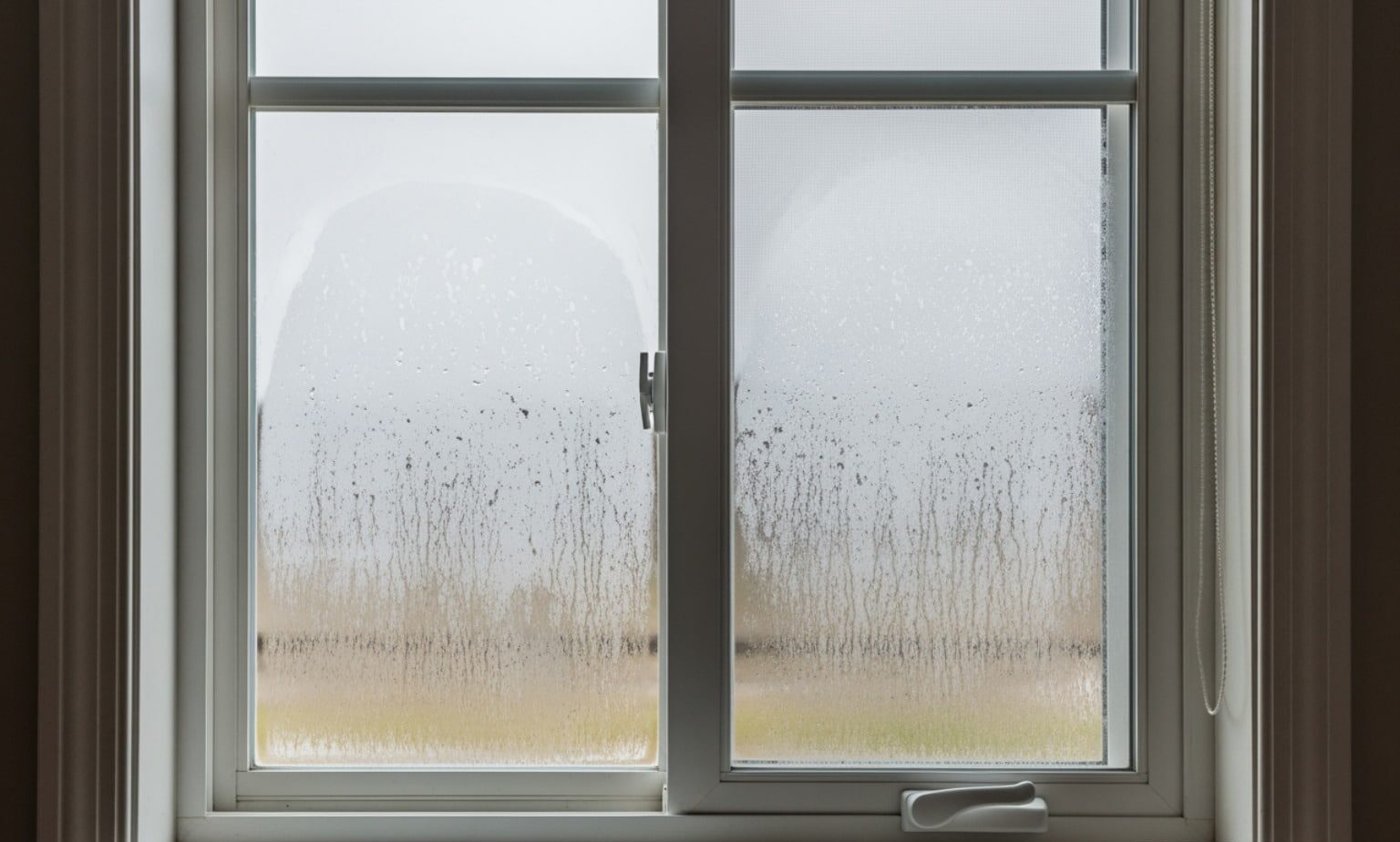
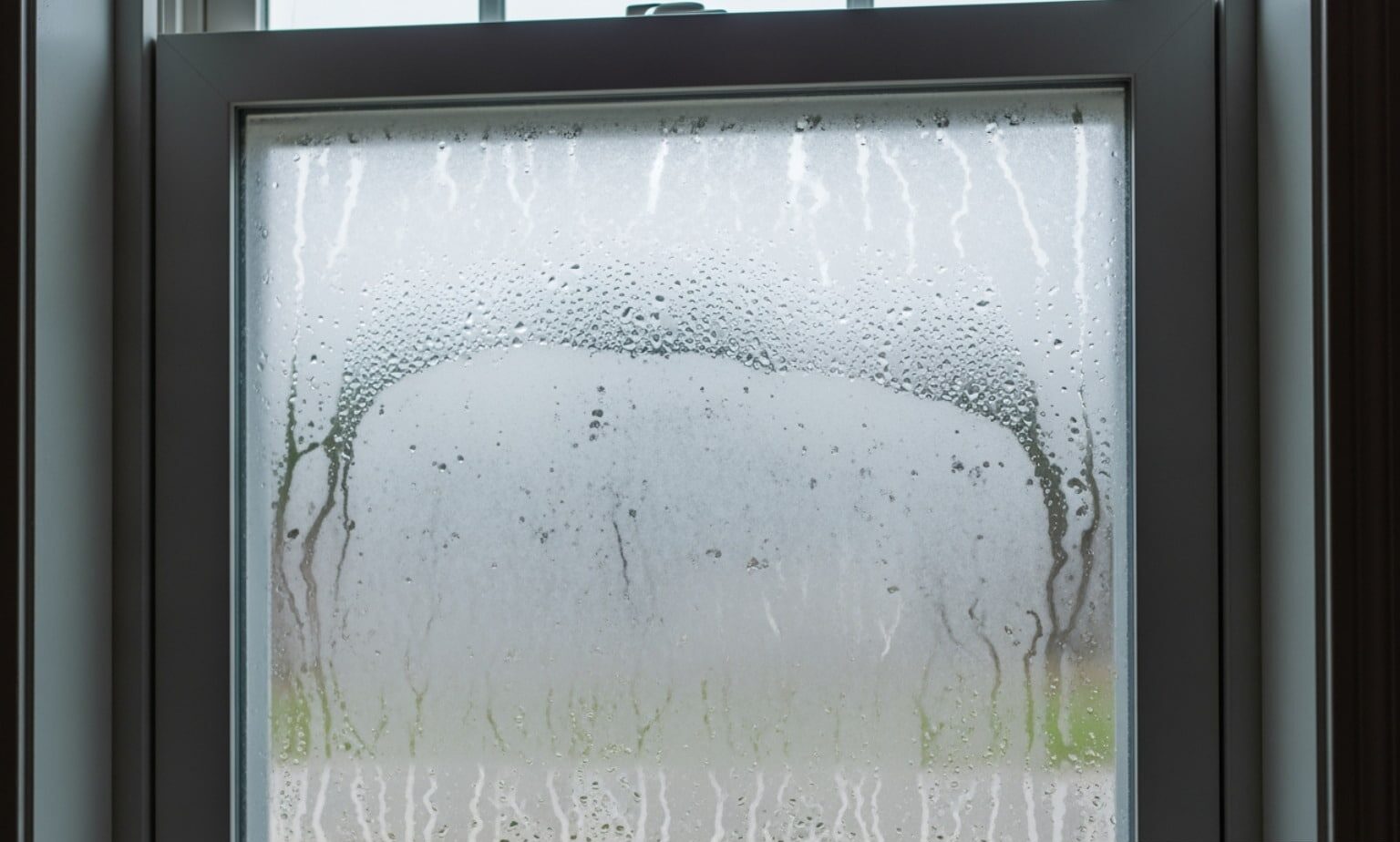
- Convective Currents: As warm indoor air touches the cold interior surface of single-pane glass, it rapidly cools and drops to the floor. This continuous cycle creates an internal convective loop that feels like a draft even when the window frame is completely airtight.
- Radiant Heat Escape: Standard clear glass readily absorbs and re-radiates long-wave infrared heat from your living space out into the cold exterior environment.
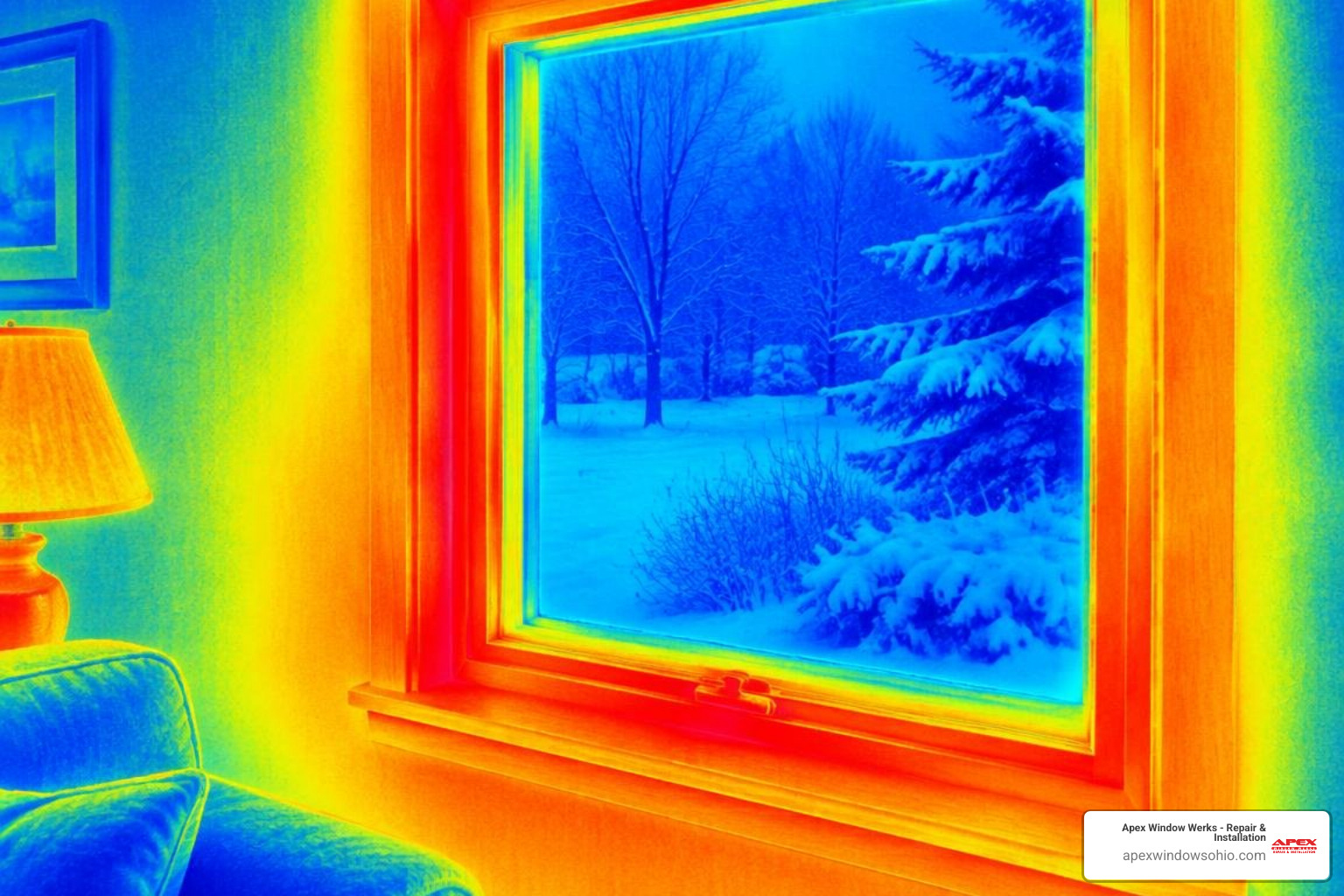
The overall insulating performance of a window is expressed as its U-factor (or U-value in metric measurements). While modern insulated glass units (IGUs) achieve U-factors well below 0.30, an untreated single-pane window often sits at an inefficient 1.15. During harsh winter months, that elevated thermal transmittance chills indoor living spaces and strains heating equipment.
Core Methods for Single Pane Window Insulation in Historic Ohio Properties
When improving cold glass, property owners often assume full tear-out replacement is their only route. However, our repair-first philosophy prioritizes preserving architectural character and sound framing. Several proven retrofit methods add an insulating air space, eliminate drafts, and upgrade thermal performance without discarding historic woodwork.
| Retrofit Method | Center-of-Glass U-Factor Improvement | Impact on Window Operability | Historic Preservation Level | Primary Maintenance Needs |
|---|---|---|---|---|
| Seasonal Plastic Shrink Film | Low (approx. 20% to 30%) | Temporarily disables opening | High (fully removable) | Reapplied annually; leaves tape residue |
| Interior Acrylic Inserts | Moderate (approx. 40% to 50%) | Panel must be removed to open sash | High (interior-only profile) | Regular cleaning; scratch-sensitive surface |
| Secondary Glazing Systems (e.g., SLIP™) | High (up to 52% to 73% energy reduction) | Full operability preserved on sash | Excellent (preserves original wood/glass) | Standard glass cleaning; durable over decades |
| Vacuum Insulated Glass (VIG) | Maximum (U-values as low as 0.35–0.40 W/m²K) | Full operability preserved | Excellent (re-glazed into existing sash pockets) | Minimal; standard glass maintenance |
| Full Wood Sash / Window Replacement | High to Maximum | Operability renewed with new hardware | Low to Moderate (discards historic fabric) | Standard IGU seal failure monitoring over time |
Evaluating Temporary vs Permanent Single Pane Window Insulation
Temporary measures like seasonal shrink film and magnetic acrylic inserts provide immediate relief on a tight budget. Interior shrink film creates an air pocket that curbs convection, but it must be stripped off and reinstalled every heating season. Over time, adhesive tapes can damage vintage paint or delicate wood grain on historical casings.
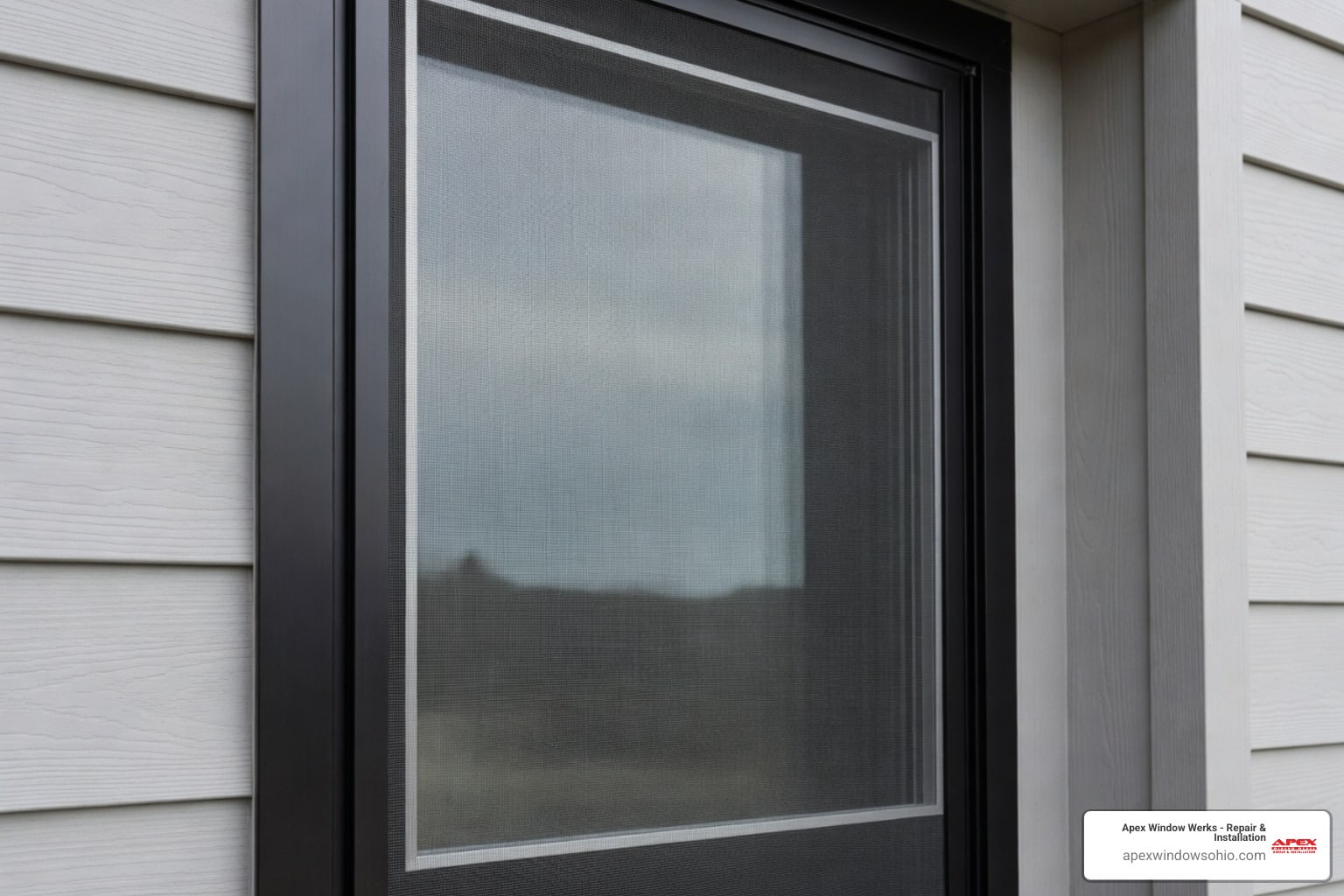
Acrylic interior inserts snap into the window reveal via silicone gaskets or magnetic strips. While they seal air infiltration effectively, they can complicate daily use because you must detach the insert to open the window. For lasting performance, evaluate permanent window glass replacement or architectural retrofits that integrate directly with the existing sash.
Retrofitting Sashes with Secondary Glazing and Insulating Panels
A secondary glazing system adds a second layer of glass directly onto the original sash rather than sitting in the interior frame reveal. Low-profile systems, such as the Slim Line Insulating Pane (SLIP™) system, mount a slim tempered glass pane directly over the original single-pane glass using low-profile extrusions.
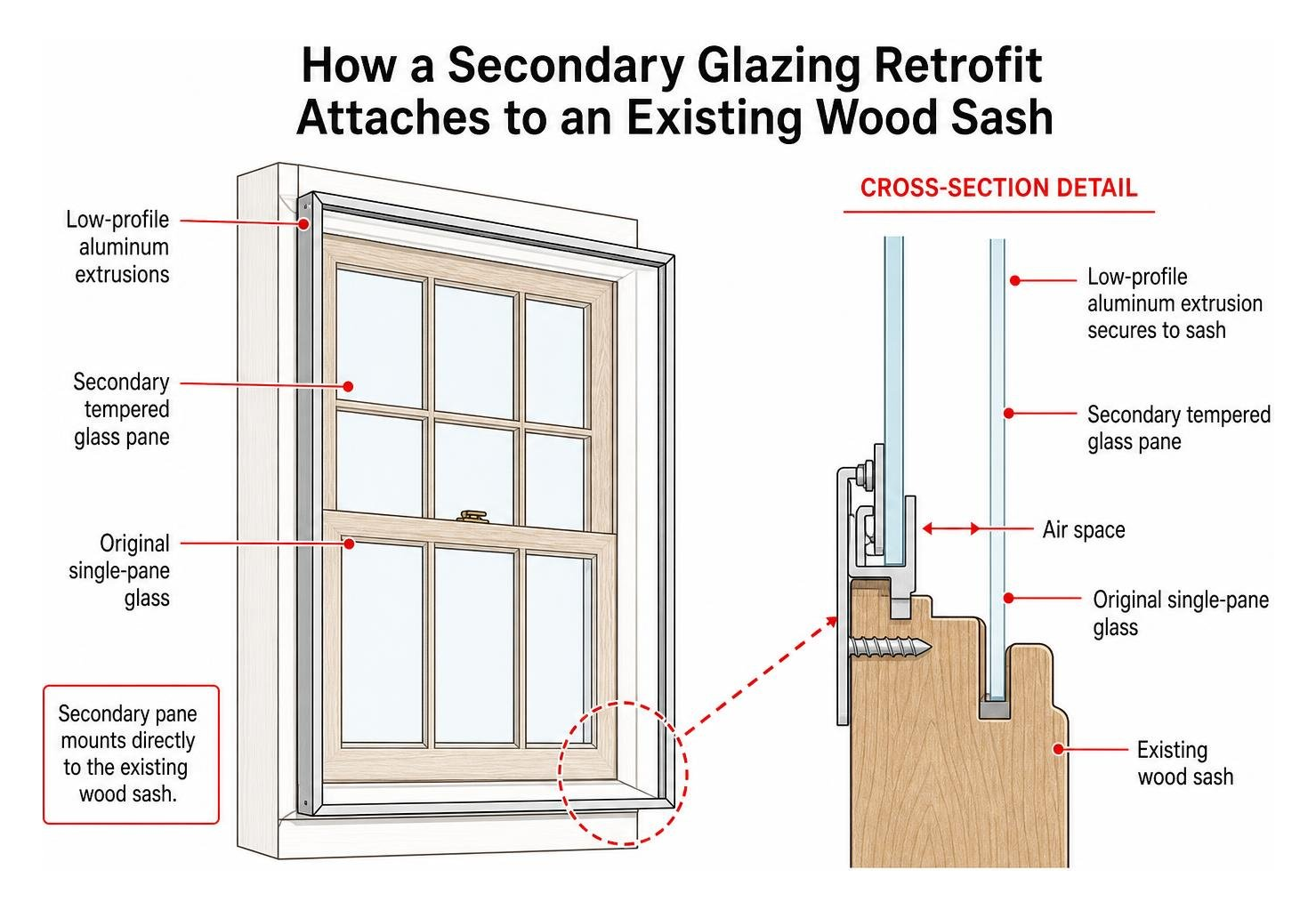
According to independent testing by the University of Oregon, retrofitting a single-pane sash with a slim secondary pane drops average window energy usage by 72.9%, shifting annual consumption from 454 therms and 474 kWh down to 123 therms and 129 kWh.
Similarly, field research from the General Services Administration revealed that ultralight secondary panels improved center-of-glass performance by 52%, dropping the U-factor from 1.15 to 0.55. These panels raised interior glass temperatures by 7°F overall – and by 8.25°F during severe cold snaps when outdoor temperatures fell below zero.
Upgrading to Vacuum Insulated Glass Units in Cleveland Heights and Hudson
For homeowners who want modern thermal efficiency within narrow, vintage profiles, vacuum insulated glass (VIG) represents an advanced glazing breakthrough. Standard double-pane IGUs rely on a 1/2-inch to 5/8-inch gas cavity, which is often too thick to fit into historic wood sashes without extensive milling.
Vacuum glass units, such as BENGglas, achieve an ultra-slim thickness of 6.7 mm to 8.3 mm by evacuating the air between two glass sheets to create a complete vacuum. Because heat cannot conduct or convect across a vacuum, these units deliver center-of-glass U-values as low as 0.35 to 0.40 W/m²K – outperforming traditional triple glazing. Microscopic titanium spacers keep the panes from touching, mitigating thermal bridges while maintaining a clear view. With an estimated service life of up to 50 years, vacuum glass allows original wood frames in communities like Cleveland Heights and Hudson to deliver modern thermal efficiency without compromising their original profiles.
Key Thermal Factors That Dictate Glazing Performance
When upgrading single-glazed openings, thermal performance depends on glass thickness, cavity dimensions, and specialized coatings.
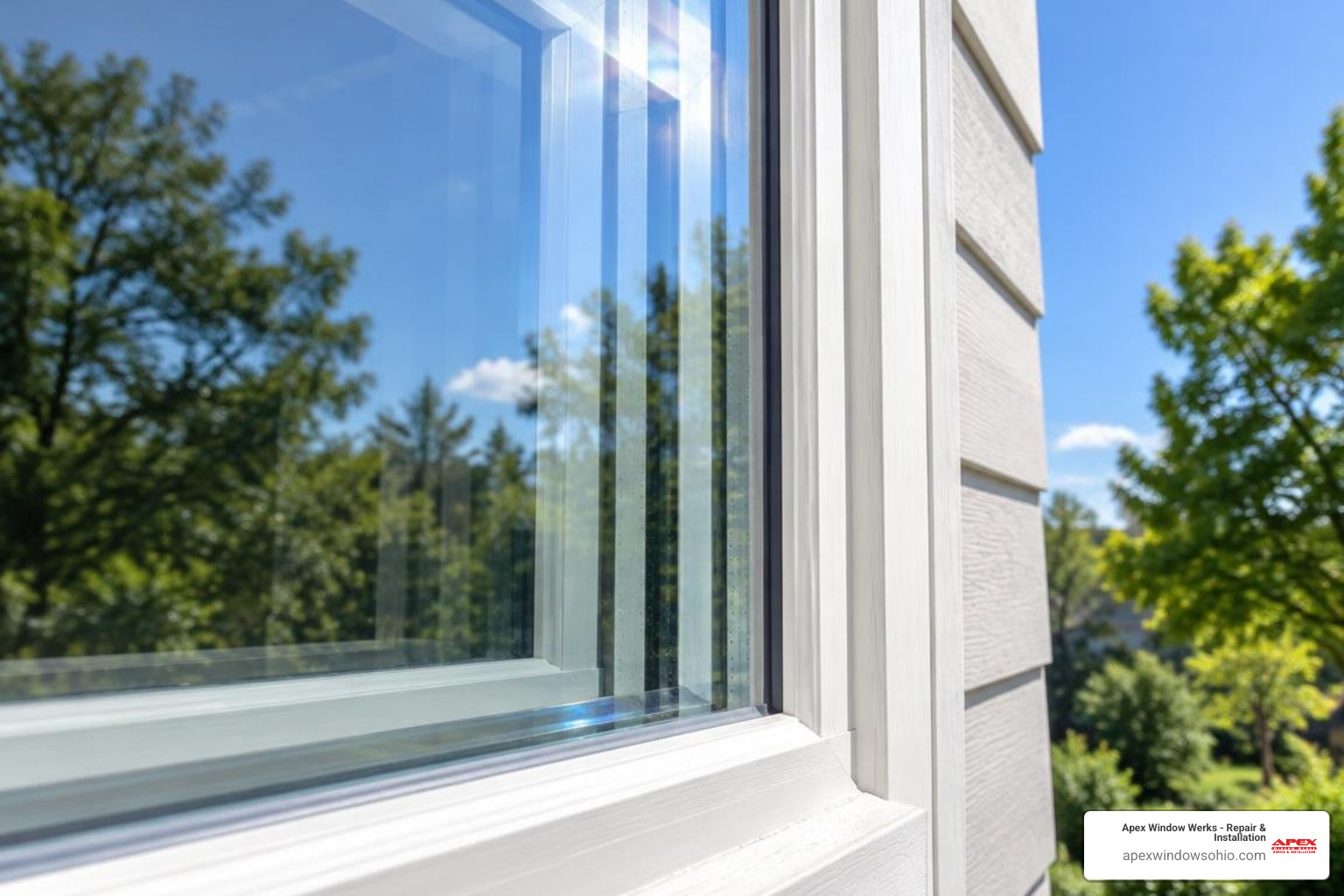
A comprehensive study published in MDPI Applied Sciences on heat transfer and glazing U-values evaluated the relative impact of each design variable. The research confirmed that while increasing monolithic glass thickness reduces thermal transmittance roughly linearly by adding conductive resistance, glass thickness alone cannot match the performance of a multi-pane system.
Surface Emissivity and Low-E Coatings
The MDPI study demonstrated that surface emissivity is the single most influential factor in multi-layer glazing design, producing up to an 81% variation in center-of-glass U-values.
Standard clear glass has an emissivity around 0.84, meaning it readily emits radiant heat. High-performance low-emissivity (low-E) coatings, such as Saint-Gobain Planitherm One T, apply microscopic metallic layers via magnetron sputtering. When applied to the cavity-facing surface of a secondary pane or IGU:
- The coating reflects long-wave infrared energy back inside the home during winter.
- It reduces the radiant heat exchange across the insulating cavity.
- In warmer months, it helps regulate solar heat gain without noticeably diminishing visible light.
Cavity Depth and Gas Fills in Single Pane Window Insulation Retrofits
In air-filled multi-pane configurations, cavity width plays a critical role. The MDPI research identified an optimal cavity width of approximately 16 mm (roughly 5/8 inch) for air-filled units.
If the gap between panes is too narrow (under 6 mm), heat readily conducts between the glass surfaces. If the gap is too wide (over 20 mm), internal air currents form convective loops that accelerate thermal loss. In factory-sealed IGUs, replacing air with denser, slow-moving argon gas further depresses convective transfer, dropping center-of-glass U-values to approximately 1.0 W/m²K.
Balancing Energy Efficiency, Operability, and Historic Aesthetics in Northeast Ohio
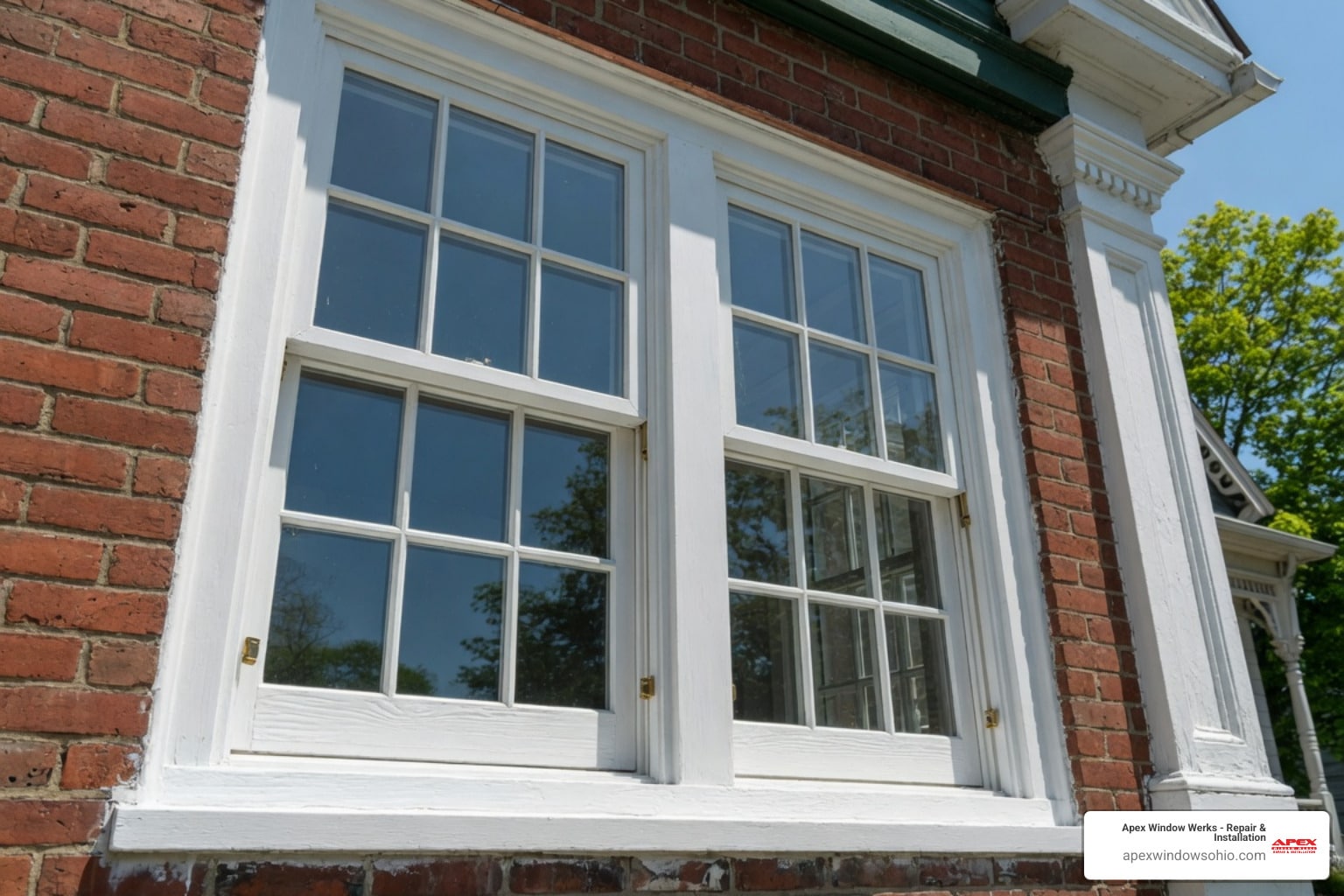
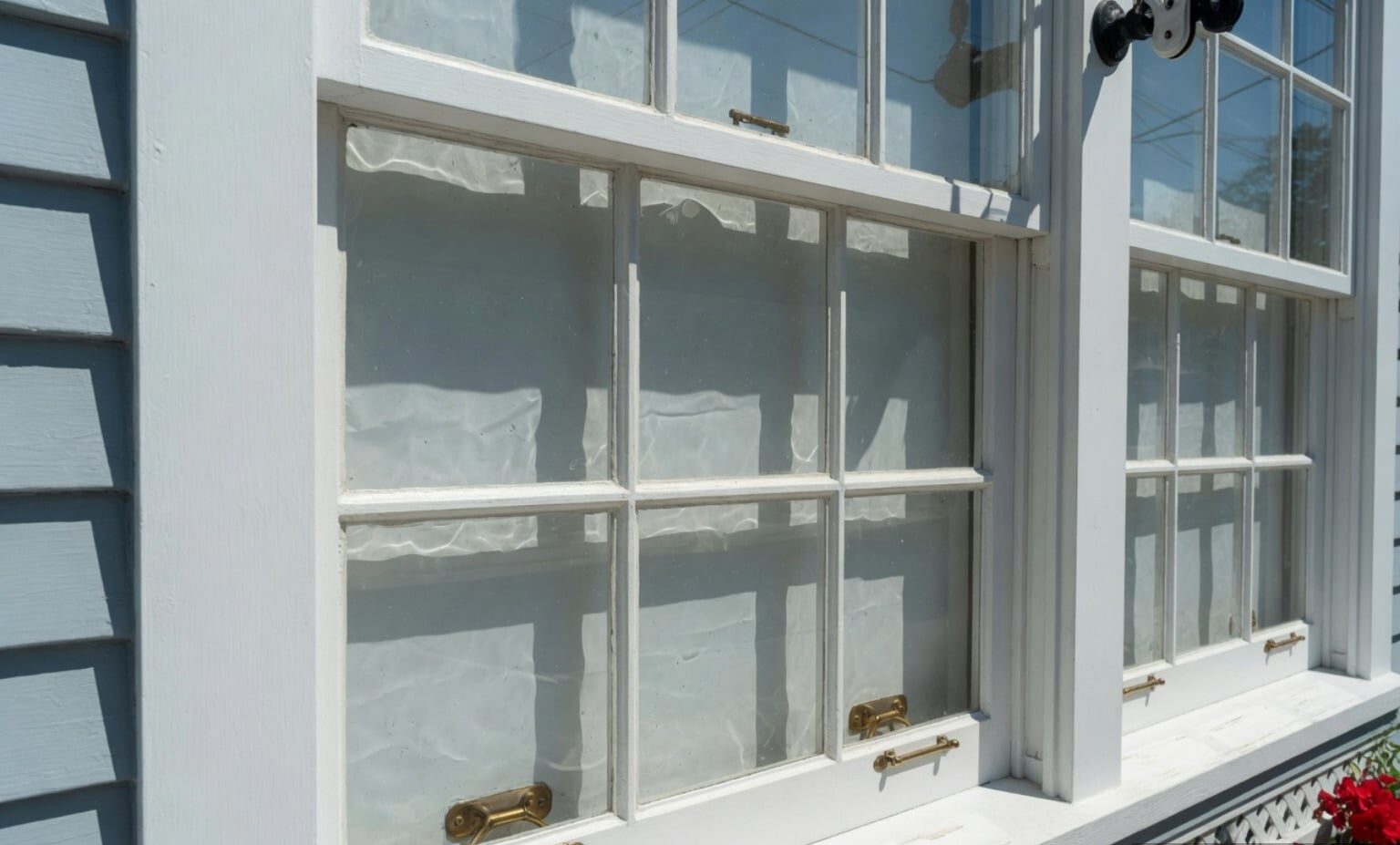
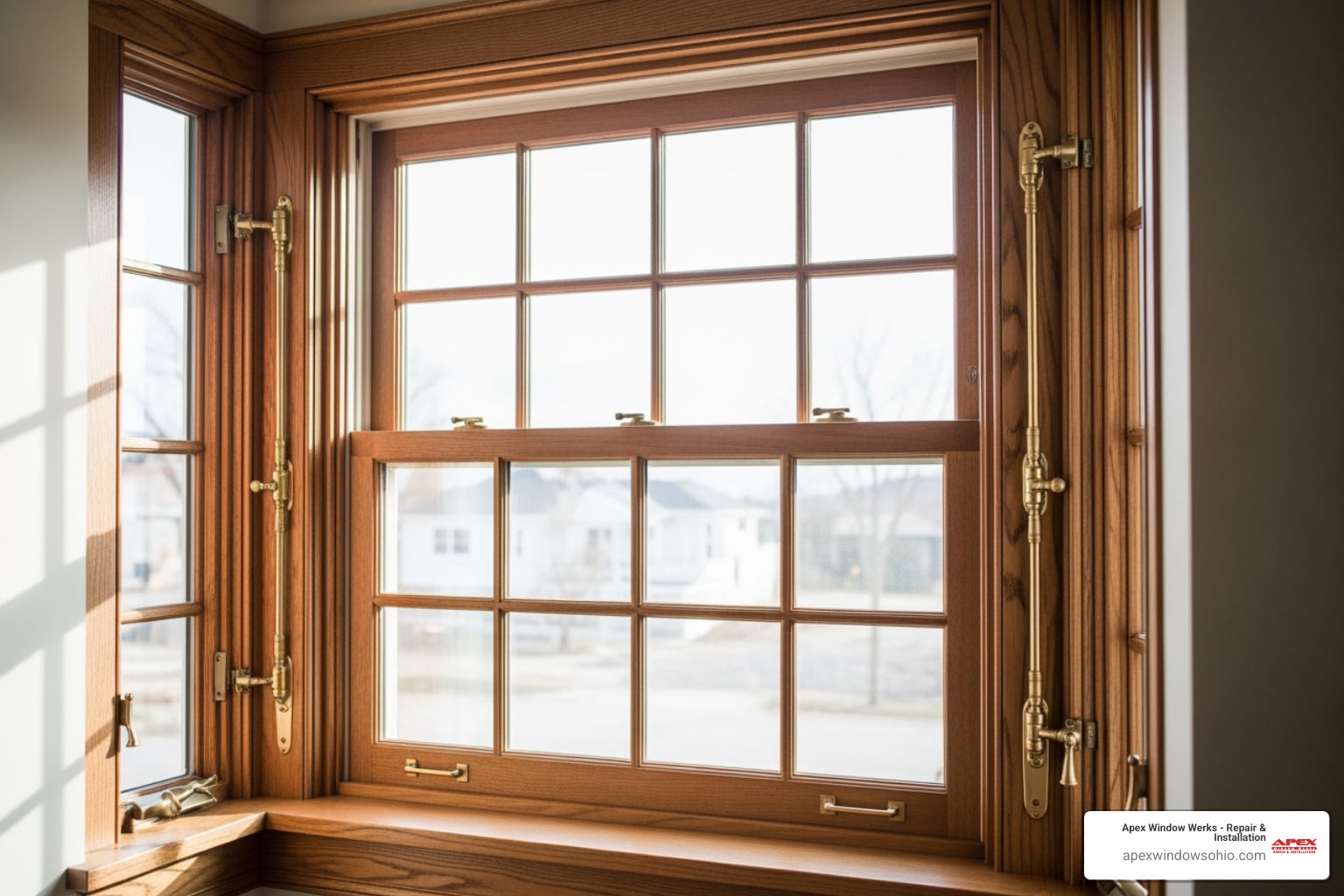
Achieving thermal comfort in older homes should not come at the expense of functioning hardware or historic architecture. Original wood windows crafted before the mid-20th century were built using dense, old-growth timber that resists rot far better than modern softwoods. Rather than replacing these assemblies, restoring the balance mechanisms and adding targeted insulation upgrades delivers long-term durability.
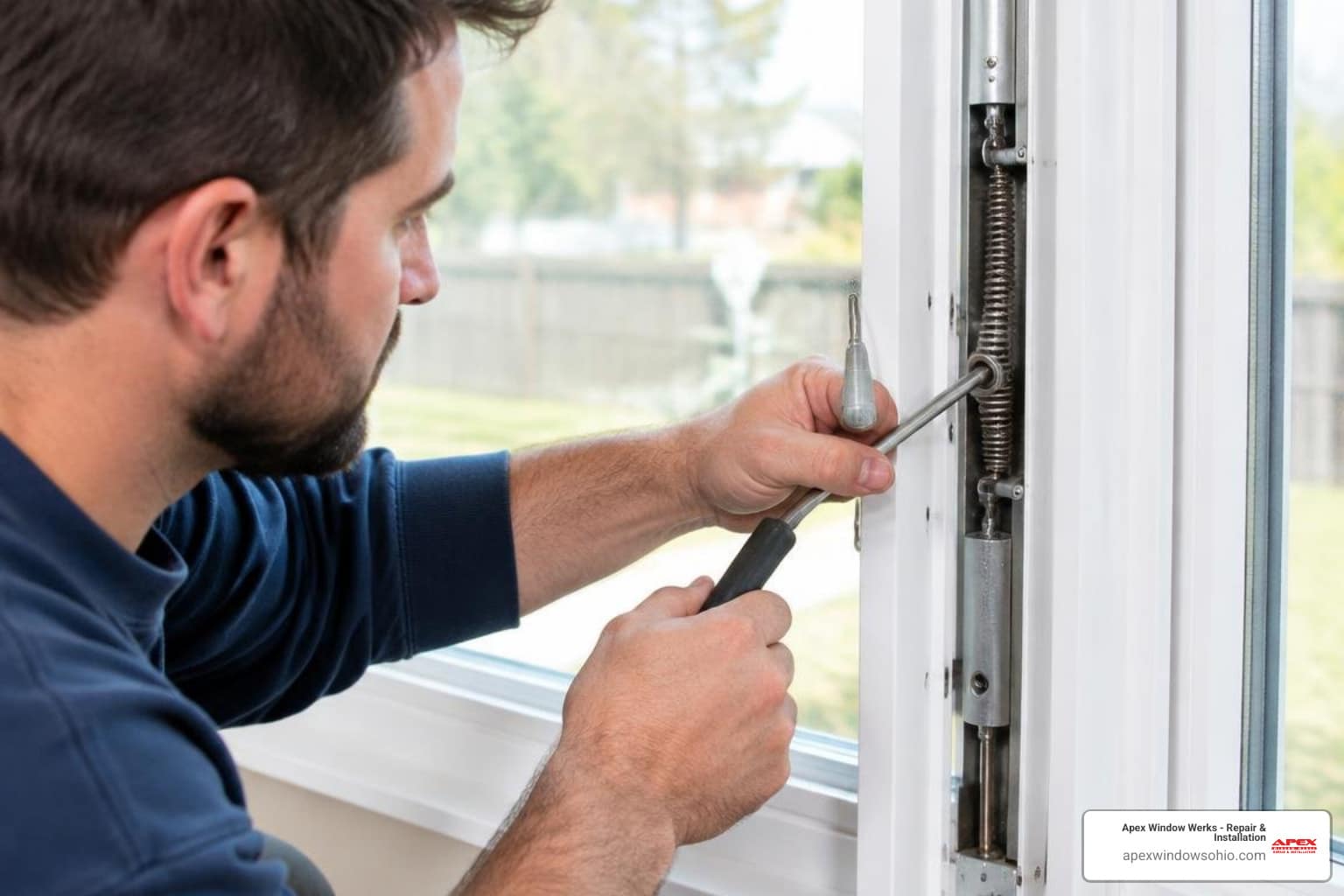
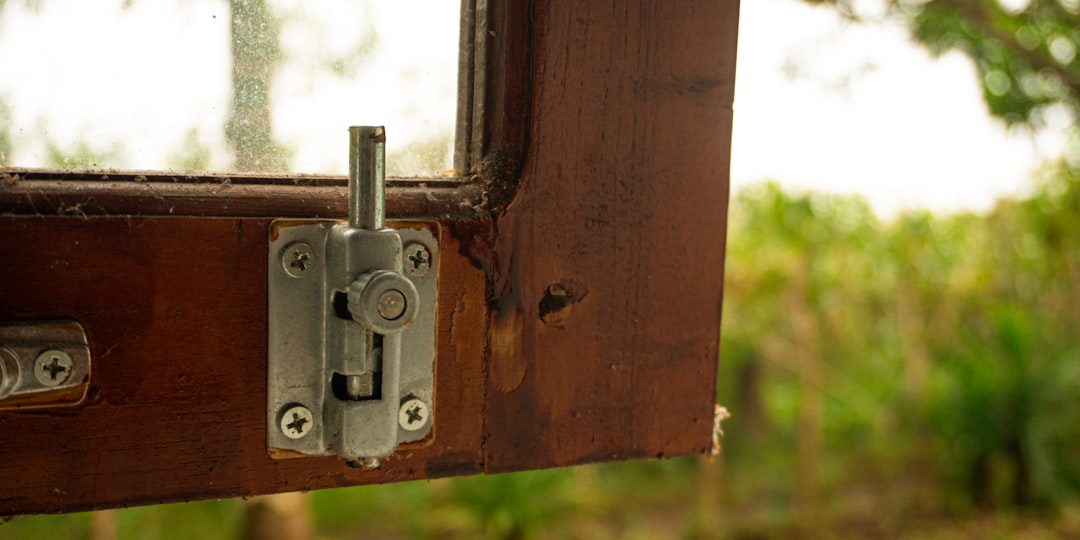
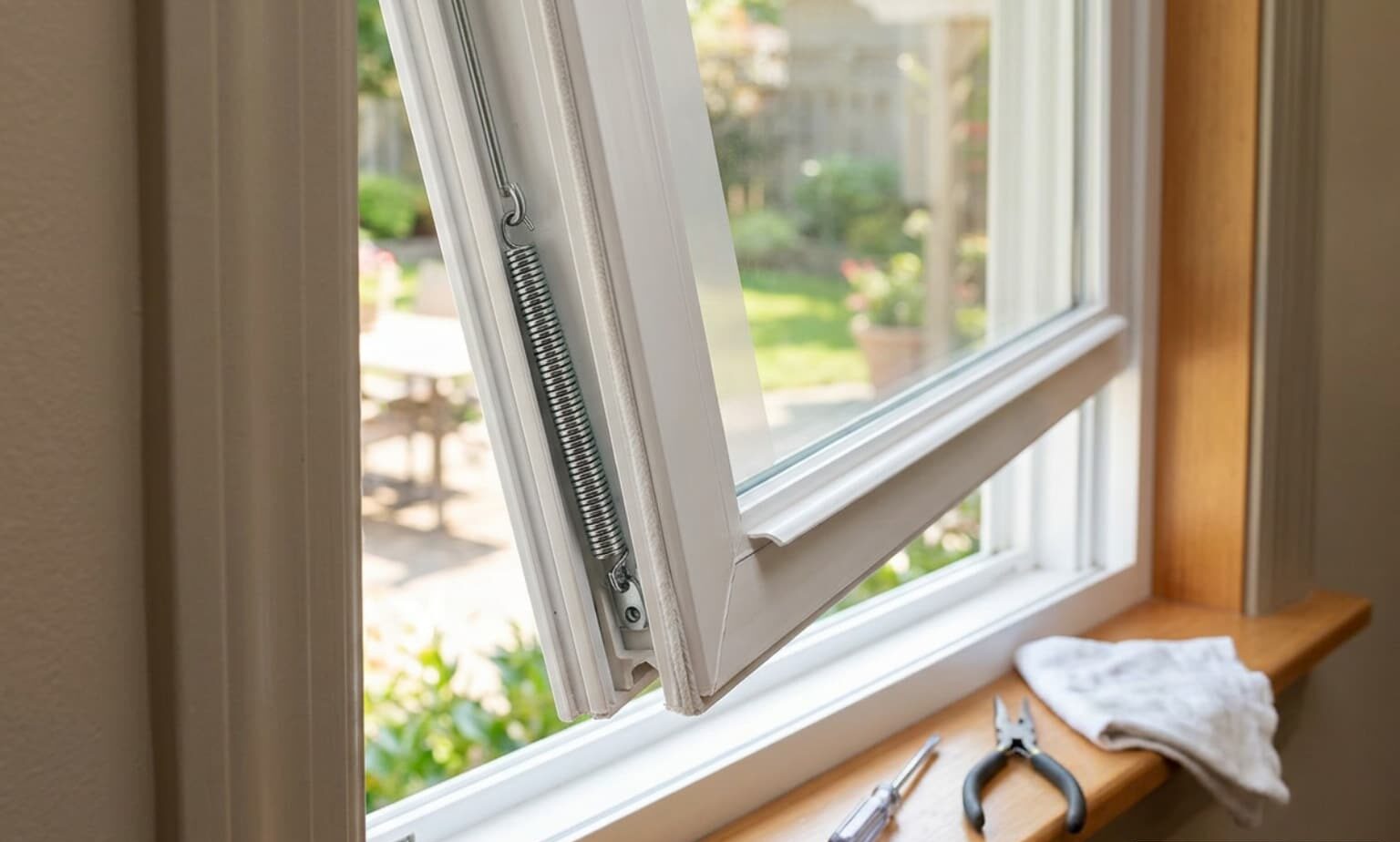
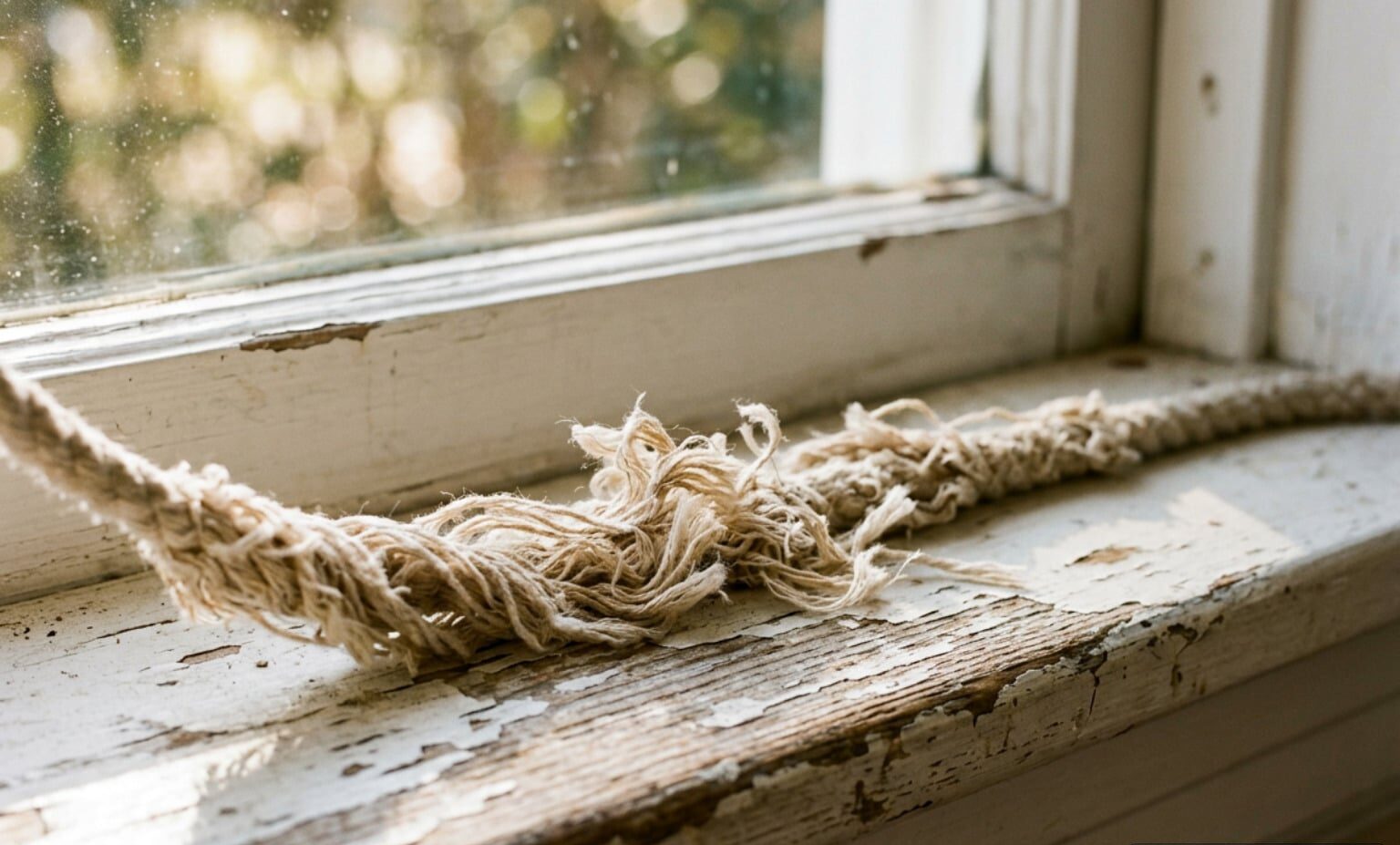
When adding secondary glass or retrofitting an IGU into a double-hung sash, consider the extra weight. Adding a pane of 1/8-inch or 1/4-inch tempered glass increases sash weight, requiring adjustments to internal sash weights, spiral balances, or spring balances so the window continues to open and stay up smoothly.
For guidance on preserving heritage framework while optimizing hardware, refer to our complete sash window restoration handbook.
Preserving Historic Wood Sashes with Weatherstripping and Glass Upgrades
Air infiltration around the perimeter of a window sash often accounts for as much heat loss as the glass itself. Energy modeling indicates that while adding a secondary pane drops single-pane consumption from 454 therms and 474 kWh down to 123 therms and 129 kWh, incorporating comprehensive perimeter weatherstripping drives those figures down further to 93 therms and 97 kWh per year.
Key steps for sealing historic wood sashes include:
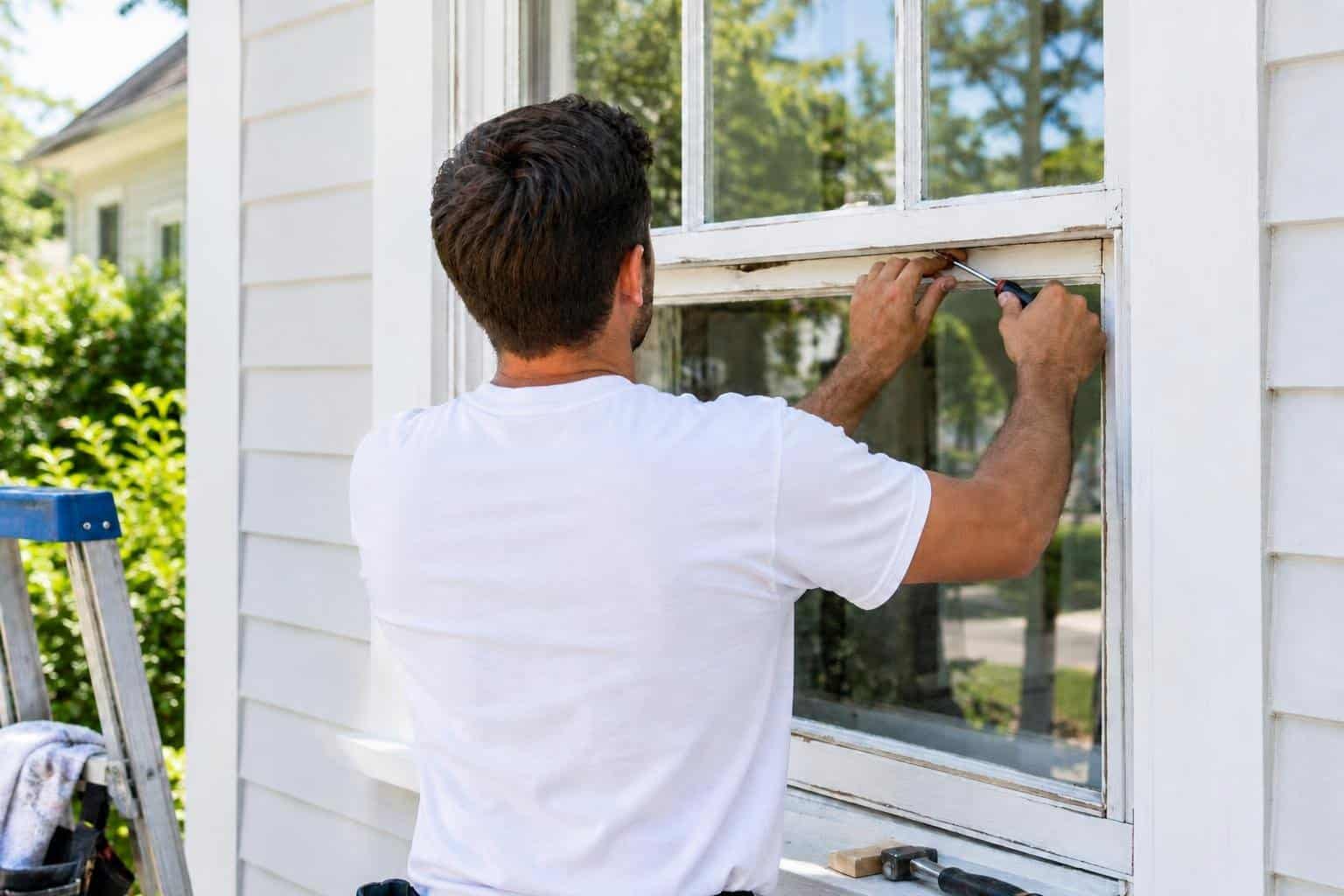
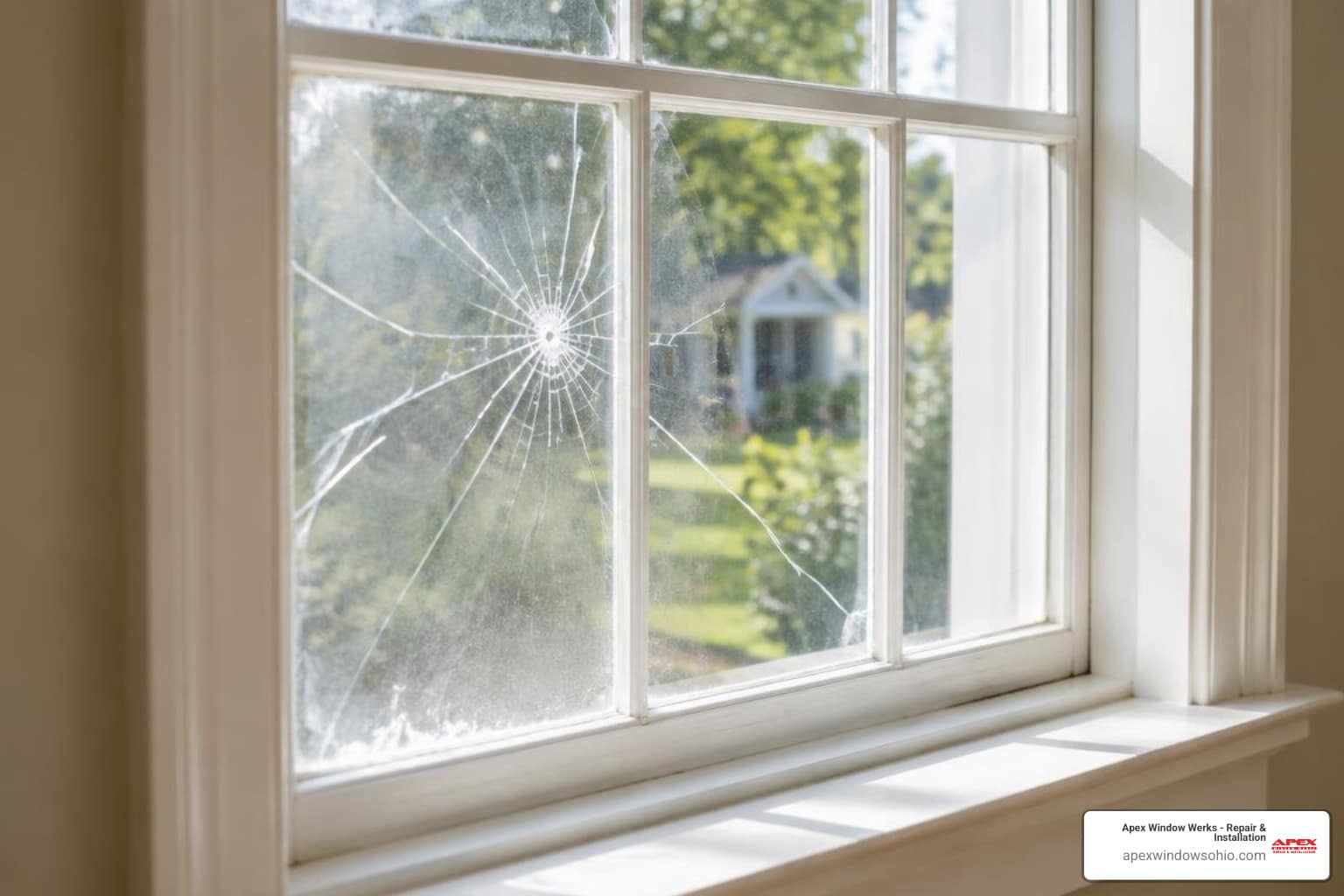
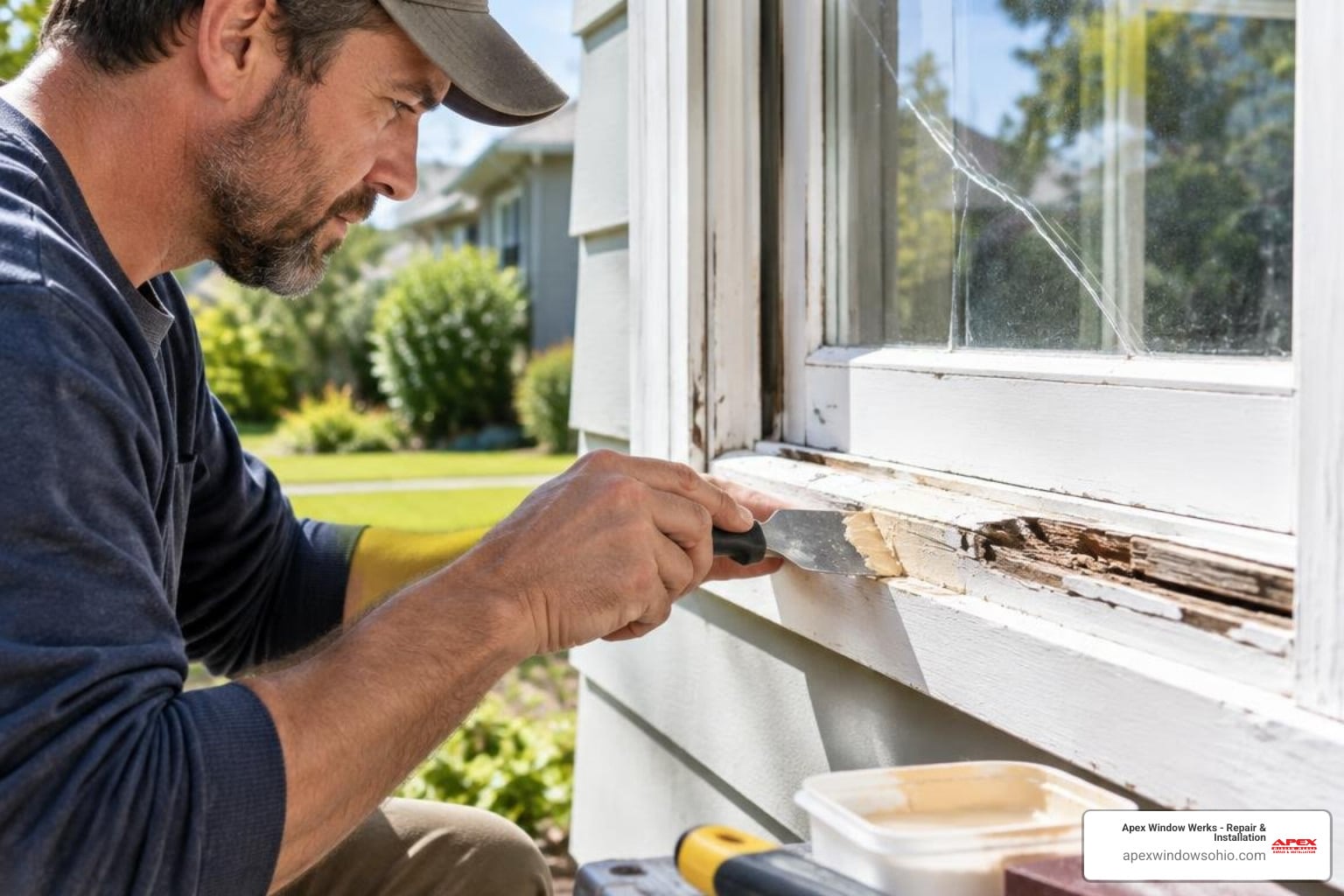
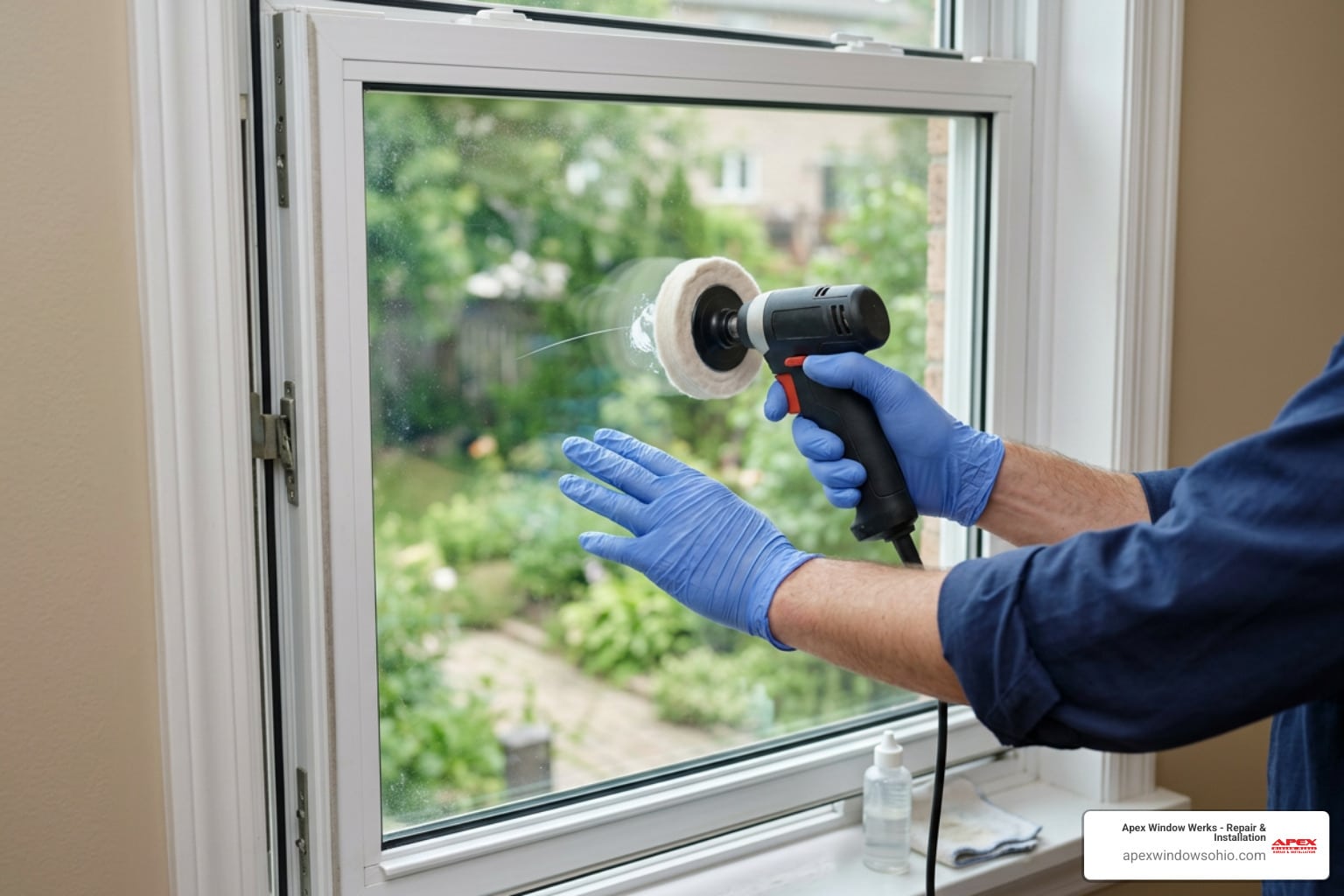
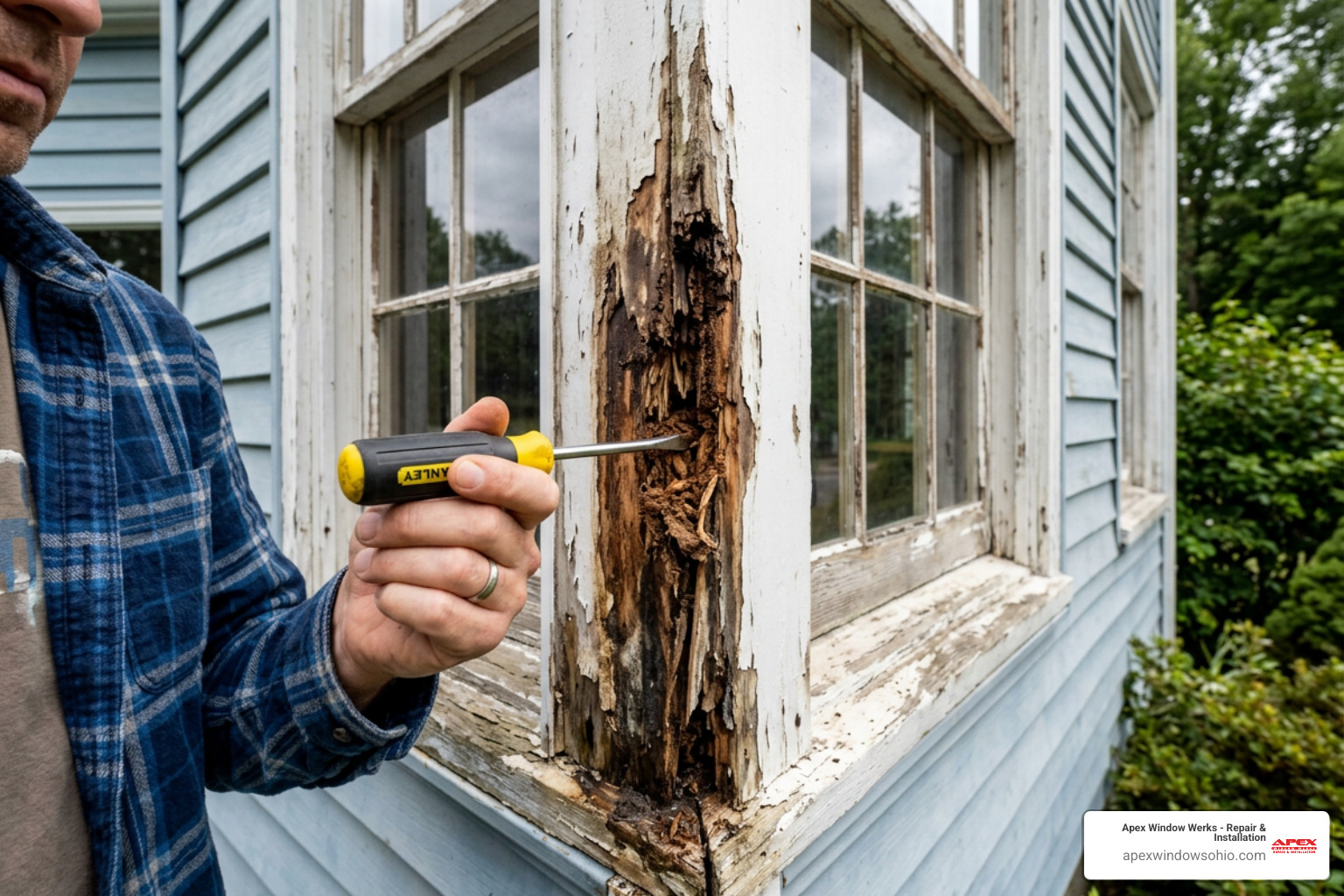
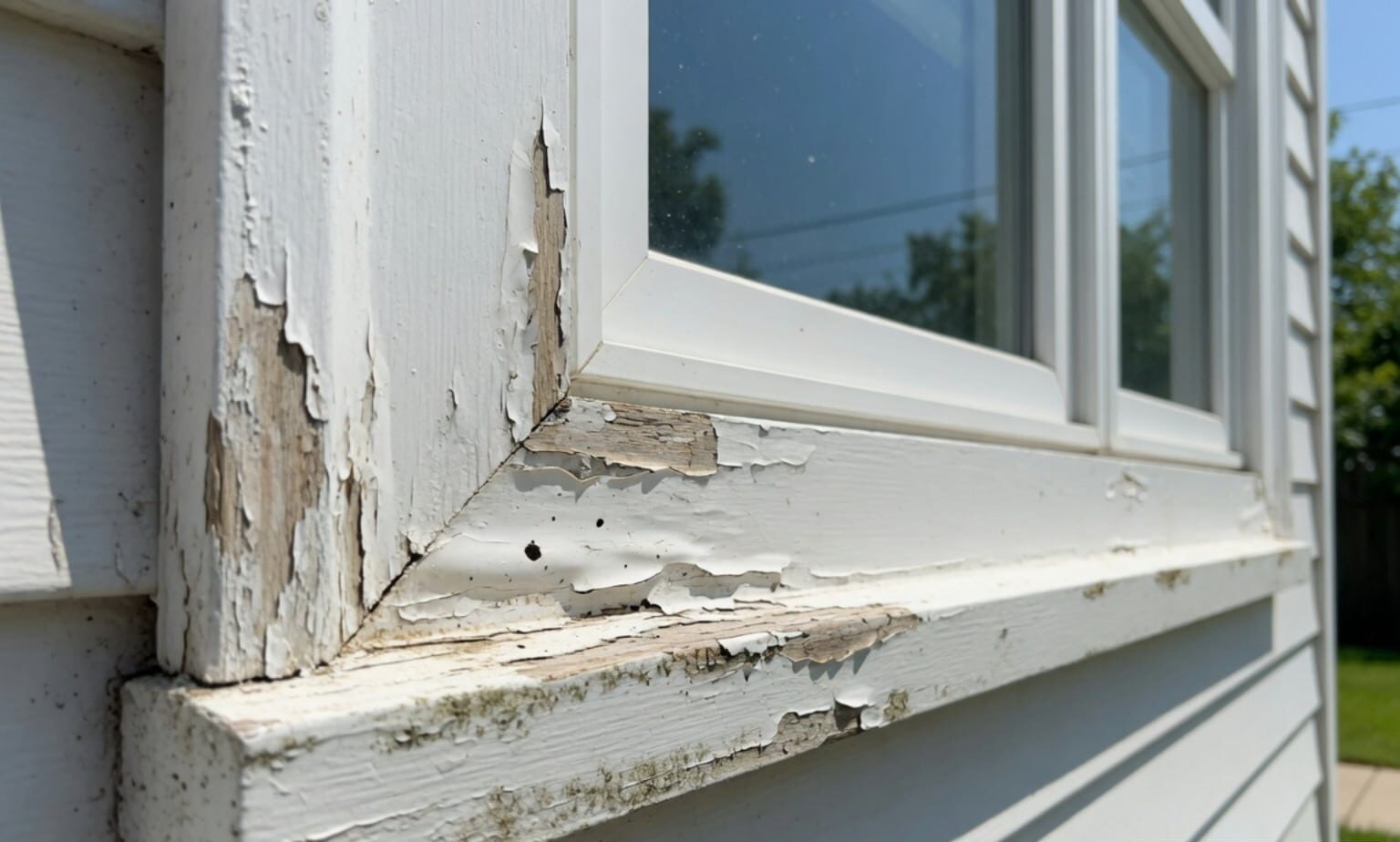
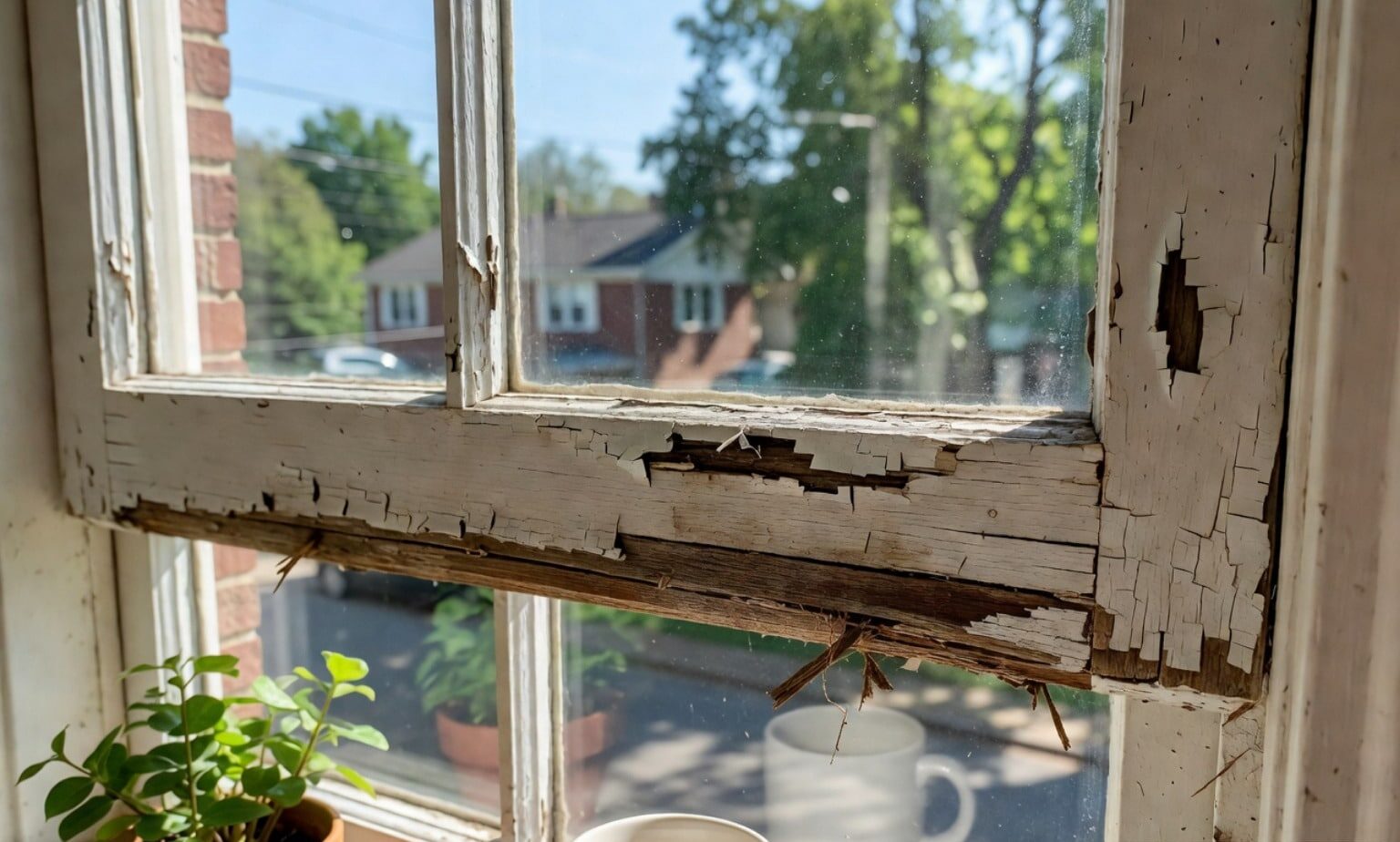
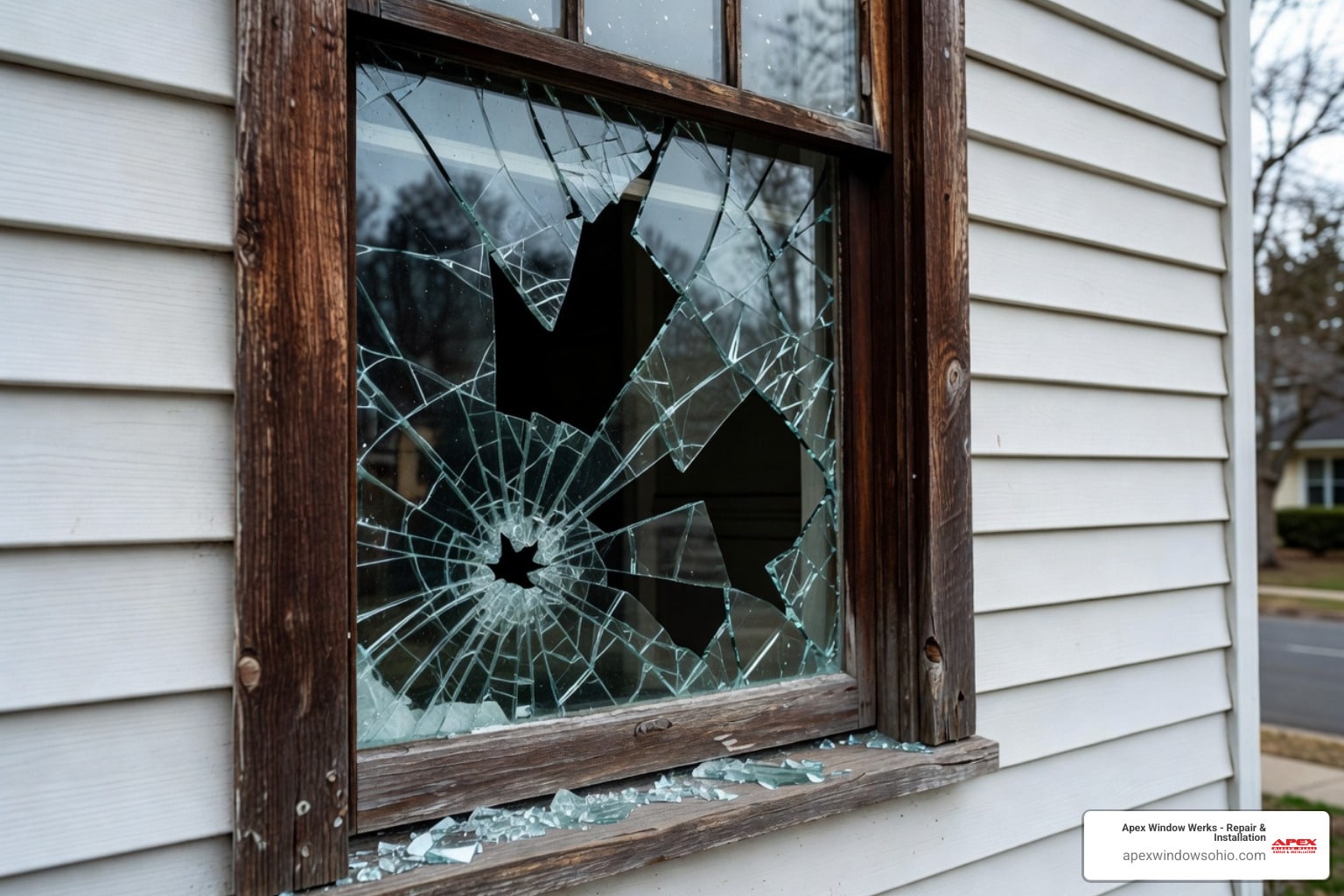
- Removing brittle, cracked glazing putty and securing glass with fresh compound.
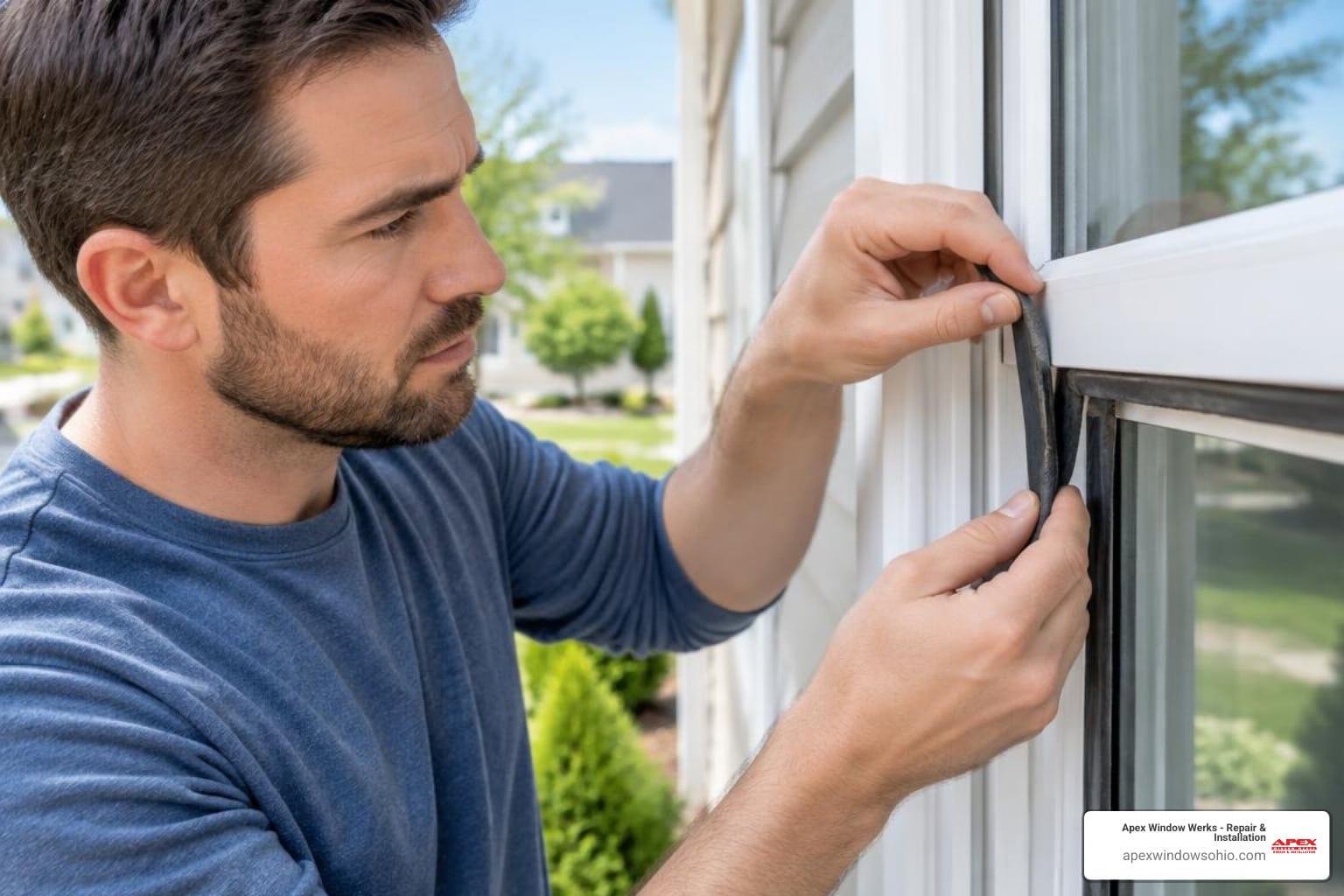
- Installing spring bronze, interlocking zinc, or silicone bulb weatherstripping into sash channels.
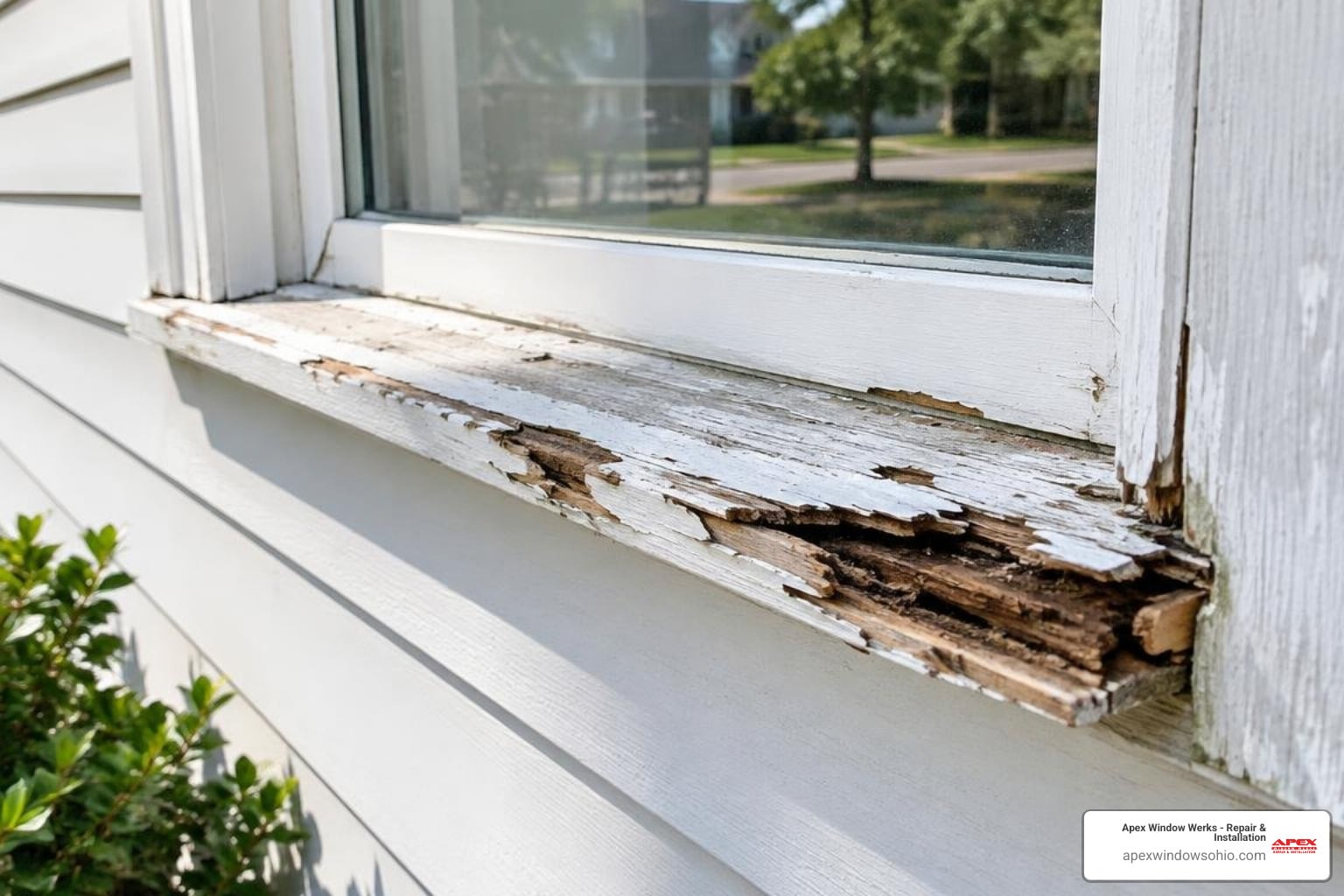
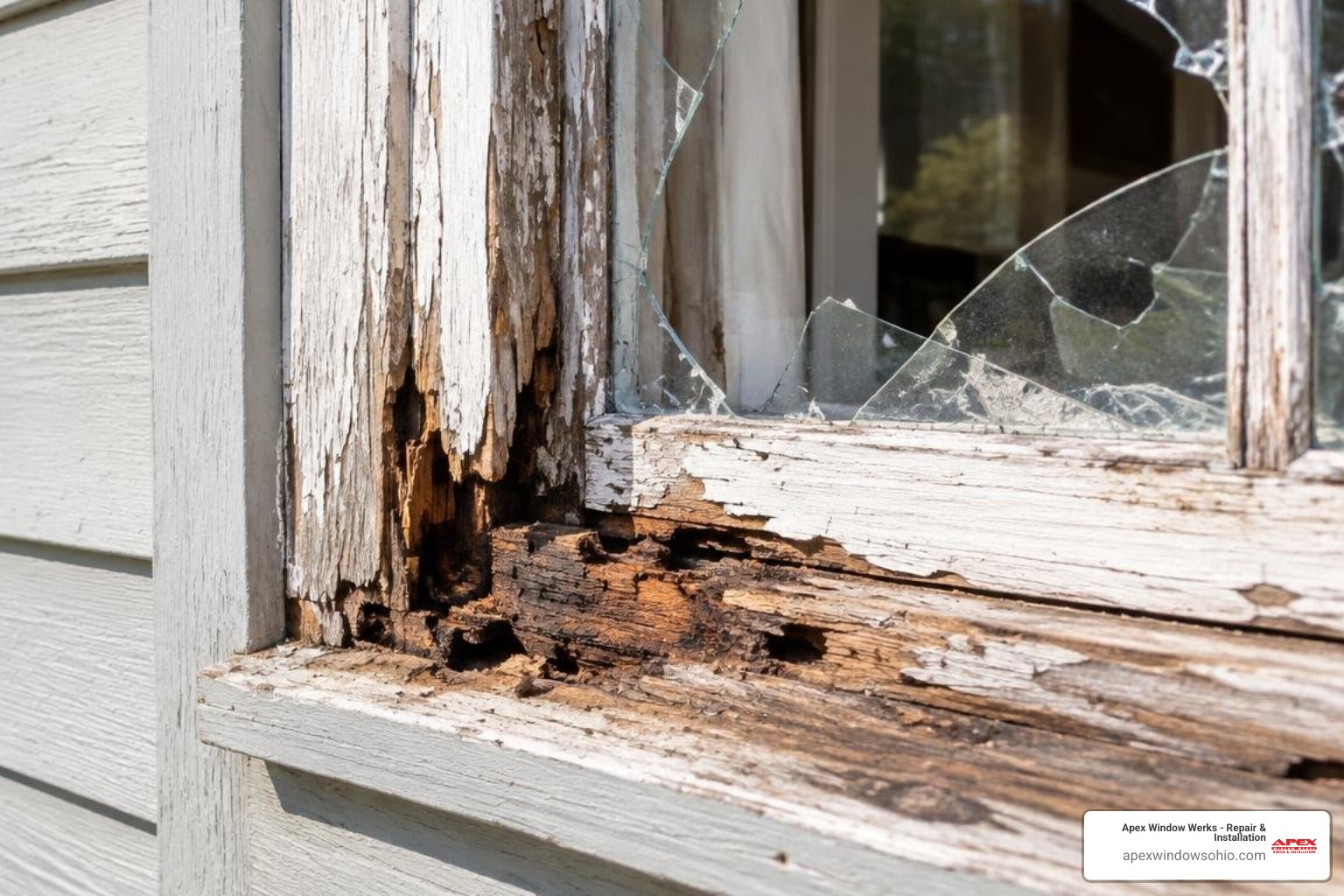
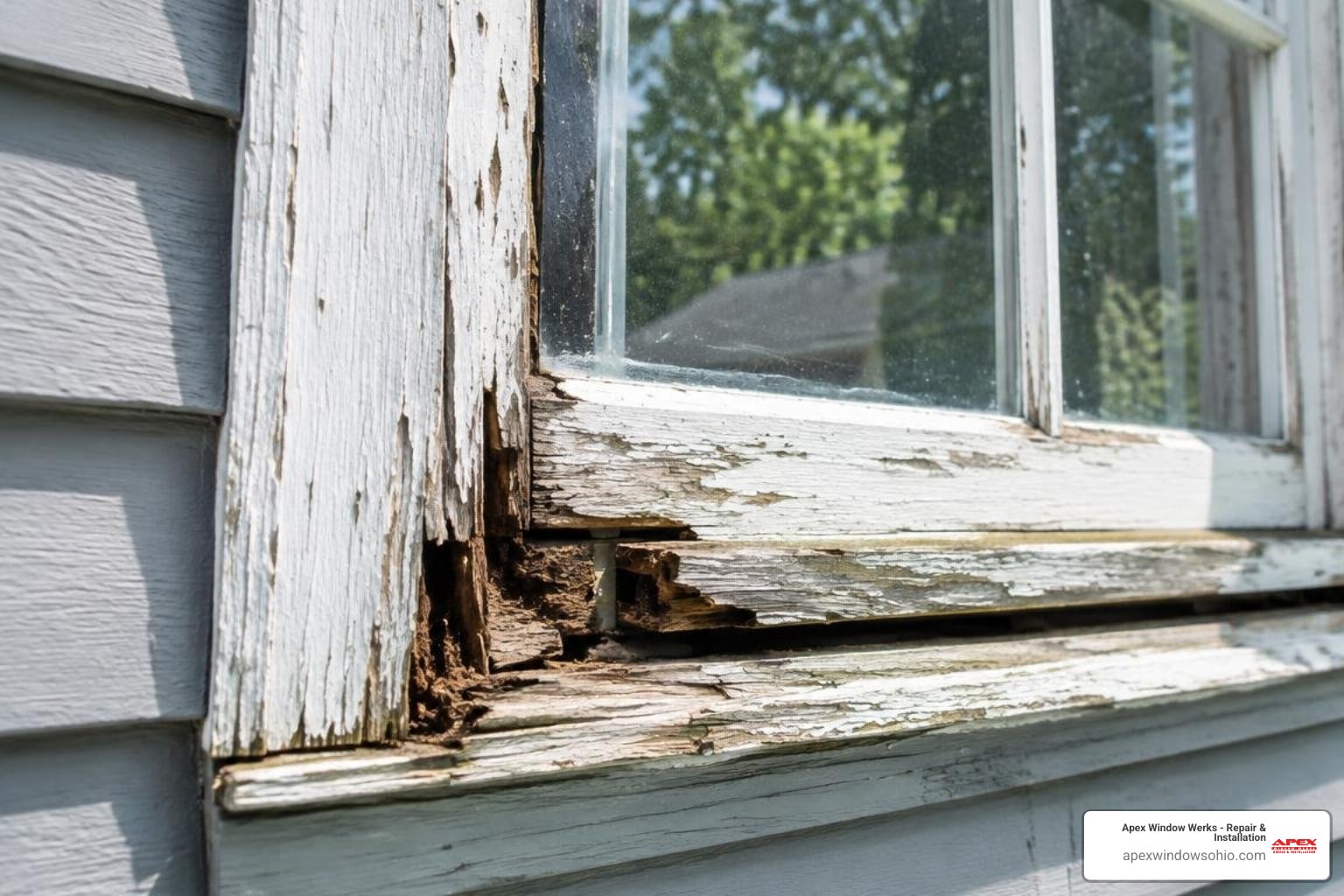
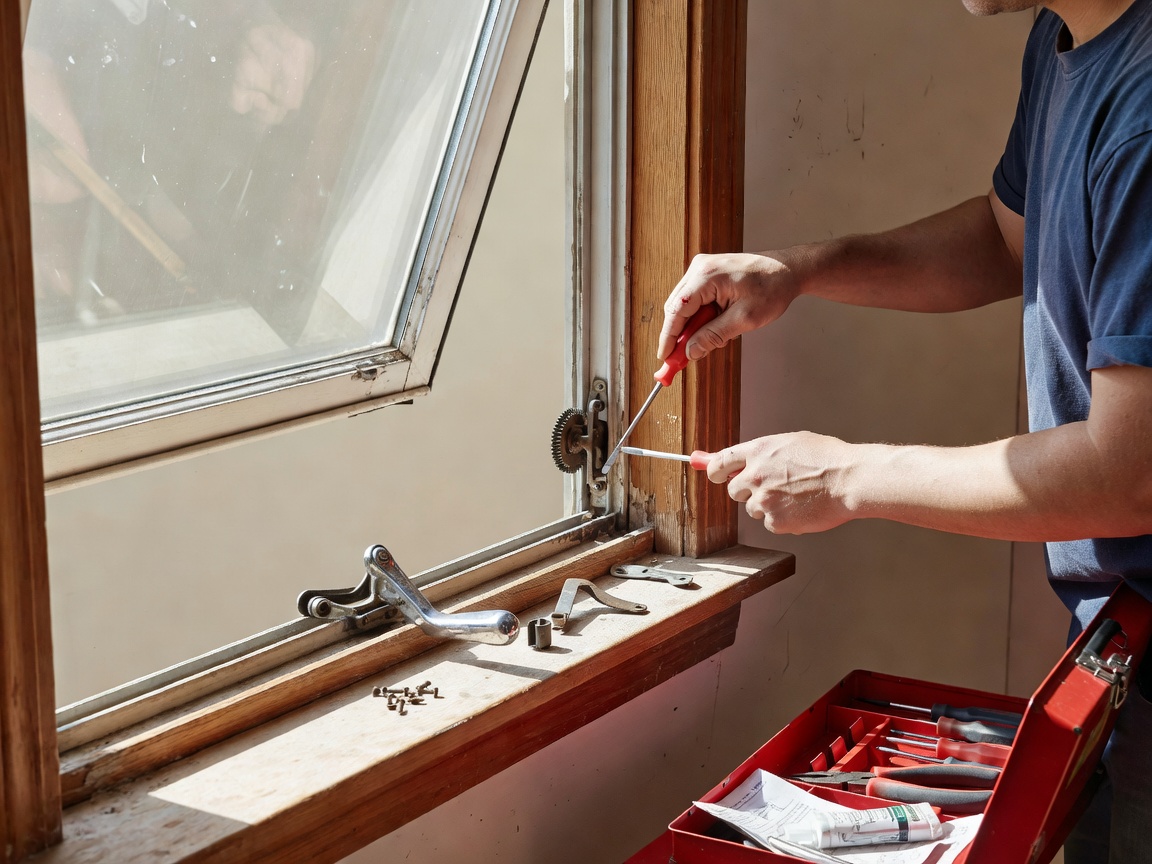
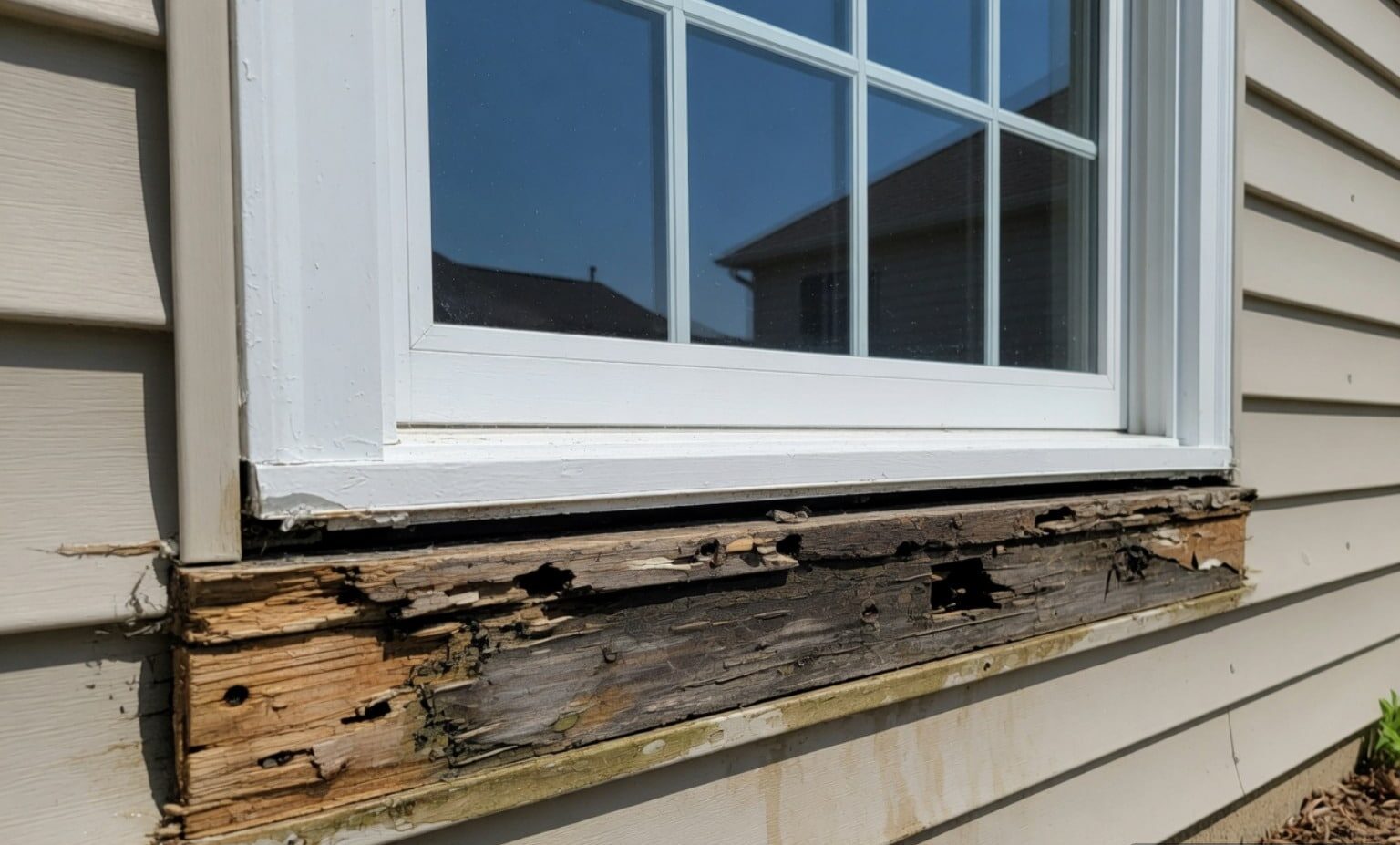
- Repairing localized sill rot and addressing mechanical alignment.
Homeowners interested in maintaining original joinery can learn more about proper putty bed preparation and re-glazing techniques in our detailed guide on how to repair wood windows.
Climate-Specific ROI and Payback Across Northeast Ohio
The financial return on single-pane retrofits depends heavily on regional climate and local utility rates. In cold, heating-dominated regions with significant freeze-thaw cycles – such as Cuyahoga, Summit, Medina, and Lake counties – the primary driver of return on investment (ROI) is heating degree days.
Whole-building energy modeling indicates:
- Cold Climates: Whole-building energy savings from secondary insulation retrofits range between 2% and 7%, substantially cutting natural gas or electric heating consumption.
- Warm Climates: Whole-building energy savings range between 4% and 7%, driven by reduced cooling loads and lower solar heat gain during hot summer months.
Because retrofits preserve the surrounding jambs, sills, and interior trim, they avoid the substantial drywall, siding, and painting costs associated with full tear-out window replacements.
Frequently Asked Questions About Single Pane Window Insulation
Can you insulate single pane windows without replacing the original wood frames?
Yes. Secondary glazing systems, interior storm inserts, and sash retrofits add an insulating air space directly over existing glass or within the sash profile. This approach preserves the original wood trim, exterior casing, and old-growth timber frame while upgrading thermal comfort.
How much energy can adding a secondary pane or retrofit glass save?
Adding a secondary pane or low-profile insulating glass panel can reduce center-of-glass heat loss by up to 52% and lower window-related heating energy consumption by over 70%. When paired with perimeter weatherstripping, annual energy use drops from 454 therms to 93 therms on average test baselines.
What is the most cost-effective retrofit for drafty historic windows?
The most cost-effective first step is sealing air leaks with perimeter weatherstripping and re-glazing loose glass. Once air infiltration is resolved, adding an interior secondary pane or low-profile over-pane provides significant thermal performance improvements without the expense of full window replacement.
How do cost factors differ between window repair, secondary glazing, and full replacement?
Pricing varies based on several project specifics:
- The overall size and configuration of the window openings
- Choice between standard clear glass, low-E glass, or specialty vacuum insulated units
- The structural condition of existing wood sashes and presence of wood rot
- Hardware repairs, balance adjustments, and accessibility requirements Repairing existing sashes or installing secondary glazing generally requires less labor and avoids the extensive finish work associated with full frame replacement.
Conclusion
Living with single-pane windows does not mean you have to tolerate winter drafts, chilled rooms, or exorbitant heating bills. By understanding heat transfer and adopting a repair-first mindset, you can choose targeted solutions – from perimeter weatherstripping and interior inserts to high-performance secondary glazing and sash restorations – that restore thermal performance while preserving your home’s vintage character.
Before committing to full tear-out replacements, consider practical fixes that build on the structural integrity of your original windows. To explore your options, review the key factors influencing single-pane window glass replacement and repair costs.
If your windows are drafty, stuck, or losing heat, our team at Apex Window Werks is here to help across Northeast Ohio. We invite you to request a free estimate or submit photos and measurements through our virtual estimate tool. You can also bring eligible removable sashes directly to our Oakwood Village workshop for fast, professional service.