How to Fix Double Glazed Window Locks When Handles Jam
How to Fix a Double-Glazed Window That Won’t Lock in Northeast Ohio
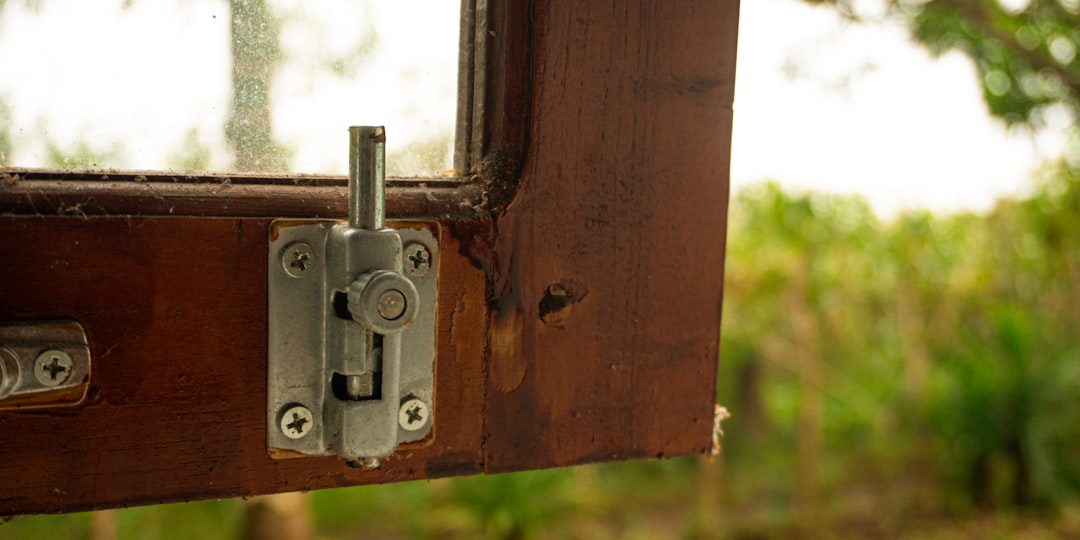
First, open the window and check for dirt around the lock and frame. With the sash open, turn the handle gently to see whether the locking points move. If they do, but the window won’t lock when closed, the sash or lock keep may be out of line. If the handle spins or the locking points stay still, the handle, spindle, or internal mechanism may be damaged. Don’t force it – a window that won’t lock is a security risk.
I’m Nataly Godes, General Manager at Apex Window Werks, where our team repairs window hardware across Northeast Ohio. I’ll walk you through how to fix double glazed window locks, starting with simple checks and showing when a repair needs a professional.
Common Causes of Double Glazed Window Lock Failures in Northeast Ohio Homes
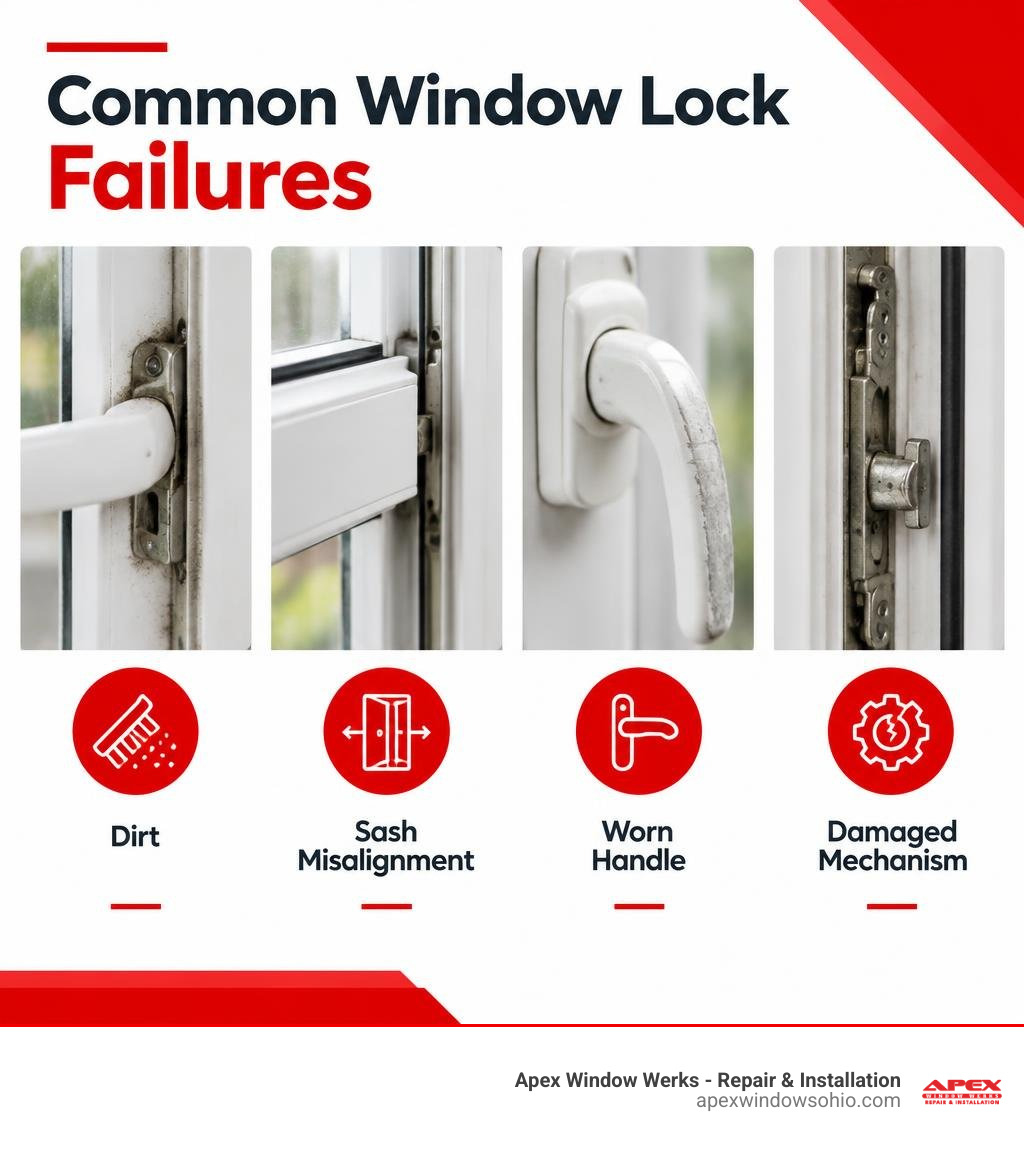
Double glazed units with modern insulated glass units (IGUs) rely on precise mechanical alignment to keep weather seals compressed and indoor temperatures stable. When a lock stops catching, it is rarely random. Hardware components experience ongoing physical stress from daily operation, settling house foundations, and severe Northeast Ohio seasonal shifts.
The most frequent underlying causes of locking failure include:
- Sash sag and hinge wear: Over time, the heavy weight of double pane glass pulls downward on the side friction stays or hinges. Even a 2 mm drop can cause locking cams or deadbolts to strike the metal keep plate instead of sliding smoothly into the channel pocket.
- Stripped handle spindles: The square metal spindle connecting your crank or turning lever to the internal drive gear can wear smooth or shear off entirely, causing the handle to turn freely without operating the lock rods.
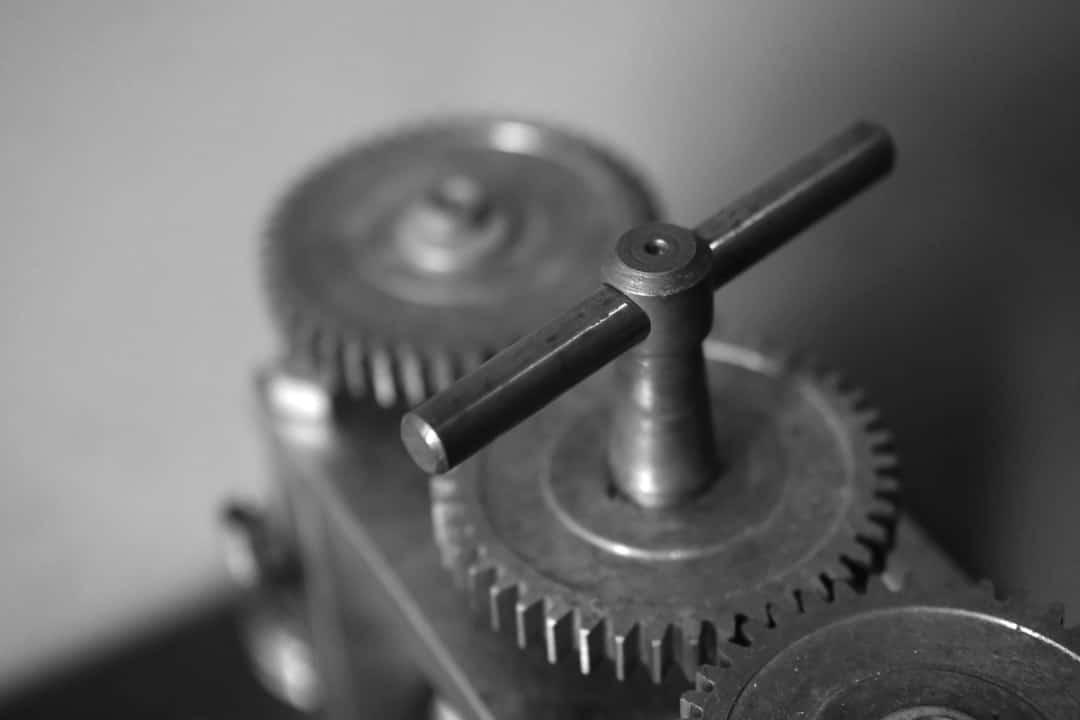
- Gearbox teeth stripping: The internal center gearbox (frequently found in multi-point systems) uses delicate cast gears. Forcing a stiff handle often strips these gear teeth, leaving the lock stuck open or jammed shut.
- Thermal expansion and contraction: Summer heat expands vinyl and wood profiles, while freezing winters cause subtle shrinkage. This ongoing cycle shifts the relationship between the frame strikes and the sash hardware.
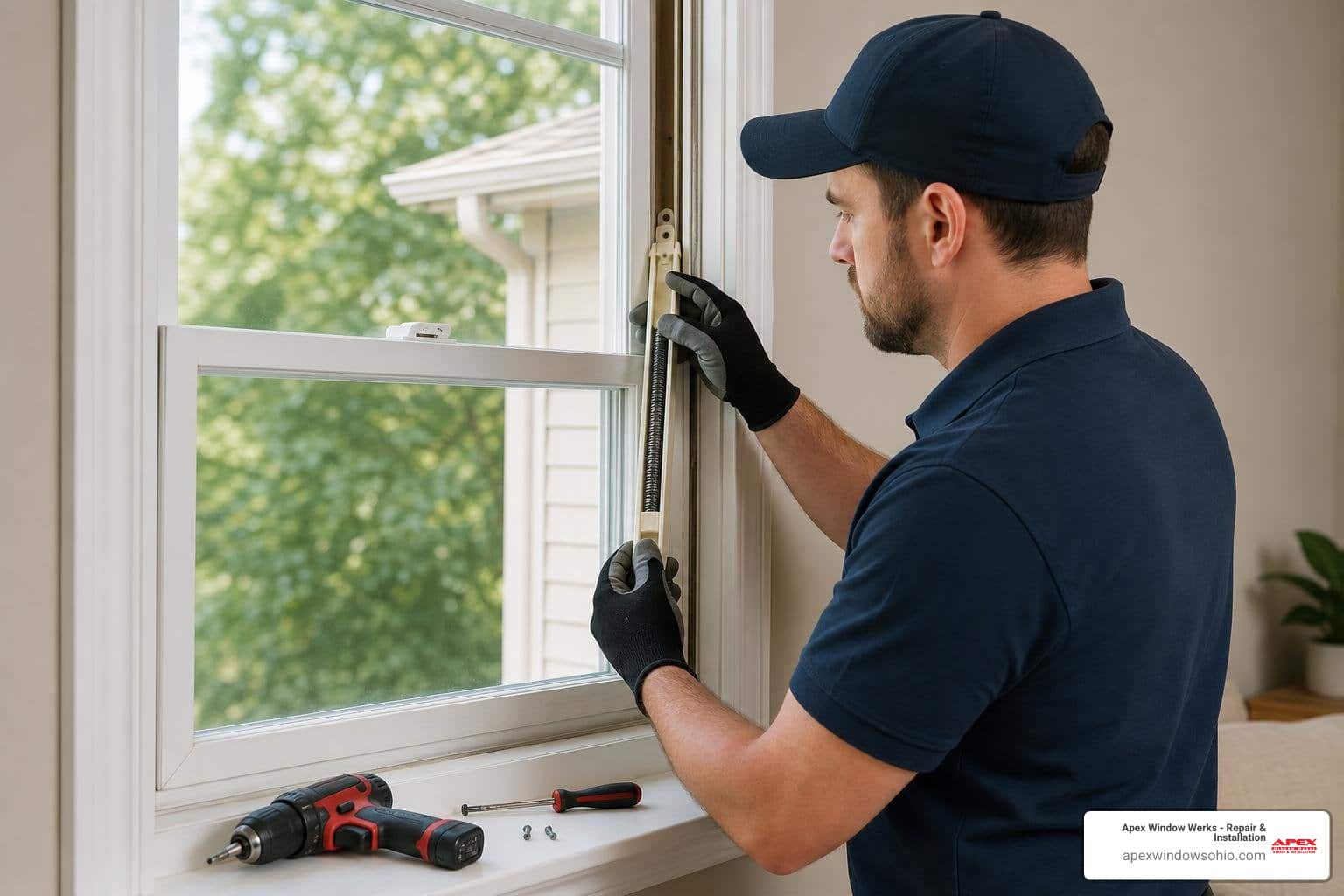
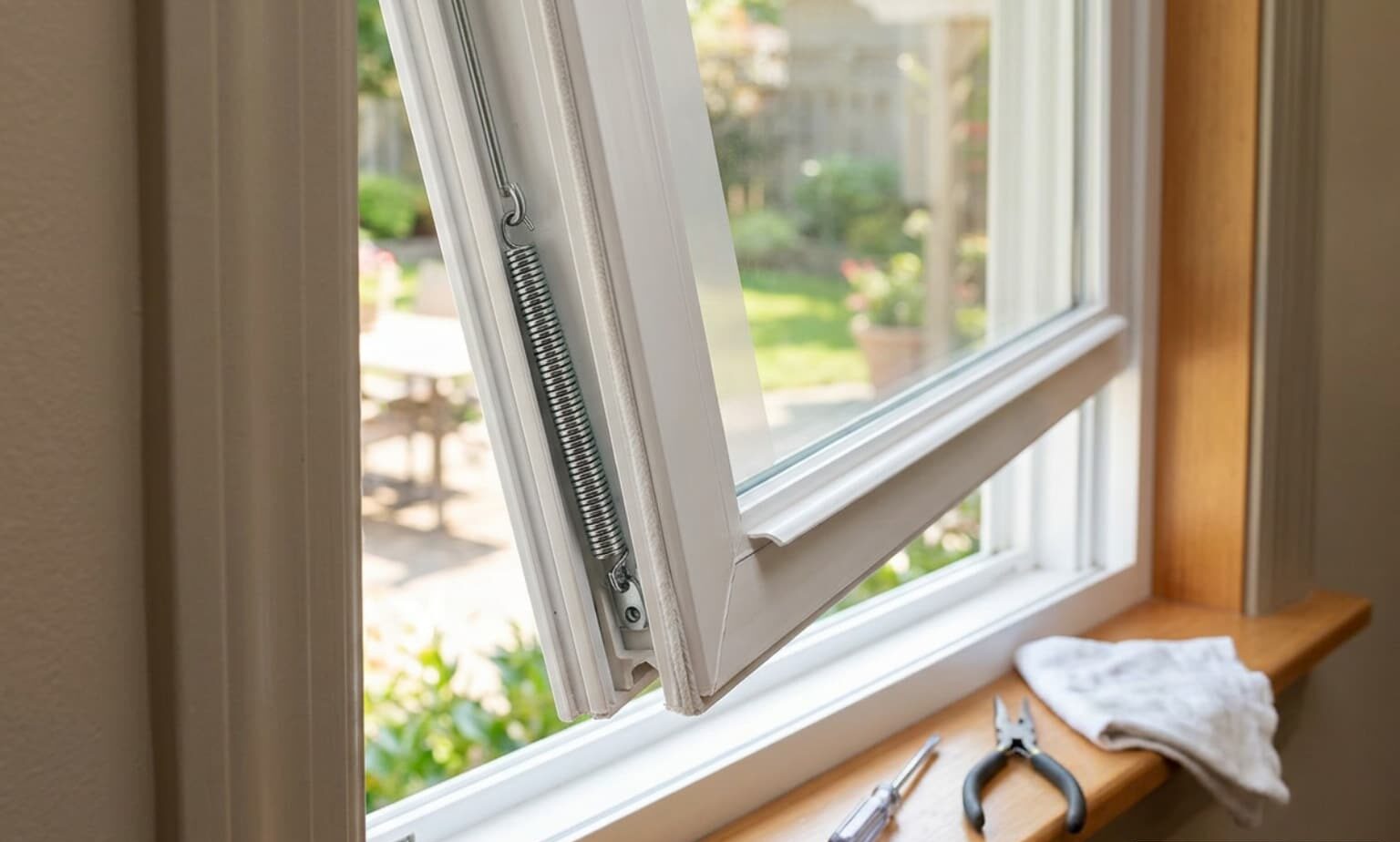
- Damaged balances in vertical sliders: When window balances lose tension or disconnect, double-hung sashes drop slightly out of square, which prevents cam locks from latching. If your vertical window is sliding unevenly, reviewing steps for troubleshooting sash balance problems can help pinpoint balance failures before they ruin the lock hardware.
Stuck Casement Mechanisms vs Dropped Sashes in Local Homes
The mechanical design of your window determines how lock failure presents itself:
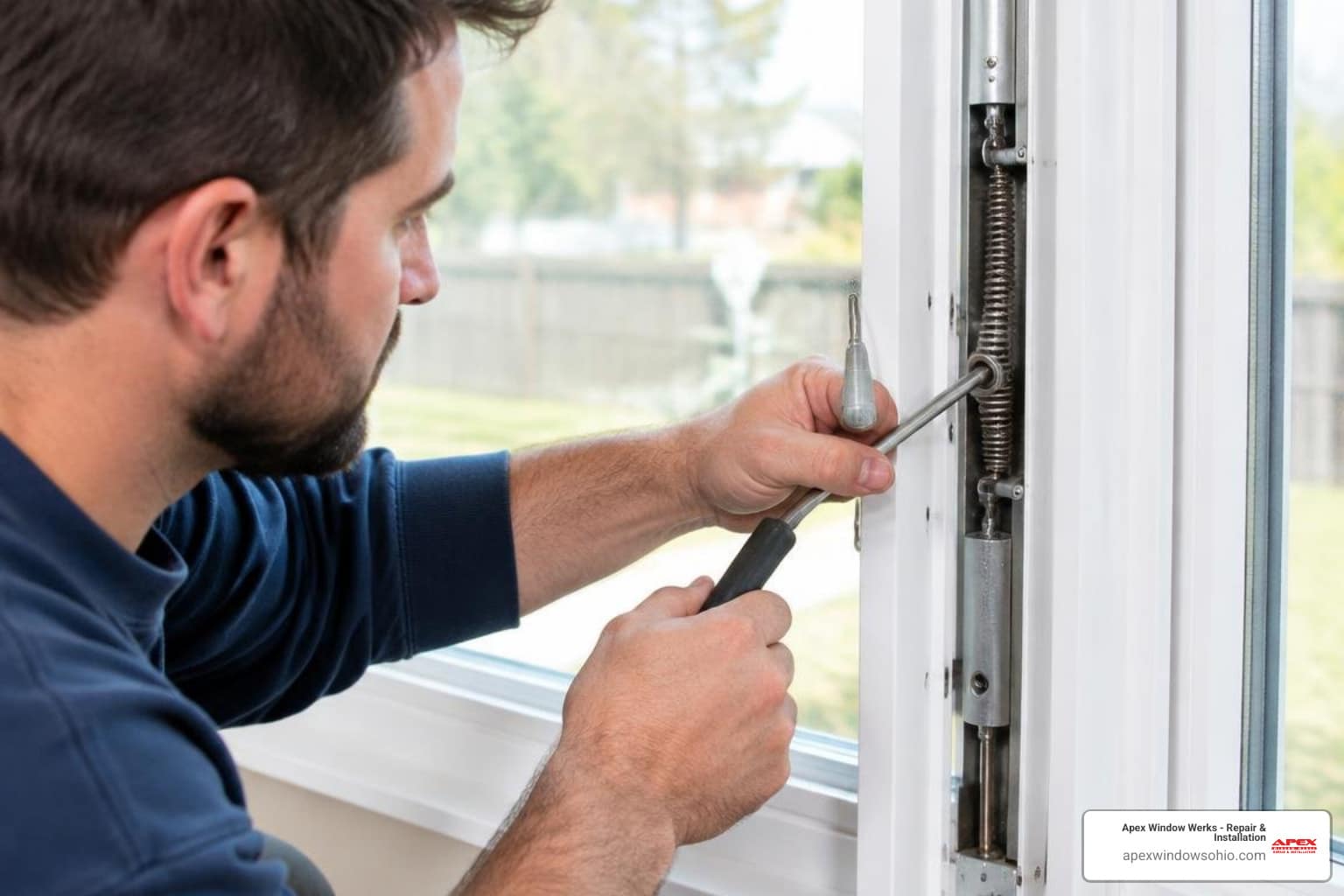
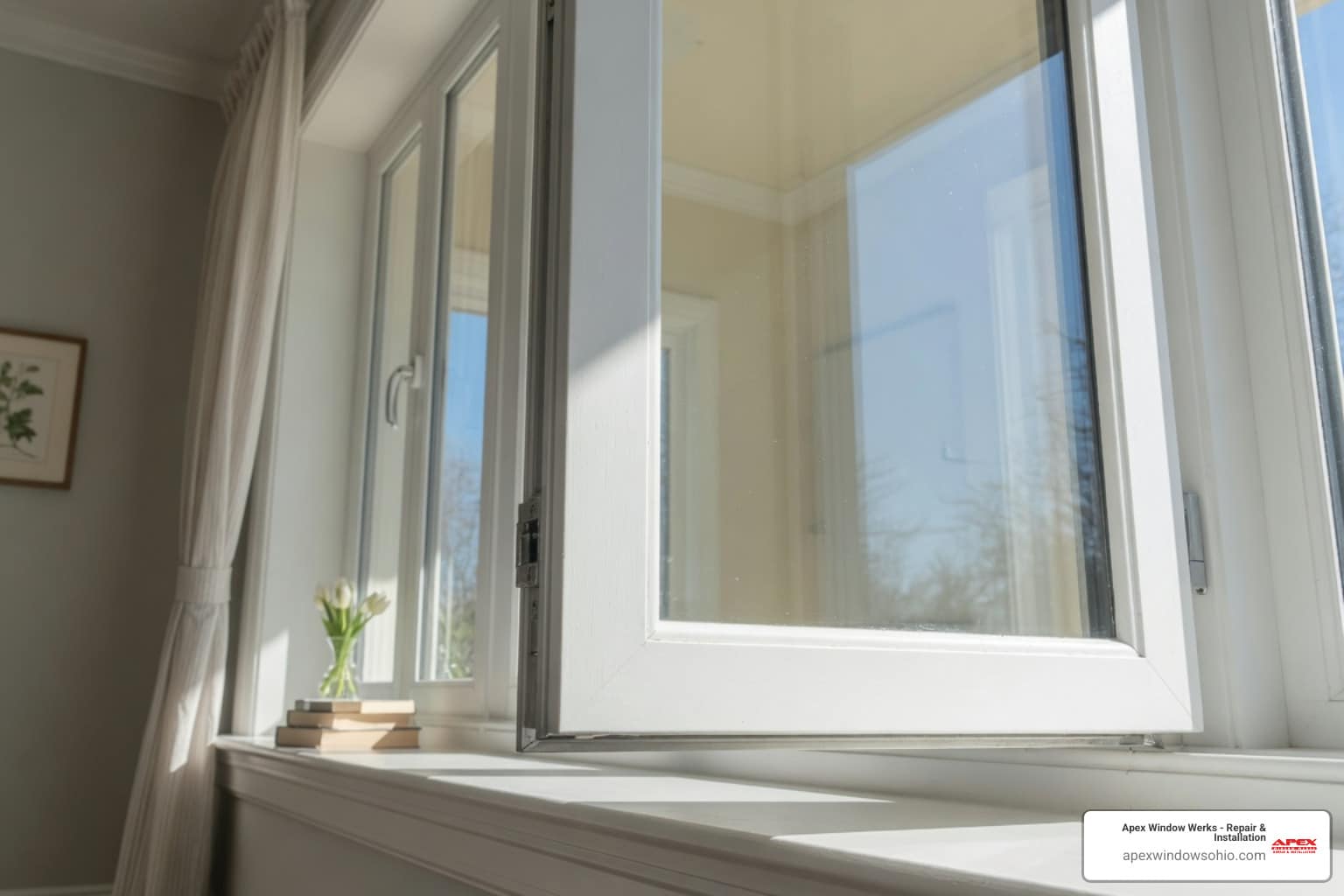
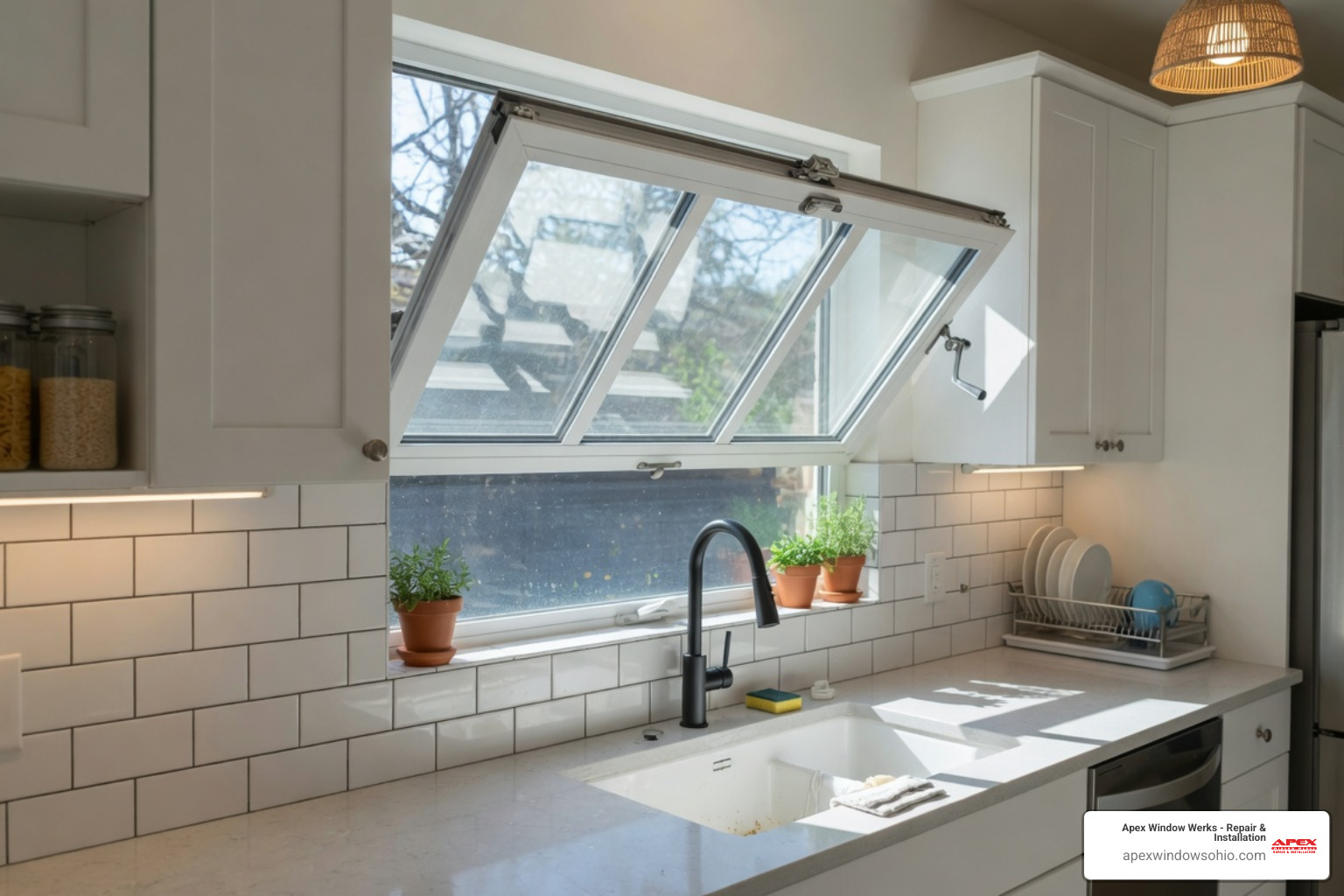
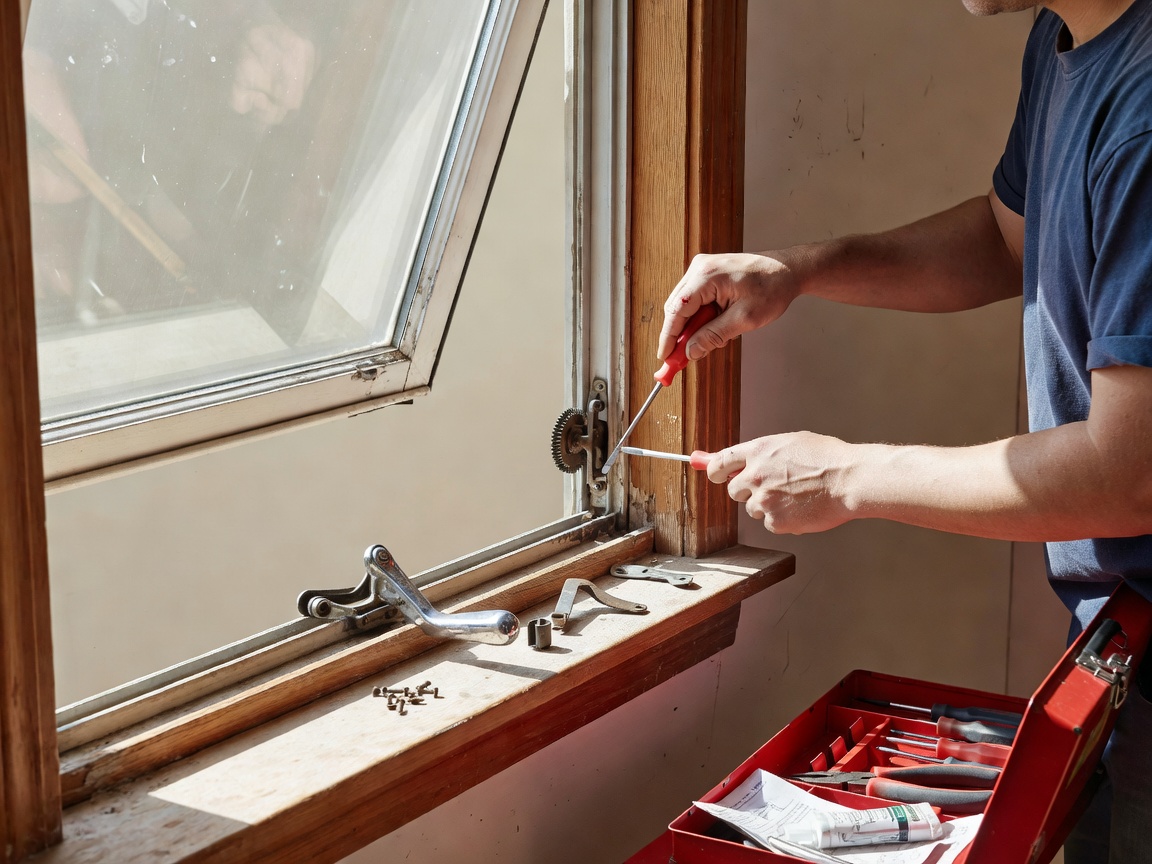
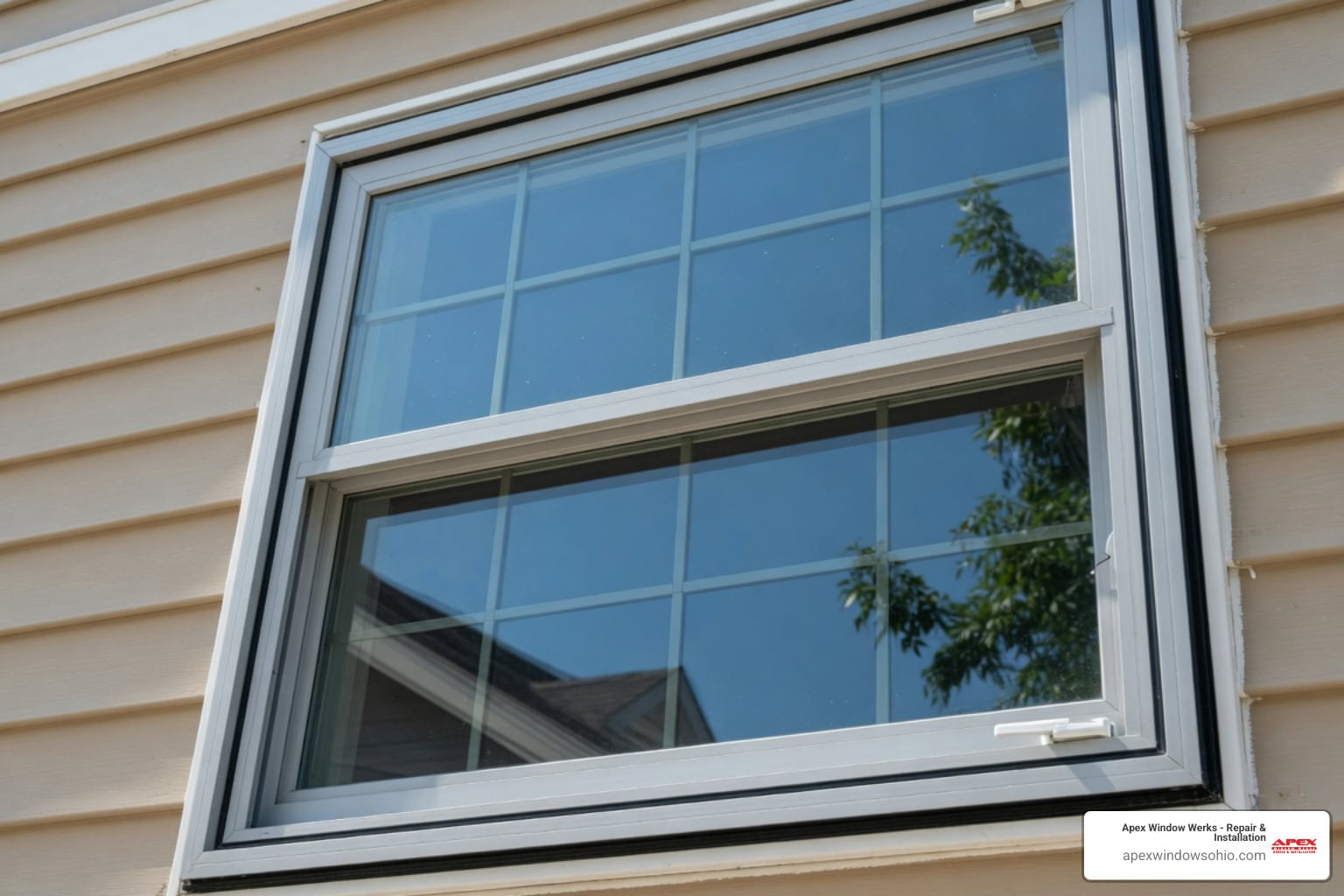
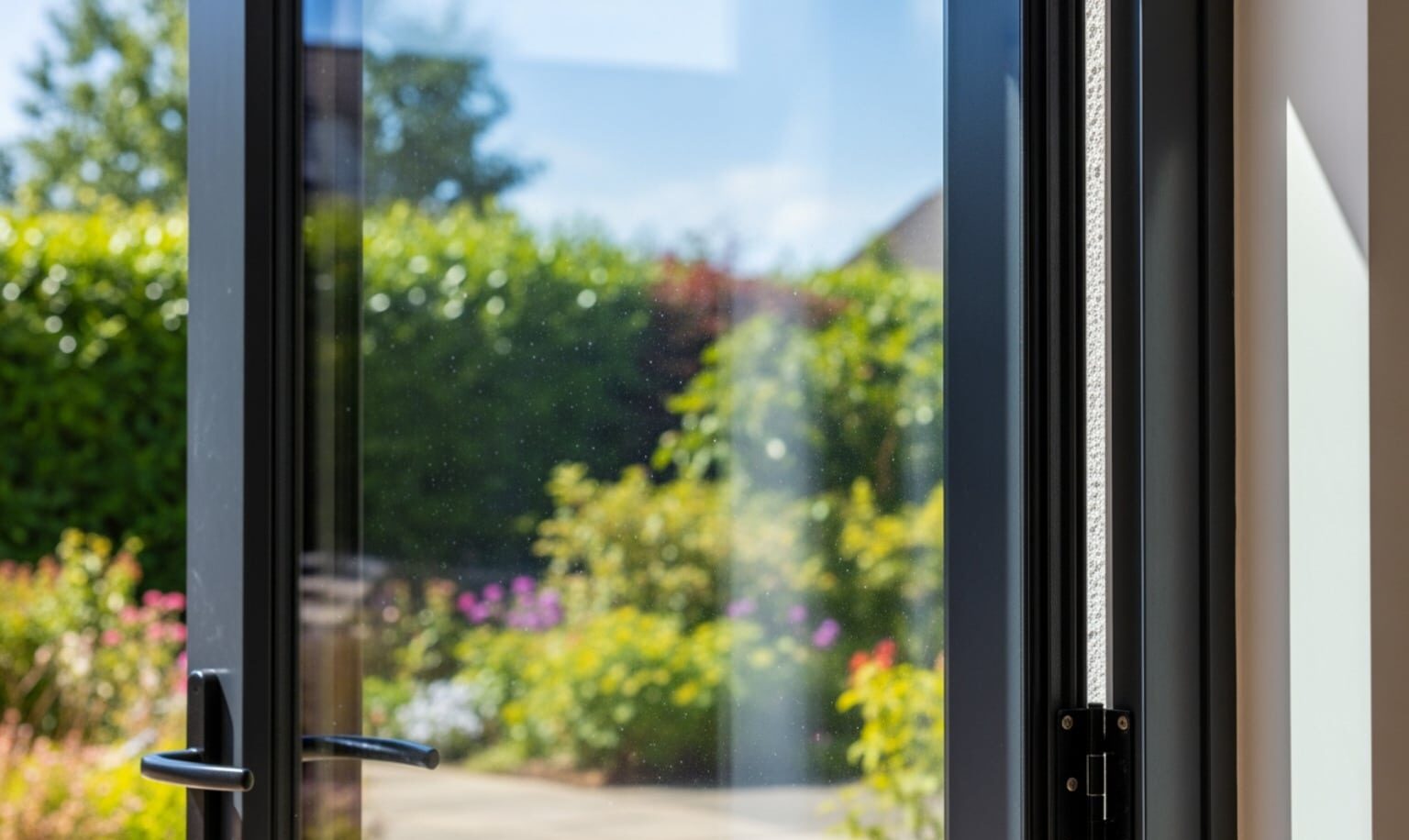
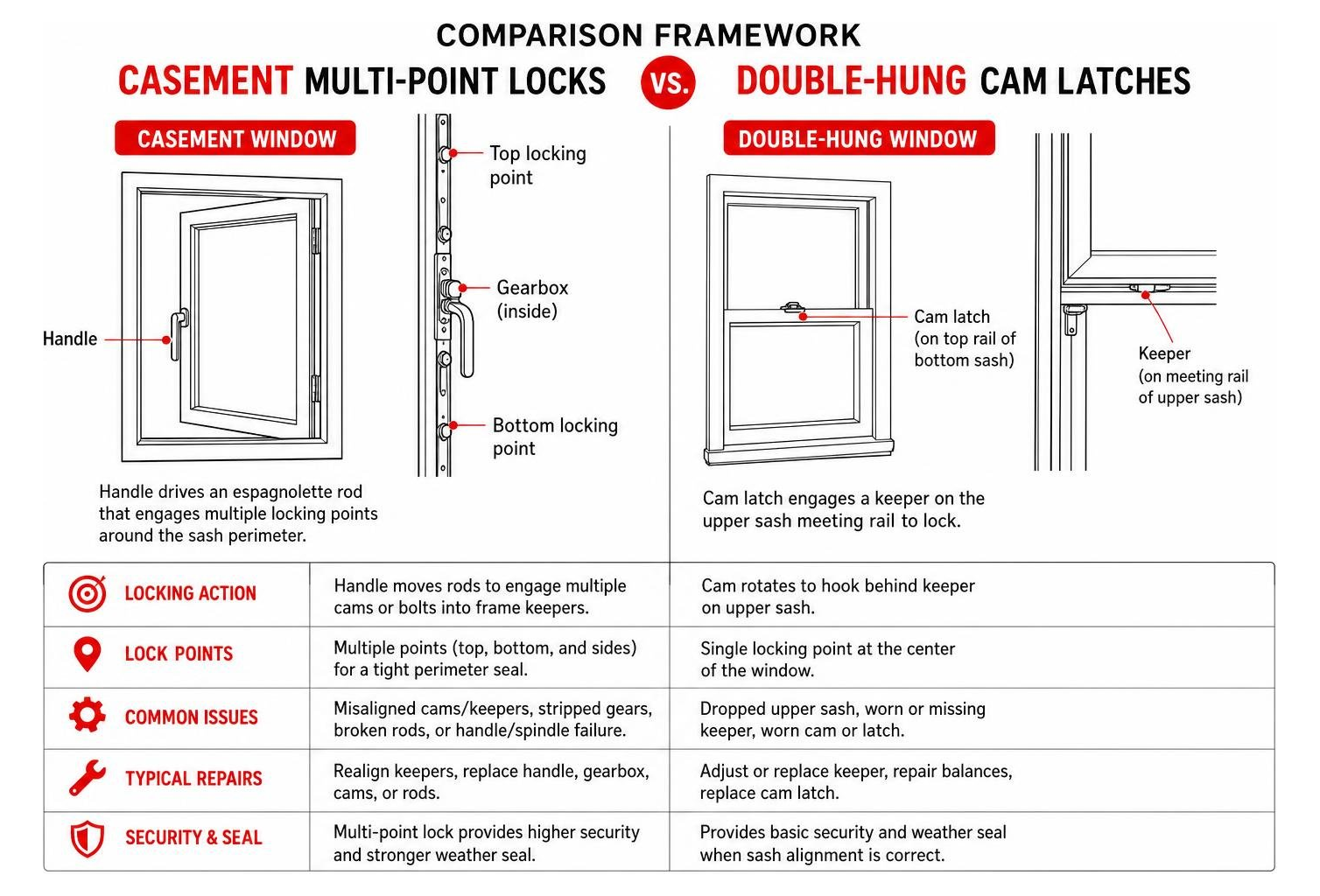
- Casement and awning windows (espagnolette & multi-point systems): Casement windows feature a long metal gear strip along the sash perimeter called an espagnolette rod. When you operate the handle, roller cams, mushrooms, or shootbolts slide into fixed receivers called keepers on the master frame. If a roller cam gets knocked out of line or a gearbox cracks internally, the perimeter rods freeze.
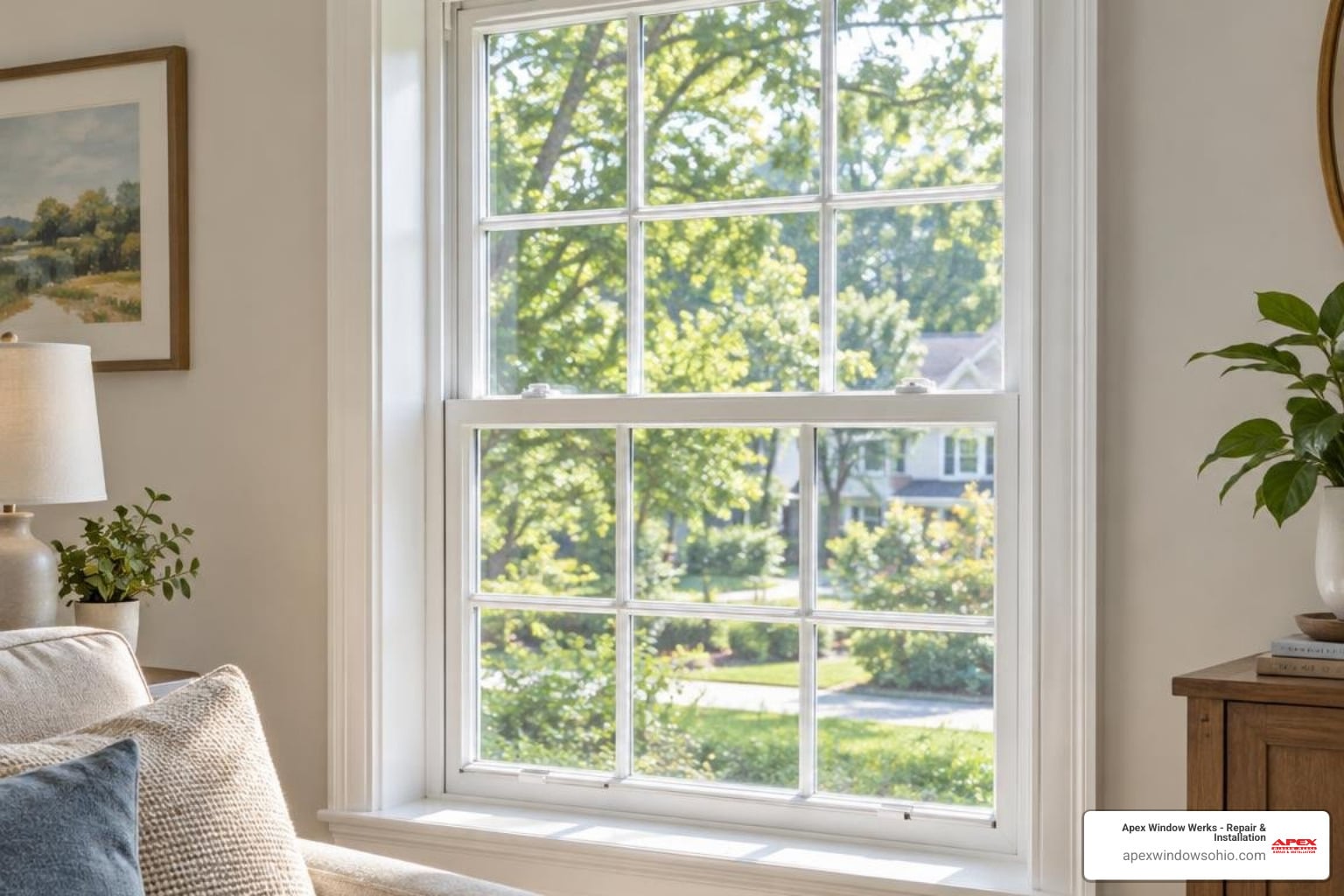
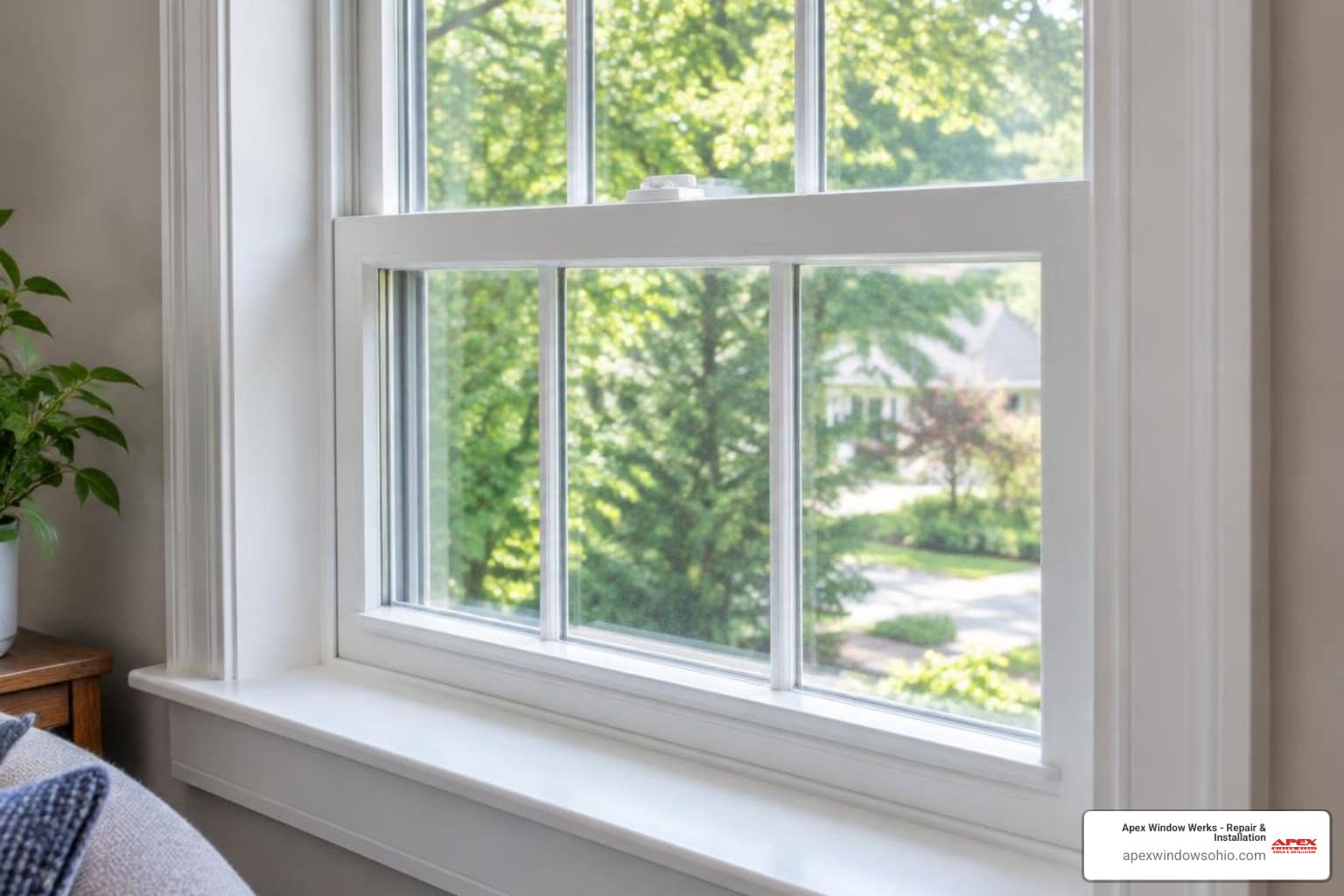
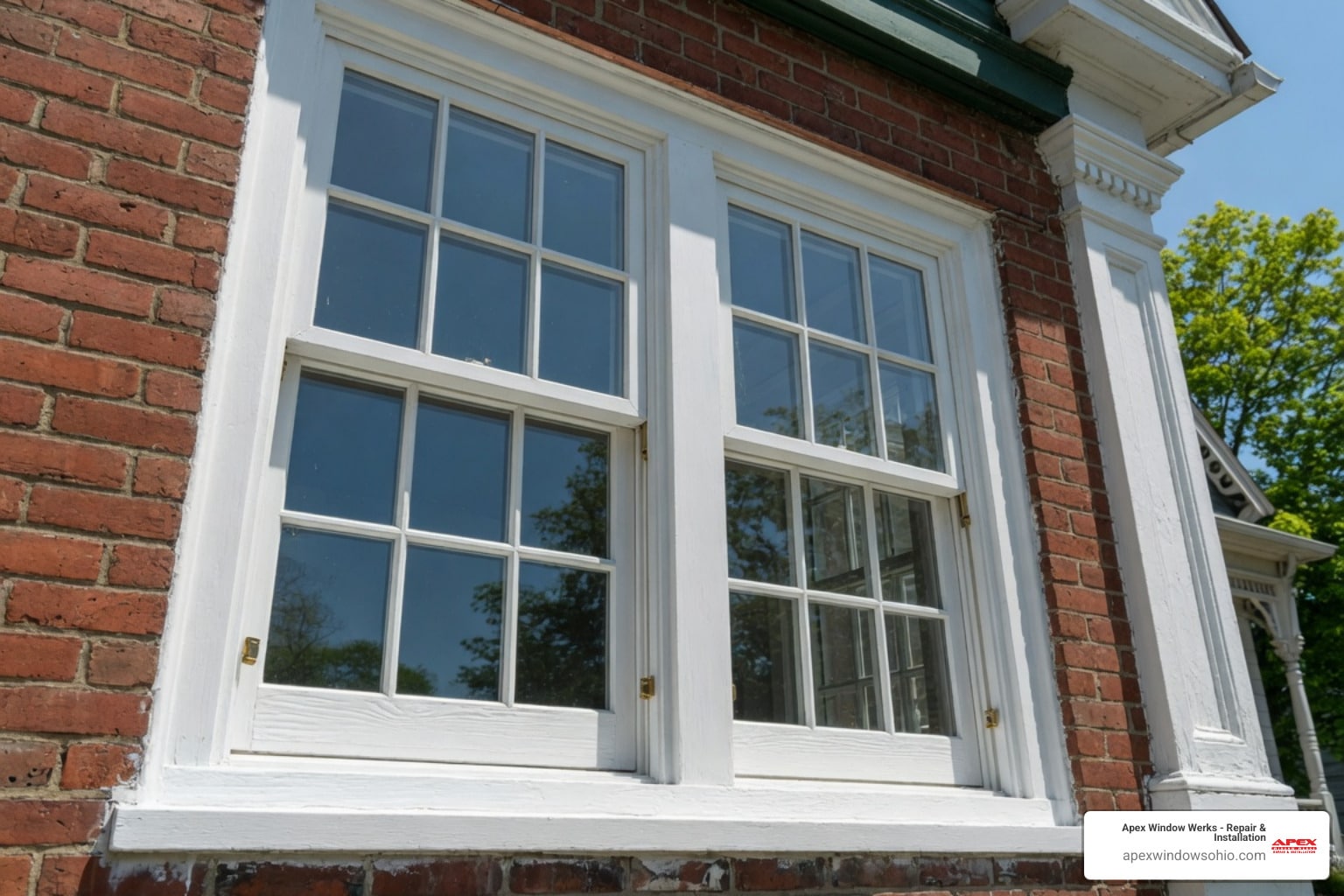
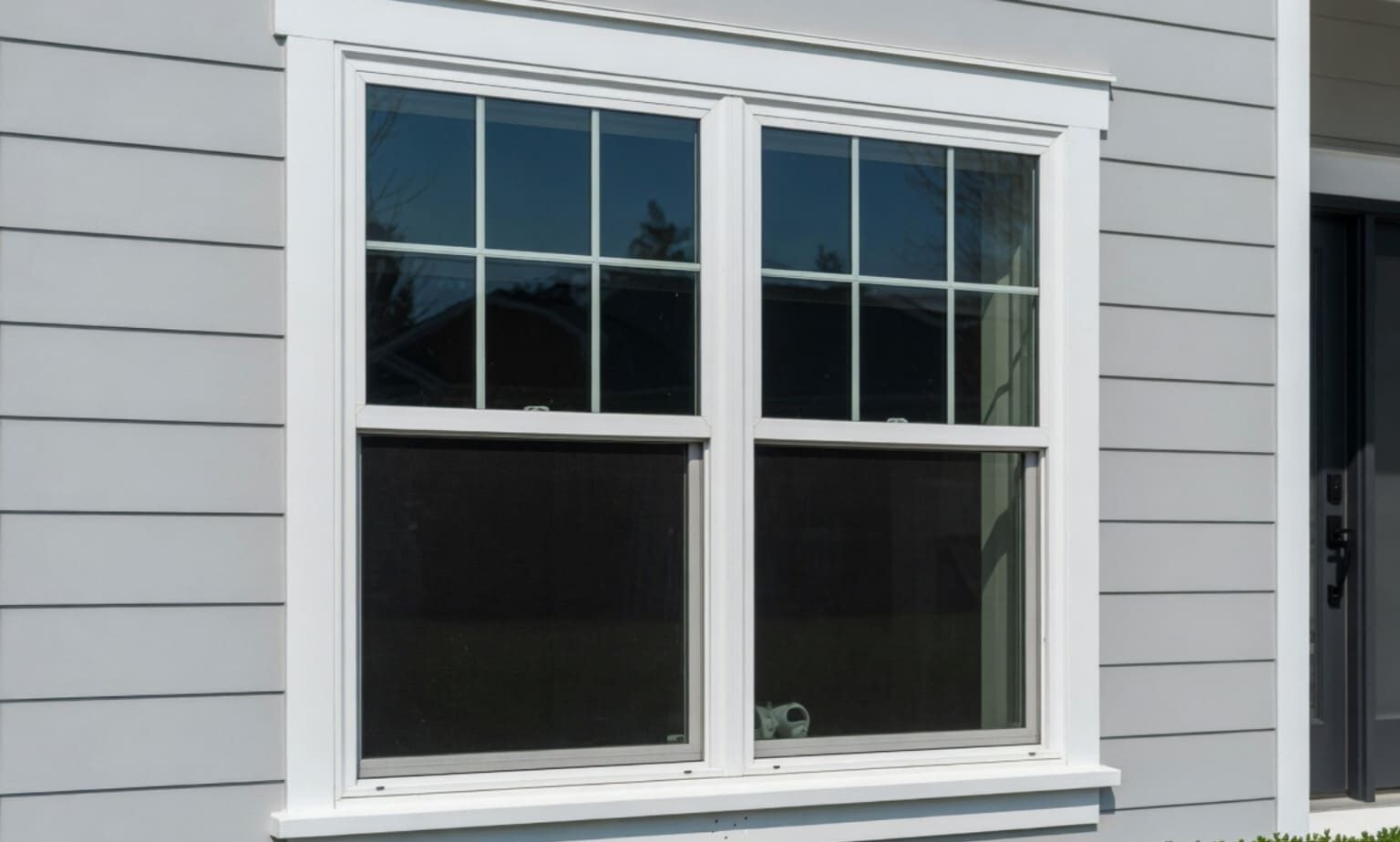
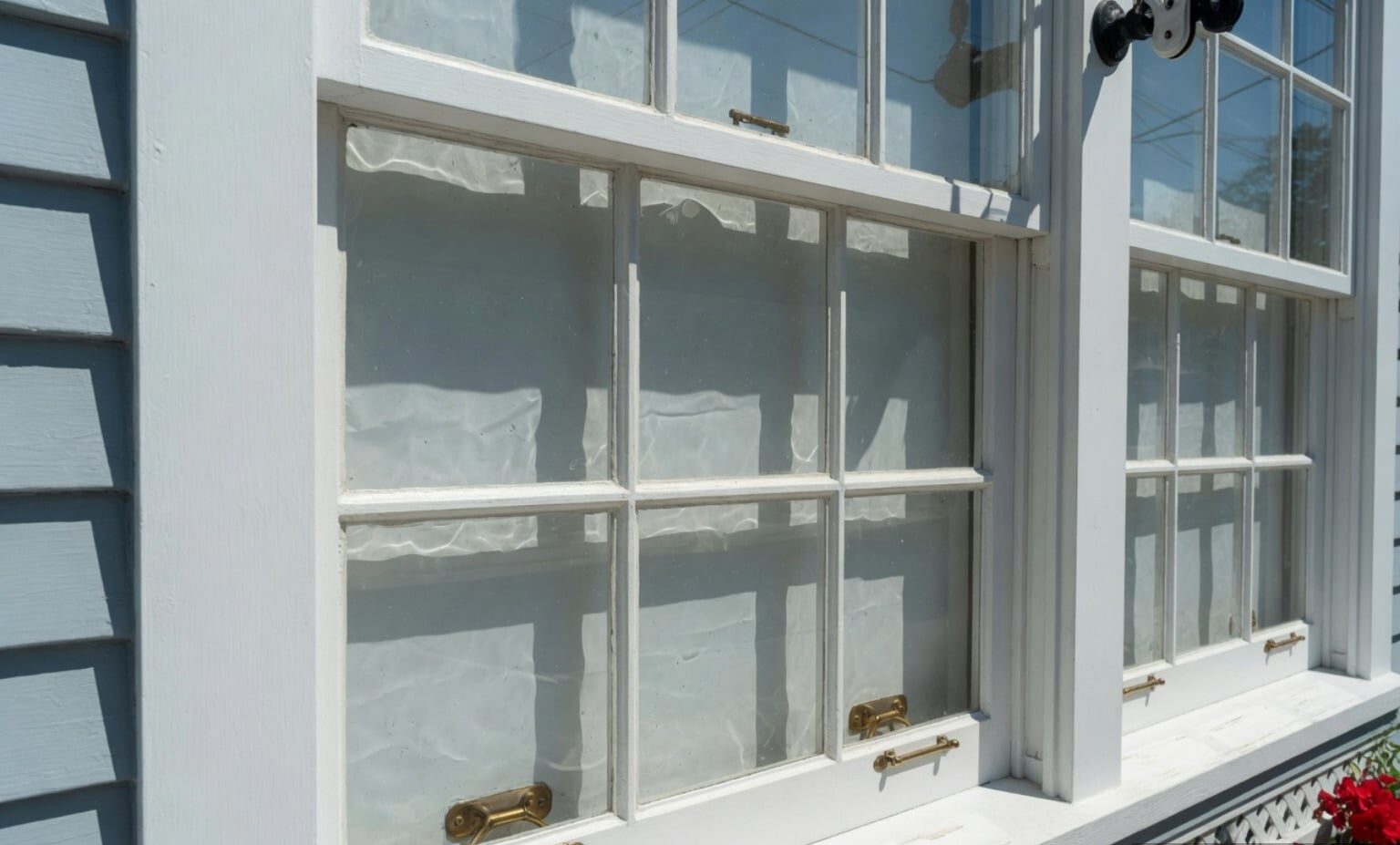
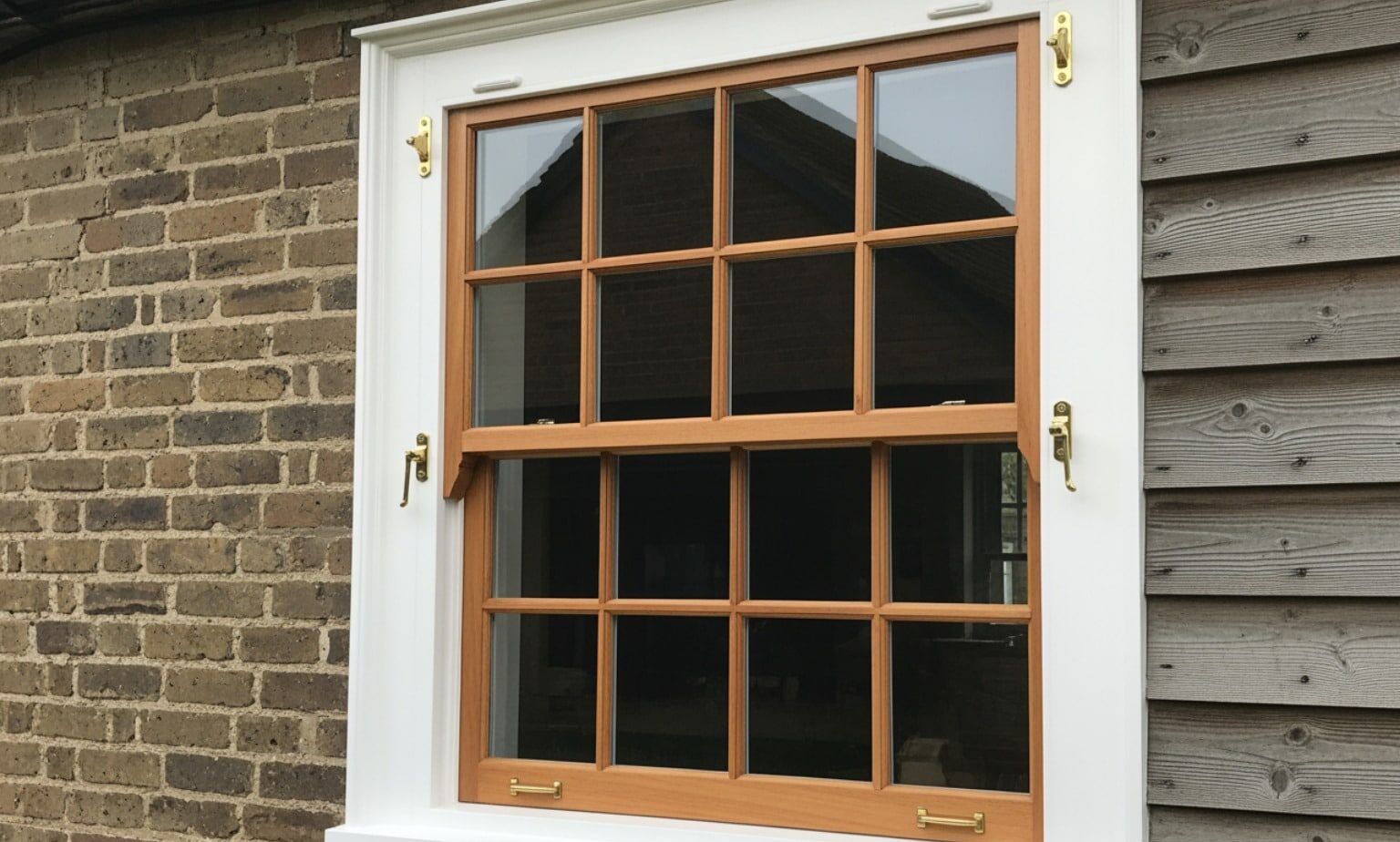
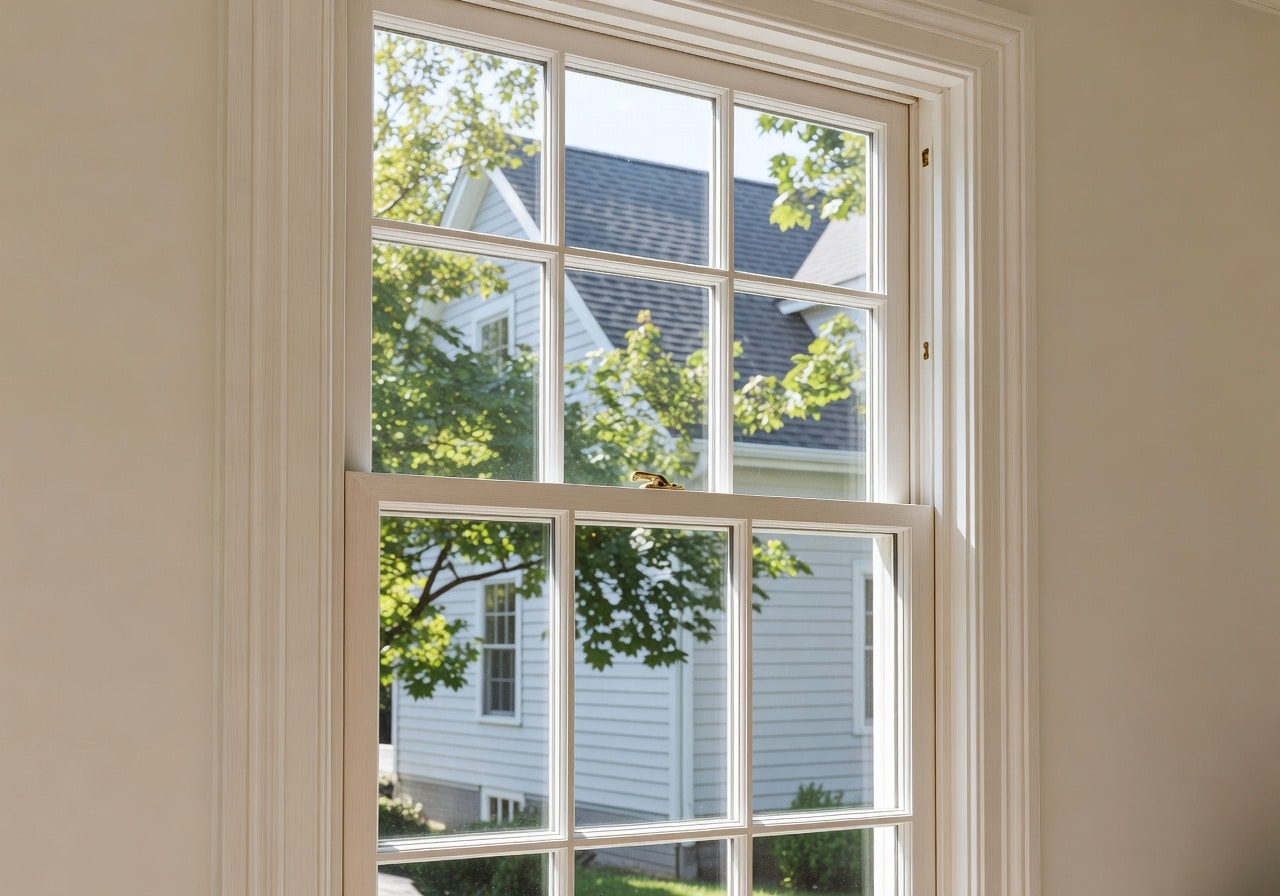
- Double-hung and single-hung windows: In vertical sliding systems, the lock is typically a sweep latch or cam lock mounted on the top rail of the bottom sash that engages a keeper on the meeting rail of the upper sash. If the upper sash drops even a fraction of an inch down from the head jamb, the two halves cannot meet. In many cases, addressing the lock requires identifying dropped sash locks to ensure both sashes are seated in their balance channels before attempting to adjust latch screws.
Step-by-Step Guide to Fix Double Glazed Window Locks in Cleveland & Akron
Before taking apart your window, diagnose the visible symptoms. Many lock issues can be resolved with basic hand tools by adjusting friction stays, repositioning strike plates, or swapping out a worn handle.
| Symptom | Probable Cause | Recommended Fix |
|---|---|---|
| Handle spins 360 degrees without resistance | Stripped square spindle or broken handle base | Remove handle, check spindle length, and replace handle unit |
| Handle turns, but locking pins do not move | Broken internal gearbox drive gear | Replace center gearbox or complete espagnolette strip |
| Handle feels stiff; pins catch on metal frame | Sash sag or misaligned strike keepers | Adjust hinge friction screws or reposition keepers slightly |
| Double-hung latch will not reach the keeper | Upper sash has dropped or balance shoe is stuck | Push upper sash fully up; reset balance shoe in track |
| Window locks but leaves a drafty gap | Loose cam compression or worn rubber gasket | Rotate eccentric roller cams; replace flattened weather seals |
Essential Tools Needed to Fix Double Glazed Window Locks
To safely adjust and repair window hardware, gather these basic tools:
- Standard Phillips-head and flat-head screwdrivers
- Set of metric Allen keys (3 mm, 4 mm, and 5 mm)
- Small utility knife or putty knife (to pop off screw cover caps)
- Dry PTFE spray or clear silicone lubricant (avoid sticky household greases)
- Measuring tape (to check spindle length and backset)
- Torx drivers (for specific modern multi-point installations)
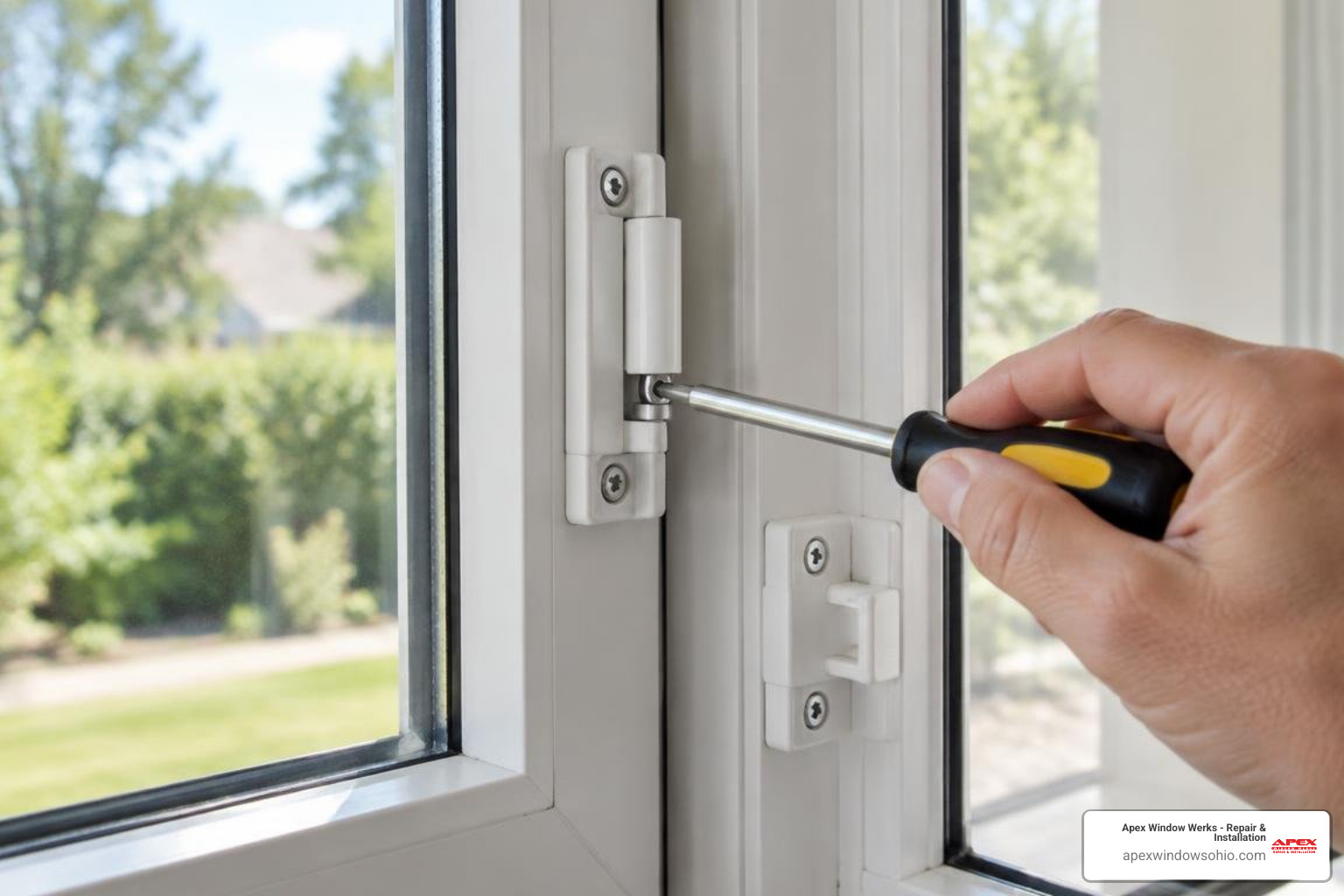
If your sash latches are physically broken, following our guide for replacing damaged window sash locks will ensure you select a replacement with matching screw-hole spacing and proper backset depth.
How to Fix Double Glazed Window Locks on Double-Hung Systems
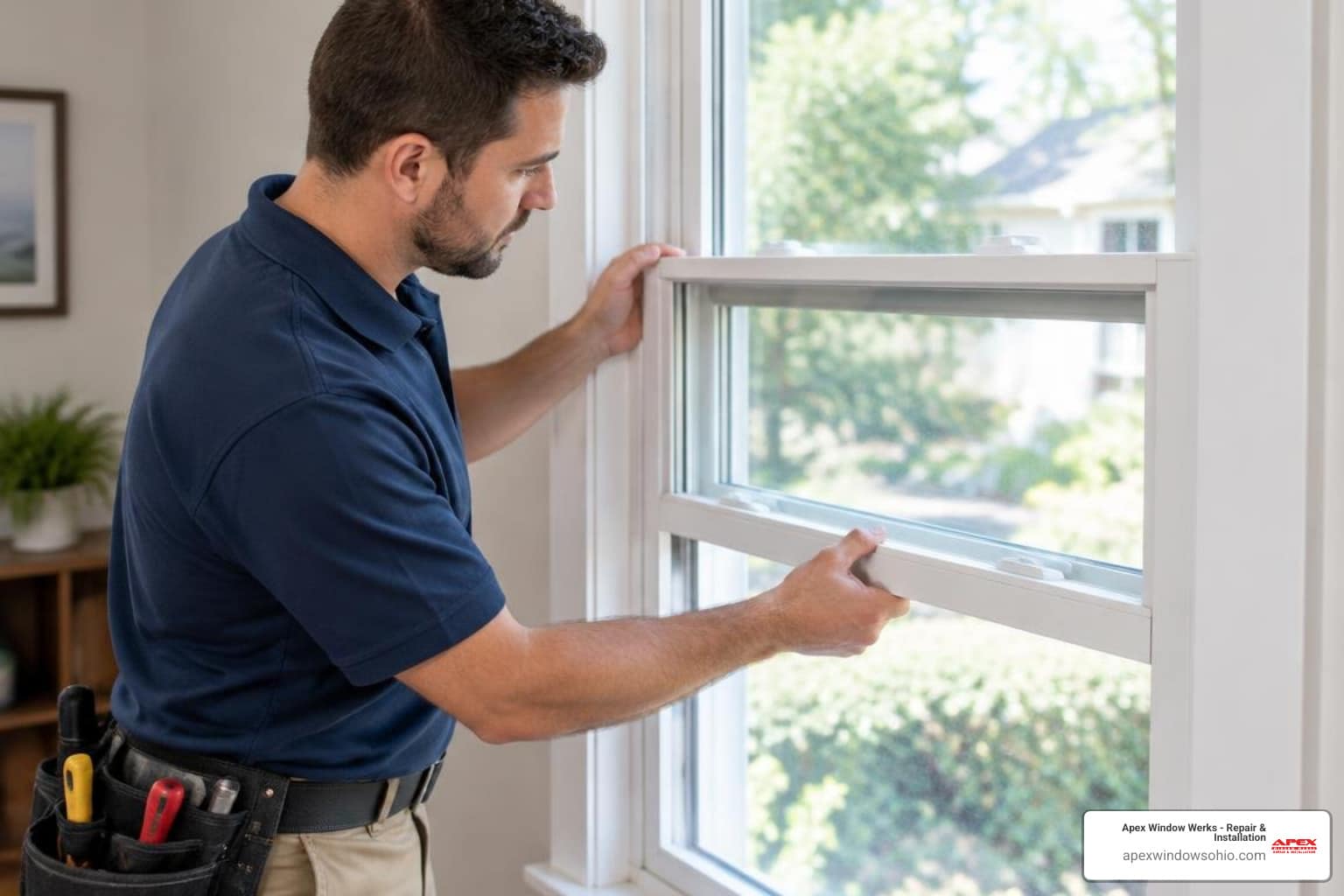
When a double-hung sash will not lock, the root cause is almost always sash positioning rather than broken metal latches. Follow these steps to restore alignment:
- Check the top sash position: Unlock the window fully. Place both hands firmly on the top sash’s upper rail and push upward into the frame header. If it moved upward even an eighth of an inch, try latching the lock again.
- Inspect the lower sash seating: Ensure the bottom sash is pushed completely down against the sill. Debris, old paint, or displaced weatherstripping inside the sill groove can prevent the sash from bottoming out.
- Reseat the tilt latches and balance shoes: If the window was recently tilted inward for cleaning, one of the bottom pivot bars may have slipped out of its balance shoe. Tilt the sash inward to a 90-degree angle, push down firmly on both sides to re-engage the metal pivot pins into the shoes, and snap the sash back into the vertical jamb tracks.
- Align the meeting rail keeper: If the cam latch hits the side of the keeper plate, loosen the keeper’s mounting screws slightly, slide the keeper into alignment with the cam, and retighten.
Lubrication and Alignment Adjustments for Stiff Mechanisms in Ohio Climates
Friction is the primary enemy of multi-point locking strips. When internal gears encounter resistance, homeowners naturally pull harder on the handle, which eventually snaps the drive mechanism.
To restore smooth operation and relieve strain on your locks:
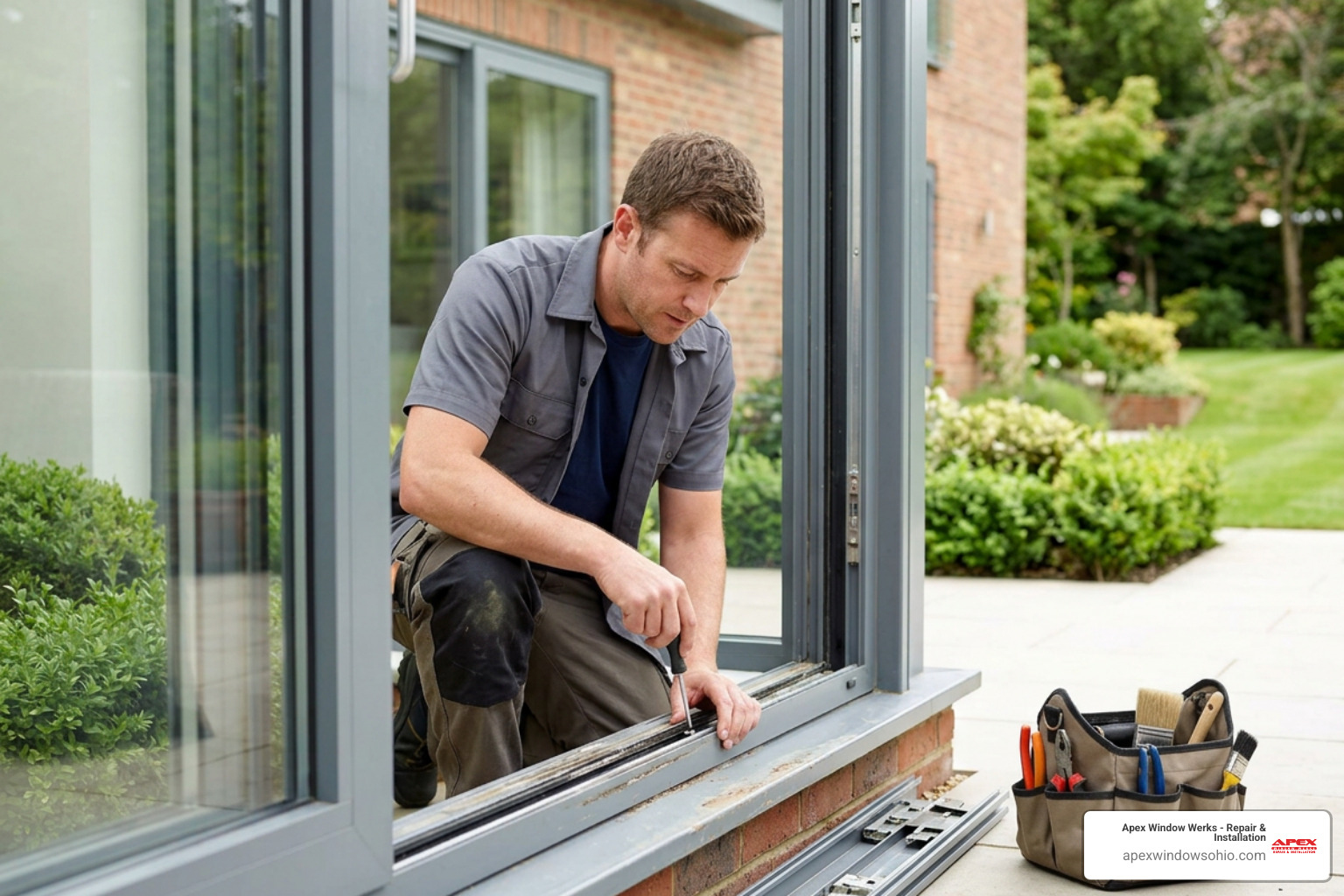
- Clean the tracks and keeps: Open the window sash fully. Use a vacuum attachment or a stiff nylon brush to remove accumulated dirt, insect debris, and dried grease from the bottom track, hinge channels, and locking keeps.
- Apply proper lubrication: Spray a high-quality silicone lubricant or dry PTFE spray directly onto all moving roller cams, mushroom bolts, shootbolt tips, and hinge pivot joints. Lightly spray into the handle spindle opening. Never use heavy automotive grease or thick oils, which attract grit and turn into an abrasive paste.
- Adjust roller cam compression: Most casement locking pins feature an eccentric (oval) shape or an off-center Allen slot. By inserting a 4 mm Allen key and rotating the cam, you can adjust how tightly the sash pulls against the frame gasket when locked. Turning the thicker edge toward the rubber seal increases weather tightness; turning it away reduces locking resistance.
- Service the friction stays: If the sash drags along the bottom sill, locate the brass or steel friction screw on the hinge track. Tightening or loosening this screw in small quarter-turn increments helps re-square the sash inside the outer frame.
Proper seasonal hardware cleaning and lubrication is an essential part of regular residential window hardware maintenance, preserving the life of your multi-point gearboxes and preventing costly mechanical lock failure.
Frequently Asked Questions About Northeast Ohio Window Lock Repairs
Why does my window handle turn without locking the window?
When a handle spins freely without operating the perimeter locks, the cause is typically a sheared square spindle or a failed center gearbox. The steel spindle inside the handle may have stripped the soft cast metal inside the drive hub, or the internal gears controlling the espagnolette rod may have broken their drive teeth. Removing the handle screws allows you to inspect the spindle and determine whether you need a replacement handle or a new internal gearbox.
Can I repair a double glazed window lock mechanism myself?
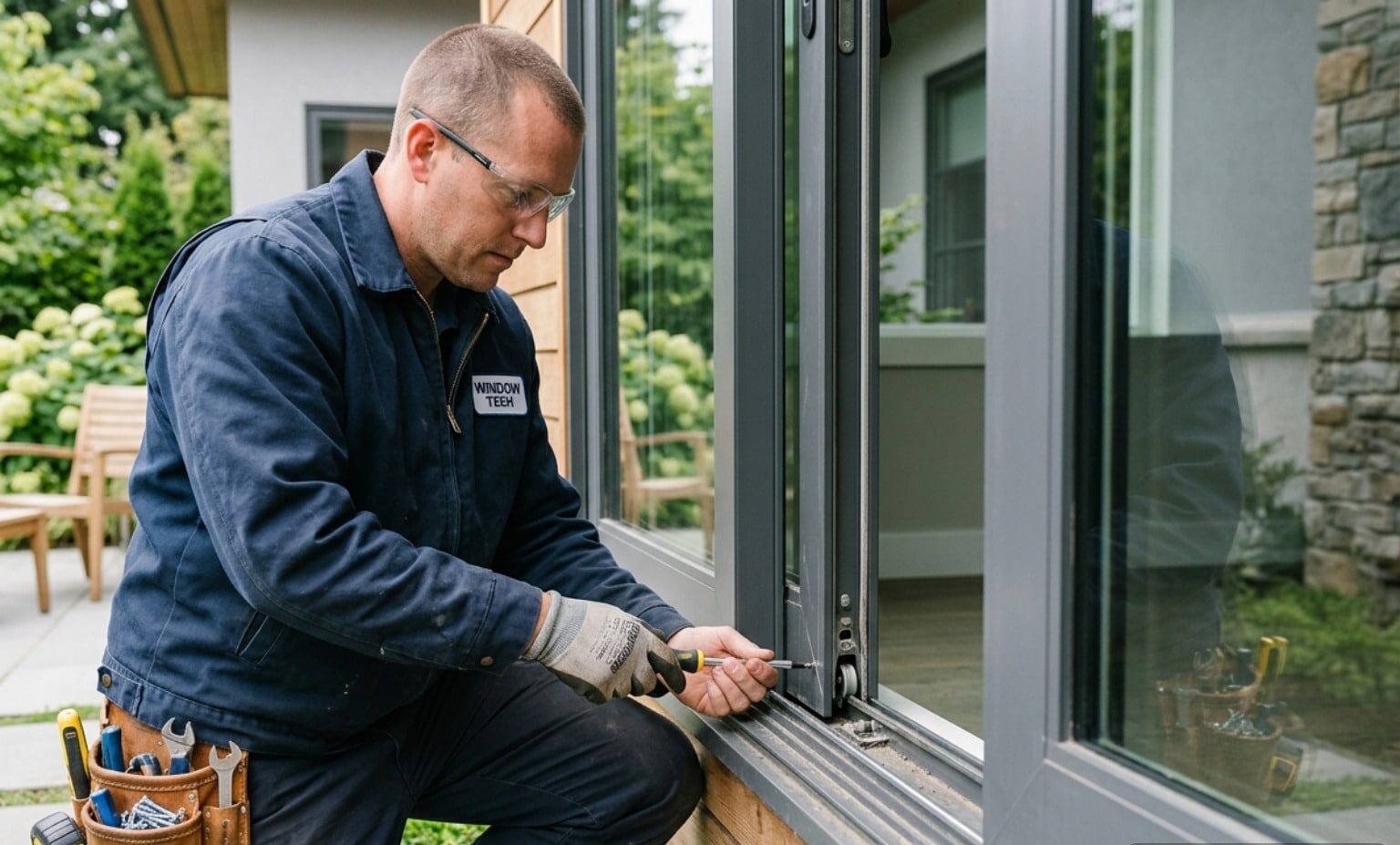
Homeowners can easily handle basic repairs, such as replacing loose handles, clearing debris, adjusting cam compression, and realigning double-hung meeting rails. However, replacing an internal multi-point gearbox or complete locking rod system requires accurate backset measurements, correct faceplate sizing, and precise alignment. If the locking rods are jammed inside a locked, unopenable window, working with a specialist prevents unnecessary damage to the frame or insulated glass unit.
When should I call a professional for window lock issues?
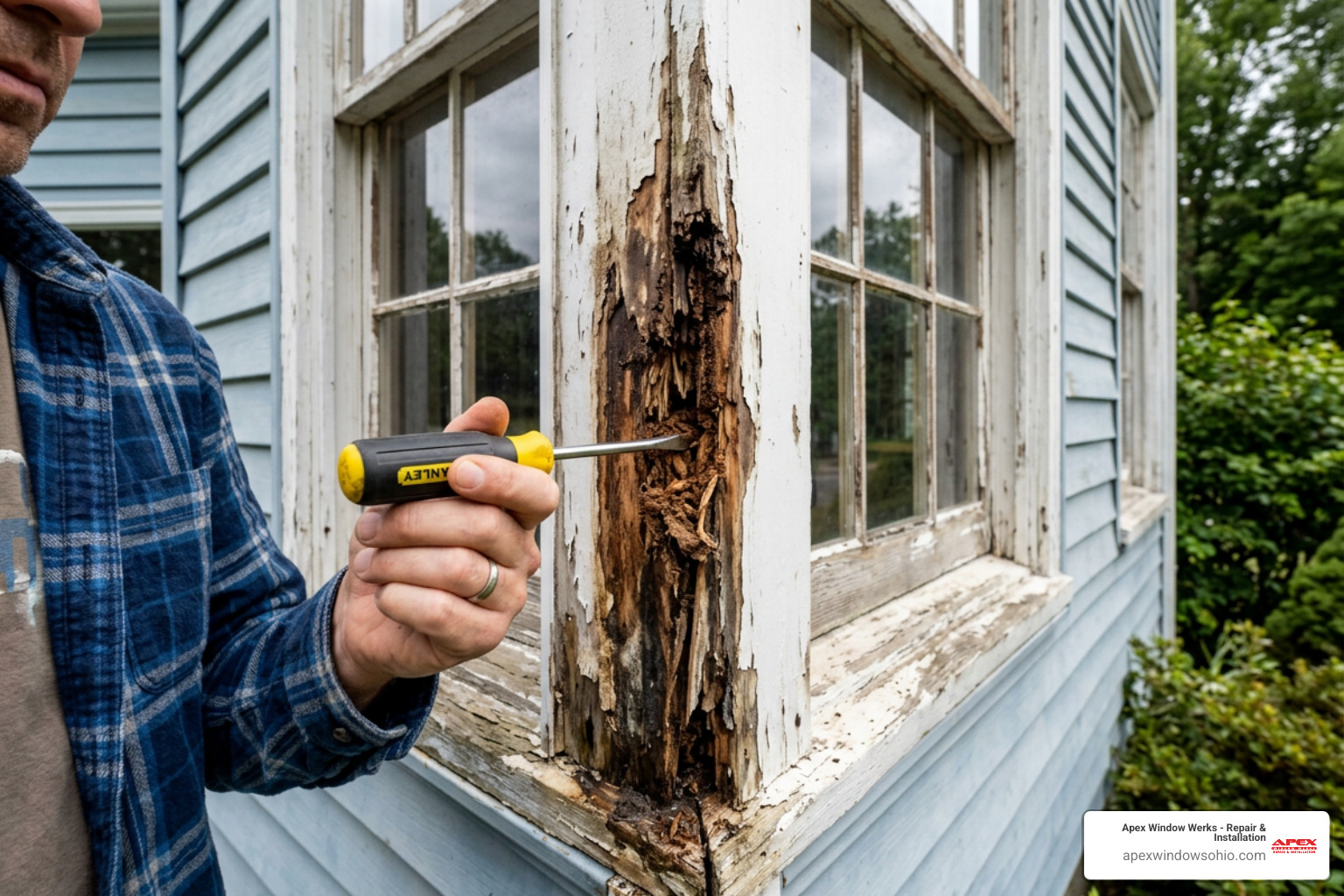
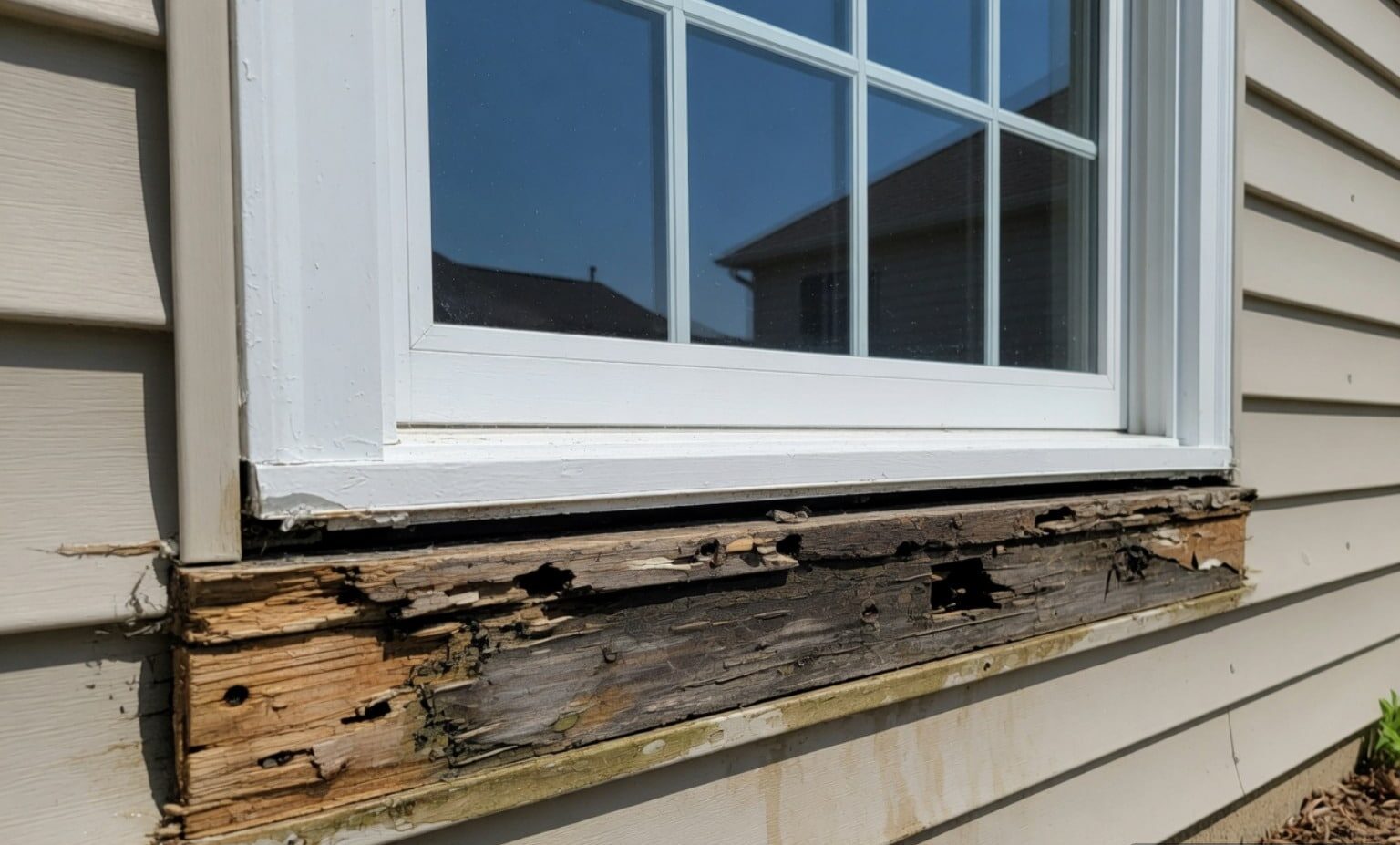
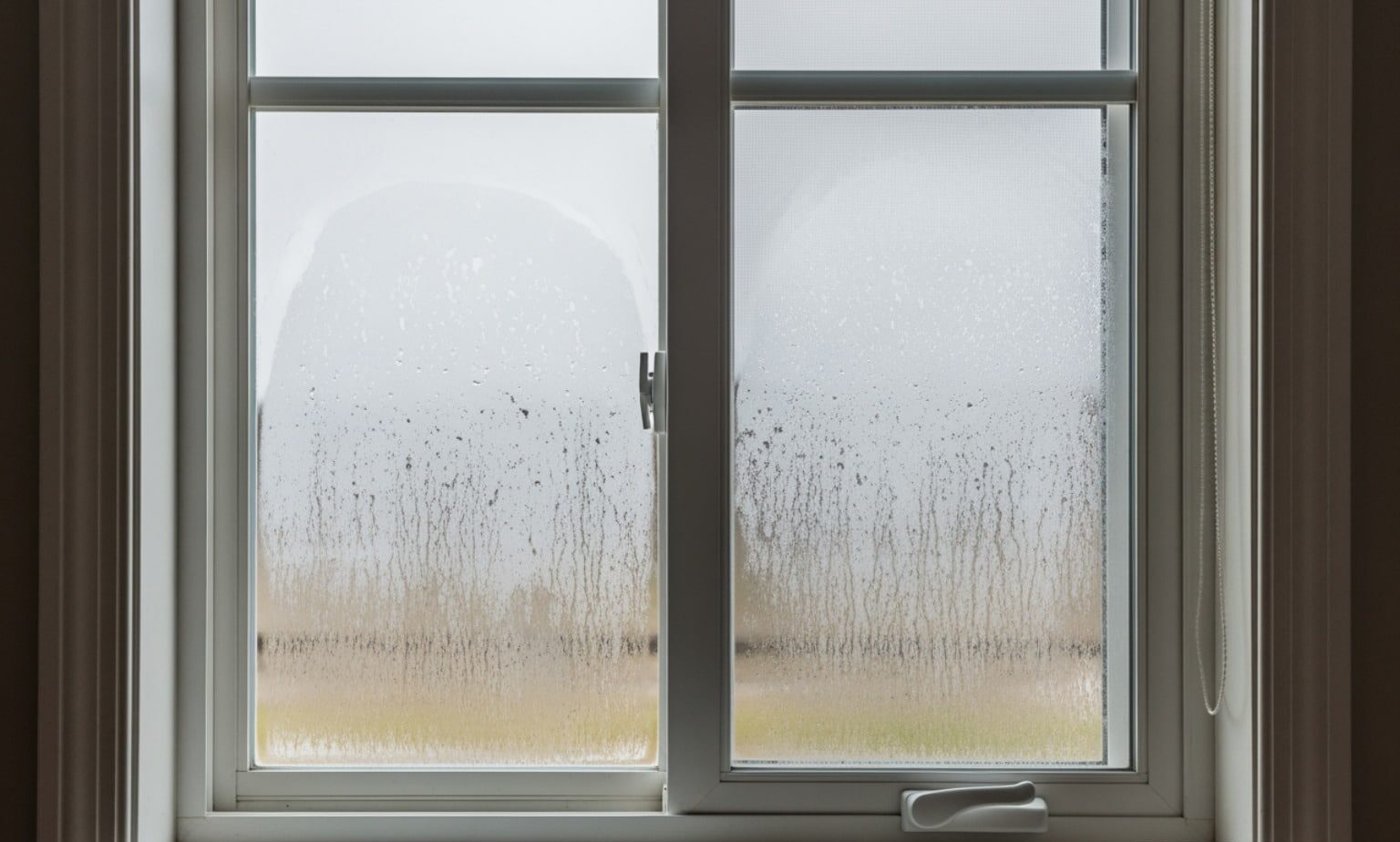
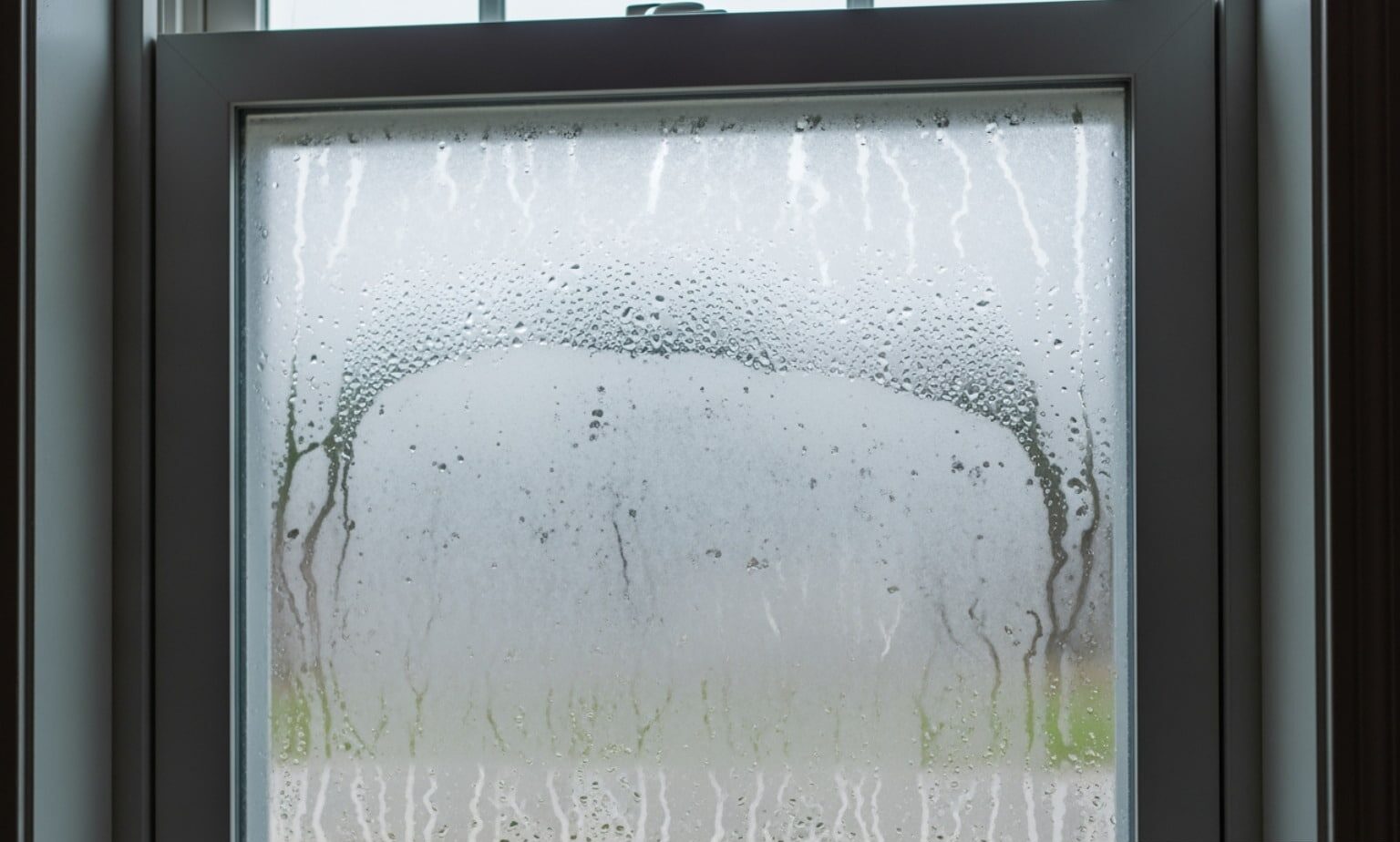
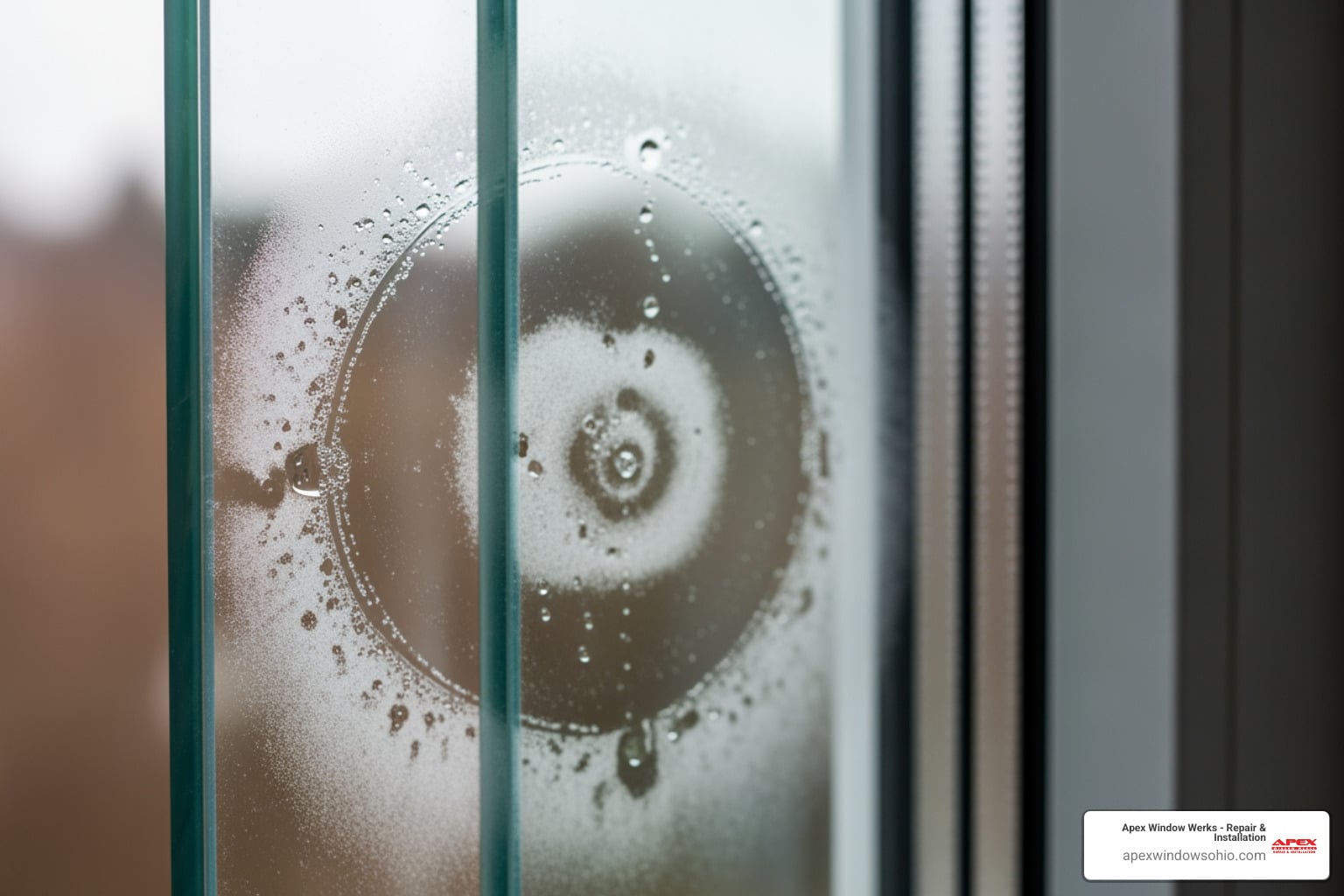
You should reach out to an experienced window technician if your window frame is visibly warped, the glass unit has lost its seal (showing internal fogging), or the lock mechanism has seized entirely while closed. Attempting to force open a jammed multi-point lock with crowbars can shatter the glass or crack the master frame. A technician can safely release internal catches, source brand-compatible hardware, and restore proper security.
How much does it cost to repair or replace a double glazed window lock?
The cost to fix or replace a window lock depends on several factors, including the type of lock mechanism (simple cam latch vs. complex multi-point espagnolette system), the manufacturer brand, the extent of sash misalignment, and whether surrounding wood or vinyl components require repair. Repairing existing hardware or swapping a standard handle is typically economical, whereas custom-fit gearboxes or extensive frame realignments require more time and specialized components. Requesting an evaluation provides an accurate assessment tailored to your specific window style.
Conclusion
A malfunctioning double glazed window lock compromises your home’s security, drives up heating and cooling bills, and invites drafty outdoor air inside. By adopting a repair-first approach – focusing on clearing tracks, adjusting friction hinges, tuning roller cams, and replacing worn handles – you can often restore flawless operation without the major expense of total window replacement.
If your locks remain jammed, your multi-point rods have seized, or your sashes need expert realignment across Cuyahoga, Summit, Lake, Lorain, Medina, Geauga, or Portage counties, our team is here to help. Bring your removable sash hardware to our Oakwood Village workshop during business hours (Monday – Friday 8 AM – 5 PM, Saturday 9 AM – 2 PM), or use our simple online form to get started by requesting a professional window hardware evaluation today.